Your pampered feline might curl up in a designer cat bed and dine on gourmet kibble, but beneath that soft fur lies the soul of a tiny predator. Ever watched your cat crouch low, wiggle its hindquarters, and pounce on absolutely nothing? That’s thousands of years of evolution playing out right on your living room floor.
Honestly, it’s pretty fascinating when you stop to think about it. Your domestic cat’s DNA is roughly 95 percent similar to tigers, and those wild instincts haven’t gone anywhere. They’ve simply adapted to life alongside humans. So let’s dive into the ancient behaviors that still influence everything your cat does, from their midnight zoomies to their obsession with knocking things off tables.
The Relentless Hunter Within
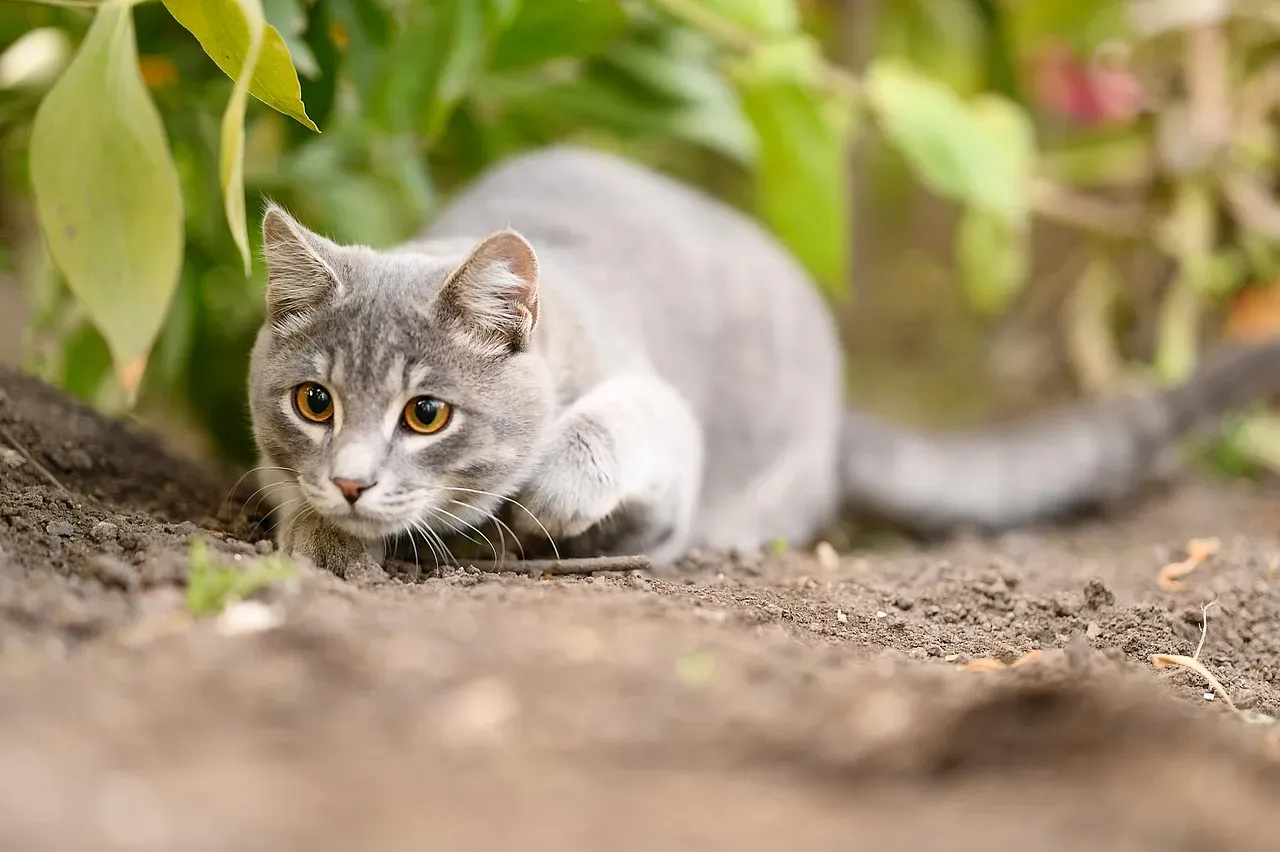
Your cat doesn’t need to hunt for survival, yet it still stalks, pounces, and “kills” its toys with surprising intensity. Hunting behavior is hard-wired into your cat’s DNA, developed over millions of years by wild ancestors who needed to stalk and chase prey. Here’s the thing though – the urge to hunt isn’t tied to hunger, as wild cats hunt all the time, even when they’re not hungry, because they never know when their next meal will come.
Watch your cat “play” with a toy mouse and you’ll notice something slightly unsettling. When a cat bats around its prey after the initial pounce, it’s actually tiring out the animal until it’s safe to go in for the killing bite. Even indoor cats display this behavior with their toys, going through the complete sequence of stalking, ambushing, and subduing their “prey” just as their ancestors did in the wild.
Twilight Warriors: The Dawn and Dusk Energy Surge
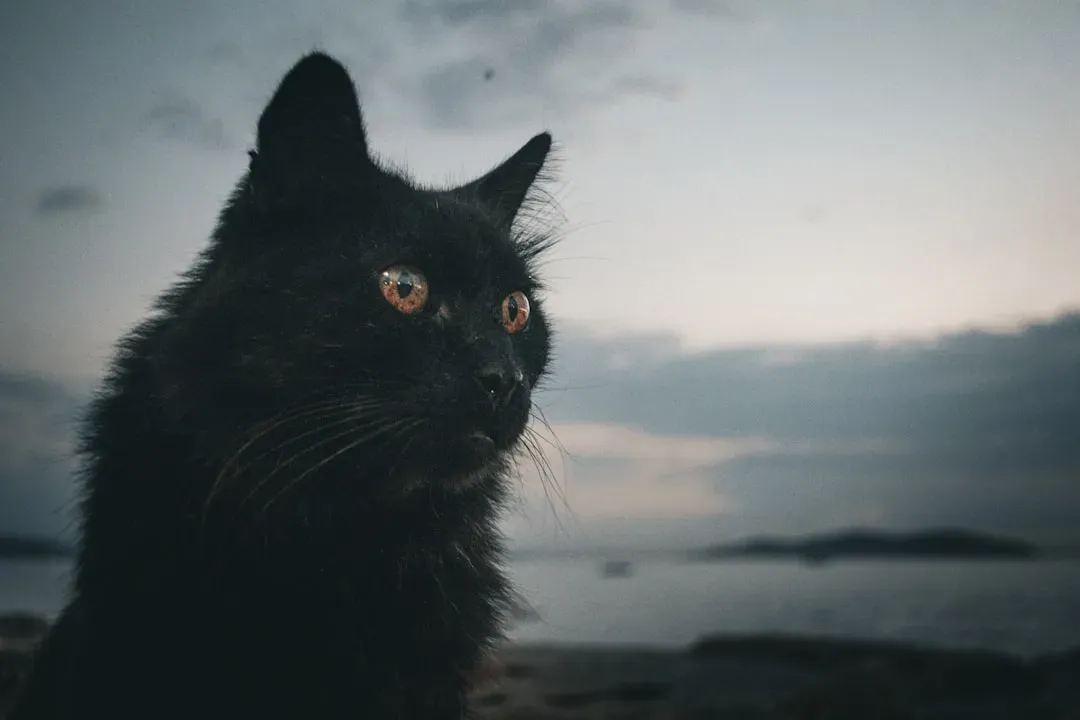
If your cat turns into a furry tornado right around sunrise or just as you’re settling in for the evening, there’s a perfectly logical explanation. Cats are not nocturnal but crepuscular, which means they’re most active during the twilight hours of dawn and dusk. This twilight activity is an ingrained behavior from their feline predecessors, who relied on catching food during dawn and dusk hours when their favorite prey animals like mice and rabbits would be most active.
This explains why your peaceful morning routine often includes a cat racing around the house like it’s training for the Olympics. Cats evolved to maximize their activity around these hours because this minimizes their risk from natural predators, which are active during peak hours of daylight and darkness. So when your cat gets the zoomies at inconvenient times, it’s simply following an ancient schedule programmed into its biology.
The Epic Sleep Marathon
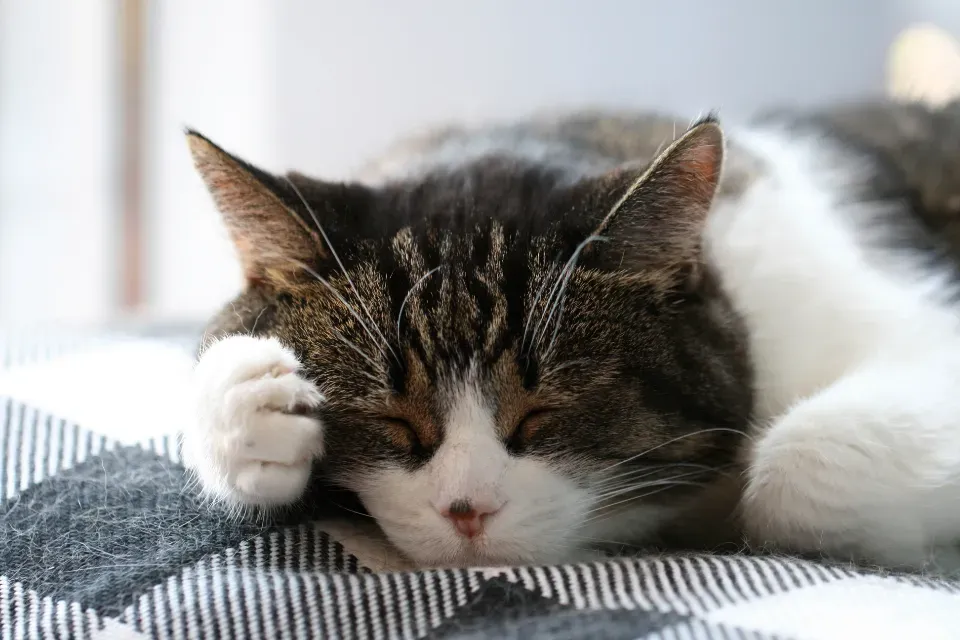
Let’s be real – your cat sleeps more than any creature you know. Cats sleep between twelve and sixteen hours daily in multiple short naps, which helps conserve energy for hunting and play, with sleep patterns evolved from their wild ancestors’ need to rest between hunting sessions. Unlike us humans who typically sleep in one long stretch, cats are polyphasic sleepers, taking frequent catnaps throughout the day and night.
Cats sleep a lot to conserve energy, a trait passed down from their wild ancestors who needed rest to hunt effectively. In the wild, hunting requires sudden bursts of intense energy, so the rest of the time is spent recharging. Your house cat maintains this pattern even though the most dangerous thing it hunts is probably a feather toy. It’s actually quite remarkable how deeply these rhythms are embedded in feline biology.
Territorial Marking and Scratching
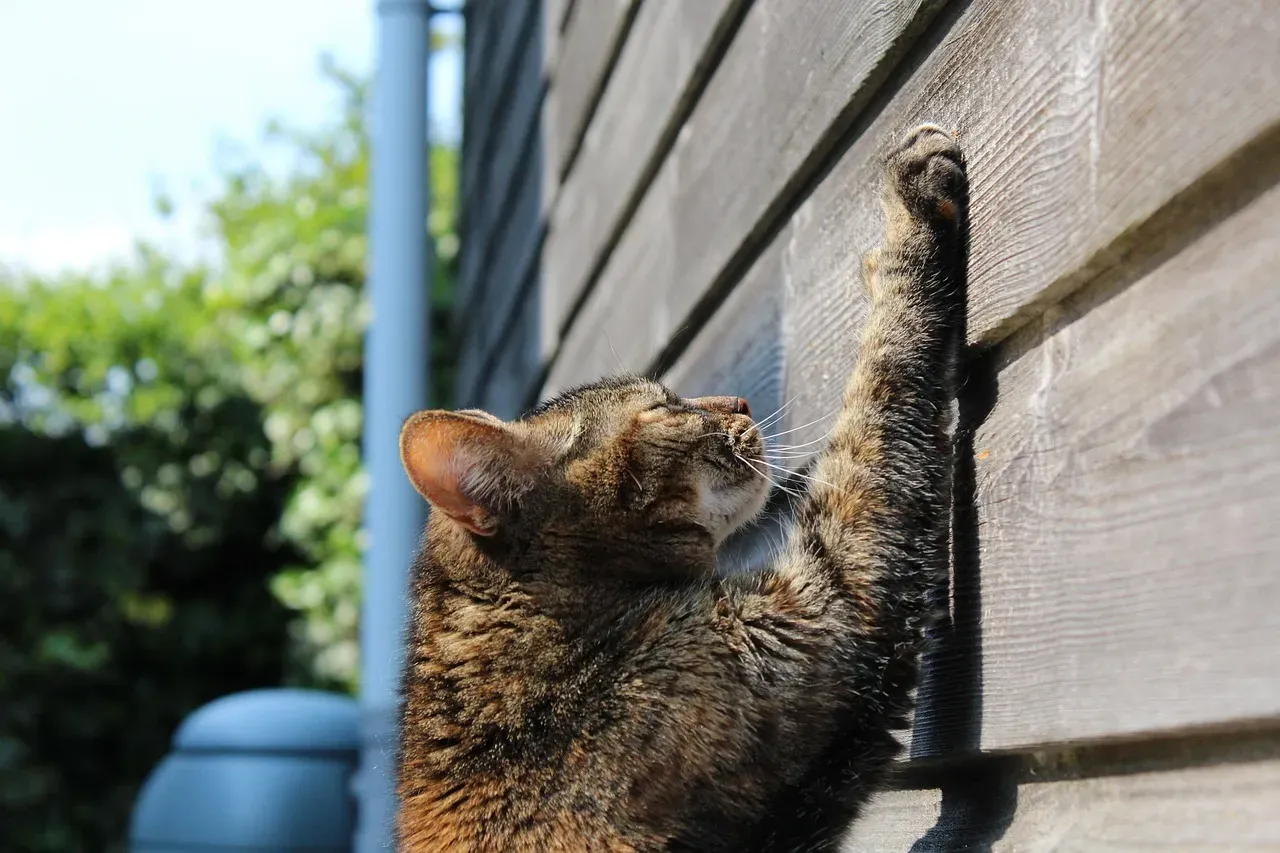
That expensive couch your cat insists on destroying? It’s not spite – it’s biology. This scratching behavior has ancestral roots, as in the past and wild, many cats would scratch at trees to mark their territory, with both male and female cats putting their markings to tell other cats in the area more about themselves. Cats have scent glands between the pads on their paws, so scratching leaves both a visual and olfactory calling card to other felines in the area.
Scratching serves multiple purposes beyond just sharpening claws. It’s a form of communication, a way to stretch muscles, and a territorial display all rolled into one. When your cat rubs against you with its cheeks, that’s another form of scent marking. In the wild, cats regularly rub against each other to claim their family and partners, transferring scent from their glands to one another to stake their property correctly.
Seeking Small, Enclosed Spaces
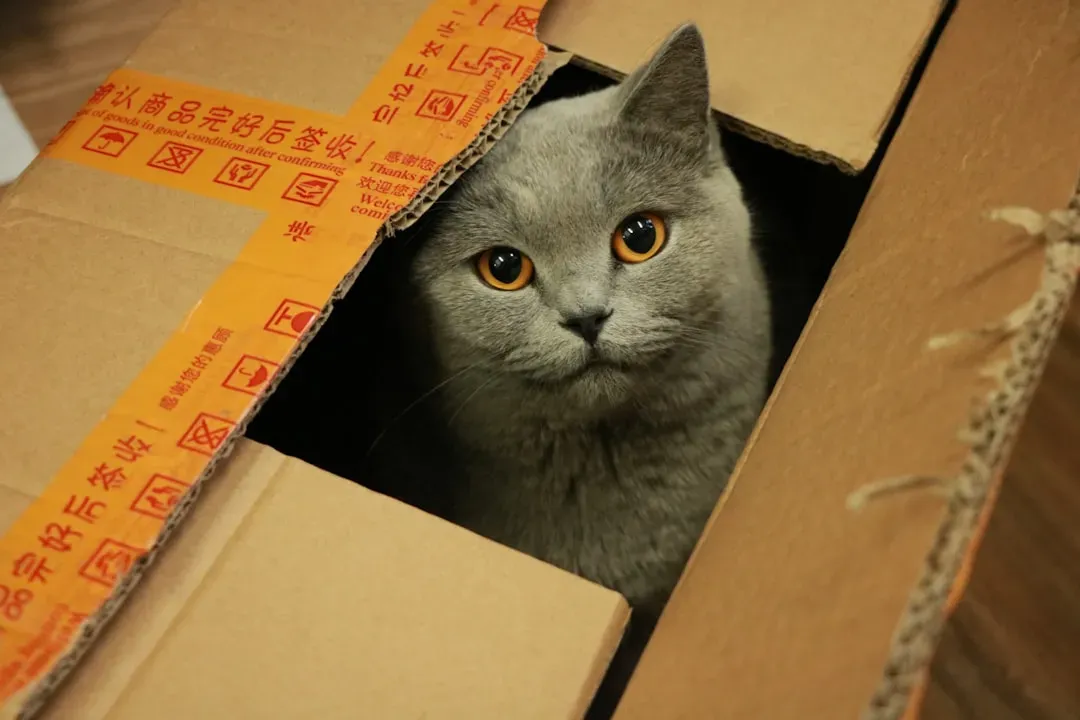
Ever wonder why your cat abandons its luxurious bed to squeeze into a cardboard box barely big enough to contain it? Cats in the wild like to seek shelter where they feel safe and protected from predators, and when a cat can squeeze into a small space, it knows that all sides are covered and it can remain hidden. The smaller the space, the safer your cat feels, which is why you’ll often find it wedged into the most improbable locations.
This instinct provided real survival advantages in the wild, where being exposed meant being vulnerable. That same logic follows for your pet cat, and the smaller the area, the safer it will feel. So next time you see your cat crammed into a shoebox, remember it’s not being weird – it’s following an ancient safety protocol that kept its ancestors alive.
Covering Their Tracks (and Waste)
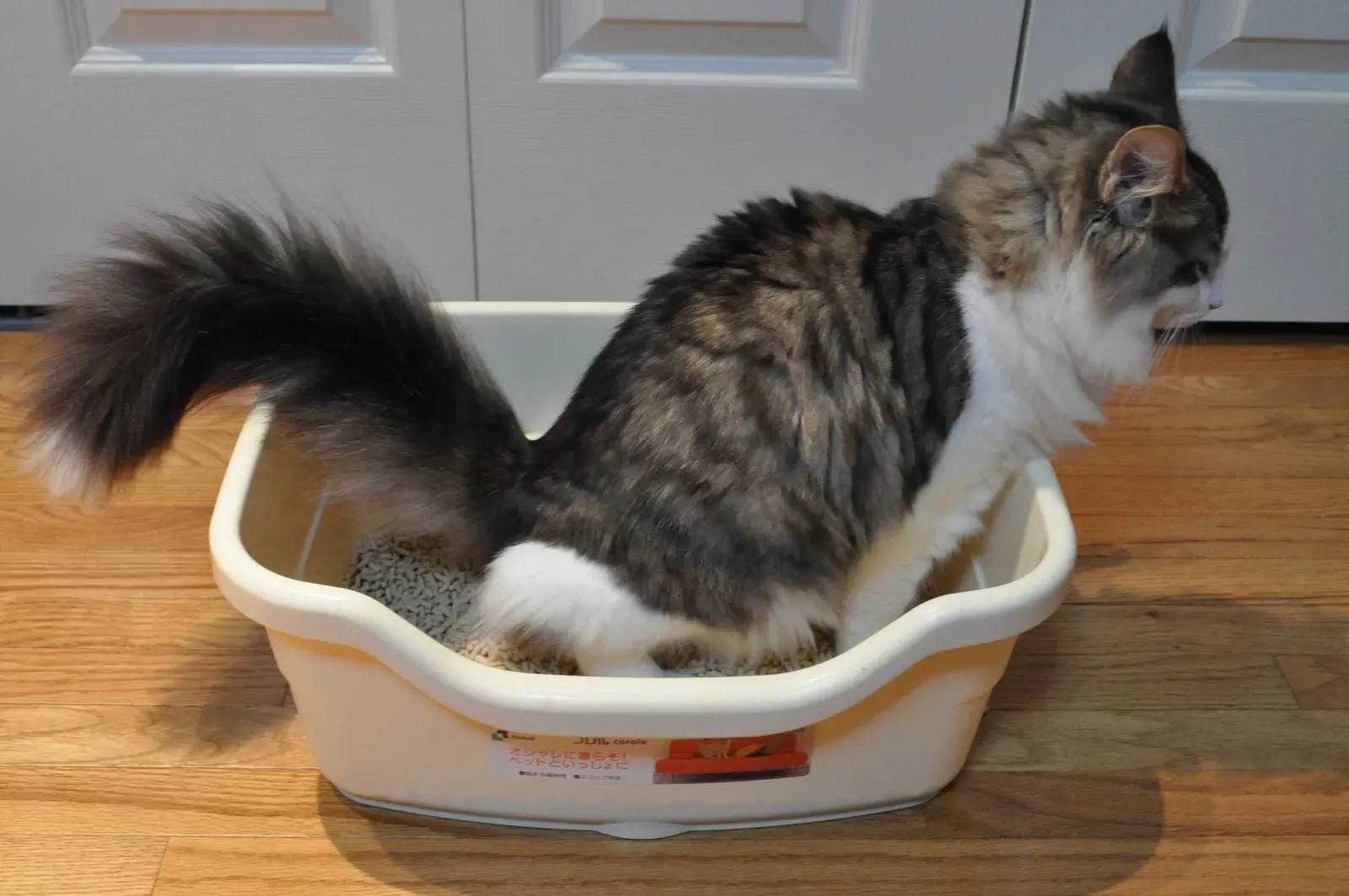
Here’s something most cat owners take for granted: litter box training is almost effortless. Cats very quickly learn to go to the bathroom in a litter box and cover their droppings – a convenient skill passed on through generations of wild cats over centuries of survival. In the wild, a cat will instinctively cover their droppings to avoid possible detection from predators.
This behavior is about staying invisible to larger predators and avoiding territorial disputes with other cats. It’s fascinating that even though your pampered house cat faces no such dangers, the instinct remains so strong that kittens naturally perform this behavior with minimal instruction. Some behaviors are just too deeply rooted to fade away, no matter how many generations removed from the wild.
Excessive Grooming Rituals

Both wild and domesticated cats tend to spend between 30 and 50 percent of their time grooming. It’s not vanity – it’s survival. Grooming serves multiple critical functions: removing scent after eating to avoid attracting predators, regulating body temperature, distributing natural oils, and maintaining coat health. Cats are predators and in the wild must protect themselves from bigger predators, so they will bury or cover any leftover food to hide any trace or scent it may have.
You might notice your cat immediately starts grooming after eating. This behavior reduces scent trails that could attract danger in the wild. Cats spend approximately 30 percent of their waking hours meticulously cleaning themselves, which helps regulate body temperature, distribute natural oils throughout their coat, and promote relaxation. It’s a calming ritual that’s hardwired into every cat, regardless of whether they’ve ever faced a real threat in their lives.
Conclusion
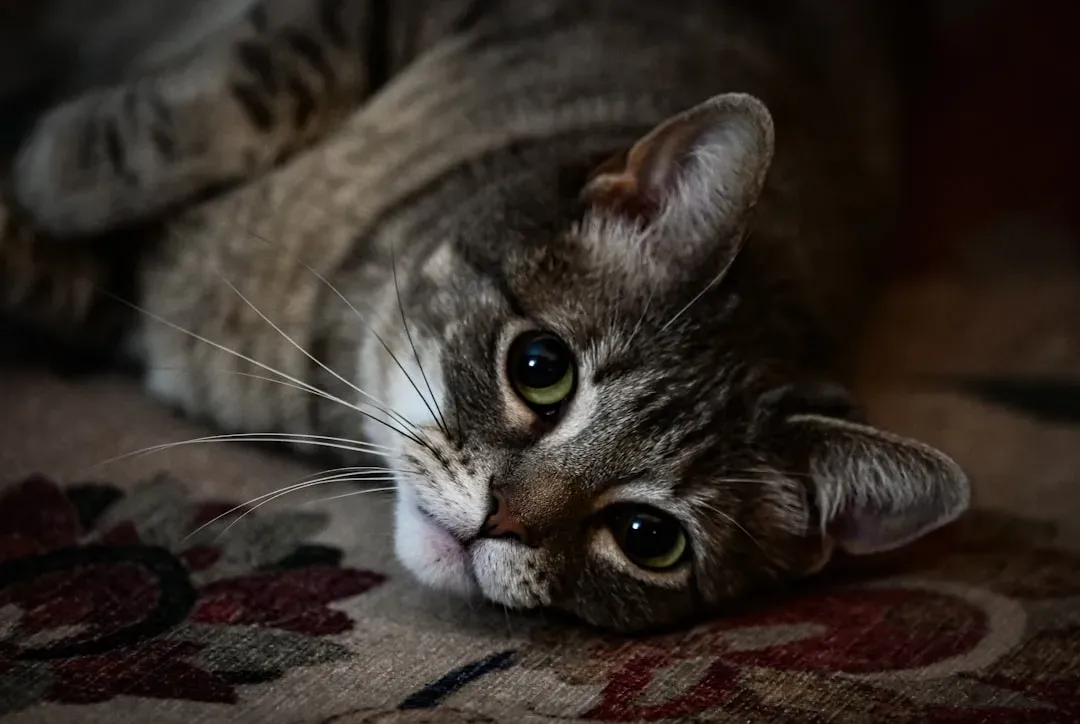
Understanding these ancient instincts helps explain so many of those quirky behaviors that make cats endlessly entertaining. Your modern house cat isn’t broken or misbehaving when it goes wild at dawn, destroys your furniture, or brings you “presents” – it’s simply being a cat, following programming that’s been refined over millions of years.
The remarkable thing is how little cats have changed despite thousands of years of domestication. Unlike other domesticated animals, domestic cats’ phenotype and genotype are relatively unchanged, and while they live with people as pets, they retain capacity for survival independent of human support. That wild heart still beats strong, even in the fluffiest, most pampered feline. What do you think – do you see your cat differently now? Tell us in the comments which of these instincts your cat displays most strongly.