Have you ever wondered if your cat is finally giving you a second chance? Imagine the relief and joy when a once-distant feline starts showing tiny signs of trust. For cat lovers, nothing feels quite as heartwarming—or nerve-wracking—as seeing your furry friend slowly open up after a setback. Trust with cats is fragile, and when it’s broken, rebuilding it can feel like an uphill battle. But cats are creatures of hope, and even after disappointment, they often show subtle yet powerful signals that they are ready to trust again. Recognizing these behaviors can be the difference between a lifelong bond and lingering distance. Let’s explore the remarkable, sometimes surprising ways cats say, “I’m trying to trust you again.”
Approaching You Voluntarily
One of the most telling signs your cat is giving you another chance is when they start approaching you on their own. After a breach of trust, cats usually keep their distance, hiding under beds or in closets. But when your feline friend begins to walk toward you—even if it’s slow and cautious—it’s a big step. This gesture means they’re testing the waters, seeing if it’s safe to reconnect. Pay attention to their body language: a lowered tail or slightly arched back can show they’re still wary. Yet, the very act of moving closer is a brave leap for a cat who’s been hurt or scared. Every small step they take in your direction is a silent whisper saying, “I want to try again.”
Slow Blinking in Your Direction
Slow blinking is like a secret handshake among cats and their humans. When a nervous or previously distrustful cat looks at you and blinks slowly, it’s not just adorable—it’s a powerful message. This behavior shows vulnerability; they’re letting their guard down, even for a moment. In cat language, it’s often interpreted as, “I feel safe with you right now.” If you notice your cat giving you those gentle, half-closed eyes, try blinking slowly back. Many cat lovers call this the “kitty kiss,” and it’s a two-way street to rebuilding trust. Even if your cat only offers this gesture occasionally, it’s a strong sign they’re willing to move forward.
Accepting Gentle Touches

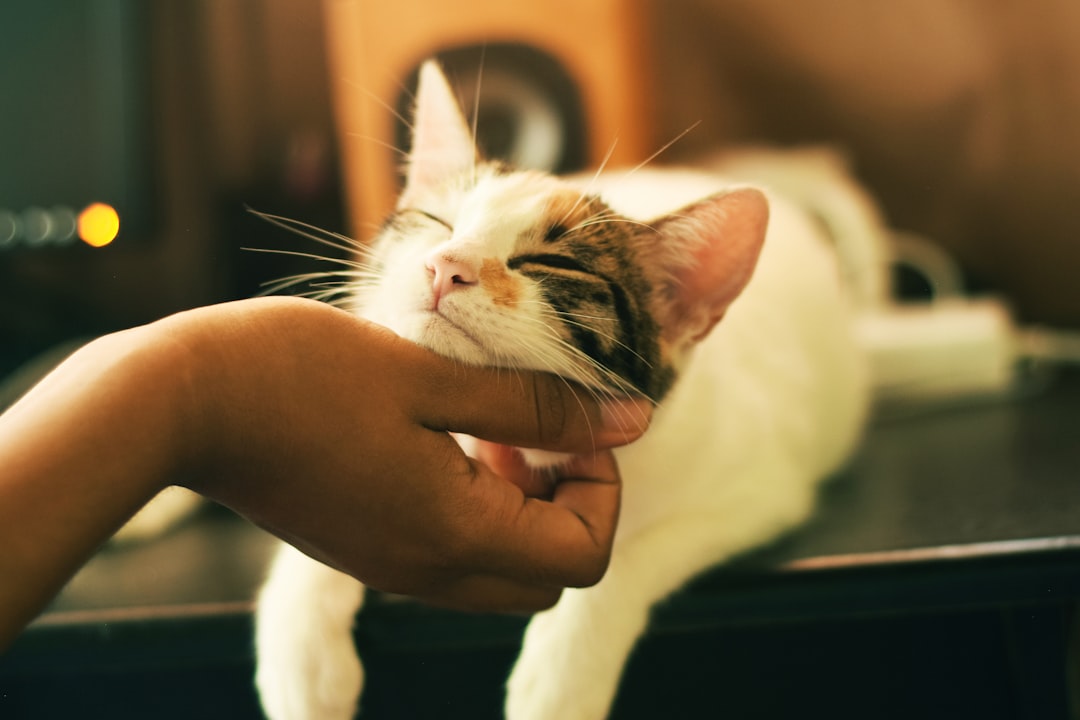
A cat that’s begun to accept your hand, even for a brief pet, is making a huge statement. Touch is intimate for cats, and after their trust has been broken, they may flinch or pull away at any attempt. When your cat allows you to gently stroke their head or back again, it signals a willingness to reconnect. Notice if they lean into your touch or purr softly—that’s their way of saying, “I’m feeling okay with this.” Be patient and let them dictate the pace; forced affection can set you back. Each moment of contact is a building block in the bridge of trust.
Following You Around the House
If your cat starts shadowing you from room to room, it’s more than curiosity—it’s a sign they’re seeking connection. Some cats naturally trail their humans, but if your feline had withdrawn after losing trust, this renewed interest in your activities is meaningful. They may not want to be picked up or cuddled just yet, but their quiet presence speaks volumes. It means they’re interested in what you’re doing and want to be near you, even if only from a safe distance. Over time, this following behavior often leads to more interactive moments, like playing or sitting beside you.
Showing Their Belly
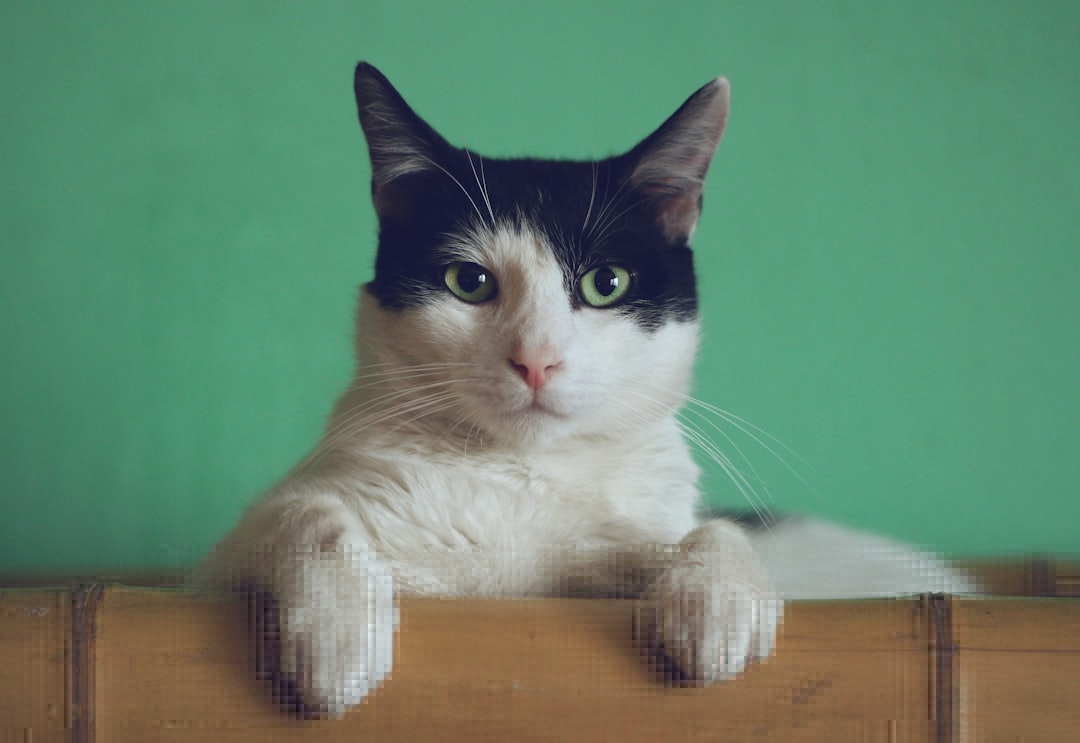
When a cat rolls over and exposes its belly, it’s not just asking for a rub—it’s a tremendous act of trust. The belly is a vulnerable spot for cats, and they only show it to those they consider safe. If your cat begins to lie on their back in your presence, take it as a real compliment. This doesn’t always mean they want their stomach touched—sometimes it’s just a signal of relaxed comfort. Respect their boundaries and admire the gesture for what it is: a trust-filled invitation to share space peacefully.
Bringing You “Gifts”

It might be a toy, a sock, or even something from outside, but when your cat brings you a gift, it’s their quirky way of including you in their world. Cats are natural hunters, and sharing their “prey” with you is a gesture of acceptance. If your cat resumes this behavior after a period of distrust, it’s a sign they’re rebuilding the bond. They view you as part of their family and want you to share in their successes. Even if the present is less than delightful, appreciate the deeper meaning behind it—it’s a step toward forgiveness.
Meowing or Communicating With You
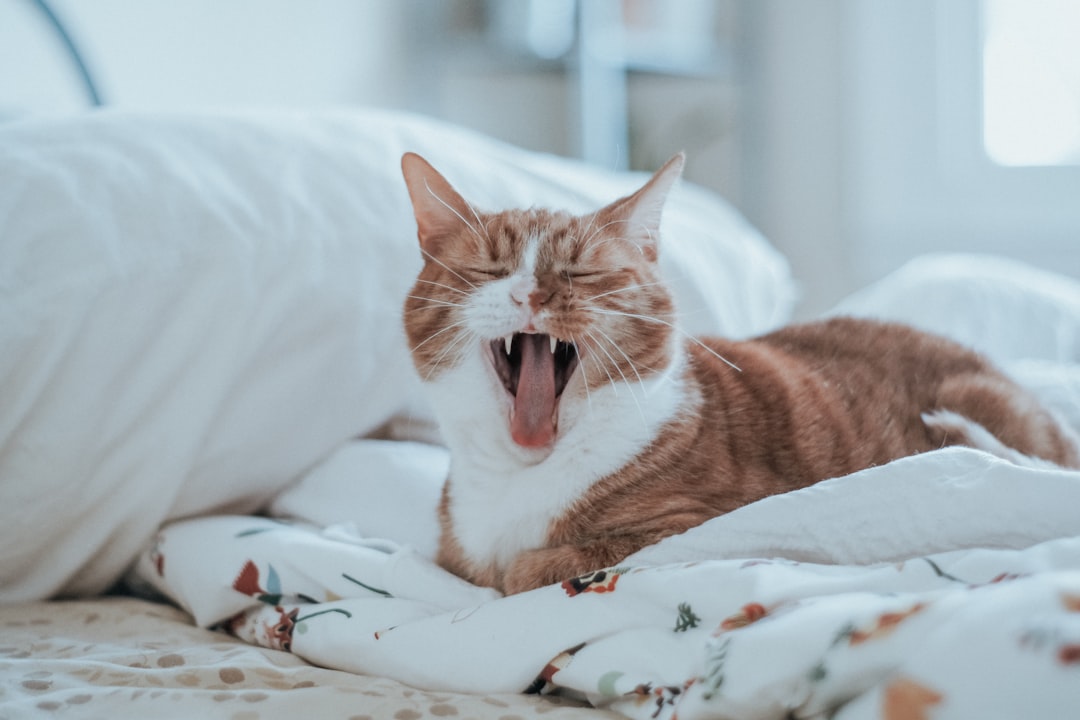
A cat that starts vocalizing in your presence is opening up emotionally. After a loss of trust, many cats go silent, avoiding unnecessary interaction. If your feline begins to meow, chirp, or even trill when you’re around, it shows they’re becoming comfortable again. These sounds are often reserved for those they care about. Listen for the different tones: a gentle meow or purr is usually a positive sign. Engaging in “conversations” with your cat by responding softly can help solidify the renewed trust.
Sleeping Near You
Sleep is when cats are at their most vulnerable. If your cat chooses to nap beside you, on your lap, or even in the same room, it’s a signal of safety. After a breakdown in trust, cats often sleep in hidden or distant places. When they start to sleep near you again, they’re showing that they feel secure in your presence. This simple act can be incredibly touching, as it means your cat is letting their guard down completely. Treasure these moments—they’re the quiet heartbeats of trust returning.
Grooming Themselves in Your Presence
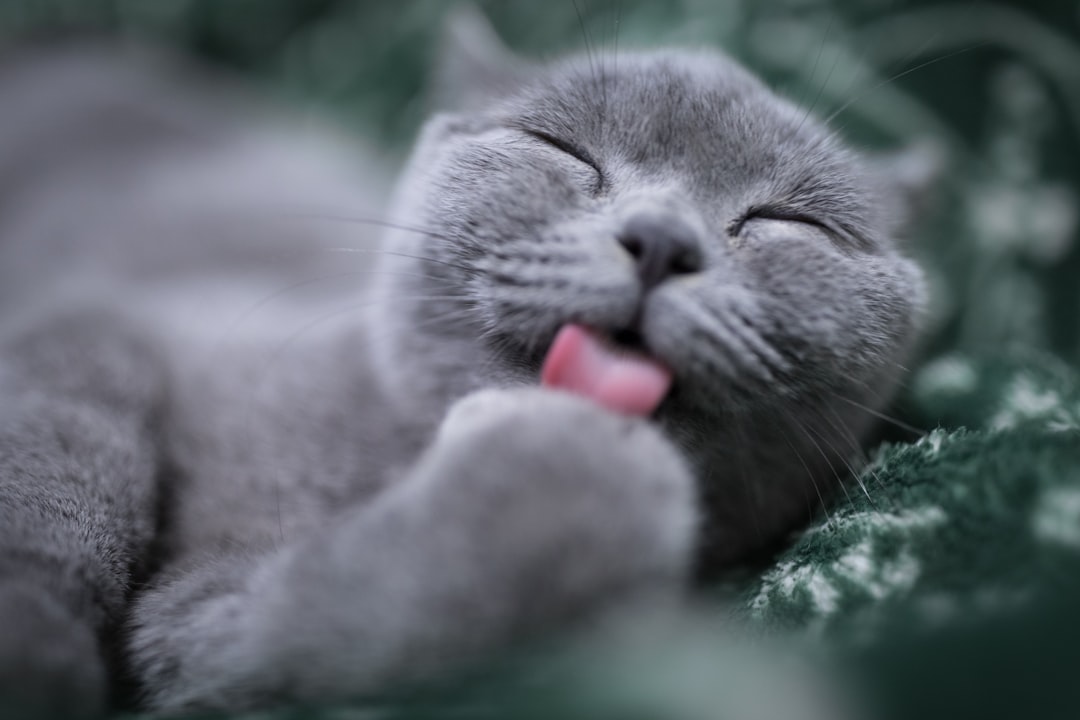
Cats are meticulous groomers, but they usually reserve their grooming for times and places where they feel safe. If your cat starts to clean themselves while you’re nearby, it’s a positive sign. Grooming is a vulnerable activity; they’re not on high alert and are comfortable enough to relax. Sometimes, you might even notice your cat grooming you—licking your hand or hair. This is a huge compliment and means they see you as family. Take it as another layer of trust being rebuilt, one gentle lick at a time.
Initiating Play
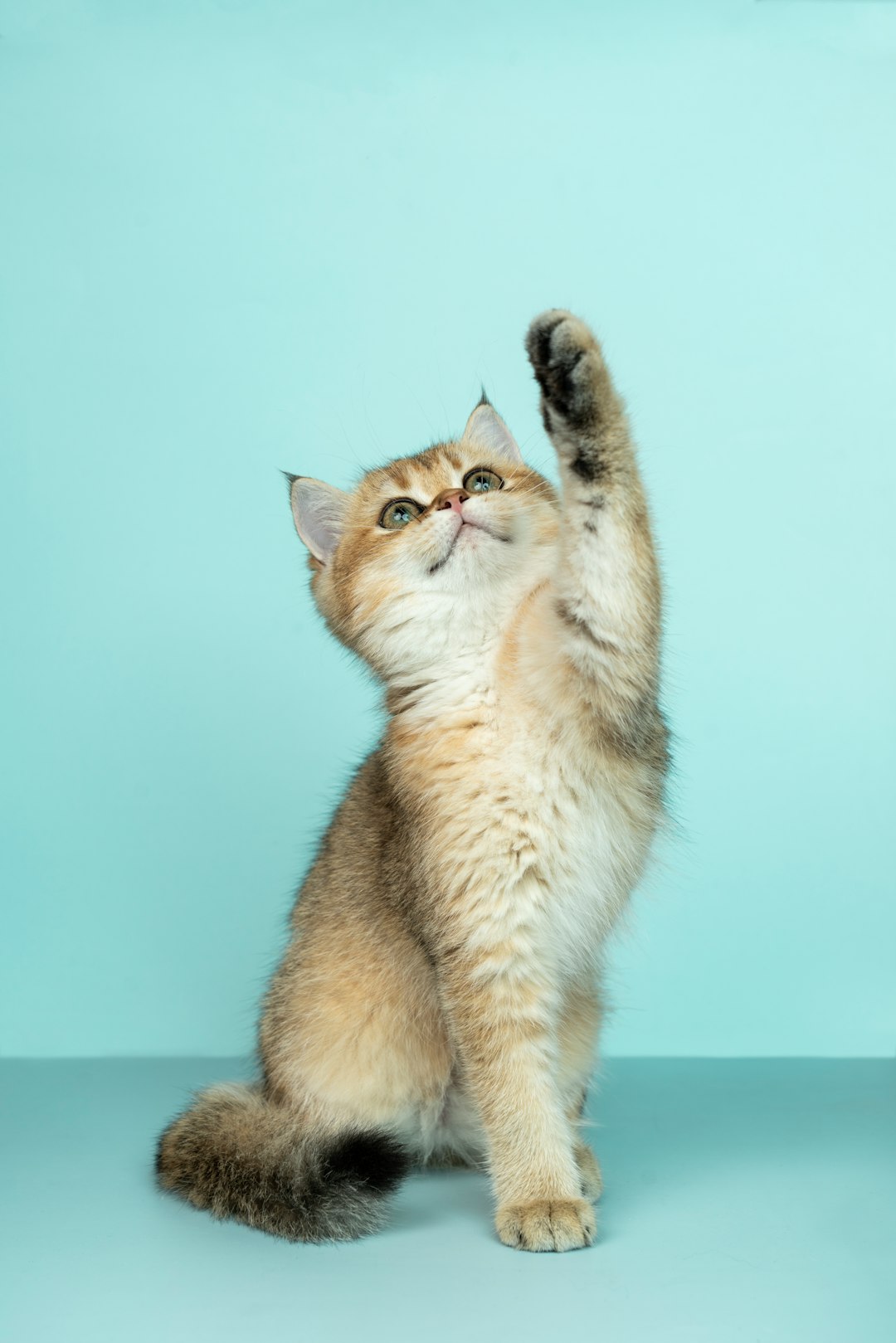
Playfulness is a sign of happiness and security in cats. If your feline starts bringing toys to you or pouncing around the room, it’s a clear indication they’re feeling better about your relationship. During periods of distrust, cats often lose interest in play. When they begin to chase after feathers or bat at string again, especially with you, it’s a joyful step toward reconciliation. Play strengthens your bond and helps rebuild positive memories. Encourage these moments with gentle games and lots of patience.
Trust, once shaken, can take time to rebuild with a cat, but these beautiful behaviors are the stepping stones back to a deeper bond. Recognizing and respecting these signs helps both you and your feline friend move forward together.
Growing up traveling and experiencing new cultures and wonders, I have had a passion for nature, adventuring, photography, and videography. I am currently working towards a BSc in Biodiversity and Ecology at Stellenbosch University, and I hope to specialise in Marine Sciences one day.
Please send any feedback to Feedback@animalsaroundtheglobe.com