You’ve just fallen in love with one of those charming Massachusetts historic homes, haven’t you? Maybe it’s a cozy Federal-style cottage in Salem or a saltbox house in the Berkshires. These homes are filled with character, narrow hallways, creaky floors, and those low ceilings that add so much charm. There’s something magical about living in a space that’s witnessed centuries of New England history.
Here’s the thing, though. If you’re thinking about sharing that historic space with a feline friend, you need to be strategic. Not every cat is going to thrive in a compact 18th-century dwelling with tight corners and rooms that barely fit a loveseat. Some breeds will turn your historic sanctuary into their personal racetrack, while others will curl up perfectly on a vintage window seat and watch the world go by. Let’s dive into which cats will love your cozy historic Massachusetts home and which ones might just drive you up those narrow colonial stairs.
British Shorthair: The Perfect Historic Home Companion
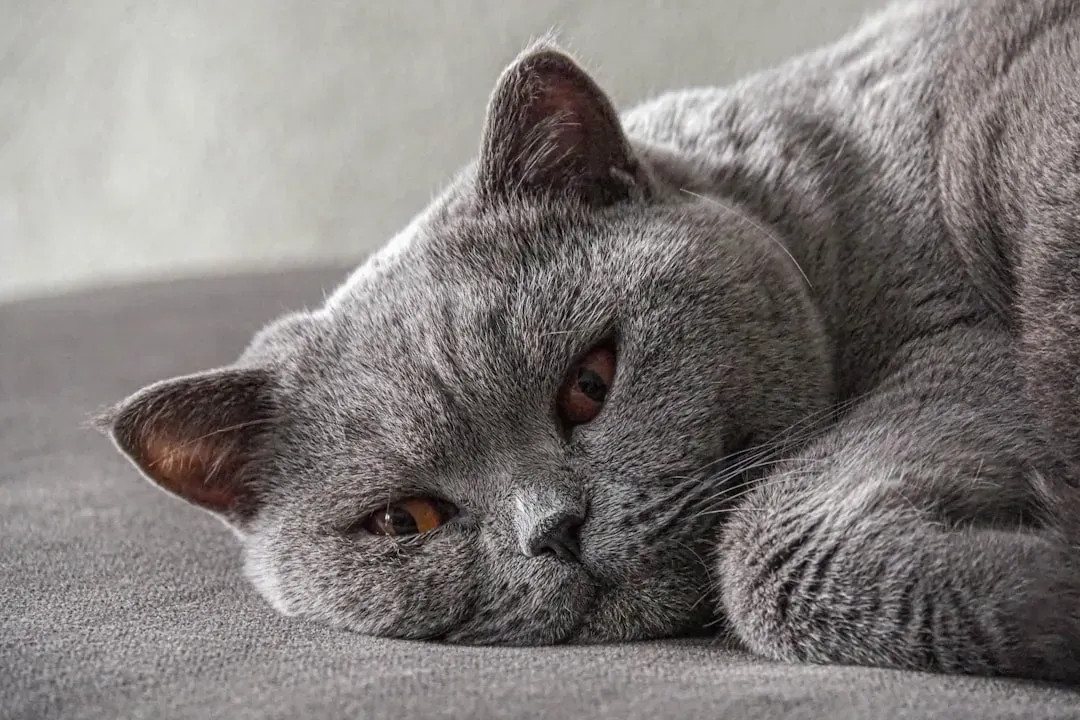
The British Shorthair is a calm and affectionate breed known for its plush coat and round face, and these cats are not overly active, which makes them ideal for small spaces. Imagine your British Shorthair lounging on a sunlit windowsill in your 1825 Federal home, perfectly content to spend hours just watching the neighborhood. They won’t be scaling your antique furniture or knocking over those precious heirloom vases.
Their quiet demeanor means they won’t disturb neighbors in close quarters. This is crucial when your historic home shares walls with others or has those thin original floors that amplify every sound. Your British Shorthair will settle into the rhythm of historic home life beautifully. They’re independent enough to entertain themselves while you’re at work, yet affectionate enough to greet you when you return to your centuries-old doorstep.
Ragdoll: Gentle Giants for Cozy Quarters
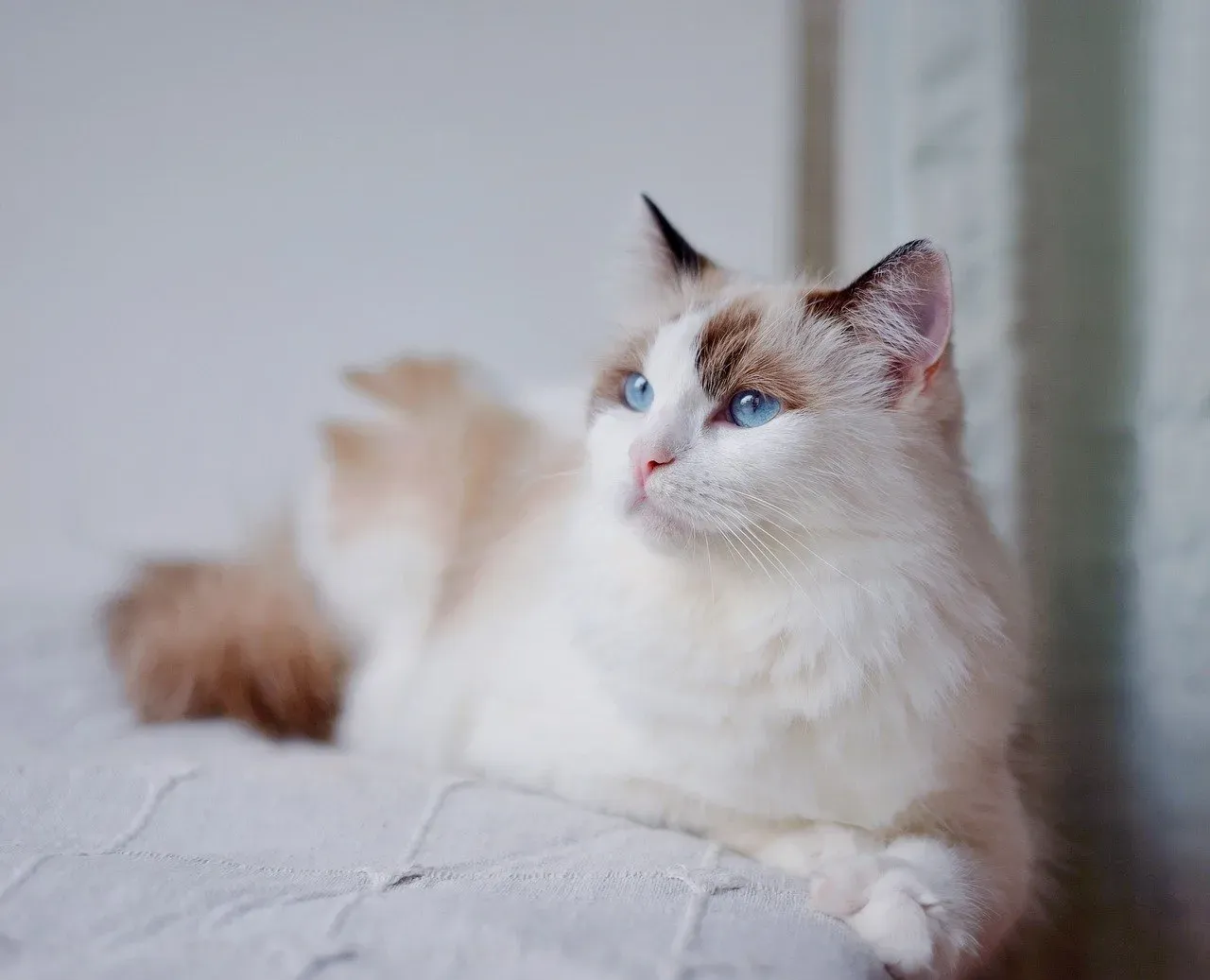
Despite their larger size, Ragdolls are gentle giants who love to relax, and these affectionate cats enjoy following their humans around but are not overly energetic, making them great for smaller homes. Sure, they’re big cats, but here’s what makes them brilliant for your historic Massachusetts home: they’re not climbers or jumpers. They prefer staying low to the ground, which means your exposed ceiling beams and narrow staircases won’t become their personal obstacle course.
These ultra-relaxed kitties earned their name from their tendency to go limp (like a ragdoll) when being held, and if you prefer a laid back feline who’s content to curl up with you after a long day at work, the ragdoll may be for you. In a small historic home where every square foot matters, having a cat that’s happy to be a true lap cat rather than demanding endless play space is a real blessing. They’ll adapt to your home’s quirks with ease.
Russian Blue: Elegant and Understated
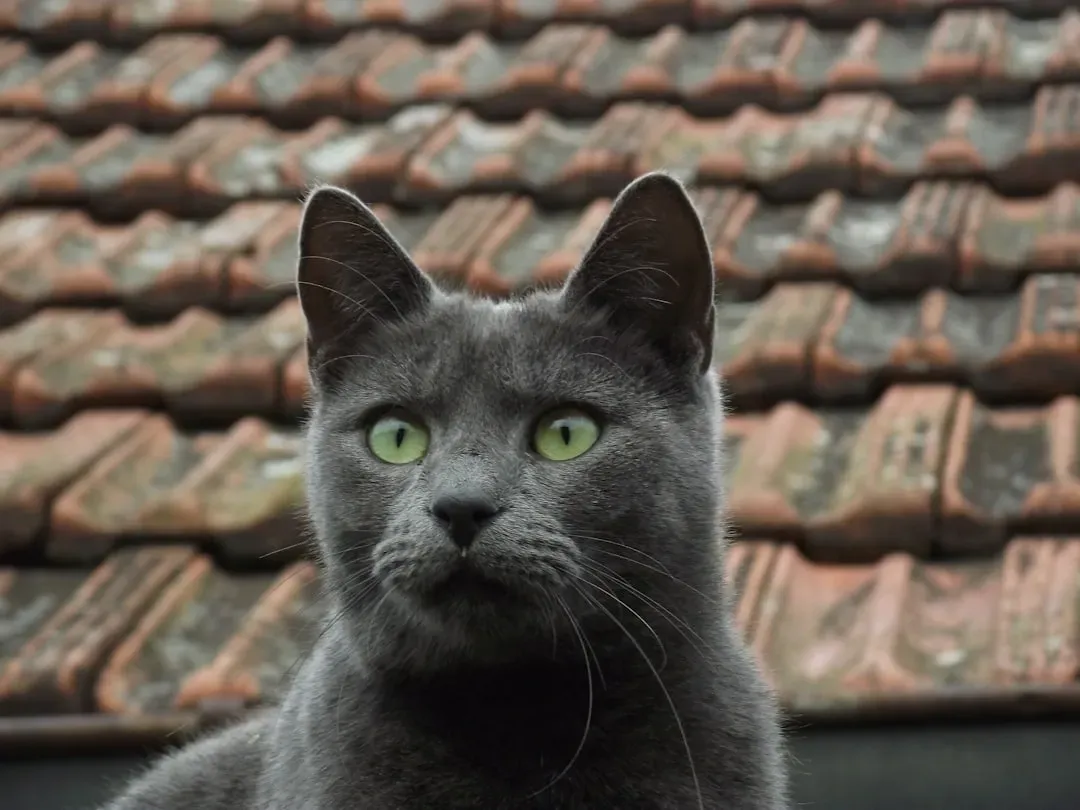
Your historic home deserves an elegant companion, doesn’t it? The Russian Blue, which is relatively rare in the U.S. and Canada, is known for being an independent, intelligent, and strikingly beautiful cat, and this breed suits people who want quiet companionship in a compact home as Russian Blues are affectionate without being clingy, happy to curl up in a sunny spot while you work or relax.
Russian blues are quiet and relaxed, and these cats are independent enough to be left for the day but still enjoy playtime when you get home, making them perfect companions for a cozy and calm apartment. They’re observant cats who will memorize every nook and cranny of your historic dwelling. That moderate activity level means they’re content with gentle play sessions rather than requiring a sprawling space to burn off energy. Perfect for those smaller rooms typical of New England historic architecture.
Bengal: A Historic Home Nightmare
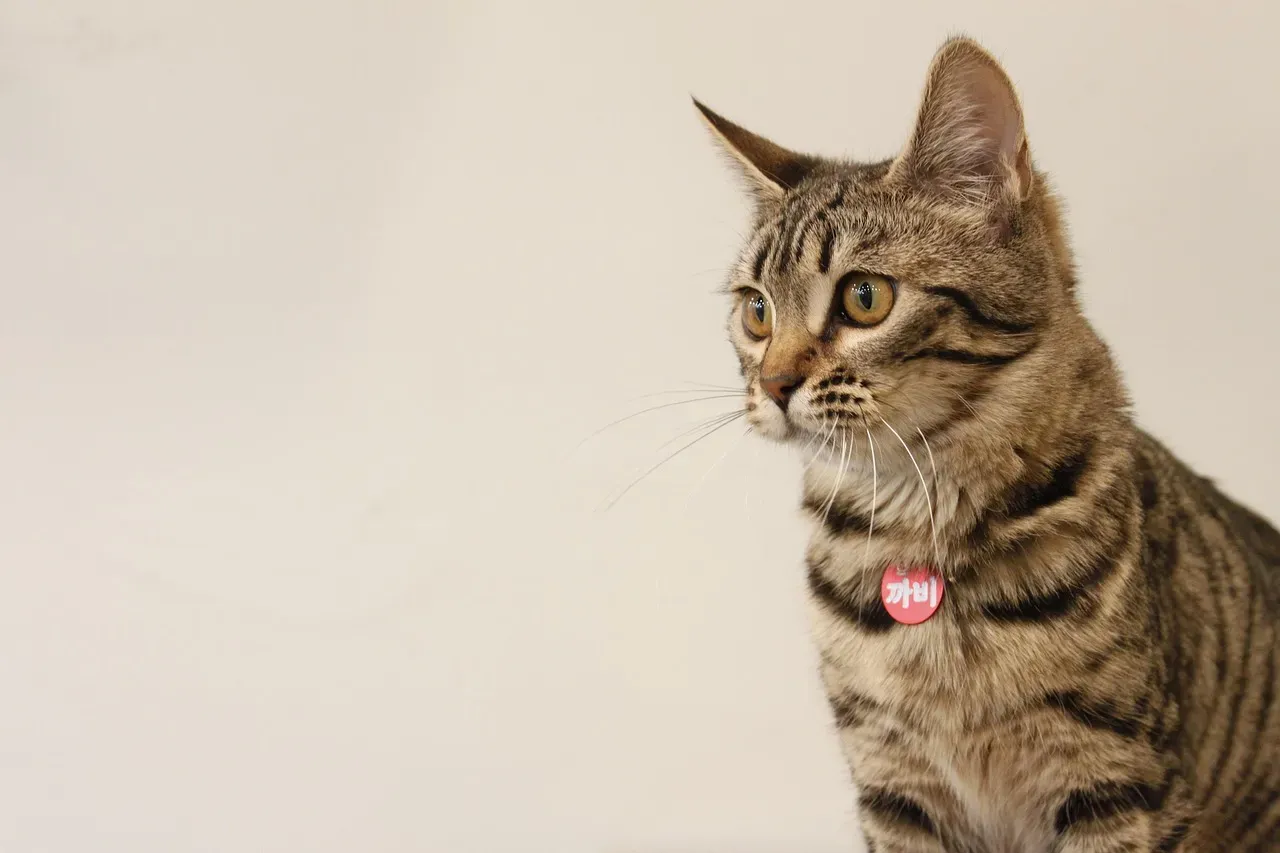
Let’s be real here. Bengals are exotic and beautiful felines that often catch the eye of just about anyone who sees them, but owning a Bengal cat requires more than admiring the tiny leopard in your home as Bengals are high-energy kitties that require lots of playtime and attention. In a small historic home with limited vertical space and narrow rooms, a Bengal will feel trapped and frustrated.
Bengals are affectionate and curious cats who spend most of their waking hours playing, climbing, and chasing things. Imagine that energy unleashed in your 1700s cottage with original woodwork and antique fixtures. Your Bengal will likely scale curtains, knock over anything not nailed down, and turn midnight into their personal Olympics time. Those historic floorboards will broadcast every leap and landing to anyone within earshot. Unless you’re prepared to cat-proof every inch and provide massive amounts of stimulation, steer clear of this breed.
Savannah: Too Wild for Historic Walls

Savannahs are like Bengal cats on steroids, with a larger stature and a wilder personality, and the big cats are dog-like in many of their behaviors, often enjoying games of fetch, swimming, and going for walks on a leash as they are a high-maintenance breed that requires lots of interaction and playtime. Honestly, I can’t think of a worse match for a small historic Massachusetts home.
These cats need space to roam, climb, and explore. They can be stubborn and are problem solvers, making some of them escape artists or adept at getting into places they shouldn’t be. Your historic home’s charming quirks, like those old latches and windows that don’t quite seal properly, will become escape routes. Savannahs belong in large homes with secure outdoor access, not in a centuries-old dwelling where every square foot is precious and architectural details need protecting.
Siamese: Beautiful But Brutally Loud
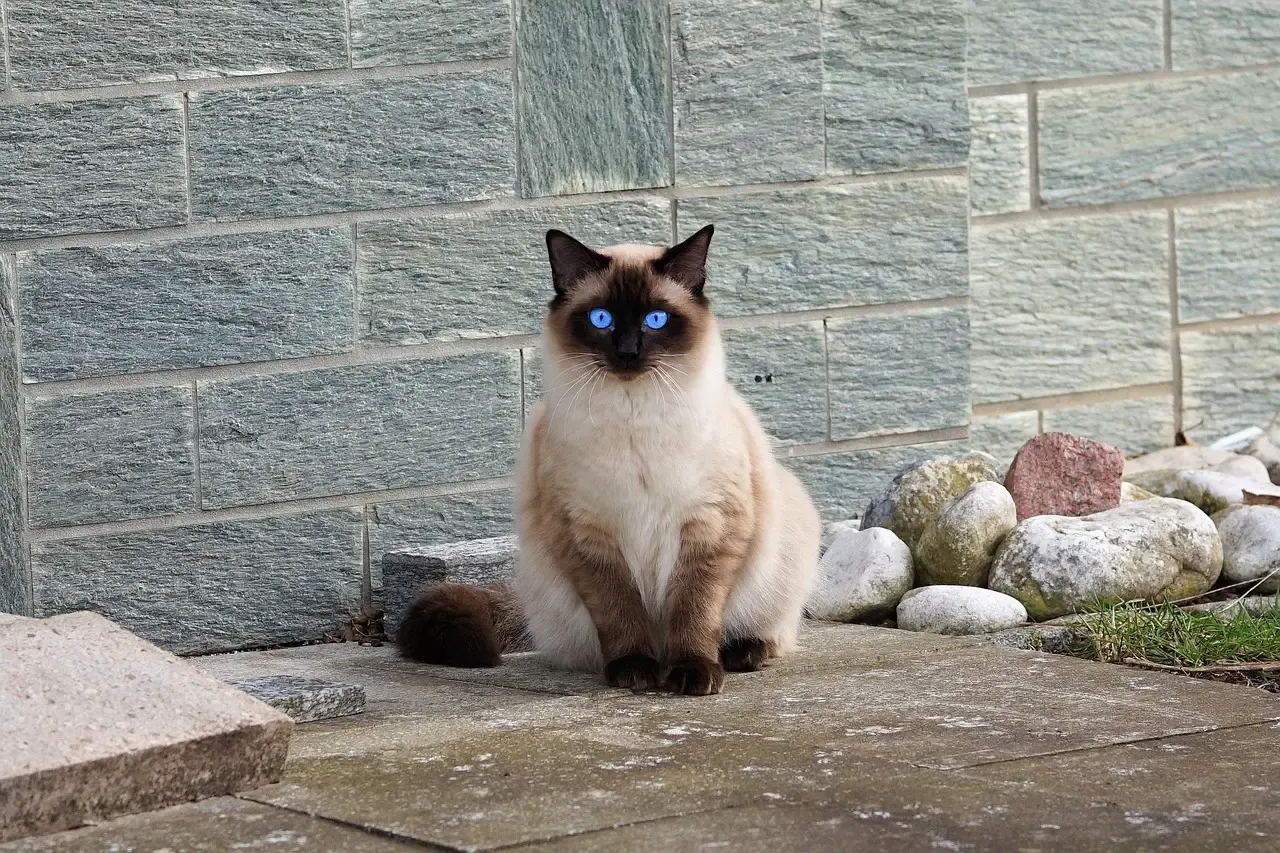
Siamese are vocal divas who will serenade your neighbors at 3 AM. Picture this: it’s 2 a.m. in your historic home, and your Siamese decides it’s time for a conversation. Those thin historic walls and old floorboards will amplify every yowl and cry. Your neighbors in adjacent units or nearby homes will not thank you.
Bengals, Abyssinians, Siberians, and Siamese are all a bit too energetic for smaller spaces, and Siamese and Bengals can be quite vocal, which might cause problems in an apartment block if the walls or floors are thin. While Siamese cats are undeniably beautiful and affectionate, their need for constant interaction and their extremely vocal nature makes them challenging for compact historic living. They demand attention and won’t hesitate to wake the entire neighborhood to get it.
Exotic Shorthair: The Low-Maintenance Lounger
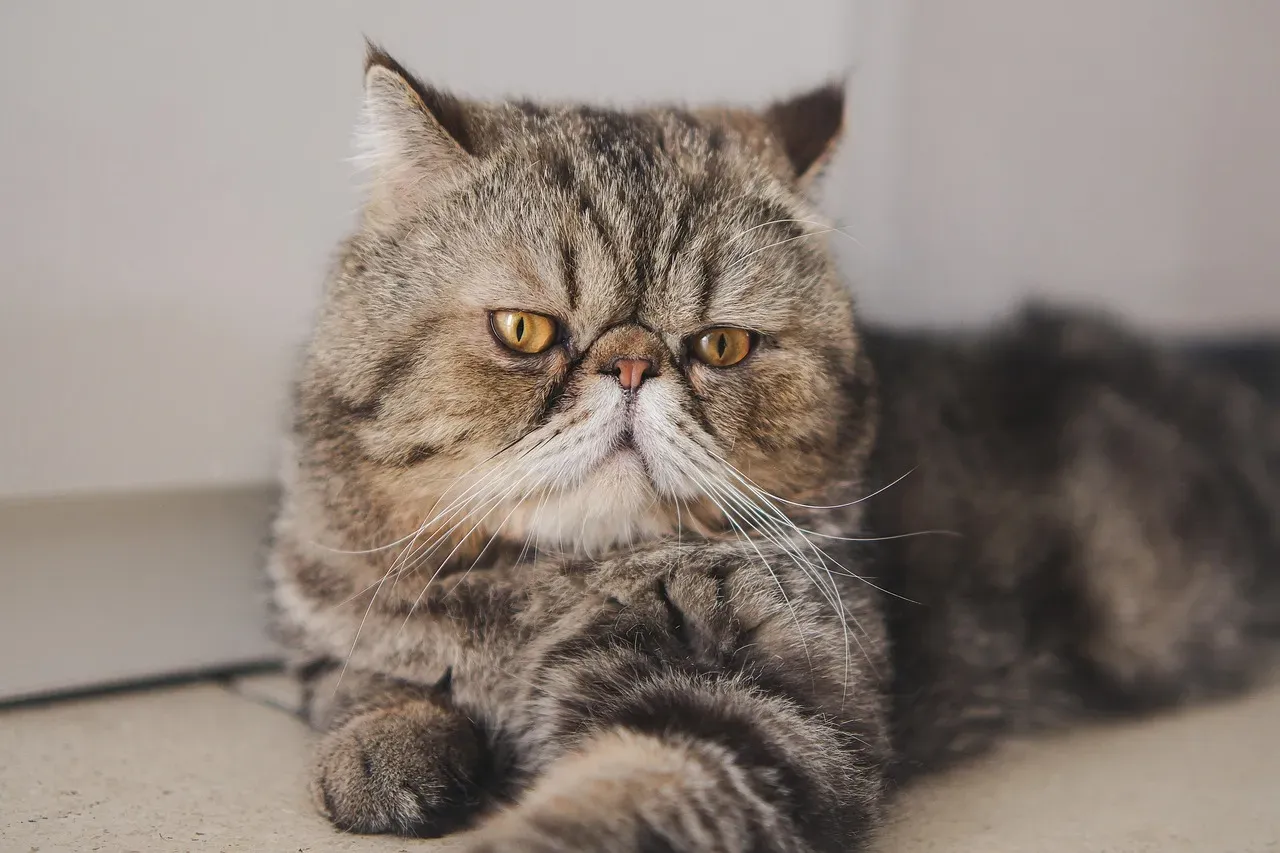
PetMD dubs the exotic shorthair as “a Persian without the pretensions,” and they’re easy-going without crossing into aloof territory as the exotic shorthair has a calming presence, and he’s happy to spend his time burrowing into a warm lap rather than dashing about the house. This is exactly what you want in a small historic Massachusetts home. They bring all the Persian sweetness without the intense grooming demands.
Their docile attitude makes the exotic a good fit for apartment living. Replace “apartment” with “historic cottage,” and you’ve found your match. These cats are adaptable, quiet, and perfectly content in smaller spaces. They’ll appreciate those sunny spots near your antique windows and won’t test the structural integrity of your 200-year-old staircase with constant zooming. Your historic home will remain peaceful with an Exotic Shorthair as your companion.
Choosing the Right Feline for Your New England Treasure
Living in a Massachusetts historic home is a privilege. You’re a caretaker of history, surrounded by original moldings, hand-hewn beams, and stories from centuries past. Your cat choice matters not just for your sanity but for the preservation of your home. Calm, low-maintenance, and independent cats are the best fit for small apartments, and with proper care, enrichment, and love, any of these breeds can thrive in a compact living environment.
The best breeds are those that appreciate the slower pace, the quiet corners, and the cozy atmosphere your historic home naturally provides. The worst breeds are those with boundless energy, destructive tendencies, or vocal habits that’ll echo through your historic walls. Take your time choosing, maybe visit local shelters where staff can help match temperament to your living situation. Your perfect feline companion is out there, ready to curl up in a sunbeam streaming through wavy antique glass and become part of your home’s continuing story. What kind of cat do you think would fit best in your historic space?