Bringing a cat into a family home is one of the most exciting decisions you can make. There’s something almost magical about watching a child bond with a feline companion – those quiet moments of shared curiosity, those loud bursts of laughter during playtime. But not every cat is built for the chaos and joy that kids bring to a household, and choosing the wrong breed can be stressful for everyone involved, including the cat.
Here’s the thing: not all cats are created equal when it comes to patience, playfulness, and tolerance of tiny unpredictable humans. Some breeds are natural-born family members, and some need a much more structured, careful environment. So before you rush to the pet store or breeder, let’s take a closer look at which feline companions will absolutely thrive alongside your kids – and which ones might leave everyone a little frazzled. Let’s dive in.
1. The Ragdoll: A Living, Breathing Stuffed Animal
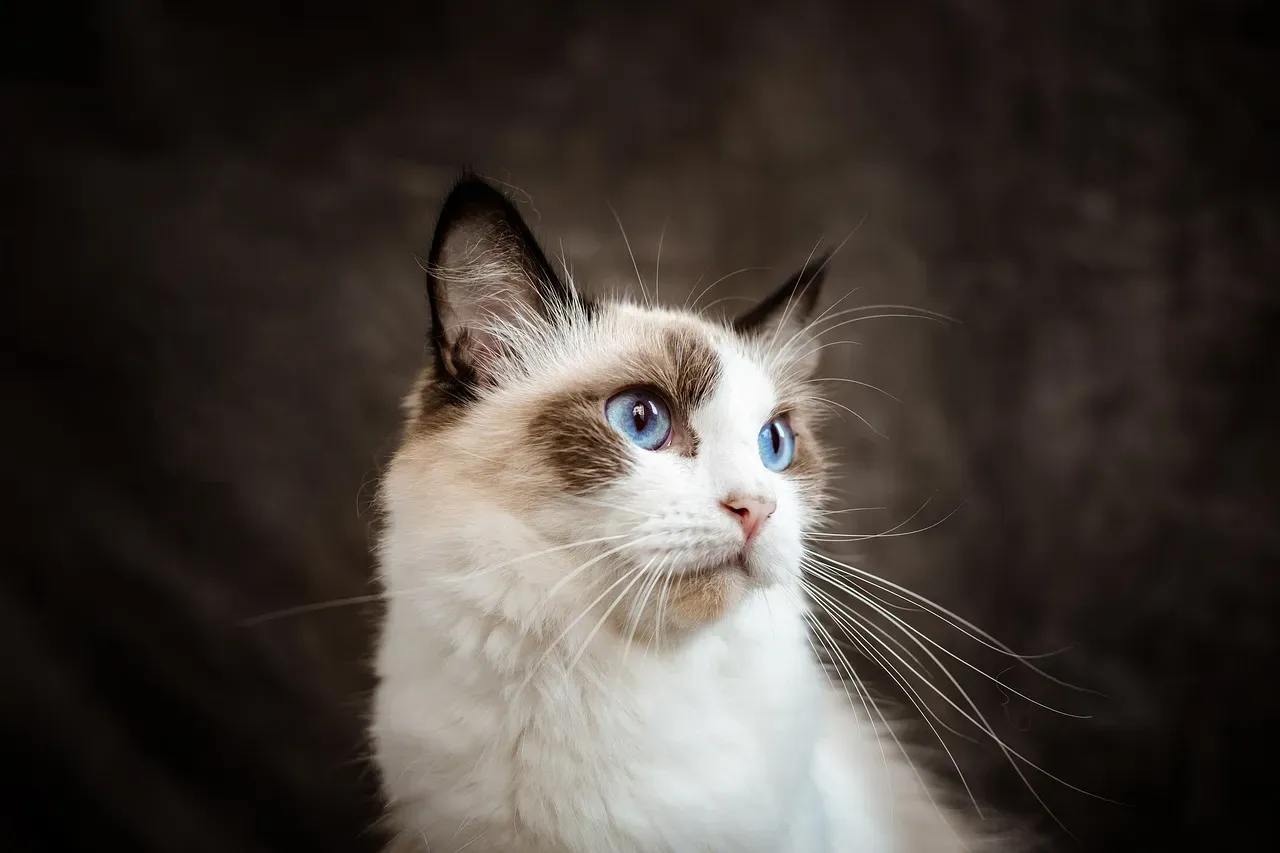
If someone designed a cat specifically for families with children, it would probably look a lot like the Ragdoll. The Ragdoll earned its breed name from the way they tend to relax into your arms when held, going limp like a ragdoll. Honestly, that alone tells you everything. A cat that goes floppy when you pick it up is not a cat that’s going to scratch your six-year-old for an accidental bear hug.
Ragdoll cats are tolerant, friendly, and affectionate, and they are a great choice as playmates for children as long as they are taught to handle them gently and treat them with respect. Instead of perching up high and out of reach, this breed prefers to stay on the same level as their humans – no matter how short those humans happen to be. That’s a quality you simply can’t overvalue in a family cat.
2. Maine Coon: The Gentle Giant of the Cat World
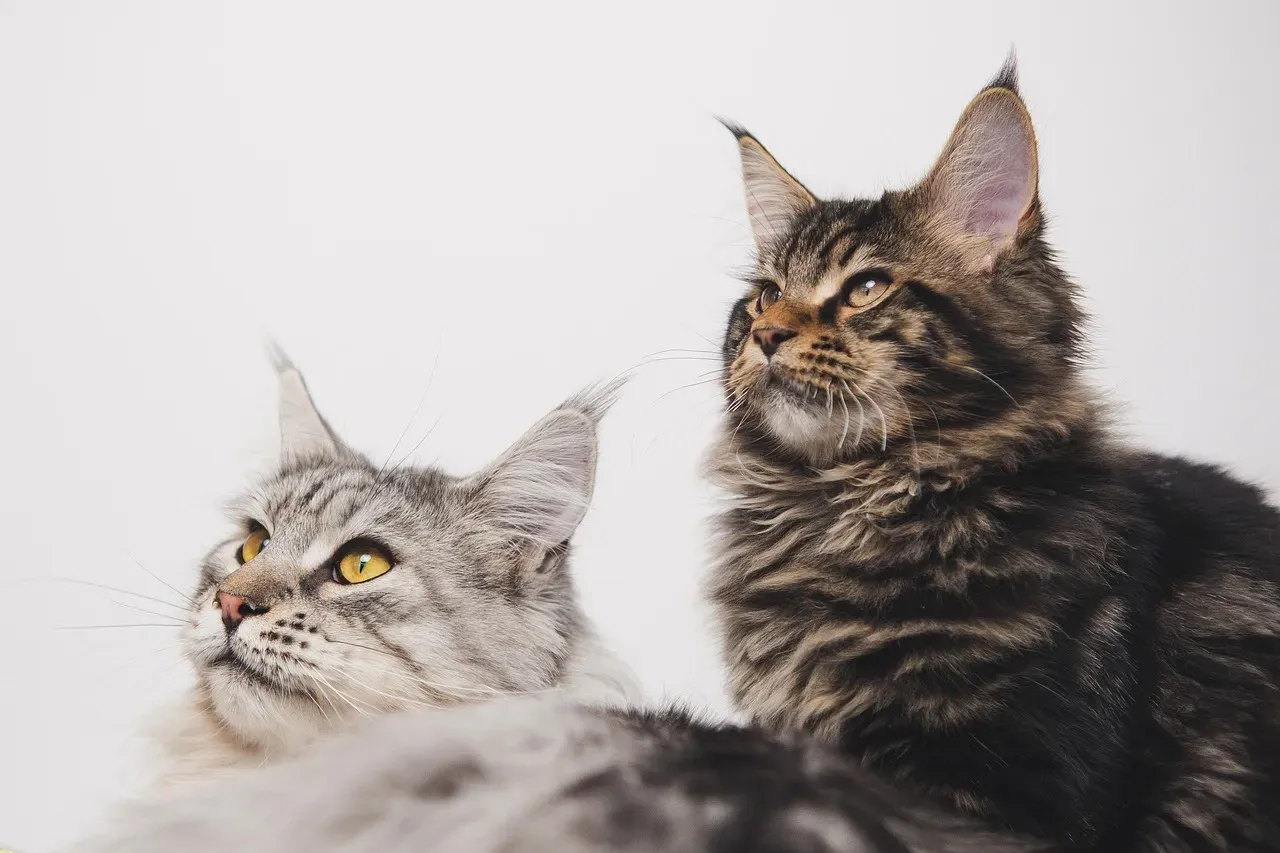
I think it’s safe to say the Maine Coon might be the most underrated family pet in existence. People see this enormous, lion-maned creature and assume it must be intimidating. In reality? Completely the opposite. Maine Coons are great family pets, often referred to as “gentle giants,” known for being affectionate with other cats, people, children, and dogs. That’s a pretty impressive résumé.
The mighty Maine Coon, weighing up to 22 pounds, is a kid-friendly choice because they’re loving and gentle, even with the youngest family members. While they need attention and love like any cat, they aren’t as demanding as some other breeds. This easygoing kitty will be just as happy playing with the kids as they are bird-watching from a window perch. Think of them as the big, calm sibling that never loses their temper – that kind of steady, reassuring energy is pure gold in a busy household.
3. Birman: The Velcro Cat Who Loves Everyone
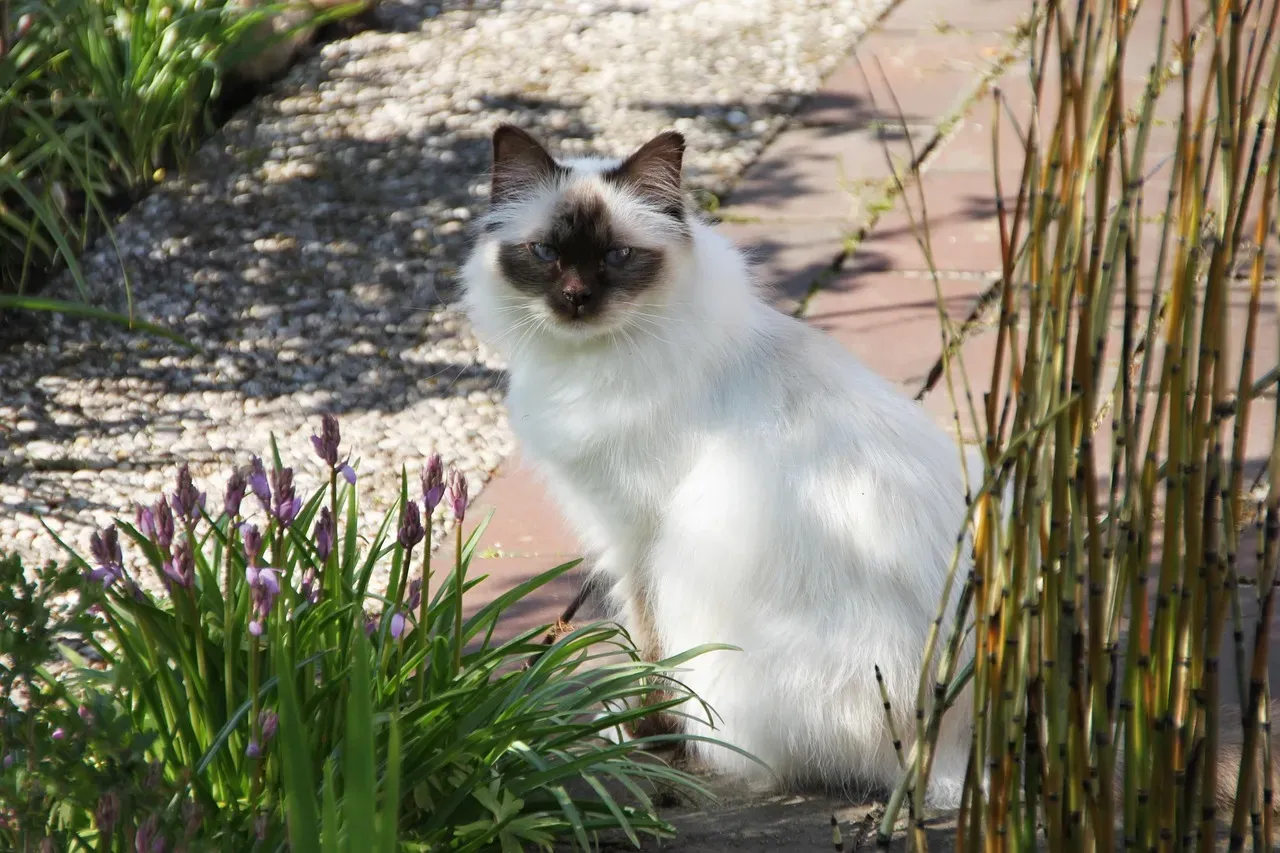
The Birman is not a cat that will disappear under the bed when your kids come home from school screaming with excitement. Quite the opposite, actually. If your children want a lap cat for cartoon-watching marathons, consider a Birman. Commonly referred to as “Velcro cats,” these felines stick close to their humans, no matter the size. While cuddly and loving, they also have an energetic side.
An easy-to-handle breed, Birmans are exceptionally sweet-natured cats that love to be with people. Patient and even-tempered, the color-pointed Birman is an excellent choice for families with children and other pets. They don’t get spooked or disinterested easily – making them ideal companions for loud, playful kids. That right there is the dream: a cat that doesn’t bolt the moment someone slams a door.
4. Siamese: The Chatty Social Butterfly Your Kids Will Adore
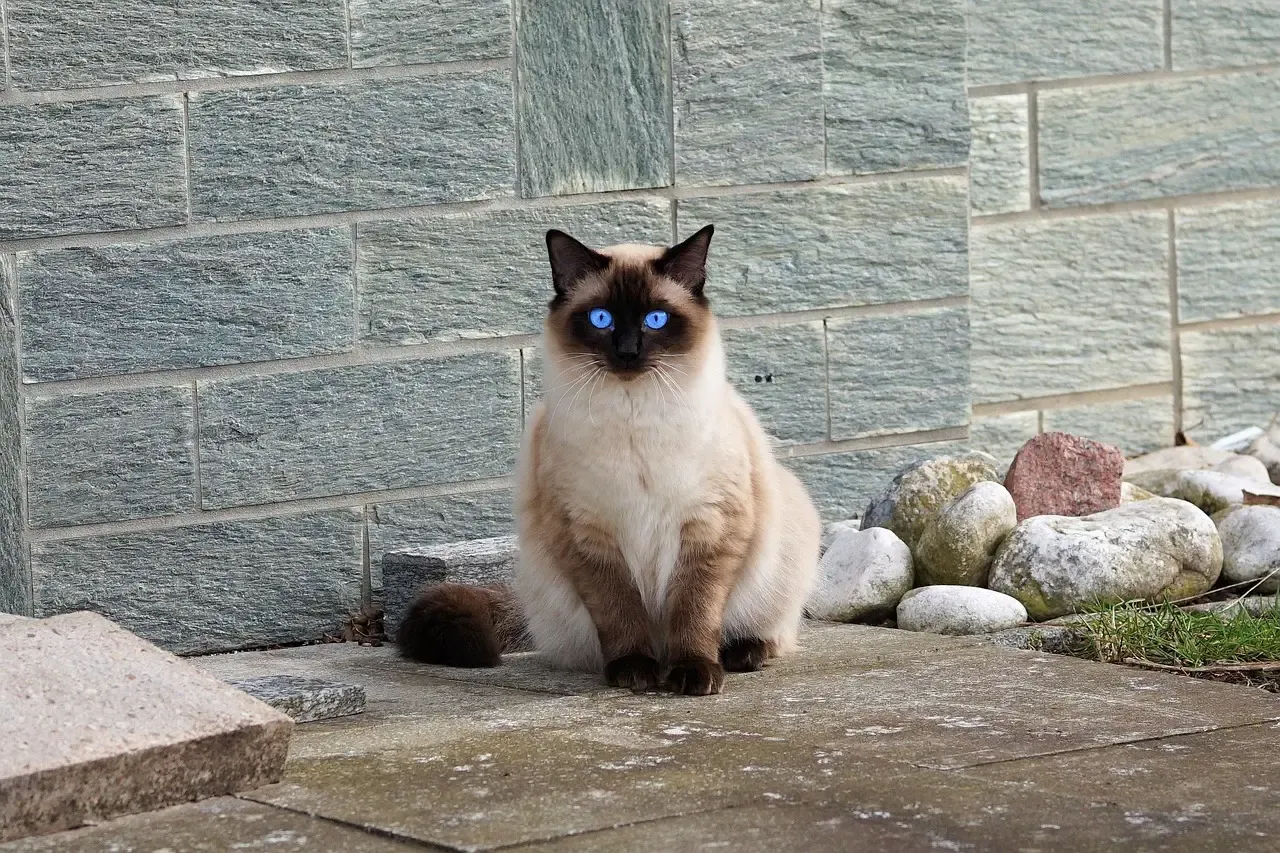
Let’s be real – some kids want a pet they can actually have a conversation with. Enter the Siamese. Siamese cats take the term “people-oriented” to a new level – these cats demand attention. Try to ignore them and they’ll meow, yowl, and climb up your shirt to rest on your shoulders until you give them some one-on-one. Sound familiar? That’s basically every child aged three to ten.
Spunky and outgoing, they desire maximum attention, affection, and lots of playtime. But if they feel left out, you’ll hear about it – these blue-eyed beauties are extremely chatty cats. If your family is home often and seeking a social butterfly, a Siamese may be the perfect fit. One small note of caution: Siamese cats are sensitive and can be startled by unexpected movements and loud noises, so it’s important to teach your children to handle the cat gently.
5. Burmese: The Playful People-Cat That Never Slows Down
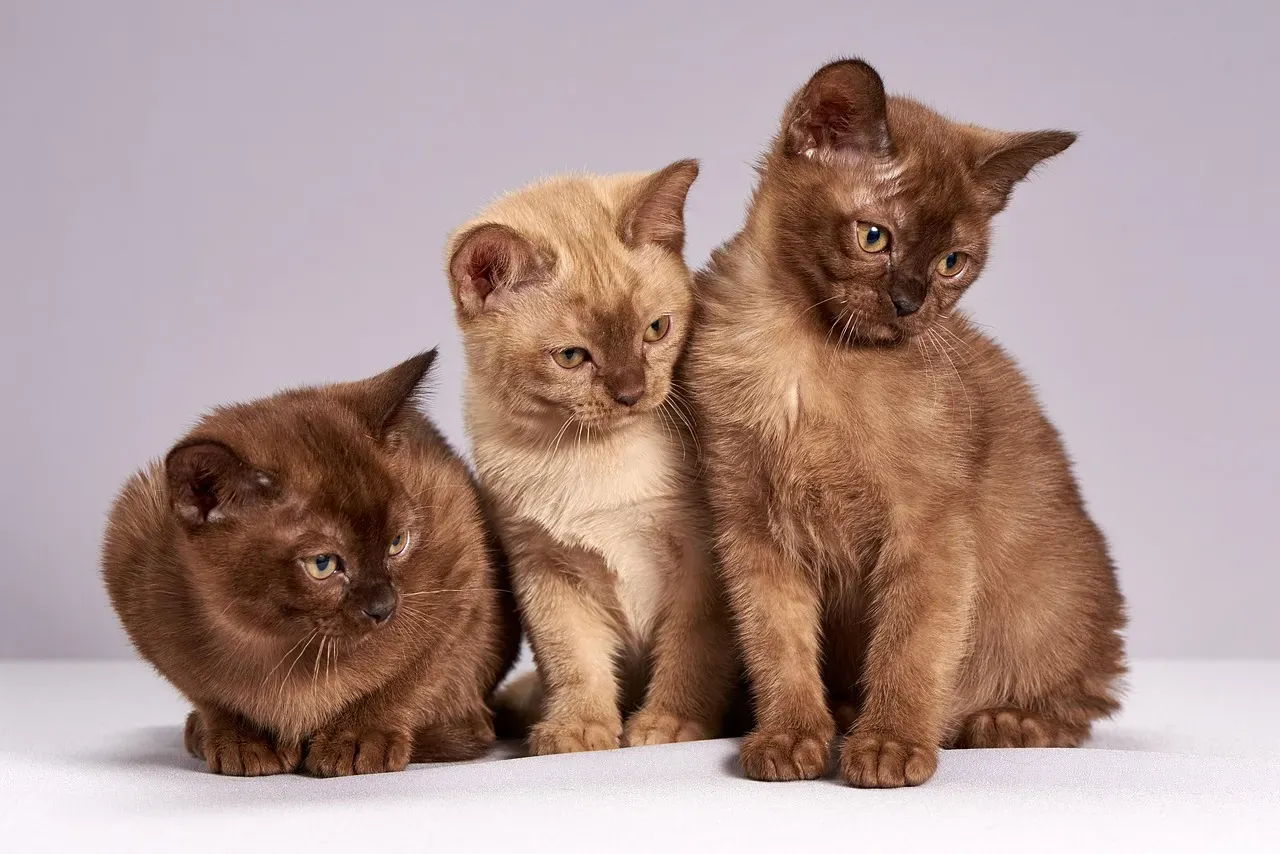
The Burmese is one of those breeds that experienced cat owners tend to rave about, yet they somehow fly under the radar when families are looking for a kid-friendly pet. That’s a real shame. Smart, sweet, and active, this breed does well in families who can shower them with attention. Older kids will enjoy playing games with these highly intelligent cats, while parents will appreciate how tolerant and tender Burmese are with kids of all ages.
Playful and affectionate, the Burmese is at ease in a busy household, and actively enjoys love and attention. They can even learn how to play fetch, like a pet dog. A cat that plays fetch? Honestly, that might be the greatest thing I’ve ever heard. Burmese cats are known for their playful nature and love of human company – gentle, patient, very social, and they enjoy games and toys, making them one of the best “people cats” out there.
6. American Shorthair: The Reliable, No-Fuss Family Classic
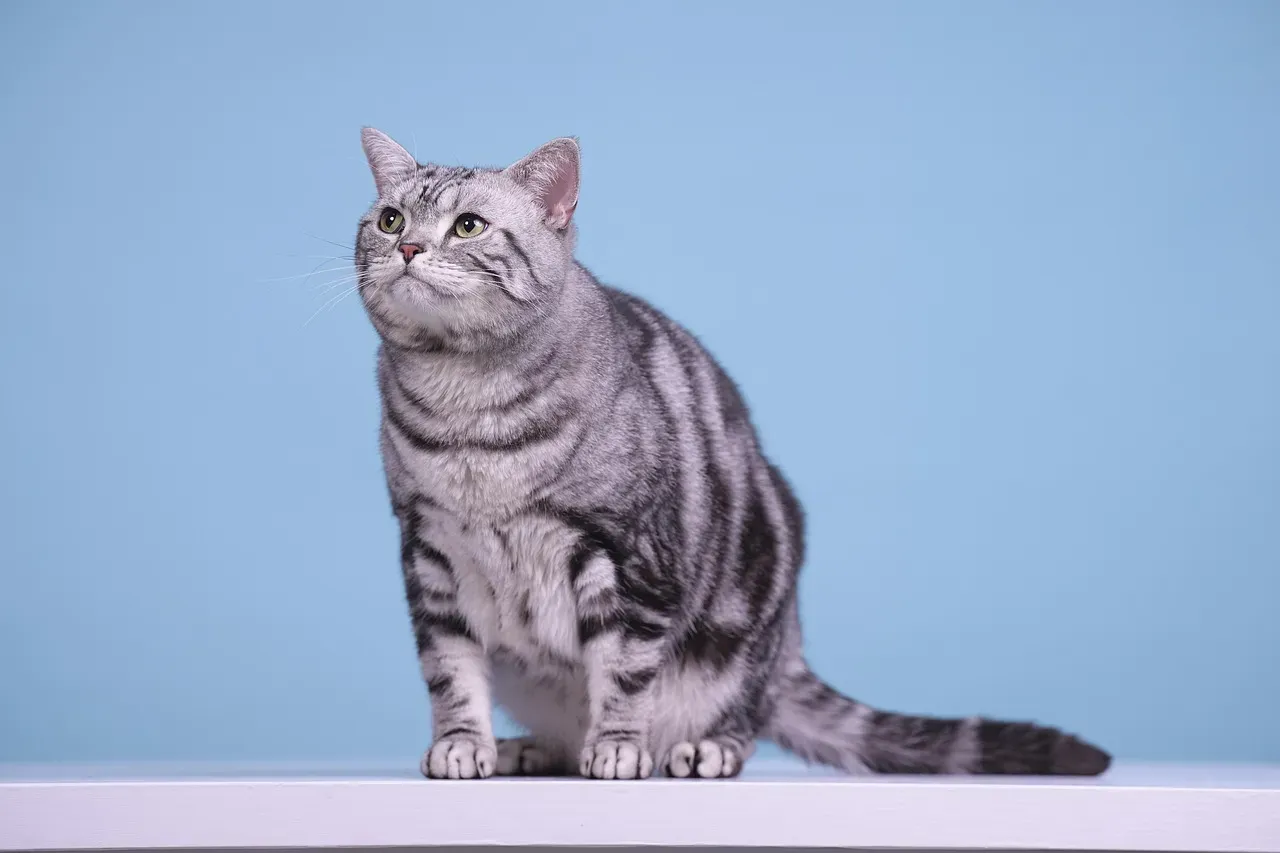
If you’re looking for a cat that’s as dependable as a golden retriever but requires a fraction of the maintenance, the American Shorthair might just be your answer. With good looks, a history of good health, and a sweet personality, American Shorthairs make gentle companions and excellent playmates for children. The breed originated from cats following settlers from Europe to North America and is amiable to both children and other household pets.
It’s a medium activity cat with a playful personality and an even temperament that can be very loyal, developing deep relationships with the people in its life. These cats usually get along well with other animals and children too. Good cat breeds for families with children include the American Shorthair, and their laid-back personalities make them accept the curiosities and learning levels of young people. They’re just steady, calm, and genuinely likable – the kind of cat that fits into almost any family without drama.
7. Abyssinian: The High-Energy Companion for Active Kids
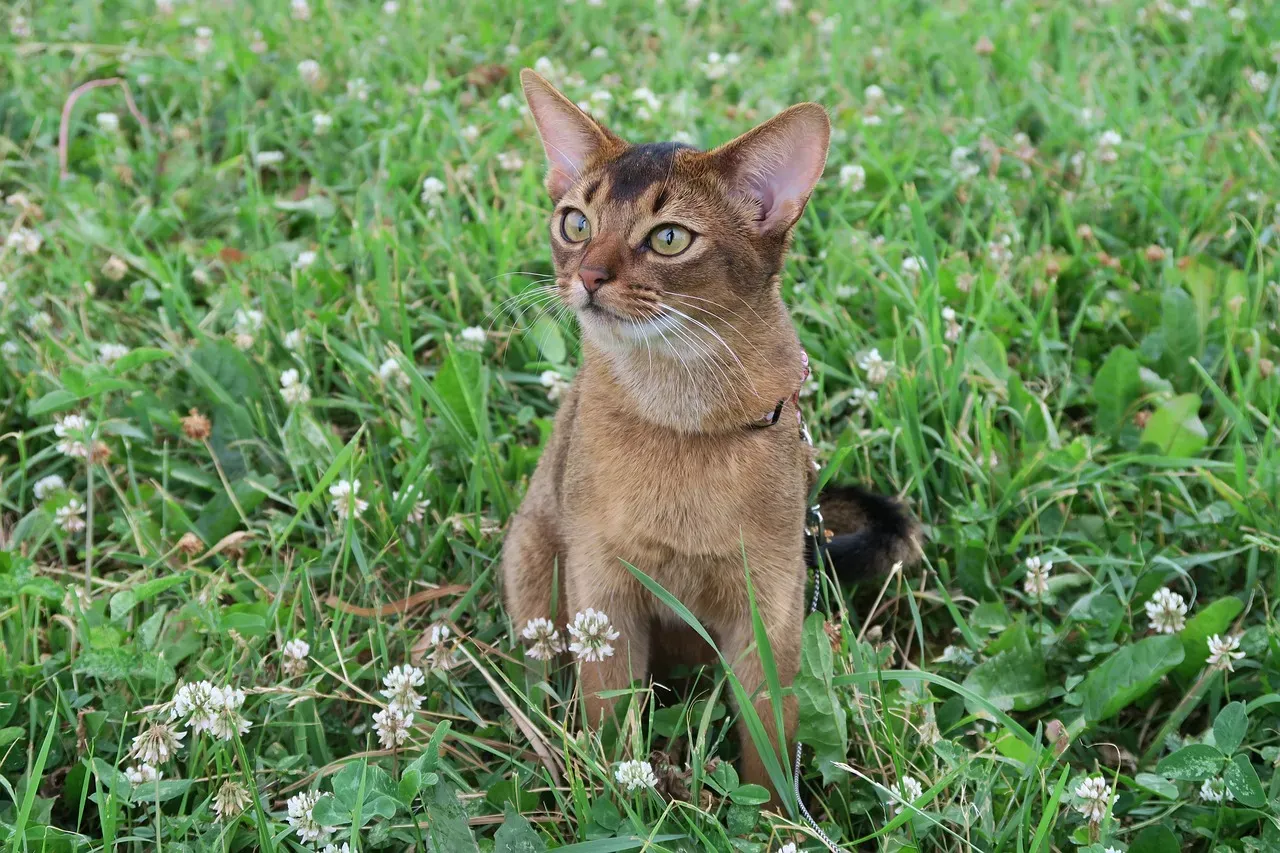
Got kids who never stop moving? The Abyssinian gets it. These cats are full of energy, so they’ll be thrilled to play with the kids, who will themselves be entertained by the Abyssinian’s nonstop antics as they run, climb, and explore. It’s like having a tiny acrobat live in your house – genuinely never boring.
Affectionate and outgoing, Abyssinian cats can sometimes be shy around strangers, but they bond closely with their human families. They thrive on attention and enjoy interactions with the entire family, including children. One thing to keep in mind: because Abyssinians have a more petite build, they’ll do best with older children who have been taught to handle them gently, even during playtime. So maybe not the top pick for a toddler-heavy household, but absolutely wonderful for school-age kids and older.
8. Russian Blue: Consider Carefully with Very Young Children
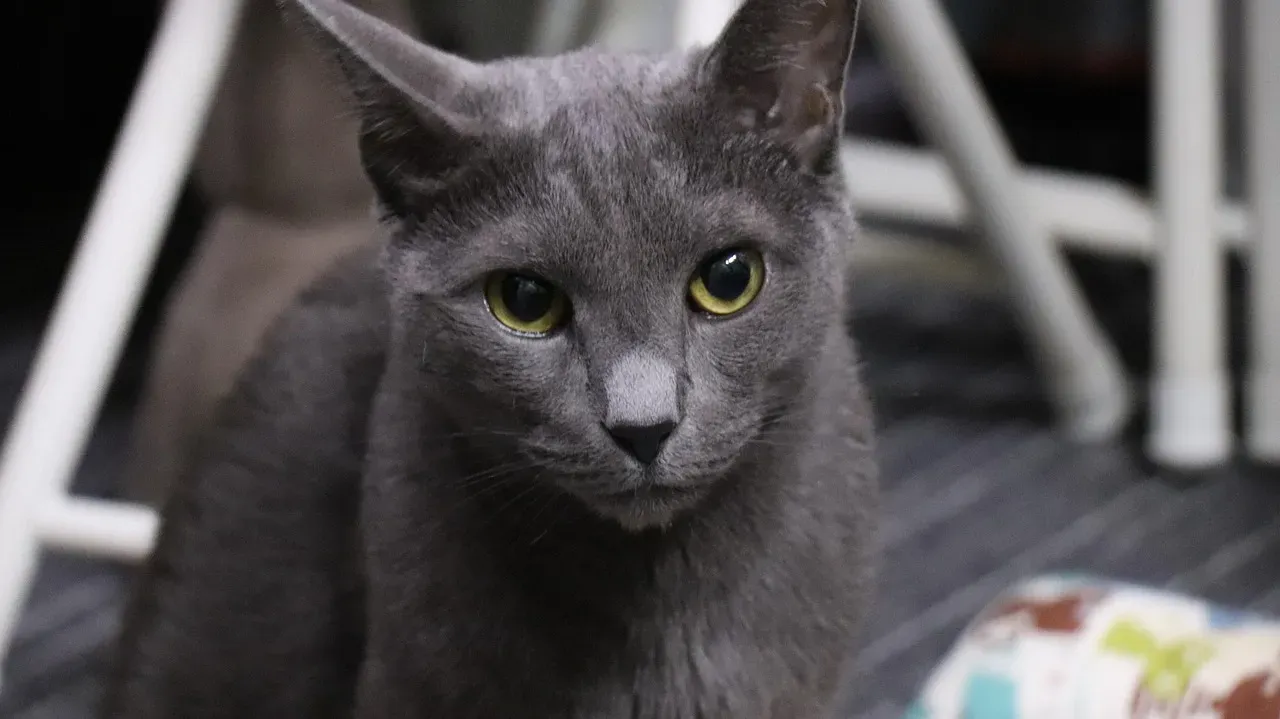
Now we shift gears a little. The Russian Blue is a stunning, elegant cat – silver-blue coat, bright green eyes, and a personality that honestly feels almost aristocratic. The Russian Blue cat’s temperament is calm, and this breed is typically tentative and shy around new people. Once they feel comfortable, Russian Blues are usually gentle and sweet. The key phrase there is “once they feel comfortable,” and that process can take time – time that toddlers aren’t exactly known for respecting.
They need a peaceful home with regular routines, and young children or boisterous pets might be stressful for a Russian Blue cat. Russian Blues aren’t fans of chaos. Introducing loud sounds, like the vacuum or shrieking children, into their day will send them running to a quiet spot. Russian Blues thrive in quiet and stable homes. They usually do best with older children, but they will tolerate younger kids who are gentle and respectful. If your household runs at a moderate noise level, a Russian Blue can be a wonderful companion – but in a house full of wild, unpredictable little ones, it’s worth thinking carefully.
9. Bengal: Beautiful, Wild-Hearted, and High-Maintenance
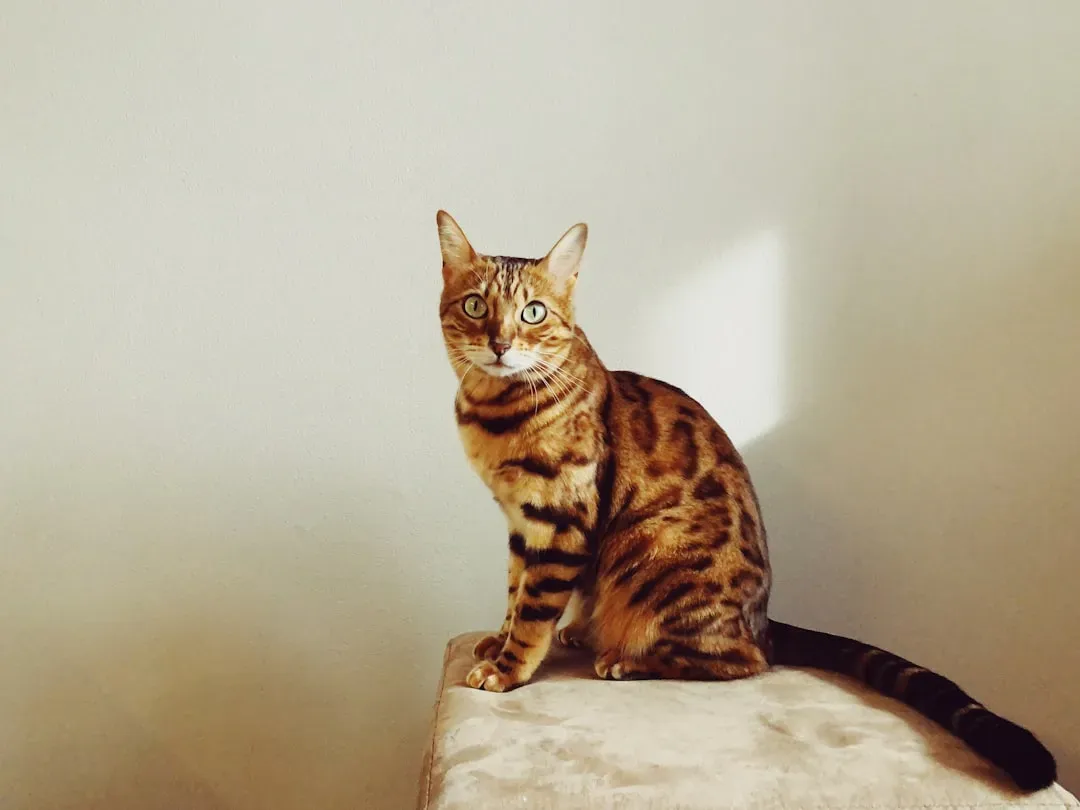
Honestly, Bengals might be the most visually stunning domestic cat alive. They look like miniature leopards, and that’s not entirely a coincidence – the Bengal cat originated in the 1960s when a domestic tabby cat was crossed with an Asian Leopard cat. That wild ancestry hasn’t fully disappeared, and it shows in their personality every single day.
The Bengal cat is a beautiful breed known for their athleticism and desire to be with people. Bengals love to climb, jump, and play, and they are pretty needy cats, often meowing or stealing items from their people to get attention. If you can provide lots of toys, cat trees, and engaging play, the Bengal cat can be a beautiful and loyal companion. The issue with young children is that the energy mismatch can become a problem fast – Bengals don’t appreciate being grabbed, constrained, or disturbed mid-adventure, and their reactions can be sharp. This is a cat for an experienced owner who has older, calm children.
10. Sphynx: Loving, Demanding, and Not Always the Right Fit for Little Kids
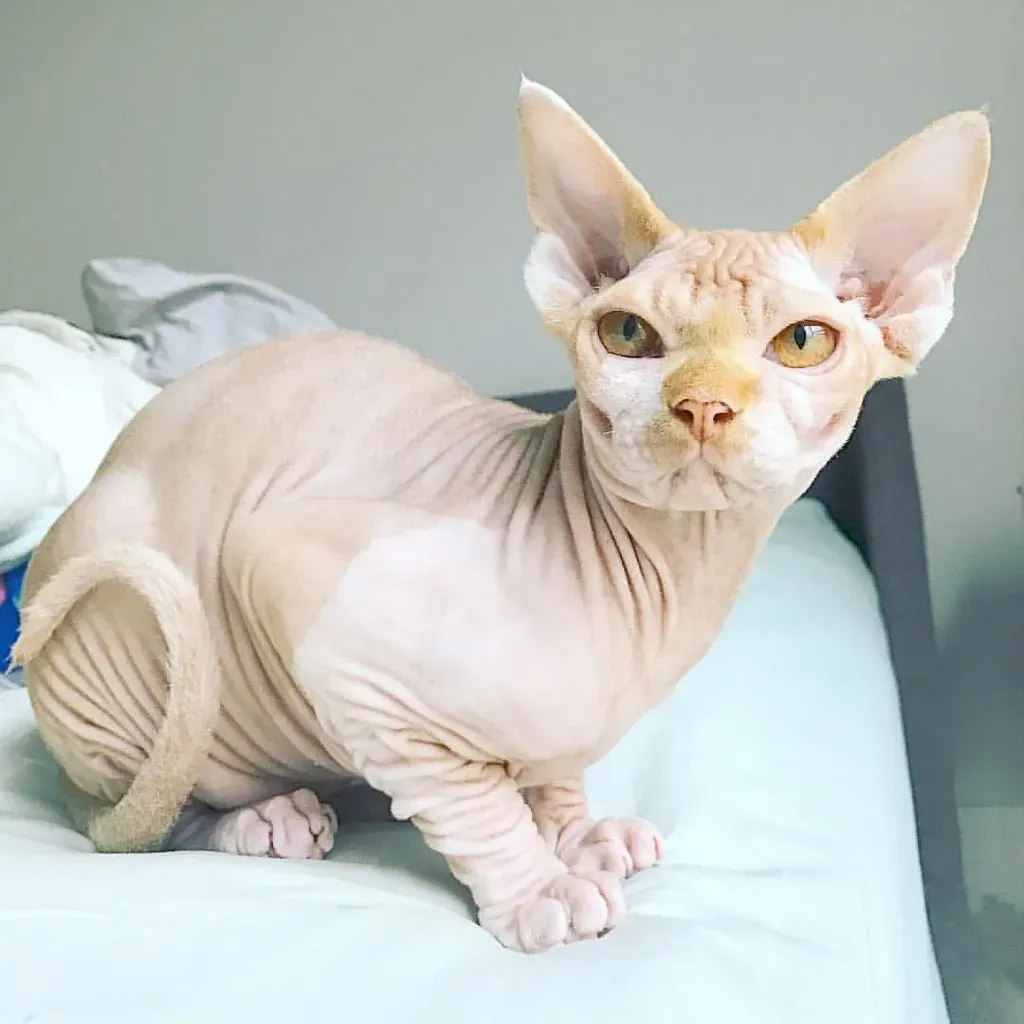
Few cats divide opinion quite like the Sphynx. That hairless, wrinkled face either fills you with adoration or makes you do a double-take. But appearances aside, the Sphynx has a personality that’s genuinely magnetic. Sphynx cats love attention and become little shadows that follow family members everywhere. That devotion is endearing – until it tips into something more demanding.
The Sphynx is a cat that is very demanding and wants to know it’s number one. When it’s not being catered to by its owners, it’s not happy and will show that by acting out. Children may not always provide the constant attention these demanding cats require, leading to jealousy and attention-seeking behaviors that could escalate. Their high-maintenance nature means they are not suitable for homes with young and needy children. However, Sphynx cats make great companions for adults and older children able to give them all the attention they require. It’s not that the Sphynx is a bad cat – far from it – but the dynamic with very young children can be genuinely tricky to manage.
A Final Word: Every Cat Is an Individual
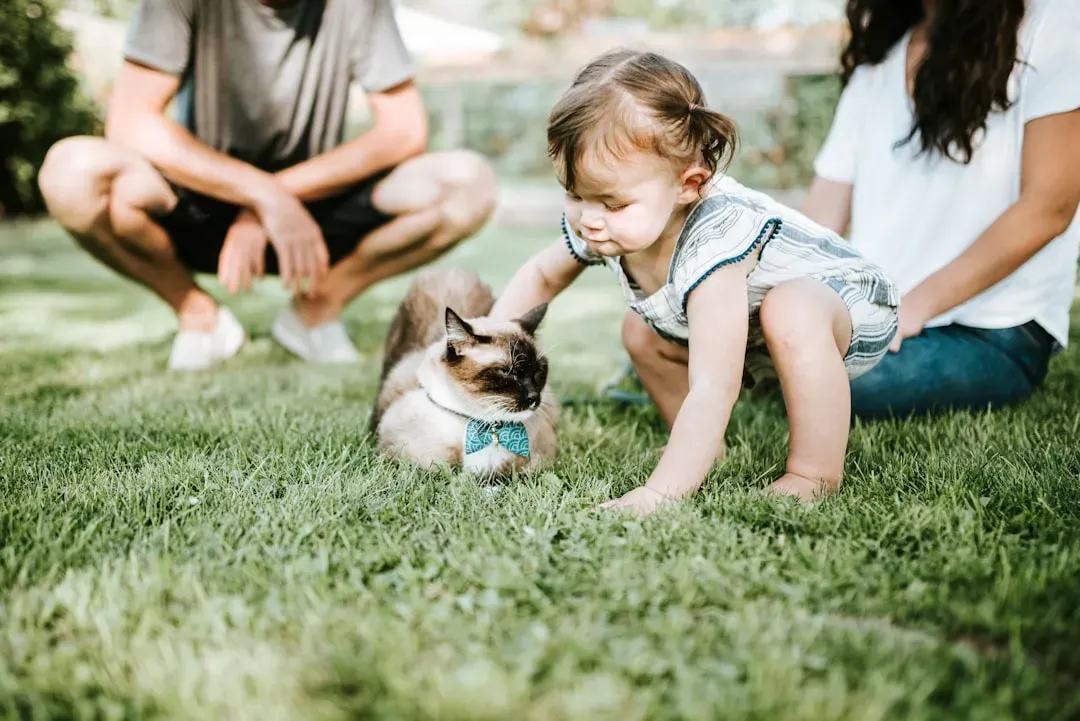
Here’s the thing that’s easy to forget when you’re researching breeds: breed is just a starting point. Every cat is an individual, which means many breeds and mixed-breed cats can potentially be good with kids. However, some are known for being especially ideal companions for children. The way a cat was raised, socialized, and introduced to its environment matters enormously. Proper socialization in kittenhood greatly impacts how well cats will get along with people. A kitten who is not well-socialized might grow up to be nervous, shy, and uncomfortable with human contact. Harmonious friendships often result when kids and kittens are introduced in a positive way from a young age.
For children, cats can be great companions and good teachers. Living with a cat can help build a child’s self-esteem, teach them responsibility, and help them learn empathy. At the end of the day, your job as a parent isn’t just to find the right cat for your kids – it’s to teach your kids to be the right humans for their cat. That relationship, built on respect and mutual trust, is one of the most beautiful things a childhood can hold. So, which breed surprised you the most on this list?