If you live with a cat, you already know how mysterious they can be. They sleep all day, zoom around at 3 a.m., and somehow manage to knock your favorite mug off the counter just to prove a point. Sometimes you catch yourself wondering whether everything they do is totally normal or if you should be booking that vet appointment.
Here’s the thing: your cat’s behavior is one of the best windows into their overall health. While cats are experts at hiding discomfort or illness, certain everyday behaviors can reassure you that your feline friend is doing just fine. Let’s be real, understanding these signs can save you a lot of worry and also deepen the bond with your furry companion. So let’s get started.
Regular Self-Grooming Habits
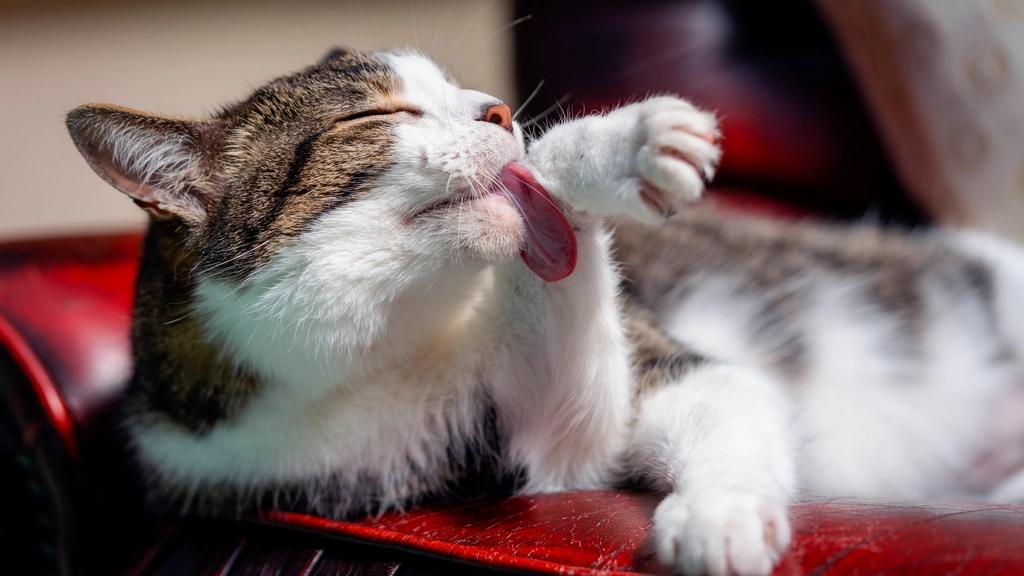
Healthy cats typically groom themselves after eating, sleeping, or using their litter box. This isn’t vanity. It’s an instinct rooted in survival and hygiene.
Your cat can spend roughly one-quarter to one-third of its waking hours grooming. If your cat regularly licks their coat, cleans their face with their paws, and keeps their fur looking relatively tidy, that’s a positive sign. Grooming helps remove dirt, loose hair, and parasites while stimulating sebum production, which keeps the coat shiny and waterproof. Honestly, a cat that maintains a consistent grooming routine is usually a healthy cat. If they suddenly stop grooming or do it obsessively, that’s when you might want to pay closer attention.
Eating With a Good Appetite
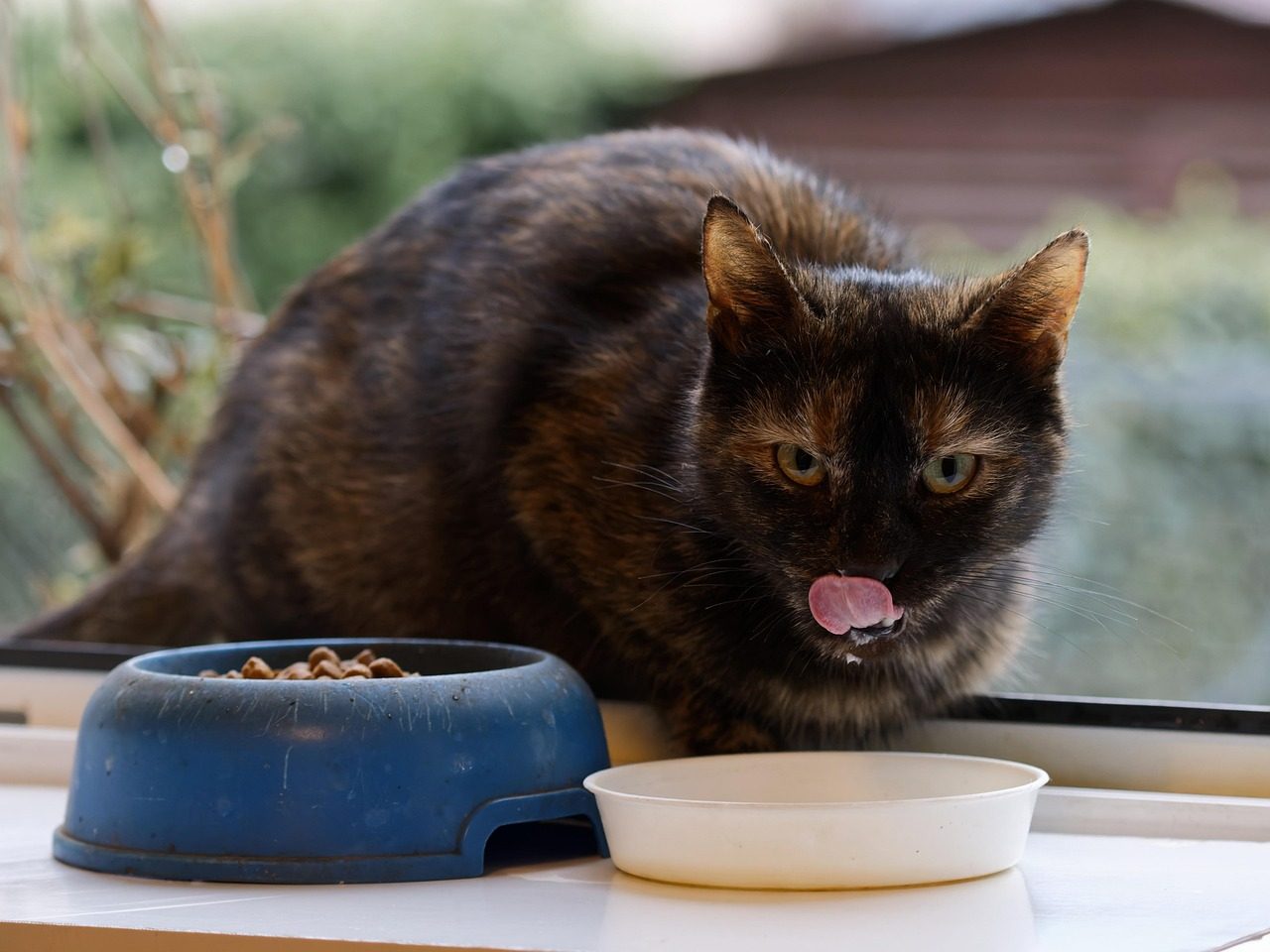
A healthy cat should have a strong appetite and be able to eat without difficulty. Your cat might not devour their entire bowl in one sitting, though. Cats actually prefer to eat frequently and in small amounts.
Watch how your cat approaches their food bowl. They should show interest, eat at regular intervals, and seem satisfied afterward. If your cat maintains a steady eating pattern day after day, that’s reassuring. Changes in typical eating patterns can be an early signal for possible physical or psychological health problems. I know it sounds simple, but a cat that eats normally is often telling you everything’s okay. It’s the sudden lack of interest in food or ravenous overeating that might signal something’s off.
Sleeping for Long Stretches
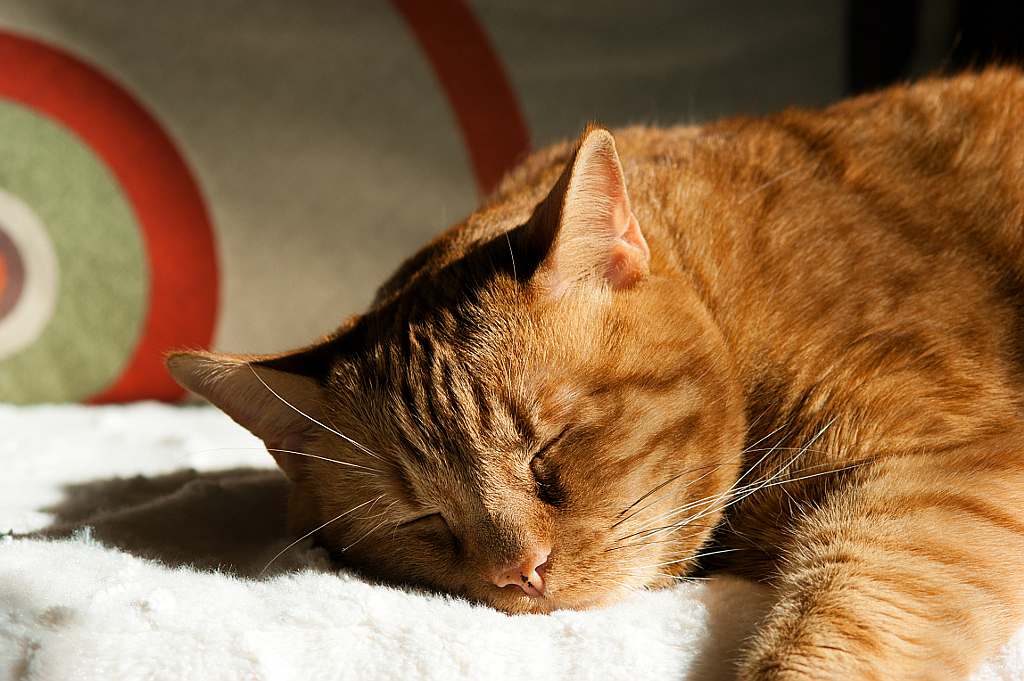
Let’s be honest, cats are professional sleepers. More than half of cats sleep between 12 and 18 hours a day, sometimes even more. If your cat spends a good portion of the day napping in their favorite sunny spot or curled up on your bed, don’t worry. That’s totally normal.
Cats typically sleep 12 to 16 hours daily to conserve energy, even if they’re domesticated and don’t need to hunt. You might notice your cat snoozing after meals, lounging in warm places, or even dozing off mid-afternoon. This restful behavior indicates they feel safe and comfortable in their environment. Sick cats might sleep excessively in an unusual way or struggle to settle down, but a healthy cat’s sleep is relaxed and routine.
Playful and Active Behavior
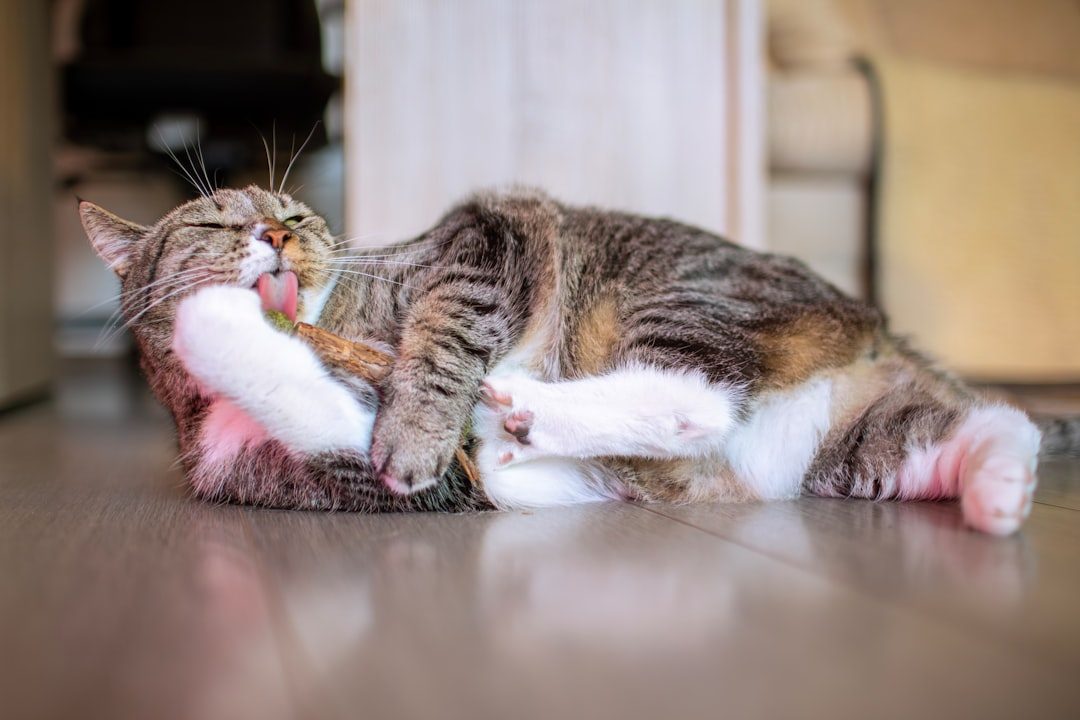
Showing interest in playing with toys, climbing structures, scratching posts, their owners, and other cats is an indicator of . Cats are natural hunters, so even your indoor kitty has those instincts bubbling under the surface.
Hunting is a normal behavior for cats, unrelated to hunger, and even well-fed cats can hunt. Mother cats teach this skill, though the basic instincts are present in all cats. If your cat stalks a toy mouse, pounces on a feather wand, or suddenly races through the house at full speed, that’s their way of expressing vitality. I think it’s one of the most delightful signs of health. A playful cat is usually a happy, energetic, and physically capable cat. When they lose that spark, that’s when you should start wondering if something’s wrong.
Regular Litter Box Habits
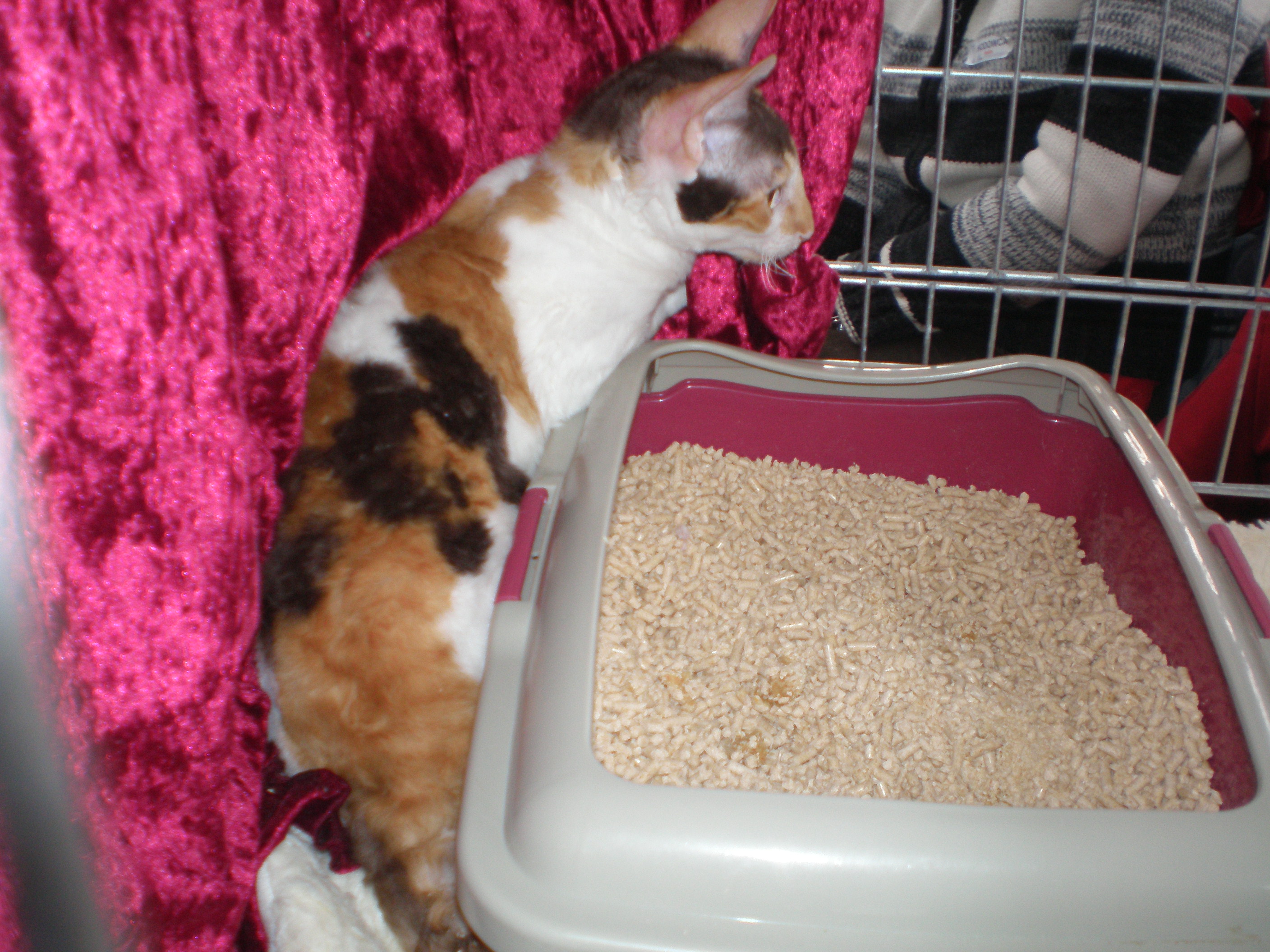
Report changes in litter box habits such as frequency or consistency of your cat’s urine or stool to your veterinarian immediately. Your cat’s bathroom routine might not be glamorous, but it’s one of the most reliable health indicators you have.
The status of your cat’s litter box offers good insight into their health. A healthy cat urinates and defecates in regular amounts and at regular intervals, follows a general routine, and deviation could indicate a problem. If your cat consistently uses the litter box without straining, produces normal-looking waste, and doesn’t suddenly start avoiding the box, those are all reassuring signs. Cats are creatures of habit, so consistency in this area usually means things are functioning as they should internally.
Social and Affectionate Interactions
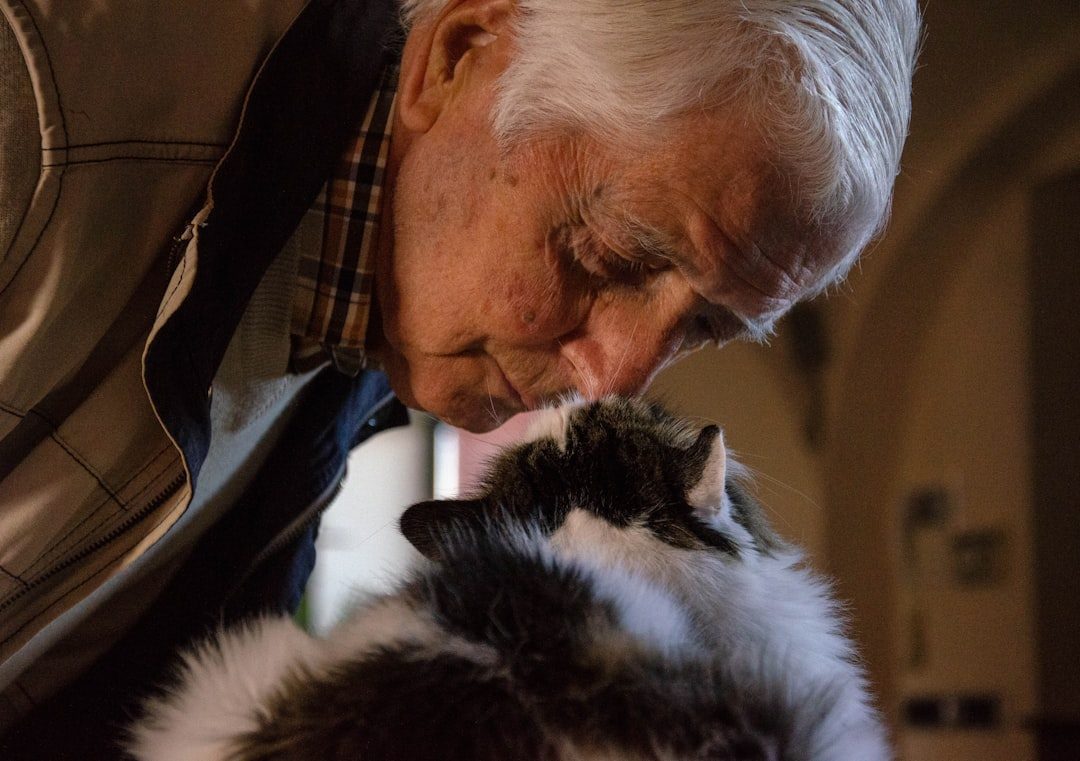
Generally speaking, whether your cat is naturally outgoing or more reserved, it should appear active and cheerful. Maybe your cat greets you at the door, rubs against your legs, or curls up beside you on the couch. These are all good signs.
If your cat is exhibiting healthy behaviors at home, such as playing, climbing, and socializing with you and their housemates, your cat is likely happy and has a good quality of life. Sudden changes in these behaviors can indicate stress, injury, or illness. Every cat has their own personality. Some are cuddly lap cats, others prefer to observe from a distance. What matters is consistency. If your normally aloof cat suddenly becomes clingy or your social butterfly hides under the bed, those shifts are worth investigating.
Relaxed Body Language and Tail Position

Relaxed and happy cats have a relaxed body posture, ears in a natural position, tail held upright with the tip curved, eyes are normal shape, and mouth is closed. Your cat’s body tells you a lot about how they’re feeling, even when they can’t use words.
A cat’s tail serves as a means of communication, conveying a wide range of emotions. A relaxed, gently swaying tail indicates contentment and relaxation. When your cat strolls around with their tail high, ears forward, and a calm expression, they’re signaling that everything is fine. You will know your cat is happy and feeling well if you see her tail held high and erect, maybe even slightly curled at the tip. It’s amazing how much you can learn just by watching how they carry themselves.
Conclusion
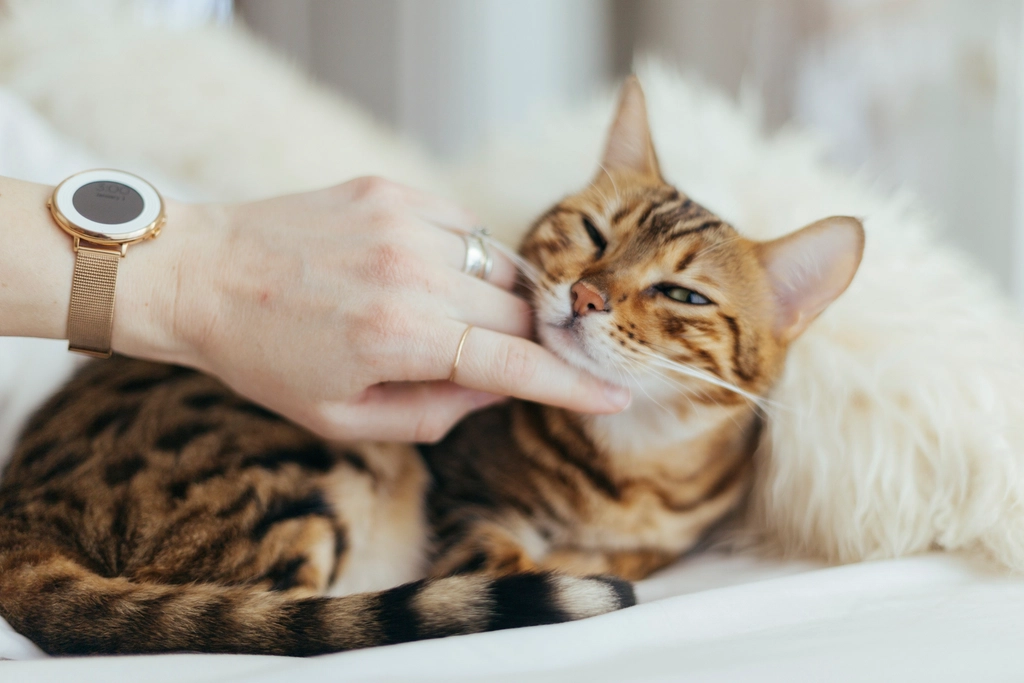
Understanding your cat’s everyday behaviors is one of the most powerful tools you have as a pet owner. These seven signs, ranging from grooming habits to litter box routines to playful antics, offer you a snapshot of your cat’s health without needing a medical degree. Sure, cats are quirky and sometimes puzzling, but when you know what to look for, those quirks become clues.
Keep an eye on consistency. A healthy cat has routines they follow day in and day out, whether that’s grooming after meals or napping in the same sunny spot. When those patterns shift suddenly, that’s your cue to dig deeper. Your intuition as a cat owner matters more than you might think. So what do you think? Did any of these behaviors surprise you?