When you think about therapy animals, dogs usually steal the spotlight. Yet cats have been quietly comforting humans for centuries, offering their own brand of emotional support that can be just as powerful. Some feline friends naturally radiate warmth and actively seek out your lap the moment you sit down, while others provide a gentler, more understated form of companionship that respects your personal space.
The truth is, not every cat wants to be your shadow or purr machine on demand. Some prefer to offer comfort from a respectful distance, showing affection on their own terms. This doesn’t make them any less valuable as emotional support companions. It’s hard to say for sure which approach works best because every person’s needs are different.
Let’s dive into fourteen cat breeds that offer comfort in their own unique ways. So let’s get started.
1. Ragdoll: The Floppy Therapist Who Goes Limp With Love
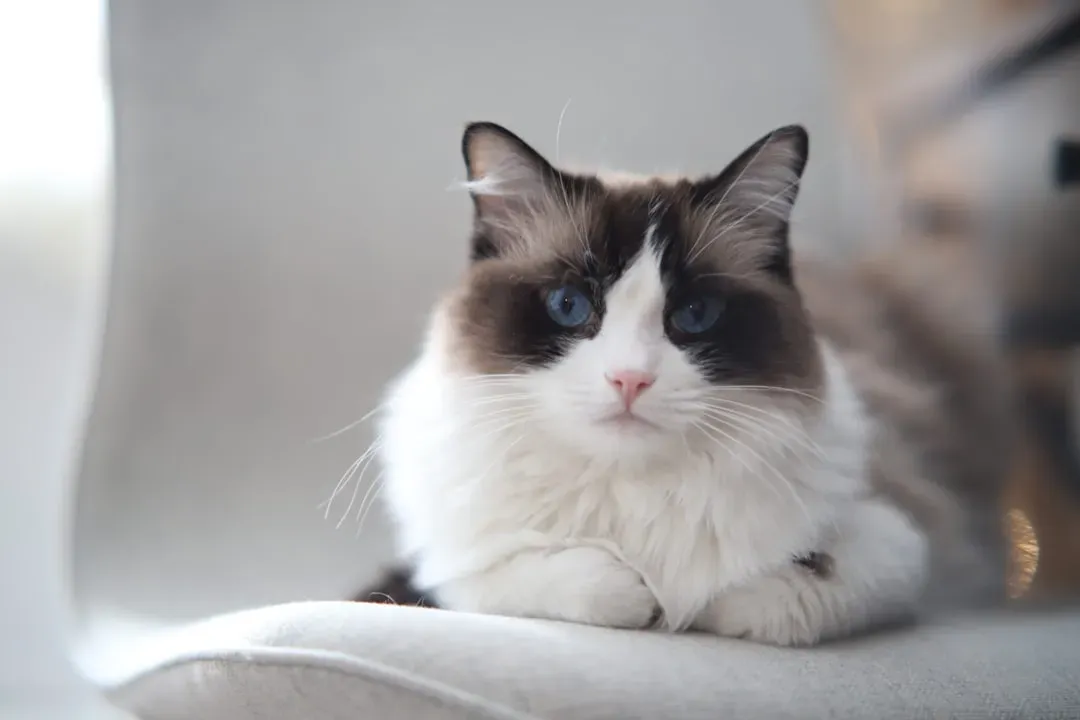
Known for their striking appearance with blue eyes and silky coats, Ragdolls have earned their name from the way they go completely limp when you pick them up. It’s almost like holding a plush toy. These gentle cats are famously tolerant of handling, which makes them especially soothing for people who feel anxious or touch-starved.
Ragdolls adore human company and usually seek out laps, beds, and couches where their person is resting. They’re not demanding, though. That mix of affection and independence makes them easy to live with for people who need support but also value a peaceful home. If you’re looking for a cat that feels like a warm hug at the end of a rough day, the Ragdoll delivers every single time.
2. Maine Coon: The Gentle Giant With A Heart Of Gold
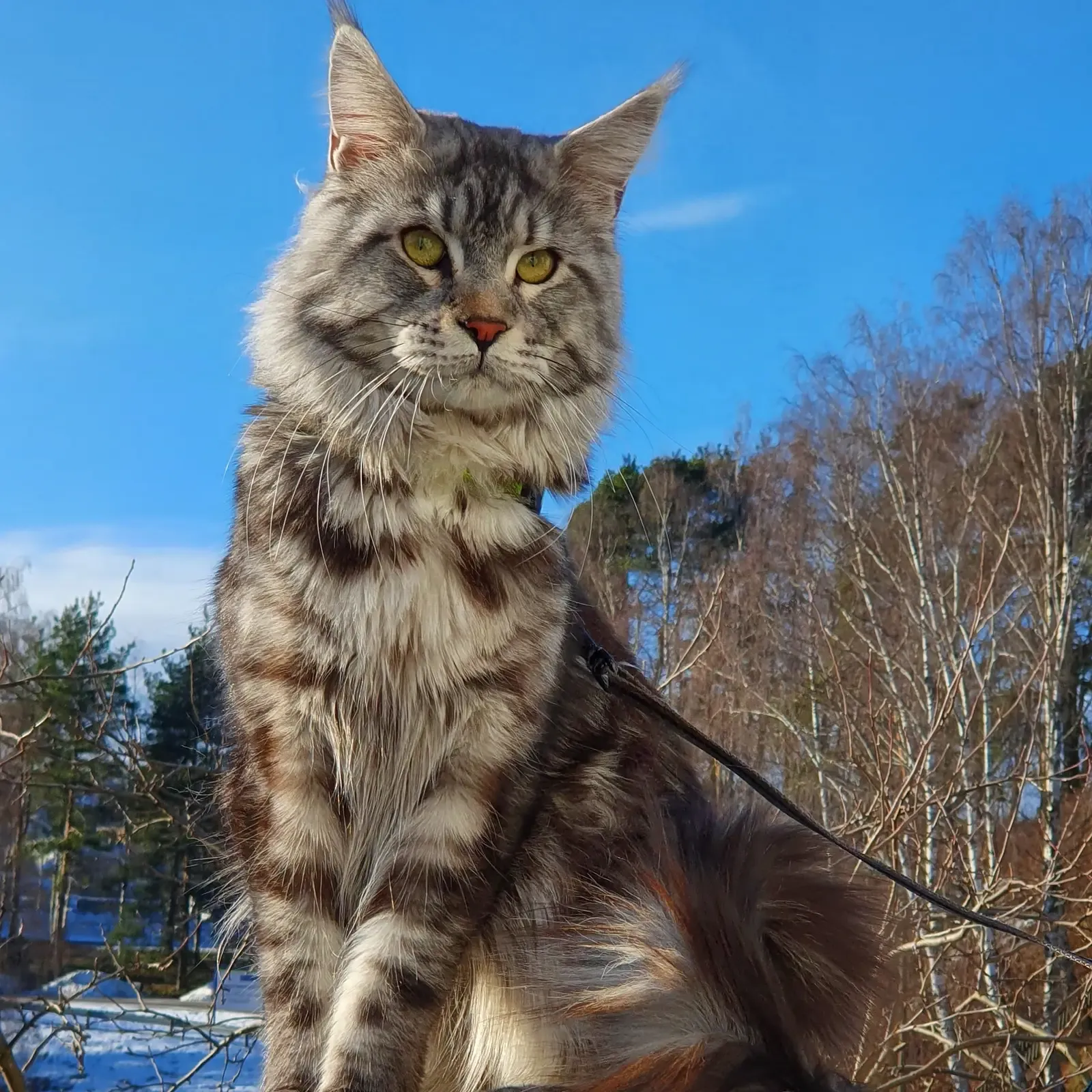
Maine Coons are massive cats with wild-looking features, yet their personalities are surprisingly tender. Behind that elegant look is an energetic, people-focused cat that thrives on connection, making it a natural fit for therapy roles. They have gentle, charming personalities and plenty of intelligence, which means they can sense when you need a friend nearby.
When they’re not squeezing onto your lap, they’ll probably be on the lookout for pests or working on one of their favorite puzzle toys. They’re affectionate without being clingy. They adore attention but are not overly demanding, so you get the best of both worlds with this breed. Their presence alone can be deeply comforting, especially for families or anyone who wants a loyal companion without constant neediness.
3. Siamese: The Vocal Companion Who Talks You Through Hard Times
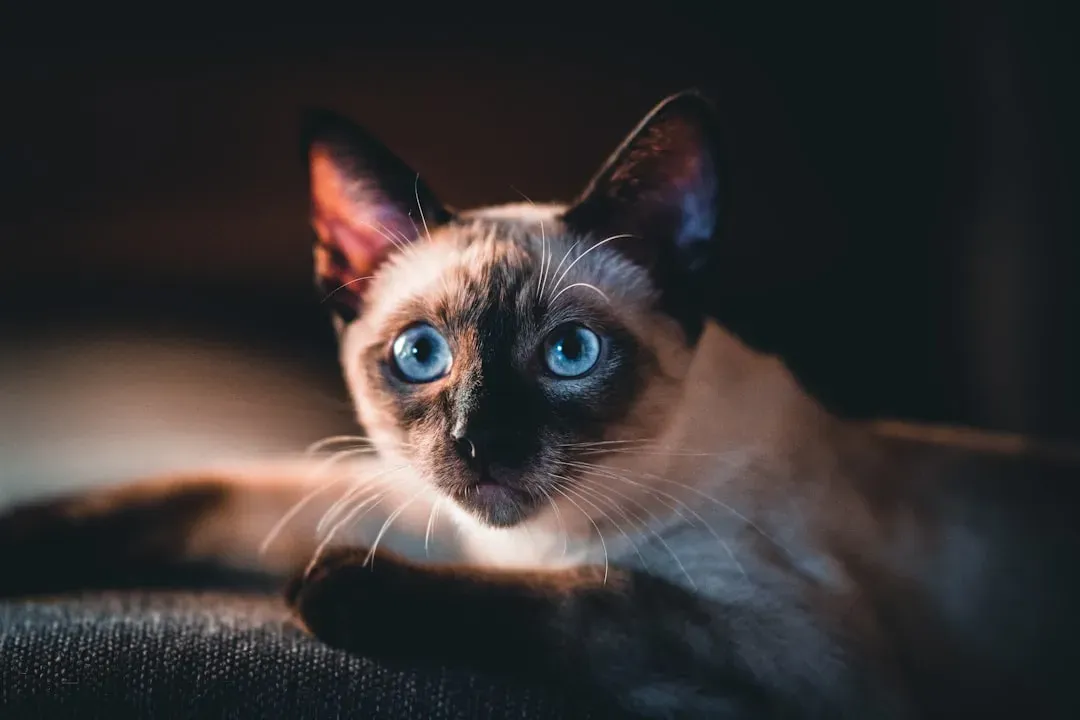
Siamese cats are often called a favorite for kids and first-time owners who want constant companionship, as they choose a favorite person and stick close, offering steady comfort with their trademark “meowful” conversations. They’re not the type to sit quietly in the corner. These cats have opinions, and they’ll share them with you throughout the day.
They help pull you out of low moods with their affectionate nature. Siamese cats love interactive games and puzzles, keeping you mentally and physically engaged, which can be incredibly therapeutic if you’re dealing with depression or loneliness. Their devotion runs deep, and they don’t like being left alone for long periods, so they’re best for people who are home often.
4. Burmese: The Puppy-Like Cat That Demands Your Attention
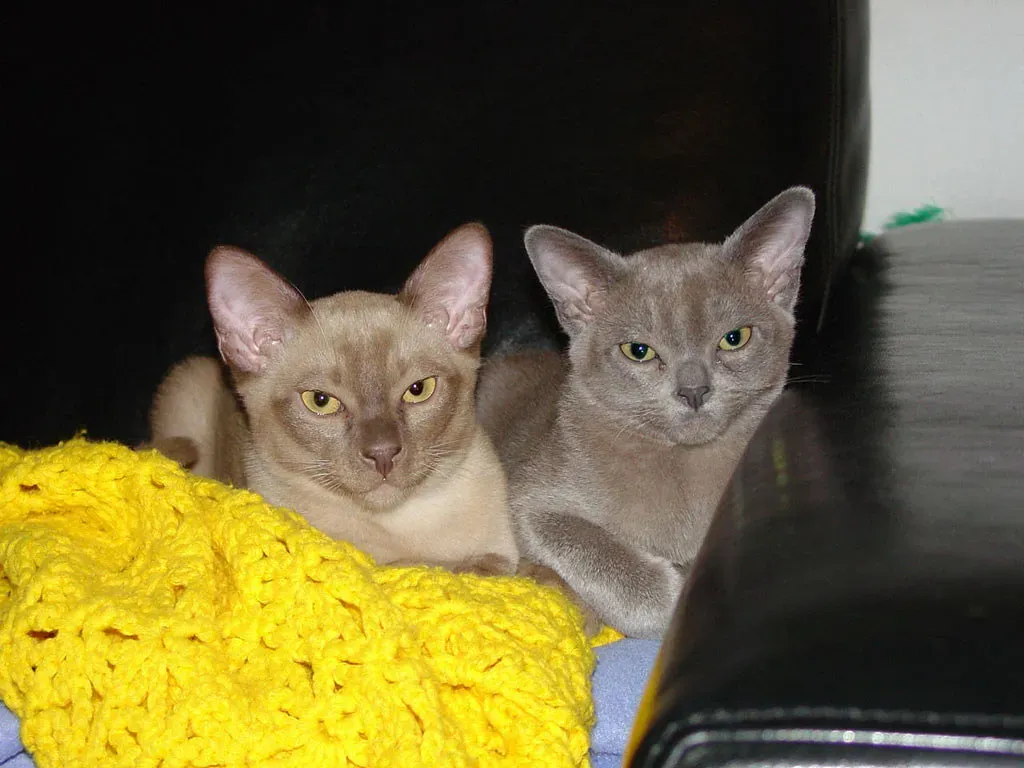
Burmese cats are famously known for their dog-like personalities and their profound love for human interaction, often following their owners around like little shadows. Honestly, they’re sometimes too affectionate for their own good. If you want a cat that gives you space, this breed might not be your best choice.
Burmese cats make excellent emotional support animals due to their intelligence, affection, and extreme loyalty. They seem to understand when something’s wrong. Whether you’re lounging on the couch or moving from room to room, your Burmese will be right there with you, making every moment a bit brighter. You can’t feel alone with one of these cats around, even if you try.
5. Sphynx: The Hairless Heater Who Craves Your Warmth
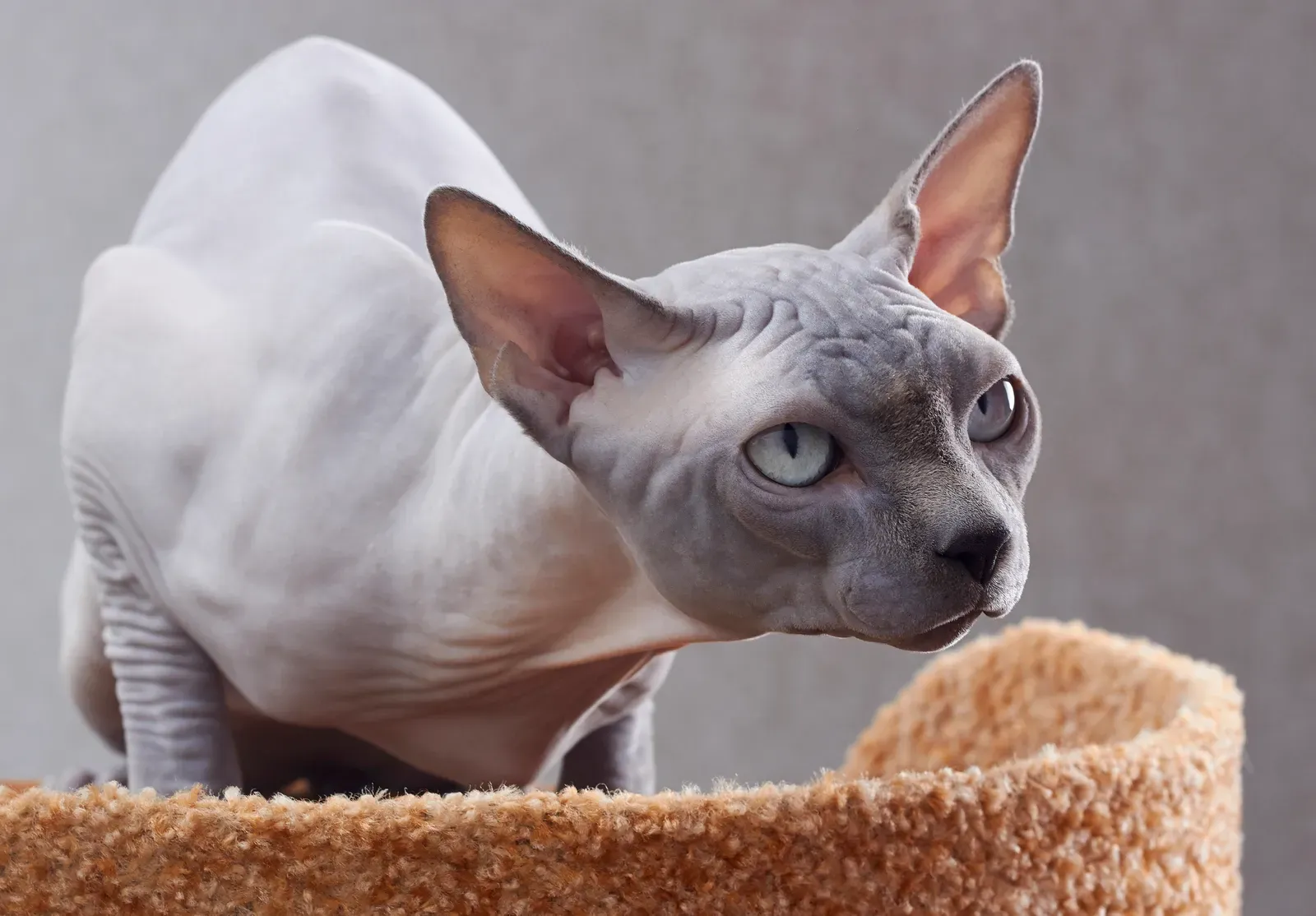
The Sphynx might not be the first cat you think of when imagining a cuddly companion, but don’t let their lack of fur fool you. The sphynx is quite affectionate and loving, and this breed enjoys cuddling with their owners as much as possible. Their warm, suede-like skin makes them surprisingly pleasant to hold.
They enjoy cuddling with their owners as much as possible and can be a good choice for a support companion for those individuals with mild cat allergies. Because they lack fur, Sphynx cats actively seek out warm spots, which usually means your lap or the crook of your arm. They’re playful, curious, and always eager to be involved in whatever you’re doing.
6. Scottish Fold: The Sweet-Faced Cat With Folded Ears And Big Emotions
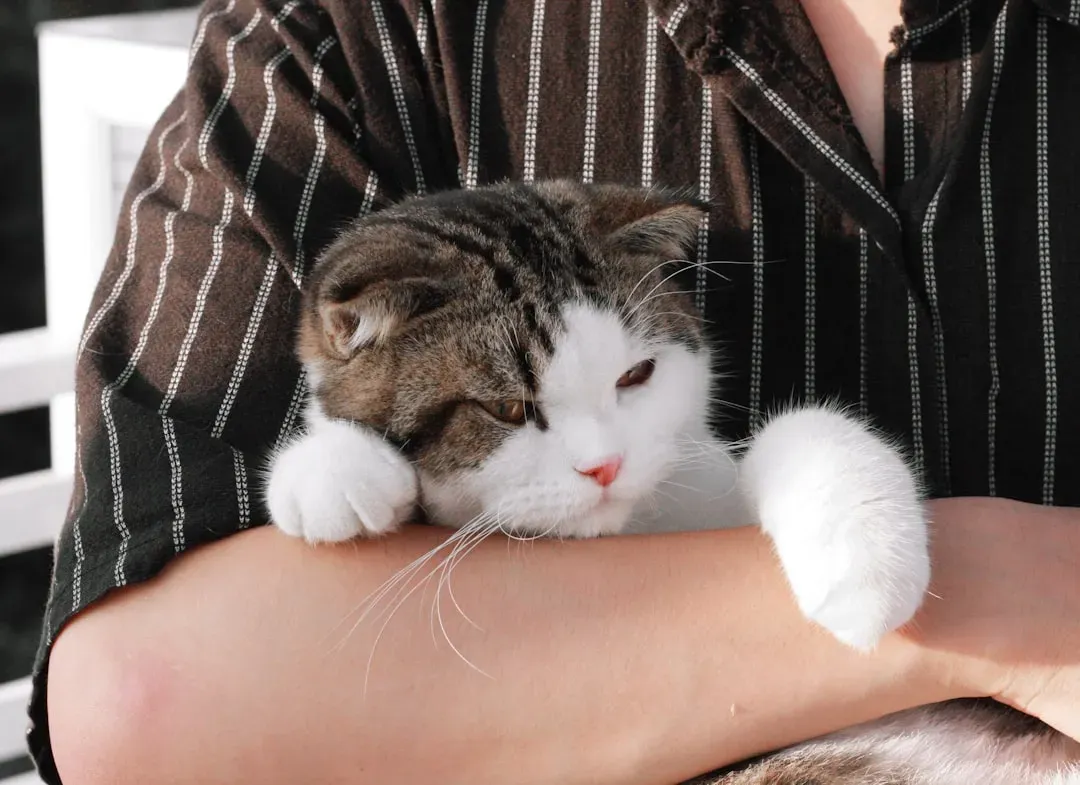
Scottish Folds are not just adorable; their empathetic nature and love for human interaction make them perfect for anyone looking for emotional support. Those distinctive folded ears give them an almost owl-like expression that’s impossible to resist. They’re quiet and undemanding, preferring gentle affection over high-energy play.
These cats are known for their quiet nature and deep loyalty to their owners. They love being near their humans and often curl up for long, relaxing sessions on their owner’s lap. Scottish Folds won’t demand attention constantly, but they’ll be there when you need them most, offering silent support that speaks volumes.
7. Birman: The Sacred Cat With A Calm And Loving Demeanor
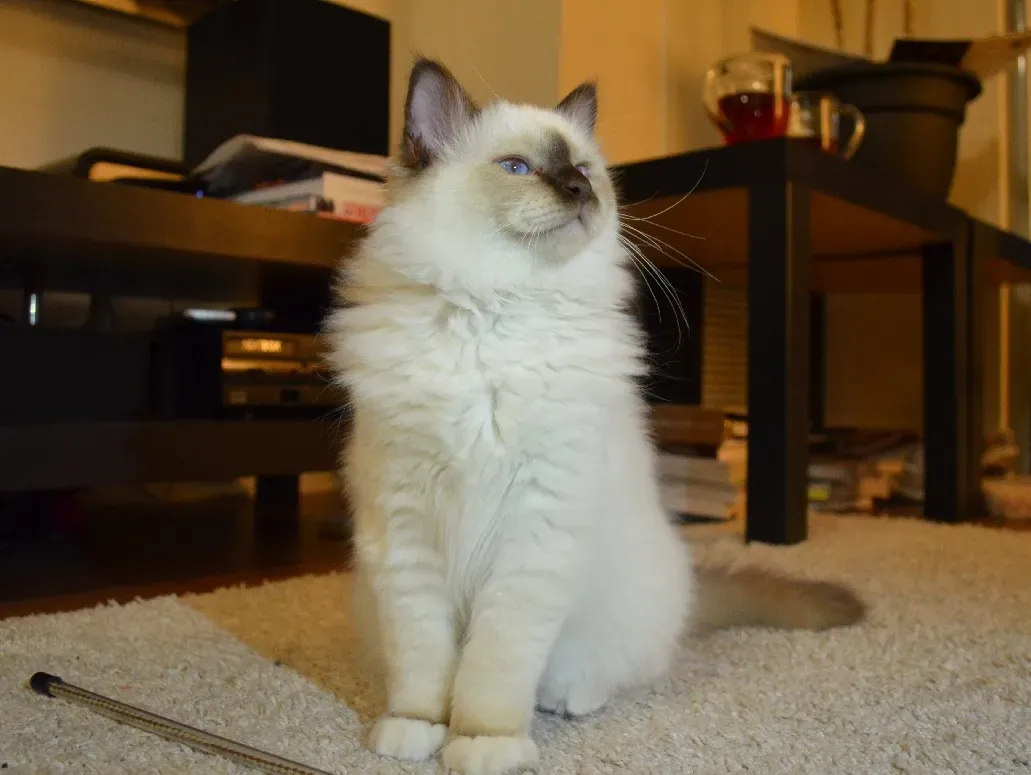
Also called the Sacred Cat of Burma, Birman cats are affectionate companions with a calm, loving demeanor and have a silky coat and deep blue eyes. They’re stunning to look at, yet their beauty is matched by their gentle temperament. Birmans form strong connections with family members without being overly needy.
Birmans are friendly with other pets and make excellent additions to multi-pet households. If you have other animals or children, this breed adapts beautifully. They offer steady companionship without drama or territorial behavior, which creates a peaceful atmosphere that benefits everyone in the home.
8. Russian Blue: The Reserved Observer Who Comforts On Their Own Terms
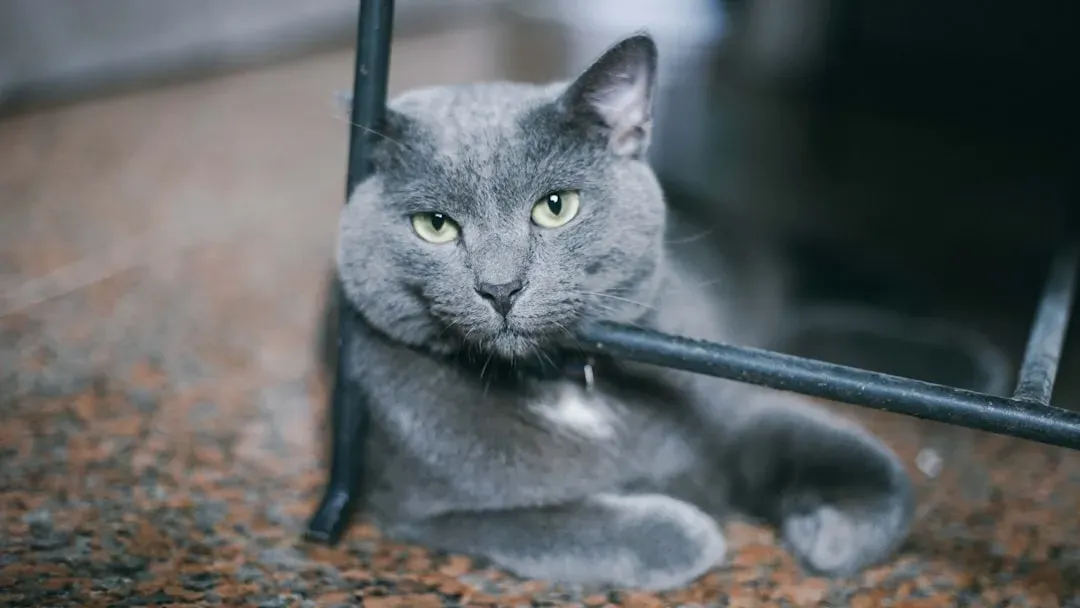
Playful and undemanding, the Russian Blue is another wonderful breed that can do a great job as a therapy cat, as they tend to keep cool and collected even in an emergency and are very affectionate. Yet these cats are naturally reserved, especially around strangers. They have to go through a few training sessions to get rid of their natural wariness, but once comfortable, they’re deeply loyal.
Affection comes on the cat’s terms, but it runs deep, as once trust is earned, this breed forms a powerful bond, often attaching closely to one person. Low-demand but emotionally connected, Russian Blues thrive in peaceful homes with predictable routines and enjoy affection, play, and closeness without constant attention. They’re perfect for introverts or anyone who appreciates a cat that respects boundaries.
9. Persian: The Laid-Back Lounge Cat Who Prefers Quiet Spaces

Persian cats tend to be so relaxed that they’re sometimes lovingly referred to as furniture with hair, and are often reserved and wary of new people. They’re not the type to rush up to greet strangers at the door. Persians prefer calm environments where they can observe from a comfortable perch.
Persians enjoy the company of their owners but are also perfectly content to spend time alone, grooming their magnificent fur or lounging in a favorite spot. Their relaxed temperament and self-sufficient nature make them ideal companions for owners who work or travel often. If you need a cat that won’t follow you around demanding attention, Persians offer gentle companionship without the pressure.
10. British Shorthair: The Teddy Bear Cat Who Prefers Being Near, Not On, You
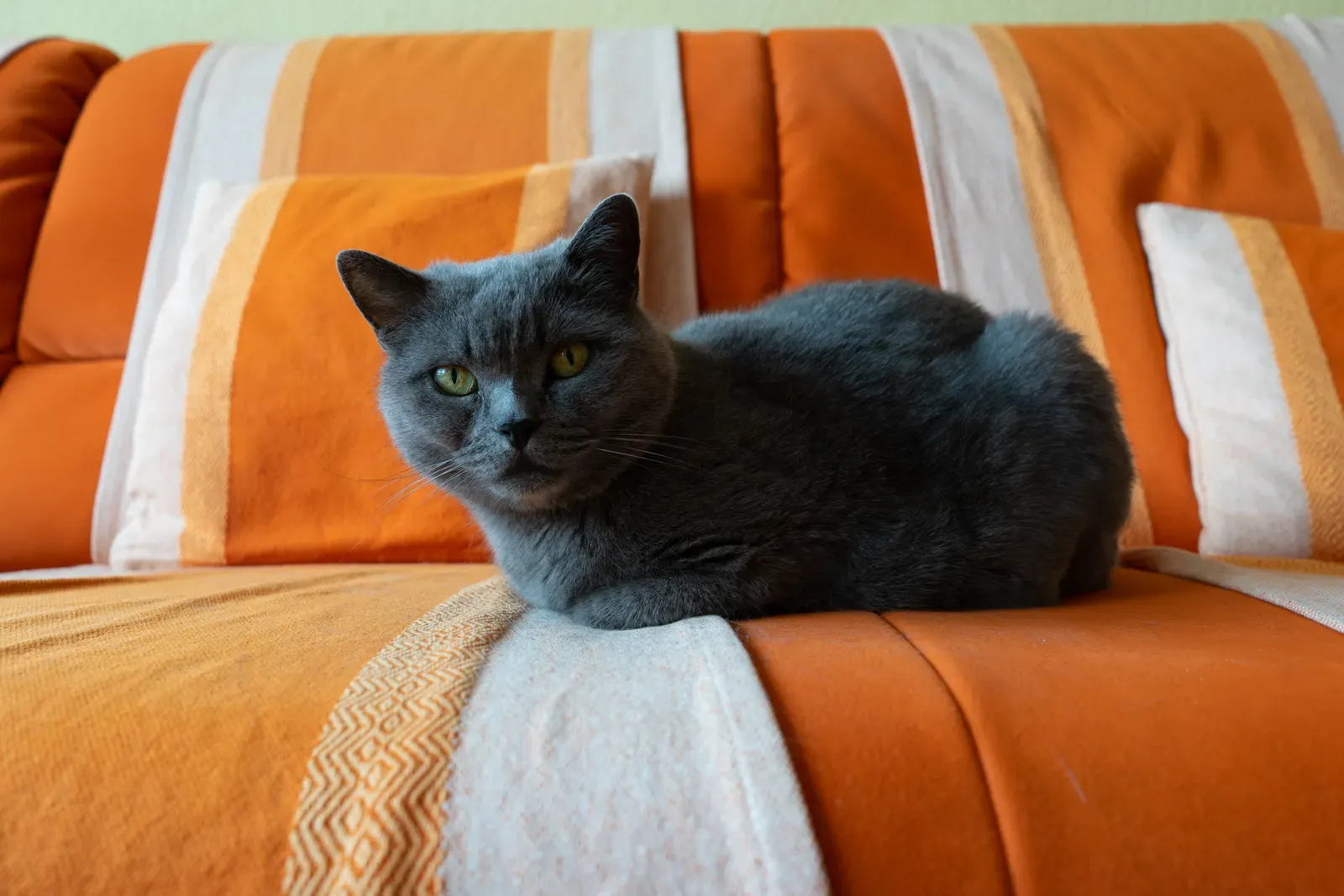
The British Shorthair is a classic feline with a teddy-bear face, dense coat, and a tail that is short and thick, with the breed generally placid, gentle, and easygoing in temperament. They’re confident cats who don’t need constant reassurance. Independence in British Shorthairs shows up as confidence rather than distance, as they enjoy human company but prefer sitting beside you instead of on your lap.
This subtle form of comfort works beautifully for people who find clingy pets overwhelming. British Shorthairs offer quiet companionship without constant demands for attention or reassurance. Their calm presence creates a soothing atmosphere, especially in households that value peace and routine.
11. Norwegian Forest Cat: The Independent Explorer Who Bonds Deeply Yet Stays Self-Sufficient
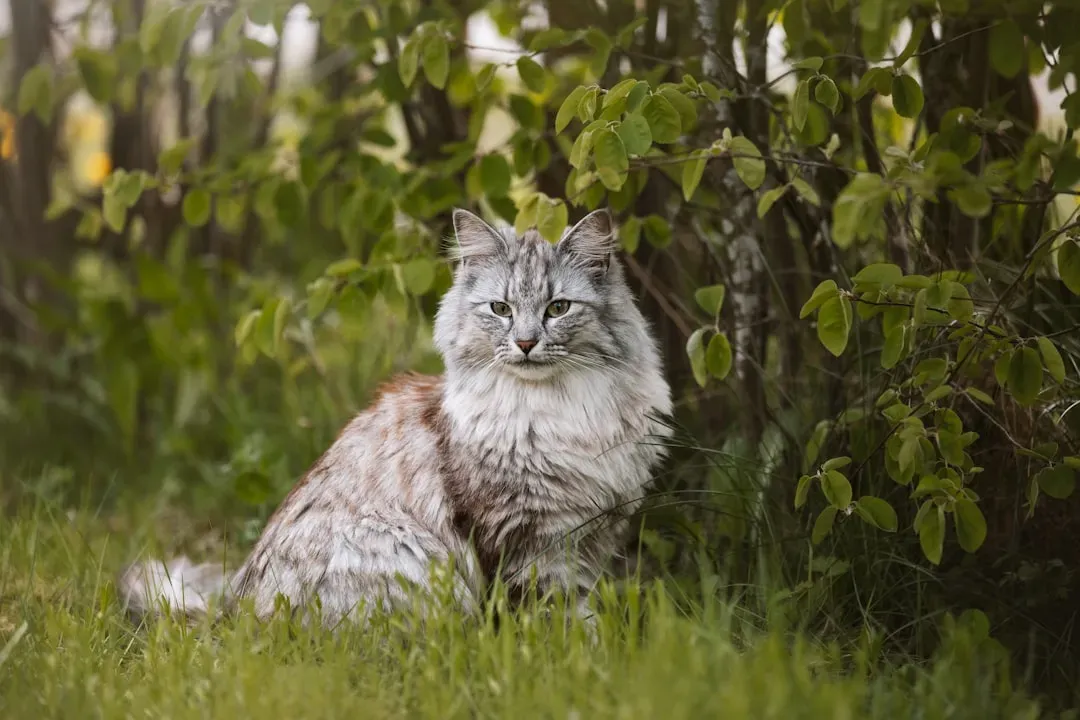
Often called the Wegie, the Norwegian Forest Cat is a large, rugged breed developed in Norway’s harsh climate, with its thick double coat and bushy tail giving it a striking appearance balanced by a calm temperament and natural independence. That self-sufficiency doesn’t mean aloofness, as Norwegian Forest Cats form deep bonds and prefer staying near their people rather than demanding constant lap time.
Affection shows in subtle ways, such as quietly following family members from room to room or settling nearby instead of seeking nonstop attention. They’re perfect for active families or individuals who want a devoted companion that doesn’t require constant interaction. Their loyalty runs deep, even if they express it differently than more overtly affectionate breeds.
12. Abyssinian: The Curious Explorer Who Offers Comfort Through Play
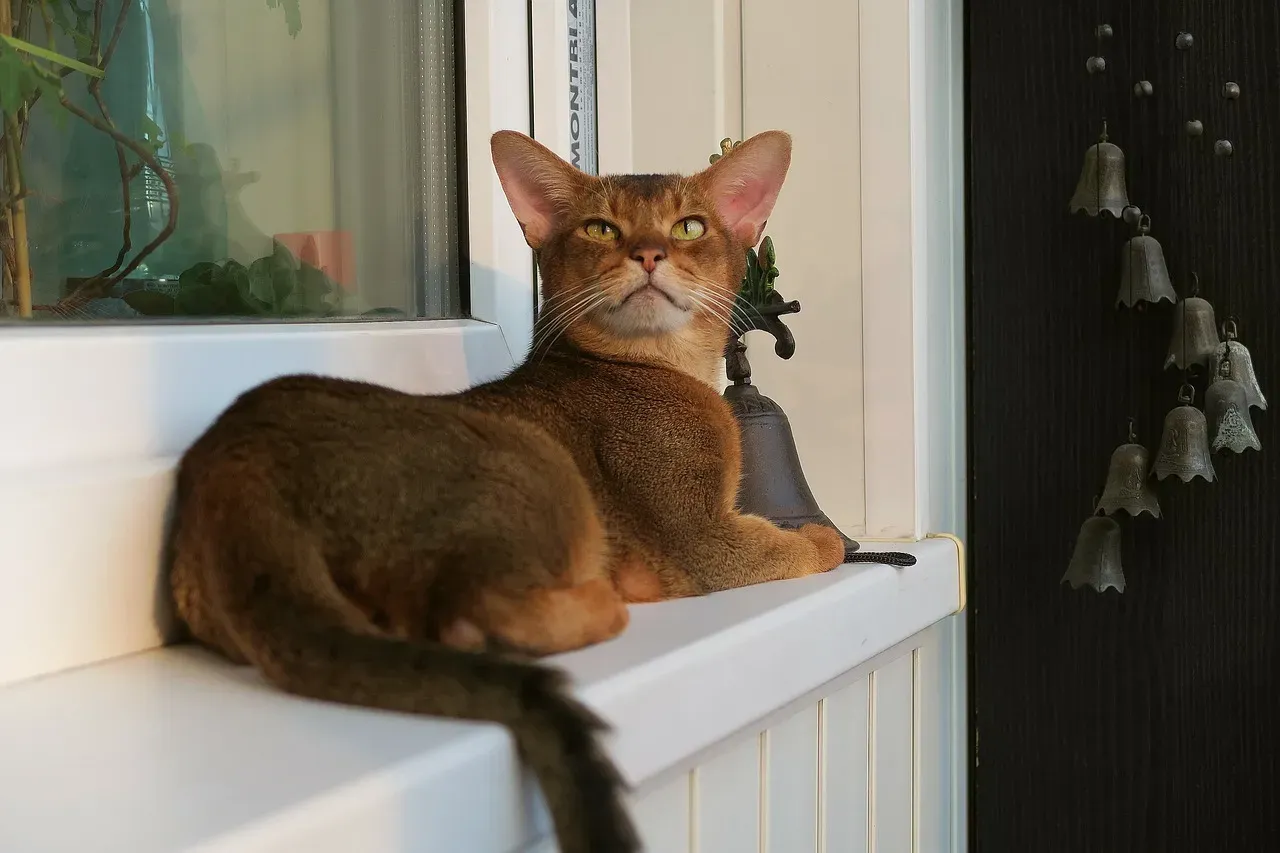
Abyssinians are very intelligent and curious cats, and they tend to have a lot of confidence, so rather than demanding your attention, they often prefer exploring their surroundings. They’re not lap cats in the traditional sense. These sleek, athletic cats provide emotional support through their playful energy and engaging personalities.
Their independence means they won’t smother you with affection, yet their presence is consistently uplifting. Abyssinians are excellent for people who benefit from having an active, entertaining companion rather than a constant cuddler. They’ll keep you engaged and distracted from anxious thoughts without overwhelming you.
13. American Shorthair: The Easy-Going Classic Who Adapts To Your Lifestyle
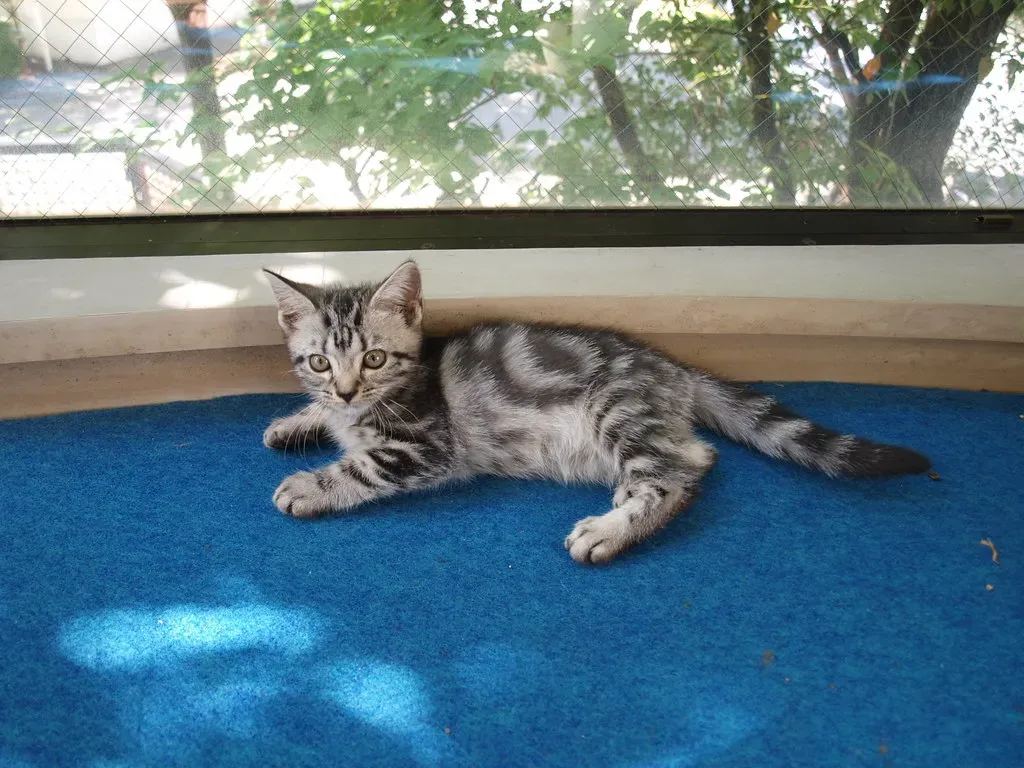
Americans love them for their easy-going, calm, and friendly personalities, as American Shorthair cats love nothing more than jumping into their owners’ laps for attention. Yet they’re not pushy about it. The American Shorthair is a classic breed that perfectly balances independence with sociability and can thrive in various living situations.
They enjoy spending time with people but don’t require it to be happy. This adaptability makes them ideal for busy households or individuals with unpredictable schedules. American Shorthairs offer steady, reliable companionship without the emotional intensity that some people find draining.
14. Bengal: The Wild-Looking Adventurer Who Offers Comfort Through Energy
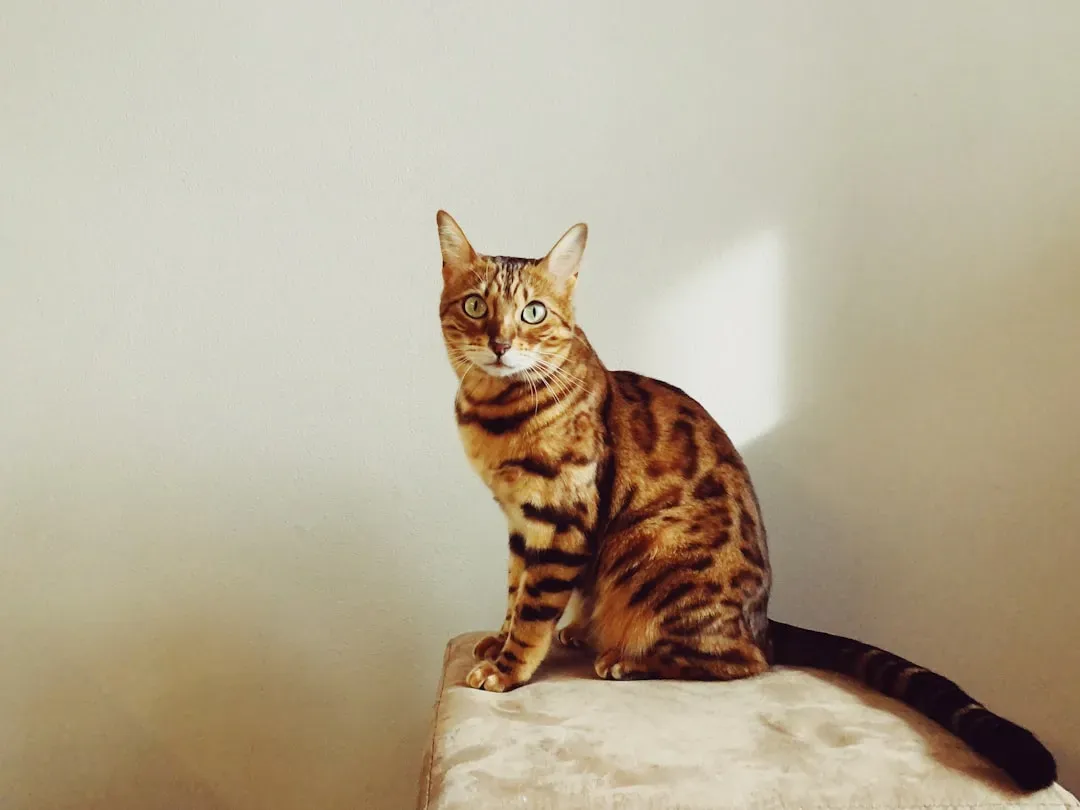
If you want a cat with wild energy and a mind of its own, look no further than the Bengal, with their leopard-like spots being bundles of curiosity and independence, as Bengals love to climb, jump, and explore. They’re highly intelligent and need plenty of stimulation to stay happy. This breed isn’t for everyone, especially if you prefer a calm lap cat.
Yet for the right person, Bengals provide emotional support through their entertaining antics and engaging personalities. They force you to stay active and present, which can be incredibly therapeutic for people dealing with depression. Their independent streak means they won’t become overly attached, offering freedom within the relationship. If you need a cat that keeps you on your toes rather than one that melts into your lap, Bengals might be your perfect match.
Finding The Right Feline Therapist For Your Life
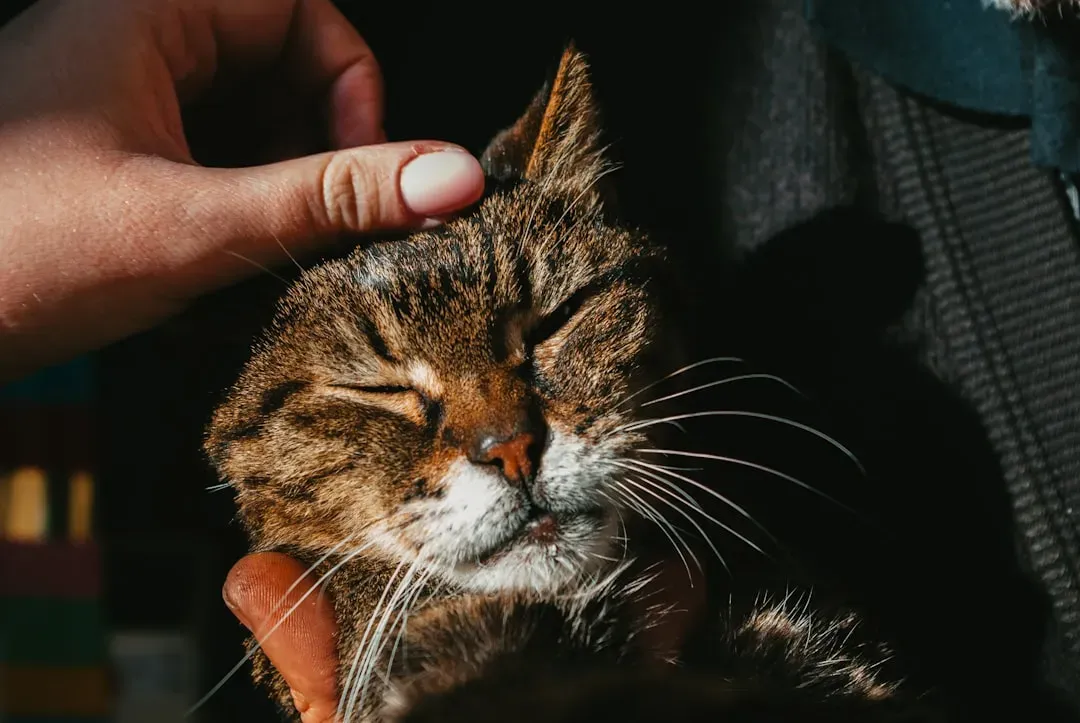
Choosing a cat for emotional support isn’t just about picking the cuddliest breed. It’s about finding a personality that matches your needs and lifestyle. Some people thrive with a Ragdoll that goes limp in their arms, while others benefit more from a Russian Blue that respects their space yet stays nearby.
The wonderful thing about cats is their diversity. Whether you need constant affection or prefer gentle, understated companionship, there’s a breed perfectly suited to your emotional landscape. The seven natural therapists on this list actively seek human connection, while the seven reserved comforters offer support without overwhelming your personal space. Both approaches are equally valid and valuable.
What kind of comfort are you looking for from a feline friend? Sometimes the cats that don’t demand attention end up providing the most profound emotional support simply by being present.