Ever watched your neighbor’s cat chase a toy mouse, retrieve it, and drop it at their feet like a loyal golden retriever? You might have rubbed your eyes in disbelief. After all, cats are supposed to be aloof, independent creatures who only care about napping in sunbeams and judging us from high perches. Turns out, the feline world is far more surprising than most people realize.
Over 40 percent of cat owners had a cat that sometimes, usually, or always fetched. That’s not a typo. Nearly half of all cats enjoy playing fetch with their humans, shattering the stereotype that only dogs engage in this interactive game. On the flip side, some breeds are perfectly content to spend their days lounging and recharging their batteries. Let’s dive into the fascinating world of cats that love to chase and those who’d rather not.
Abyssinian: The Athletic Retriever
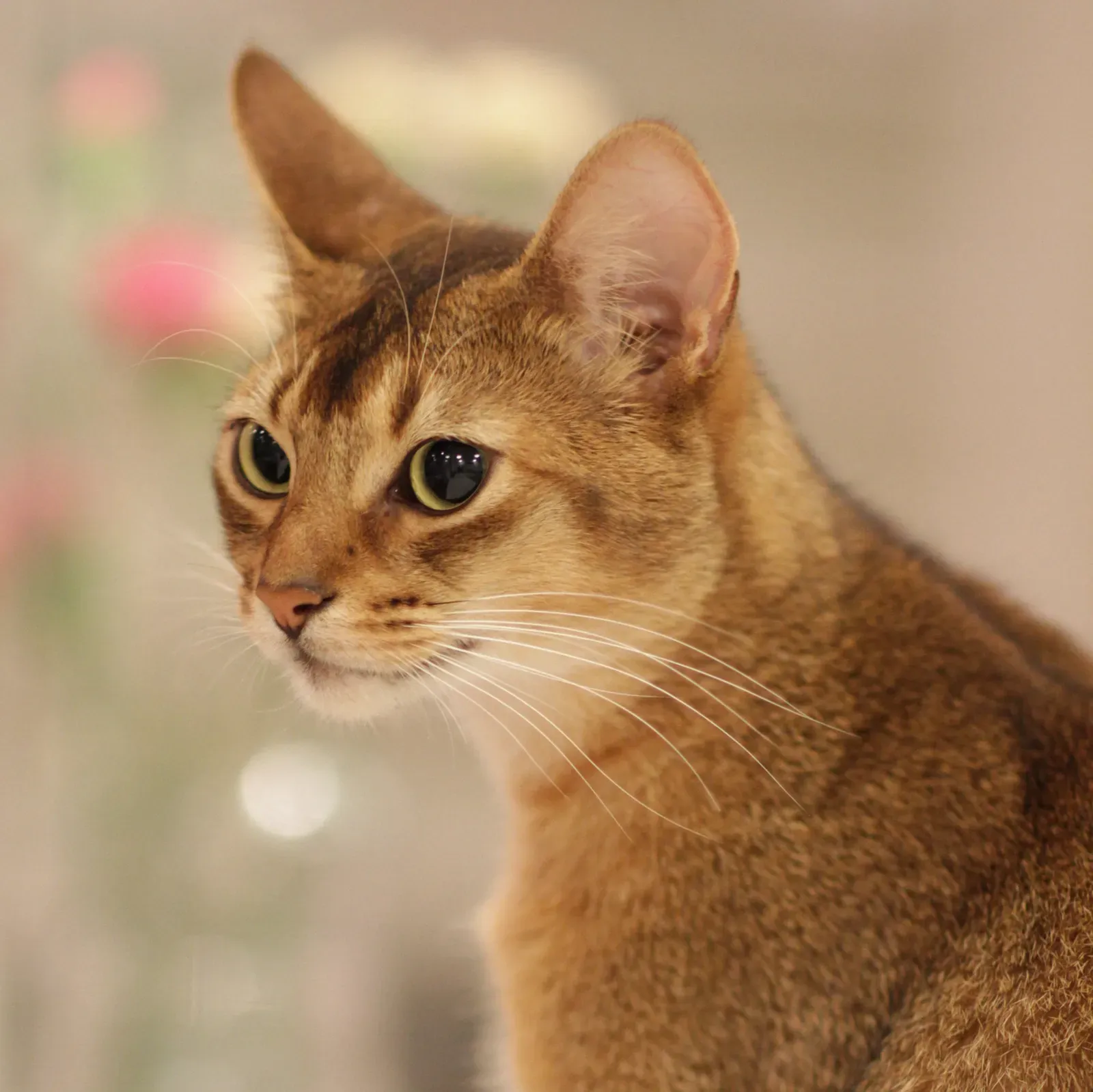
The Abyssinian is known for his social and active nature and is ideal for those looking for a breed that will come with you on long walks and play fetch in the evenings. These cats have lean, muscular bodies and short coats that make them look like miniature mountain lions. They move with purpose, always seeming like they’re heading somewhere important.
The breed is also intelligent and responds well to any form of training such as leash training and fetching a toy. If you toss a crinkle ball across the room, an Abyssinian won’t just watch it roll away. They’ll sprint after it, grab it in their teeth, and bring it back for round two. This breed thrives on mental stimulation and physical activity, making them perfect companions for active households.
Bengal: The Wild Child Who Loves the Game
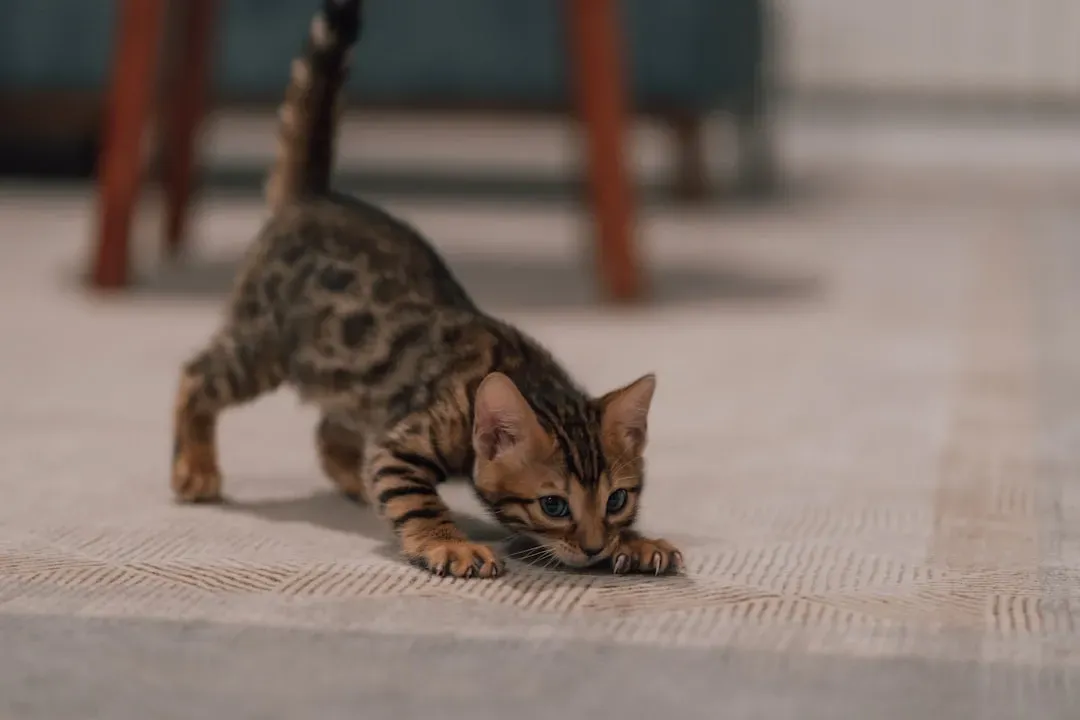
Bengals are highly curious and often explore their space with purpose, climbing, leaping, and testing limits. This breed thrives on stimulation and quickly becomes bored without it. With their stunning spotted coats and intense energy levels, Bengals demand attention and interaction. They’re not the type to sit quietly while you binge-watch your favorite show.
Many enjoy chasing thrown toys, carrying them in their mouths, and bringing them back for another round. Their wild ancestry from Asian Leopard Cats gives them a strong prey drive and incredible agility. Fetch isn’t just a game for Bengals. It’s an outlet for all that pent-up energy they’d otherwise direct toward redecorating your curtains or knocking things off counters.
Siamese: The Chatty Fetcher
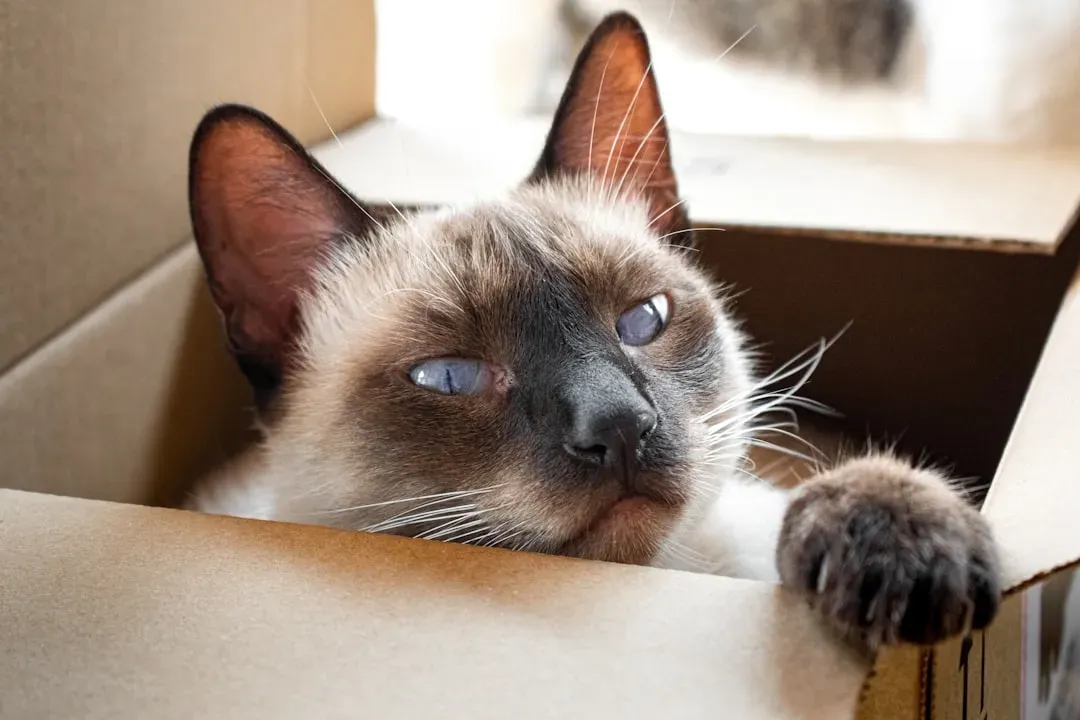
The Siamese is known for its social personality and strong bond with people. This breed prefers companionship and often wants to be part of whatever its humans are doing. These cats are famous for their striking blue eyes, pointed coloring, and incredibly vocal nature. If a Siamese wants to play fetch, trust me, you’ll know about it.
Playtime is a shared experience for Siamese cats, not a solo activity. They enjoy games that involve attention, movement, and response, making fetch especially appealing. Their intelligence means they pick up games quickly, and their devotion to their humans makes them eager participants. Honestly, Siamese cats might be the closest thing to having a dog in a cat’s body.
Turkish Angora: The Elegant Player
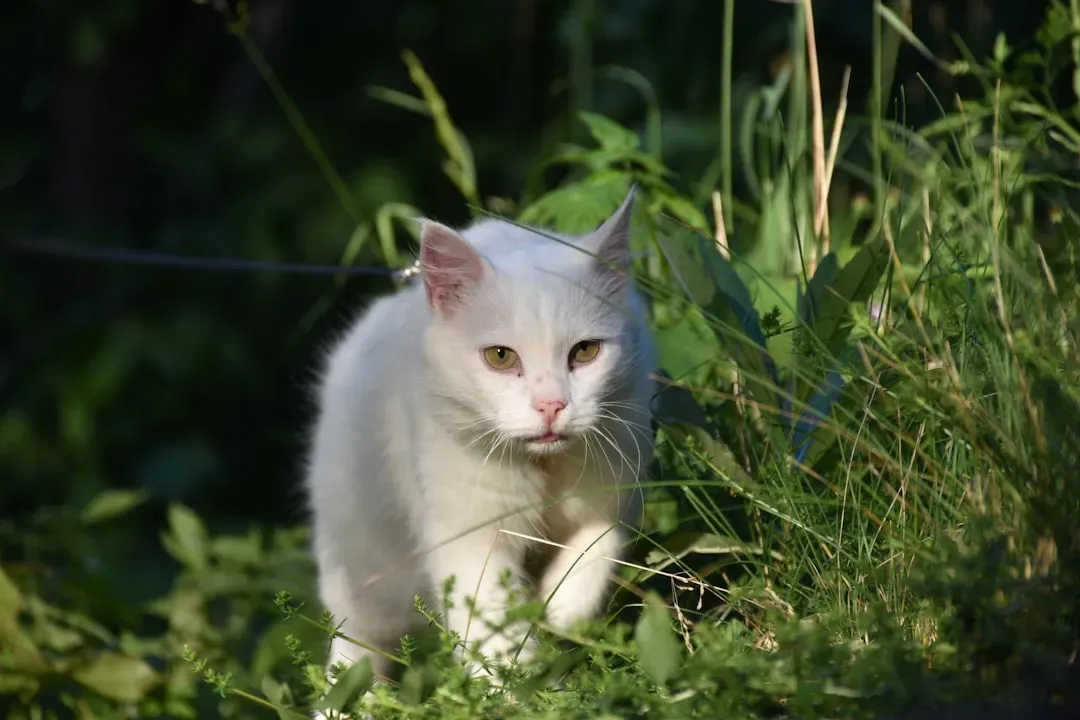
Play is a key part of daily life for a Turkish Angora, especially games that involve movement and interaction. Many enjoy chasing lightweight toys across the floor and will happily carry them back to keep the game going. These graceful cats have silky white coats and an alert, intelligent expression that hints at their playful nature.
A Turkish Angora is determined and mischievous. It is these very traits that make him good at a game of fetch. They bond strongly with their families and naturally want to be involved in household activities. If you’re sitting on the couch, expect a Turkish Angora to drop a toy at your feet and stare at you until you throw it. They’re persistent little players.
Maine Coon: The Gentle Giant Who Retrieves
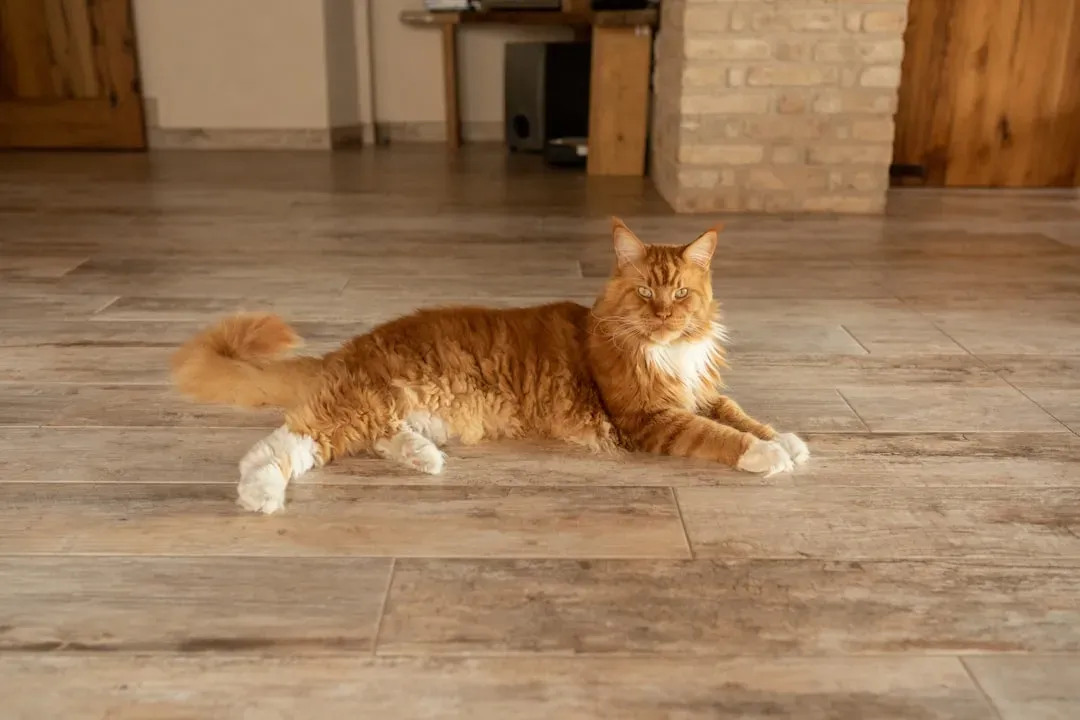
A Maine Coon offers his owners a larger-than-life personality. He is affectionate and playful. Any opportunity to hang out with you is welcome with open arms. These massive cats can weigh up to 35 pounds, yet they maintain a surprisingly gentle and friendly demeanor. Their size doesn’t slow them down when it comes to interactive play.
As an active and smart kitty, he can engage and enjoy a game of fetch during the evenings and weekends with you. Maine Coons are often described as having dog-like personalities, and their willingness to play fetch is just one example. Despite their impressive size, they’re agile enough to chase toys and bring them back, though you might need to use larger toys than you would with smaller breeds.
Burmese: The Devoted Companion
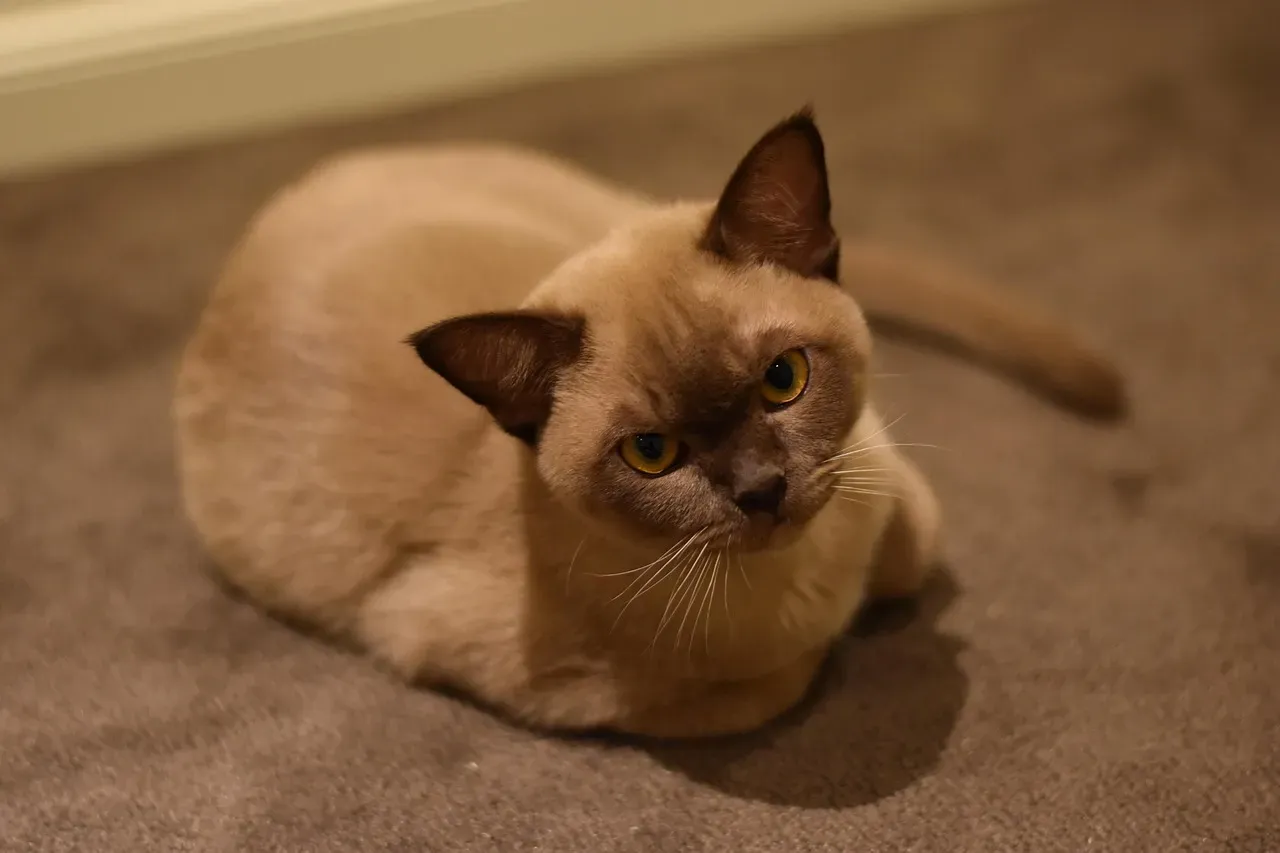
Burmese cats are cute, loyal, and very energetic. They combine intelligence and a fondness for their human leaders to be excellent partners during a fetch game. These compact, muscular cats have sleek coats and expressive eyes that seem to follow your every move. They’re incredibly people-oriented and prefer being in the middle of household activity.
If you have ever owned one cat from this breed, you can agree that this is one active cat. When you don’t feel like getting out of the couch to play, he will demand playtime from you. Burmese cats won’t take no for an answer when they want to play. They’ll bring toys to you, meow insistently, and make it clear that fetch time is non-negotiable. It’s hard to say no to that level of enthusiasm.
Manx: The Tailless Retriever
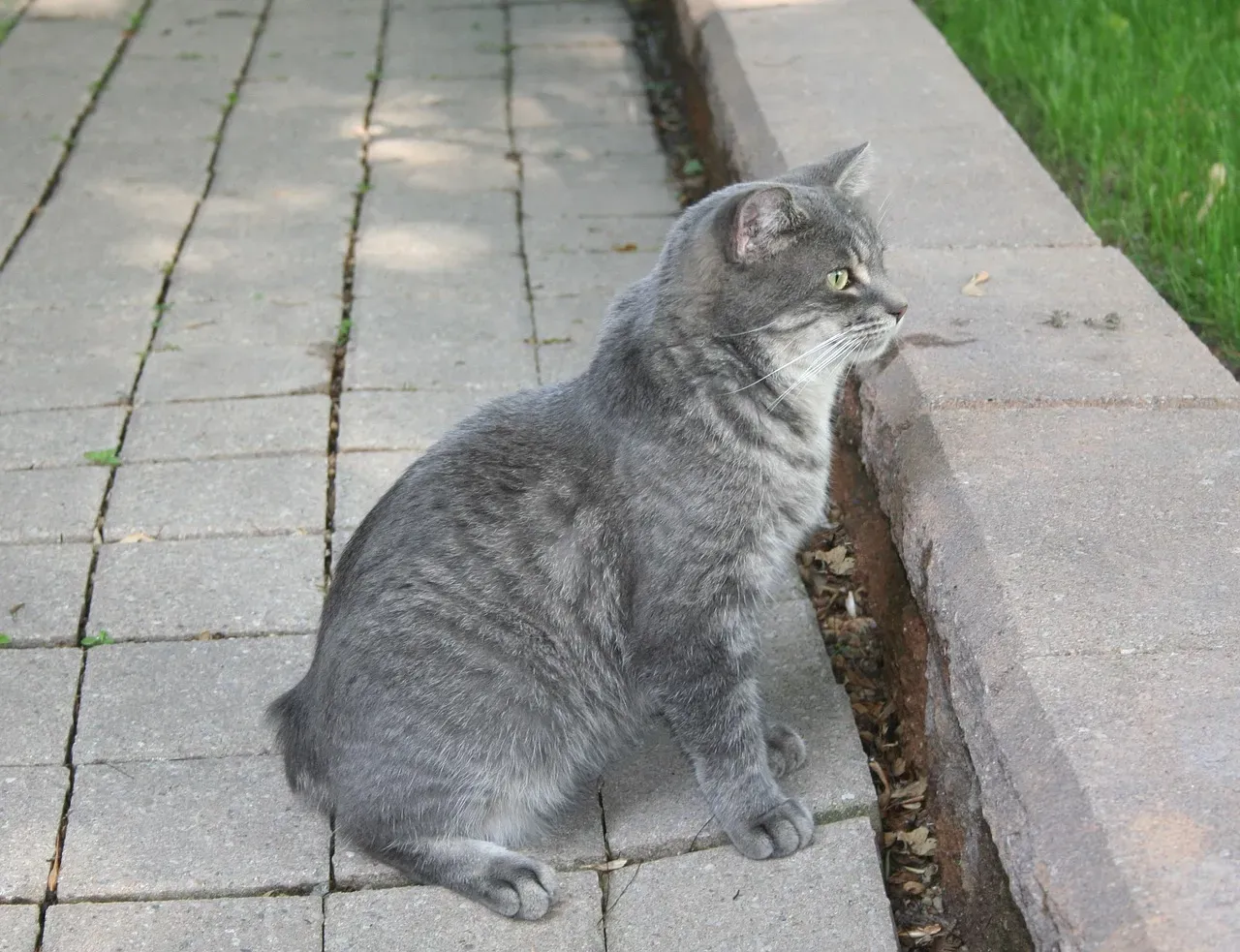
Manx are most well known for their lack of a tail, but they’re also gentle and fun-loving animals. Many enjoy playing fetch and carrying their toys around. These cats have a distinctive rounded appearance and powerful hindquarters that give them impressive jumping ability. Their taillessness makes them instantly recognizable.
This breed is known for its dog-like tendencies, including an interest in retrieving toys. Manx cats often enjoy chasing tossed objects and bringing them back with purpose. They’re loyal, intelligent, and love structured games that combine physical activity with companionship. If you’re looking for a cat that acts more like a puppy, the Manx might be your perfect match.
Persian: The Ultimate Furniture Cat
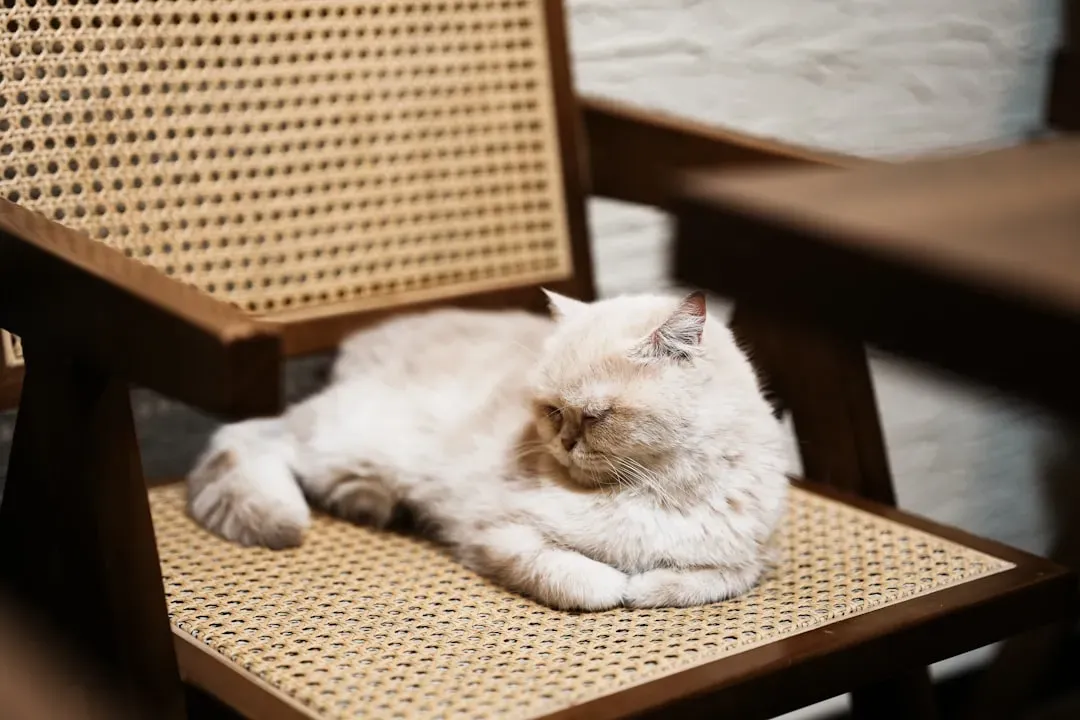
Persian cats have been called furniture with fur because of their long periods of inactivity. These cats have a sweet, gentle nature and prefer a calm atmosphere. While they are happy to be groomed and petted, they aren’t extremely interested in playing games or chasing toys. If laziness were an Olympic sport, Persians would take home the gold medal.
With their long, luxurious fur and calm personalities, they love spending their days lounging in comfort. These cats are quiet and gentle, preferring cuddles and naps over running and jumping. Persians need quiet homes with established routines. Loud noises and too much activity stress them out. They’d rather find a cozy spot and spend the next several hours doing absolutely nothing, and honestly, who can blame them?
Ragdoll: The Floppy Napper
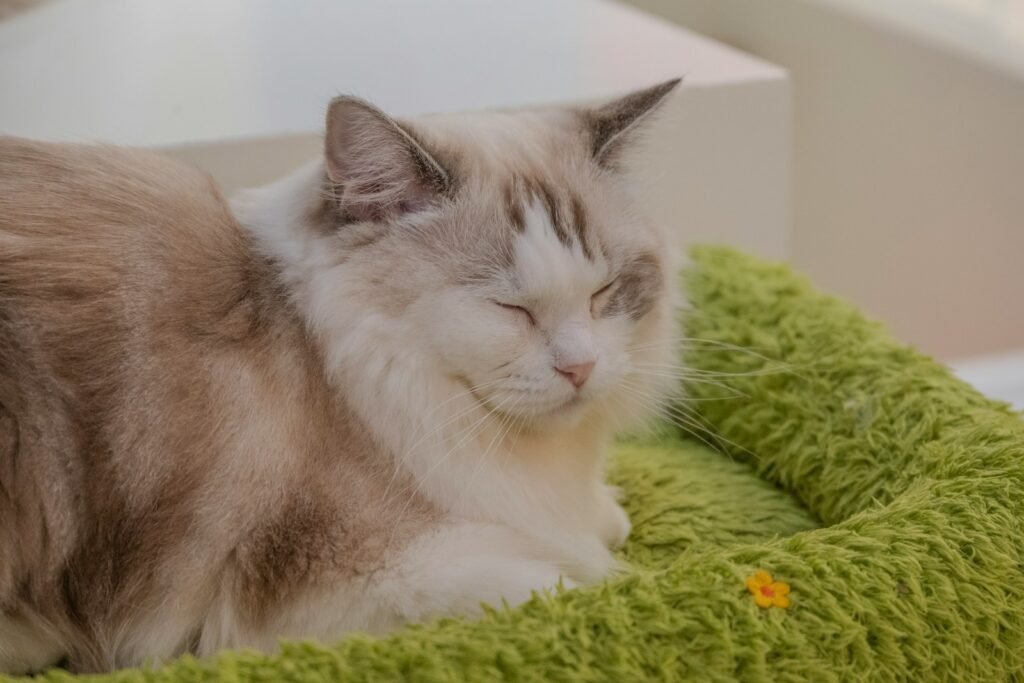
Ragdolls are famous for their relaxed nature. When you pick them up, they go completely limp, just like a ragdoll. They love being held and snuggled, making them the perfect lap cats. These large, beautiful cats have striking blue eyes and semi-long fur that’s silky to the touch. Their docile temperament is legendary among cat breeds.
Living up to their name, these long-haired cats are the epitome of docile, often ragdolling when picked up by their beloved family members. When they’re feeling extra lazy, they like to flop onto the floor or comfy furniture. Ragdolls want to be wherever you are, but preferably without any strenuous activity involved. They’re the ultimate couch potato cats.
British Shorthair: The Round Relaxer
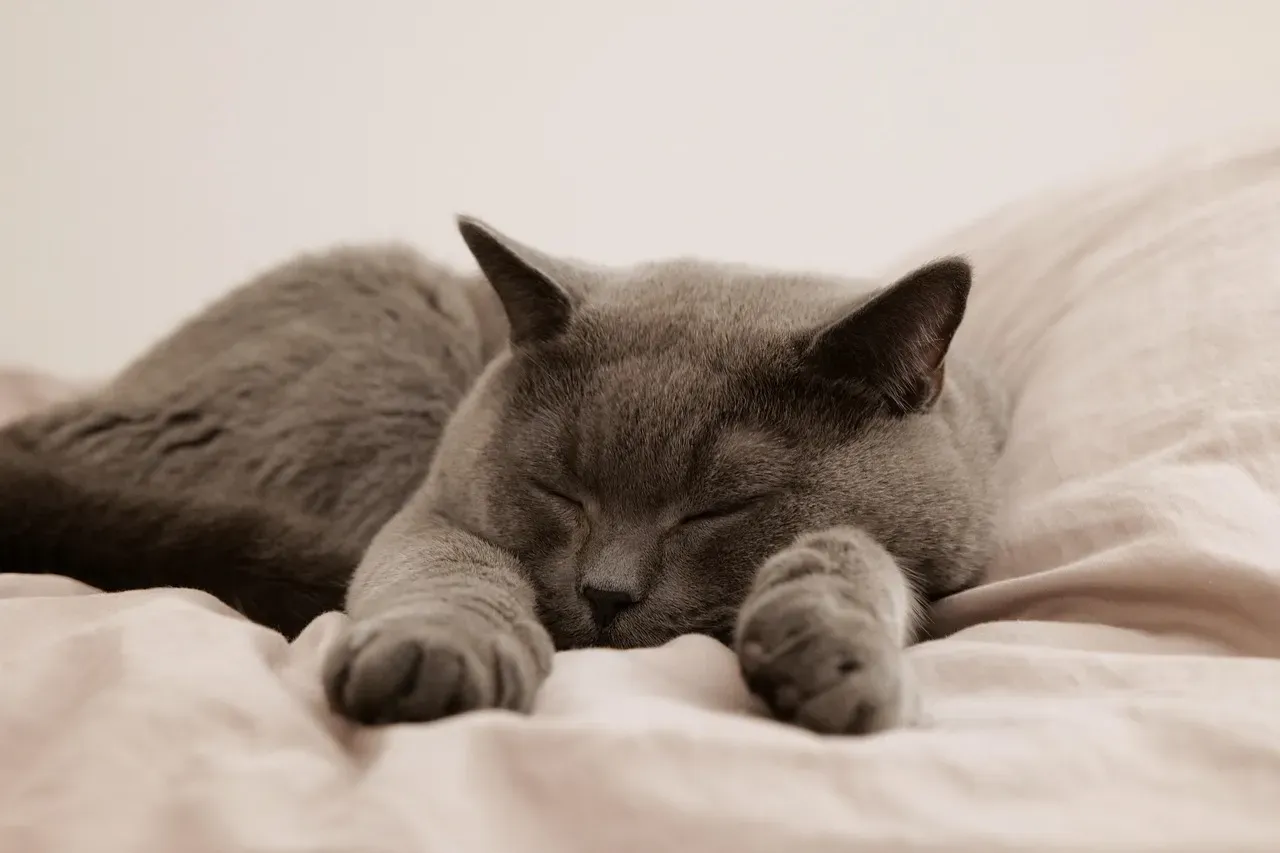
British Shorthair cats are easygoing and mellow. They love laying by fires and sleeping for hours. With their round faces, chubby cheeks, and stocky bodies, these cats look like living teddy bears. They’re absolutely adorable, and their personalities match their cuddly appearance.
The British Shorthair is a chunky, teddy bear-like cat that loves to chill. This breed enjoys a good play session but would rather nap in a cozy corner. They are independent but affectionate, making them great for people who want a laid-back yet loving pet. These cats are content to observe household activities from a comfortable spot rather than participate in them. They’re watchers, not doers.
Himalayan: The Quiet Lounger
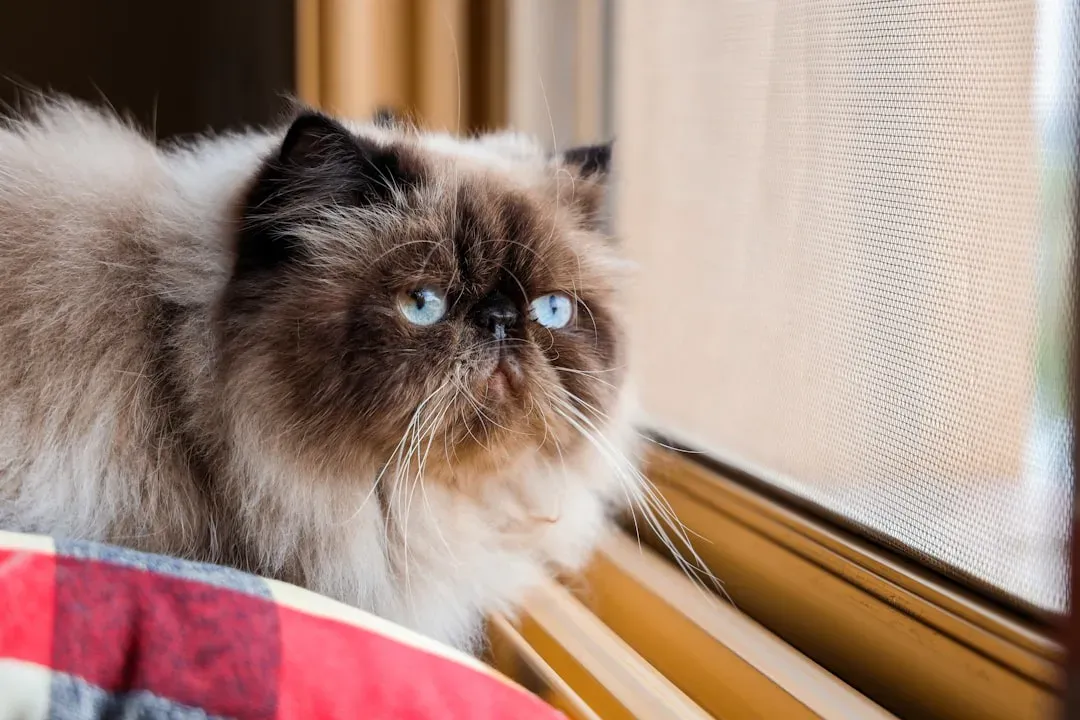
Himalayan cats are very sweet and docile. Most like to give attention to their owners. These are the cats that don’t really like being up on a cat perch. They would much rather be a lap cat or even lay down on the floor. Created by crossing Persians with Siamese, Himalayans inherited the calm, lazy temperament of their Persian ancestors.
Himalayans have the best of both worlds. They are calm and cuddly like Persians but have the striking colors of Siamese cats. These cats love to be petted but do not demand attention like some breeds. If you’re looking for a cat that enjoys long naps and quiet company, the Himalayan is a fantastic choice. They’re low-maintenance in terms of activity level, though that gorgeous coat requires regular grooming.
Exotic Shorthair: The Lazy Persian’s Cousin
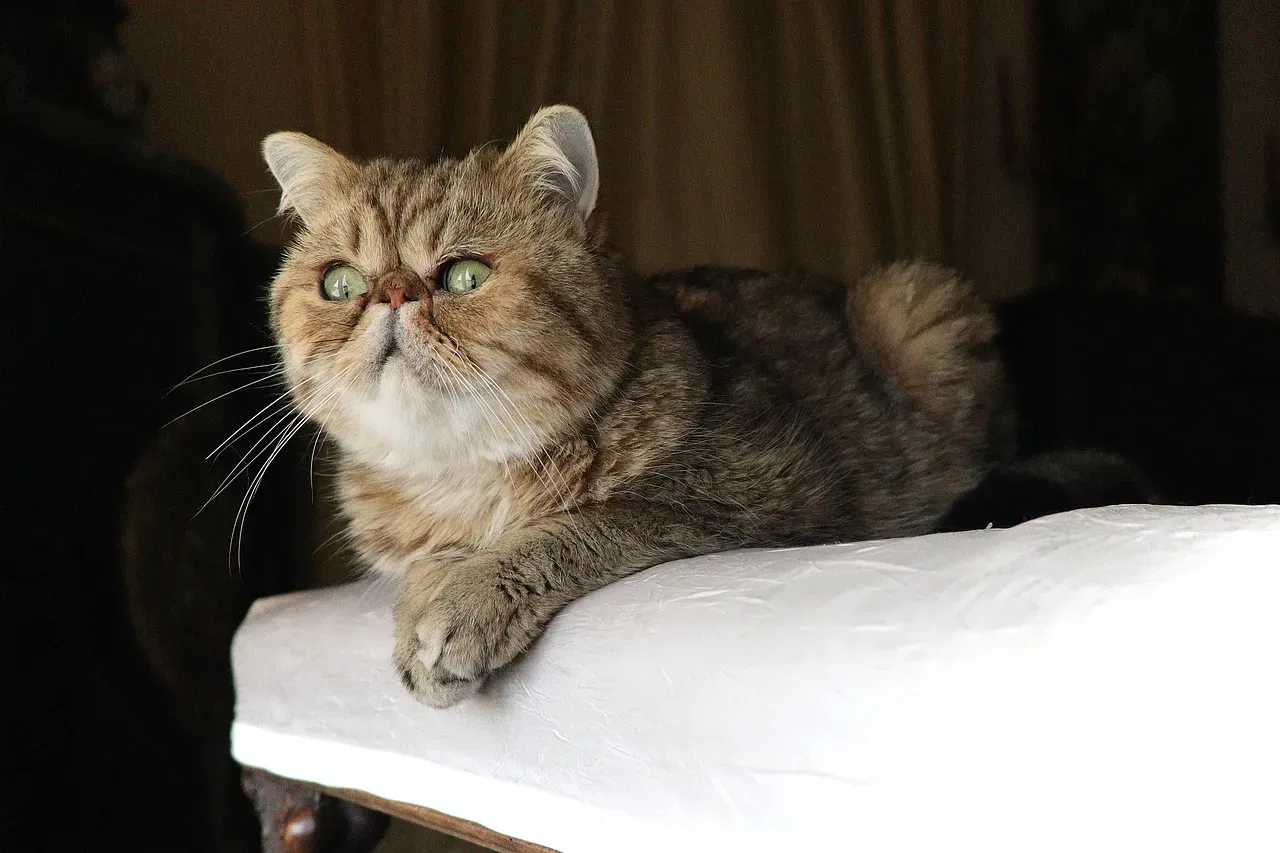
Exotic Shorthairs are often called the lazy man’s Persian because they have all the Persian’s cuteness but with a shorter, easier-to-maintain coat. These round-faced cuties were specifically bred to have the Persian’s sweet temperament without the grooming demands. It’s like getting all the benefits with less work.
Although the Exotic Shorthair doesn’t quite live up to the furniture with fur standard set by the Persian, this cat will enjoy lazing around with you. The Exotic Shorthair cat mimics a lot of the traits of the Persian breed, which is known for their laid-back and easygoing nature. However, the Exotic Shorthair is regarded as slightly more active than the Persian and loves some playtime with their family members. They’ll participate in brief play sessions, but mostly they’re content to sit and look adorable.
Chartreux: The Quiet Companion
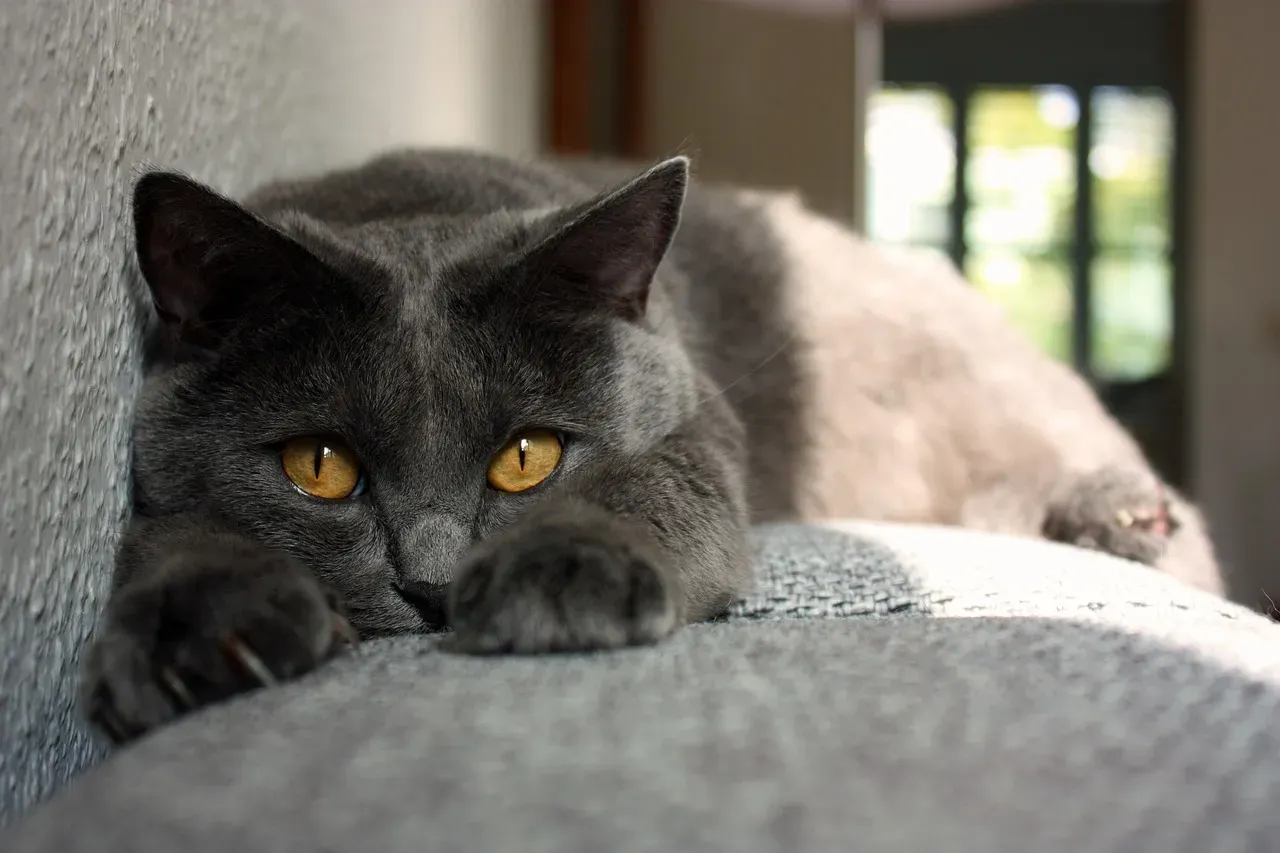
Chartreux cats are very quiet. They do love attention from their owners. However, they like that attention to be cuddling rather than playing. These blue-gray cats have a stocky build and sweet, smiling expressions. They’re gentle souls who prefer a peaceful existence.
The Chartreux cats are gentle and great companions. If you are looking for a cat that will be lazy most of the day, this is the cat breed for you. They’re not antisocial or aloof. They simply prefer low-energy bonding activities like sitting beside you while you read or watch television. Active playtime? Not really their thing.
Russian Blue: The Homebody
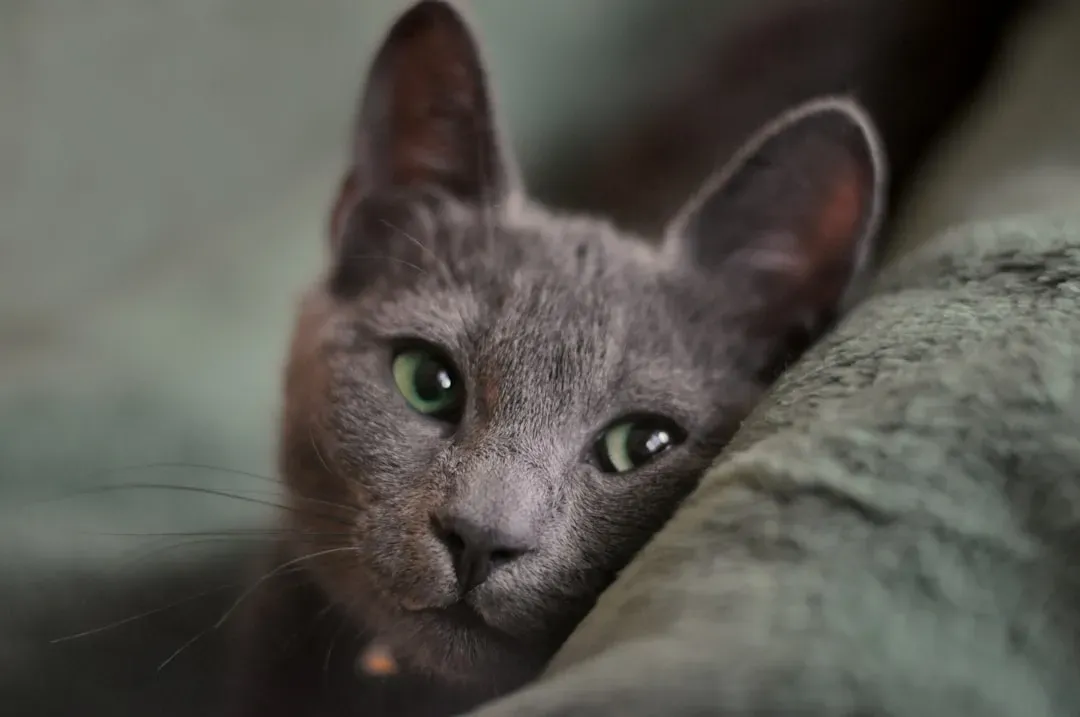
Russian Blues are happiest at home and do not like going to new places. They have a bit of an independent spirit, so they do not require constant attention, which is perfect for someone who works long hours. Cuddle up with a Russian Blue on the comfiest chair in your house, watch some TV together, and they’ll be content. These cats have stunning silvery-blue coats and striking green eyes.
Russian Blues are known for their unique and beautiful coats and for being a homebody. These lazy cats prefer routine and aren’t fans of new places. They prefer hanging out with their owners, perhaps getting a few cuddles or even watching some television. They’re perfectly happy with a predictable, quiet lifestyle that revolves around familiar surroundings and comfortable napping spots.
Conclusion
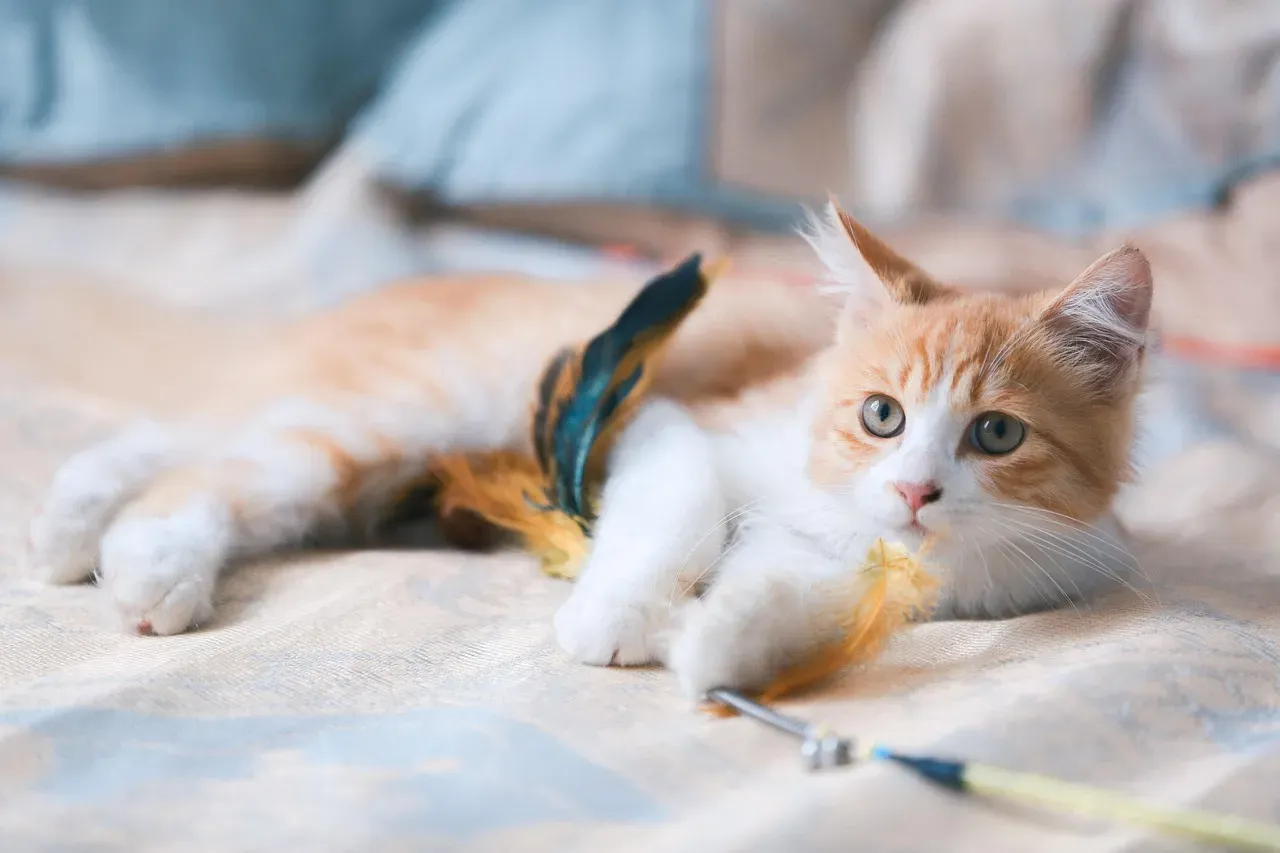
The cat world is far more diverse than most people realize. Some cats will happily chase toys and bring them back all evening long, while others believe that any movement beyond walking to the food bowl is entirely unnecessary. Neither type is better than the other. They’re just different.
Whether you end up with a Bengal who demands three fetch sessions a day or a Persian who thinks exercise is a dirty word, you’ll find that cats offer companionship in their own unique ways. The fetchers keep you active and engaged, while the nappers remind you that sometimes the best thing in life is simply relaxing together. Did your cat surprise you with their preference? What type of feline companion shares your home?