Sharing your home with multiple furry companions sounds wonderful, doesn’t it? The idea of cats and dogs cuddling together or multiple felines playing harmoniously feels like a dream come true. Yet here’s the thing: not every cat wants to be part of that picture-perfect pet family.
Some felines are natural social butterflies, thriving on interaction with other animals and seeking out companionship wherever they can find it. Others would honestly rather live their best solitary lives, reigning supreme as the undisputed ruler of their domain. If you’re thinking about adding another pet to your household or bringing home a cat to join your existing crew, understanding which breeds fall into which camp can save you from a lot of hissing, swatting, and general household chaos. So let’s dive into the fascinating world of feline temperaments and discover which breeds make the best roommates and which ones would prefer you skip the whole multi-pet situation entirely.
Maine Coon: The Gentle Giant Who Makes Friends Easily
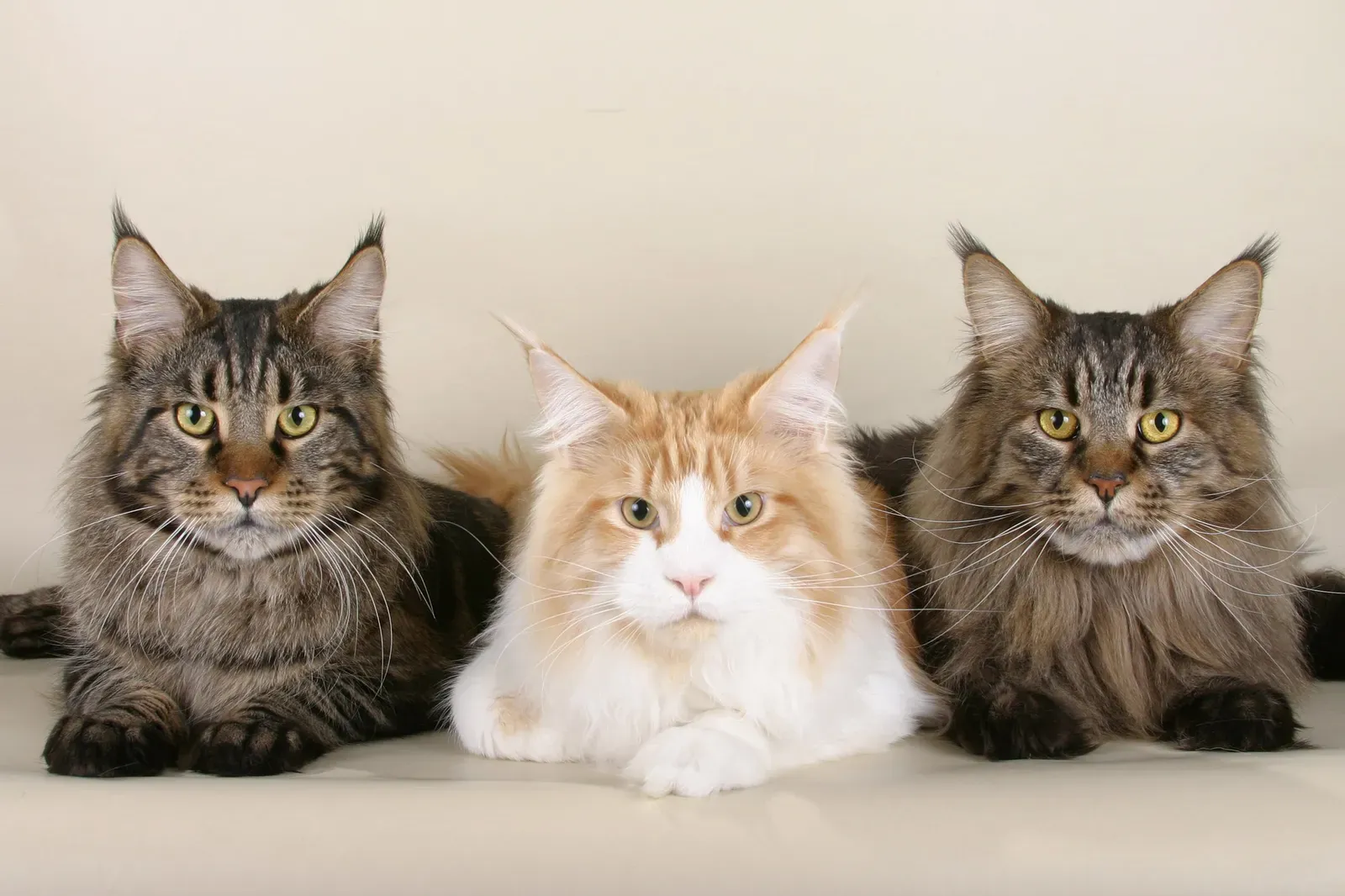
The Maine Coon is considered North America’s only native breed of long-haired domestic cat and despite their impressive size, they are famously sweet-natured and social, making them a natural fit for homes with multiple pets. These magnificent cats can weigh up to twenty pounds, yet their temperament is remarkably gentle. They possess an almost dog-like personality that allows them to form bonds not just with humans but with other animals in the household.
What makes a cat good for a multi-pet home often comes down to temperament, and the Maine Coon excels here, as their calm, patient personality allows them to accept dogs and other cats without unnecessary tension. Rather than reacting with aggression or fear when encountering new animals, Maine Coons tend to observe first and assess the situation calmly. Their confidence without dominance helps reduce rivalry in shared spaces, making them excellent peacekeepers in bustling households.
Ragdoll: The Floppy Peacekeeper
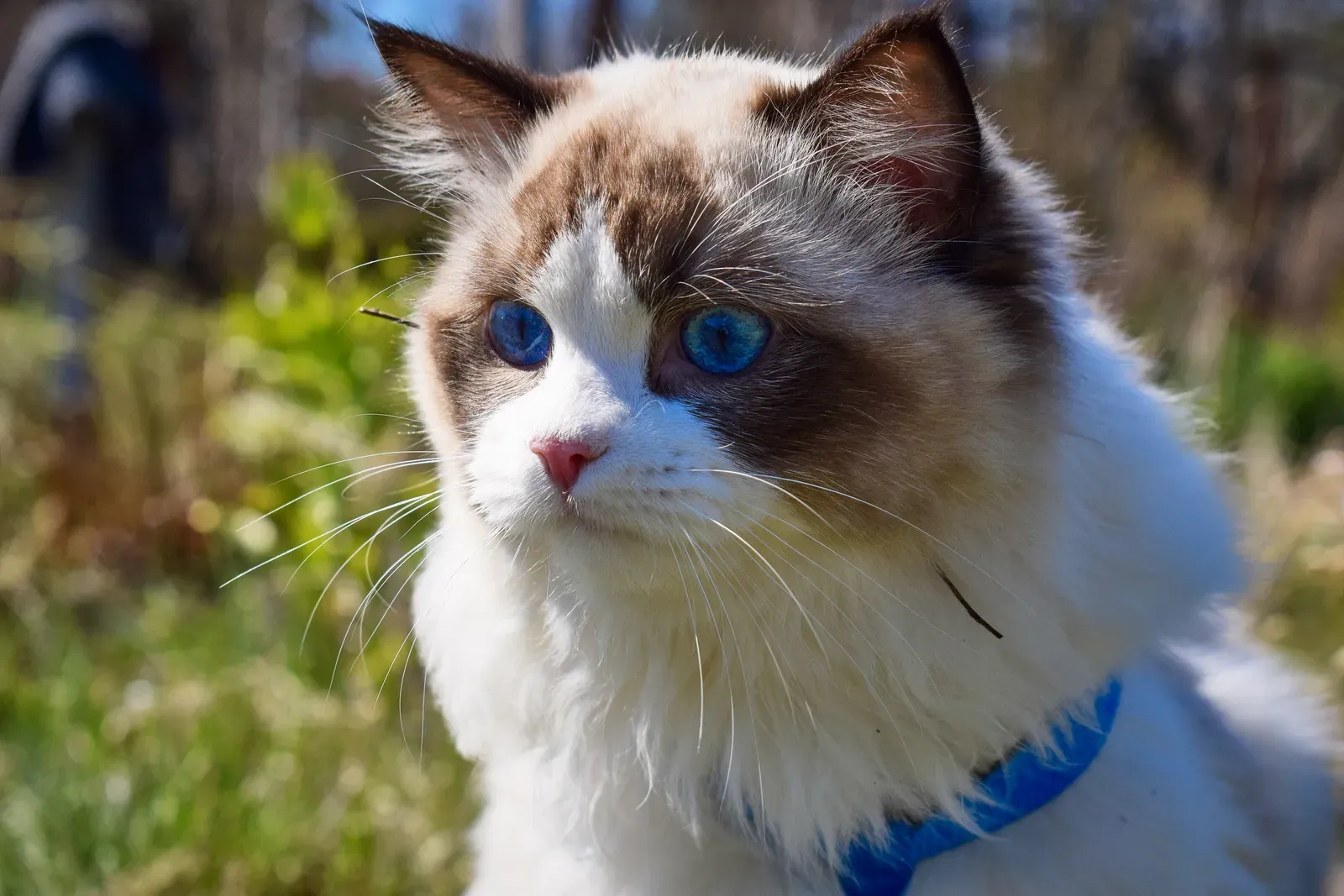
The Ragdoll is instantly recognizable for its striking blue eyes, plush coat, and famously relaxed demeanor, and according to PetMD, the Ragdoll gets its name from its well-known tendency to relax so completely during petting, cuddling, or being held that it becomes noticeably limp and floppy. This unique trait hints at something deeper about their personality: they’re simply not wired for conflict. In multi-pet households, that laid-back nature becomes a genuine asset.
In multi-pet households, temperament traits matter most and this is where Ragdolls truly shine, as they are rarely territorial and tend to approach other pets with quiet curiosity rather than defensiveness, and their low-reactive nature helps reduce tension, especially in homes with dogs or multiple animals. Instead of hiding when a new pet arrives, Ragdolls are content to nap beside dogs or engage in gentle play with other cats. Their calm presence can even help balance out more energetic animals in the home.
Abyssinian: The Social Butterfly With Boundless Energy
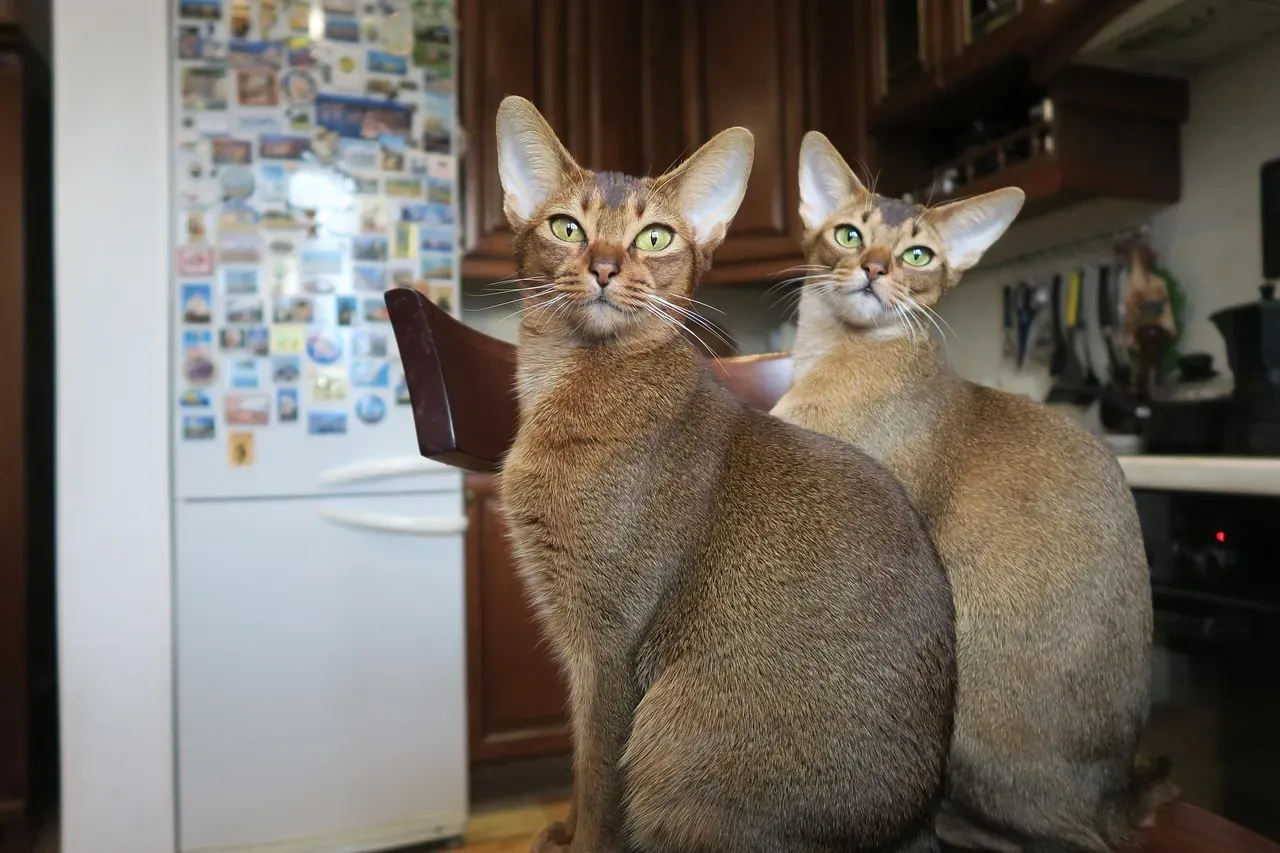
The Abyssinian, also known as the Aby, is a sleek, athletic cat with a short ticked coat and alert, expressive eyes, and according to Purina, Abyssinians are exceptionally intelligent and very curious by nature. This ancient-looking breed brings high energy and genuine enthusiasm to every interaction. Their curiosity extends beyond humans to include other pets, making them naturally inclined toward socialization.
In multi-pet homes, Abyssinians stand out because they genuinely enjoy company. As a truly sociable cat, the Abyssinian doesn’t shy away from people or other pets, including cats, and the vocal and colorfully coated Abyssinian will even cuddle up with birds and ferrets. Their playful nature means they often initiate games with other animals, keeping the entire household entertained. This breed doesn’t do well when left alone for extended periods, so having other pets around actually benefits their emotional wellbeing.
Birman: The Quiet Diplomat
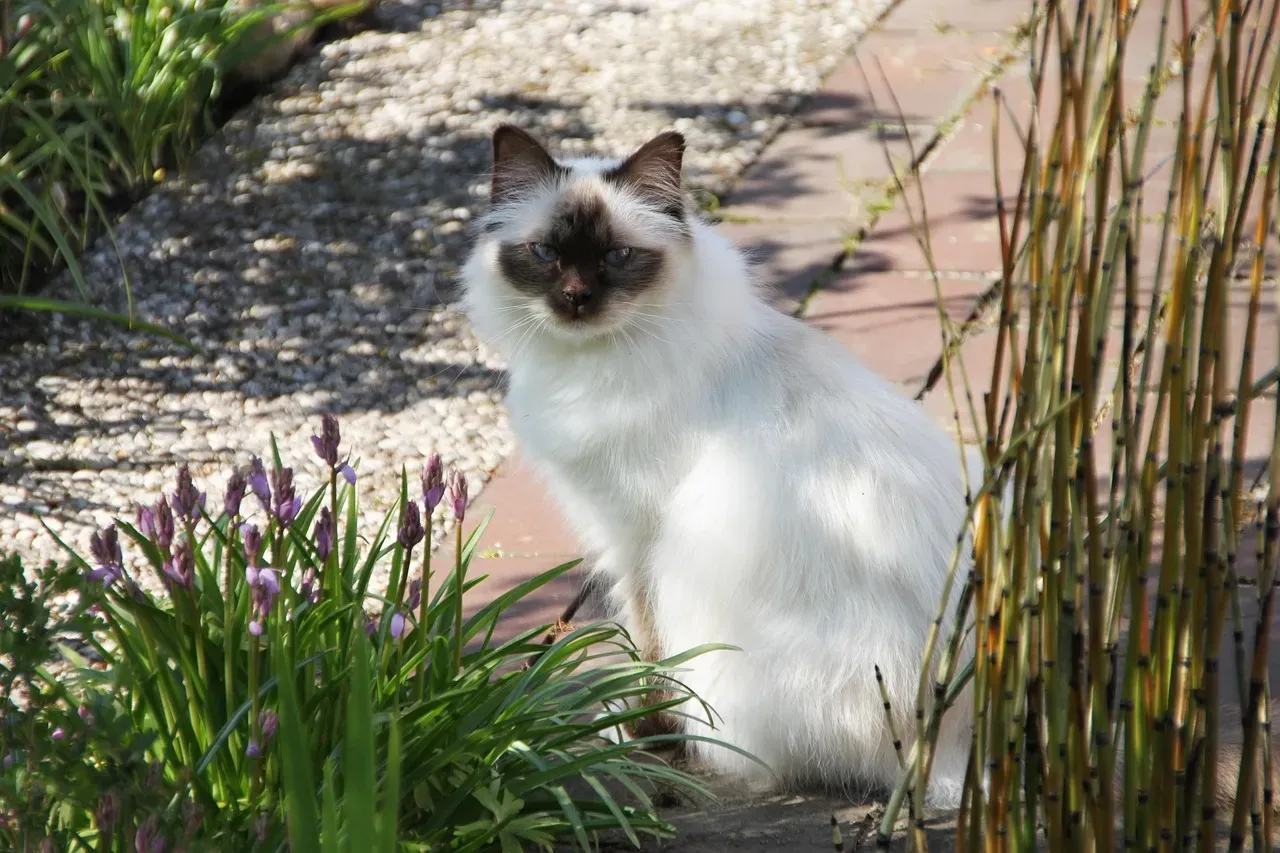
If your dog-friendly home needs a cat that brings peace, balance, and a touch of elegance, the Birman fits the role perfectly, as they are known for their gentle nature and affectionate personality and are social cats without being overly demanding, ideal for households that already have a dog in the mix. Birmans are distinguished by their gloriously silky coat and striking blue eyes, but it’s their temperament that truly sets them apart.
They are calm around dogs and unlikely to react aggressively, enjoy company but don’t demand constant attention, and bond well with children and other pets. They adapt well to busy family environments and often follow their humans from room to room while remaining respectful of personal space. This balance helps keep the peace in multi-pet households where territorial behavior could otherwise create problems.
Siamese: The Chatty Companion Who Craves Company
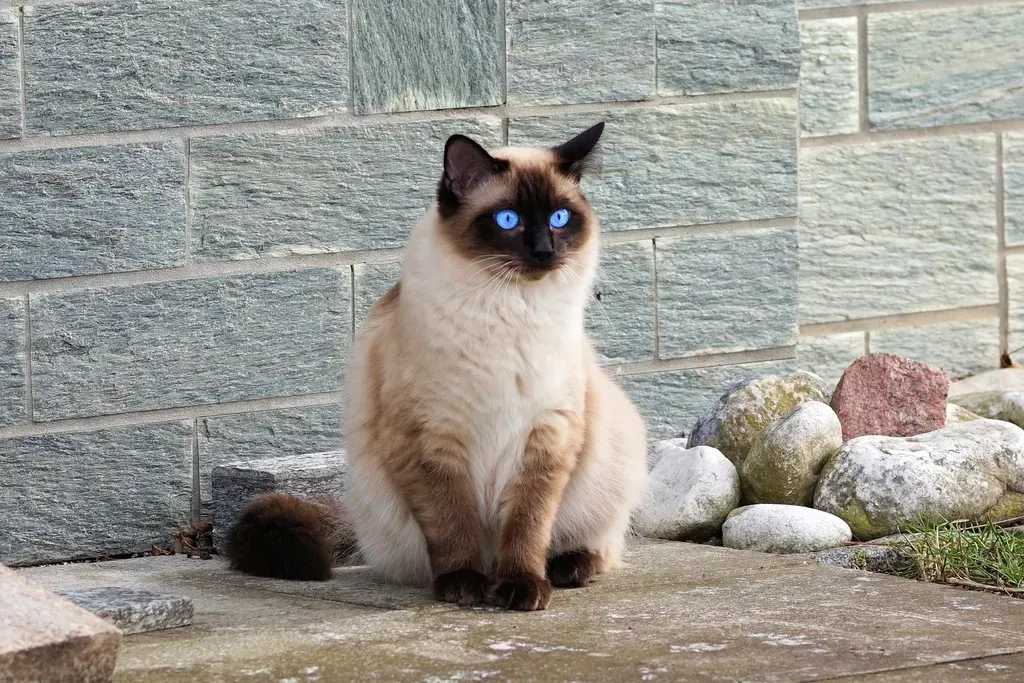
Siamese cats are one of the most extroverted and social breeds in the feline world, highly vocal and enjoying engaging in long conversations with their human companions, and this breed’s outgoing nature extends to other pets as well, as Siamese cats are known for their ability to form strong bonds with both cats and dogs. Their playful and energetic demeanor makes them great playmates for other active pets in the household.
Honestly, Siamese cats don’t just tolerate other pets; they actively seek them out. Siamese cats crave attention and dislike being left alone for long periods, making a multi-pet household ideal for keeping them entertained and happy. Their intelligence and curiosity often lead them to be the center of attention, creating a lively and dynamic home environment. Still, their vocal nature means you’ll always know exactly how they feel about their furry companions.
Burmese: The Affectionate Shadow
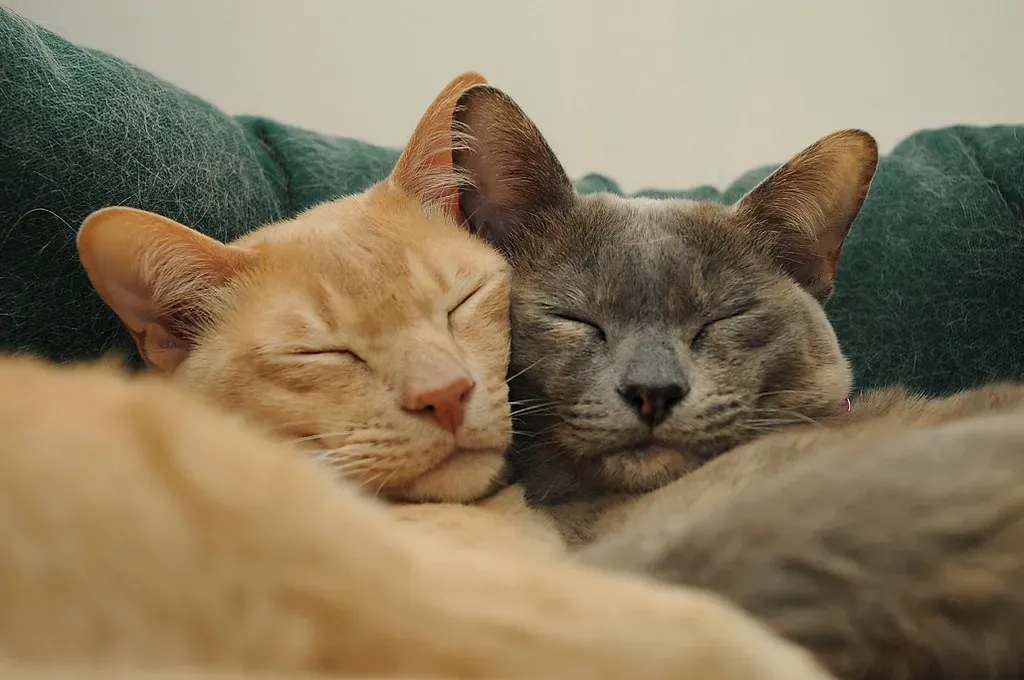
The Burmese is a sleek, muscular breed with a glossy coat and expressive eyes, known for its charm and confidence, and Burmese cats are famously social, making them an excellent choice for homes with other pets, as they tend to bond easily with other cats and are gentle enough to coexist peacefully with friendly, easygoing dogs. Their personality plays a big role in creating a peaceful multi-pet home.
Energetic and often described as dog-like, Burmese cats enjoy interactive play, follow their humans from room to room, and thrive when included in daily family life rather than isolated, and affectionate and people-oriented, they crave companionship and rarely prefer being alone, which means this strong social drive often encourages positive interactions with other animals in the household. Think of them as the friend who always wants to be included in whatever’s happening. Their social nature makes them ideal for busy households where there’s always someone around to interact with.
Sphynx: The Attention-Seeking Extrovert
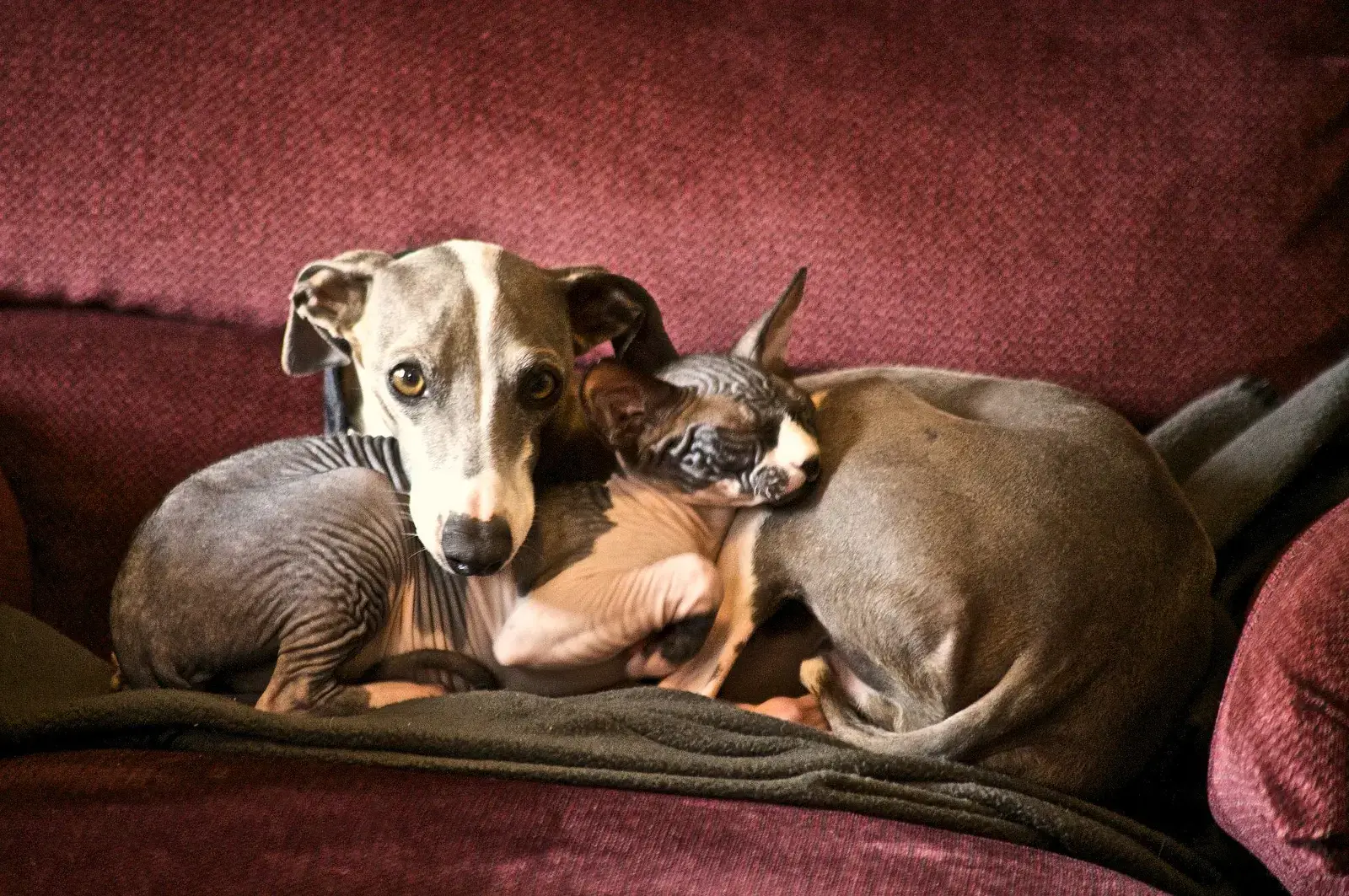
Sphynx cats are known to adore attention and effortlessly attract it wherever they go, as they can entertain themselves, other cats, and their humans for hours with their inquisitive, intelligent, and extremely friendly personality, and they enjoy the company of other pets and are known to be very social. Their hairless appearance might make them seem delicate, but their personality is anything but fragile.
These social cats crave attention and love being around their owners, and Sphynx cats also tend to get along well with other pets. Whether it’s another cat or even a dog, the Sphynx will make a great companion. Their loyalty and dedication to their owners make them a perfect addition to any multi-pet household where interaction and play are part of daily life.
Russian Blue: The Independent Introvert
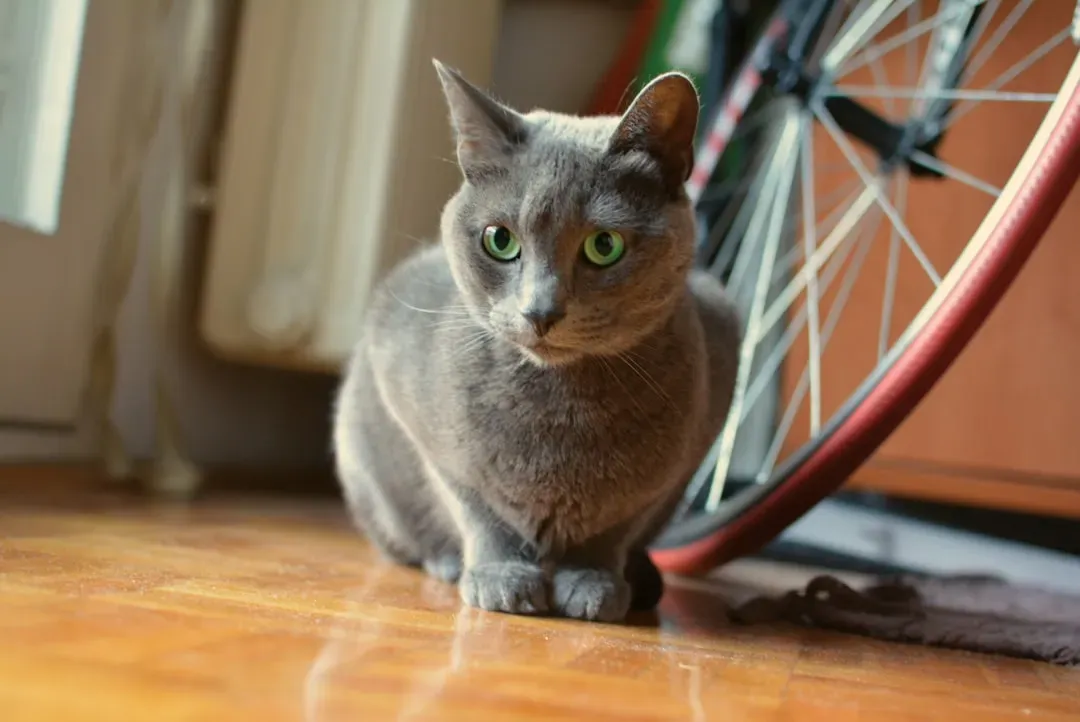
Let’s be real, not every cat wants a bunch of roommates. The beautiful Russian Blue cat breed is loving but independent and does well spending ample time alone, and these gentle and loving cats are perfectly adapted to living in apartments and can be relatively shy with strangers. Their elegant blue-gray coat and emerald eyes are stunning, yet their reserved nature means they prefer selective bonding.
Russian Blues are loyal and loving companions that rarely get upset or destructive when left alone, and in general, Russian Blues are a sensitive breed with a strong sense of self-worth, as they don’t like it when you laugh at them and don’t do well with sudden changes, and they’re smart, independent, and curious without being overly demanding or destructive. However, they tend to be shy around unfamiliar people and need time to warm up. This translates to a preference for being the only pet, where they can establish their routine without interference from other animals.
British Shorthair: The Stoic Loner
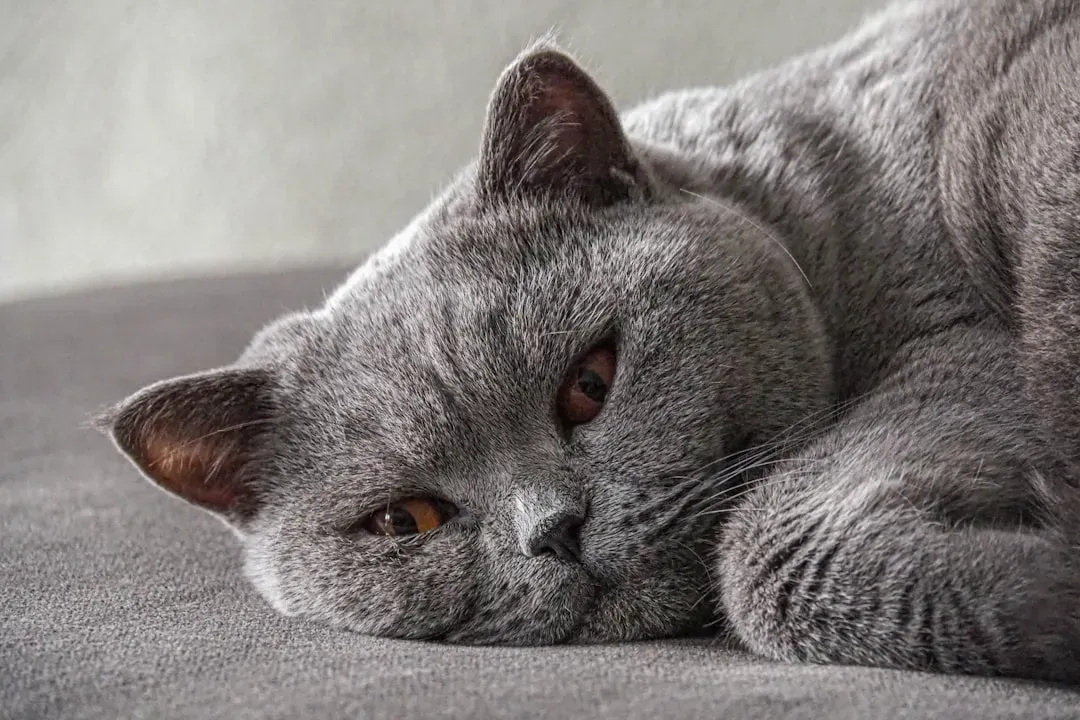
British Shorthairs are easygoing cats considered to be more than content in their own company, making them excellent pets for active families and people who are frequently out of the house, and despite their independent streak, these cats also enjoy spending time in their owners’ laps when they are at home. Their plush coats and round features give them a teddy bear appearance, but their personality leans toward self-sufficiency.
The British Shorthair is a sturdy and laid-back breed that thrives in a peaceful environment, as these cats are content with their own company, often preferring to observe rather than engage constantly, and they are affectionate on their terms, providing companionship without demanding attention. Here’s the thing: they don’t need constant interaction or playmates. They’re perfectly happy being the sole feline ruler of their kingdom, observing household activities from a comfortable perch without feeling the need to participate.
Persian: The Serene Soloist
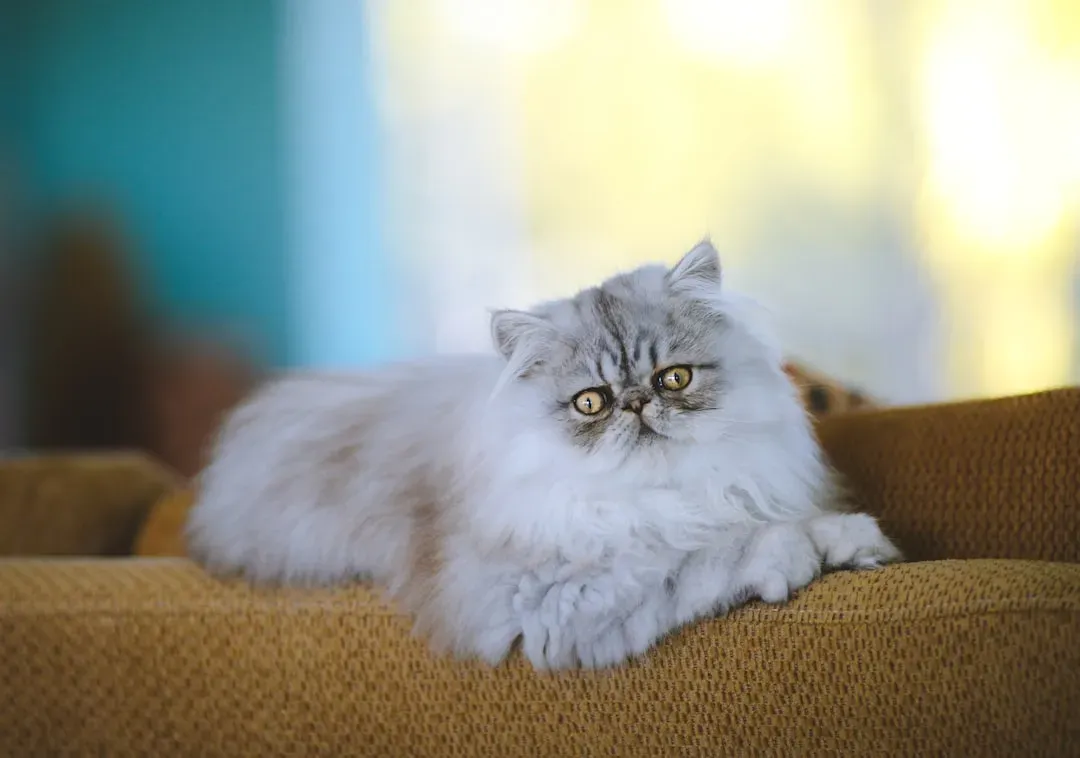
Persians are recognized by their cute flat faced appearance with a fluffy coat and expressive eyes, and for years Persians have been among the most sought-after breeds thanks to their stunning appearance and mellow temperament, as most owners would describe the Persian as low-energy, quiet, and calm, and they don’t like climbing as much as other breeds, love to bat at feathers, and prefer to speak with their eyes instead of meowing. Think of them as the introverts of the cat world.
The Himalayan is a fluffy cat breed with a Persian’s long-haired coat and a Siamese’s unique pattern, and in general, Himalayans are placid cats that will occasionally indulge in short, intensive play, while the rest of the time, they spend napping, resting, and grooming their majestic fluff. Both Persians and their Himalayan relatives prefer calm environments without the chaos that multiple pets can bring. They’d rather spend their time lounging in quiet corners than navigating the social dynamics of a multi-pet household.
Norwegian Forest Cat: The Self-Reliant Explorer
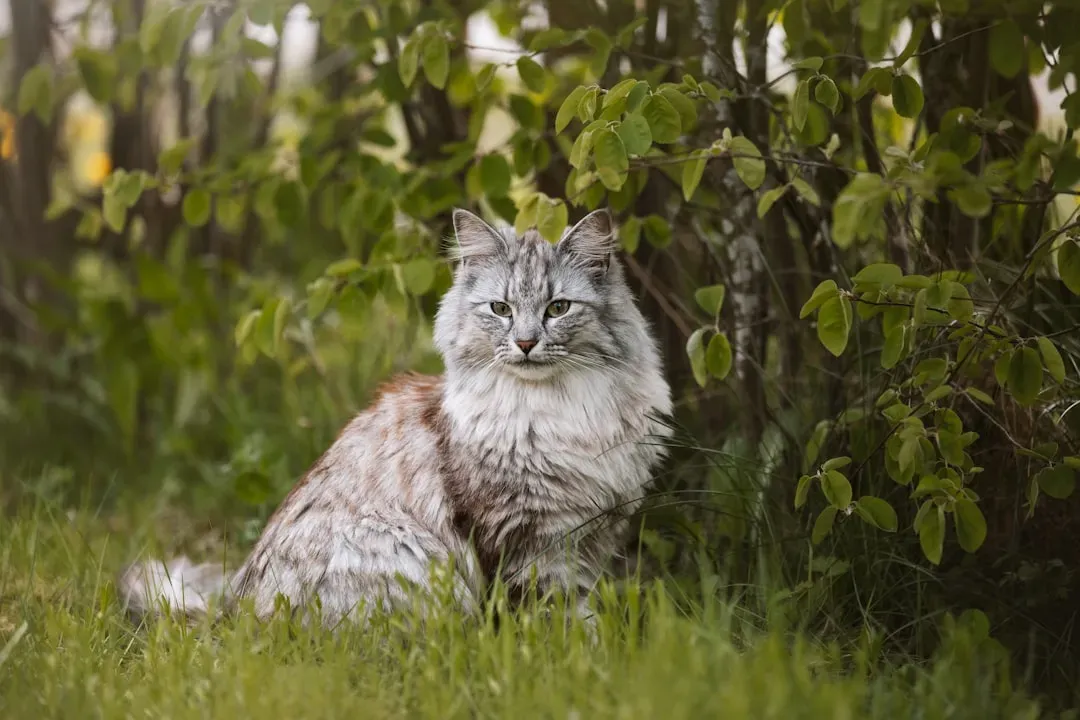
This undemanding cat breed developed naturally in Scandinavia is well known for its gentle and friendly demeanor, and because of their semi-domestic nature, the Norwegian Forest Cats can cope well if their owners are often away. Their thick, water-resistant coat and sturdy build reflect their rugged heritage, and their temperament mirrors that independence.
Adaptable and self-reliant, the Norwegian Forest Cat is built for both indoor and outdoor living, as they enjoy exploring their environment but are equally happy to retreat to a cozy spot alone, and their playful yet independent nature makes them versatile companions. While they can tolerate other animals if necessary, they don’t actively seek out feline or canine companionship. They’re content to do their own thing, making them better suited as solo pets in households where they can reign supreme.
Chartreux: The Reserved Royalty
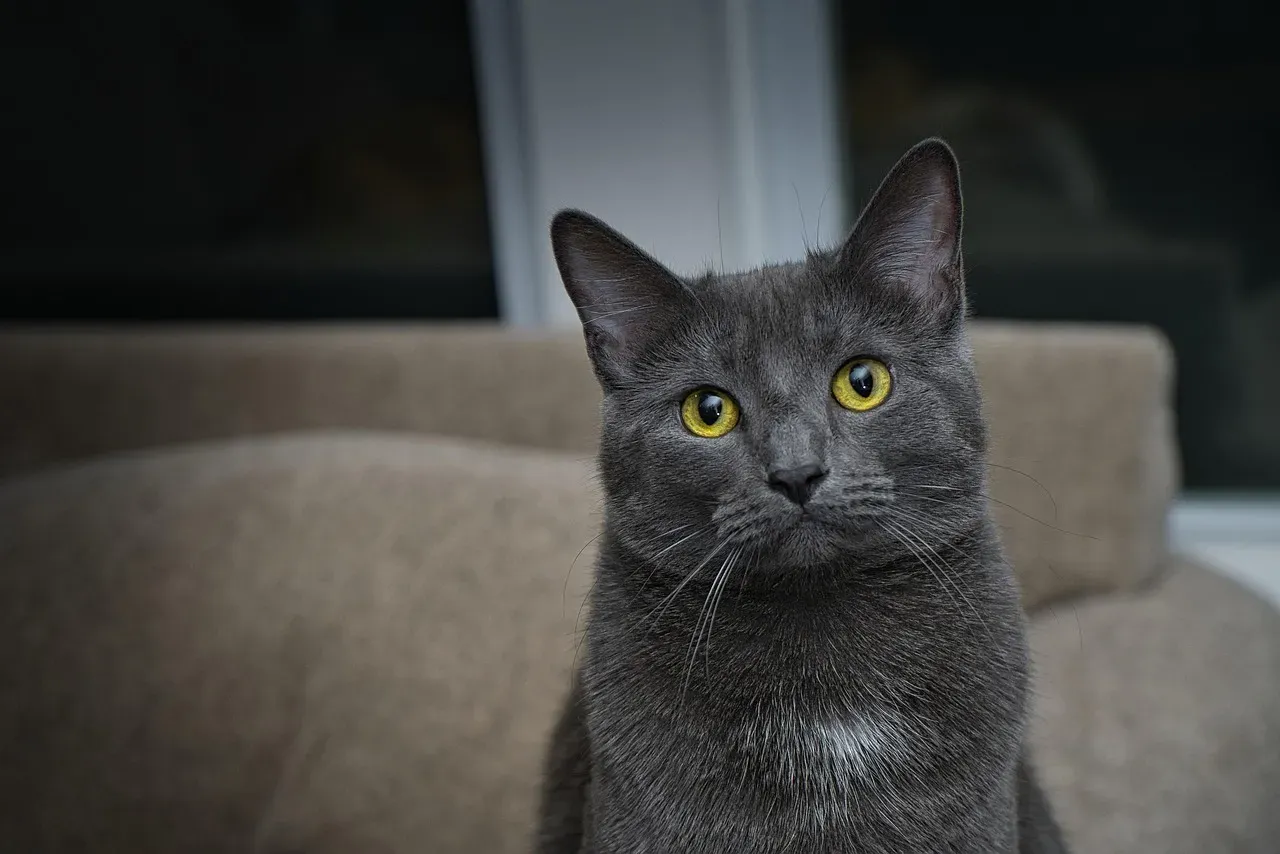
The Chartreux is a quiet and reserved breed that enjoys calm environments, as they are independent yet affectionate, forming strong bonds without being clingy, and their dense blue coat and expressive eyes add to their serene presence, and they thrive in households that respect their need for personal space. This French breed has a long history and a personality that values tranquility above all else.
Unlike the social breeds we discussed earlier, the Chartreux prefers predictability and peace. They form deep bonds with their chosen humans but don’t extend that same warmth to other animals easily. They’re the type of cat who wants to be your one and only companion, not part of a crowded household. Their quiet dignity and preference for routine make them better suited to single-pet homes where they can maintain their regal composure without interruption.
Conclusion: Finding Your Perfect Match
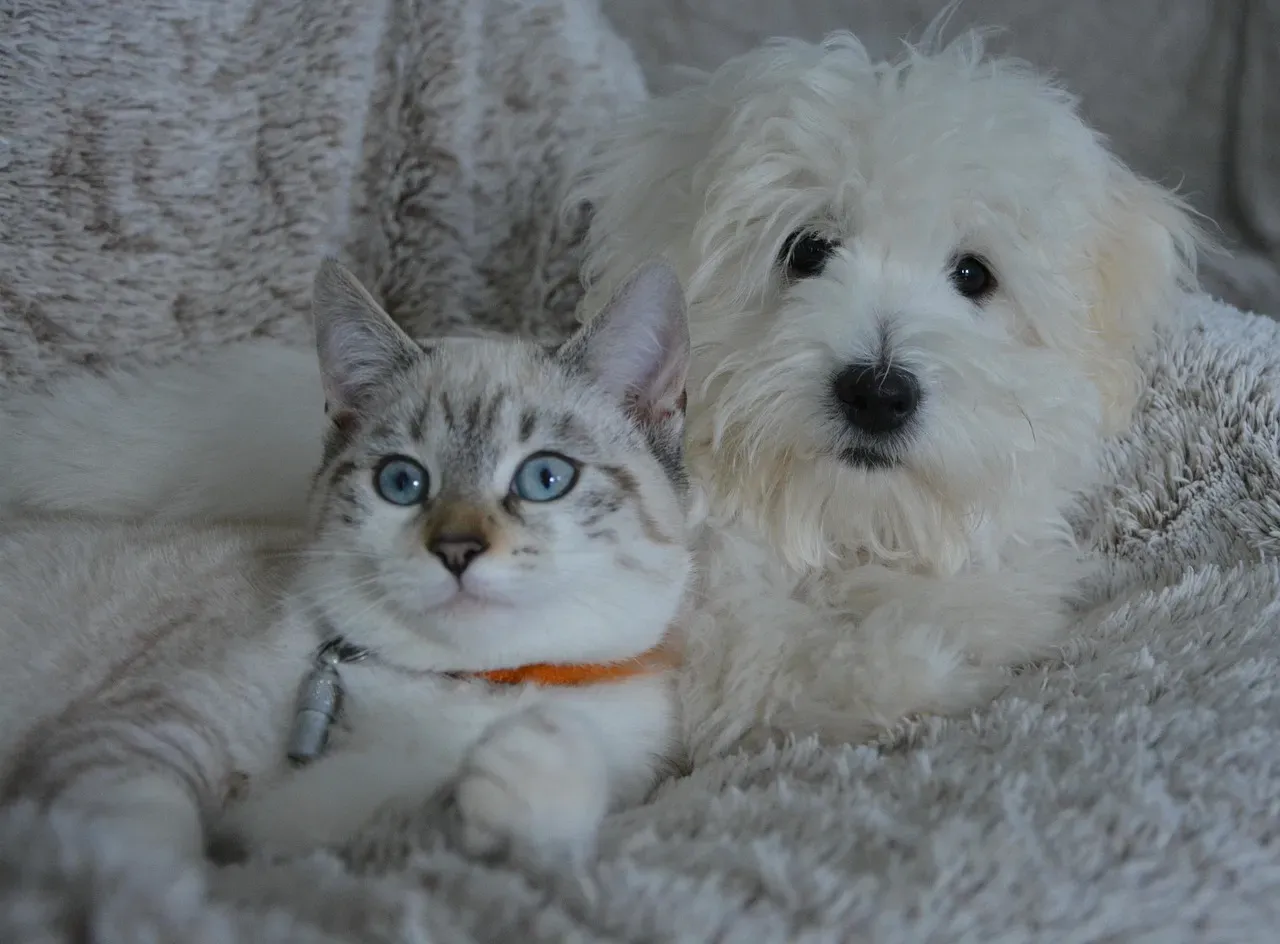
Choosing the right cat breed for your household really comes down to understanding your existing pets and your lifestyle. If you already have a dog or other cats, those social breeds like Maine Coons, Ragdolls, and Abyssinians will likely integrate smoothly and even enhance the dynamics of your multi-pet home. Their natural friendliness and adaptability mean less stress during introductions and more harmony in the long run.
On the flip side, if you’re looking for a devoted companion who wants all your attention without competition, those independent breeds like Russian Blues, Persians, and Chartreuxes will thrive as solo pets. They’ll form deep bonds with you without the complications that come with sharing territory. Remember, while breed tendencies provide helpful guidance, every cat is an individual with their own personality quirks. What did you think of these breed differences? Have you experienced life with both social and solitary cats?