Your feline companion isn’t quite the same as your neighbor’s golden retriever, and honestly, that makes all the difference when you’re trying to figure out what’s happening in those final, difficult days. Dogs wear their hearts on their furry sleeves, while cats? They’re masters of disguise, stoic warriors who’ll conceal their discomfort until the very end. Understanding when your cat is holding on can feel like decoding ancient hieroglyphics, especially when they’re still purring on your lap one moment and hiding under the bed the next.
It’s hard to say for sure, but recognizing the subtle shifts in your cat’s behavior and health might be the most important thing you ever do for them. Unlike dogs who might whimper or limp dramatically to signal something’s wrong, cats evolved as both predators and prey, meaning they instinctively hide weakness to avoid appearing vulnerable. This survival mechanism becomes heartbreakingly challenging when your beloved companion is nearing the end of their journey. Let’s explore the signs that suggest your cat is fighting to stay with you just a little longer.
The Mysterious Disappearing Act
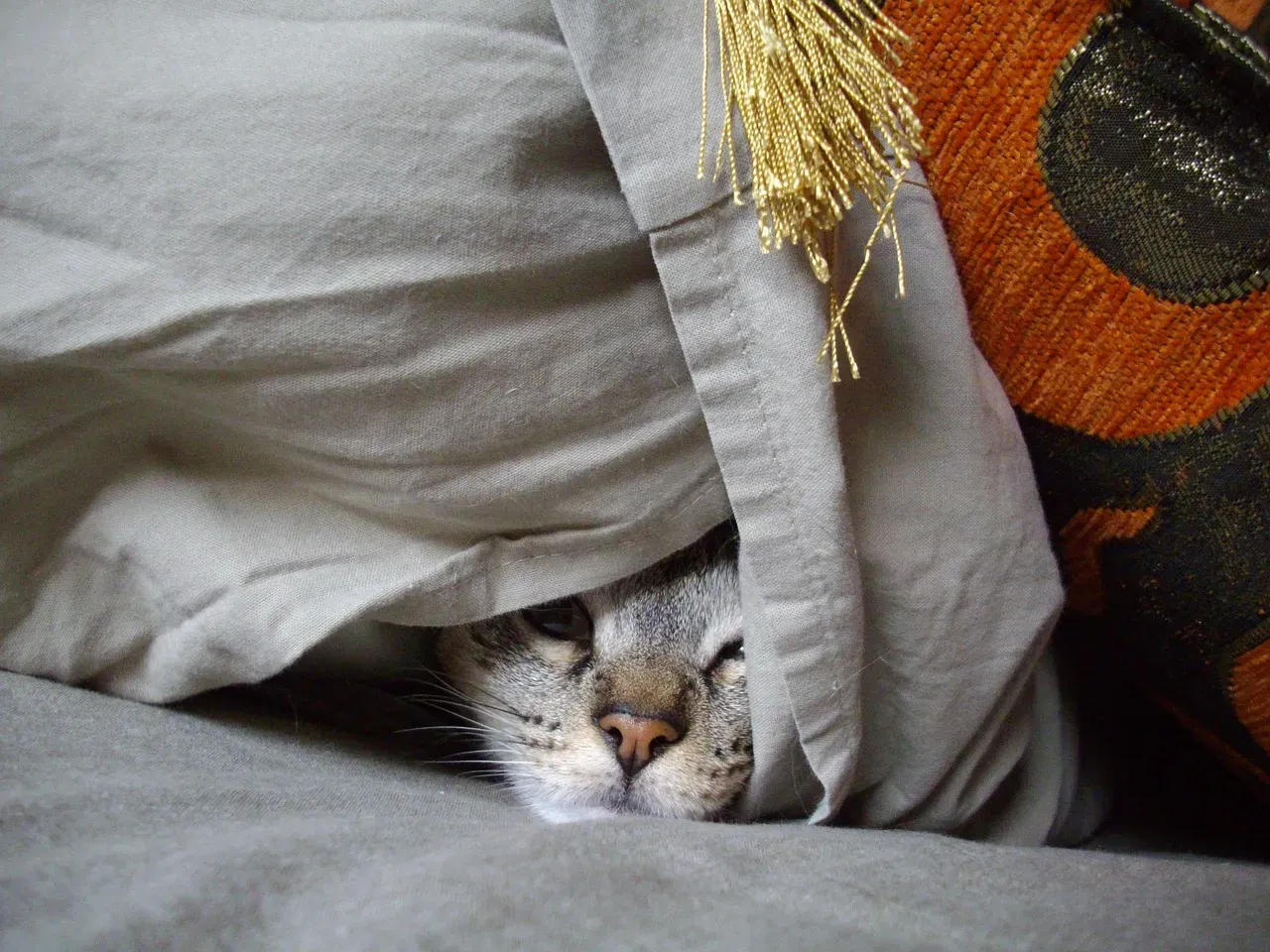
Cats often hide away when they are dying, with an innate instinct to protect themselves from predators that would target a weak animal. You might find your usually sociable cat has suddenly claimed residence under the bed, in closets, or tucked behind furniture in spots you didn’t even know existed. This isn’t your cat being antisocial or upset with you.
Wanting to be alone and hidden away is an instinctual behavior for cats that are dying. They may even become irritated when you try to coax them out or offer comfort. Think of it like this: while a dog might seek you out for reassurance during illness, your cat’s wiring tells them to find a quiet, safe spot away from potential threats. If your cat is hiding all the time, it could mean the end is near. Pay attention to whether this hiding is constant or if they occasionally emerge for food or affection.
When Food Loses Its Magic
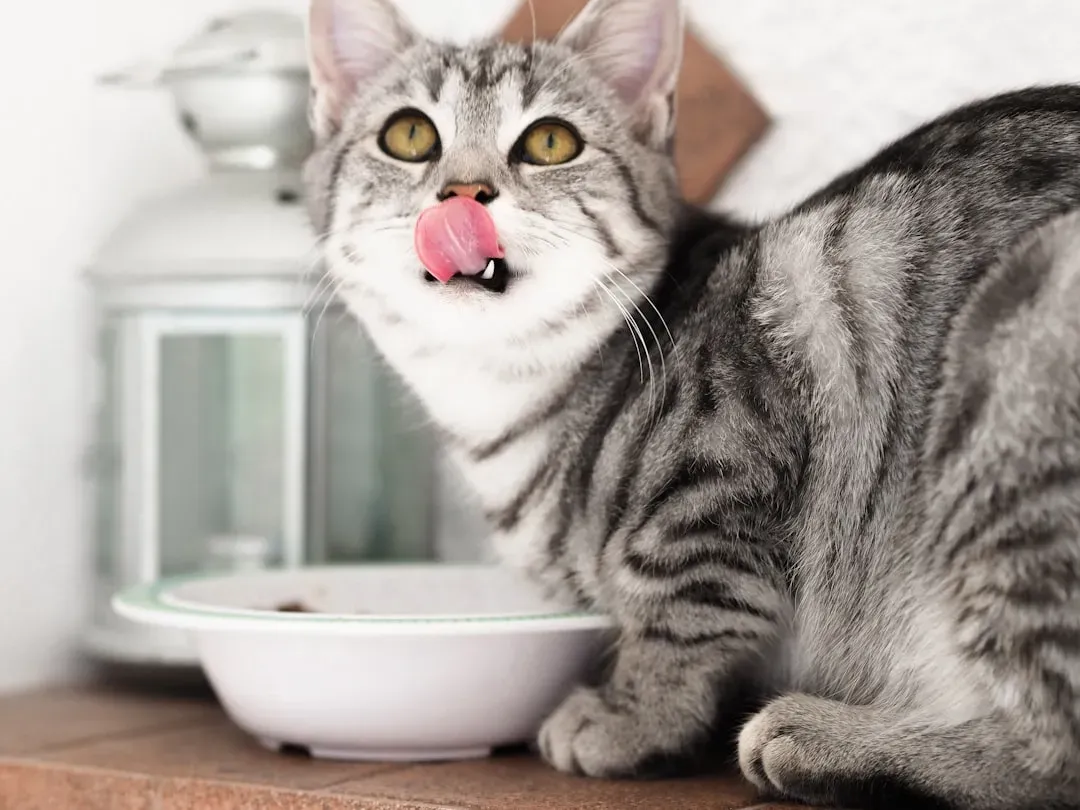
Loss of appetite is one of the first signs that a cat may be dying. Even their favorite tuna treat or that fancy wet food they usually devour gets ignored. Your dog might eat through sickness until the bitter end, but cats? Their relationship with food becomes complicated when their bodies start shutting down.
As your cat’s body declines, its ability to digest and process food diminishes, so a reduced appetite tends to accompany end-stage illnesses. You might notice them sniffing their bowl with mild interest before walking away. This doesn’t necessarily mean the end is imminent, as cats can go days without eating and may still derive enjoyment from life. The key here is persistence paired with other symptoms. Try warming their food to make it more aromatic, but if multiple days pass with barely a nibble, your cat’s telling you something significant.
The Body Temperature Mystery
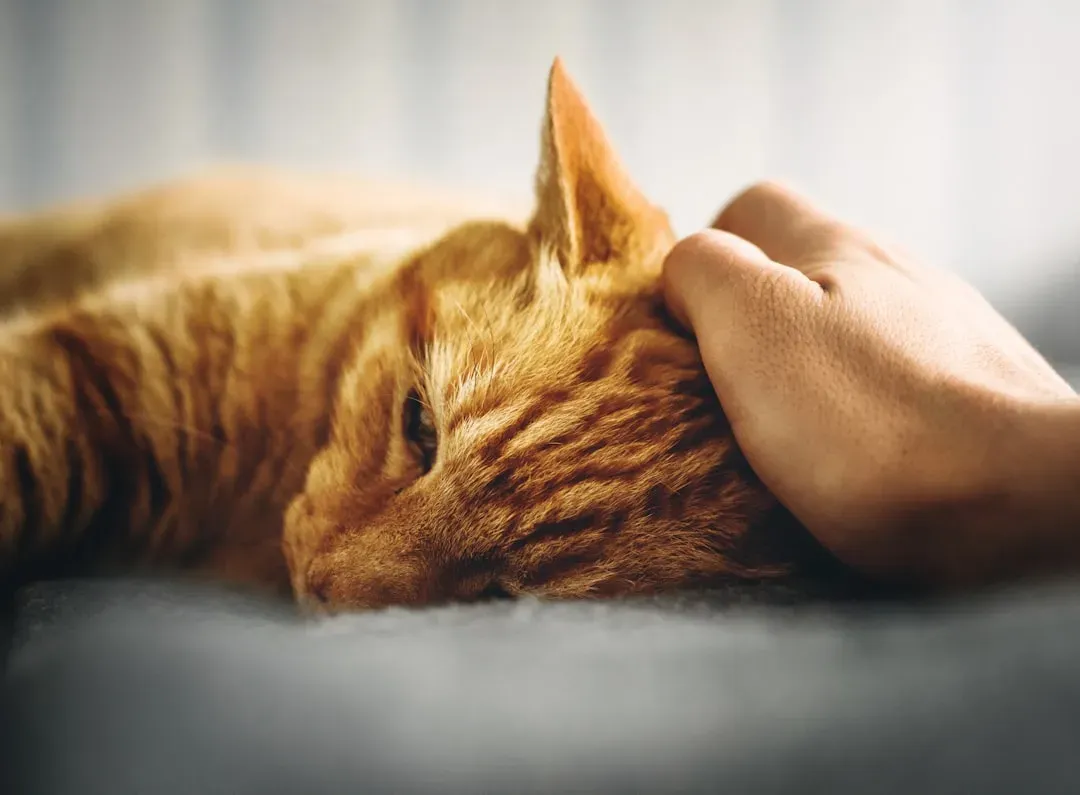
Here’s something that separates feline end-of-life from canine experiences quite dramatically. Cats that are dying often can’t regulate their body temperature anymore and can feel cold to the touch. While a sick dog might still maintain warmth, your cat’s extremities become notably chilly.
Even if you try to keep them warm, they will remain cold, with their ears, feet, and tails often feeling especially cold. Senior cats increasingly have trouble regulating body temperature and will be more susceptible to heat and cold, with cats nearing death often having a low body temperature even when provided with a warm bed and environment. You’ll find yourself piling blankets on them, yet they still feel cool. This drop signals that their body’s systems are struggling to maintain basic functions.
The Breathing Changes Nobody Talks About
A dying cat may have an abnormal breathing pattern, with her respiratory rate speeding up and slowing down at random, and she may even stop breathing for short periods of time and then start back up again. Dogs typically show more obvious respiratory distress, panting heavily or gasping. Cats, characteristically subtle, display irregular patterns that require careful observation.
Signs of difficulty breathing include open-mouth breathing, stretching her head and neck out straight from her body, and strong abdominal movements as she breathes, indicating your cat is struggling to get oxygen into her body. Watch for these telltale positions. Unlike a dog who might wheeze loudly, your cat’s struggle can seem almost silent except for the visible effort in their chest and belly movements. This is serious and requires immediate veterinary attention.
When Grooming Becomes Too Much Effort
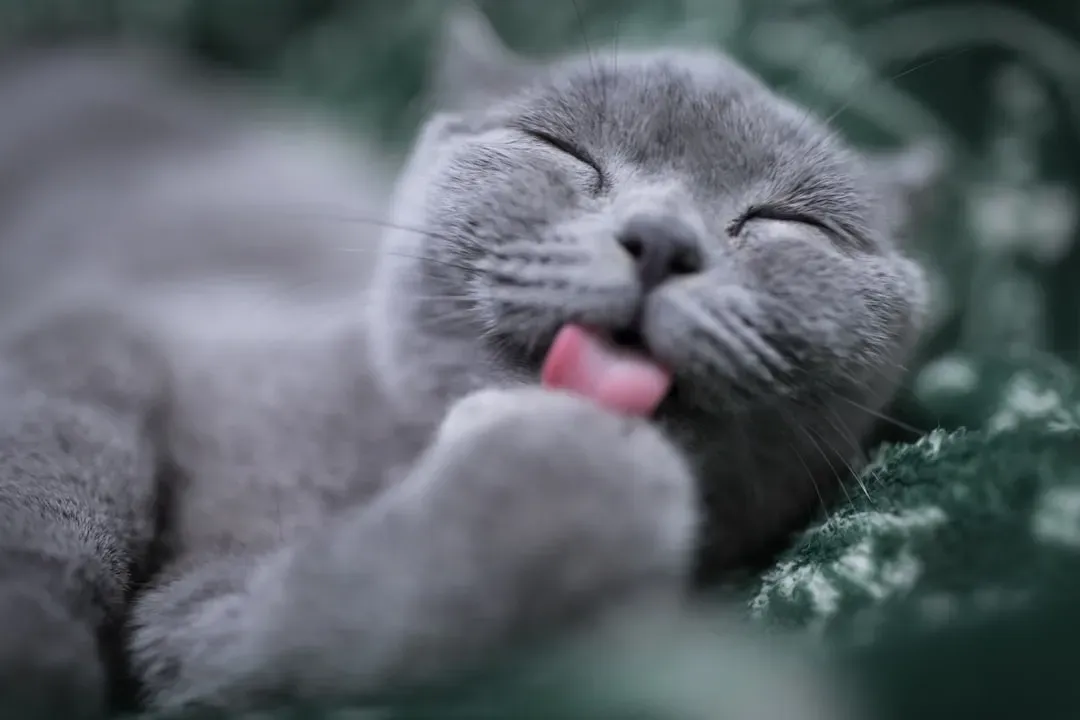
Let’s be real: cats are famously fastidious. A dog might roll in something questionable and wear it proudly, but cats spend hours perfecting their coat. A cat that is feeling severely ill or is in significant pain may stop grooming itself, with matted fur and similar problems becoming noticeable.
Avoidance of grooming or a messy, unkempt coat is a sign of suffering. Their once-pristine fur becomes greasy, tangled, or develops mats they would have never tolerated before. Cats that are too sick to groom themselves often look disheveled and unkempt, with long-haired cats appearing matted and dirty, while short-haired cats can look greasy, scruffy, and oily. This visual change is stark and heartbreaking because it goes against everything feline nature represents.
The Confused Wanderer
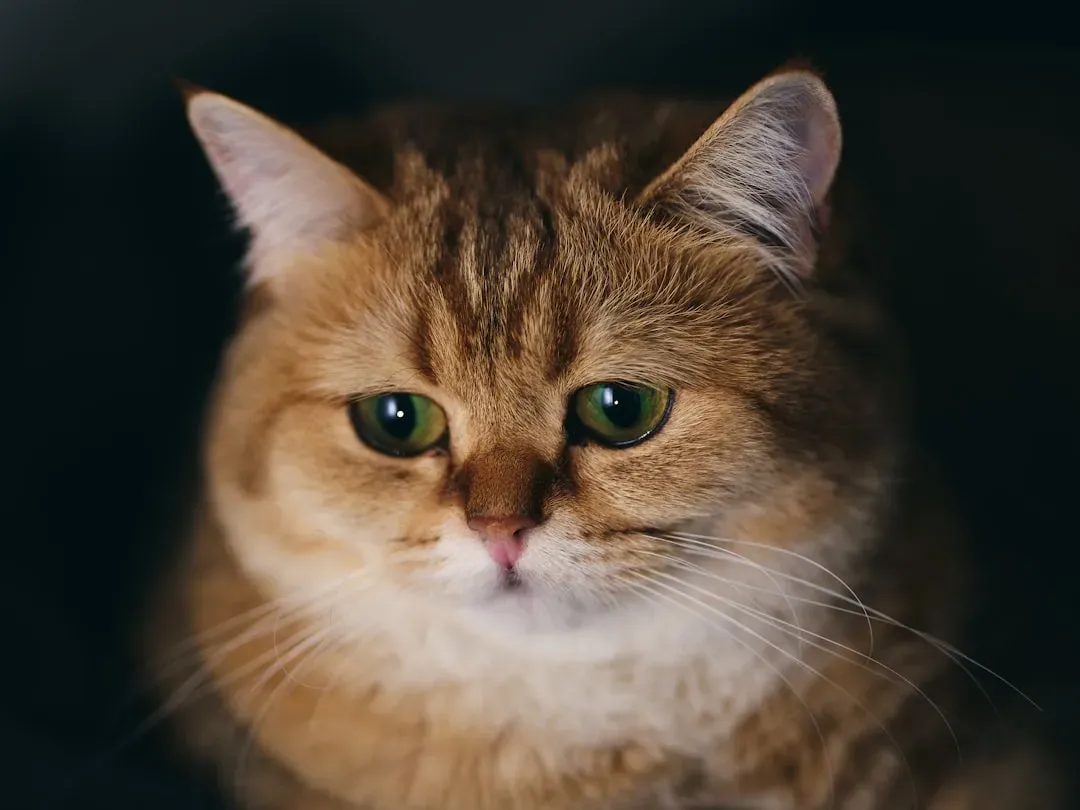
At the end of life, some cats might become confused, dull, or disoriented, appearing uncoordinated, weak, or having a glazed look to their eyes. Think about how a senior dog with dementia might pace or seem lost in familiar spaces. Cats experience something similar but often more quietly.
Cognitive dysfunction, akin to human dementia, may cause them to wander or vocalize more at night and seem confused. You might find your cat staring blankly at walls, forgetting where their litter box is located, or crying out at odd hours as if they’re lost in their own home. Cognitive dysfunction includes disorientation, confusion, or nighttime wandering. This mental fog is profoundly distressing for both of you. While dogs might respond to gentle guidance during confused episodes, cats often seem more withdrawn and unreachable in these moments.
The Weight Loss That Seems Too Fast
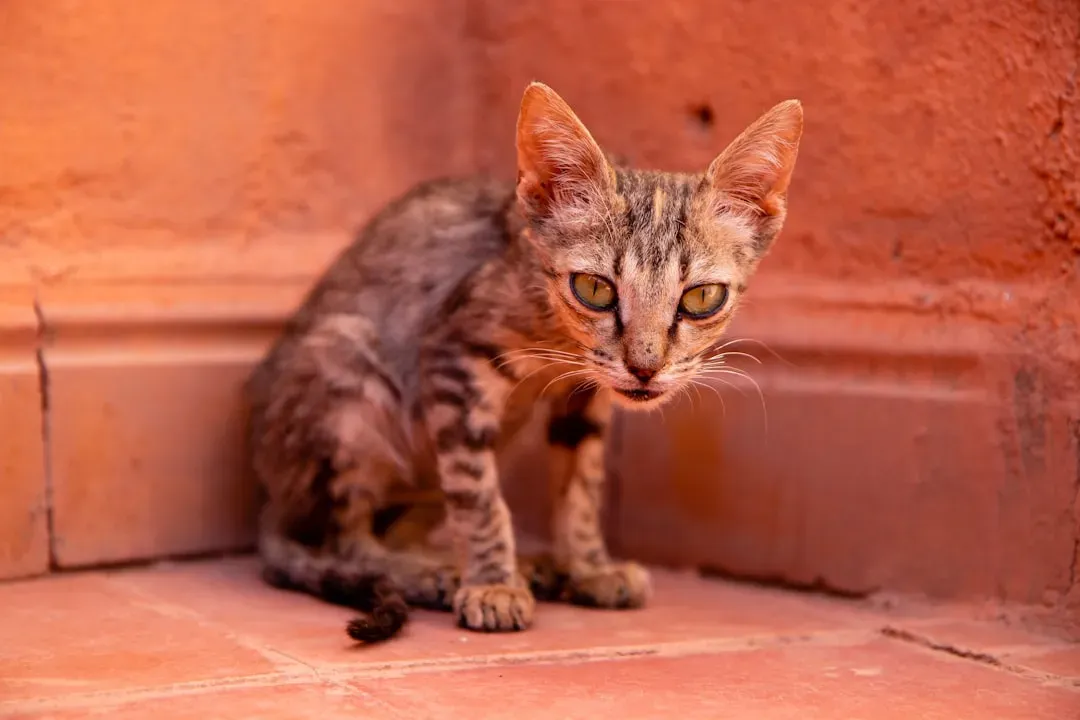
Significant weight loss is one of the clearest signs of a cat nearing the end of its life, often indicating severe illness. Dogs might maintain muscle mass longer during illness, but cats lose weight alarmingly fast when their bodies begin failing.
Weight loss is common in senior cats due to muscle loss and less efficient protein digestion, and even if your cat eats well, she may still lose weight, becoming extreme with ribs, spine, and hip bones protruding. You’ll suddenly feel bones where there used to be padding. Even a cat who’s still eating might experience weight loss as they approach the end of life. Their body simply can’t process nutrients anymore. Running your hand along their back becomes a startling reminder of how quickly things have changed, each vertebra now clearly defined beneath thinning fur.
Finding Peace In The Difficult Decision
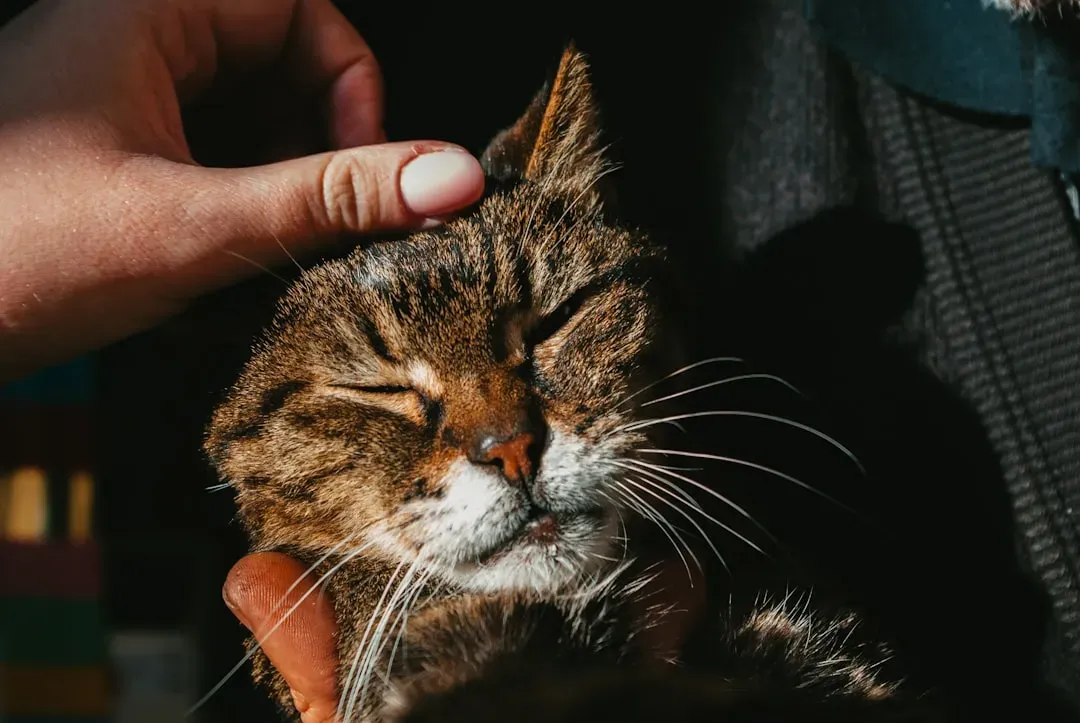
Recognizing these signs doesn’t make the journey easier, but it does give you clarity. Unlike the often more obvious distress signals dogs display, cats require you to be a detective, piecing together subtle changes in behavior, appearance, and physical condition. Using a quality-of-life scale to regularly measure how well your cat’s basic needs are being met can help clarify the decision for euthanasia, hopefully relieving anxiety and regret about your beloved cat’s end of life.
Ailing cats who receive hospice care may continue to live their fullest life possible and reach a peaceful goodbye, whether pet parents choose humane euthanasia or natural death. Your veterinarian can guide you through palliative care options that keep your cat comfortable, focusing on pain management and dignity rather than prolonging suffering. Remember, choosing compassionate euthanasia isn’t giving up on your cat; it’s one final act of profound love.
What moments with your cat have helped you understand what they truly need? The bond between cats and their humans is quieter than the exuberant connection dogs often share, but it’s no less deep. Trust yourself to know when your feline friend is telling you it’s time.