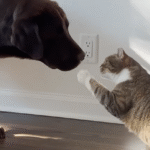
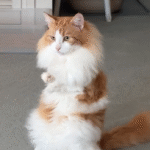
You probably think you’re in charge when it comes to your relationship with your feline companion. After all, you provide the food, the shelter, and those ridiculously expensive toys they ignore in favor of cardboard boxes. The truth is a bit more humbling. Your cat has been carefully training you since day one, using tactics so subtle and effective that you might not even realize you’re being played. Science has finally caught up with what cat owners have long suspected: our whiskered friends are master manipulators, and they’ve evolved specifically to push our buttons in all the right ways.
So why do we keep falling for it? Let’s dive into the fascinating world of feline manipulation and discover the clever tricks your cat uses to bend you to their will.
The Baby Cry Purr That Hijacks Your Parenting Instincts
When your cat wants something, especially food, they produce a special purr with a high-pitched cry embedded within it that sounds remarkably like a human infant. This frequency is actually very similar to that of a crying infant, which means it taps directly into your hardwired nurturing response. Even people who have never owned a cat judge these solicitation purrs as more urgent and less pleasant than regular purrs.
Here’s the thing: your cat learns this trick. Cats learn to dramatically exaggerate it when it proves effective in generating a response from humans. It’s not instinct alone, it’s a calculated behavior refined through trial and error. The manipulative purrs seem to be most frequently used by cats who have the most one-to-one contact with their owners, which suggests your cat has been studying you specifically. They know exactly which buttons to push.
Strategic Meowing Reserved Exclusively For You
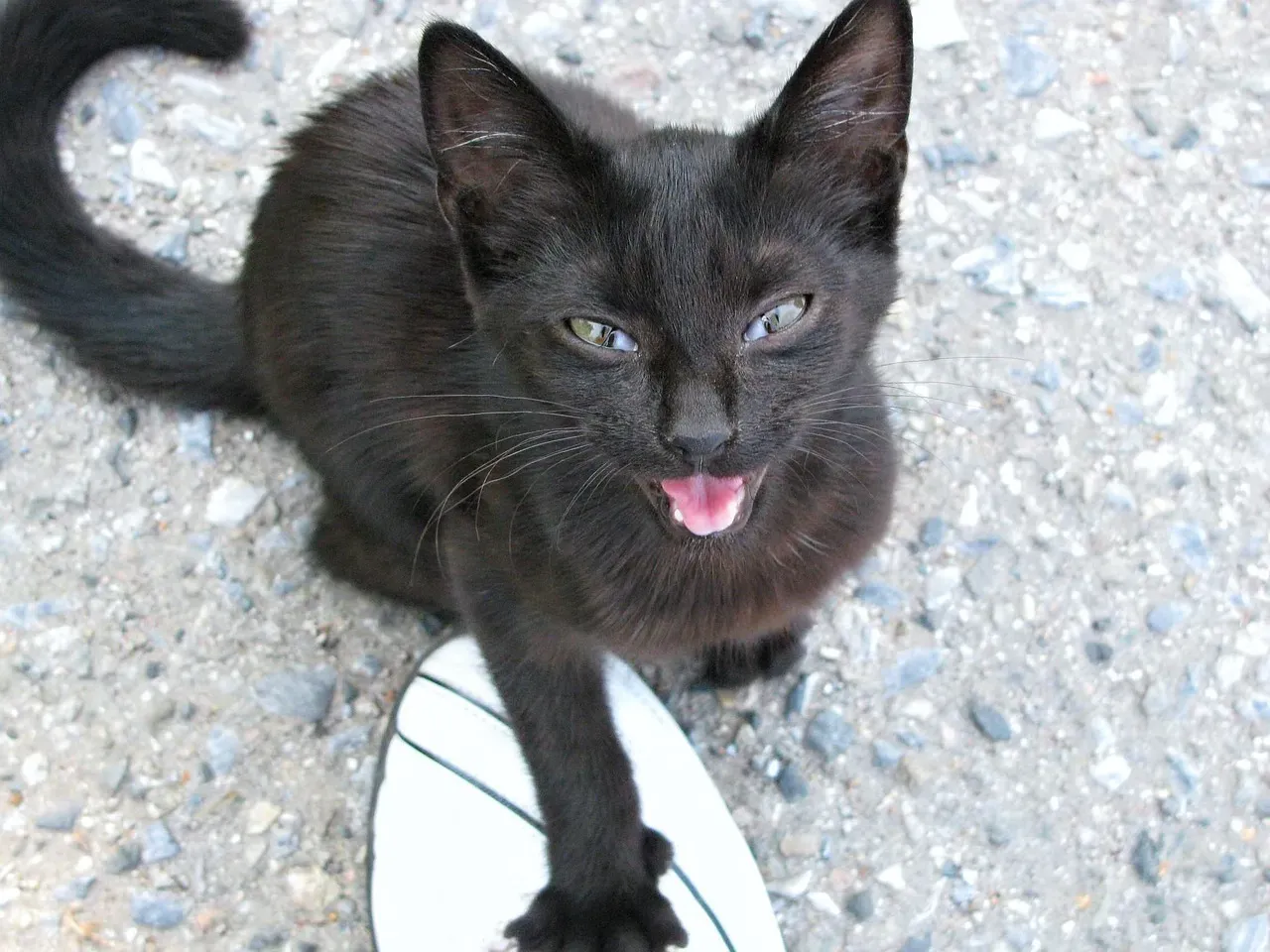
Adult cats don’t actually meow at each other, just at people, because kittens meow to let their mother know they’re cold or hungry. Think about that for a second. Your cat developed an entire communication system designed solely for humans.
The vocalizations of the domestic cat have changed to become more pleasant to the human ear, which is likely why felines have evolved to meow almost exclusively to humans. Since meowing is a learned, human-directed behavior, many cats focus on the person who consistently responds to them, and some owners become the preferred listener simply because they’ve proven to be most reliable. Your cat has essentially created a custom language just for manipulating you, adjusting the tone and urgency based on what works best. Honestly, that’s both impressive and slightly terrifying.
The Cuteness Factor They Were Born With
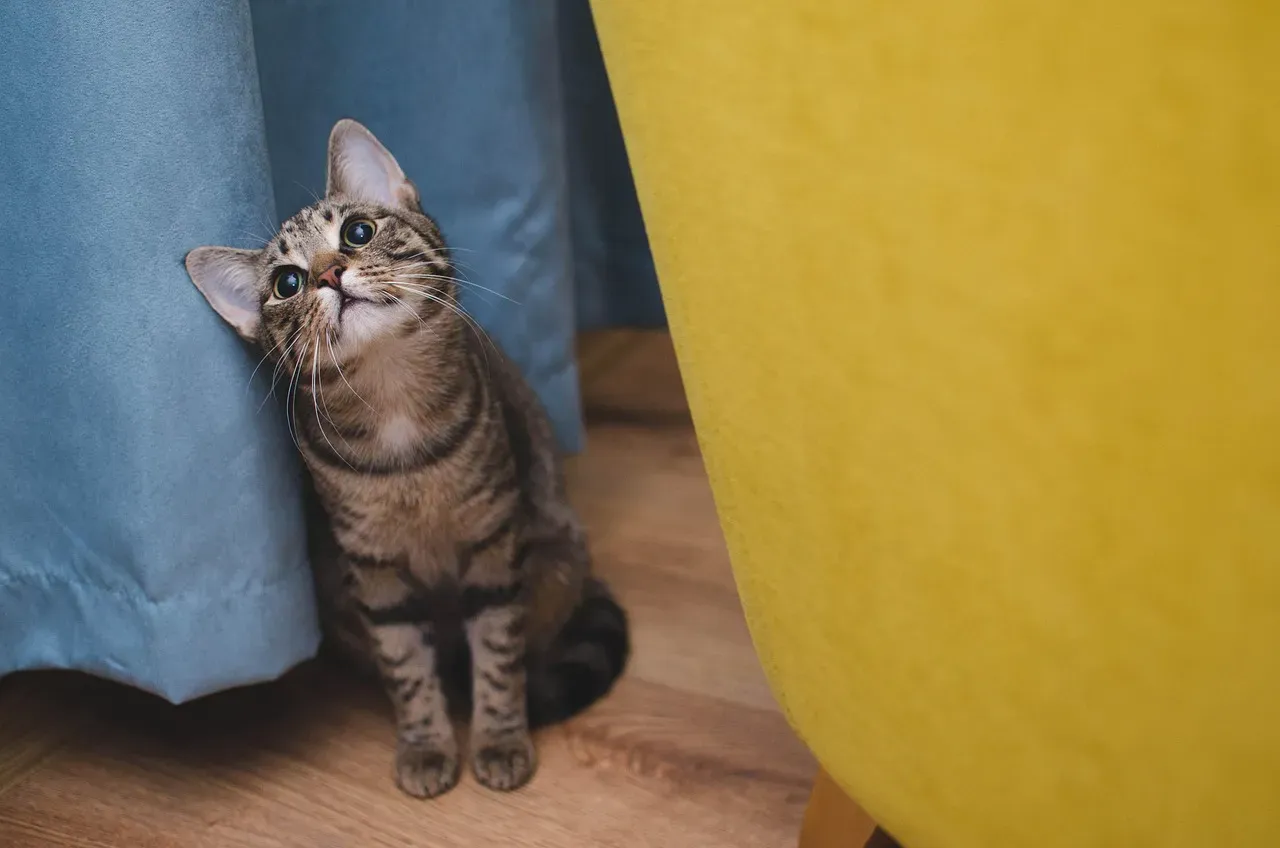
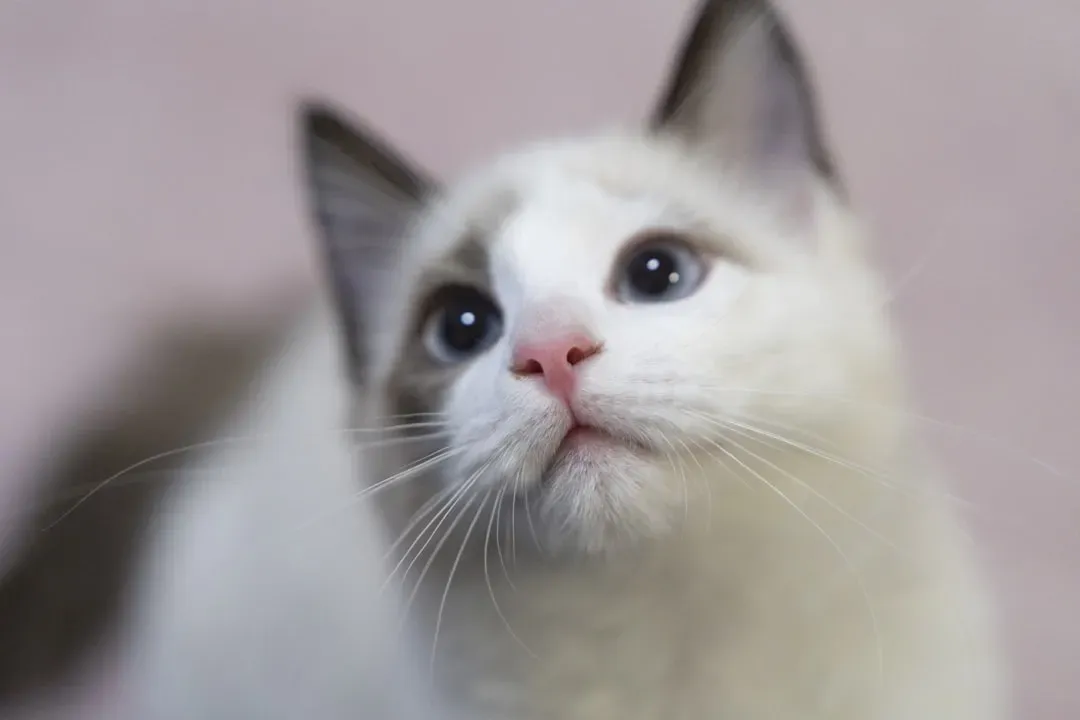
Cats have physical traits that resemble those of infants, referred to as kinderschema or baby schema, which includes a large head, a round face, and big eyes. This isn’t accidental. These traits increase the cuteness of babies, motivating adults to take care of them, and cats elicit this nurturing behavior in humans.
You’re biologically wired to find your cat adorable, and they use this to their advantage constantly. When your cat stares at you with those enormous eyes, you’re experiencing the same hormonal response you’d have looking at a human baby. Scientific studies provide proof that cats are adorable, which sounds obvious but means there’s actual measurable brain chemistry happening when you look at your cat. No wonder you can’t say no when they want treats.
The Slow Blink Love Bomb
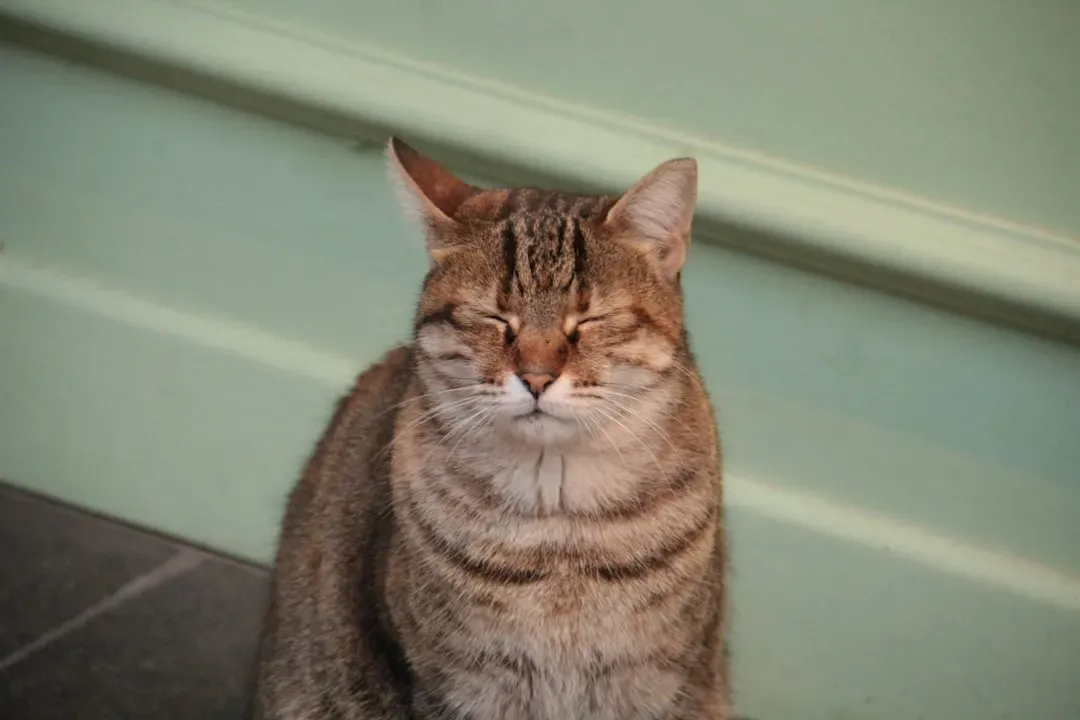
Researchers studying feline eye movements found that a half-closed, lingering blink encourages people to lean in and offer affection, with the relaxed expression conveying warmth. When your cat gives you that sleepy, contented look, they’re not just being lazy. They’re actively inviting you closer.
If your cat has given you a slow blink, you’ve been manipulated into feeling loved, as studies show that cats use slow blinking as a way to bond with humans, signaling trust and affection while also ensuring more attention and care. The best part? When humans slow blink at cats, the cats are more likely to approach and return the gesture. Your cat has trained you to speak their language, and you probably didn’t even realize it was happening. You’re having entire conversations conducted through eyelid movements.
Physical Affection With Strategic Scent Marking
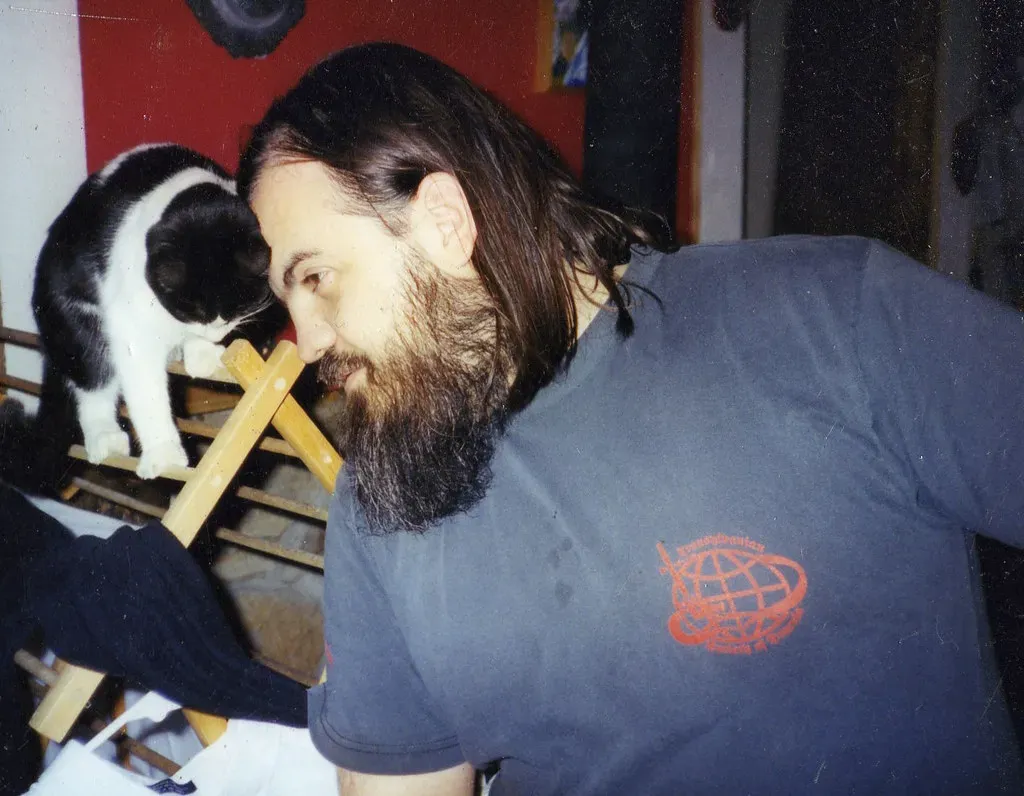
A soft nudge to the face or chin may feel affectionate, but behavioral studies show that it also leaves scent markers, and people usually respond by petting, holding, or staying nearby. Every time your cat rubs against you, they’re not just being sweet. They’re claiming ownership.
The move builds a routine where proximity becomes expected, and the cat ends up directing where everyone settles. Have you ever noticed how your cat somehow manages to position you exactly where they want you? That’s not coincidence. They’ve been gradually conditioning you to associate their physical touch with positive feelings, while simultaneously marking their territory. You’ve essentially become a walking billboard advertising that you belong to a specific cat.
The Keyboard Invasion And Attention Hijacking
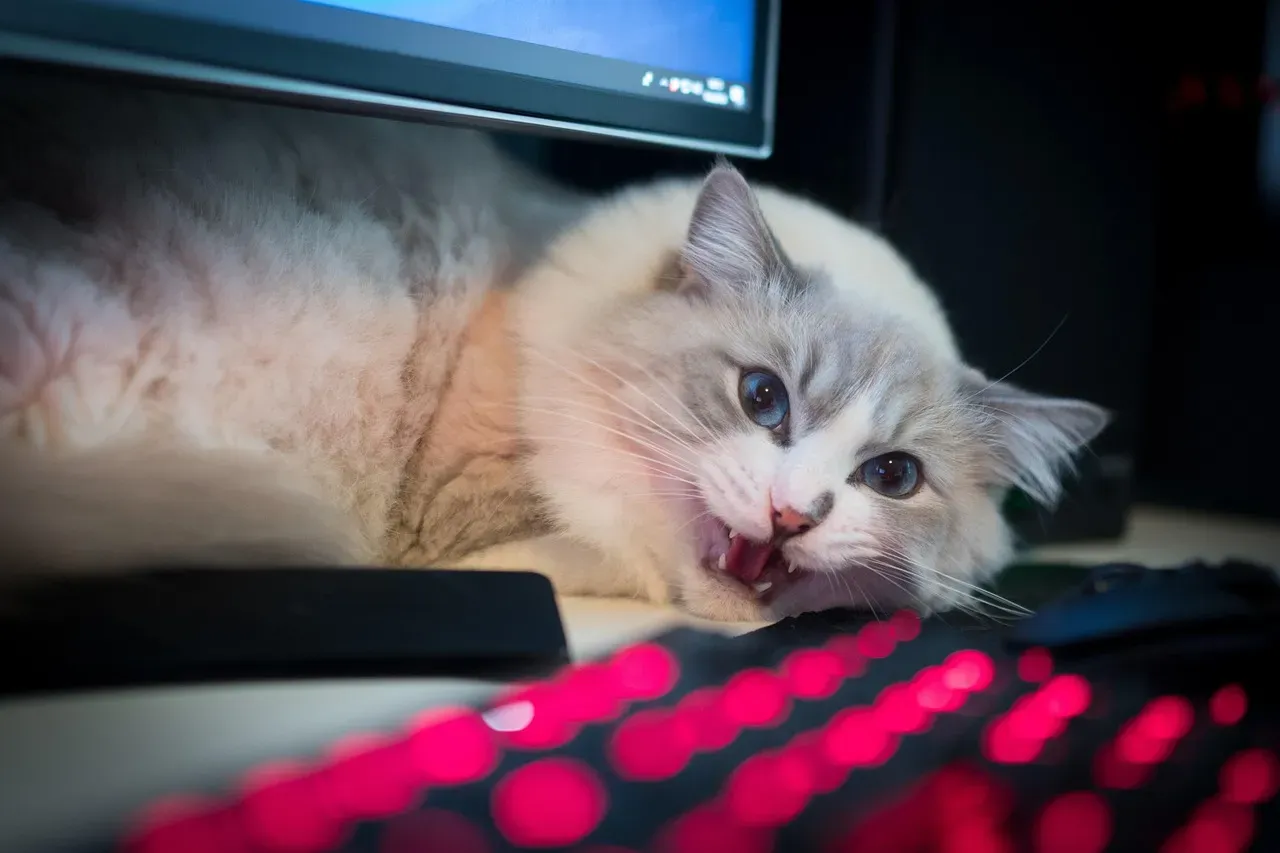
When a cat strolls across a keyboard or settles on a book, it’s usually because it has noticed how intensely their human focuses on the object, and the device becomes a high-value spot simply due to your attention. Your cat isn’t randomly choosing to sit on your laptop. They’ve observed your behavior patterns and identified exactly where your focus goes.
By placing themselves in that space, cats redirect your focus back toward them. It’s a power move disguised as annoying behavior. Your cat sees you staring at a screen for hours and thinks, “I can use this.” They’ve figured out that occupying the space between you and whatever you’re concentrating on guarantees immediate attention. Let’s be real: it works every single time.
Social Referencing And Observational Learning
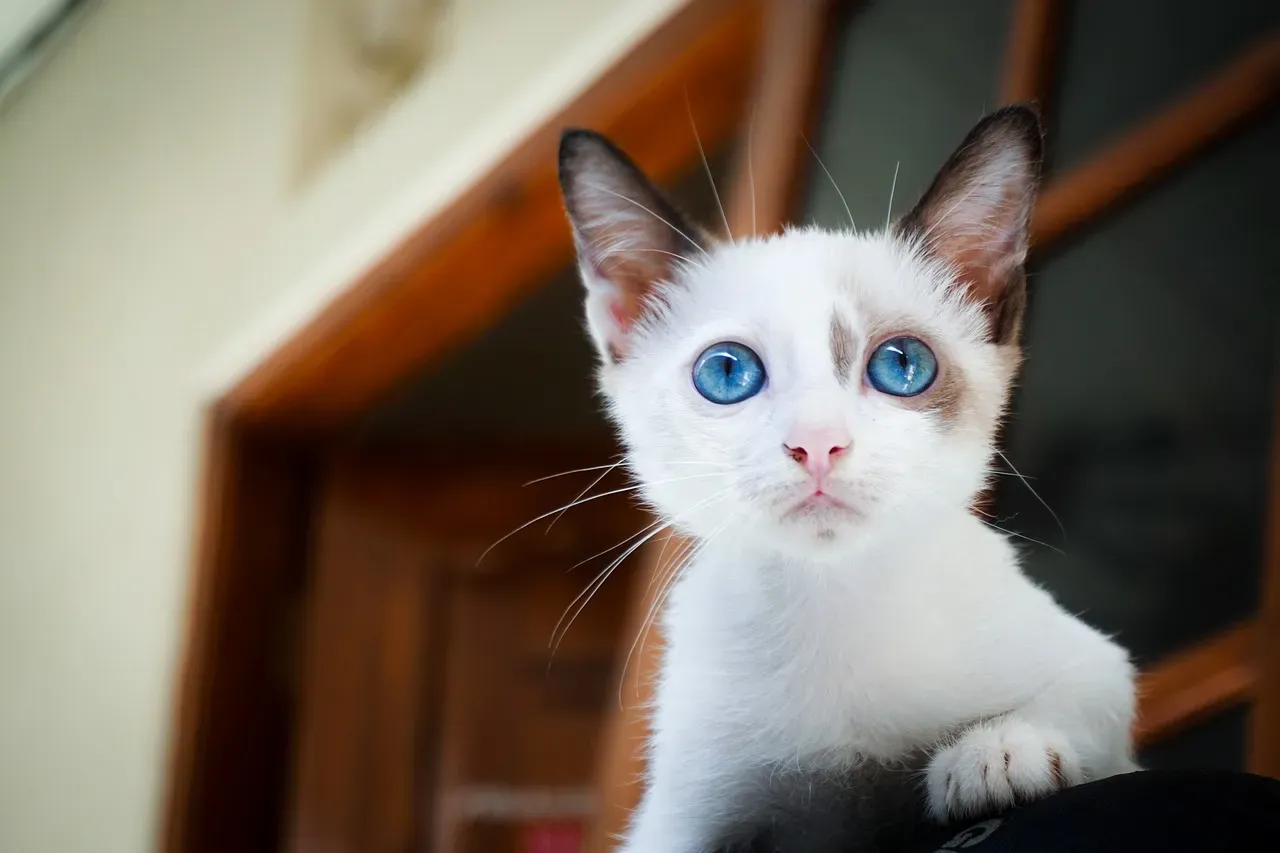
Cats observe our behavior using a process called social referencing, which is something that children learn to do and continue to do into adulthood, where you’re in an unfamiliar situation and look to the people around you to learn how to react. Your cat is literally studying you to figure out how to get what they want.
Cats have evolved alongside people, allowing them to observe human behaviors, and they use these observations to develop manipulative behaviors that get the desired results. Researchers determined that cats’ and humans’ bonds may be akin to humans’ bonds with other people, with evidence of cats following their human’s wishes, but if the human fulfilled their wants first. It’s essentially a negotiation where your cat has all the leverage because they’ve been watching and learning your patterns for years. They know when you typically eat, when you’re most likely to give in, and exactly which behaviors earn rewards.
Conclusion
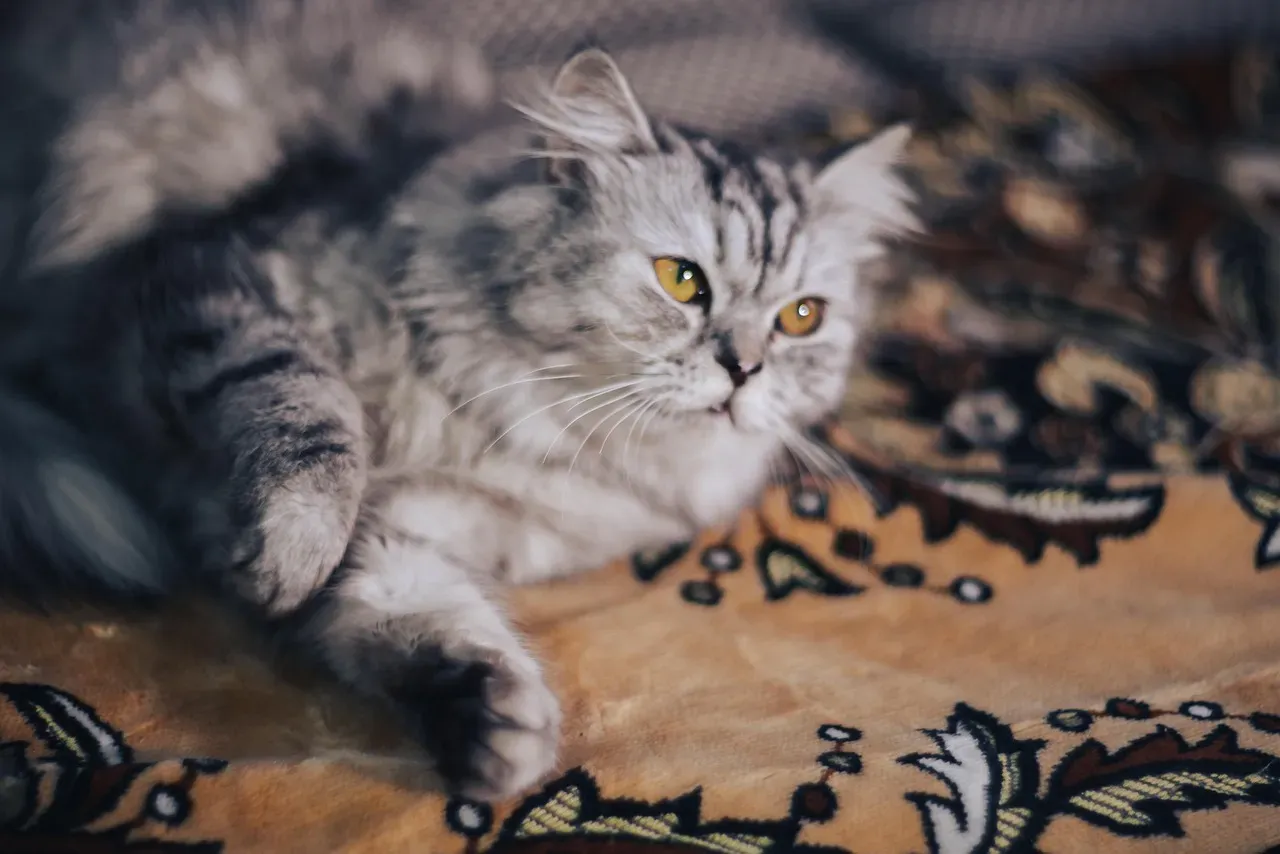
The evidence is clear: cats are sophisticated manipulators who’ve spent thousands of years perfecting the art of getting humans to do their bidding. From their strategically modified purrs to their calculated displays of affection, every behavior serves a purpose. Yet here’s the beautiful irony: knowing we’re being manipulated doesn’t change how we respond. We continue to feed them at three in the morning, let them claim the best spot on the couch, and buy them toys they’ll never use.
Maybe the real question isn’t why cats manipulate us, but why we’re so willing to be manipulated. Many cats in studies chose to interact with humans even after not being fed for hours, suggesting that cats value humans. Perhaps the manipulation goes both ways. We get companionship, stress relief, and those precious purring moments, while they get food, shelter, and endless entertainment watching us scramble to meet their demands.
What do you think? Does your cat have you completely wrapped around their paw, or do you still believe you’re the one calling the shots? Share your stories of feline manipulation in the comments below.