You think you’re in charge. You set the feeding schedule, you bought the cat bed, you chose the toys. Yet somehow, without a single word spoken, your cat has rearranged your entire morning routine around their needs. Sound familiar? Honestly, most cat owners will admit – probably with a grin – that they have long lost the battle for household authority.
The funny thing is, cats didn’t just stumble into this talent. Felines have evolved around humans, allowing them to observe our actions and develop habits that can get them the results they want. What makes it all so fascinating is that none of this feels sinister. It feels like love. So let’s pull back the curtain on exactly what your cat is doing – and why you can’t seem to resist it.
The Solicitation Purr: A Secret Weapon Hidden in Plain Sight
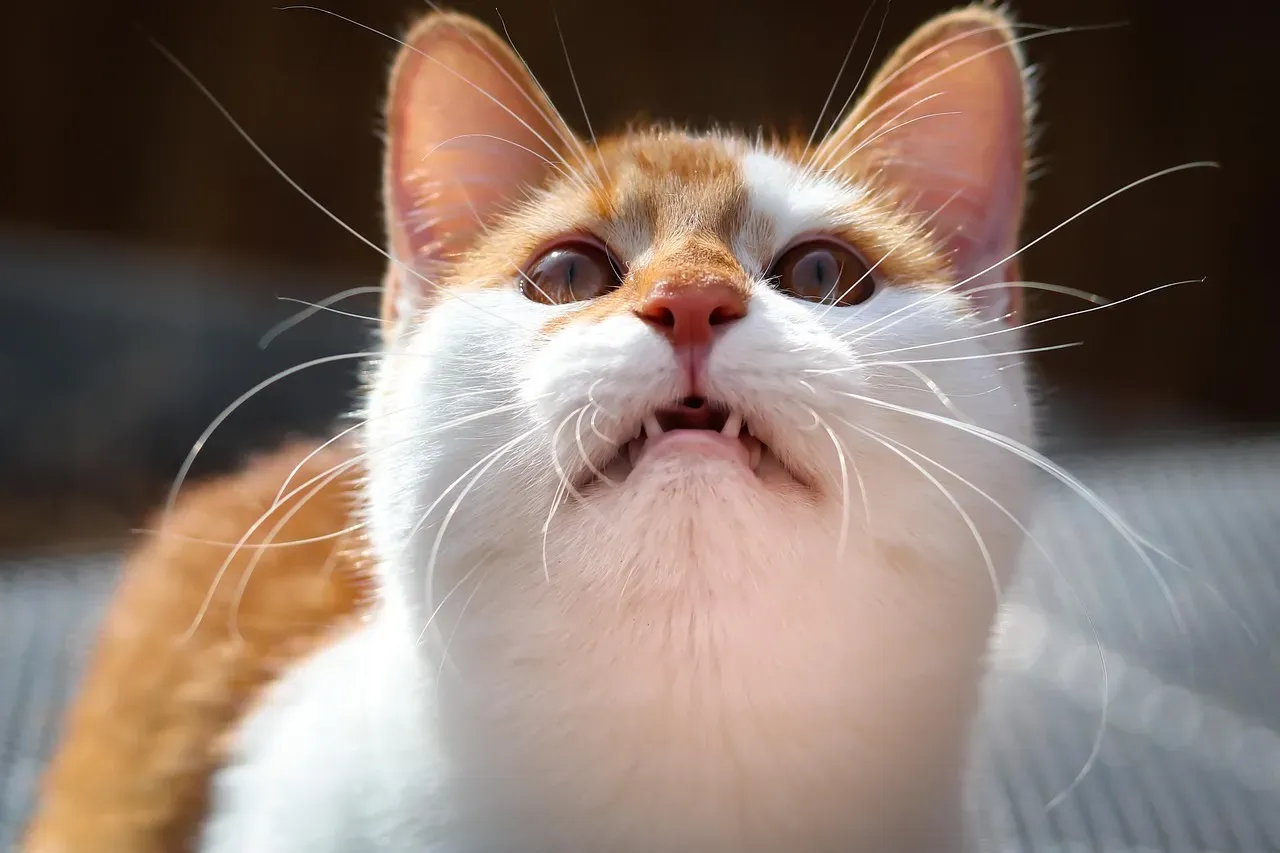
If you’ve ever been woken up at 6 a.m. by a purring cat sitting squarely on your chest, you already know this trick. But what you might not know is just how calculated it really is. When they want food, domestic cats will often purr in a strangely plaintive way that their owners find difficult to ignore. It’s not your imagination – there is genuine science behind why it gets to you every single time.
These “food soliciting” purrs are perceived as more urgent and less pleasant-sounding by humans, and they also include high frequency voiced components similar to those produced by human infants when crying. Think of it like a baby crying inside a massage – soothing on the surface, but impossible to tune out. The acoustic structure of purrs by cats who are soliciting food may have evolved to take advantage of us in the same way, meaning they are essentially manipulating you as if they were a human child.
The Meow That Means Business: Tailored Vocalizations
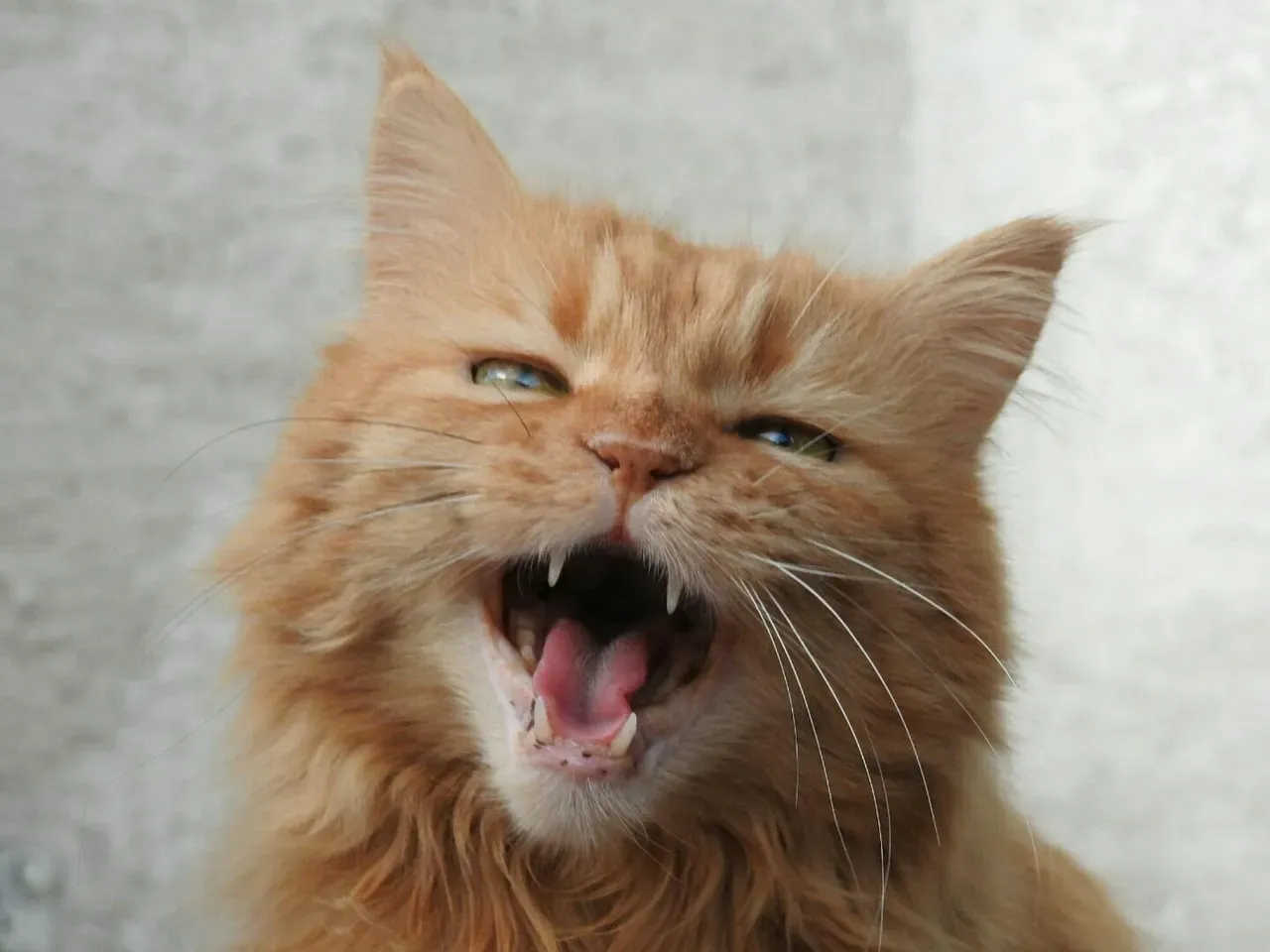
Here’s the thing – wild cats barely meow at each other at all. Adult wild cats largely communicate through body language, scent, and a whole lot of silence. A study from Nature found that cats developed unique vocalizations to communicate with humans, while wild cats rarely meow at each other. Domestic cats essentially invented a vocal language specifically for us. That’s either deeply sweet or a little unsettling, depending on how you look at it.
Of course, domestic felines don’t understand the full significance of their own meows – but what they do know is which meows elicit the wanted human behaviors. It is operant conditioning in reverse. Your cat watched you, figured out your triggers, and designed a personal playlist of sounds to deploy as needed. Meowing is a wholly voluntary action aimed primarily at getting the attention of the cat’s owner, and cats living in homes with deaf owners are likely to meow much less – if at all – as they do not get the responses they want. That detail alone should make your jaw drop a little.
The Slow Blink: An Emotional Hack Disguised as Affection
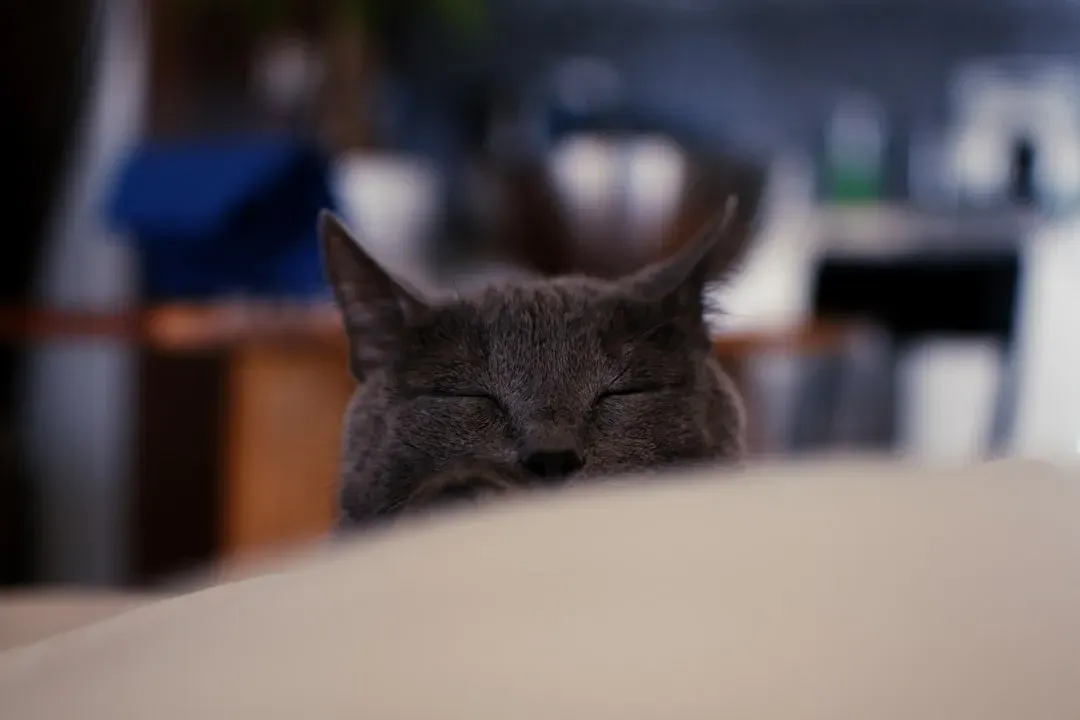
Few things in the world feel as quietly powerful as a cat looking at you across the room and slowly, deliberately closing their eyes. It makes your heart melt instantly. It feels like trust, like intimacy. And science confirms it actually is – but it is also something more strategic than that. Research examines the communicatory significance of the slow blink sequence, which typically involves a series of half-blinks followed by either a prolonged eye narrow or an eye closure.
When a cat slow blinks at you, they are often expressing a sense of trust, contentment, and affection – because in the feline world, closing their eyes in the presence of another creature makes them vulnerable, as they are unable to detect potential threats. By doing this, your cat is essentially saying “I trust you completely.” The manipulation? It’s also possible that cats developed the expression since humans respond positively to it – with domesticated animals, it’s often impossible to tell either way, but it does seem to help forge a rapport. Whether it began as genuine trust or as a learned reward mechanism, the result is the same: you are completely under their spell.
Head Bunting and Leg Rubbing: Scent Marking You as Theirs
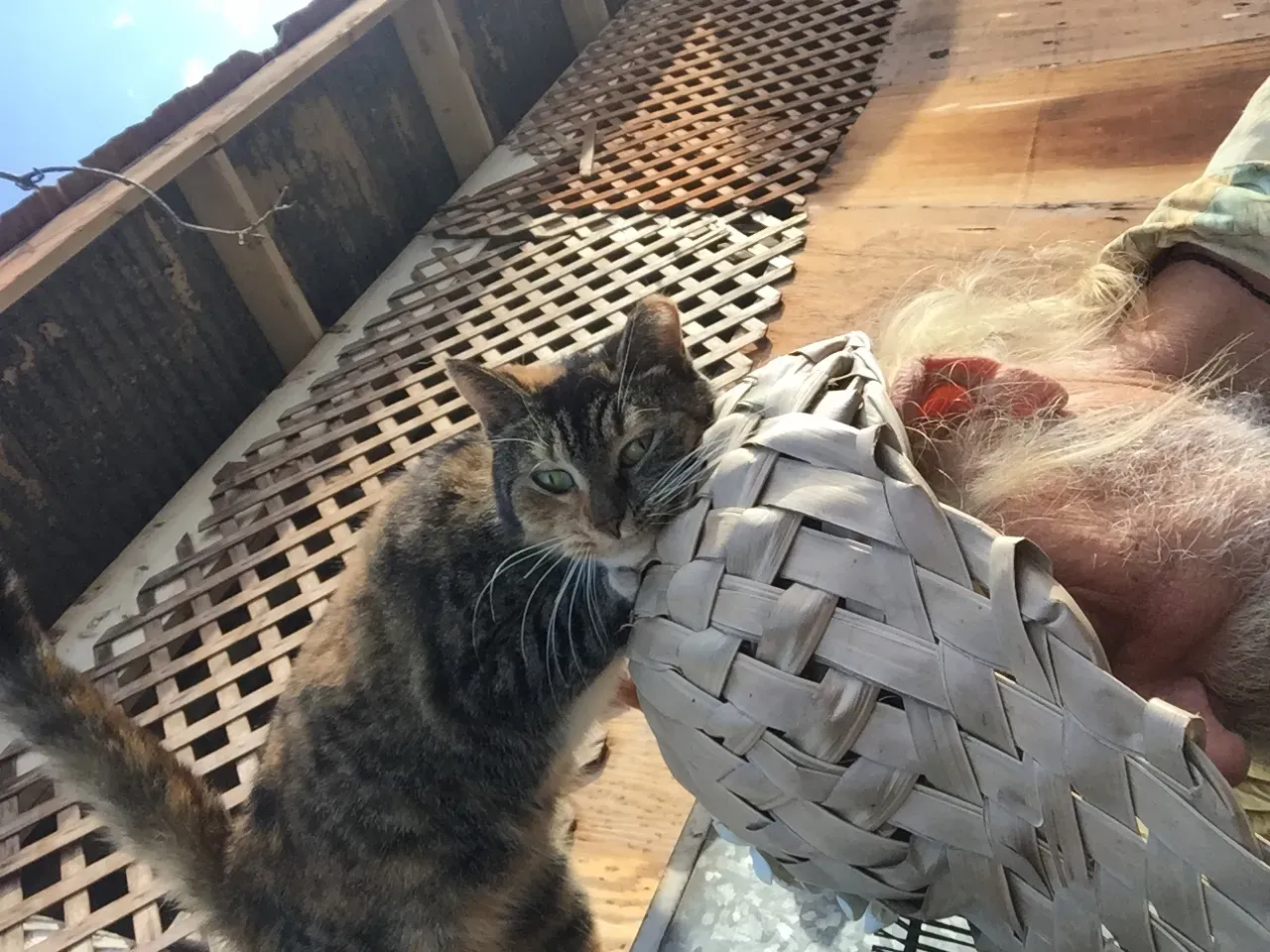
You know that warm fuzzy feeling when your cat walks up and bumps their forehead right against yours, or winds around your ankles in that figure-eight pattern? You probably read that as pure affection. It is affection, yes – but it is also something far more territorial than it looks. To get our attention, cats flank-rub on our legs, which might also mark us, and head-rub with cats they know well, presumably marking each other and us with a scent.
Bunting involves rubbing the cheeks and forehead, which possess scent glands, onto objects or individuals to deposit pheromones that signal familiarity and territory ownership. In the simplest terms, your cat is branding you. You are their territory. Their property. And the genius of it is that they do it in the most irresistibly adorable way possible, so you lean in for more. If your cat wants attention, they will start by rubbing against your leg or bumping you with their head – and if you ignore that attempt, they will jump onto your lap or lie down on your papers or computer, and start purring until you instinctively start petting them.
Social Referencing: Your Cat Is Watching You More Than You Think
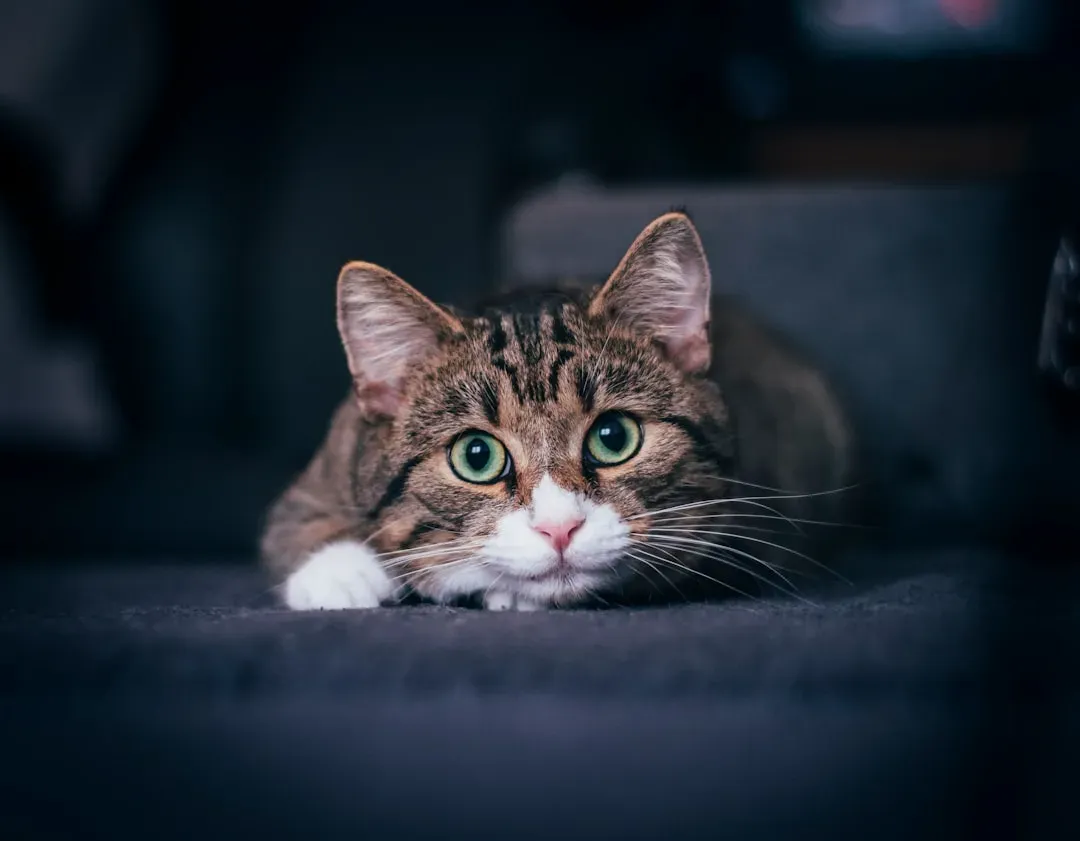
This one genuinely surprised me when I first read about it. Cats are not just passively lounging around while you go about your day. They are studying you. Watching your reactions, clocking your emotions, and using that information to fine-tune their own behavior. Cats can observe our behavior in a process called “social referencing” – something that children learn and use right into adulthood, where you are in an unfamiliar situation and use the reactions of those around you to inform your own behaviors.
Research suggests that gaze alternation is a behavior reliably indicating social referencing in cats, and that cats’ social communication with humans is affected by the person’s availability for visual interaction. Essentially, when your cat is unsure of something, they look at you first to gauge how you feel about it. A new person at the door, a strange noise, an unfamiliar object – your cat checks your face before deciding how to react. As they are clever enough to put our behavior in context, they can train themselves to behave in a manner that triggers those behaviors – revealing just how well felines have adjusted to living with humans.
The Baby Face Trap: Weaponized Cuteness
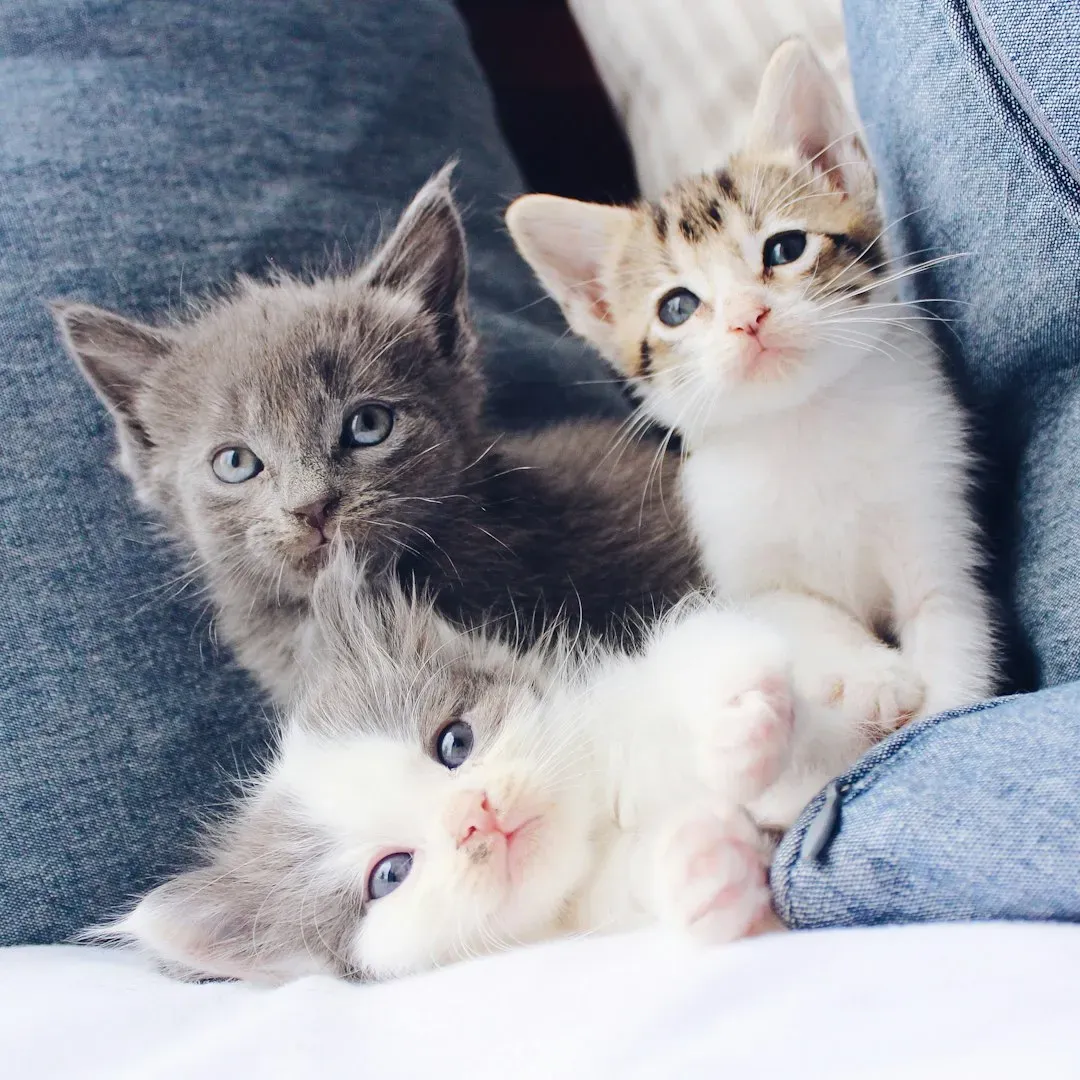
Let’s be real – you have definitely seen a photo of a kitten and felt an immediate, overwhelming urge to protect it. That feeling is not accidental, and it goes deeper than you think. According to research in Frontiers in Psychology, cats have physical traits that resemble those of infants, referred to as kinderschema or baby schema – a concept coined by ethologist Konrad Lorenz that includes a large head, a round face, and big eyes, traits that increase perceived cuteness and motivate adults to take care of and nurture young creatures.
Results of a cuteness-rating study revealed that both cat and human faces were assessed as cuter when approximated towards the shape of a human baby face – indicating that facial shape adopted from human infants, like a small jaw and large forehead, influenced the cuteness evaluation of cat faces. Your brain genuinely cannot fully distinguish between your nurturing response to an infant and your nurturing response to your cat. Findings suggest that human beings have a general instinct to take care of newborns of the same or another species, and in line with this, previous studies reported a positive influence of kitten faces on careful behavior in human subjects. So the next time you baby-talk your cat for no reason at 11 p.m., you now know exactly why.
Routine Conditioning: Training You Like Clockwork
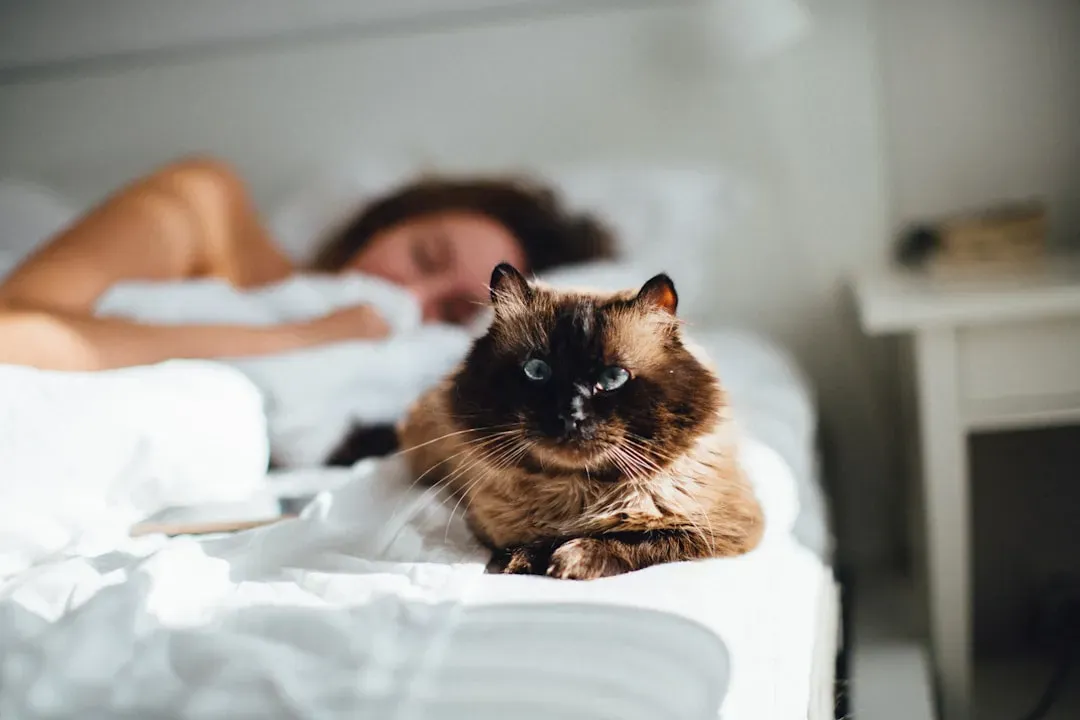
Think about your morning. Did you wake up naturally, or did a certain small furry creature rouse you with increasingly urgent behavior until you got up and filled their bowl? This is not coincidence. This is strategy. Cats are perfect alarm clocks and always stick to their schedule because they live for routine – and if your cat wakes you up at the same time every morning, demands to be fed at the same time every day, and expects your attention after work, then you have a small tiger-like boss at home.
If a person’s reaction to hearing a certain sound a cat makes is to feed them, the cat’s behavior is being positively reinforced and will be more likely to happen again – cats who ask for food early in the morning, causing their person to get out of bed, keep doing that because it is working for them. It is classical conditioning, and your cat figured it out without ever reading a psychology textbook. The truly wonderful twist? Many felines actually find human-cat interactions more pleasurable than food – and deep down, they care about you, in their own way. Knowing you’ve been lovingly trained by a creature who genuinely enjoys your company somehow makes it all completely worth it.
Conclusion
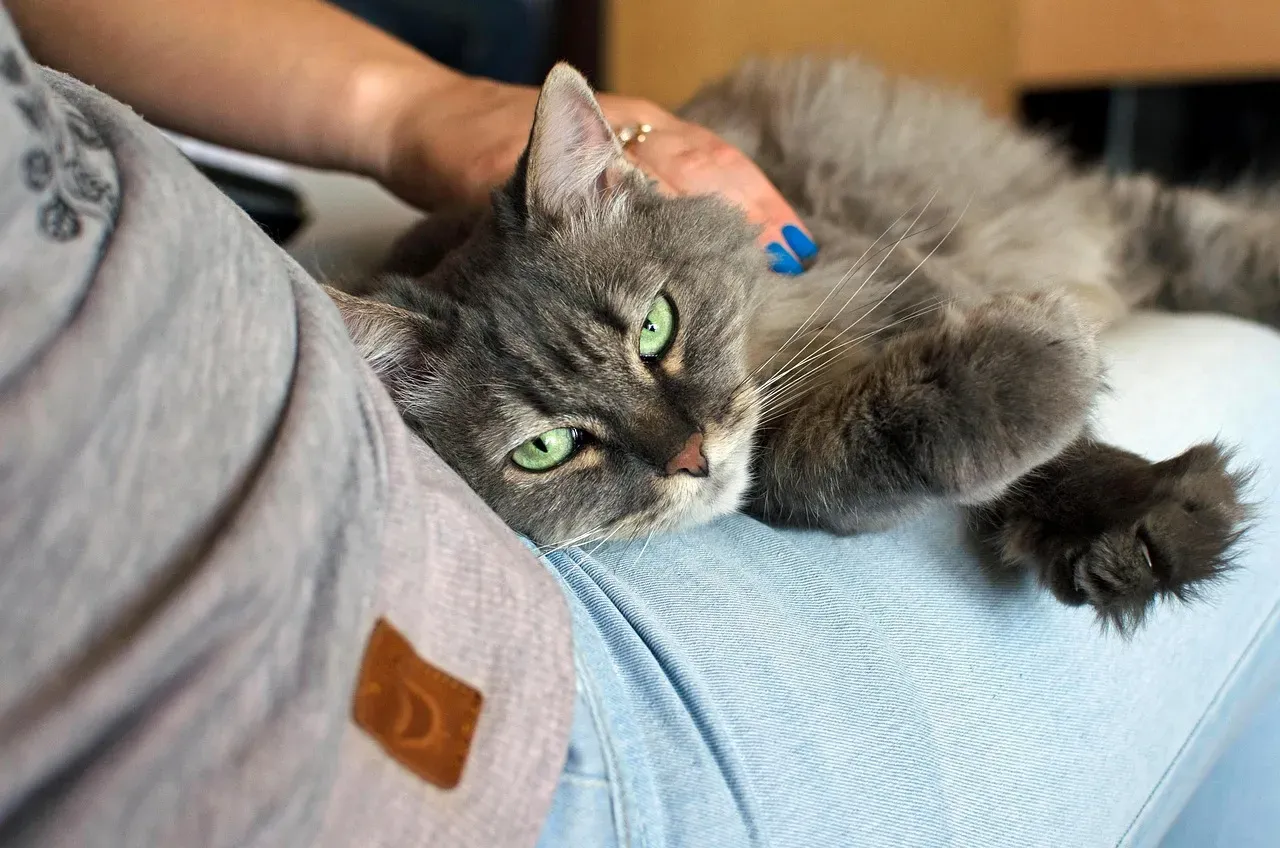
When you lay it all out like this, it is hard not to be impressed. Your cat is a master communicator, a keen observer of human psychology, and an expert at bending your natural instincts to their will. They have tuned their purrs to mimic crying babies, designed vocalizations specifically for you, and even wear their cuteness like a perfectly tailored suit. Yet none of this feels like manipulation in the cold, calculating sense of the word.
These “manipulative behaviors” do not have evil motives behind them – cats are shown to prefer spending time with their owners and can even choose human communication over food and toys. The relationship between humans and cats has always been a two-way exchange, built on thousands of years of shared life. It is not a sign of weakness that you respond so readily – it is simply a part of the relationship between humans and cats, one that has existed for centuries and will probably stay the same for many more. So the next time your cat locks eyes with you, slow-blinks, and then demands breakfast – just smile. You were never really in charge, and honestly? You wouldn’t have it any other way. What would you have guessed changed first: the cat’s behavior, or yours?