You’ve probably looked at your cat sitting on the kitchen counter, staring at you with a gaze that somehow reads both bored and judgmental, and thought: there has to be a better way. Cats are extraordinary creatures. They are wired by evolution to climb, stalk, survey, scratch, hide, and hunt. Yet most modern homes are designed entirely around human comfort, leaving your feline housemate to improvise using your sofa arm, your curtains, or the top of your refrigerator.
The good news is that turning your home into a proper cat-friendly haven doesn’t require gutting your décor or buying every overpriced gadget in a pet shop. It takes understanding what your cat actually needs, and then finding clever, practical ways to provide it. Some of what follows will surprise you. Let’s dive in.
1. Build a “Cat Superhighway” with Vertical Space
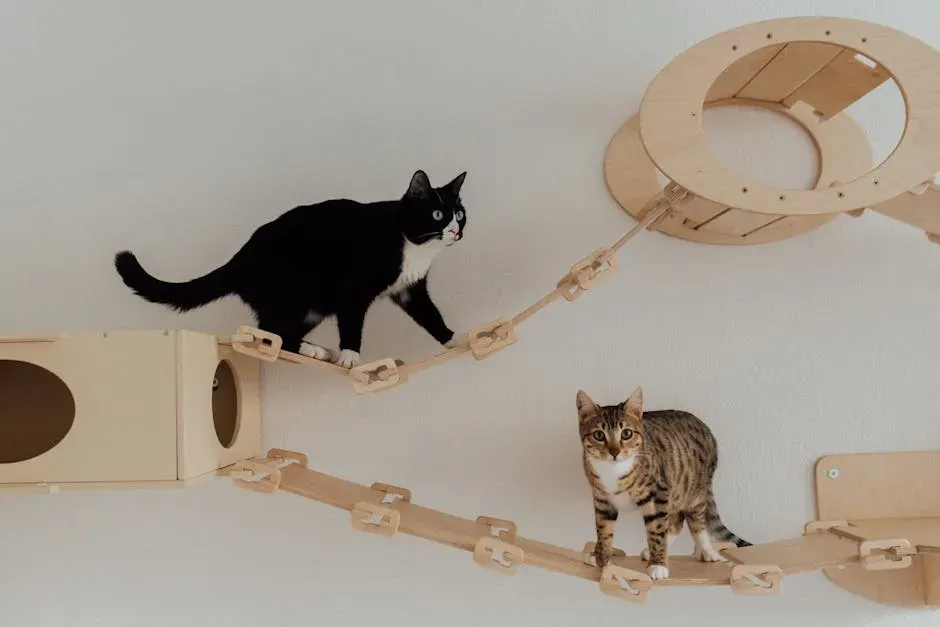
Here’s the thing about cats: they don’t just want your floor space. They crave height. One of the most important aspects of creating a cat-friendly home is making sure your cat has vertical space, and the creation of that vertical space is enormous for cats. Think of it like real estate. You’re expanding your cat’s territory upward, which is often worth more to them than double the floor area.
You can build “cat superhighways,” which are continuous elevated pathways linking furniture, shelves, ladders, and wall-mounted platforms. This opens up their territory, makes it easier for cats in a multi-cat household to get along since they can successfully share their space, and it lets your cats survey their world from on high. I think this is honestly one of the most underrated upgrades any cat owner can make, and it doesn’t have to cost a fortune.
When shopping for a cat tree, look for one that’s tall and sturdy, because the higher the tree, the wider and heavier the base needs to be to prevent the tree from toppling over when a cat makes a flying leap from the ground to a top perch. The more active the cat and the smaller the space, the more vertical space you need. If you live in a small one-bedroom apartment with two cats, then vertical spaces are going to be prime real estate and there should be lots of options.
2. Set Up Strategic Scratching Stations
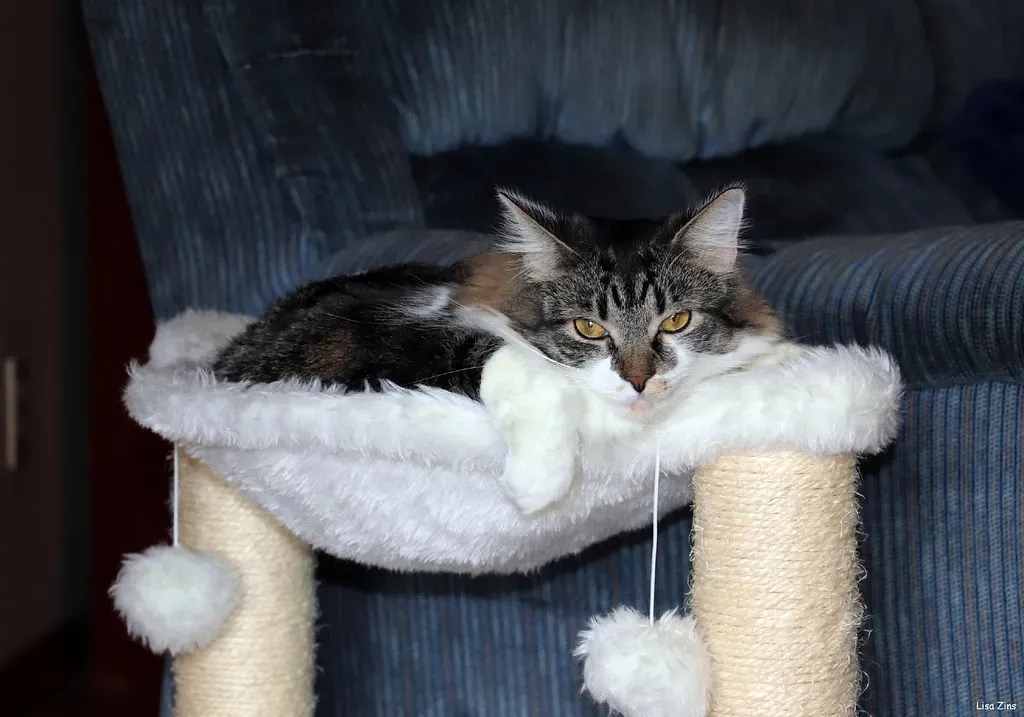
Let’s be real: your cat is going to scratch something. The only real question is whether it’ll be your sofa or a designated post. Cats aren’t just making their mark when scratching but are also stretching their back muscles and removing the outer nail sheath. It’s a fundamental physical and psychological need, not a personality flaw.
Instead of tucking away scratching posts where you’d like them, place them in spots where your cat actually wants to scratch. Make sure the scratching posts you choose are super sturdy and provide for a variety of scratching positions, including horizontal, vertical, and inclined. Location is everything here. Think of it like placing a trash can near the bin-thrower, not across the room.
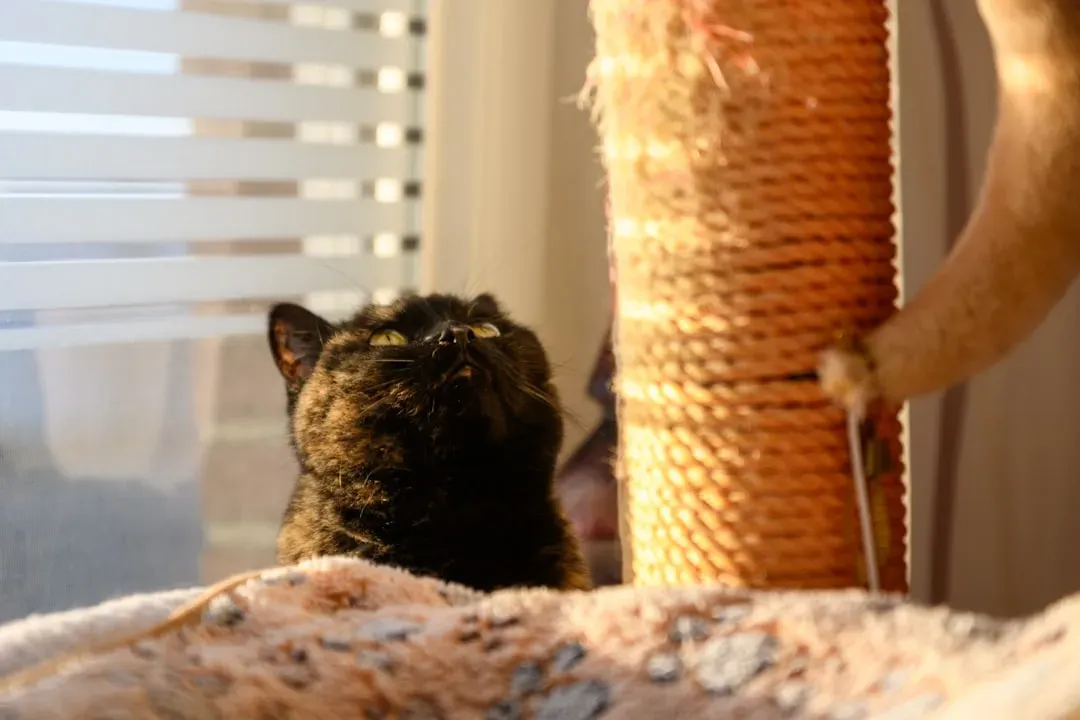
Possibly the most important thing when it comes to scratching posts is location. Cats like to scratch just after they get up from a nap, when you’ve returned home and they are greeting you, and when they have just entered a room. Options include corrugated cardboard, natural fiber rope, sisal weave mats, and carpeted surfaces. Try a few and see which material your cat gravitates toward most enthusiastically.
3. Create Cozy Hideaways and Safe Resting Spots
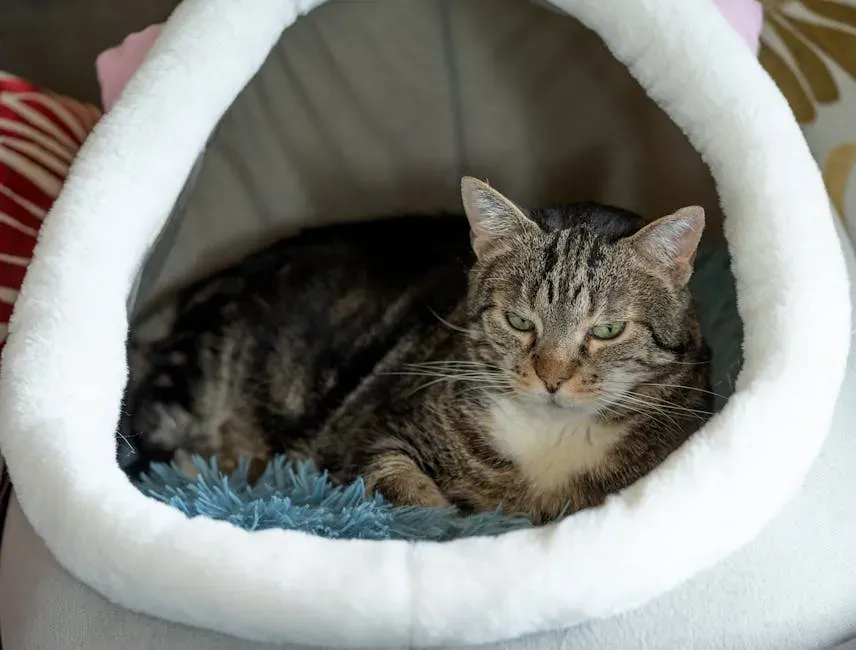
Cats are masters of contradiction. One moment they want to be at the center of everything, and the next they need total solitude. Every cat-friendly home needs good places for your cat to hide away and snuggle up, and you should provide a spot for your cat to disappear in plain sight so they can still be a part of family life but feel safe and secure. It’s a bit like having a private reading nook in a busy house.
Where you set up your cat’s feeding, water, toilet, and sleeping areas is very important to them, and firstly, these should all be in separate places. Both the sleeping and toileting spaces should be in fairly quiet areas of the house, and the sleeping area should be somewhere warm and out of any draughts. Even a simple box with a soft blanket tucked into a quiet corner can become your cat’s most treasured retreat.
A side table with a soft cat bed inside is a cool idea that will match your space, and you can even turn an old TV into a cozy cat bed, which is an easy DIY that will add charm to the space. Cats love semi-hidden spots from which they can see everything. Think of it as giving them their own version of a one-way mirror. They see all, you see nothing.
4. Design a Dedicated Window Perch Experience
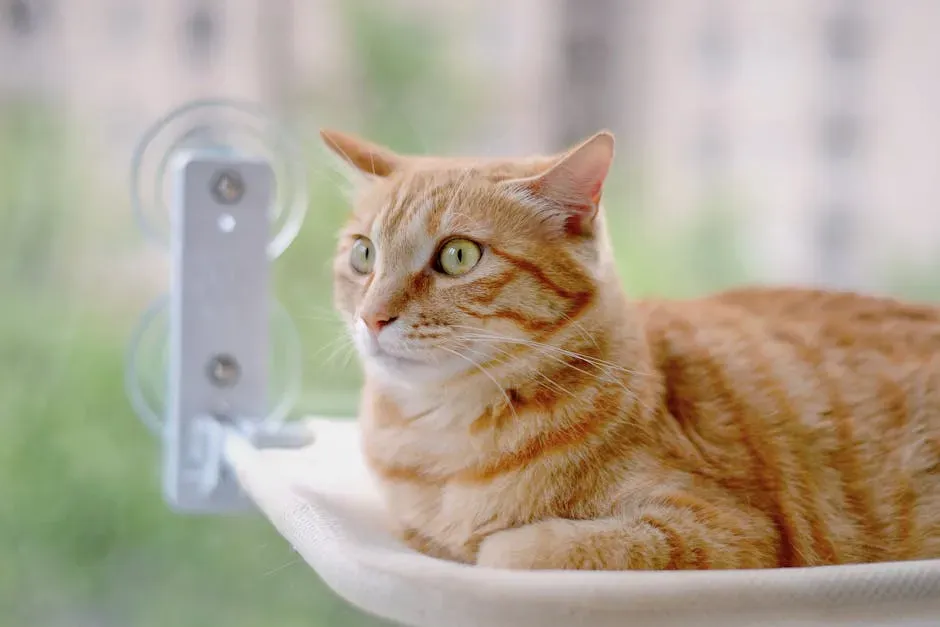
Windows are, without a doubt, a cat’s version of Netflix. A simple window view can provide hours of entertainment, as watching birds, squirrels, or passing cars stimulates your cat’s natural hunting instincts and adds valuable enrichment without requiring much effort. You don’t need to spend big for this one.
One of the best upgrades is placing a bird feeder, squirrel station, or butterfly-friendly plants directly outside the window, and the motion and activity these attract will keep your cat endlessly entertained. Adding a soft blanket, fleece pad, or small heated mat to the perch will make it extra cozy, since many cats are drawn to warmth and texture, which helps reinforce the spot as their own.
Long cords from blinds can pose a strangulation risk, so either cut them shorter or use cord winders or safety cleats to keep them out of reach. Always ensure that screens are tightly fitted and that the surface is stable enough to support your cat’s weight comfortably. A window perch done right becomes the single most-used spot in your entire home. Honestly, your cat will claim it within hours.
5. Upgrade Feeding and Water Stations Thoughtfully

Cats in the wild spend up to half of their day looking for, catching, and eating prey, and with small mammals forming most of their diet, they eat little and often. Therefore, the predictable availability of food twice daily in a bowl doesn’t challenge your cat and leaves most cats with a void of several hours that they’ll need to fill with other activities. This is a detail almost every cat owner overlooks, including me for longer than I’d like to admit.
To make feeding time more challenging and entertaining for your cat, try using puzzle feeders. Cats much prefer to drink water when it is not directly next to their feeding place, as this feels unnatural to them. Separating the food bowl and water source mimics how cats hunt and drink in nature, where prey and a water source rarely occupy the same spot.
Consider creating a dedicated feeding nook with elevated dishes to prevent spillage and reduce strain on your cat’s neck and joints. Cats feel safest when essentials like food, water, and litter are in consistent, low-traffic areas, so for food and water, make sure it’s readily available in a place that’s calm and comfortable. Small adjustments like these make a measurable difference in your cat’s daily contentment.
6. Rotate Toys and Add Scent Enrichment
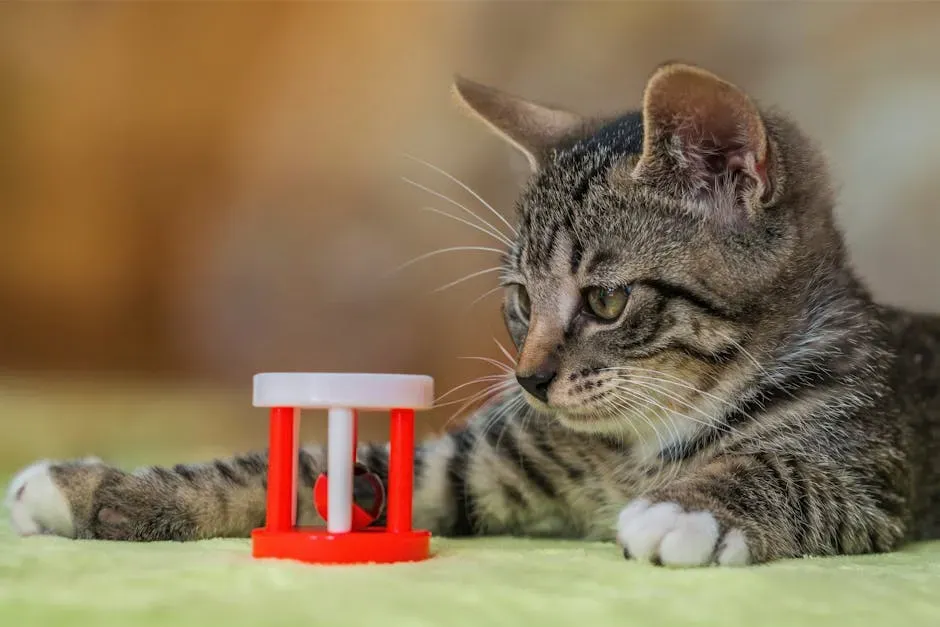
Every cat is an individual, but most prefer toys and games that are as close to the natural hunting experience as possible. Toys that move randomly are great, while those that are motionless and left lying around soon become predictable and boring. Think of a static toy left on the floor like a meal left half-eaten and then reheated three days in a row. No one’s excited about it.
For this reason, toys should be put away in a drawer or box and access rotated to ensure they remain interesting to your cat. Cats experience their world through their noses as much as their eyes, and scent enrichment can be as simple as sprinkling catnip on a scratching post, offering silver vine sticks, or hiding treats inside scent-drenched toys. It’s astonishing how much mileage you get from a toy that’s been “rested” for two weeks and then reintroduced.
Bringing the outdoors in occasionally, such as a pinecone, a non-toxic leaf, or a log from the garden, carries complex scents that your cat will spend minutes analysing. Interactive wand toys are a great way to play with your cat and enhance the bond you have with them. Pair this approach with short daily play sessions and you’ll notice your cat becoming calmer, more confident, and far less interested in unrolling your toilet paper.
7. Place Cat-Safe Plants for Sensory Stimulation
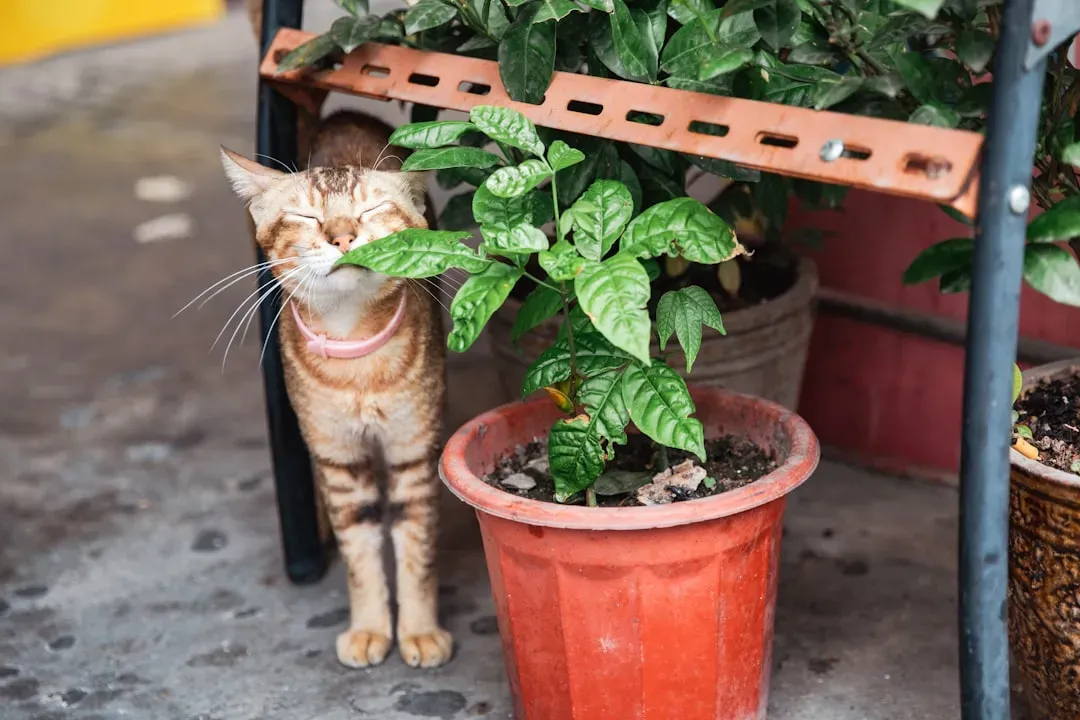
Here’s something most cat owners never consider: your indoor greenery matters to your cat just as much as it does to you. You can place cat-safe plants, like catnip or cat grass, in accessible areas to offer sensory stimulation and a natural way for cats to engage. It taps into foraging instincts that even the most pampered indoor cat still carries deep in their biology.
Cat grass, usually wheatgrass or oat grass, is easy to grow right on your windowsill, and many cats love to munch on it. You can also try catnip, silver vine, or valerian for an extra kick of excitement, but make sure any plants you bring inside are non-toxic to felines. Watching your cat sniff, rub, and chew on fresh greens is not only adorable but also helps support their digestion and overall well-being.
With its arching variegated leaves and air-purifying properties, the spider plant is both decorative and completely non-toxic to cats. Creating an indoor garden that enriches your cat’s environment while keeping them safe requires careful plant selection and thoughtful placement, and this approach helps satisfy both your green thumb and your cat’s natural curiosity. It’s one of those rare wins where your home looks better and your cat lives better, all at once.
Conclusion: Your Home, Their World
The truth is, a cat-friendly home considers their unique needs and should be both safe and stimulating for the cat, because most homes aren’t naturally set up to meet a cat’s needs, and without an environment that provides the right natural behavioral opportunities, cats can develop physical and emotional problems associated with boredom, frustration, anxiety, and lack of activity. Your home is your cat’s entire world. Every single day, from their first yawn to their last midnight sprint, it all happens within your four walls.
The seven strategies above don’t require you to turn your home into a jungle gym or sacrifice your taste in décor. They require awareness, a little creativity, and a genuine understanding of what your cat is actually asking for every time they knock something off a shelf. Just like nutrition and veterinary visits, providing stimulation is essential to a cat’s physical health, mental balance, and overall happiness, and cats who are given opportunities to climb, play, and explore not only live longer and healthier lives but also share deeper, more positive bonds with their humans.
Start with one change this week. Maybe it’s a window perch with a bird feeder outside. Maybe it’s moving the water bowl away from the food dish. Small shifts add up quickly. Your cat won’t send a thank-you card, but that long, slow blink from their new favourite perch? That’s the feline equivalent of a standing ovation. What would you try first?