You might think you know your cat pretty well. After all, they’ve been your companion for years, sleeping on your couch, knocking things off shelves, and perfecting the art of selective hearing. Yet here’s the uncomfortable truth: some of the most widely accepted beliefs about cats are completely wrong, and acting on them could be quietly damaging your pet’s health, happiness, and even lifespan.
Despite the cat’s popularity as a companion species, many owners and practitioners lack high quality information about important aspects of cat behavior and management. Myths and narratives of cats as “low maintenance, self-sufficient” animals are pervasive, and the degree to which these may underlie complacency about fully meeting cats’ needs is genuinely alarming. Let’s dive in and break these myths down, one by one.
Myth #1: Cats Are Independent Creatures That Don’t Need Your Attention
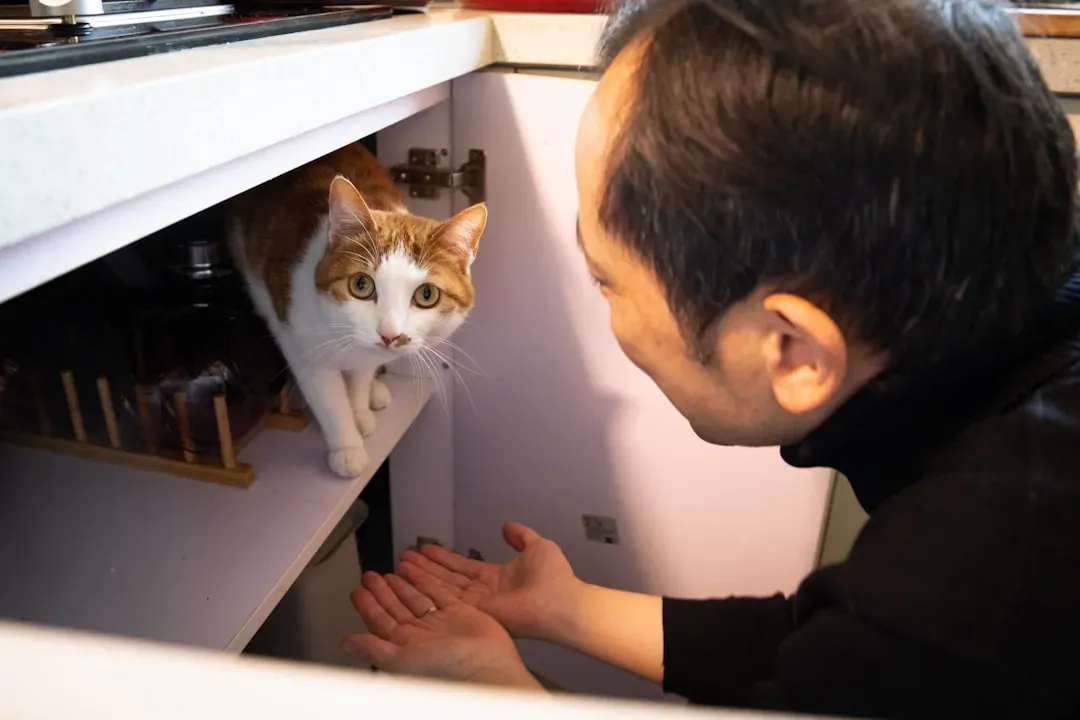
Let’s be real – this is probably the most stubbornly persistent myth about cats, and it does real damage. Cats actually need lots of interaction with their humans. If they don’t get it, they become bored and depressed, and sometimes they will act out and become destructive. Ignoring this need isn’t just unkind, it’s a welfare issue.
Viewing cats as asocial can harm them, as their caretakers are less likely to provide affection, exercise, hair brushing, toys, and veterinary care. Think about that. A single misconception about your cat’s personality can cascade into an entire neglected healthcare routine. That’s not a small thing.
Many cat caretakers assume that their pets do not need opportunities to interact with novel stimuli or experience diverse social interactions. But growing scientific evidence suggests that early exposure to other cats, humans, and a variety of environmental stimuli can benefit a cat’s social behavior and overall cognitive development. Your cat is more emotionally complex than most people give them credit for.
Myth #2: Milk Is a Healthy Treat for Your Cat
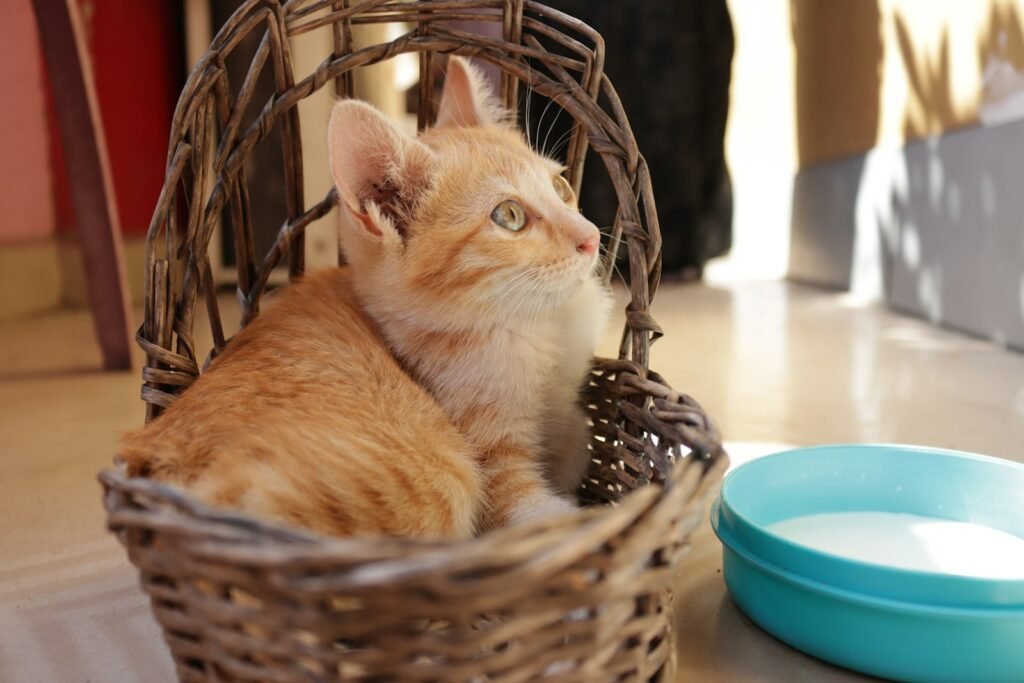
Ah, the classic image of a cat happily lapping from a saucer of milk. It’s charming. It’s also a recipe for an upset stomach. Contrary to popular imagery of cats happily lapping up bowls of cow’s milk, most adult cats are actually lactose intolerant and should not consume dairy products. This widespread misconception has led countless well-meaning owners to offer milk as a treat, often resulting in digestive upset for their feline companions.
Kittens naturally produce the enzyme lactase to digest their mother’s milk, but most cats lose this ability as they mature. When adult cats consume cow’s milk, it can cause stomach upset, diarrhea, and other gastrointestinal issues. So that “treat” you’ve been offering with good intentions? It might be making your cat miserable for hours afterward.
For cats that enjoy milk-like treats, specially formulated cat milk products are available that are lactose-free and safer for feline consumption. That’s actually a great middle ground. Your cat gets the ritual, your cat gets the enjoyment, and nobody ends up with an emergency vet visit.
Myth #3: Declawing Is a Harmless Way to Protect Your Furniture
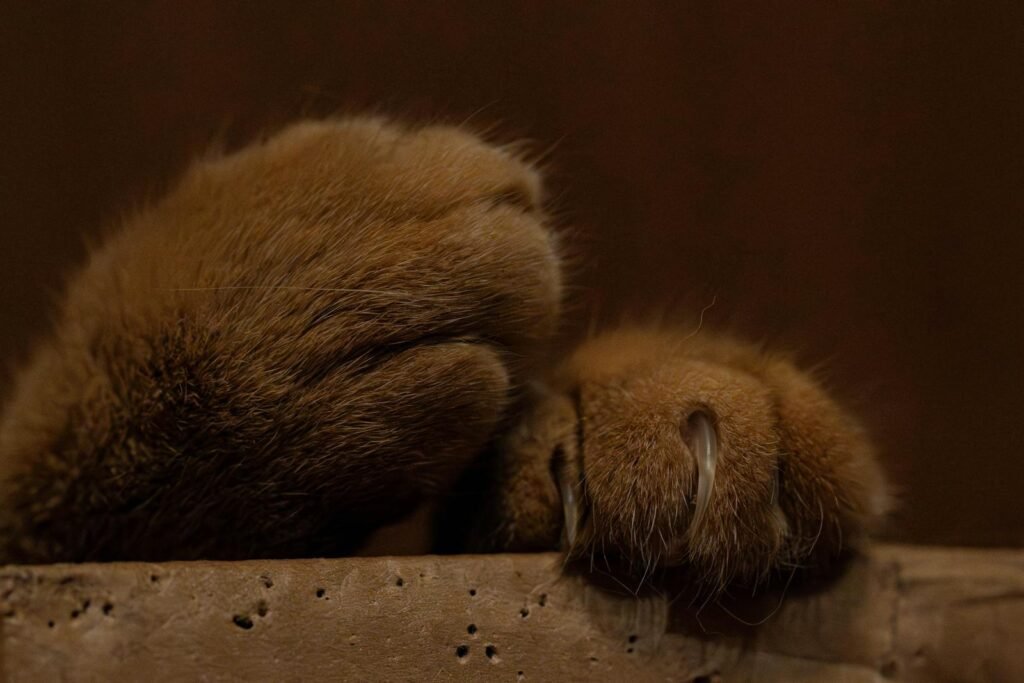
Honestly, this is the myth that upsets me most. Declawing is a surgical procedure that would be the equivalent of amputating your fingers at the knuckles closest to the fingertips. Unless a vet recommends the procedure for a medical reason, you should never declaw your cat, as it leads to long-term pain that your cat will have to deal with for the rest of their life, as well as potentially long-term behavioral issues.
Declawing is an amputation, and the surgery is extremely painful. In the long term, declawing alters everything, right down to how your cat walks, which in turn causes other physical ailments such as arthritis. This isn’t a minor cosmetic procedure. You’re fundamentally changing how your cat moves through the world, every single day.
This excruciating procedure robs cats of vital mobility and self-defense abilities. Without claws for grasping, pain-free walking is impaired long-term. Behavior issues frequently arise post-declaw as well. There are humane alternatives for directing scratching activity, making amputation absolutely unnecessary. A scratching post is a far better solution than a lifetime of chronic pain for your pet.
Myth #4: A Purring Cat Is Always a Happy Cat
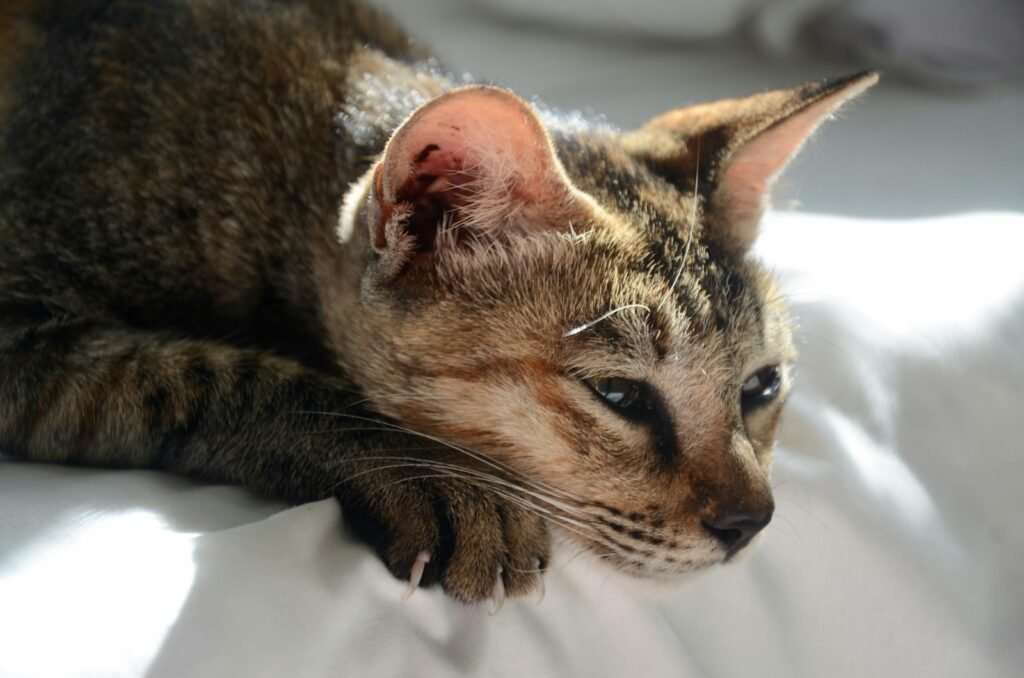
It’s one of the most comforting sounds in the world, your cat curled up beside you, purring away. But here’s the thing: that purr is far more nuanced than you might think. While cats definitely purr when they are happy, they also purr when they feel sick, are in pain, or are afraid. That changes things significantly, doesn’t it?
Purring releases endorphins, so a cat in pain may purr to self-medicate. Like a smile, it may also be an attempt at appeasement in a “threatening” situation when they’re scared. Think of it this way: humans sometimes laugh when they’re nervous. Purring can work in a similar way for cats.
Normal purrs vibrate at a frequency that assists physical healing, a kind of physiotherapy. It has been suggested that this frequency is especially helpful for bone remodeling. So the sound is remarkable and genuinely healing in some cases. But if your cat is purring and also seems withdrawn, not eating, or hiding, don’t assume everything is fine just because you hear that familiar rumble. Trust your instincts and call your vet.
Myth #5: Cats Don’t Need Training, They Can’t Learn Anyway

Here’s a myth that quietly costs cats a lot. When people assume a cat can’t be trained, they stop trying to communicate with them in a structured, positive way. The relationship suffers. It is a misconception that training is not possible or relevant for cat welfare. Cats are trainable, and the current world record for the number of tricks performed by a cat in one minute is 26. Twenty-six. Let that sink in for a second.
Cats are just as trainable as dogs. Most people do not train their cats because they don’t know how or have heard the myth that cats don’t listen or learn. But cats love training and learning just like dogs. The barrier isn’t your cat’s ability. It’s usually our assumptions.
Experts recommend teaching your cat to go inside of its carrier. This trick can decrease the stress associated with visiting the vet and could prove lifesaving in an emergency situation. You don’t need to teach your cat circus tricks. Simple, practical training like this can meaningfully improve your cat’s quality of life and make stressful situations far more manageable for both of you.
Myth #6: Indoor Cats Don’t Need Veterinary Care or Enrichment
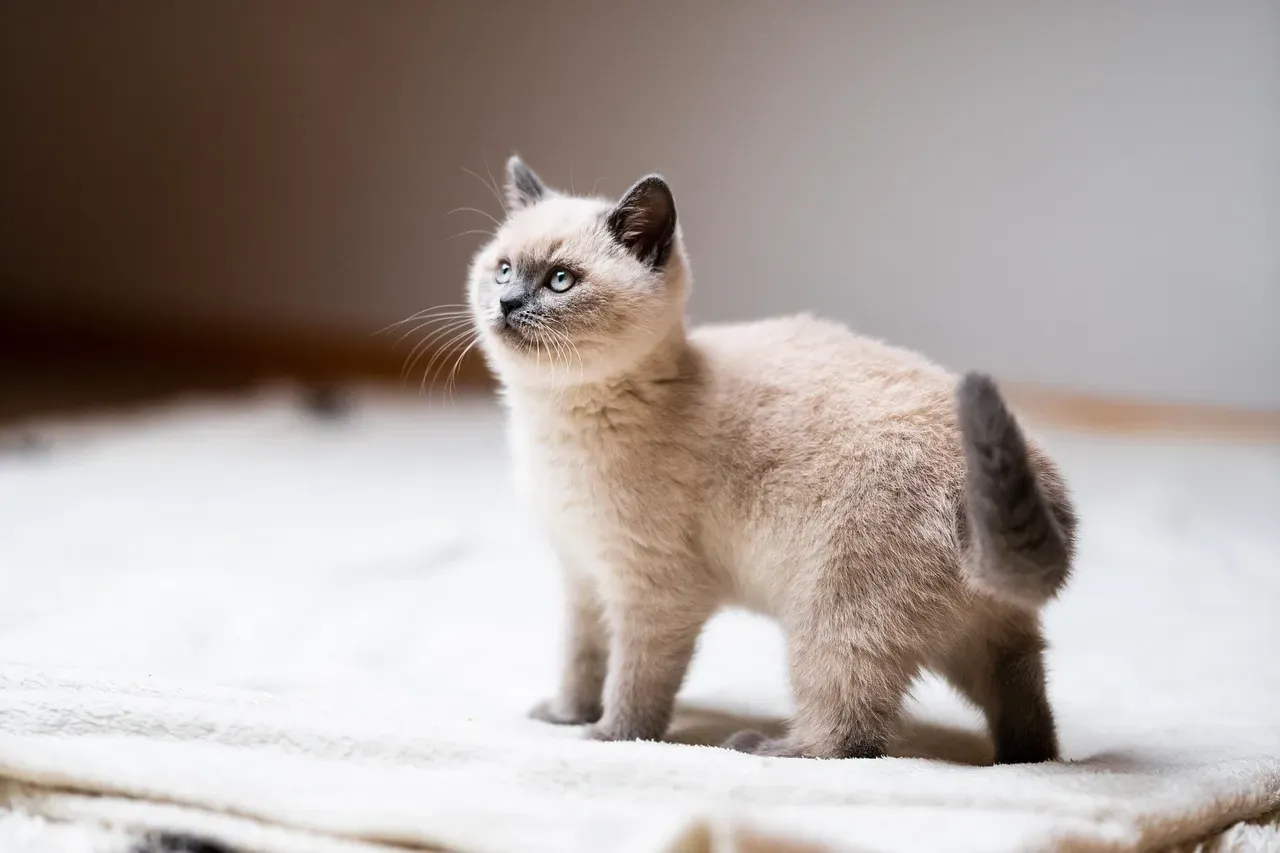
Some cat owners operate under the assumption that because their cat never goes outside, there’s very little that can go wrong. It’s a dangerously complacent mindset. Just because your little prowler spends her days and nights indoors doesn’t mean she’s not susceptible to diseases. Indoor living removes some risks, not all of them.
Cats are not low-maintenance pets. Cats that are housed exclusively indoors need a lot of enrichment in order to stay happy and healthy. Sunny windows, interactive cat toys, quality food, and clean litter boxes will keep your cat happy. Think of enrichment as mental healthcare for your cat. Without it, boredom and anxiety can follow.
The truth is indoor cats can and do get bored, but letting them outside is not a good solution. Instead, make your home more interesting: set up perches where they can watch birds from the safety of inside, build a DIY cat playhouse, hide their food or modify their feeder so they have to “hunt” for it. Small environmental changes can make an enormous difference. Your cat’s brain needs stimulation just as much as its body does.
Myth #7: Cats Have Nine Lives, So Falls and Risks Are No Big Deal
I know it sounds like something no sensible adult actually believes, but this myth influences real behavior in subtle ways. People leave windows unscreened, let cats roam near balconies, or delay vet visits because they assume cats are built to survive anything. No, cats are not invincible. The myth of cats having nine lives stems from their agility and ability to often escape from high-risk situations unscathed. However, like any other living creature, they have only one life. Cats can get injured or become ill and require careful attention to their health and safety.
The truth is cats are very agile creatures, but they can really hurt themselves if they fall the wrong way. Veterinarians use the term “high-rise syndrome” to describe cat injuries sustained from falls, including sprains, bone fractures, and even respiratory issues. Contrary to popular belief, cats are more apt to be injured from low heights than high because they don’t have time to turn or twist their bodies into the necessary position for a safe landing.
Cats only have one life and can be seriously injured or killed from falls, especially from windows several stories high. This reality makes proper safety measures, such as securing windows and balconies, essential for responsible cat ownership. Your cat’s confidence is not the same as invulnerability. Protect them like the single, precious life they actually have.
Conclusion: Your Cat Deserves Better Than Myths
Here’s the bottom line: cats are remarkable, complex, deeply feeling animals that have been misunderstood for centuries. The propagation of the myth that cats are low-maintenance companion animals likely contributes to frustration due to unrealistic expectations for cats and cat owners alike. When we buy into myths, it’s our cats that pay the price.
Several studies suggest that cat welfare and the human-cat bond may benefit from improved education about how to optimize the domestic cat’s management and husbandry needs in homes and elsewhere. You don’t need a veterinary degree to give your cat a better life. You just need accurate information and the willingness to act on it.
Each myth on this list isn’t just a harmless misunderstanding. It’s a barrier between you and a healthier, happier relationship with your pet. The good news is that once you know better, you can do better. Your cat has been waiting for you to figure this out. What other myths about your own pet have you been quietly holding onto without questioning them?