You love your cat. You feed them well, you buy them toys, you let them sleep in your bed. So why does your feline friend sometimes look at you like you’ve personally offended them? Here’s the thing: many cat owners are unknowingly making their cats miserable on a daily basis, simply by following well-meaning but ultimately stressful habits.
Felines are subtle animals and it can be tricky to tell if you’ve got a stressed cat in your home. Their behavior might change slightly, or they might begin to do things you perceive as ‘being naughty’. In fact, the domestic cat can be great at hiding signs of stress, since it’s in their nature. That means your cat might be silently struggling, and you’d never even know it. Let’s dive in and see exactly which everyday habits are doing more harm than good.
1. Ignoring the Power of Routine
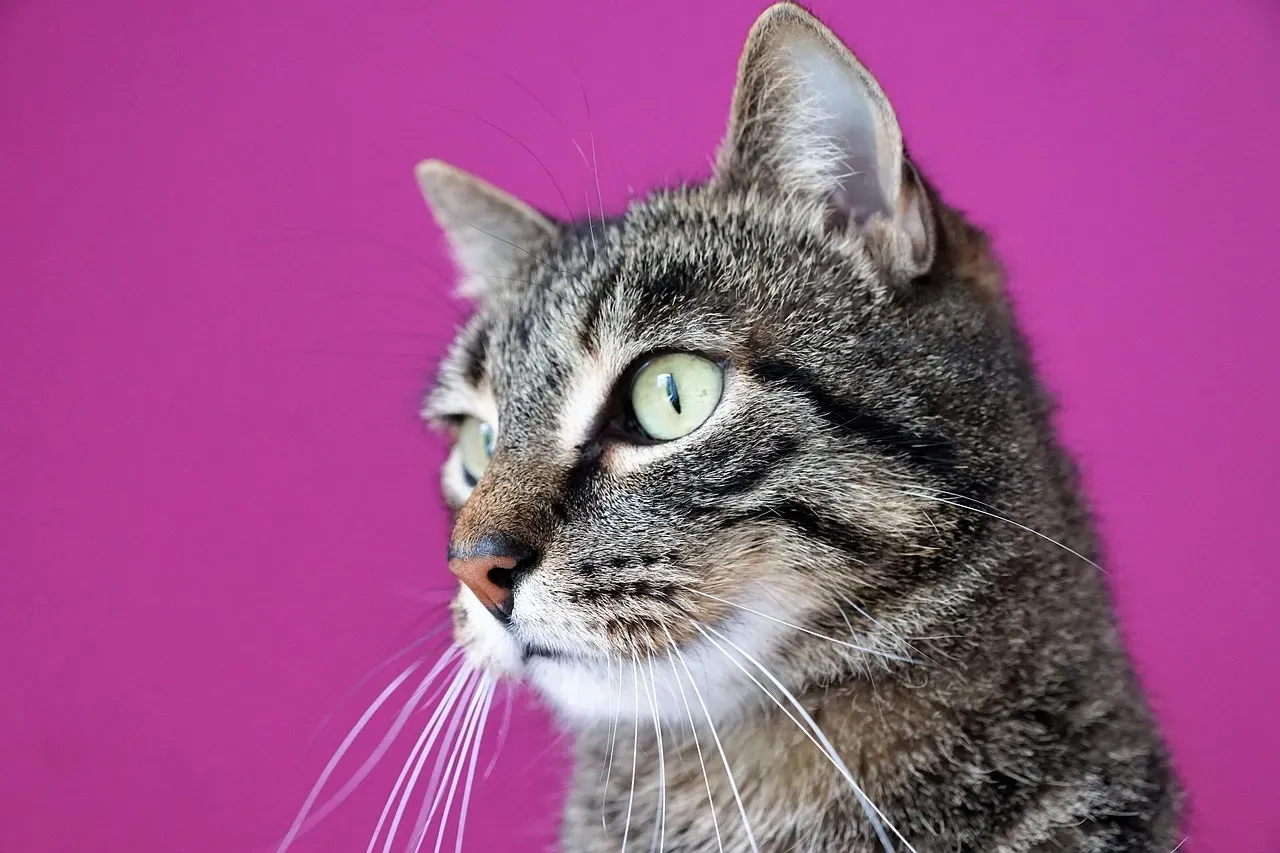
Moving to a new home, rearranging furniture, or even small changes in their usual environment can stress cats. They are creatures of habit and thrive in stable, predictable environments, and any significant changes can make them feel insecure and anxious. Think of your cat’s daily routine the same way you’d think of a toddler’s nap schedule. Mess with it, and things get ugly fast.
Cats love routine as they are creatures of habit. Try to keep to your daily routine as much as possible with the same feeding schedule every day. That means feeding your cat at the same time, playing with them at consistent intervals, and even scooping the litter box on a predictable schedule. Small acts of consistency add up to a calmer, happier cat.
2. Using Strong Scents and Chemical Cleaners Around Them
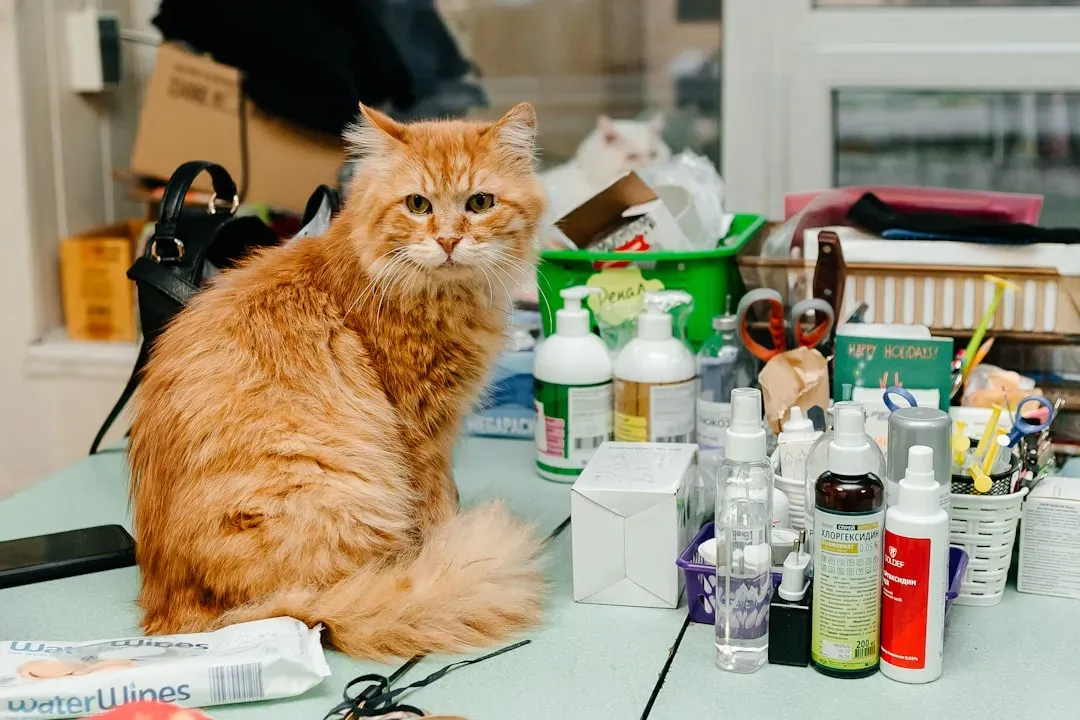
Cats have an incredible sense of smell which is much more powerful than ours. Significant changes to the smell of their home can be a real concern to cats, even though it may not be obvious to us. Honestly, this one blows people’s minds every time. That lavender-scented diffuser you love? Your cat might be absolutely horrified by it.
Many scents and smells associated with cleaning products can even be harmful to cats: ammonia, hydrogen peroxide, and other household cleaners are very irritating to cats’ eyes and skin. Essential oils can be accidentally absorbed or ingested, too, and exposing a cat to even the smallest amount of some oils can cause liver, respiratory, and even neurological problems. When you’re deep-cleaning your home, make sure your cat has a safe, unscented retreat space to escape to.
3. Forcing Physical Affection When They Don’t Want It
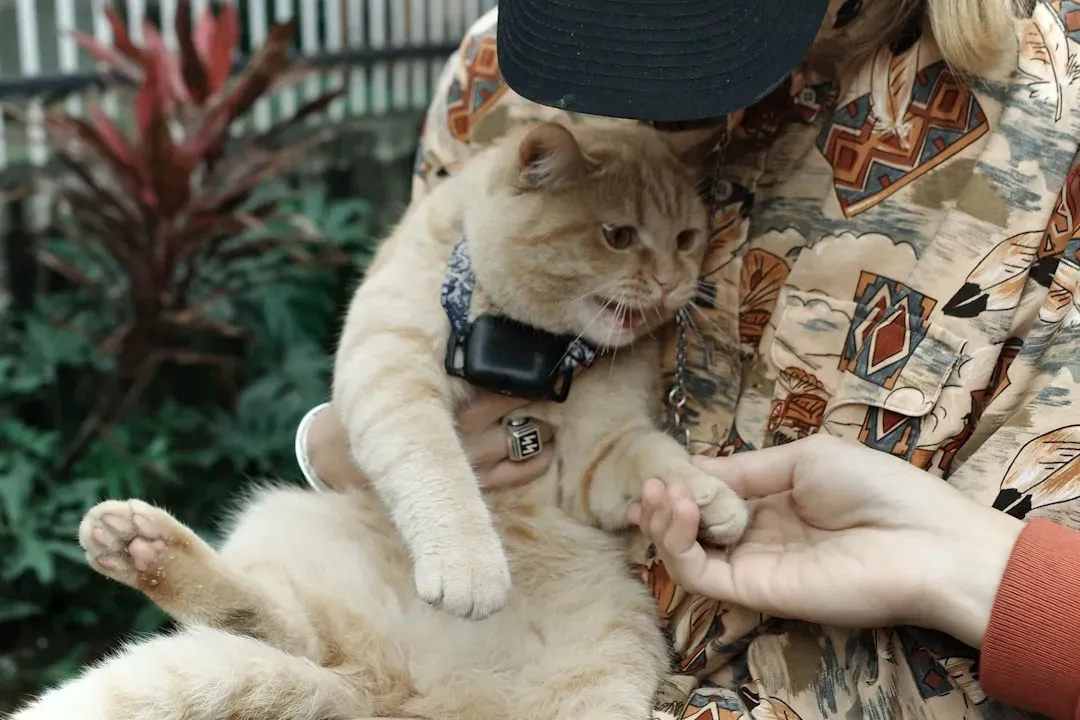
Being stroked or picked up when it’s not wanted or enjoyed is stressful for cats. This is one of the most common mistakes loving cat owners make, and I get it. Your cat is sitting there looking adorable, and all you want to do is scoop them up. The problem is, cats are not stuffed animals.
Some owners can inadvertently play a part in increasing their cat’s stress levels. This can be through wanting more contact than their cat is comfortable with, such as picking them up frequently, or being inconsistent in how they behave towards their cat. If the cat is punished for an unwanted behavior, this can damage the relationship between a cat and their owner, as the cat may view their owner as unpredictable and choose to avoid them or even act defensively. Let your cat come to you on their own terms. It’s a rule worth respecting.
4. Introducing New People or Pets Too Quickly
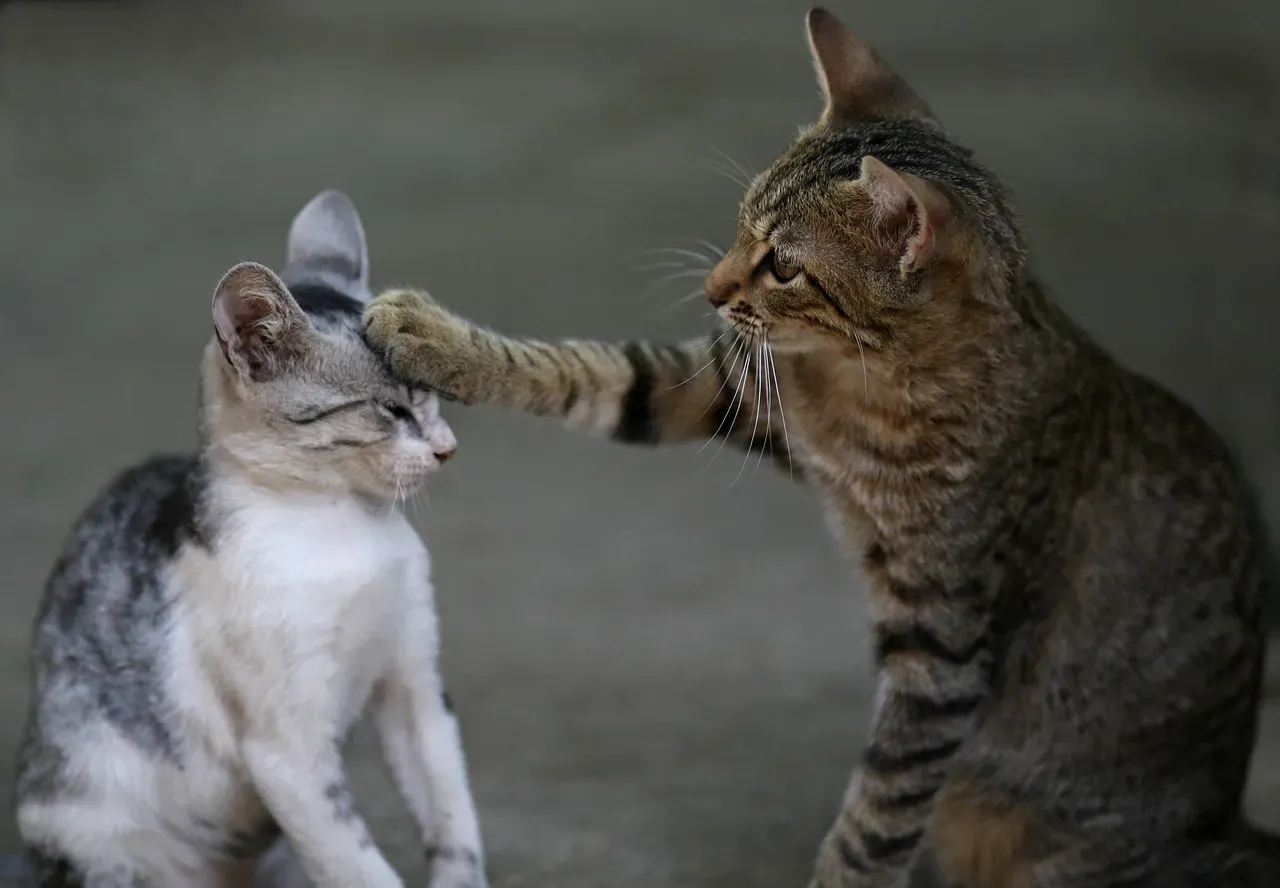
For cats, any change in your inner circle can trigger stress. This includes people leaving the household and new people joining the household. In fact, a visit from a stranger was the single most common source of stress for cats, according to a review in the Scientific World Journal. That’s not a small detail. A single stranger walking through your front door can send your cat into a spiral of anxiety, hiding, and behavioral changes.
The combination of a potential threat of a new cat and the new scents around the home can cause a lot of stress in your cat. Try slowly acclimating new cats or other pets to your cat by keeping them in separate rooms and allowing them to smell each other before meeting. Patience really is everything when it comes to feline introductions. Rushing it almost always backfires.
5. Sending Mixed Messages With Inconsistent Rules
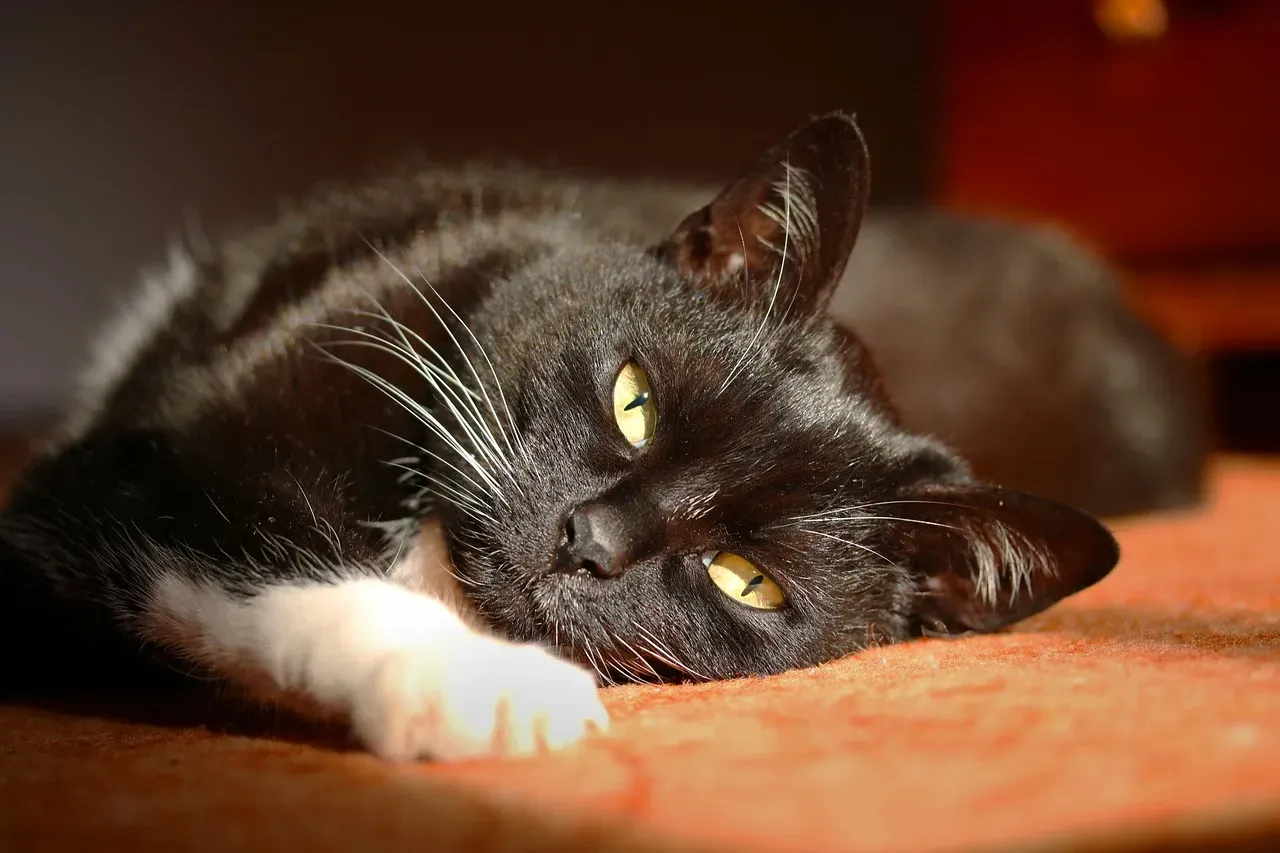
Scolding your furry friend for sitting on the couch and then inviting him to sit on it with you to cuddle sends mixed messages and stresses him out. Keep house rules consistent to avoid miscommunication. Let’s be real, most of us have done this. You shoo the cat off the counter in the morning, and then absentmindedly let it happen in the evening while you’re distracted. Your cat notices every single time.
Never punish or scold your cat for unwanted behaviors, period. This only increases fear and makes things worse. Positive reinforcement is far more effective and, crucially, far less stressful for your cat. A calm, consistent household helps your cat feel genuinely secure, like a place they can actually relax in without second-guessing every move.
6. Neglecting Environmental Enrichment and Mental Stimulation
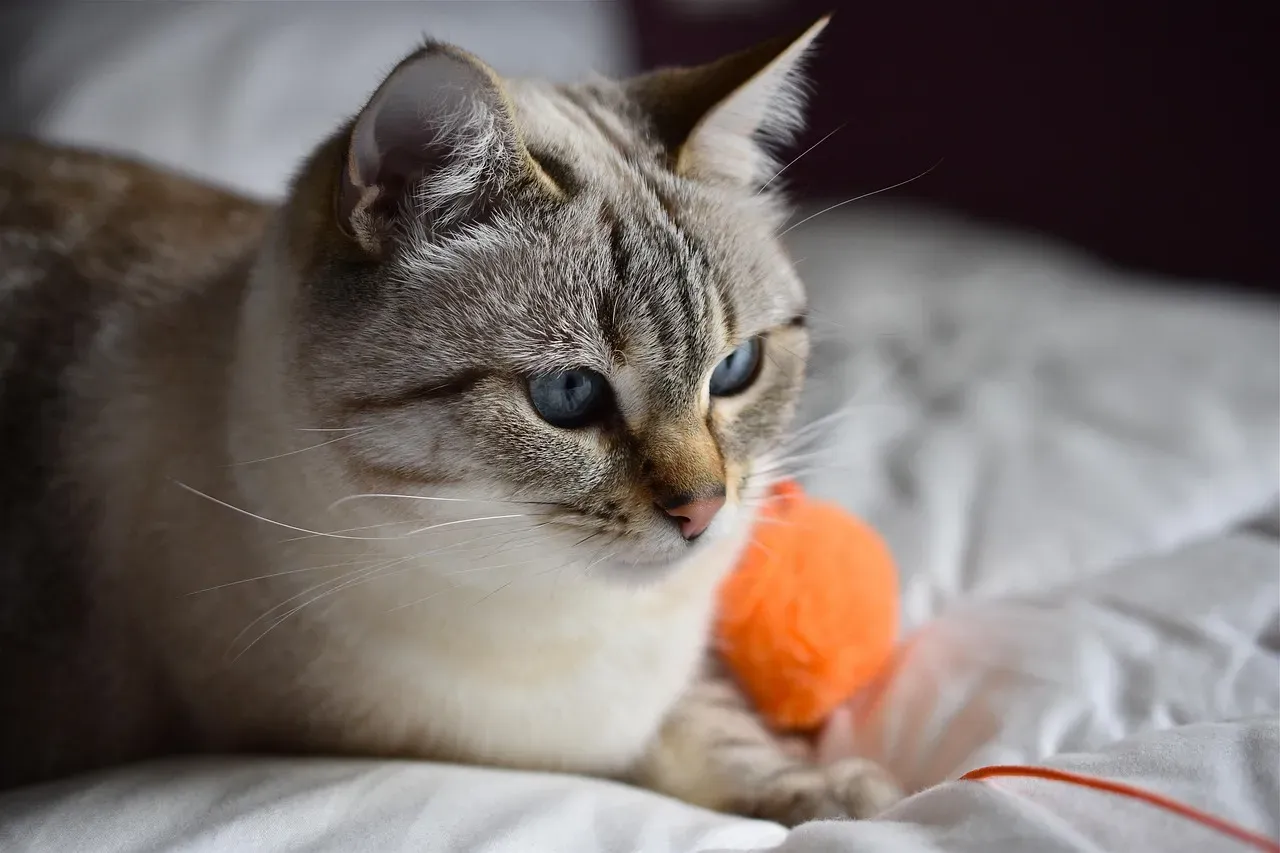
If your cat is kept exclusively indoors, you’ll need to provide a dynamic and challenging home environment for exercise and entertainment, to prevent boredom and frustration. Cats need to behave like cats for their emotional and physical health, so providing your cat with a setting that is as close to their natural habitat as possible, with objects to climb, for example, is essential. A bored cat is not a peaceful cat. It’s a cat that scratches your sofa, knocks things off shelves, and yowls at 3 a.m. for fun.
Cats can become stressed because they lack environmental enrichment and physical and mental stimulation, so they entertain themselves by scratching in inappropriate areas. Think of enrichment less as a luxury and more as a basic need. Make sure to provide plenty of environmental stimulation, such as interactive toys and puzzle feeders, to prevent boredom and the stress that can accompany it. Try pairing a food puzzle with some calming chews to combat anxiety on two fronts.
7. Overlooking the Hidden Stressor of Loud and Unexpected Noises
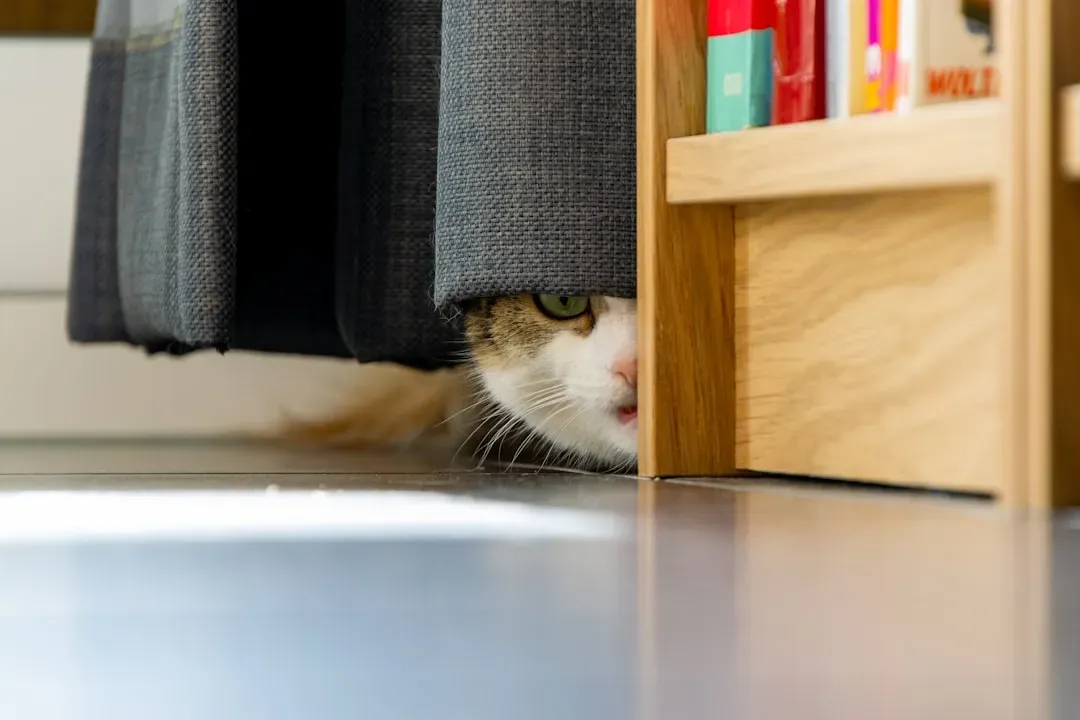
Cats have ultra-strong hearing senses, with about three times the upper range of human hearing. This means when the garbage truck comes by, when the doorbell rings, or the neighbor’s dog barks incessantly, your cat definitely minds. High-pitched sounds, such as humming from lightbulbs and electronics, dimming switches, or the kettle heating up your nightly tea, could also be adding to your cat’s discomfort.
You might not even register those small background sounds as noise. Your cat registers every single one of them. Common feline stressors often include changes to the home environment, such as new people, pets, or smells, loud noises, and leaving the house for a groomer or vet visits. Creating a designated quiet space where your cat can retreat, away from electronics, appliances, and general household chaos, can make a genuinely significant difference to their daily stress levels.
Conclusion: Your Cat Is Counting On You to Notice
Here’s what makes this topic so important: most of these habits come from a place of love, not neglect. You’re not deliberately stressing your cat out. Because chronic stress can lead to health issues in cats, it’s important to identify the source and help promptly. The signs are often too subtle to catch unless you know what you’re looking for.
It’s unrealistic to expect a life for your cat that has no potential stress triggers, but appreciating what those triggers might be and keeping them to a minimum will reduce the likelihood of any problems developing because of chronic stress. Start small. Pick one habit from this list and make a change today. Your cat may never say thank you, but the purring, the relaxed tail, and the slow blink? That’s them saying it in the only way they know how. So, which of these habits did you recognize in yourself?