You love your cat. You’ve made them a cozy corner, bought the best food, and maybe even splurged on a fancy water fountain. You think your home is safe. But here’s the thing – some of the most dangerous threats to your feline companion are hiding in plain sight, disguised as completely normal, everyday objects.
Most cat owners never suspect a thing until something goes terribly wrong. The reality is that cats process chemicals differently than dogs or humans. Their liver lacks certain enzymes that help break down and eliminate toxins, making them far more susceptible to poisoning from even small amounts of common household items. What barely bothers you can devastate them. So let’s pull back the curtain on what’s really lurking in your living room, kitchen, and bathroom. Be surprised by what you discover.
1. Lilies: The Deadliest Bouquet You’ve Ever Brought Home

Honestly, this one still shocks me every time I read about it. You might grab a bouquet of lilies from the grocery store because they’re beautiful and affordable – and that’s completely understandable. But if you have a cat, that simple decision could become life-threatening.
Lily poisoning was the number one exposure call to Pet Poison Helpline for cats in 2023. Both true lilies (Lilium species) and daylilies (Hemerocallis species) can cause kidney failure in cats. That’s not a small concern – that’s a potential death sentence hiding in a vase on your kitchen table.
Small ingestions of the petals or leaves – even the pollen or water in the vase – can result in severe, potentially irreversible kidney failure. Immediate veterinary care is imperative. Think about it like this: your cat doesn’t even need to chew the plant. Simply rubbing against a lily and then grooming themselves could be enough. The best way to prevent your cat from being poisoned is simply to not have lilies in your home or garden.
2. Household Cleaning Products: Squeaky Clean, Secretly Lethal
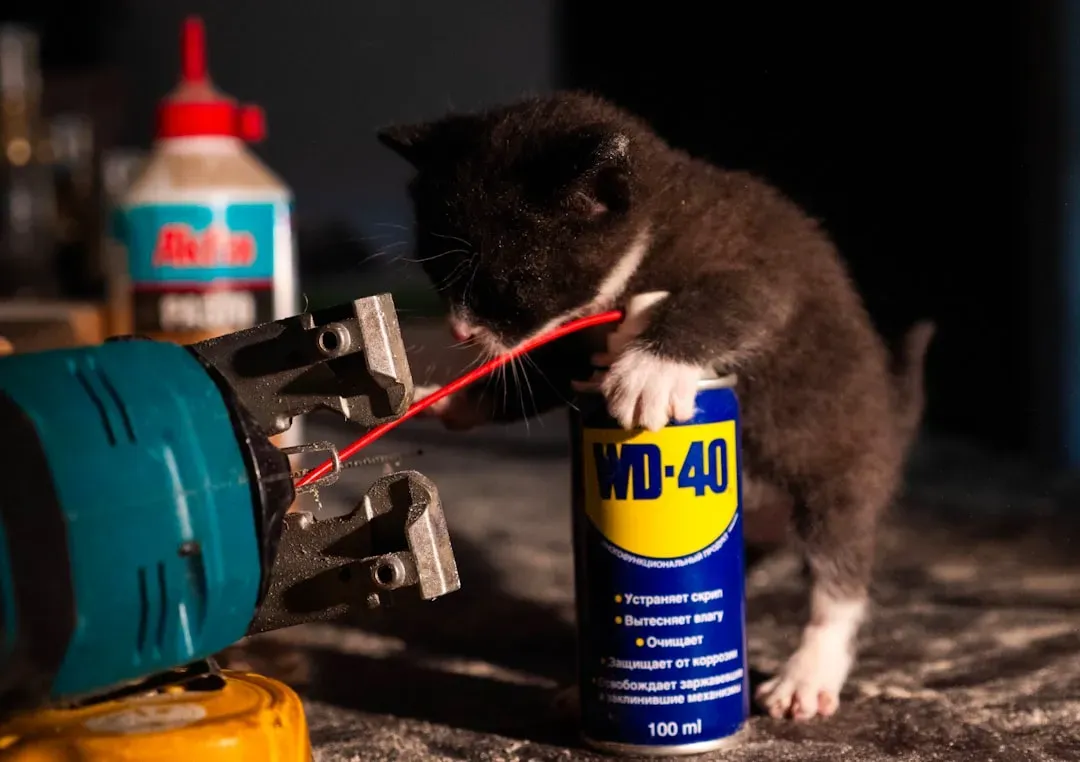
Here’s something that will make you pause before you grab that spray bottle. Common household cleaners, including kitchen and bath surface cleaners, carpet cleaners, and toilet bowl cleaners, can be toxic to cats. Symptoms can include stomach upset, chemical burns, respiratory signs, and even organ damage, depending on the product.
Bleach is harmful if ingested and can cause serious damage to your cat’s mouth, throat, stomach, and intestines. Ammonia-based cleaners are also dangerous because they can irritate a cat’s skin and eyes. The sneaky part? Your cat doesn’t need to drink the cleaner directly. Even indirect exposure, such as licking paws that have walked on a bleached surface, can be harmful.
Long-term exposure to toxic household cleaners can lead to chronic health issues for cats, including respiratory problems, skin allergies, and even liver and kidney damage. Prolonged contact with toxins weakens their immune systems, making them more susceptible to other illnesses. The fix? A simple mix of white vinegar and water can handle most cleaning tasks without putting your cat in harm’s way.
3. Essential Oils and Diffusers: Your Wellness Habit, Their Worst Nightmare
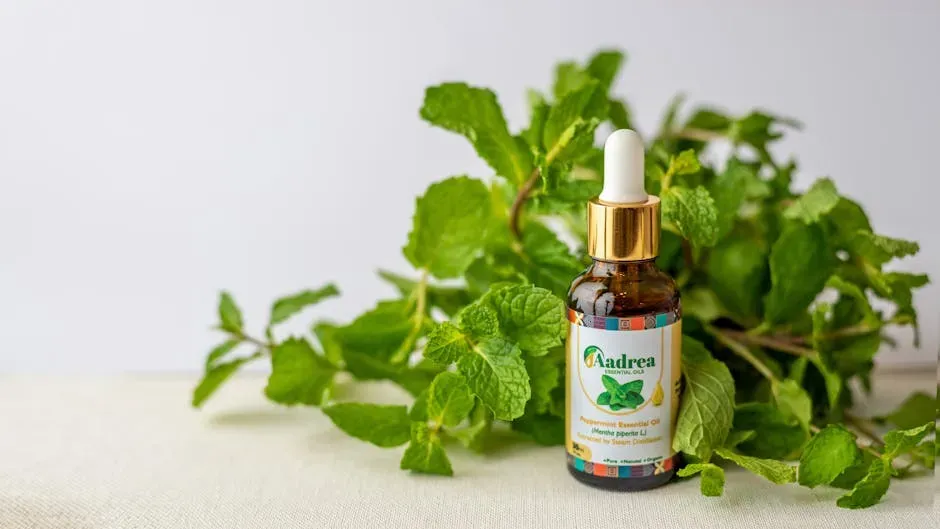
Let’s be real – essential oils are everywhere in 2026. People diffuse them for sleep, anxiety, energy, focus – you name it. The problem is that what soothes you could seriously harm the cat lounging across the room.
Cats lack an essential enzyme in their liver and as such have difficulty metabolizing and eliminating certain toxins like essential oils. Cats are also very sensitive to phenols and phenolic compounds, which can be found in some essential oils. Essential oils known to cause poisoning in cats include oil of wintergreen, oil of sweet birch, citrus oil, pine oils, Ylang Ylang oil, peppermint oil, cinnamon oil, pennyroyal oil, clove oil, eucalyptus oil, and tea tree oil. Symptoms can include drooling, vomiting, tremors, wobbliness, respiratory distress, low heart rate, low body temperature, and liver failure.
Cats are highly susceptible to getting sick from breathing in essential oils via your home diffuser, and vapor from the oils can get onto their skin as well. Cats are expert self-groomers, and if they lick essential oil residue off their skin, it can poison them or cause serious signs of illness. Essential oils can be toxic to cats through skin contact, ingestion, and inhalation. Coming into contact with essential oils in these ways can cause serious organ damage to cats – including liver failure, seizures, and even death.
4. Human Medications: The Pills on Your Nightstand Are a Real Threat
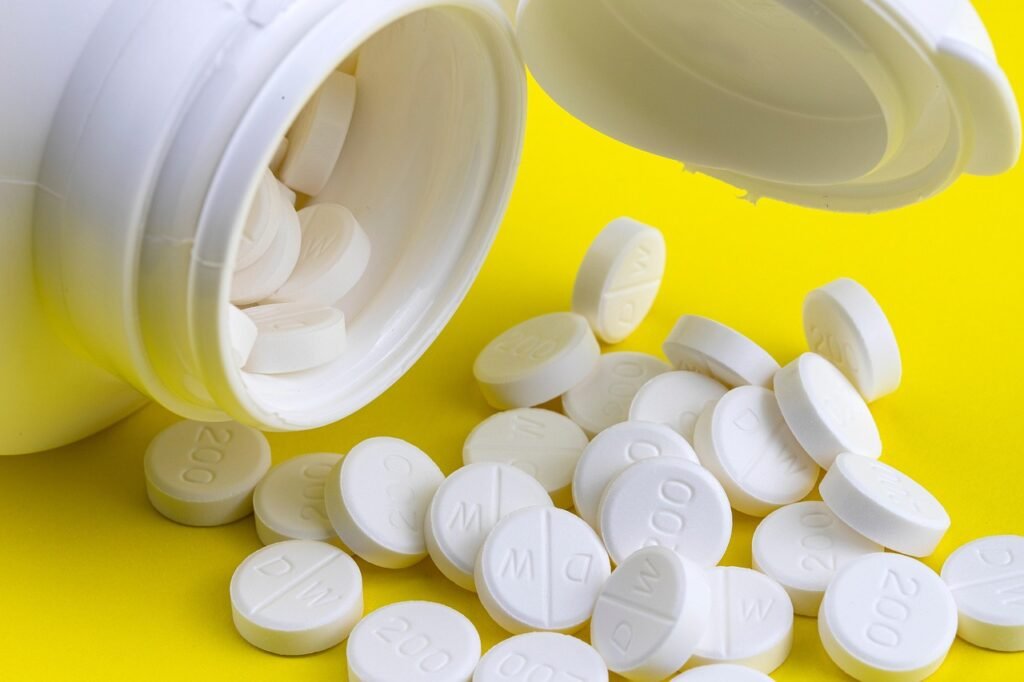
Picture this: you take your ibuprofen, set the pill bottle on your nightstand, and go to sleep. Your cat, always curious, investigates. This scenario plays out in households everywhere – and the consequences can be devastating.
Acetaminophen (e.g., Tylenol®) can be fatal to a cat that ingests just one tablet, resulting in severe anemia, difficulty breathing, swelling of the face and paws, and liver failure. One tablet. That’s it. No dramatic quantities needed. These medications are some of the deadliest for cats, due to cats’ decreased ability to metabolize them compared to humans and dogs.
Cats seem to like the taste of certain antidepressants (e.g., Effexor) and ADHD medications (e.g., Adderall), which may contain an attractive smell or flavor in the coating. Ingestion of these medications may lead to cardiovascular and neurologic stimulation. It sounds almost bizarre, but it’s completely true. Common medications can be dangerous or even fatal to animals and are one of the most frequently reported animal companion poisonings. Always store these and other medications in secure cabinets, never on countertops, nightstands, or in bags left within reach.
5. Common Houseplants: Not All Green Is Good
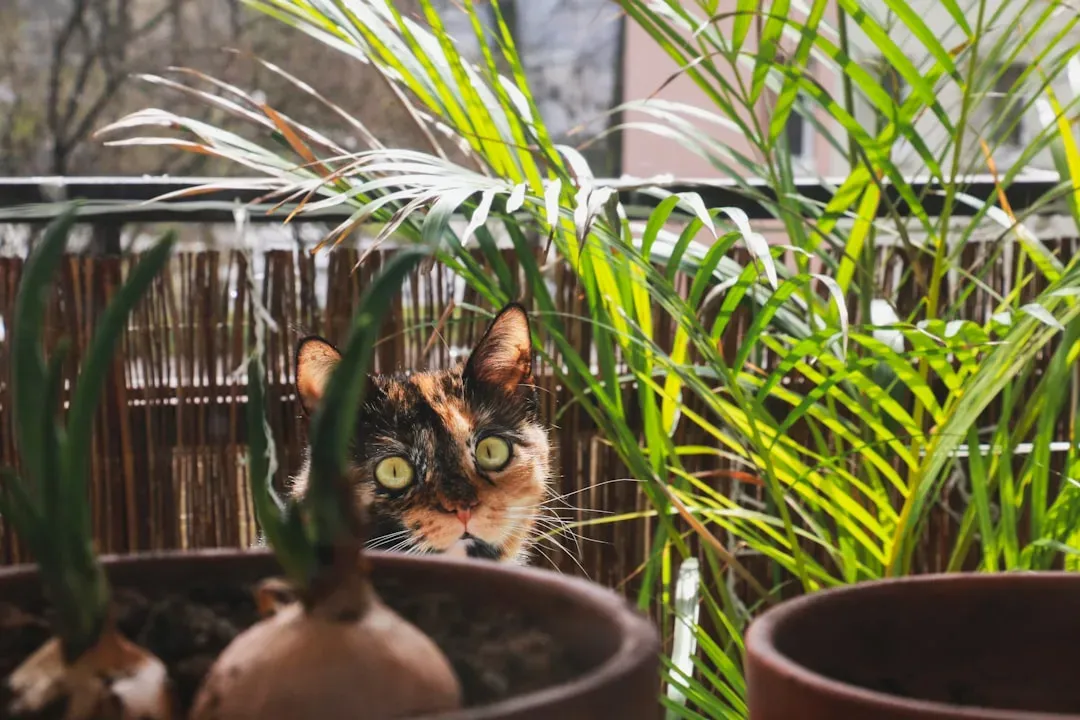
Decorating your home with lush greenery feels wholesome and healthy. It’s an Instagram-worthy choice that also purifies your air. The trouble is, some of the most popular houseplants on the market are genuinely toxic to your cat – and they don’t come with warning labels.
Houseplants including philodendron, sago palm, chrysanthemum, and snake plants are poisonous to dogs and cats. The sago palm contains cycasin, which is extremely toxic to cats. It should be completely avoided, as it can cause dangerous gastrointestinal and liver damage, and in some cases even death. That’s a popular decorative plant casually sold in garden centers everywhere.
Curious cats may nibble on leaves or flowers, exposing themselves to toxic substances that can cause mild irritation, severe health issues, or even death. The toxicity of a plant can vary widely – some may only cause mild gastrointestinal upset, while others can lead to more serious conditions such as kidney failure, heart problems, or neurological disorders. If you’re a plant lover with cats at home, spider plants, Boston ferns, bamboo palms, and moth orchids are just a few options that allow you to enjoy indoor greenery without risk to your cats.
6. Small Objects Like Rubber Bands and Hair Ties: A Choking Catastrophe Waiting to Happen
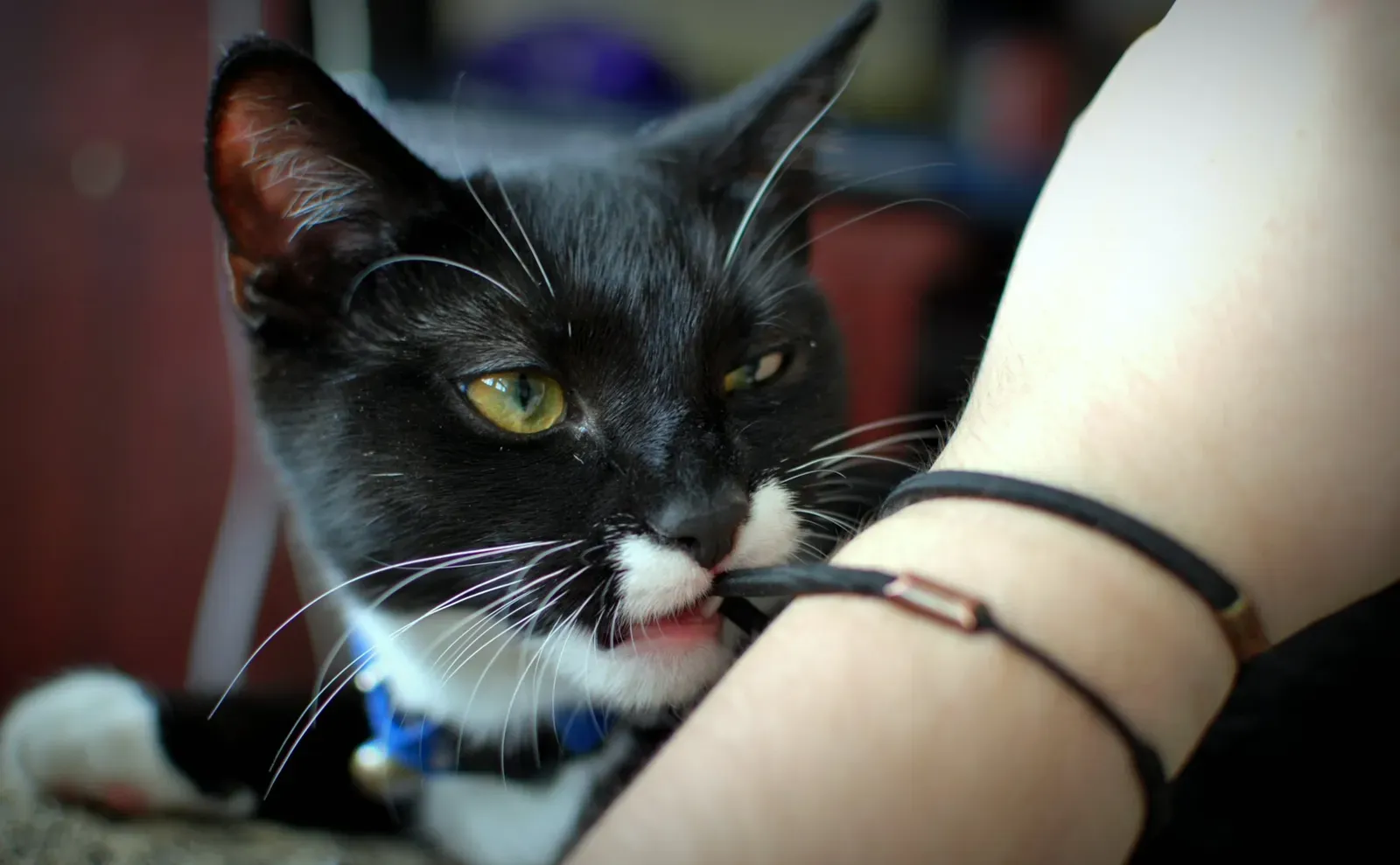
This one tends to catch people completely off guard. You drop a hair tie on the bathroom floor without thinking twice, and there’s your cat – batting it around like it’s the most entertaining thing in the world. It’s adorable, right up until it isn’t.
Rubber bands, hair ties, and other small objects can be dangerous to cats if ingested. They can become lodged in a cat’s digestive system, leading to serious health problems like gastrointestinal issues, intestinal blockages, and even death. Think of it like swallowing a rubber band yourself – except a cat’s digestive tract is far smaller and more delicate.
Cats are attracted to ribbons, garlands, rubber bands, tinsel, and thread, but unfortunately tend to swallow those items, sometimes requiring surgery. A large percentage of cat surgeries were the result of swallowed objects, including string, cord, dental floss, and small objects like batteries, coins, or buttons. Hair ties, earplugs, and earbuds show up a lot in surgery. The solution is simple in theory – just keep these items out of reach. In practice, it requires making a real habit of it every single day.
7. Onions, Garlic, and Other Allium Foods: The Kitchen Danger You Never Suspected
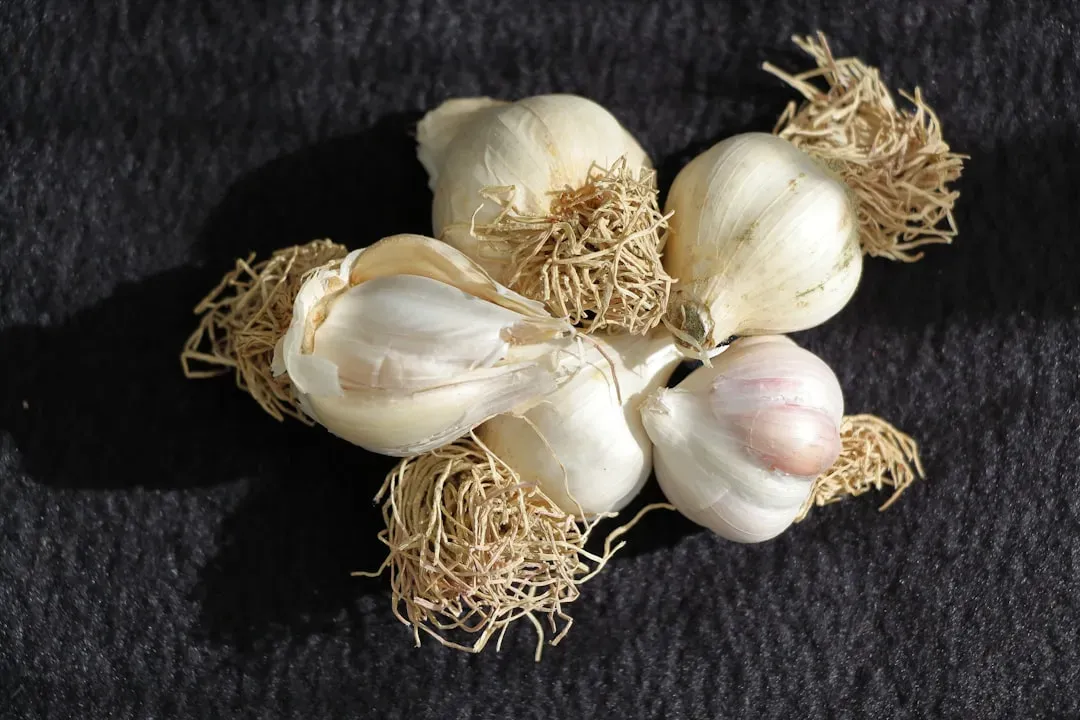
Here’s a question most cat owners have never even considered: what happens if your cat nibbles on a piece of garlic bread, or licks a spoon that touched onion soup? The answer is far more alarming than you’d expect.
The sulfur compounds in onions and garlic can damage red blood cells in cats, leading to anemia. Unlike dogs, cats are even more sensitive to these compounds because of their unique metabolism. Symptoms of onion or garlic poisoning in cats include vomiting, diarrhea, lethargy, pale gums, and decreased activity. Pale gums in a cat are a serious red flag that something is very wrong.
All members of the allium family can damage red blood cells in both cats and dogs, which can lead to anemia. This includes chives, leeks, and shallots – things that routinely find their way into everyday cooking. Onions and garlic can damage a cat’s red blood cells, leading to life-threatening anemia. The danger isn’t limited to raw forms either – cooked garlic and onion powder are just as problematic, and powder is arguably more concentrated and therefore more dangerous.
Your Cat Depends on What You Know
It’s easy to assume your home is already a safe space for your cat. After all, you love them – of course you’d never intentionally put them in danger. The hard truth is that danger doesn’t always announce itself.
The items on this list are not obscure substances locked away in a laboratory. They’re on your kitchen counter, in your bathroom cabinet, sitting in a vase on your dining table, or scattered on your bedroom floor. The gap between “completely harmless” and “life-threatening” for a cat can be surprisingly narrow.
Take a slow walk through your home today with fresh eyes. Look at everything from your cat’s perspective – what can they reach, sniff, lick, or swallow? Small changes, like storing medications in sealed cabinets, swapping out toxic plants, and keeping hair ties in a drawer, can genuinely save a life.
After all, your cat cannot read warning labels. That responsibility falls entirely on you. Did you spot any of these dangers already lurking in your own home? Tell us in the comments – you might just help another cat owner realize something they’d never thought to question.