You set your hair tie on the bathroom counter, turn around for ten seconds, and it’s gone. Completely vanished. You search the usual spots, find nothing, and eventually give up. Two weeks later, you discover a small pile of hair ties, a pen cap, and one of your earrings hidden under the sofa like some kind of tiny criminal treasure chest. Sound familiar?
Living with a cat means sharing your home with a creature that operates by its own set of completely baffling but utterly fascinating rules. Your cat isn’t malicious – honestly, that’s almost the strangest part. There’s real science and instinct behind all of it, and once you understand why they do it, you’ll start looking at your missing belongings in a very different way. Let’s dive in.
Hair Ties and Elastic Bands: Your Cat’s Favorite Heist Target
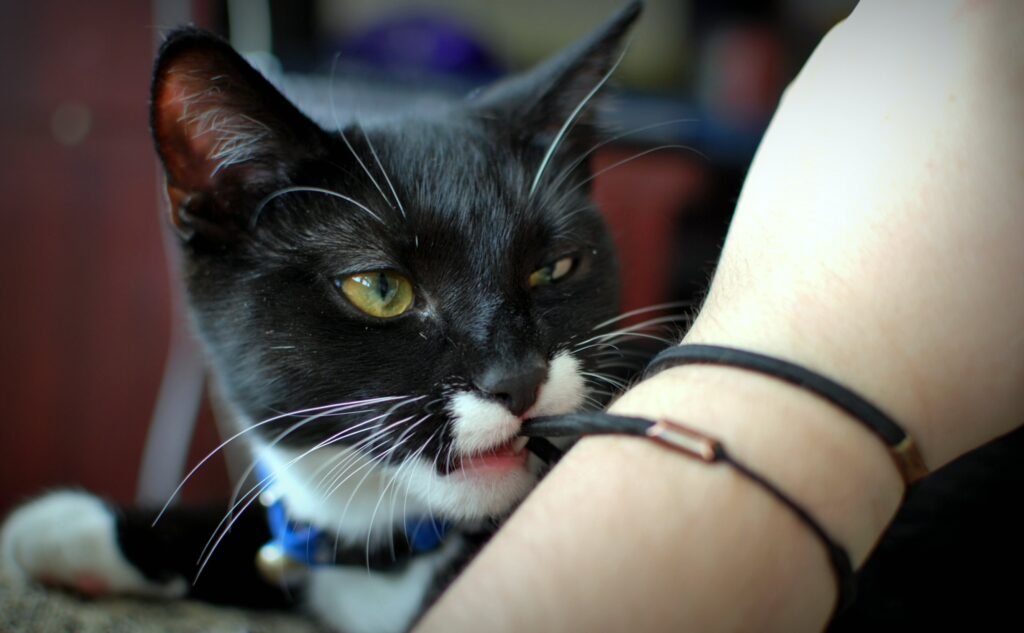
If there’s a single item that disappears from human homes at an alarming rate, it’s the humble hair tie. One pet owner reported that after moving her couch away from the wall, she discovered thirty hair ties behind it. She had kept buying them because she assumed she was losing them herself, never once suspecting her cat was the real culprit. That’s not just quirky. That’s a dedicated career in theft.
Hair ties and rubber bands are prime targets for feline chewers because their texture is similar to meat. This is where the behavior shifts from amusing to genuinely concerning. Cats have backward-facing barbs on their tongues, which make it very hard to dislodge particular items once they’re in the mouth. Yarn and string are especially difficult for a cat to spit out, so those items often end up being swallowed, which can lead to a potentially life-threatening health risk. Keep them off the counter. Seriously.
Socks and Woolly Clothing: Comfort Thieves in the Night
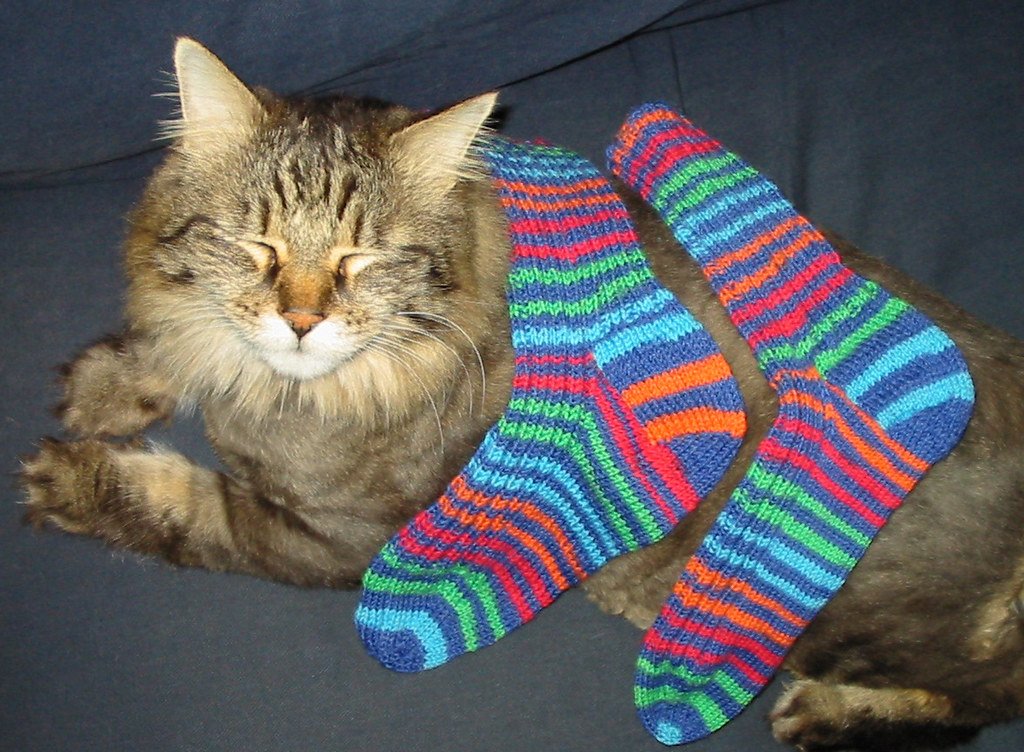
Your missing sock problem might have nothing to do with the washing machine. Your cat may be stealing particular objects because they provide comfort when feeling stressed, and some cats engage in wool-sucking behavior as a self-soothing mechanism, so the objects stolen may include socks or other cloth items. Think of it like a security blanket, except it’s your favorite pair of thick winter socks.
Socks and gloves tend to move in a satisfying way that almost recreates the natural movement of small animals that would serve as prey in the wild. Wool also mimics the texture of potential prey such as small mammals, making it an attractive material for cats to knead and paw at. Wool sucking is relatively common in cats, especially the Oriental breeds, and it could be a behavior learned as a kitten or could be because the texture of wool reminds them of their mother. So your cat isn’t just being weird. It’s being nostalgic.
Jewelry and Shiny Objects: The Glittering Obsession
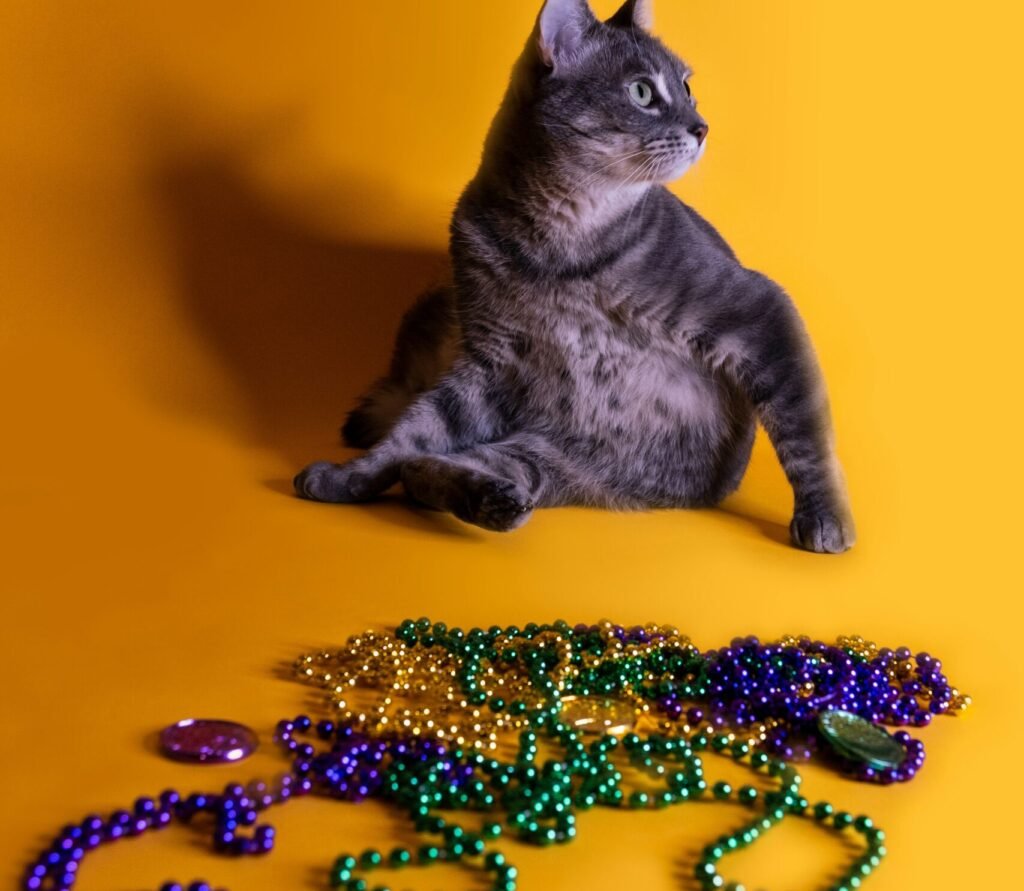
Here’s the thing – your cat has more in common with a magpie than you might expect. Like a crow that is attracted to shiny things and has a penchant for stealing them, there are some cats that collect and hoard jewelry, tin, glass, beads, coins, and other shiny objects. If you’ve ever lost a ring only to find it batted under the refrigerator, you already know this firsthand.
Cats are likely attracted to the shine and light reflecting off jewelry and precious metals, which may have similar effects to laser pointers and light that reflects off mirrors. Cats may simply be intrigued and attracted to items that sparkle. Particularly attentive and environment-aware cats are more likely to go after shiny items, and cats tend to notice lighting most when it lies within their peripheral vision. So your missing earring isn’t lost. It’s been claimed.
Pens and Pencils: The Desk Invaders
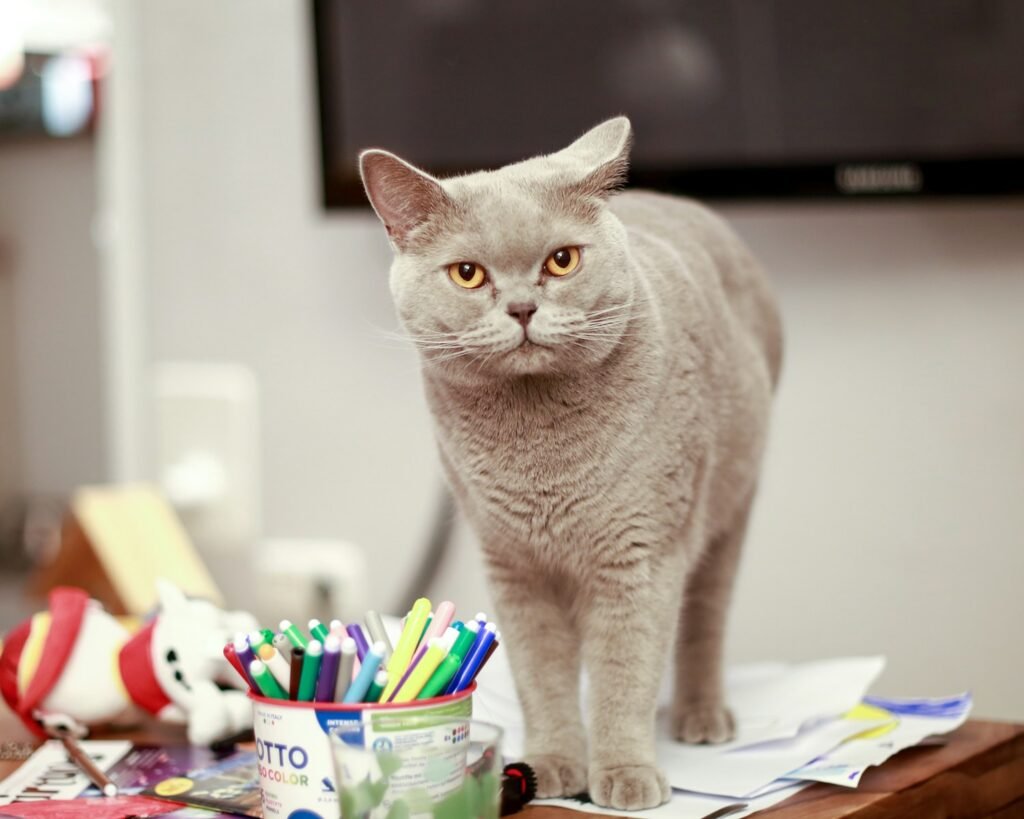
If you work from home, you’ve probably noticed that your desk is not truly yours. Cats like novelty, and if there is something new and accessible in your home, they will want to check it out. That’s why a new pen left on your desk may go missing for a while, only for you to find your cat batting it around on the floor. It’s not personal. It’s just irresistible.
Some cats collect pens and pencils and leave them under the couch. Think about that for a moment. Your cat isn’t randomly knocking things over. It’s curating a collection beneath the furniture, and your writing implements are apparently museum-worthy acquisitions. Most often, a cat takes small items that it wants to bat around or manipulate with its paws, and sometimes cats are attracted to the appearance or texture of an item. A pen rolls perfectly, fits in a paw, and makes a satisfying sound on hardwood floors. Honestly, you can see why they love it.
Bottle Caps and Small Plastic Items: Noise Is the Point
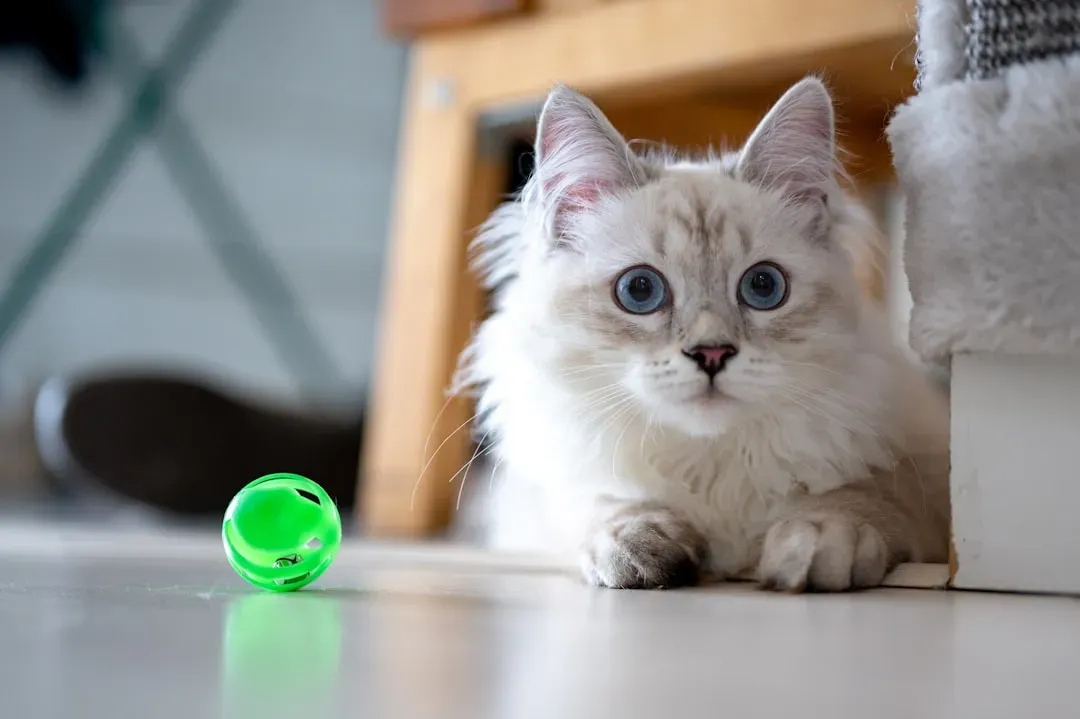
Some cats enjoy playing with plastic bottle caps that you can twist off of milk cartons and water bottles. Cats might like these items because they enjoy the sounds that they make, which differ when dropped or slid across the floor. These sounds may actually resemble insects that cats enjoy hunting, like cicadas and crickets. It’s basically a tiny, spinning, rattling hunting simulation.
Cats may develop a habit of collecting everyday household items like floss picks, jar lids, and pen caps. They may enjoy playing with small pieces of plastic because of their softer texture and fun noises. For such cats, plastic items are relatively light and easy to carry around, and they’re usually found in abundance. The dangerous side? Bottle caps and similar items can be choking hazards, so it’s best to store them away in safe and unreachable places to keep your cat safe.
Cardboard Boxes and Paper: The Texture and Sound Trap
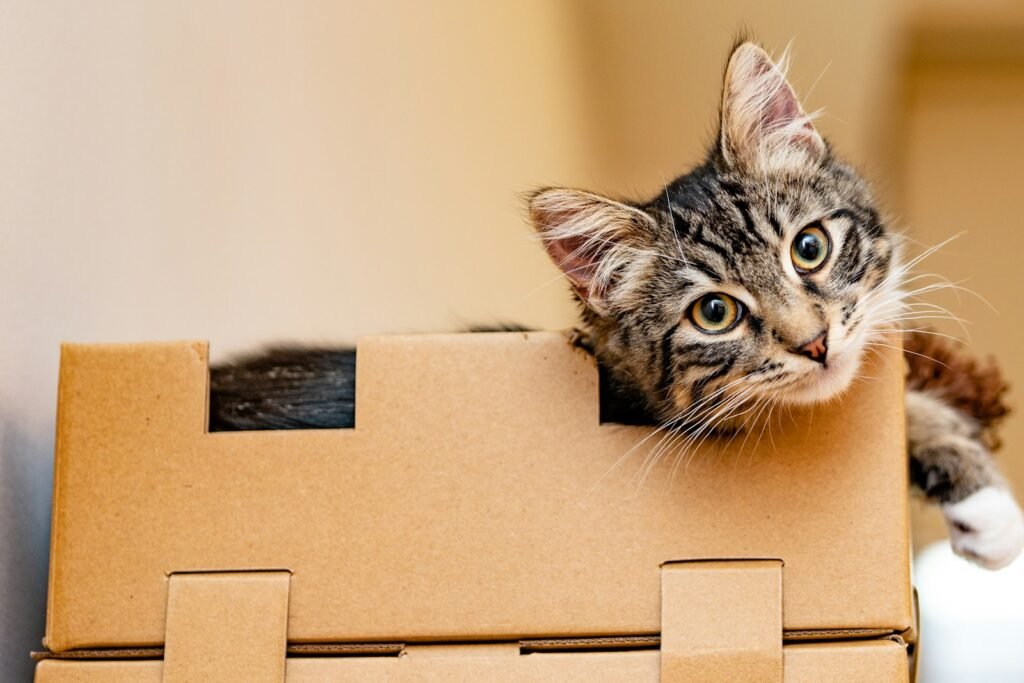
You bring home a delivery box, set it on the floor, and your cat is inside it within thirty seconds. This isn’t just a meme. There’s real behavioral science at work here. Cats can find cardboard boxes comforting because they feel safe in enclosed and dim spaces, and they may also enjoy scratching them and sinking their claws into them. It’s essentially a portable hideout, a stress-relief tool, and a scratching post all in one.
Paper is another story altogether. Cats who enjoy stealing papers, including crumpled receipts and opened mail, are attracted to things that remind them of rustling leaves. The leaves and paper can make noises that mimic insect sounds, and sliding bottle caps can similarly ignite the curiosity of the nature-loving cat. There’s a lot of sensory stimulation in a humble piece of paper, according to cat behavior experts. Your important documents are, to your cat, basically a woodland experience.
Food Left on the Counter: The Ultimate Temptation
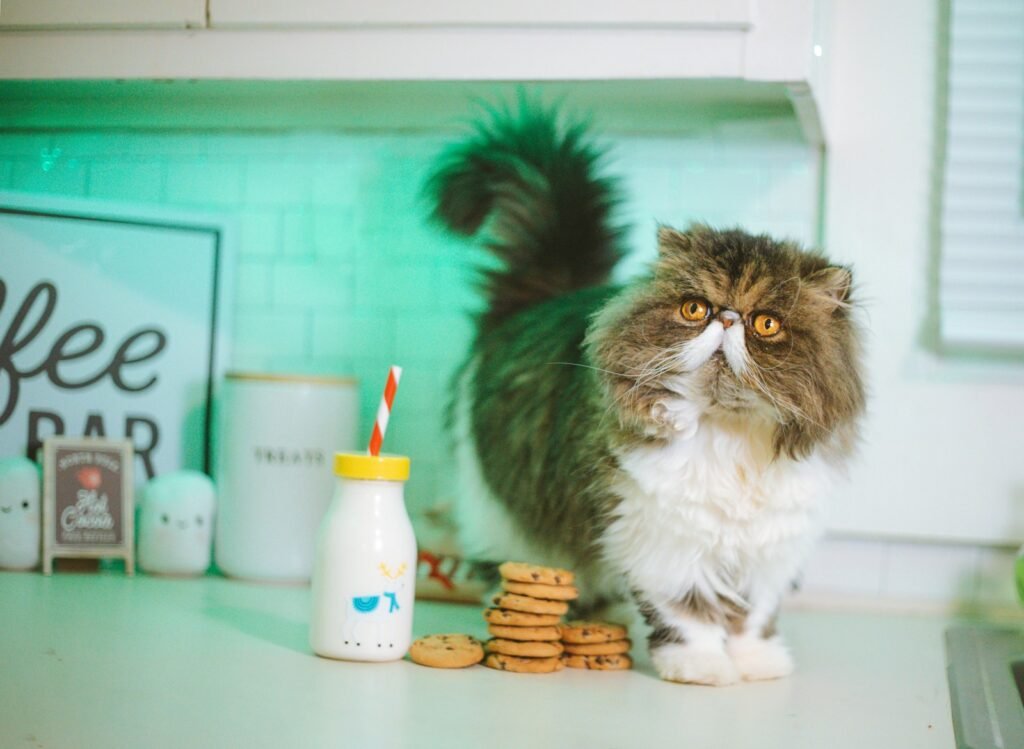
Let’s be real – this one surprises absolutely nobody. Cats have a very keen sense of smell, and they will follow their noses, which most often leads them to something delectable that their human companions have left unattended. Foodie cats are fond of stealing items intended for consumption, snatching any snacks left unattended, whether pilfering food left on counters and tables or prying open containers and drawers to reach it.
What’s surprising is what happens next. Your missing food may end up in a cat’s hidden treasure trove instead of being eaten right away. According to veterinary experts, cats in the wild will sometimes bury their food so they can eat it later, and when cats steal and hide items, they may be mimicking this food-related behavior. If you feed on a schedule with large gaps between meals, this can contribute to your cat becoming a food thief. Cats have small stomachs and in an outdoor setting would hunt and enjoy several small meals per day, so if you only feed once or twice a day, your cat may genuinely be getting too hungry. A simple feeding schedule adjustment might stop the countertop raids entirely.
Conclusion: Your Home Is Their Kingdom
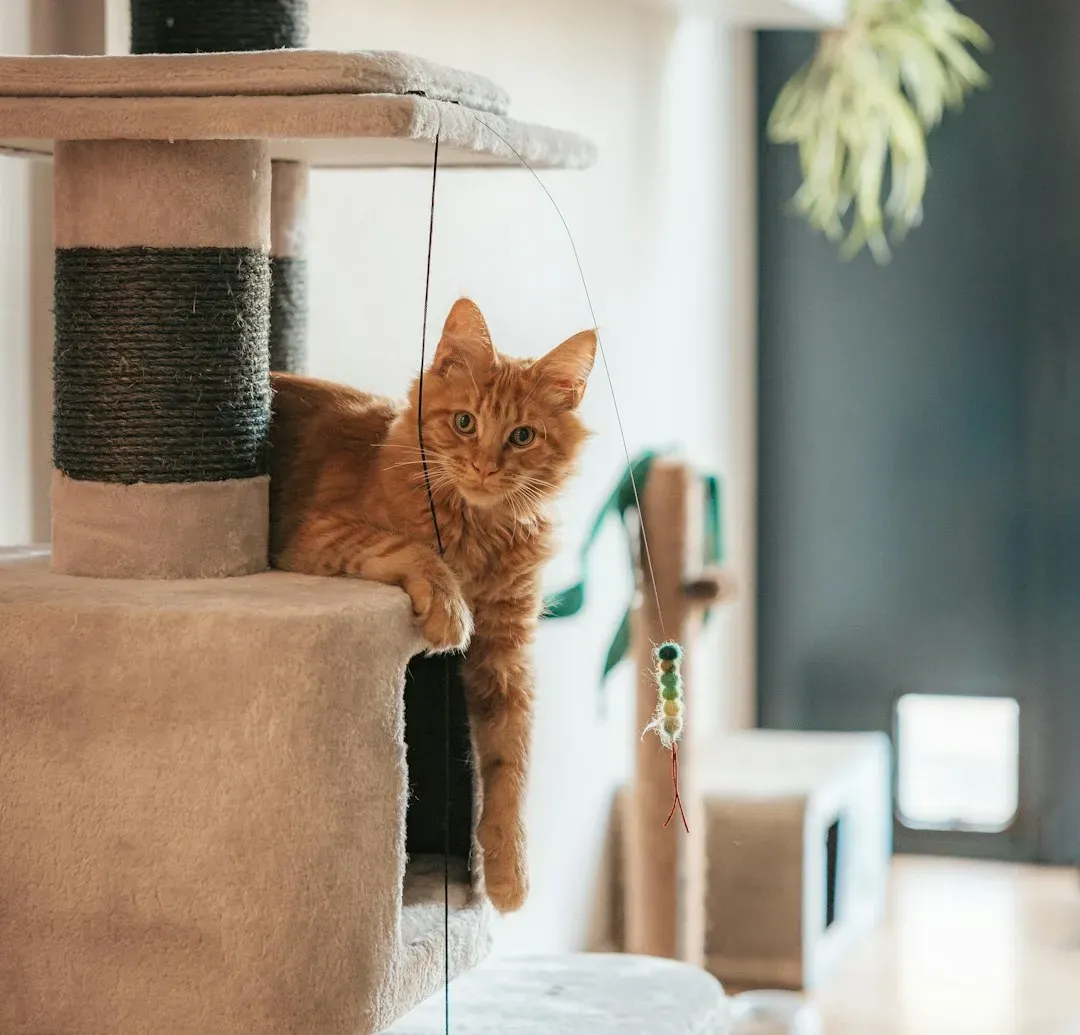
When you step back and look at all of it together, something becomes beautifully clear. Your cat isn’t stealing out of spite or mischief. Cats may be seeking attention, wanting to play, extending their foraging and hunting behavior, or trying to remove particularly smelly items from their territory. Every missing hair tie, every vanished earring, every sock that never made it to the laundry basket tells a story about ancient instincts living inside a creature that now naps on your couch.
When cats bring your belongings into a safe space, perhaps even to your feet, they may be showing affection, trust, and their natural urge to nurture or protect. So next time your cat steals your socks, take it as a compliment. They’re showing you they feel at home, confident, and loved enough to share their “catch” with you. Understanding this behavior doesn’t just solve the mystery of your missing belongings – it deepens the whole relationship.
So the next time you find your pen under the sofa, your hair tie behind the toilet, and your earring inexplicably inside the cat bed, try not to be frustrated. Your cat isn’t a thief. It’s just living its best, wildly instinct-driven life – in your house, on your furniture, with your stuff. What would you have guessed was your cat’s most stolen item? Drop it in the comments below.