Cats are mysterious, elegant, and endlessly fascinating. They’ve lived alongside humans for thousands of years, yet somehow we still manage to get so much about them spectacularly wrong. Honestly, it’s a little humbling when you think about it. Myths about cat health are not just innocent misunderstandings floating around on social media. Some of them are genuinely dangerous, leading well-meaning owners to skip vet visits, feed their cats the wrong things, or completely miss signs that something is seriously wrong.
The scary part is that despite the cat’s popularity as a companion species, many owners and practitioners lack high quality information about important aspects of their behavior and management, and myths and narratives about cats as “low maintenance, self-sufficient” animals are pervasive. So whether you’ve had cats your whole life or you’re a brand new cat parent, you owe it to your feline companion to question what you think you know. Be surprised by what’s ahead.
Misconception #1: A Purring Cat Is Always a Happy Cat
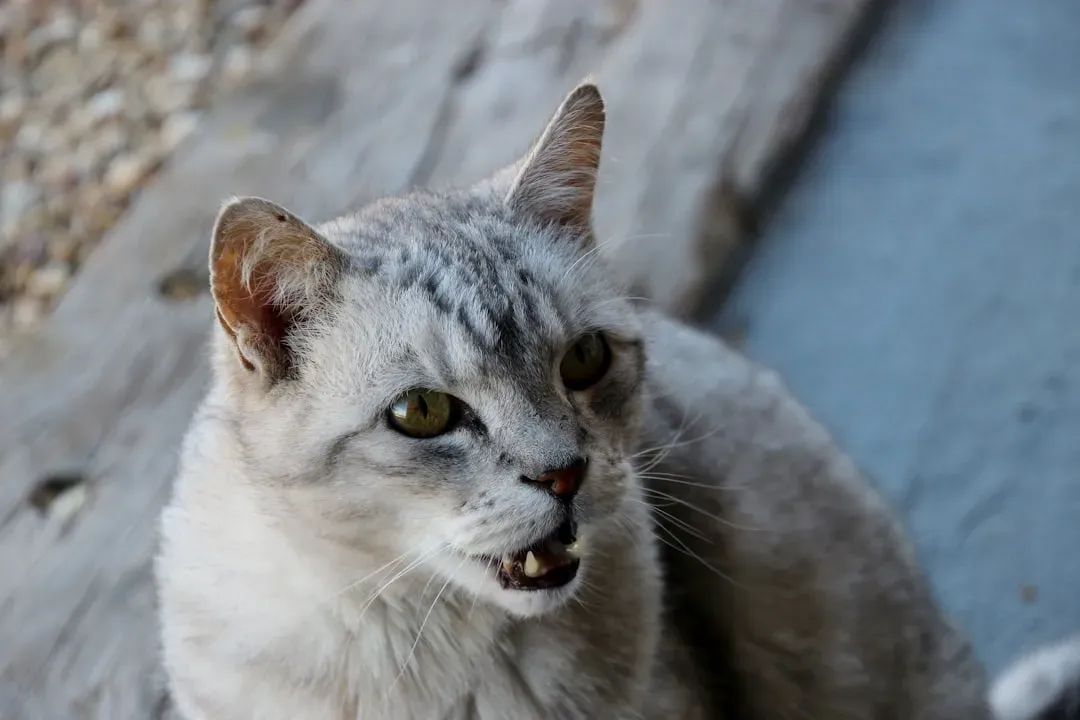
This is probably the most widespread cat myth of all time, and it trips up even experienced owners. You hear that soft rumble and immediately assume everything is perfectly fine. That’s a dangerous assumption.
Cats can purr when they are happy, but they can also purr if they’re anxious or not feeling well. Think of it less like a smile and more like a coping mechanism. Cats may also purr when they’re feeling stressed, anxious, or in pain, and this type of purring is often a self-soothing mechanism. A cat visiting the vet or recovering from an injury might purr to calm themselves.
If a cat is purring but refuses to engage, play, or move, you should assume they are in pain, not happy. Never let the sound of a purr delay your trip to the vet. Learning to read the full picture, including your cat’s posture, appetite, and energy levels, is how you tell the difference between a contented purr and a cry for help.
Misconception #2: Indoor Cats Don’t Need Vaccinations or Parasite Prevention
Let’s be real. This one comes up constantly, and it makes a kind of surface-level sense. If your cat never steps outside, what could possibly get to them? The answer might shock you.
Even if your cat never steps outdoors, vaccination is still essential. Indoor cats can be exposed to serious diseases through open windows, other pets in the household, or even a trip to the vet. Your shoes and clothing are basically tiny disease delivery systems walking right into your home every single day.
Indoor cats are protected from some of the dangers of the outside world such as predators, cars, and outdoor toxins, but they are still susceptible to parasites such as fleas, ticks, and mosquitoes. These parasites carry illnesses that can affect multiple organs and even be life threatening. Heartworms, tick-borne blood illnesses, and mycoplasma haemofelis can make cats very sick, and parasite prevention is very important even in indoor cats. This is not optional, it’s essential care.
Misconception #3: Cats Are Low-Maintenance Pets That Take Care of Themselves
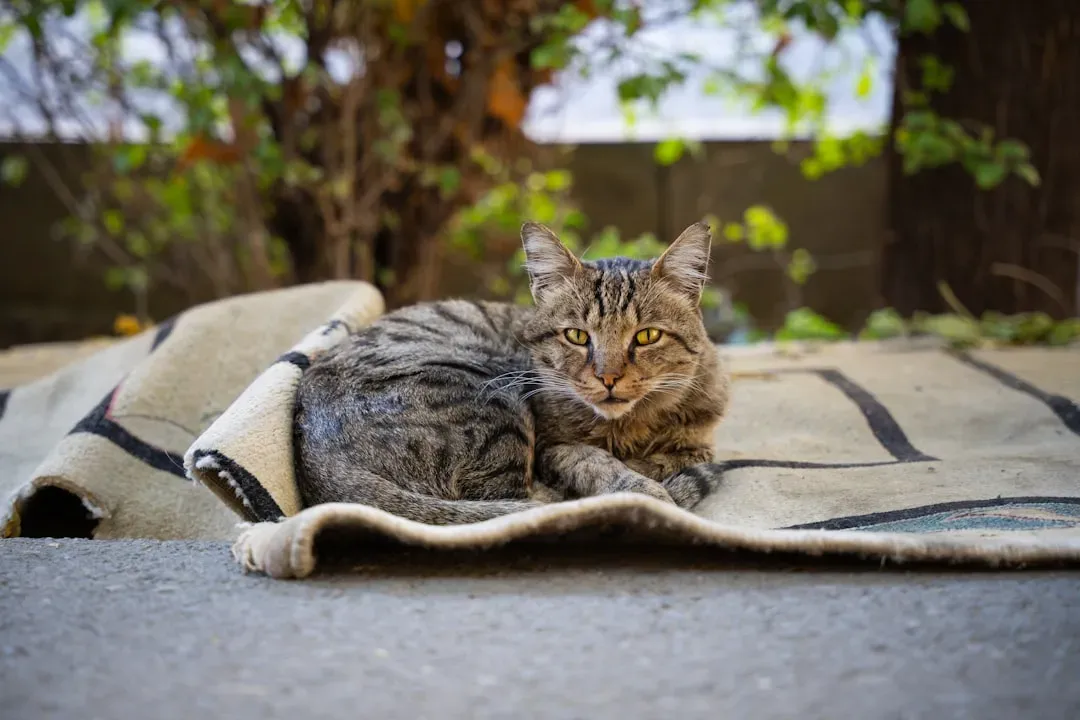
Here’s the thing. This myth is probably responsible for more unnecessary suffering in cats than almost any other. People genuinely believe cats are the “easy” pet. They’re not, and I say that with deep affection for cats everywhere.
The notion that cats are low-maintenance stems from their reputation for independence. Unlike dogs, which often require more active engagement and training, cats are frequently perceived as self-sufficient creatures that can thrive with minimal interaction, leading many potential cat owners to assume that adopting a cat involves less responsibility than adopting a dog.
Believing that cats are low-maintenance can have several negative consequences. Neglecting veterinary care can lead to untreated illnesses or conditions that could have been easily managed with regular check-ups. Your cat needs routine visits, mental stimulation, proper nutrition, and social interaction. Cats are intelligent creatures that require mental stimulation to prevent boredom and behavioral problems. Engaging them with toys, puzzles, and interactive playtime is essential for their mental health, and lack of stimulation can lead to anxiety and destructive behaviors.
Misconception #4: Cats Don’t Need Their Teeth Cleaned
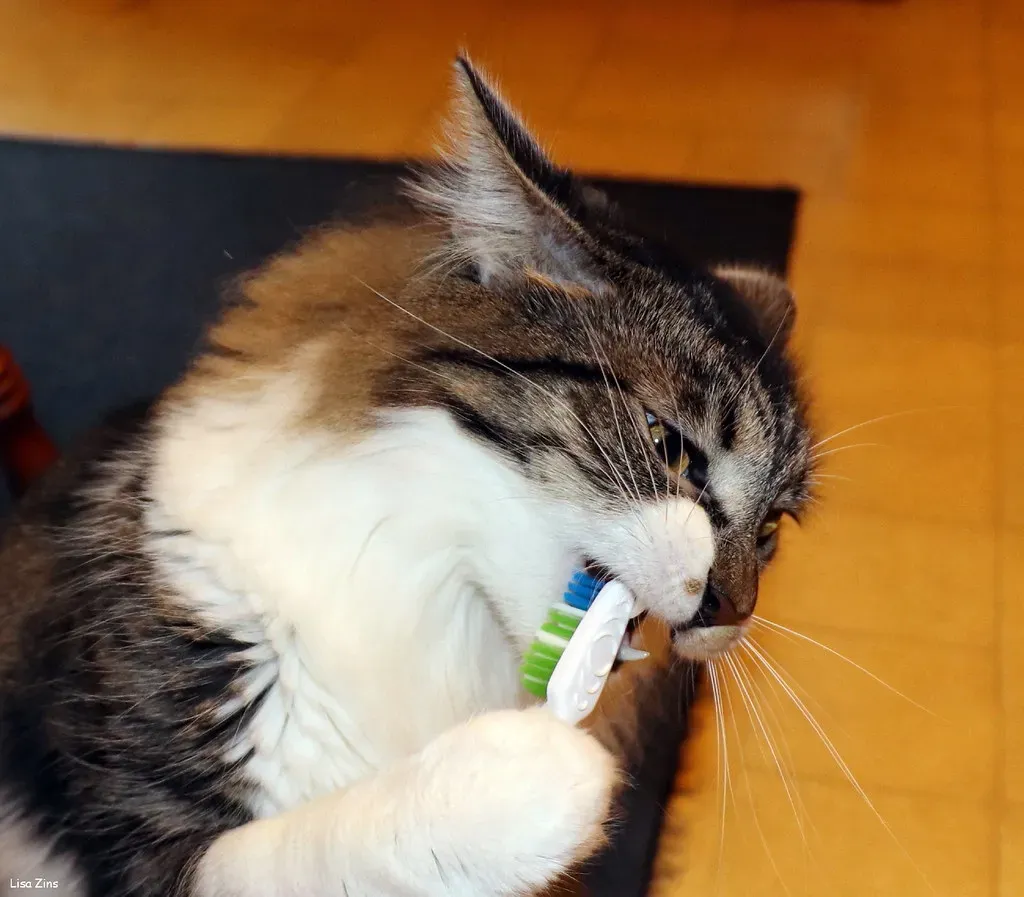
Mention brushing a cat’s teeth to most people and you’ll get a baffled look, maybe a laugh. I get it. It sounds absurd. However, skipping your cat’s dental care is one of the most quietly harmful things you can do as an owner.
The reality is that plaque and tartar can accumulate on a cat’s teeth just as they do in humans, leading to periodontal disease, tooth decay, and even infections that can affect vital organs. And it gets worse than just bad breath. Bacteria from dental infections can enter the bloodstream and potentially affect vital organs like the heart, kidneys, and liver. Veterinarians see firsthand the detrimental effects of poor dental hygiene in cats and advocate for regular brushing as a proactive measure to significantly reduce the risk of these painful and potentially serious conditions.
Cats are experts at hiding pain and discomfort, which is why many owners assume their cat’s teeth are healthy if there are no obvious signs of trouble. However, dental disease often progresses silently in cats, with symptoms only becoming noticeable once the condition is advanced. Over 70% of cats show signs of dental disease by the time they’re just three years old. That statistic is genuinely alarming, and it means dental care needs to start early.
Misconception #5: Cats Can Safely Eat a Vegetarian or Vegan Diet
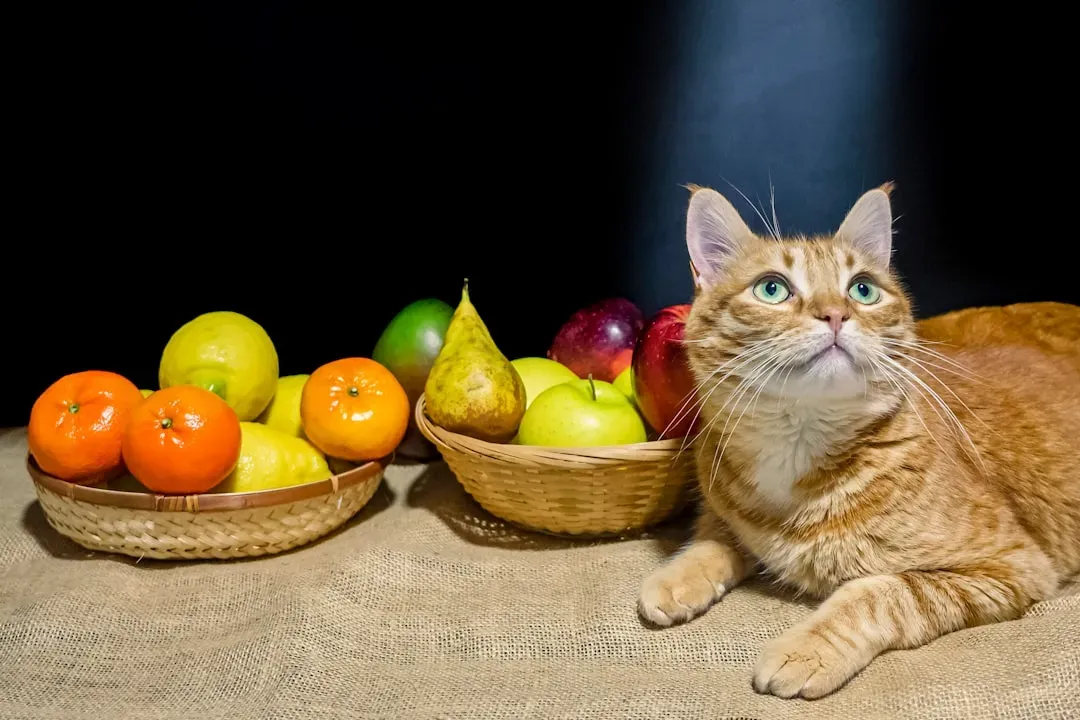
This misconception tends to come from owners who are deeply committed to their own dietary choices and want to extend that to their pets. It’s a well-intentioned idea with truly dangerous consequences for your cat.
Cats are obligate carnivores, which means they must eat meat to satisfy their nutritional needs, including complete and balanced essential amino acids. That’s not a preference. That’s basic biology. Think of it this way: you wouldn’t feed a koala a steak and expect it to thrive.
Without the input of a specialized veterinary nutritionist, homemade vegetarian and vegan diets for cats are frequently deficient in taurine, arginine, tryptophan, lysine, and vitamin A. Taurine deficiency leads to heart failure and a cat fed a diet without arginine may suffer death within hours. A vegetarian diet for cats can lead to nutrient deficiencies, resulting in health problems such as heart disease and impaired vision. This is not a gray area. Cats need animal-based protein to survive.
Misconception #6: Milk Is a Healthy Treat for Cats
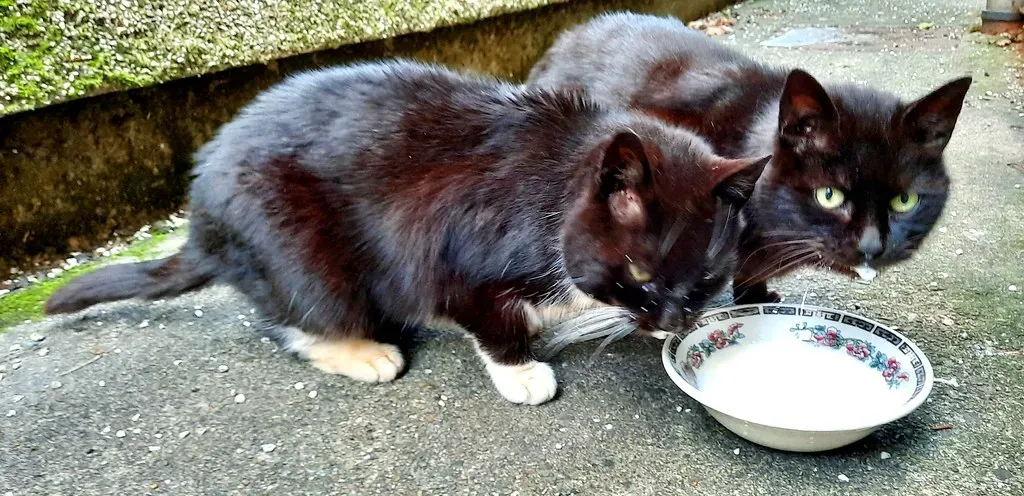
Thanks to countless movies, cartoons, and old-fashioned folk wisdom, the image of a cat happily lapping up a saucer of milk is practically cultural. It’s also completely wrong, and it’s been quietly upsetting cat digestive systems for generations.
Milk isn’t a healthy treat for most cats. Most adult cats are lactose intolerant because they lack the enzyme needed to digest milk. When cats drink milk, it can lead to digestive upset such as diarrhea or vomiting. The American Veterinary Medical Association reports that more than 60% of cats experience some level of lactose intolerance.
Cats aren’t able to digest dairy comfortably, which can lead to bowel issues such as diarrhea. It’s one of those myths that feels so harmless but creates real discomfort for your pet every single time you offer that little bowl. If you want to give your cat a treat, work with your vet to find something that’s actually safe and appropriate for their health profile. Your cat deserves better than stomach cramps dressed up as kindness.
Misconception #7: Cats Don’t Feel or Show Pain
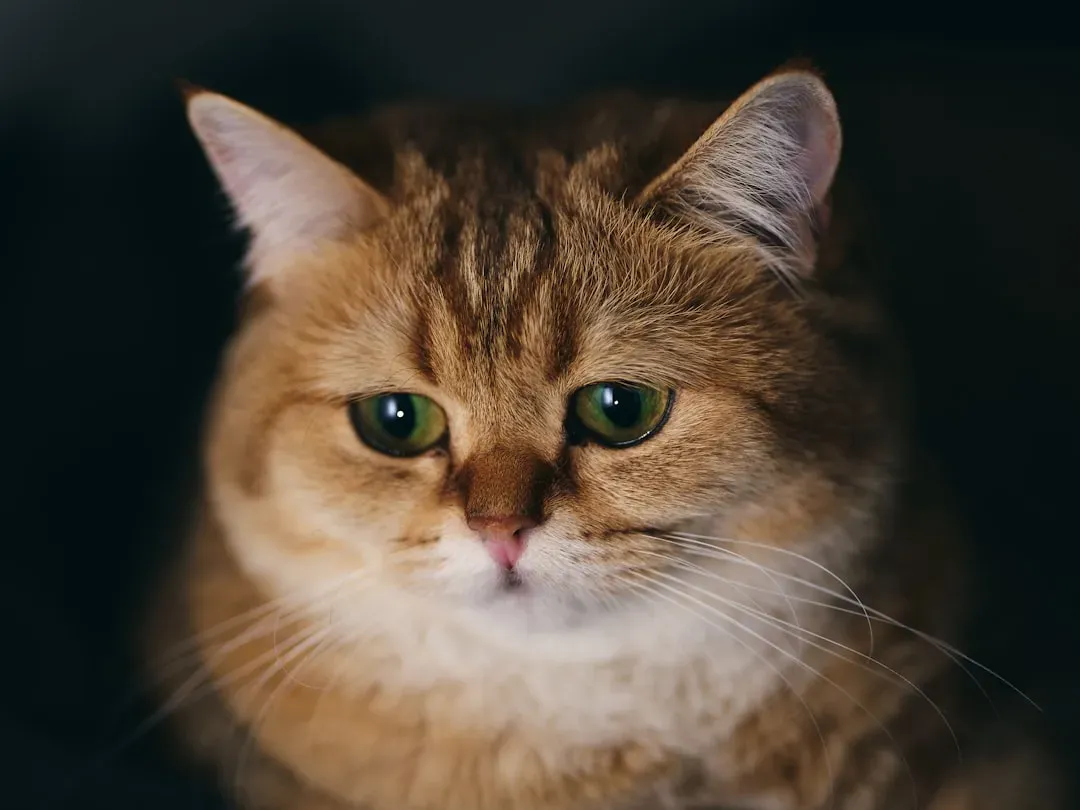
This might be the most heartbreaking misconception on this entire list. The idea that cats simply don’t feel pain the way other animals do is so thoroughly disproven by science that it’s hard to believe it still circulates. Yet it does, and it causes genuine suffering.
One troubling myth suggests that pets like cats don’t actually experience pain simply because they rarely yelp or vocalize obvious distress. However, researchers acknowledge most animals demonstrate high pain tolerance due to prey animal instincts to mask vulnerabilities. Just because your pet isn’t crying doesn’t mean they aren’t suffering silently.
The easiest way to determine if something is making your cat feel under the weather is to closely monitor your cat’s routine. If your cat has a variation in routine or stops doing something they used to enjoy, this can be a sign of an underlying problem. For example, if your older cat stops using the upstairs litter box, this could indicate arthritis changes and that going up the stairs is painful. Since you know your cat best, you are the best person to detect a change in routine before it becomes a bigger problem.
Conclusion: Your Cat Deserves Better Than Myths
Cats are not simple creatures. They are complex, emotionally layered, physically unique animals that have evolved to hide vulnerability at every turn. That makes it your job, as their caretaker, to look past surface-level assumptions and dig into what’s actually true.
Pet myths can delay treatment, hide warning signs, and create preventable health problems. When pet owners replace misinformation with accurate guidance, pets benefit from earlier care, healthier habits, and better quality of life. Replacing even one outdated belief from this list could genuinely extend your cat’s life or spare them months of silent, undetected pain. That’s not a small thing. That’s everything.
So here’s the question worth sitting with: how many of these myths did you believe before reading this? Share your thoughts in the comments below, and if this helped you see your cat a little differently, pass it on to someone who loves their cat just as much as you do.