Big cats, the majestic predators that roam our planet’s forests, grasslands, and mountains, are facing an increasingly uncertain future. From the iconic roar of the lion to the stealthy stride of the jaguar, these creatures are integral to the ecosystems they inhabit. Yet, a series of environmental trends are reshaping their habitats and threatening their survival. Let’s delve into the seven key trends affecting big cats globally.
Deforestation: The Vanishing Wilderness

Deforestation is like the slow unraveling of a beautiful tapestry. As forests disappear, big cats lose their homes. The relentless push for agriculture, logging, and urban expansion is stripping away the habitats of tigers in Asia and jaguars in the Amazon. Imagine waking up one day to find your home has vanished; that’s the reality for these majestic creatures. As trees fall, so does the prey, making survival even more challenging for big cats.
Climate Change: Altering Habitats and Prey
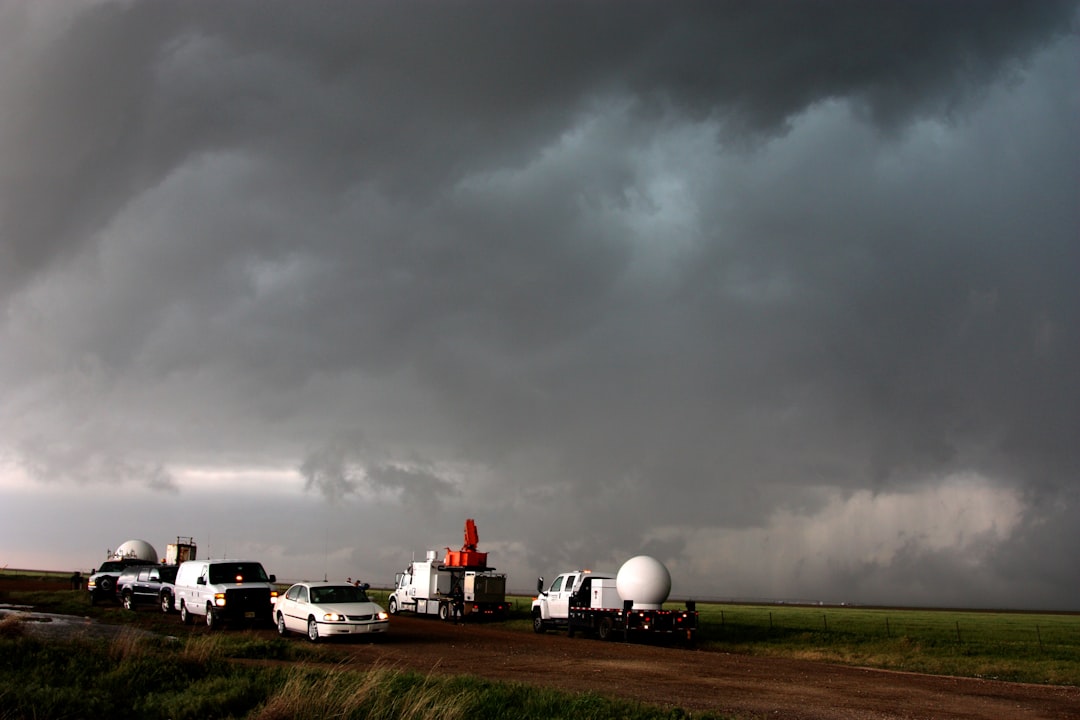
Climate change is like an invisible hand, slowly altering the world as we know it. Rising temperatures and shifting weather patterns are changing the landscapes big cats call home. For instance, the snow leopards in the Himalayas face dwindling snow cover, affecting their hunting grounds. Moreover, as prey species migrate or diminish, big cats are forced to venture into unfamiliar territories, often leading to conflicts with humans.
Poaching: The Illegal Trade in Big Cat Parts
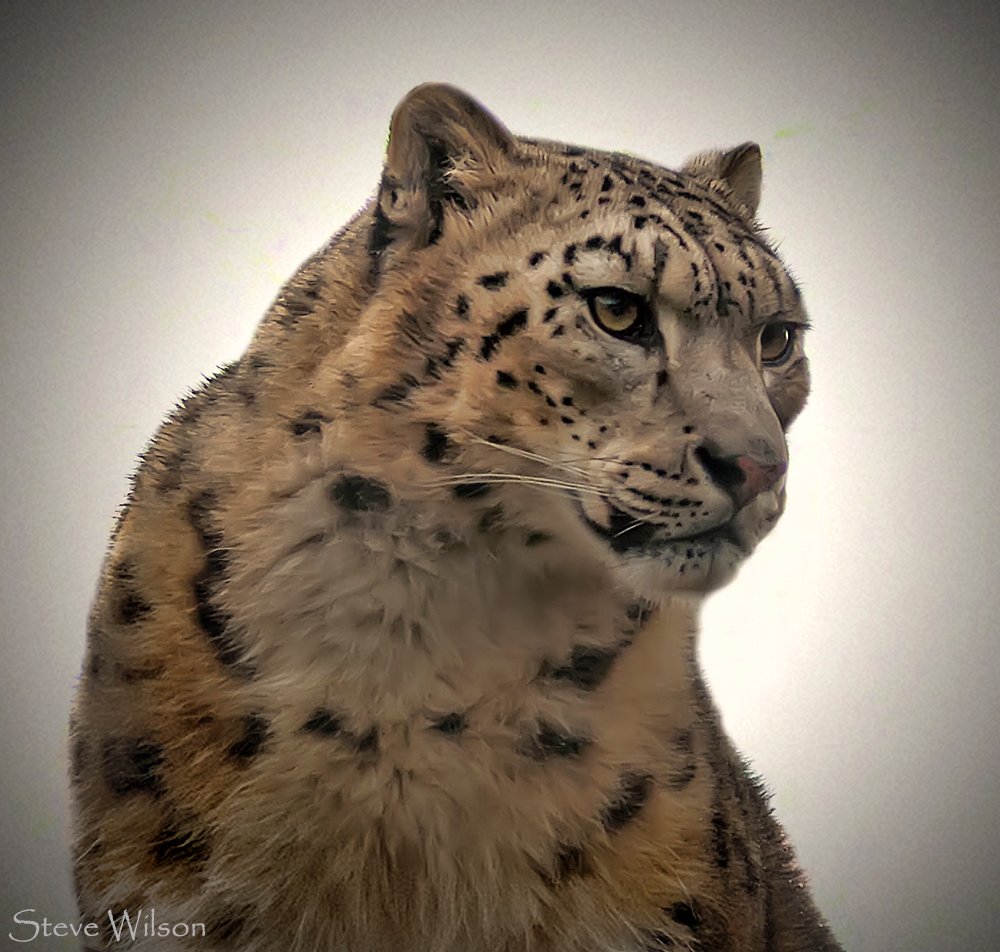
Poaching is a grim reality for big cats, driven by a lucrative black market for their pelts, bones, and other parts. The desire for exotic skins and traditional medicines has turned these majestic creatures into targets. Despite international laws and protections, poachers continue to decimate populations of tigers, leopards, and other big cats. It’s a dangerous game of cat and mouse, with conservationists racing against time to protect these animals.
Human-Wildlife Conflict: Clashes for Survival
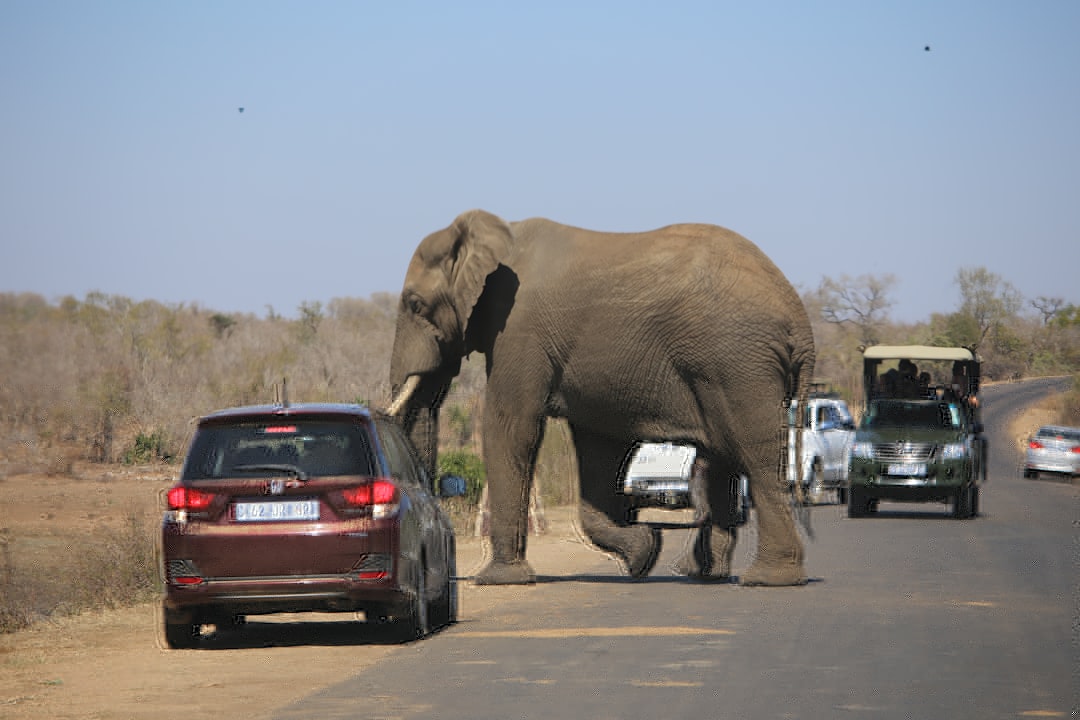
As human populations grow, the boundaries between human and wild territories blur. This overlap often leads to conflicts with big cats, which can be devastating for both parties. Livestock predation by leopards or lions can result in retaliatory killings by farmers. It’s a delicate balance, akin to a tightrope walk, where coexistence is not always easy but is essential for the survival of these species.
Loss of Prey: The Domino Effect
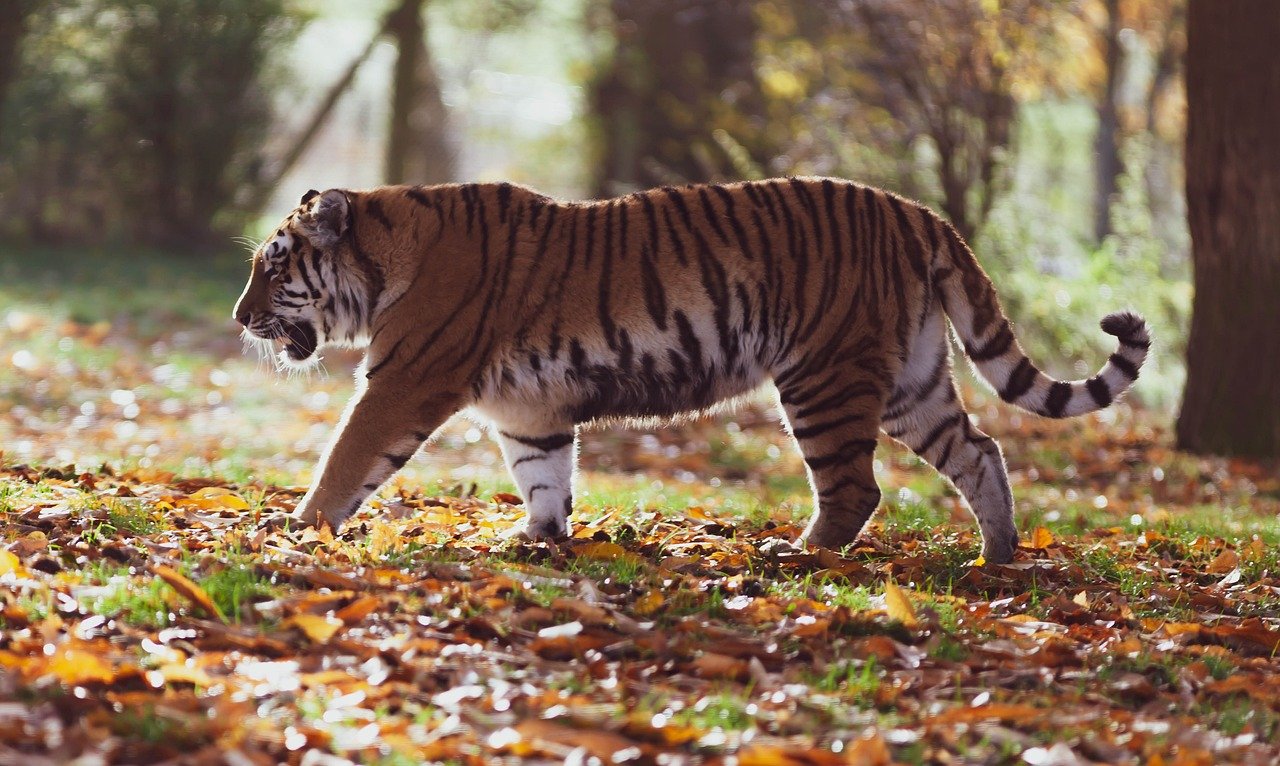
The loss of prey species, often due to overhunting or habitat destruction, sets off a chain reaction that impacts big cats. Imagine a world where your food source suddenly disappears; that’s the challenge big cats face. Without sufficient prey, these predators struggle to find enough food, leading to malnutrition and decreased reproduction rates. It’s a cascade effect that threatens the entire ecosystem.
Habitat Fragmentation: The Isolation Dilemma
Habitat fragmentation is like breaking a puzzle into scattered pieces, making it difficult for big cats to thrive. Highways, fences, and urban sprawl divide once-contiguous habitats into isolated patches. This fragmentation limits the movement of big cats, affecting their ability to find mates and hunt effectively. Over time, genetic diversity diminishes, posing a significant threat to their long-term survival.
Invasive Species: Unwelcome Competitors

Invasive species are like unexpected guests at a party; they disrupt the balance and often outcompete native species. For big cats, invasive species can mean more competition for food and territory. In some regions, non-native herbivores alter the vegetation, impacting the prey base for big cats. It’s a complex web of interactions that can have far-reaching consequences for these apex predators.
Pollution: A Silent Threat
Pollution, whether in the form of plastics, chemicals, or noise, poses a subtle yet significant threat to big cats. Contaminants can infiltrate the food chain, affecting the health of these predators. Noise pollution, particularly from urban areas or mining activities, can disrupt hunting behaviors and communication among big cats. It’s an invisible force that chips away at their ability to thrive in the wild.
Protected Areas: Sanctuaries Under Siege
Protected areas, though established to safeguard wildlife, are not immune to encroachment and degradation. Illegal activities, such as logging or mining, often infiltrate these sanctuaries, undermining conservation efforts. For big cats, this means that even designated safe havens can become perilous. The challenge lies in enforcing protections and ensuring these areas genuinely serve as refuges for wildlife.
Conservation Efforts: A Ray of Hope
Despite the myriad challenges, conservation efforts offer a glimmer of hope for big cats. Initiatives like anti-poaching patrols, habitat restoration, and community engagement programs are making a difference. It’s a collective effort, akin to a symphony, where every note counts. By raising awareness and supporting conservation initiatives, we can help ensure that future generations will hear the roar of the big cats echoing through the wild.
In summary, big cats face a multitude of environmental challenges that threaten their existence. However, through concerted conservation efforts and increased awareness, there is hope for their survival. Each of us can play a part in preserving these magnificent creatures and the ecosystems they inhabit.

Hi, I’m Bola, a passionate writer and creative strategist with a knack for crafting compelling content that educates, inspires, and connects. Over the years, I’ve honed my skills across various writing fields, including content creation, copywriting, online course development, and video scriptwriting.
When I’m not at my desk, you’ll find me exploring new ideas, reading books, or brainstorming creative ways to solve challenges. I believe that words have the power to transform, and I’m here to help you leverage that power for success.
Thanks for stopping by, Keep coming to this website to checkout new articles form me. You’d always love it!