Harsh winter conditions turn outdoor living into a survival challenge for stray cats, prompting communities to step up with practical safeguards.
Cats Face Deadly Cold Risks
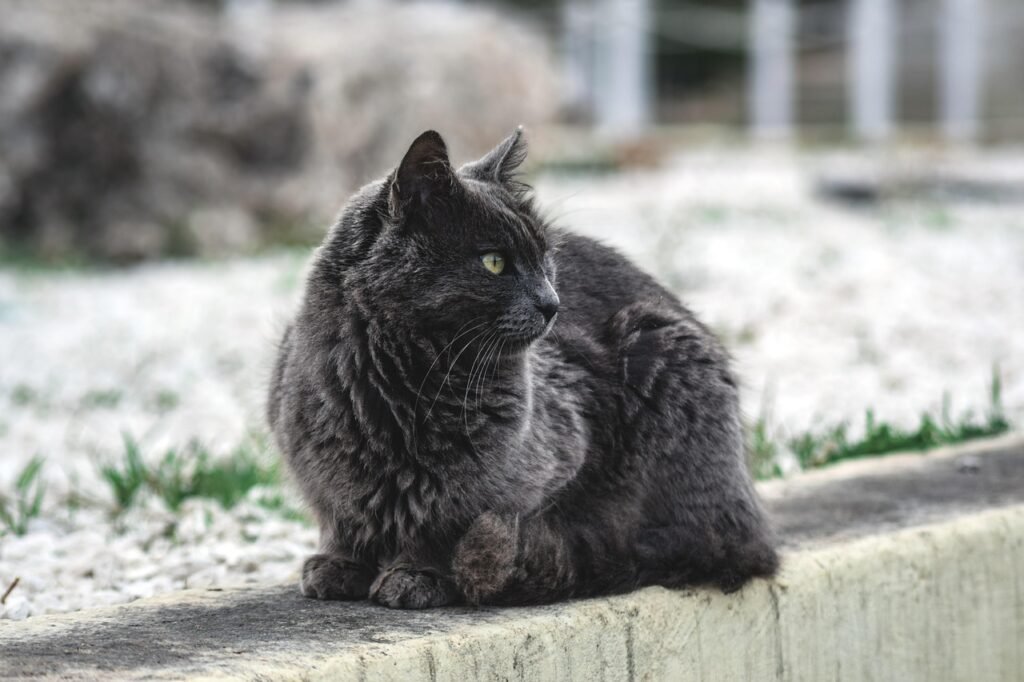
Stray cats lose body heat rapidly in freezing temperatures, leading to hypothermia and frostbite on ears, paws, and tails. Their thin fur offers little insulation compared to wild animals adapted to cold climates. Communities report higher incidences of weakened felines during prolonged freezes. Veterinary experts note that cats below 45°F (7°C) struggle to maintain core warmth. Early signs include lethargy and shivering, which demand immediate intervention. Awareness of these vulnerabilities drives effective protection efforts.
Urban strays often seek warmth in car engines or storm drains, risking injury from traffic or machinery. Rural cats fare no better, huddling in barns exposed to wind. Proactive measures prevent these perils before they escalate.
Construct Insulated Shelters
Simple, weatherproof boxes provide critical refuge, elevating cats off frozen ground and blocking wind. Plastic storage bins or wooden crates lined with straw outperform blankets, which freeze and retain moisture. Elevate shelters on bricks to avoid flooding. Multiple entrances allow easy access and escape routes. Place them in quiet, sheltered spots near feeding areas to encourage use.
Communities have transformed these setups into colony-wide havens. One effective design stacks two bins with a shared wall for dual chambers. Monitor occupancy and refresh bedding weekly to maintain dryness.
Supply Nutritious Food and Liquid Water
High-calorie wet food sustains energy levels as cats burn more calories to stay warm. Dry kibble works but requires shelter from moisture. Feed twice daily to match increased metabolic needs. Avoid milk, which causes digestive upset in most adults.
| Shelter Type | Key Materials | Best For |
|---|---|---|
| Plastic Bin | Bin, straw, foam board | Small groups |
| Wooden House | Plywood, insulation, shingles | Larger colonies |
| Styrofoam Cooler | Cooler, Mylar blanket, straw | Single cats |
Water bowls freeze quickly, so refresh them frequently or use heated bowls plugged into safe outdoor outlets. These steps ensure hydration without ice buildup.
Implement Trap-Neuter-Return Programs
Trap-neuter-return (TNR) stabilizes populations while improving health. Neutered cats roam less, conserving energy in cold snaps. Vaccinations during warmer months bolster immunity against winter illnesses. Volunteers coordinate these efforts through local shelters. Ear-tipping identifies treated cats, preventing repeat trapping.
Post-TNR, released cats return to familiar territories with shelters waiting. This humane approach reduces kitten births that wouldn’t survive freezes.
Engage Your Community for Lasting Impact
Neighborhood groups pool resources for bulk supplies and shared monitoring duties. Social media campaigns rally donations of bins and food. Partner with rescues for medical checkups. Schools and businesses host drives, fostering widespread participation. Track progress with colony logs to refine strategies.
Key Takeaways
- Insulate shelters with straw, not fabric, for optimal warmth.
- Feed calorie-dense meals and prevent water from freezing.
- Support TNR to build healthier, stable stray populations.
These strategies not only save lives but build compassionate communities resilient to seasonal threats. Start small – build one shelter today and watch the ripple effect. What steps will you take to help local strays this winter? Share in the comments.