You might think feeding your cat is simple, right? Fill the bowl, they eat, everyone’s happy. Turns out, it’s not quite that straightforward. Your feline friend’s diet plays a massive role in how long and how well they’ll live, and honestly, most of us are making mistakes without even realizing it.
Let’s be real here. The pet food aisle can feel overwhelming, with countless brands screaming about being the healthiest option. Meanwhile, your cat might be silently suffering from nutritional deficiencies or loading up on ingredients that do more harm than good. The connection between what goes in their bowl and how many years you’ll have together is stronger than you might expect.
Understanding Your Cat’s Carnivorous Nature
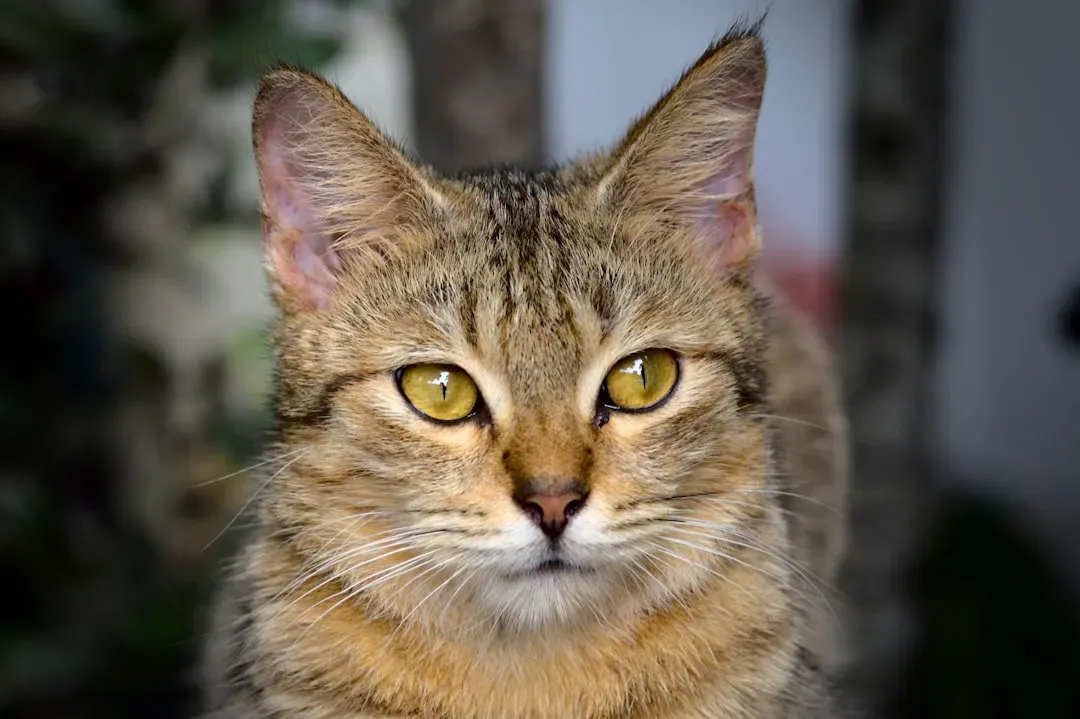
Your cat is what scientists call an obligate carnivore, which means they rely on nutrients found only in animal products and evolved as hunters consuming prey high in protein, moderate in fat, and minimal in carbohydrates. This isn’t just some fancy scientific term. It fundamentally shapes everything about how your cat should eat.
Cats lack the metabolic pathways to efficiently process plant material, and they’re solely designed to hunt, kill, eat, and process meat. Think about it this way: while your body can adapt to various diets, your cat’s body is basically hardwired for one thing. When you feed them food packed with grains and plant matter, you’re essentially asking their digestive system to do something it was never built to do.
Protein Requirements That Actually Matter
Here’s something that might surprise you. Adult cats generally need a minimum of 26% protein in their diet, while adult canines require 12%, and humans require 8%. That’s a huge difference. Yet many commercial cat foods barely meet this minimum requirement, and your cat deserves better than just scraping by.
Recent studies have shown that adult cats consuming less than 40% protein lost lean body mass over time, and some feline diets containing only 30 to 38% protein result in loss of muscle mass. As your cat ages, this becomes even more critical. Healthy mature adult and senior cats should not be protein restricted, and a diet with a minimum protein allowance of 30 to 45% dry matter is considered moderate protein and is recommended.
The Hidden Danger of Dehydration
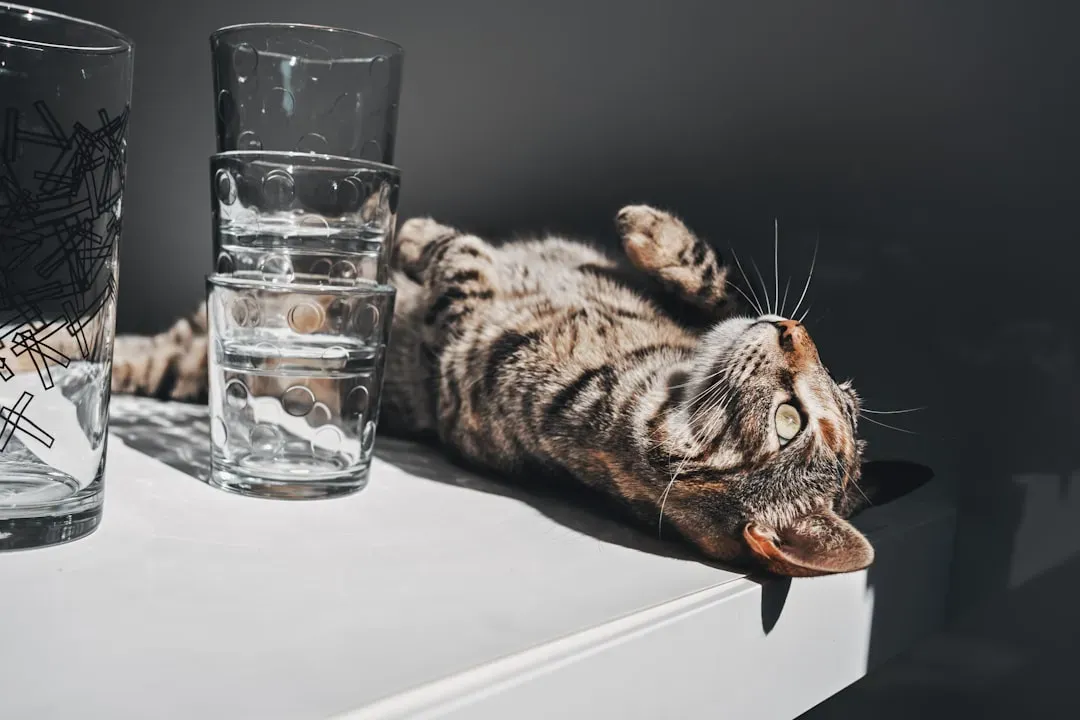
Cats are notorious for not drinking enough water because of their desert-dwelling ancestry, which gives them a naturally low thirst drive that can lead to serious health issues if not monitored carefully. I know it sounds crazy, but this evolutionary quirk is actually one of the biggest threats to your cat’s long-term health.
Your cat needs roughly between 3.5 to 4.5 ounces of water per 5 pounds of their body weight daily, which means a 10-pound cat should be drinking between 7 to 9 ounces of water each day. Water helps decrease the likelihood of urinary stones, helps the kidneys flush out toxins, and also helps prevent urinary stones while supporting kidney function. The scary part? Dehydration can worsen kidney function and lead to other health problems like constipation and loss of appetite.
Why Wet Food Could Be Your Cat’s Best Friend
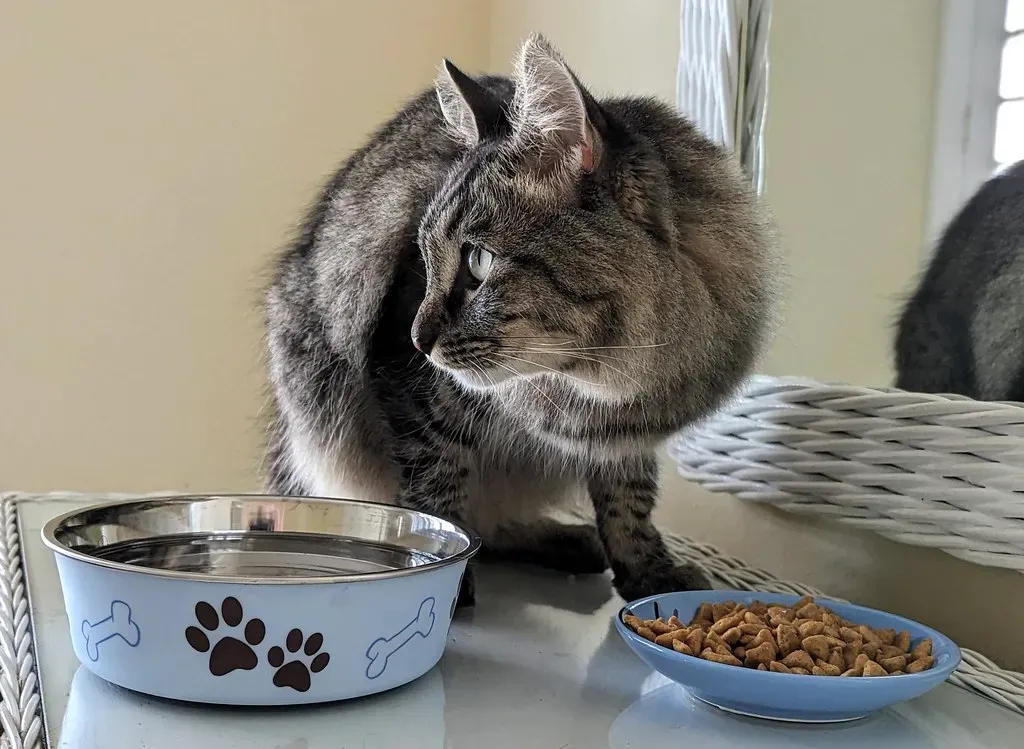
Canned cat food has a moisture content of at least 75 percent, making it a good dietary source of water. This isn’t just about convenience. It’s about mimicking what your cat would naturally consume in the wild, where prey animals provide both nutrition and hydration in one package.
Many feline diseases such as Diabetes, Obesity, Urinary Tract Disorders, Chronic Renal Disease, and Irritable Bowel Syndrome can be directly attributed to low moisture, low-protein, and high-carbohydrate levels that plague today’s commercially prepared dry cat foods. Dry food is missing the most important nutrient: water. If your cat primarily eats dry kibble, you’re basically setting them up for potential health complications down the road.
Ingredients to Avoid at All Costs
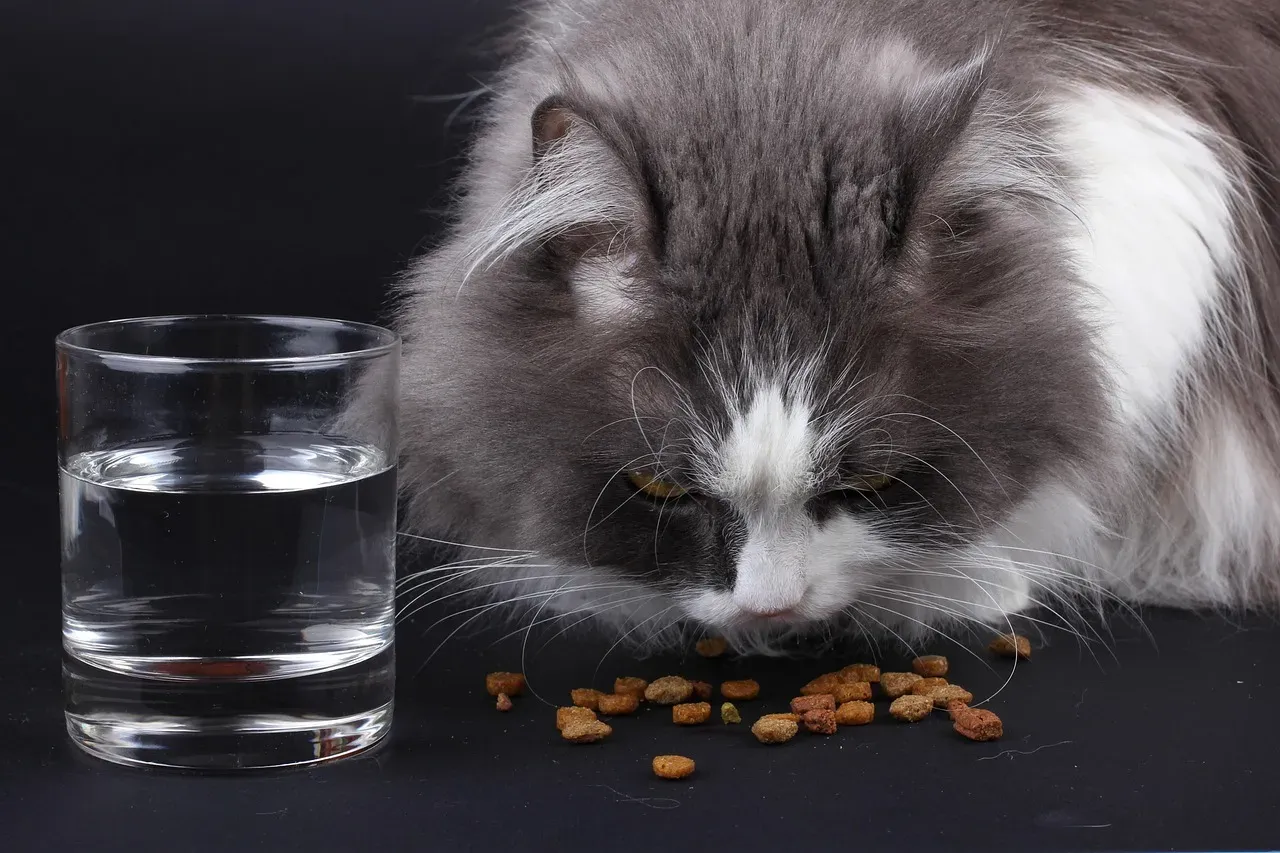
Studies have linked preservatives like BHT and BHA with tumors and liver damage in lab animals, while ethoxyquin, another synthetic antioxidant commonly found in cat food formulas, is prohibited for use in human food due to potential for serious harm. Yet these ingredients still appear in pet food. Makes you think twice about that bargain brand, doesn’t it?
Onions, garlic, shallots, and scallions can cause damage to your cat’s red blood cells and lead to anemia, and these foods are typically poisonous when eaten in large quantities or in concentrated forms like onion soup mix or garlic powder. The wheat and corn used in cat food are typically refined and processed to separate out the nutrient-rich bran and germ, and low-quality cat foods rely heavily on these ingredients as inexpensive fillers to bulk up the product.
The Power of Antioxidants and Essential Nutrients
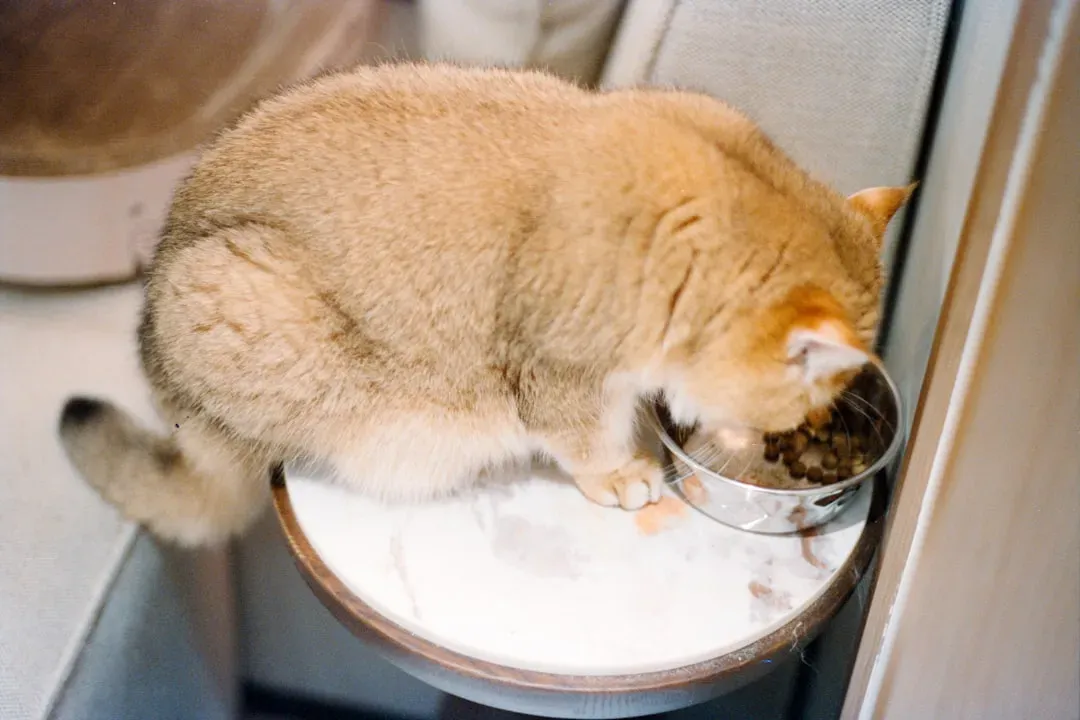
Purina conducted a groundbreaking 9-year study demonstrating that feeding a specific blend of nutrients including antioxidants, essential fatty acids and a prebiotic can extend the healthy lives of cats. This is pretty incredible when you think about it. The right nutritional approach doesn’t just keep your cat alive longer, it keeps them healthier throughout those extra years.
Key nutrients like high-quality protein, fiber, antioxidants, omega-3s, and low phosphorus help support aging bodies, especially the kidneys, joints, skin, and brain. Omega-3 and Omega-6 fatty acids are important for maintaining healthy skin and coat, reducing inflammation, and supporting joint health. These aren’t just fancy add-ons. They’re fundamental building blocks for longevity.
Adapting Nutrition as Your Cat Ages
Most cats are considered seniors when they reach the age of 10 or 11 years old, so if your cat has hit double digits, you should chat with their veterinarian about a possible food change. Their needs genuinely shift as the years pass, and what worked for your sprightly young cat might not cut it anymore.
As cats age, their protein requirements increase due to reduction in digestive efficiency, and many cats of 12 or more years of age should be fed a diet containing nearly 50% protein. In general, a healthy adult cat might need 20 daily calories per pound of body weight, while a senior might only need 15 calories per pound per day. This balancing act between providing enough protein while managing calorie intake requires attention and adjustment.
Understanding feline nutrition isn’t about becoming a veterinary nutritionist overnight. It’s about recognizing that your cat’s dietary needs are fundamentally different from yours and that meeting those needs directly impacts how long and how well they’ll share your life. The choices you make at the food bowl today ripple out into years of health or illness down the line.
Every cat is unique, with their own preferences and potential sensitivities. What works brilliantly for one might not suit another. Pay attention to how your cat responds to their food, watch for changes in energy, coat quality, and litter box habits. These small signals tell you whether you’re on the right track. What’s your biggest challenge when it comes to feeding your cat?