You’ve probably found yourself staring at your feline companion, wondering if they truly feel the love you have for them. Cats communicate differently than dogs or even humans, so it’s easy to second-guess whether your efforts are landing the right way. The truth is, creating a secure and loving environment for your cat isn’t about grand gestures or expensive toys.
It’s about understanding the subtle ways cats perceive safety and affection, then weaving those insights into your daily routine. When you get it right, you’ll notice the difference in how your cat approaches you, relaxes around your home, and shows their own unique brand of devotion. Let’s explore the simple everyday habits that transform your relationship with your cat from good to extraordinary.
Stick to a Predictable Daily Routine
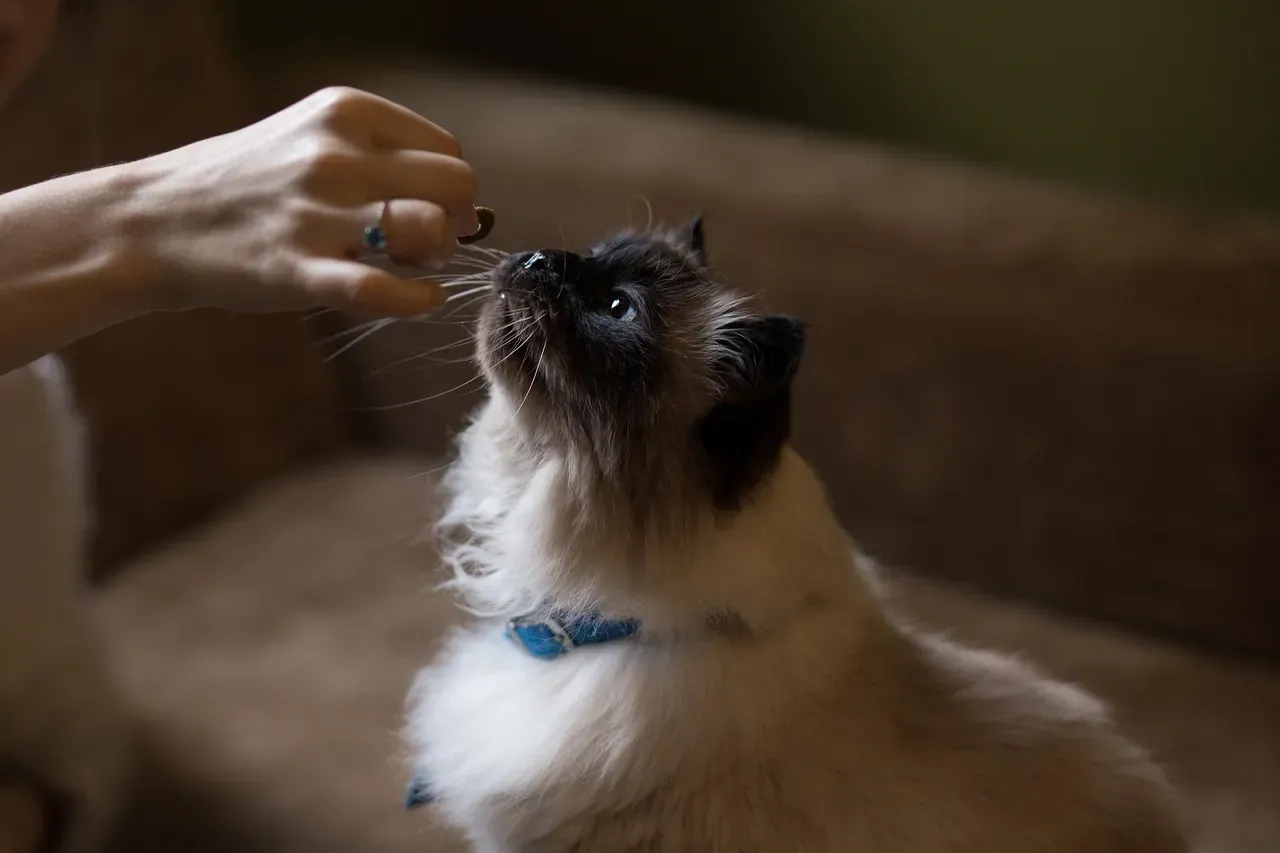
Your cat thrives on routine, so making your interactions with them as calm and predictable as possible helps them know what to expect from you. Think about it from their perspective: when feeding times, play sessions, and even your work schedule follow a consistent pattern, your cat doesn’t need to feel anxious about what comes next. Cats are not fans of change, so it’s essential to stick to a routine as much as possible, as a relatively stable home and predictable routine can go a long way toward helping your cat feel safe.
Scheduling daily bonding time with your cat is a wonderful way to nurture your relationship and create a sense of security and routine, as just like humans, cats thrive on consistency and knowing what to expect. Whether you feed them at seven in the morning or play with a feather wand right before bed, that consistency signals to your cat that their world is stable and you’re a reliable presence in it. You might think mixing things up keeps life exciting, but for your cat, predictability equals peace of mind.
Let Your Cat Control Physical Contact
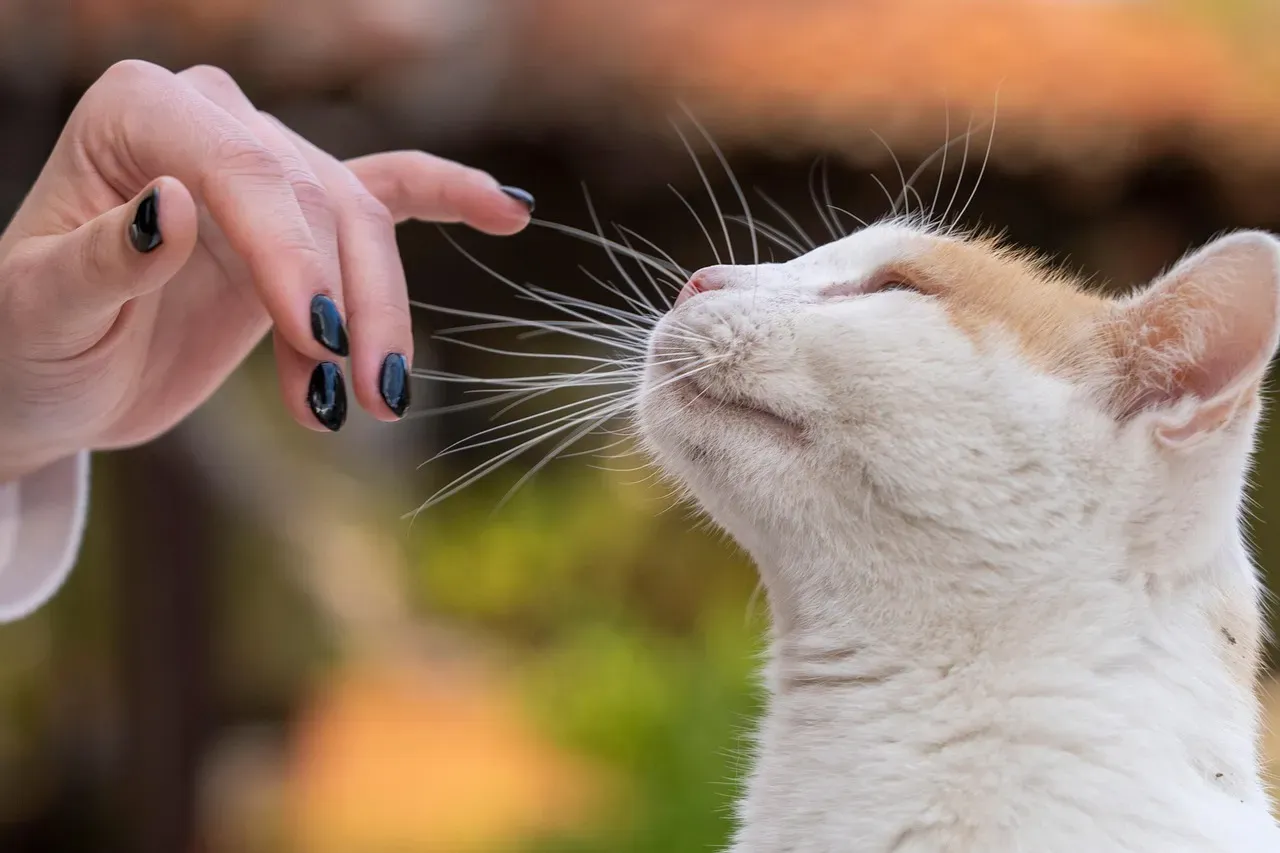
Cats like to feel in control, so don’t chase a skittish cat around the house trying to get her to love on you – instead, sit back and wait for her to make the first move. Here’s the thing: forcing cuddles or picking up your cat when they’re not in the mood damages the trust you’ve worked so hard to build. If your cat shows you that they don’t want you to do something, respect their wishes – if you force them to do things, you could be damaging the relationship.
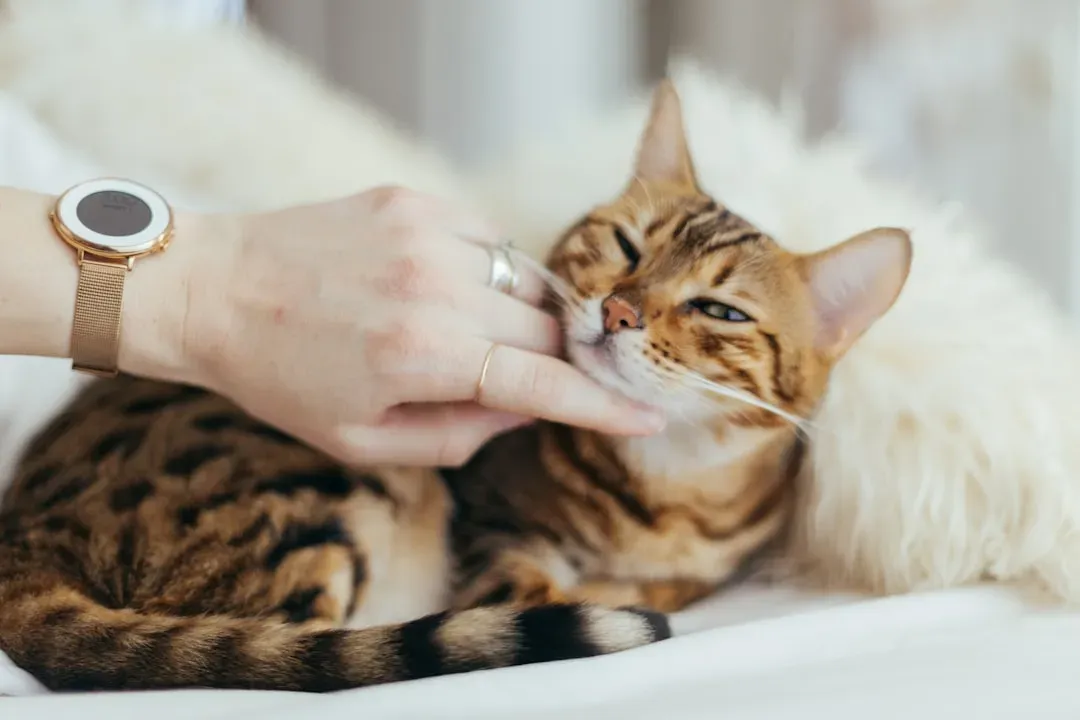
Pay attention to where your cat enjoys being touched. The right way to pet most cats is with an open hand and soft gentle strokes over the back, shoulders, neck, and the top of the head, so spend some time learning exactly how and where your cat likes to be petted. Some cats lean into pets under the chin while others pull away from belly rubs even when they expose their tummy. Reading those signals and responding appropriately shows your cat that you listen, which is the foundation of genuine trust.
Provide Safe Hiding Spots Throughout Your Home
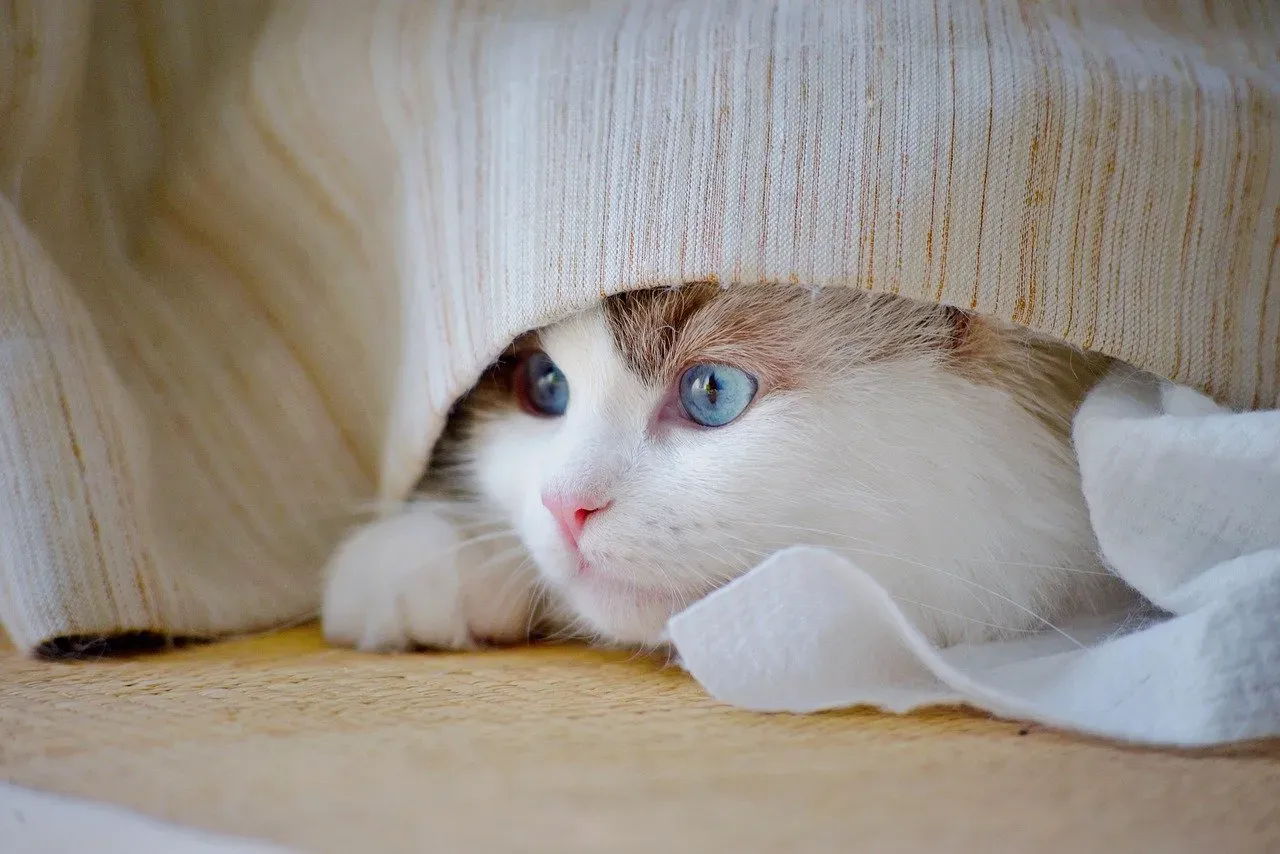
If your cat is scared with no place to escape and hide, they may become aggressive, so make sure they have constant access to safe hiding places where they can escape if they feel afraid. Think of these spaces as your cat’s personal sanctuary when the world feels overwhelming. Whether it’s a cardboard box tucked in the corner, a cat cave, or even just space under your bed, these retreats give your cat control over their environment.
Your cat would want to have their own space, one that’s really their own, where they can feel calm and secure – this might be a room or a corner of a room, or it could be a cat cave or cat tree, but wherever you or your cat choose to create this shelter, it should remain relatively unchanged so your cat has a stable place to relax when feeling stressed. Never use these spots as punishment zones or disturb your cat when they’ve retreated there. Respecting their need for solitude paradoxically makes them more likely to seek out your company when they’re ready.
Engage in Daily Interactive Play Sessions
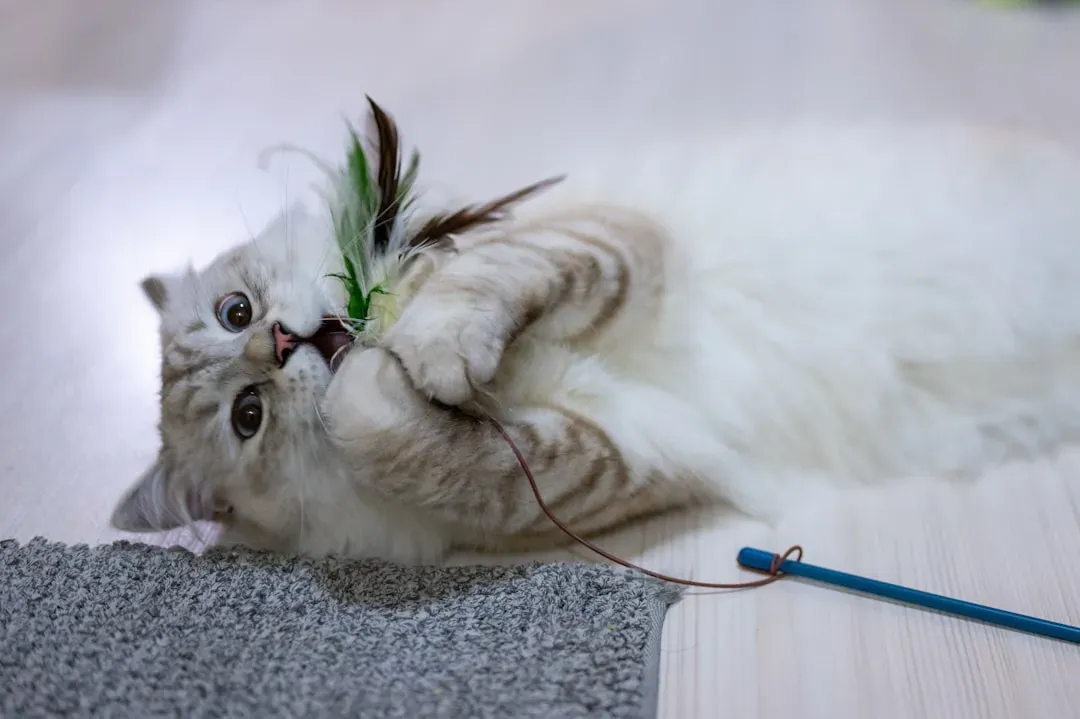
Your cat’s hunting instincts don’t disappear just because they live indoors with a full food bowl. Playing with your cat is one of the most effective ways to strengthen your bond and deepen your connection, as regular, interactive play not only provides physical exercise and mental stimulation for your cat but also creates opportunities for you to engage in positive, enjoyable interactions. Those ten to fifteen minutes chasing a wand toy or pouncing on a toy mouse aren’t just fun – they’re essential to your cat’s emotional wellbeing.
Happy cats feel safe and loved, and regular play sessions have the double benefit of keeping stress levels down and fitness levels up, with sessions around ten to fifteen minutes long and two-a-day enough to provide plenty of stimulation. Honestly, I think we underestimate how much cats need this kind of engagement. When you consistently show up for playtime, your cat learns they can count on you not just for food and shelter, but for genuine connection and joy.
Use Slow Blinks to Show Affection

Most cats show affection by looking at someone they trust and slowly closing their eyes – you can return this display by getting on her level, meeting her gaze, and slowly blinking back at her, as kitty will know exactly what you are trying to say. This simple gesture might seem insignificant, but it’s actually one of the most powerful ways to communicate love in a language your cat genuinely understands. Cats blink slowly to show affection and relaxation – if a cat blinks slowly at you, they are not threatened by you and in fact trust you, so to bond with a cat that blinks slowly at you, you can return their gesture by blinking slowly back at them.
Try it next time your cat is gazing at you from across the room. Make eye contact, then slowly close your eyes for a moment before opening them again. You might be surprised when your cat mirrors the gesture back. It’s like exchanging silent “I love yous” that bypass human language entirely and tap into something deeper.
Become the Hand That Feeds Them
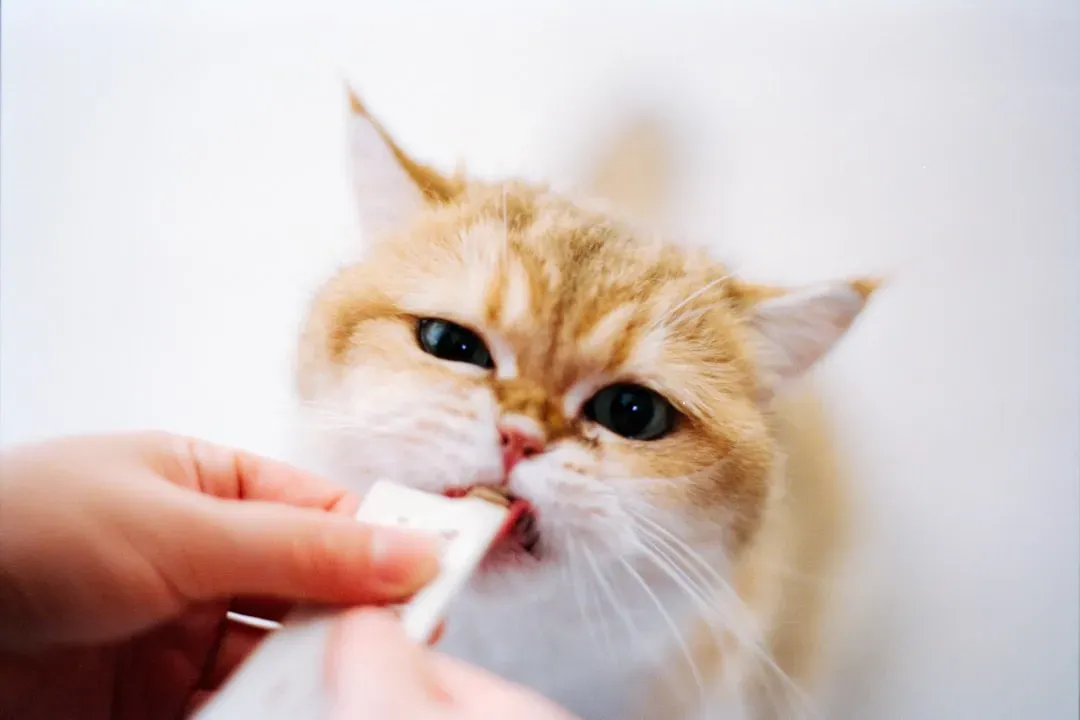
To a cat, if there’s always food available for them, they just “found it,” and automatic feeders are not much better – if you feed your cats meals instead of leaving a bowl of food always available for them or using an automatic feeder, they will learn to come to you for their food. Being present during mealtimes transforms you from a background figure into the provider of one of life’s most important resources. Feeding your cats every time will make your cats associate you with their meals, someone good, worthy of trust and affection – be the hand that feeds your cat.
This doesn’t mean you need to hand-feed every morsel, but being consistently present when you set down the food bowl creates positive associations. You become the bearer of good things, the person who shows up reliably when your cat needs you most. Over time, this simple habit deepens the bond between you in ways that surprise most cat parents.
Respect Your Cat’s Communication Signals

When your cat rubs its face along your leg, it blends its scent with yours, which tells it feels safe with you. Learning to read these subtle cues transforms your relationship from one-sided guesswork into genuine two-way communication. By watching for these signals, you spy real messages – if you respond by offering space, play, or a gentle pet, your cat learns you listen, and as you spot more cues in cat habits and behavior, you step into their world and build trust with every blink and brush.
Pay attention to his body language – if he starts twitching his tail or narrowing his ears, this is a sign to pull back, and the more you respect his body language, the more likely he will approach you for pets in the future. This might be the most important habit of all because it underlies every other interaction you have with your cat. When you honor their boundaries, respond to their signals, and adjust your behavior accordingly, you show your cat that they matter and their feelings are valid.
Conclusion
Building a relationship with your cat based on trust and genuine understanding doesn’t require dramatic changes to your lifestyle. It’s about showing up consistently, respecting boundaries, and speaking your cat’s language through slow blinks, predictable routines, and responsive interactions. When you integrate these seven habits into your daily life, you’ll notice your cat becoming more relaxed, affectionate, and present around you.
The beauty of these habits is that they benefit both of you – you’ll feel more connected to your feline companion while your cat experiences the security and love they deserve. What small change will you make today to strengthen your bond with your cat?