Most cat owners genuinely adore their pets. You buy the good food, you keep the water bowl full, you even let them commandeer the warmest spot on the sofa. Yet despite all of this, your cat occasionally shoots you a look that suggests deep personal offense. The truth is, some of the friction between you and your feline has nothing to do with neglect. It comes from habits that seem perfectly ordinary to you but register as genuinely unpleasant to them.
Cats are creatures of habit with very specific likes and dislikes. While they might not hiss or scratch every time something bothers them, that doesn’t mean they’re thrilled. In fact, many well-meaning cat owners unknowingly do things that stress out, irritate, or even anger their feline friends. Understanding which habits cross that line is the first step to a more peaceful household for both of you.
Holding Eye Contact Like You’re Having a Conversation
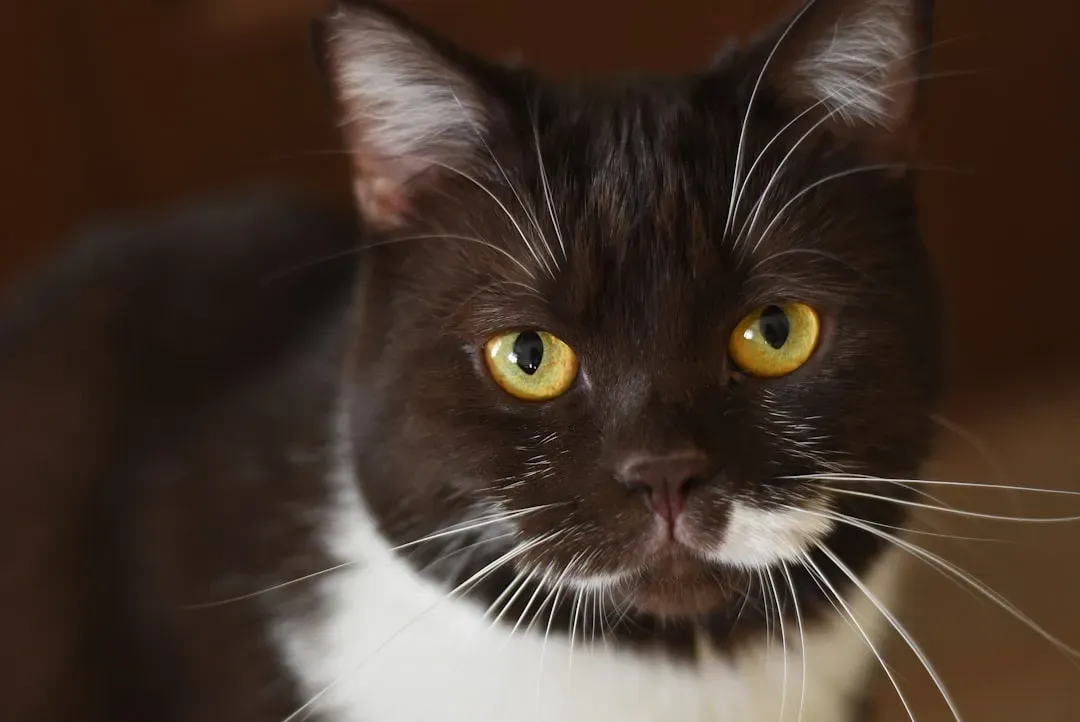
You might look into your cat’s eyes as a gesture of affection, the same way you would with a person you love. To you, it’s warmth. To your cat, it reads very differently. Within the animal kingdom, sustained eye contact is a direct threat. Rival cats engage in staring contests to assert dominance, and if no cat looks away, they usually end up fighting.
So when you hold that loving gaze a little too long, your cat may feel challenged rather than cherished. Research has found that a specific set of feline behaviors involving several half-blinks followed by prolonged eye narrowing or closure is actually a positive emotional response. When a familiar human slow-blinks toward a cat, the cat tends to approach more frequently than if the human simply stares with a neutral expression. Try a slow blink instead of a hard stare. Your cat will likely understand that far better.
Speaking in a High-Pitched Baby Voice
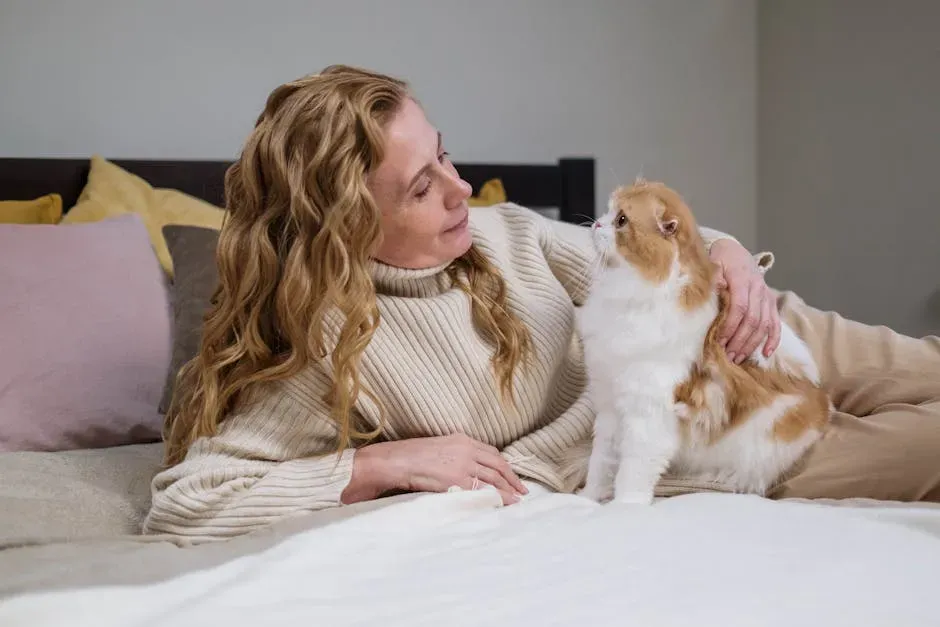
It’s almost impossible not to do it. The squeaky, singsong voice comes out the moment your cat looks at you. It feels natural, and honestly, it sounds cute. But your cat’s hearing is built for precision, not performance. Cats can hear higher-pitched sounds up to 1.6 octaves above the human range, so what sounds adorable to you might register as a high-pitched screech to your furry friend.
Many cat owners underestimate just how sensitive their cats’ senses are, and that includes hearing. Strong or piercing sounds can be genuinely overwhelming. This doesn’t mean you should stop talking to your cat altogether. A calm, steady tone is far more soothing to them than theatrical inflection. Keep your voice low and measured, and you’ll likely notice your cat is much more receptive to interaction.
Skipping the Litter Box Scoop
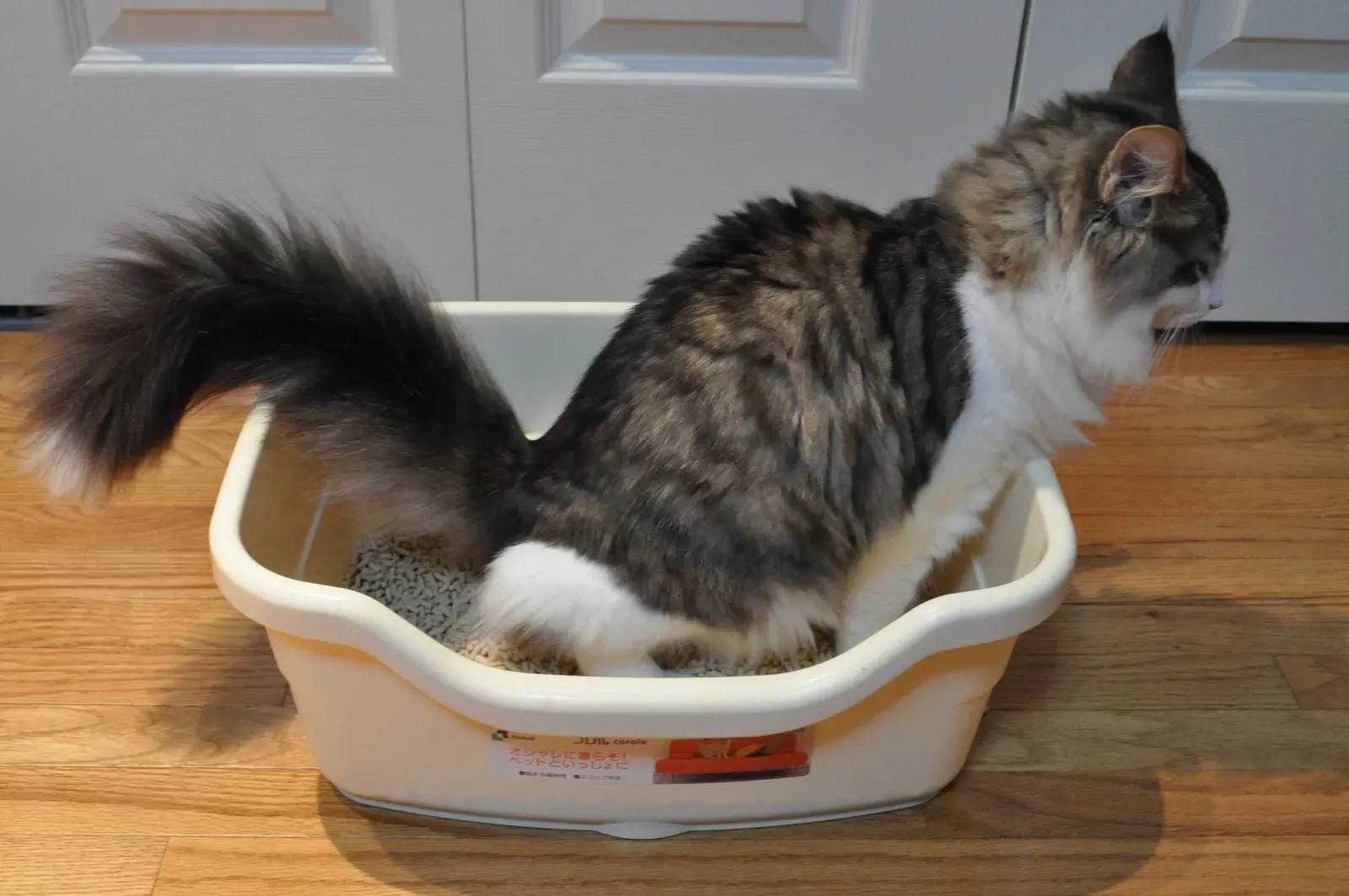
Missing a day of scooping can feel like a minor oversight, especially when life gets busy. But to your cat, a dirty litter box isn’t just inconvenient, it’s a genuine source of stress. A dirty litter box can be a major source of annoyance for cats. They prefer a clean, odor-free place to do their business, and an overcrowded or unclean litter box can lead to litter box avoidance and stress.
Not doing it daily is the number-one way to annoy your cat. Regular scooping is essential for a cat’s physical and emotional wellbeing, and neglecting this task increases the chance your cat will find somewhere else around the house to relieve themselves. That somewhere else is, predictably, never somewhere you’d prefer. A consistent daily scoop takes less than two minutes and makes an enormous difference in how your cat feels about their space.
Disrupting Their Routine Without Warning
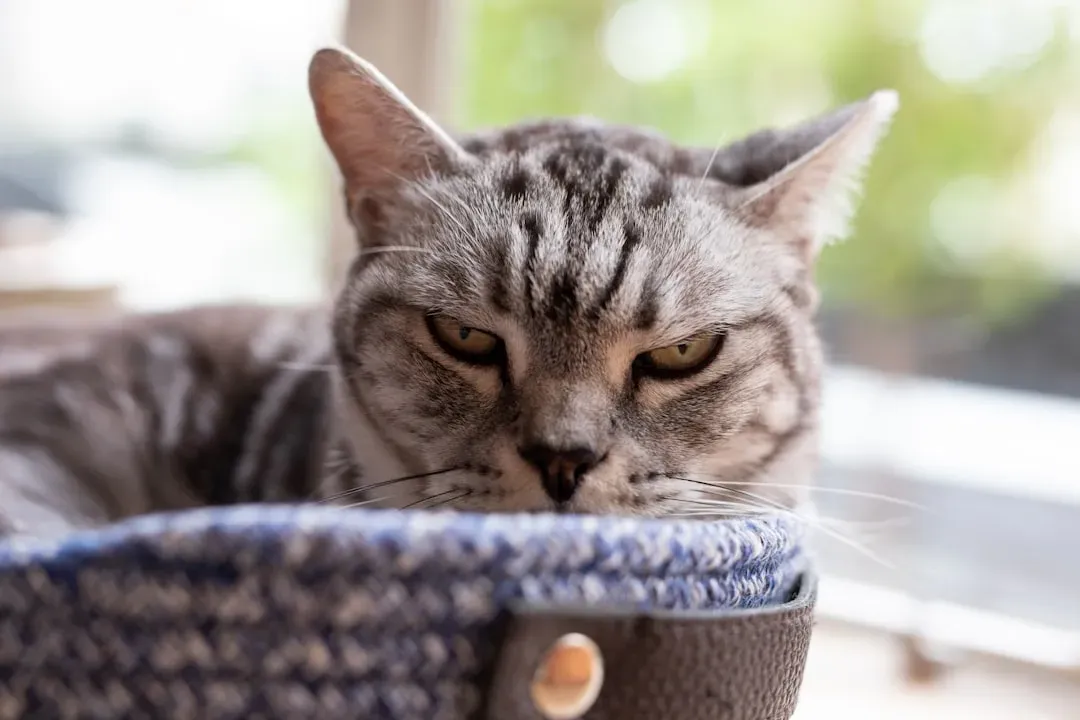
Rearranging the living room furniture or shifting meal times by an hour might seem trivial to you. Your cat, however, has built an entire mental map of their world, and unexpected changes shake that map loose. Cats are creatures of habit, and sudden changes in routine such as changing the location of their food bowl, moving their bed, or changing their feeding schedule can leave them confused and upset, with signs including withdrawal, frequent meowing, or aggressive behavior.
Domestic cats are exposed to a variety of stressful stimuli, and some of the most commonly encountered stressors include changes in environment and the cat’s inability to perform highly motivated behavior patterns. When changes are unavoidable, introducing them gradually gives your cat time to adjust without feeling destabilized. Allow them time to adjust and explore at their own pace, offering reassurance and consistency. That small courtesy matters more than you might expect.
Touching Their Belly or Paws Without Permission
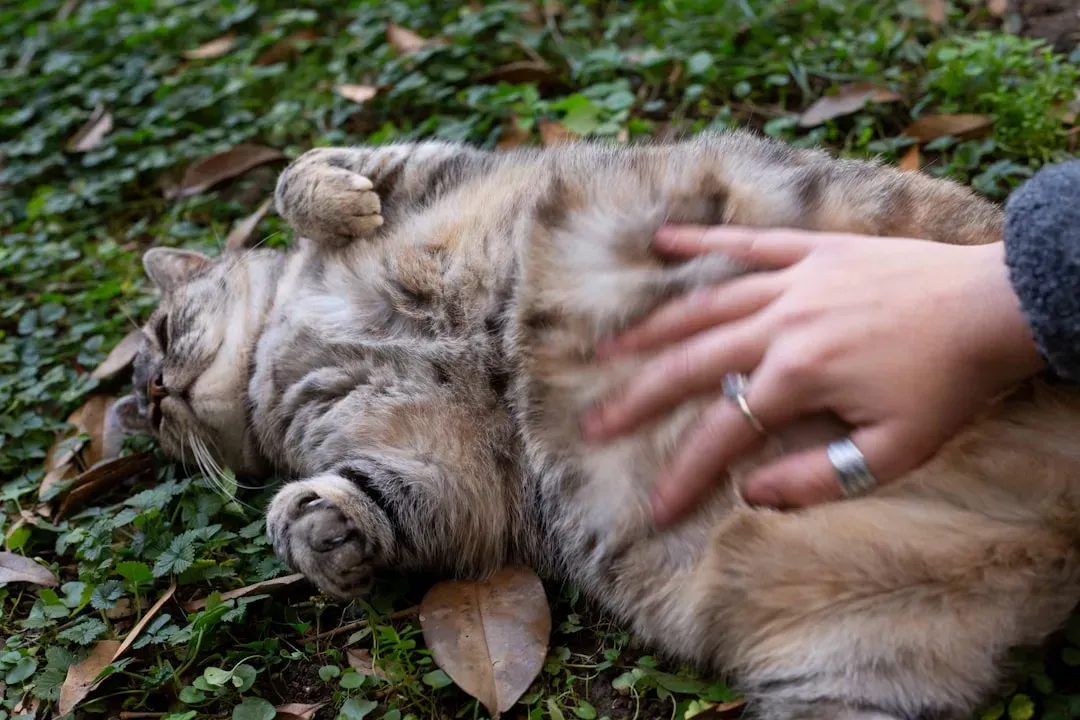
Your cat rolls over and exposes their soft belly, and every instinct tells you to reach down and rub it. Resist the urge, at least until you know your individual cat’s preferences. While some cats like belly contact, most hate having their bellies touched. This area is extremely sensitive, and showing their belly is a sign of trust, not an invitation for petting.
A cat’s paws and tail are also very sensitive areas, and most cats do not like having them touched without their consent. This can cause them to move away or even defend themselves. A good general practice is to follow the cat’s lead. Try the three-second rule: pet them for three seconds, then pause. If they stay close, seem at peace, or nudge you to continue, give them a few more seconds of attention. Let them set the terms.
Using Strong Scents and Fragrances Around the House
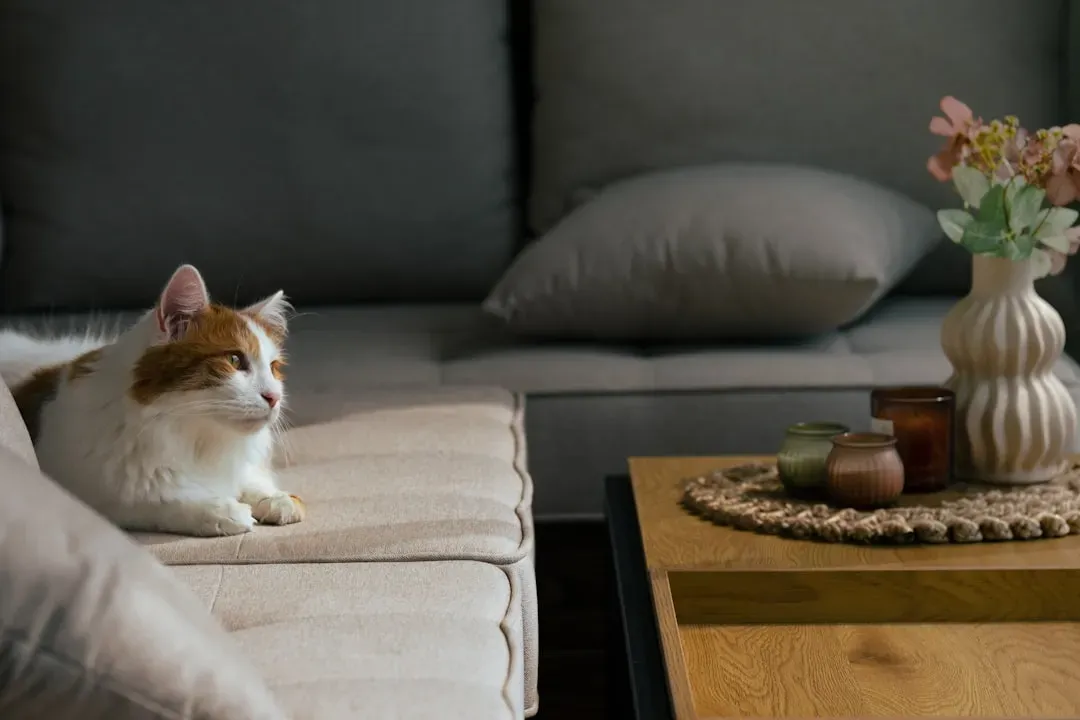
Spritzing on perfume before leaving the house, lighting a strongly scented candle, or mopping floors with a pine-scented cleaner are all perfectly normal human habits. For your cat, though, the olfactory experience is on an entirely different level. A cat’s sense of smell is remarkably acute, which means that spritzing on your favorite perfume could be extremely annoying to your cat. Air fresheners and household cleaners with strong scents can be overwhelming or even harmful to them.
Perfumes, cleaning products, and even some candles can have scents that irritate cats. They have a very keen sense of smell, and strong fragrances can be bothersome, with common signs of irritation including avoiding the room entirely or sneezing. If you do use scented products, cats should always have the option to retreat from anything that is overstimulating or uncomfortable. Making sure they have access to a well-ventilated, scent-free room to escape to is a simple fix with a real impact.
Interrupting Their Rest to Force Interaction
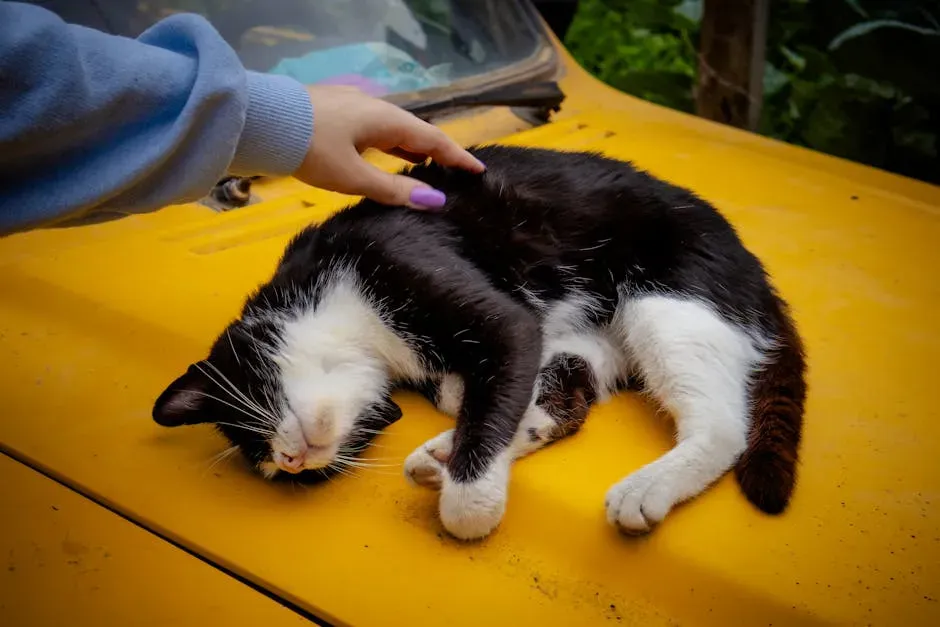
You come home after a long day and want to connect with your cat immediately. They’re napping in a patch of sunlight, looking utterly perfect, and you scoop them up or start prodding them awake. It feels like affection. To them, it registers as a disruption they didn’t ask for. Imagine settling down for a nap when someone comes along wanting you to entertain them. You wouldn’t love it, and neither does your cat. Veterinary professionals consider this behavior the second-best way to annoy your cat, right after a dirty litter box.
Signs like ears back or flat, a flicking tail, and even growling or hissing are all indications to stop and give your cat their space. These behaviors signal that you are pestering them while they are trying to rest or simply don’t want to play. Cats are social on their own timeline. Most cats enjoy a cuddle with their favorite human, but you should always wait for the cat to come to you. After all, you’d feel anxious or just plain annoyed if someone enormous scooped you up without asking.
Conclusion: Small Adjustments, Happier Cat
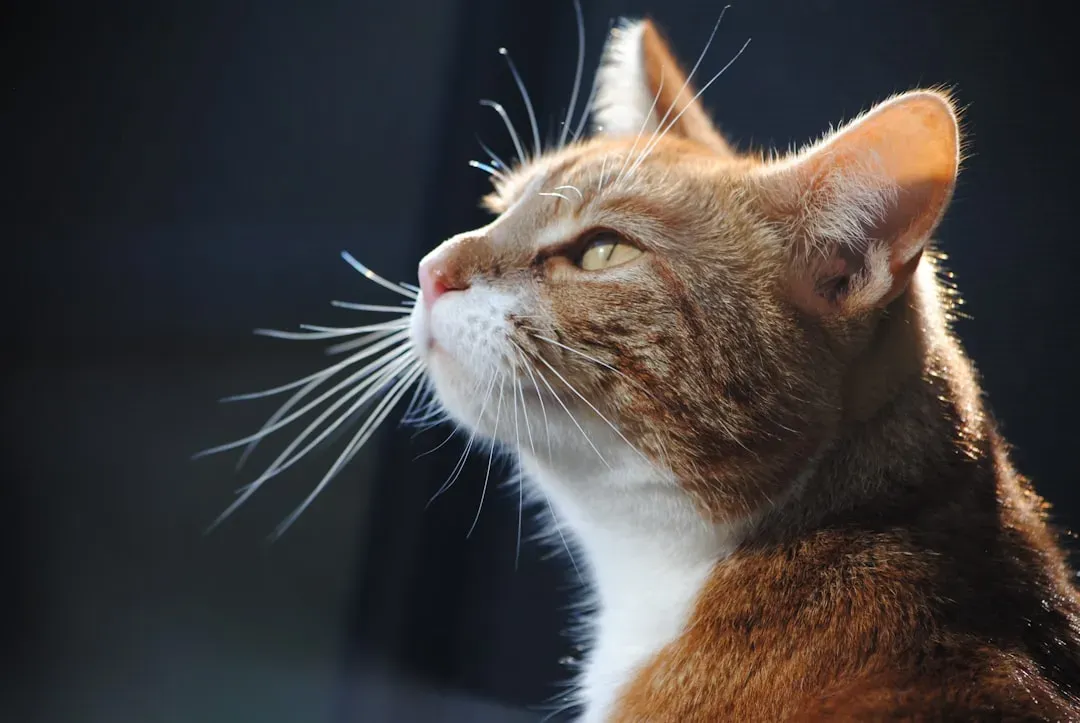
None of the habits on this list come from a bad place. They come from being human, from not always knowing how differently your cat experiences the world around them. Because cats were domesticated relatively recently compared to other species, many of their habits still closely resemble those of their wild ancestors, including preferences rooted in hunting, exploring, and territorial marking. That ancient wiring doesn’t switch off just because they live indoors with you.
Stressors in a cat’s life have additive effects, meaning that when several stressors occur at the same time, the resulting stress response can be much higher than if the animal was exposed to just one stressor. In other words, small annoyances can stack up. The good news is that the fixes are equally small. Slow down the stare, lower your voice, scoop the litter box daily, and let your cat come to you on their own terms. You don’t have to overhaul your life to make your cat’s life noticeably better. You just have to pay a little more attention to the signals they’ve been quietly sending all along.