You spent a small fortune on that fancy cat tower. You browsed the pet store aisles for the perfect feathered wand toy. You ordered the electronic motion gadget online with overnight shipping. Then you came home to find your cat completely ignoring all of it – deeply engrossed in an empty shoebox sitting in the corner. Sound familiar? Honestly, it’s one of the most relatable experiences of being a cat owner.
Here’s the thing: cats are wired in a way that makes ordinary household objects endlessly compelling to them. It’s not stubbornness or ingratitude. There’s real, fascinating biology behind why your furry companion prefers the mundane over the expensive. So before you head back to the pet store, take a look around your own home – you’re already surrounded by your cat’s secret favorites. Let’s dive in.
1. The Cardboard Box That Arrived With Your Last Online Order
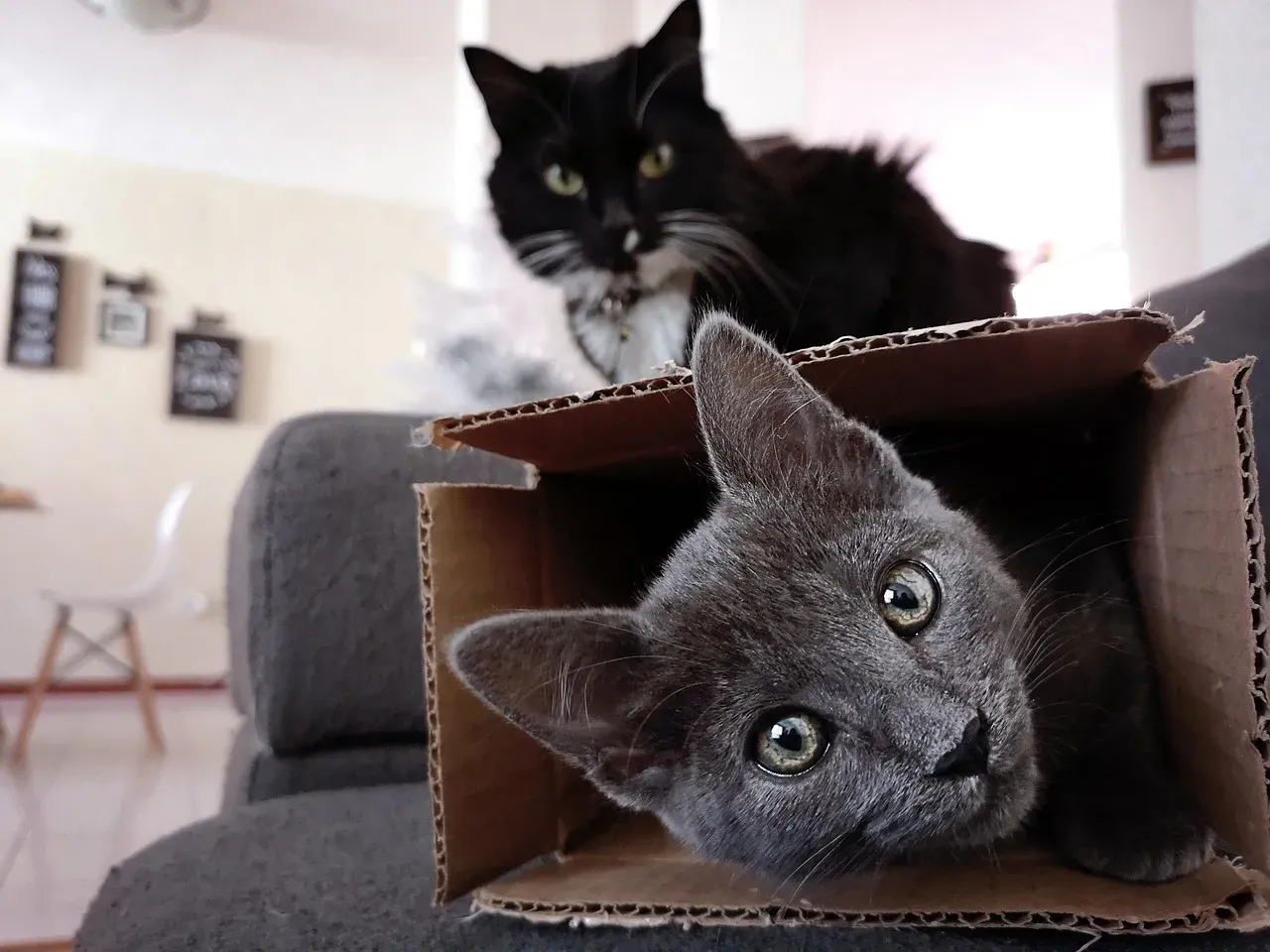
You might see a piece of recyclable packaging destined for the bin, but your cat sees something entirely different. Cats are predators that like to hide and ambush their prey, and cardboard boxes mimic the natural habitats found outdoors for cats. That plain brown cube sitting on your floor is, in the eyes of your feline, the perfect tactical command center.
There’s also a more complex evolutionary reason why cardboard boxes are like catnip for your pet: they provide a sense of security from predators and a good vantage point to stalk potential prey. Cats are both predators and prey species, and hiding in something like a cardboard box can shield them from being detected by their prey until they are ready to pounce. Beyond the hunting instinct, a cat’s normal body temperature ranges up to 102.5°F, and cardboard can provide insulation that helps them retain body heat. Even if your cat is indoors only, your furry friend still feels an instinctual need for shelter. Next time an Amazon box lands at your door, just set it on the floor and step back. The entertainment is guaranteed.
2. Paper Bags From Your Last Grocery Run
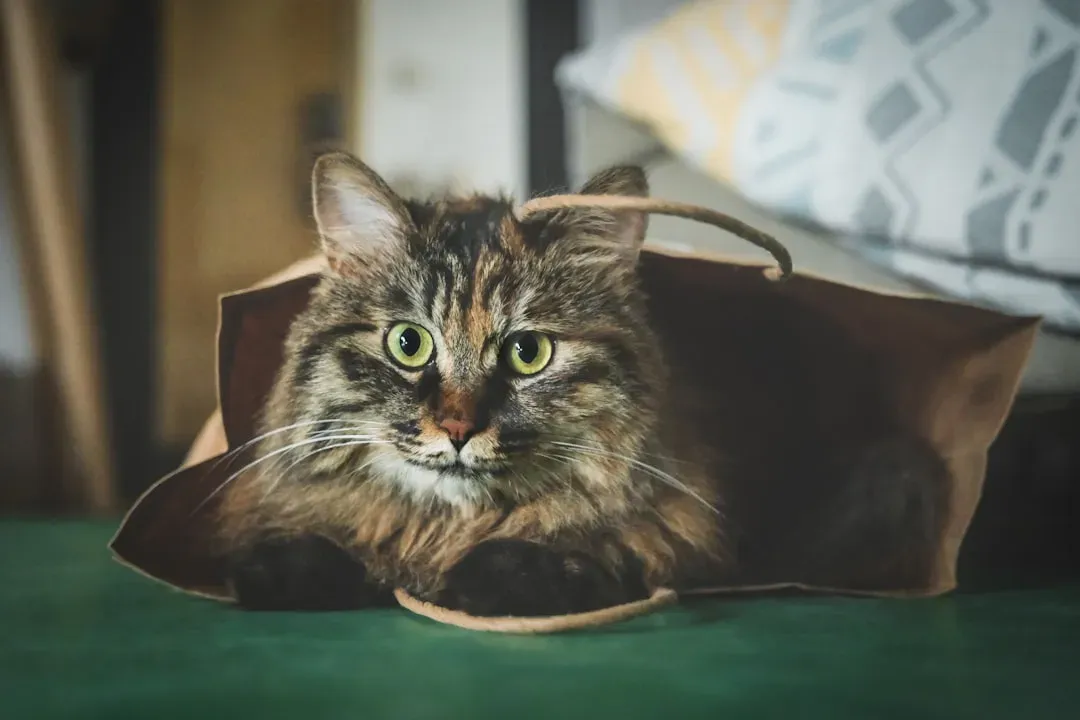
You bring the groceries in, you set the bags down to unpack them, and suddenly your cat materializes out of thin air to investigate. It’s almost magical how quickly they appear. Some cats love paper bags so much that you may even find it difficult to empty your groceries without your feline friend trying to climb into them. You shouldn’t let your cat play in plastic carrier bags, but fabric and paper bags should be perfectly safe.
Cats are intrigued by the novel rustling sounds of a paper bag, and play is a hugely important part of a cat’s life, as they use it not only to relieve boredom but also to practice their hunting instincts. Paper might not look much like a cat’s usual prey of birds or small mammals, but its crinkle and crunch can sound a bit like rodents hiding in leaves, and the way it seems to move by itself can be very stimulating for cats. You can make the experience even better by cutting the handles off first for safety, then placing a small toy inside. Cut the bottom off and make it a tunnel, or put multiple such bags out and let your cat run wild. Your cat won’t care that it cost you absolutely nothing.
3. The Toilet Paper Roll You Just Finished

Before you toss it in the recycling, consider what that humble cardboard tube can do for your cat. Cats are hunters, so they find it hard to resist something that’s fluttering around in the air, like the end of a toilet paper roll. Attacking it naturally leads to its unrolling, which creates more and more fun. It’s a chain reaction of joy that costs you absolutely zero dollars to initiate.
Toilet paper and paper towel tubes can be converted into treat dispensers. You simply cut out holes just big enough for a piece of cat treat or kibble to slip out, fill the rolling tube with treats, and seal both sides with tape. The result is a food puzzle toy that offers both mental and physical stimulation while satisfying your cat’s hunting needs. I think this is genuinely one of the most underrated DIY cat enrichment ideas out there. You can get as creative as you want, forming a sort of pyramid with the rolls, poking small holes in the middle to create a treat dispenser, or standing them up tall and seeing if your cat can fish the food out with their paws. A pile of finished rolls is basically a free toy box.
4. Your Dirty Laundry and Worn Clothing
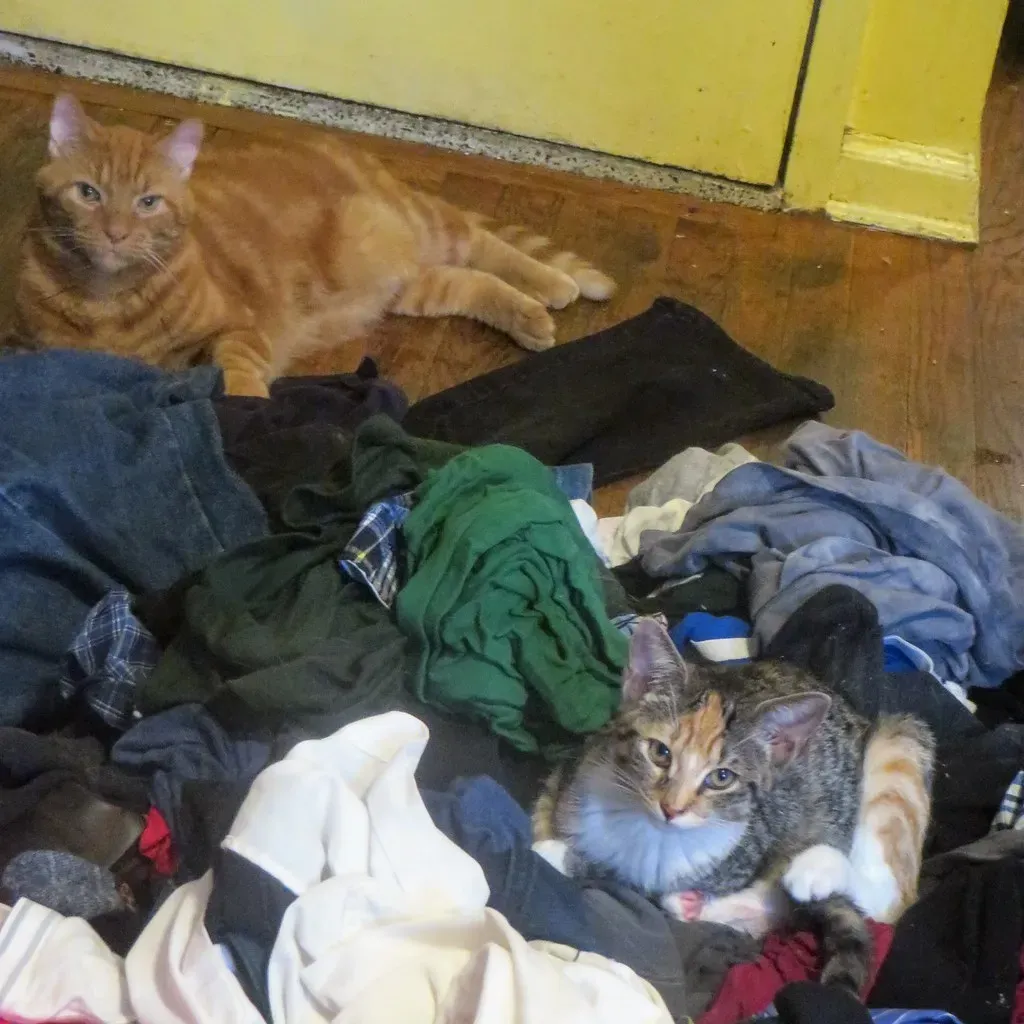
You toss your worn shirt onto the bed or leave it draped over a chair, and within minutes your cat is on top of it, kneading it like bread dough with a look of absolute bliss. It’s not random. Cats have roughly 200 million scent receptors in their noses compared to about 5 million in humans. Your worn clothing carries your unique scent, and to your cat, that scent signals safety. When cats lay on your dirty clothes, they’re surrounding themselves with the smell of someone they trust, especially when you’re out of the house or in another room.
When your cat sits on your clothes, they’re doing more than just relaxing. Cats have scent glands on their paws, cheeks, and bodies, and lying on your clothing allows them to deposit their own scent alongside yours. Scent mingling is a form of social bonding in the feline world. Think of it this way: your cat is essentially co-signing a lease on your wardrobe. Cats constantly seek warm spots, and clothes, especially recently worn ones or those just out of the tumble dryer, provide a soft, warm surface that mimics the feeling of a snug resting place. Clothes retain heat better than many other surfaces, attracting cats to these warm spots for a soothing nap. You’re not just a person to them. You’re a warm, scented sanctuary.
5. Bed Sheets, Especially When You’re Changing Them

If you have a cat, you already know that changing the bed sheets is a two-person job. One person to shake out the sheets, and the cat to immediately launch themselves underneath the billowing fabric. When you float those fresh sheets into the air and onto the bed, you create a labyrinth of new, unexplored spaces open for a limited time only. It’s exciting. Every single time, without fail.
Cats love the sound of making the bed. The flapping of the sheets and the subtle squeak of fresh cotton might just be their favourite audio combination ever, because it mimics the two favourite things for your little lion to hunt: birds and mice. On top of the sound, like boxes, bed sheets provide a flowy enclosure that’s soft, warm, and filled with your scent. It’s basically every sensory pleasure rolled into one domestic act. Honestly, if your cat could schedule it, they’d probably request you change the sheets every day.
6. Bottle Caps and Small Plastic Lids
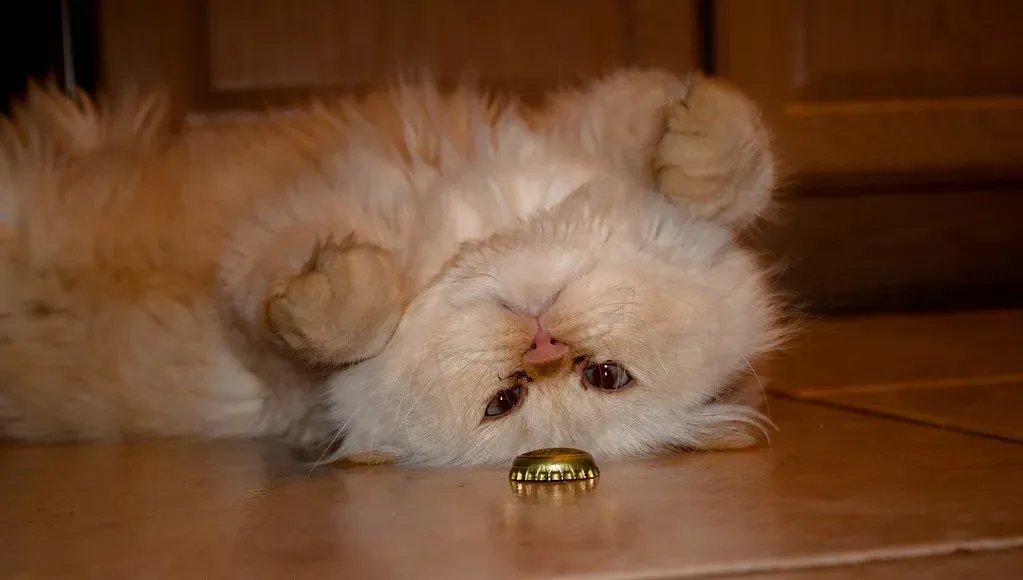
Here’s a surprising one. That plastic bottle cap you just twisted off and nearly tossed in the trash? It might become your cat’s most treasured possession for the next hour. Bottle caps and ping pong balls are lightweight and easy to flick around the floor. Ping pong balls are amusing because your cat can chase them faster than bottle caps. You can get involved with your cat’s playtime and toss a bottle cap on the floor. The unpredictable skittering motion is basically irresistible to a creature hardwired to chase small, fast-moving objects.
A light object that can be flicked is of great interest to a cat, as they like to toss it around and then chase it, unleashing their predator instinct. You should avoid metal caps, though, as their sharp edges can hurt your pet. Hunting is in a cat’s DNA, and most types of indoor play give cats an outlet to act instinctually, releasing dopamine, the brain’s pleasure chemical. It’s hard to say for sure, but I suspect a plastic lid spinning across a hardwood floor triggers the exact same thrill in your cat’s brain as spotting a mouse darting through grass. Small, fast, unpredictable – that’s the formula.
7. Your Curtains and the Space Behind Them
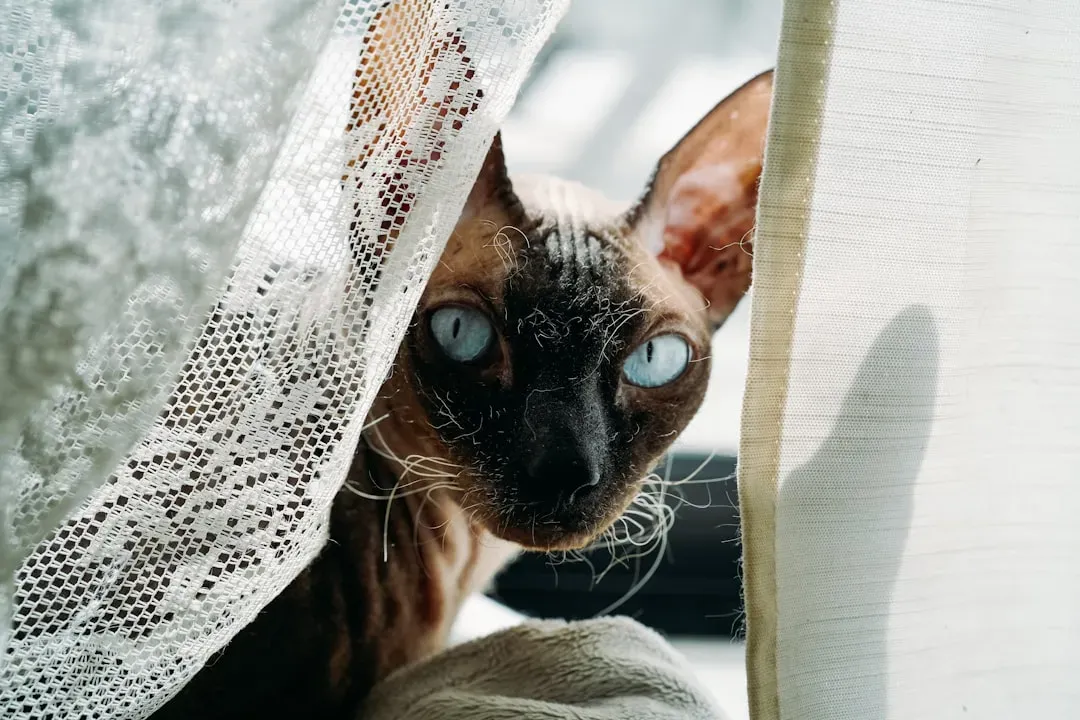
You’ve probably wondered why your cat zones in on the curtains with such surgical precision. It’s not sabotage. It’s instinct. Cats view curtains as a super fun household item. Some cats really enjoy hiding behind the fabric and pouncing on their housemates or toys from behind the curtain, while others choose to climb the curtains as a way to get as high as possible. The vertical space is just as important as the hiding spot itself.
Think of curtains as a jungle gym and a hunting blind rolled into one. The soft, flowing fabric rustles and moves, triggering that same prey-detection response cats have toward anything that shifts unpredictably. Wild cats hunt birds, so it’s no wonder your little house cat loves batting around anything that moves like a feathered creature. The truth is that modern felines really aren’t that domesticated, so they’ve retained a lot of their wild instincts. If your curtains are suffering for it, the best redirect is a sturdy cat tree positioned near a window. Spare your curtains and make sure your kitty has a cat tree they can climb instead. They still get their vertical conquest. Your curtains survive.
The Takeaway: Your Home Is Already a Cat Playground

It turns out the most enriching environment for your cat might already be all around you. Hunting is in a cat’s DNA, and most types of indoor play give cats an outlet to act instinctually, releasing dopamine, the brain’s pleasure chemical. Play is also a huge stress reliever for cats. Every crinkle, every flicker of movement, every item carrying your scent is a form of stimulation that connects back to deep, ancient feline instincts.
You don’t need to spend a fortune on gadgets your cat will ignore by Thursday. A cardboard box, a paper bag, a finished toilet roll, or a worn t-shirt can deliver genuine joy and enrichment. Just make sure to play with your cat daily, ideally for about 30 minutes. Playtime will not only keep your cat active and healthy but will also reinforce your bond with them. Sometimes the best gift you can give your cat is the one already sitting on the kitchen counter.
So next time your cat bypasses the elaborate toy you just bought and makes a beeline for the cardboard box it came in – don’t be offended. Be amazed. Did you really expect anything less from an animal that has perfected the art of finding joy in the simplest things? What’s the most surprising everyday item your cat has claimed as their own? Tell us in the comments!