Your cat might look completely unbothered as they lounge on the couch, eyes half-closed, tail curled perfectly around their paws. But behind that picture of peace, something else might be happening entirely. The world your cat experiences through their ears is a completely different universe from yours, one that is sharper, louder, and frankly, a lot more overwhelming.
Most of us don’t think twice about the sounds filling our homes. The blender whirring, the phone ringing, the TV blasting from the next room. To you, they are just background noise. To your cat, however, some of those sounds might be the equivalent of someone blasting a foghorn inches from your ear. Let’s dive into the seven everyday culprits that could be secretly stressing your beloved feline.
The Vacuum Cleaner: Your Cat’s Most Dramatic Nemesis
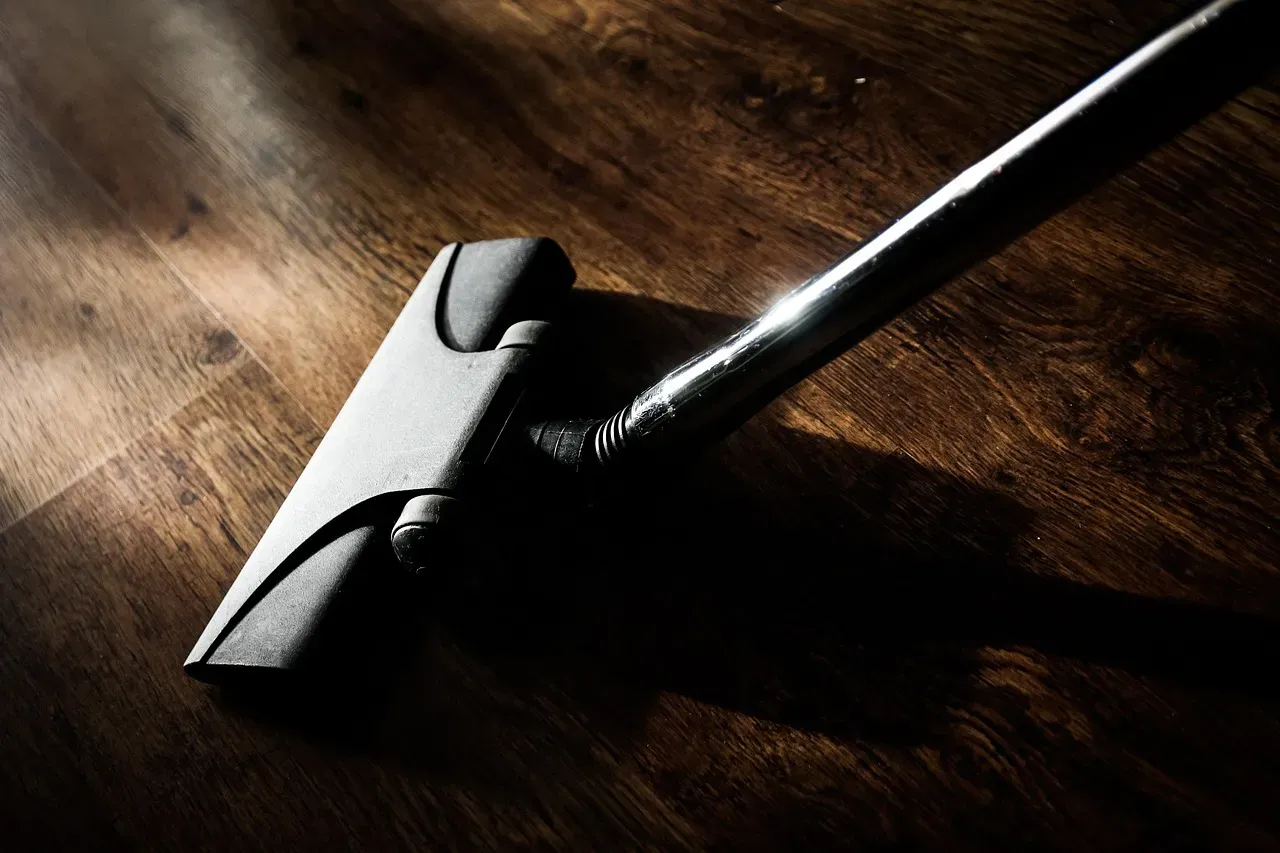
Let’s be real, almost every cat owner has witnessed the full Olympic sprint that happens the moment the vacuum cleaner switches on. For most cats, nothing triggers a panicked retreat quite like the roar of a vacuum cleaner, and it is the combination of loud, unpredictable noise and jarring vibrations that makes it so distressing. It is not just the sound in isolation. It is the full sensory package.
Vacuums hit many frequencies that cats find unpleasant and are often wheeled directly toward areas cats consider safe, as owners try to clean up their fur. To your kitty, this noisy presence is both too loud and too close for comfort. Think of it this way: imagine a roaring monster that moves unpredictably through your living room and has a vendetta against the one spot where you nap. You would run too. If you want to help, try placing your cat in a quiet room before vacuuming and sealing the bottom of the door to reduce sound bleed.
Loud Music and the Thumping Bass That Rattles Their World
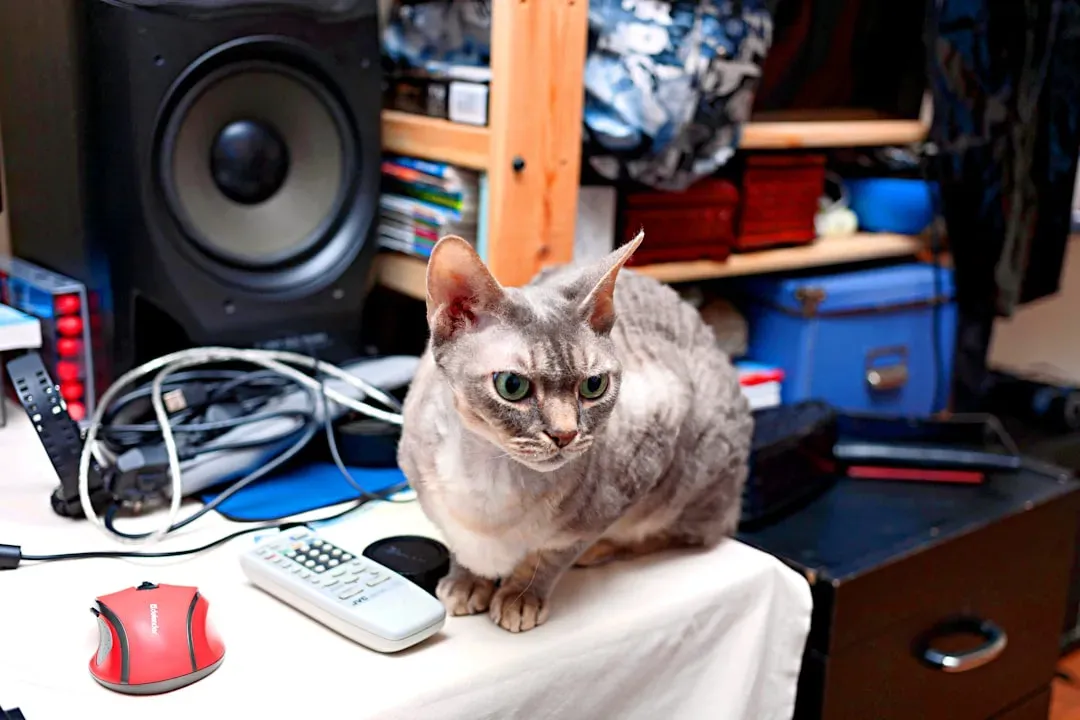
Higher pitches in loud music can sound like distress calls. Some cats will happily nap through soft classical or gentle jazz, but pounding bass or shrieking guitars are another story. The higher pitches overlap with distress calls cats use among themselves, while the thumping vibrations unsettle them further. It is honestly surprising how much impact your playlist choices can have on the creature curled up across the room.
Not only will a cat feel stressed about being confined in a room that is too loud, but it could also cause damage to their hearing health. If you love your music loud, consider setting up a dedicated listening room your cat cannot access, or simply keep them in a quieter part of the home while you rock out. Avoid loud percussion instruments like drums in particular, as cats’ ears can be especially sensitive to these sounds.
Electronic Beeps and High-Pitched Alarms
What do microwave timers, smoke detectors, and phone alarms have in common? They all produce sharp, repetitive beeps that are prime examples of high-frequency sounds cats hate. While these noises are loud for humans, the piercing beeps can feel overwhelming to a cat’s sensitive ears. You probably barely register the microwave’s three-beep reminder, but your cat absolutely does.
Alarms are loud, sudden, and high-pitched, which are three things cats instinctively associate with danger. The problem is that these sounds are practically unavoidable in a modern home. The best approach is to minimize unnecessary alarm durations. Respond to your microwave beeps quickly, silence your alarms promptly, and if your smoke detector is the overly sensitive type that goes off when you make toast, consider relocating it slightly away from your cat’s favorite resting areas.
Your Phone Ringtone: Surprisingly Triggering
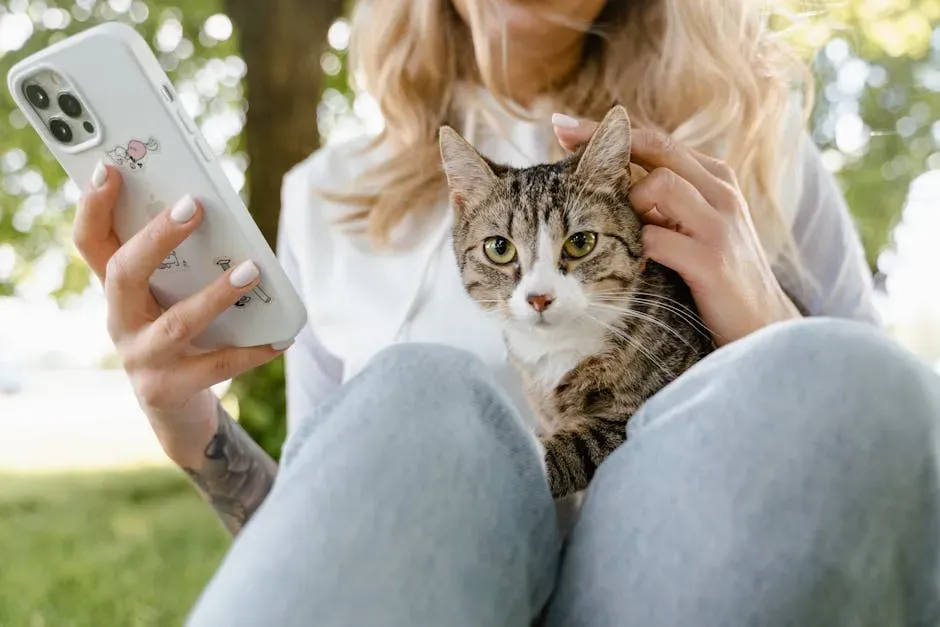
Modern smartphones produce sounds in ranges perfectly calibrated to grab attention, including your cat’s. Watch your pet’s body language when your phone rings to spot signs of stress like ear flattening or tail twitching. Honestly, I think most of us don’t even consider our ringtone as a potential source of feline anxiety. It seems so trivial. Yet for a cat, a sudden shrill ring out of nowhere is anything but trivial.
Phone ringtones often contain high-frequency tones that are uncomfortable for cats. The sudden startle effect can also trigger a fear response. The fix here is wonderfully simple. Switch your phone to vibrate mode when at home, or choose a gentler, lower-pitched ringtone. Small adjustment, massive improvement in your cat’s daily comfort. It takes about ten seconds, and your cat will be silently, stoically grateful.
Kitchen Chaos: Pots, Pans, and the Clanging Symphony

The kitchen symphony of metal pots and pans colliding creates sharp, jarring sounds that can trigger your cat’s stress response. When cookware clangs together, it produces sound waves that reach frequencies well within your cat’s sensitive hearing range. Many cats develop specific kitchen-related anxieties from these metallic noises. It is the acoustic equivalent of someone randomly crashing cymbals next to you while you are trying to relax.
Another thing to consider with loud banging sounds is that usually there are vibrations that your cat can also feel, something they also find stressful. So it is not just the sound wave traveling through the air. It is the physical trembling your cat feels through the floor and furniture too. A double hit. If your cat is always disappearing at meal prep time, now you know why. Be mindful of how you handle cookware, and try placing rubber or silicone mats under pots to dampen the inevitable clatter.
Raised Voices and Arguments in the Home
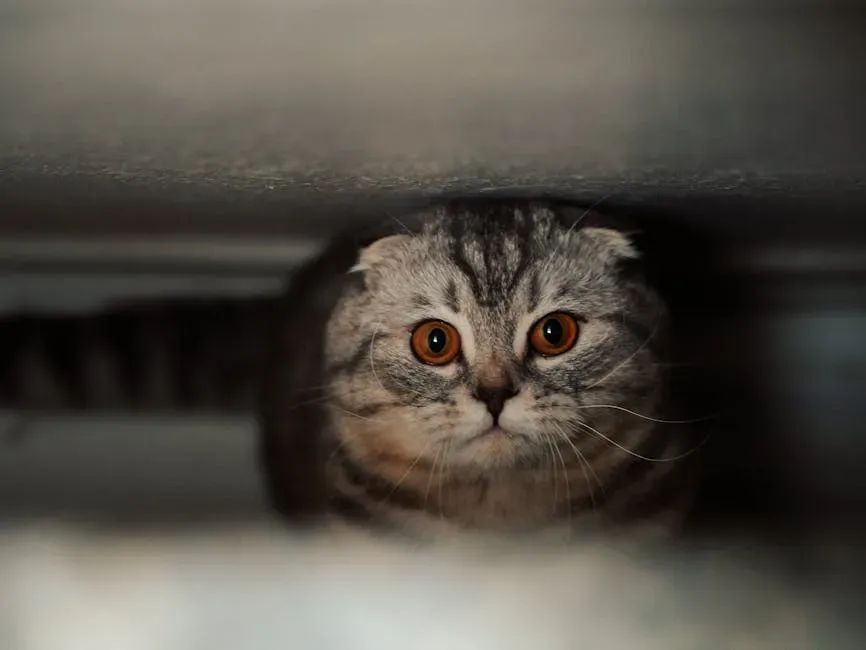
Many cats find the sound of loud yelling or crying very stressful. Cats are very intelligent and they can pick up on our tone easily. Not only are loud yelling sounds distressing, but cats can tell when we are sad or angry. This is one of those things that hits differently when you really think about it. Your cat is not just reacting to the volume. They are reading the emotional temperature of the entire room.
Cats are very attuned to shifts in human tone of voice. Shouting or raised voices can signal danger or conflict, which may cause stress, hiding, or changes in your pet’s behavior. Cats don’t like chaotic activity, which is exactly what arguments are for them. They can sense when their humans are not happy and relaxed, and it is especially upsetting for them if there is in-house conflict. Your cat will often try to hide or cower if people are yelling. Creating a calm, low-tension household is not just good for you. It is genuinely therapeutic for your cat.
The Hissing Aerosol: A Sound That Speaks Danger

A hiss is the universal animal signal for danger. Cats themselves hiss when threatened, so the sharp spray of an aerosol can, the hiss of a snake, or even a radiator’s steam valve triggers an instinctive reaction. In the feline brain, these sounds are hardwired to mean danger. Think about it from your cat’s evolutionary perspective. Hissing in the wild means something dangerous is very, very close.
Aerosol sprays, compressed air, or steam noises can resemble warning signals cats use to communicate danger. These sounds may trigger defensive behaviors like hissing back or swatting. This is why using aerosol sprays as a behavioral deterrent, as some owners do to keep cats off counters, is actually a bad idea. It consistently backfires. Cats don’t connect the punishment to the behavior the way you’d hope. Instead, they associate the frightening sound with you, the room, or whatever else was happening at the time. The result is a cat that becomes generally anxious or avoids you, not one that learns a rule.
Conclusion: A Quieter Home Is a Happier Home for Your Cat
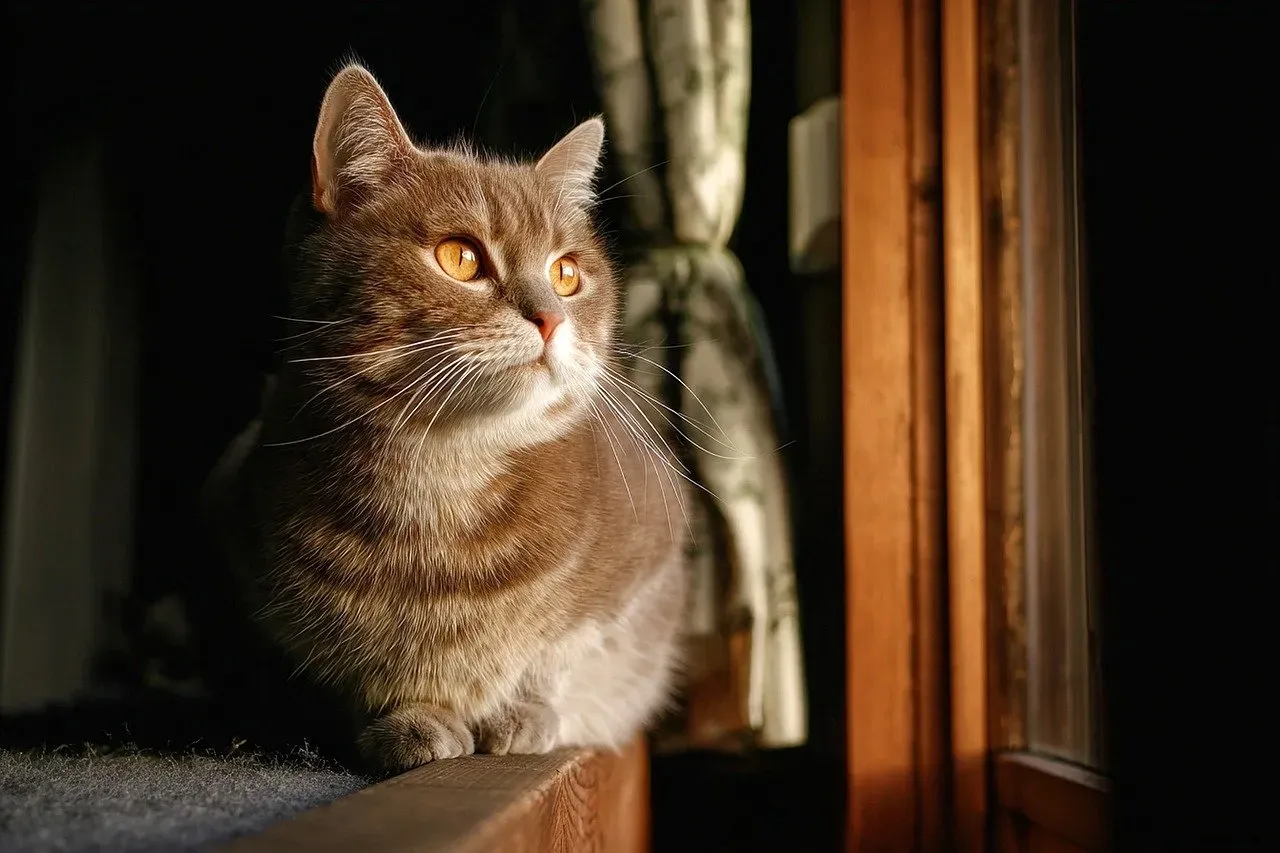
Your cat is hearing an entire world of high-frequency sound that you cannot, and many everyday noises that seem harmless to you can be genuinely distressing to them. That is a perspective worth sitting with for a moment. Your home, which feels perfectly normal to you, might be a surprisingly loud and unpredictable place through your cat’s ears. The good news? Most of these stressors are manageable with small, intentional changes.
When cats are exposed to loud, unpredictable noises over and over, it can cause long-term anxiety. Their bodies release stress hormones that keep them on high alert, leading to changes in appetite, sleep, and behavior. The impact is real, and it accumulates. Creating even one quiet sanctuary in your home, a calm corner where your cat can fully decompress away from noise, can make a meaningful difference in their overall wellbeing.
Your cat cannot tell you they are stressed. They cannot walk up to you and say the blender is ruining their day. All they can do is hide, twitch their ears, or pace restlessly, hoping you notice. Now that you know what to look for, you can be the attentive, thoughtful companion they deserve. The question is: how many of these sounds do you think are affecting your cat right now? You might be surprised by the answer.
What do you think? Have you noticed your cat reacting to any of these sounds? Share your experience in the comments below!