You’ve probably noticed your cat perking up at the smallest of noises, haven’t you? Maybe their ears swivel toward something you can’t even detect, or they suddenly go still, locked in listening mode. Here’s the thing: your feline friend is tuned into an entirely different sonic universe than you are. While we humans bumble around missing half the soundtrack of life, your cat is catching frequencies and subtleties that would blow your mind if you could hear them.
Cats can detect sounds ranging from 50Hz to around 80kHz, which means they’re picking up on ultrasonic squeaks and whispers we’ll never experience. This makes everyday life a constant sensory adventure for them. Let’s dive into the sounds that make your cat stop, stare, and sometimes act completely bonkers.
The Crinkle of Treat Bags and Food Packaging
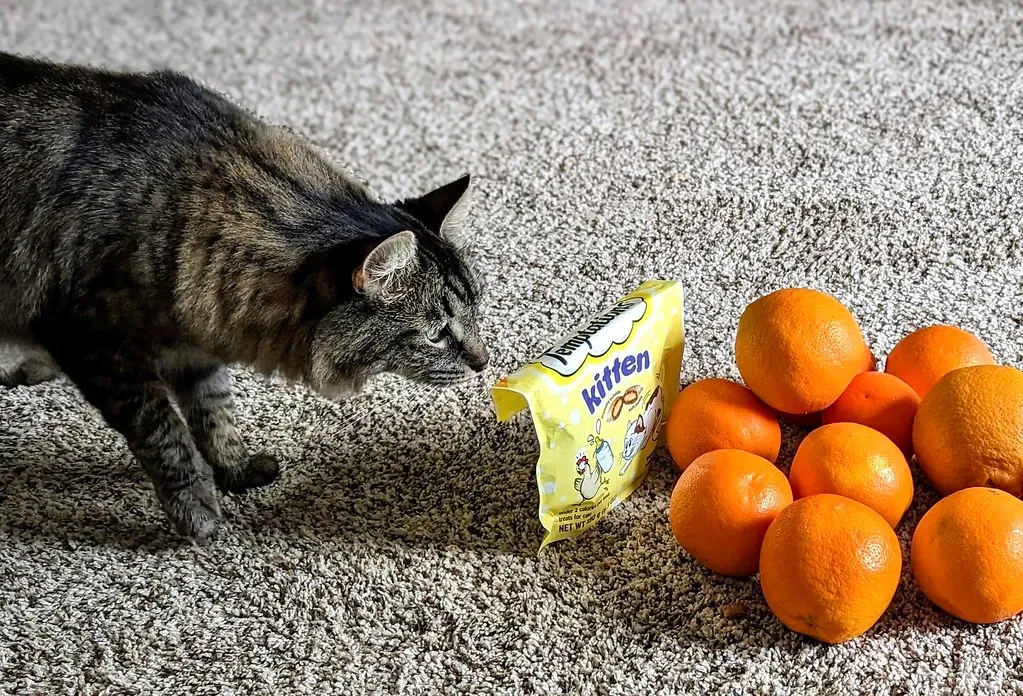
Let’s be real, nothing gets your cat moving faster than the rustle of a snack bag. That distinctive crinkling noise sends them racing from wherever they’ve been napping, suddenly wide awake and ready for action. It’s honestly impressive how they can distinguish between you opening your chips versus their treat bag.
Kitchen appliances like can openers send cats into a frenzy, with studies showing that roughly seventy percent of cats react positively to these sounds, associating them with food. Your cat has learned through repeated experience that certain high-pitched, crackling sounds mean something delicious is about to happen. Their memory for these auditory cues is razor-sharp, which explains why they can be dead asleep one moment and at your feet the next when they hear that familiar pop or crackle.
Think about it from their perspective. To them, these sounds aren’t just noises; they’re like dinner bells programmed directly into their brain. The anticipation builds every single time.
The High-Pitched Whir of Household Appliances
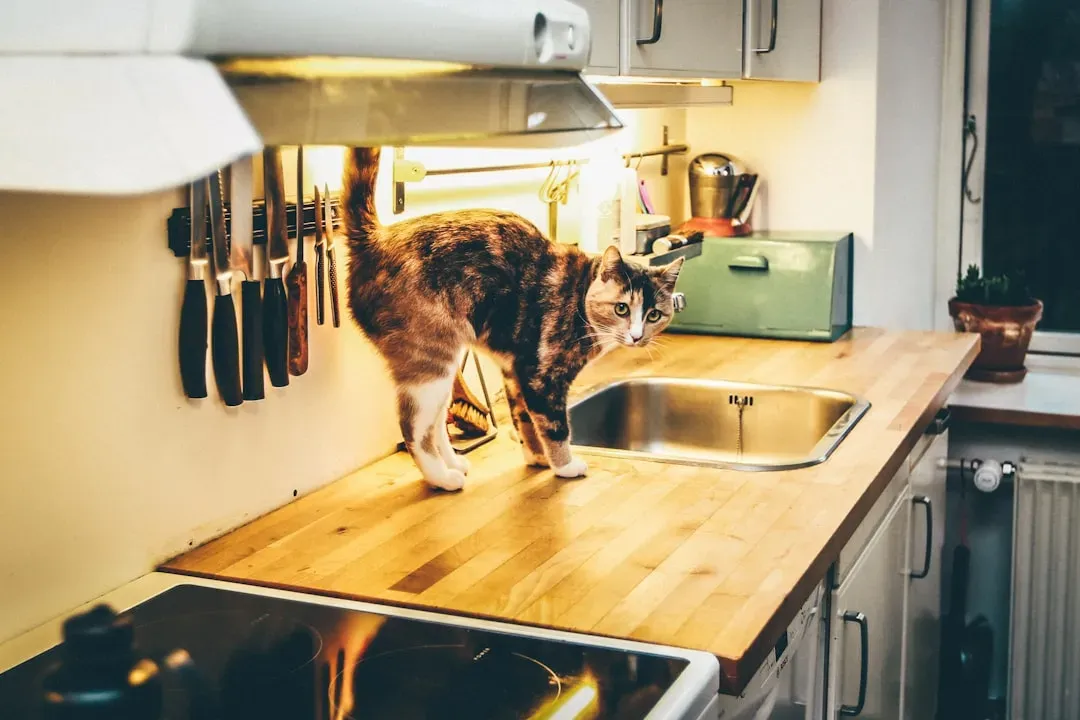
Your refrigerator hum, the dishwasher’s gentle rumble, or even the subtle buzz from your laptop charger create a constant background symphony in your home. Cats can hear sounds that humans can’t, making them more sensitive to noise. What seems like white noise to you might be a complex orchestra of frequencies to your cat.
Some cats find these sounds soothing and will actually curl up near a running dishwasher or washing machine. The warmth combined with the rhythmic vibration can be oddly comforting. Other cats, though, seem unsettled by these appliances, particularly when they change pitch or suddenly start up.
Many human-engineered devices produce sound in the ultrasonic range, including cell phones, smart TVs, and security cameras. Your cat might be reacting to frequencies you didn’t even know existed. When your furry companion suddenly leaves a room for no apparent reason, they might be escaping sounds only they can detect. It’s not them being dramatic; it’s their supersensitive ears telling them something’s off.
The Sound of Running Water

Have you ever caught your cat staring intensely at a dripping faucet? There’s something mesmerizing about water sounds for many felines. Some cats become absolutely fascinated by the trickle of water, whether it’s from a tap, a fountain, or even rain hitting the window.
This fascination might stem from their wild ancestors, who relied on the sound of running water to locate fresh drinking sources. Moving water is generally safer than stagnant water in nature, so cats may be hardwired to pay attention to these sounds. The gentle splashing and gurgling seems to activate something primal in them.
You might notice your cat prefers drinking from a running tap rather than their water bowl. Honestly, this makes sense when you consider their acute hearing picks up on the freshness and movement of the water. The sound tells them the water is clean and safe, triggering their natural instincts in ways a silent bowl never could.
Birds Chirping and Small Animal Noises
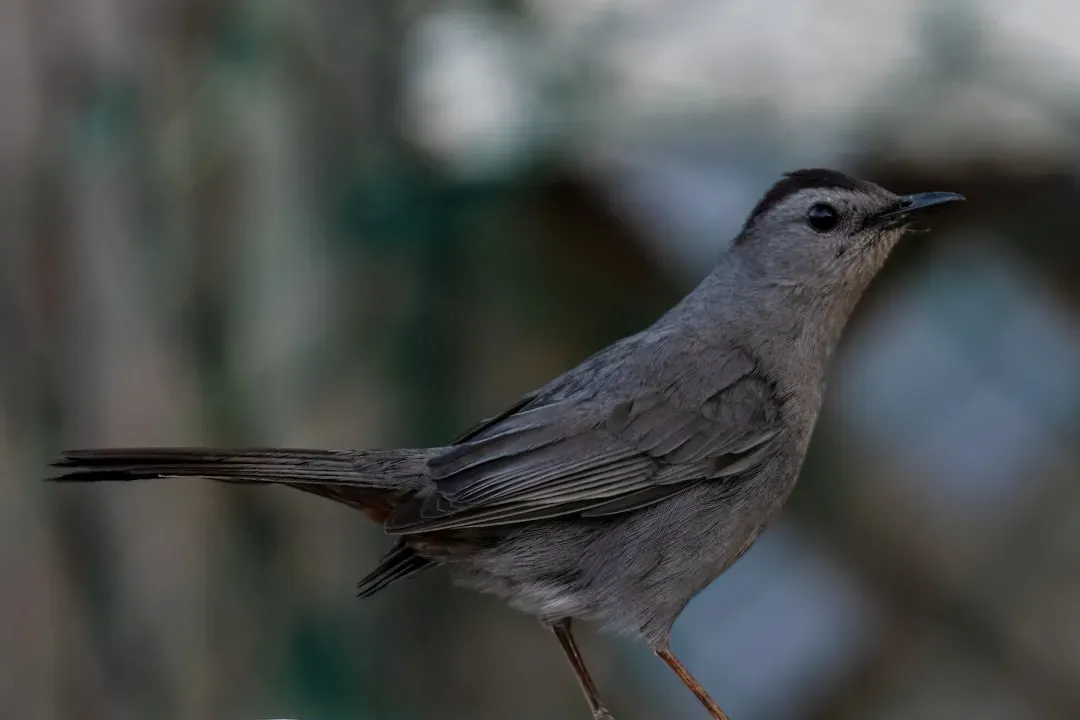
Since cats have a strong hunting instinct, certain noises strongly appeal to them, such as the chirping of birds or any small prey. Watch your cat when they spot a bird outside the window. Their whole body tenses, their tail twitches, and sometimes they make that weird chattering sound with their jaw.
These sounds can mimic the calls of small prey animals, such as mice or birds, triggering a cat’s natural hunting instincts. Even the rustling of leaves that might indicate a mouse scurrying through underbrush can send your indoor cat into predator mode. It’s fascinating because the sound alone activates their entire hunting sequence, even when there’s zero chance of catching anything through the glass.
Being able to hear in the ultrasonic range helps cats hunt small rodents, as rats communicate using ultrasonic vocalizations at frequencies exceeding 19-20 kHz. Your cat is literally hearing conversations between potential prey that are completely silent to your ears. No wonder they sometimes seem to be reacting to absolutely nothing. They’re not seeing ghosts; they’re hearing the ultrasonic chatter of the neighborhood wildlife.
Your Footsteps and Familiar Human Sounds
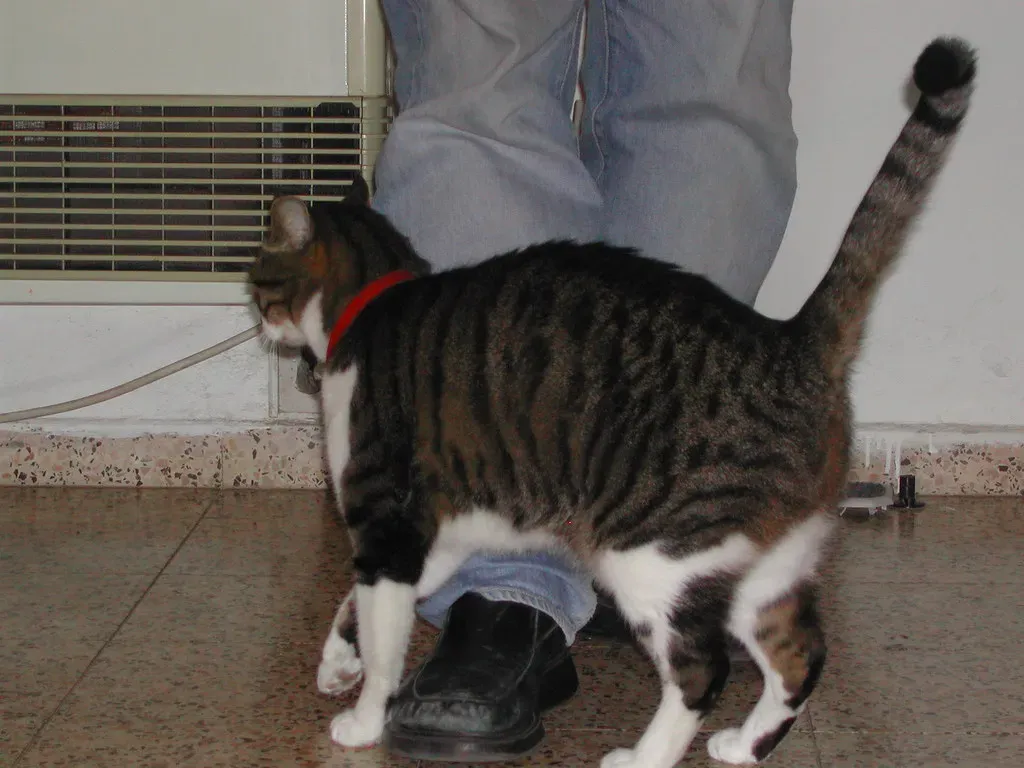
Your cat knows your footsteps. They can probably distinguish between you walking to the kitchen versus heading toward the bedroom. Cats can often tell who’s approaching just by the sound of their footsteps, whether it’s the soft pitter-patter of a child or the heavy thud of an adult. This helps them decide whether to come running for cuddles or continue their nap undisturbed.
They’re also tuned into your voice in ways that might surprise you. Cats’ hearing is most sensitive between 500 Hz and 32 kHz, and they can hear both lower-pitched male voices at 90-155 Hz and higher-pitched female voices at 165-255 Hz. When you call them and they ignore you, it’s not that they didn’t hear. Trust me, they heard perfectly well.
The sound of keys jingling, a coat being put on, or your alarm clock going off all create patterns your cat recognizes. These everyday sounds help them predict what’s coming next in their day, whether that’s you leaving for work or settling in for evening cuddle time.
Sudden Loud Noises Like Vacuums and Blenders

Here’s where things get intense for your cat. Loud noises like vacuums can create fear, and research indicates that sounds above 80 decibels trigger stress responses in cats. The vacuum cleaner is basically the monster of the household appliance world for most cats.
It’s not just that these machines are loud; they’re unpredictable. The roar of a blender or the sudden whoosh of a vacuum starting up can send your cat scrambling for cover under the nearest bed. Their sensitive ears amplify these sounds, making what seems moderately loud to you feel overwhelming to them.
Some cats adapt better than others, but many never quite get comfortable with these noises. The combination of volume, frequency, and vibration hits their sensory system hard. If your cat bolts the moment you pull out the vacuum, they’re not being silly. Their ears are genuinely telling them to get away from that terrifying sound machine as fast as possible.
The Mysterious Sounds of the Night
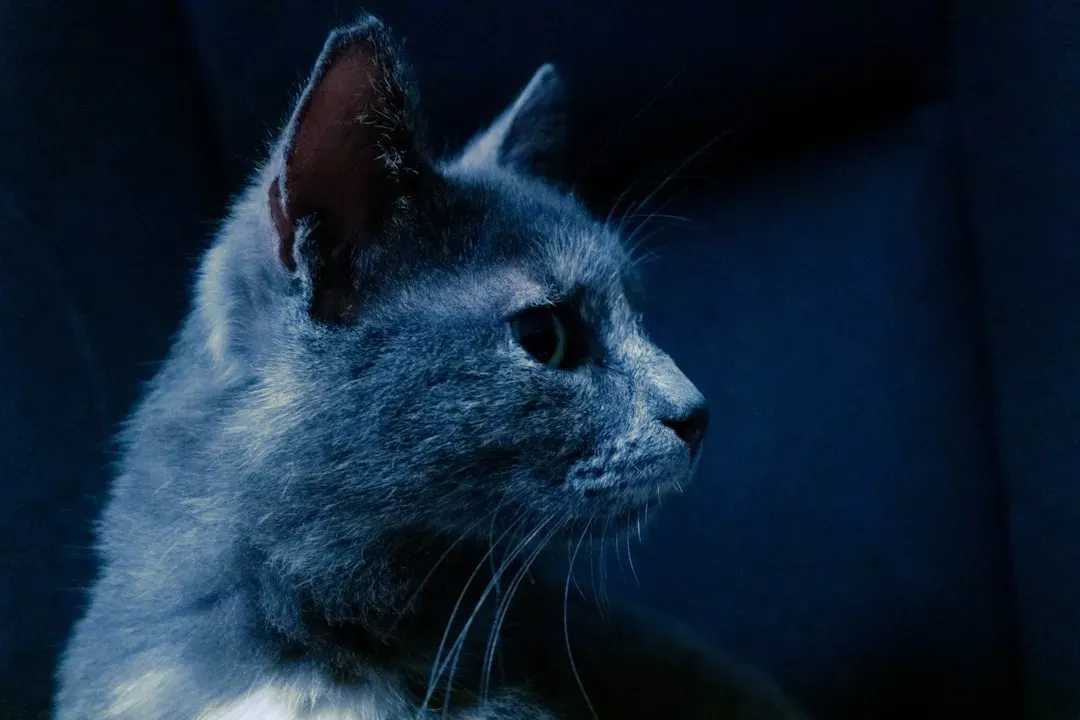
Ever wonder why your cat seems hyperalert at three in the morning? Outdoor sounds can be exciting or scary for cats, and they might hear delightful chirping of birds or the rustling of squirrels, which can spark their curiosity. When your house goes quiet at night, all those subtle sounds become much more noticeable to your cat’s exceptional ears.
The creaking of your house settling, the distant sound of a car passing, or even the ultrasonic squeaks of insects all become part of their nighttime soundscape. What seems like complete silence to you is actually a rich tapestry of sounds keeping your cat engaged and alert. This is why they sometimes stare at walls or corners, seemingly reacting to nothing.
Their nocturnal nature means they’re naturally more active when the world is quiet, and their hearing becomes even more crucial for navigating in low light. Those midnight zoomies might be triggered by sounds you’re completely unaware of. Your cat isn’t being weird; they’re just experiencing the night in a completely different way than you are.
Conclusion: Understanding Your Cat’s Sonic World

Your cat’s relationship with sound is endlessly complex and fascinating. The hearing range of the cat extends from 48 Hz to 85 kHz, giving it one of the broadest hearing ranges among mammals. This means they’re living in a world filled with layers of sound you’ll never experience, constantly processing information from their environment in ways we can barely imagine.
When your cat reacts to something you can’t hear, remember they’re not being mysterious for the sake of it. They’re responding to real stimuli in their sensory universe. Understanding these everyday sounds that fascinate and puzzle them helps you create a more comfortable environment and deepens the bond you share.
Next time you see your cat freeze mid-step or suddenly bolt from a room, take a moment to appreciate the incredible auditory experience they’re having. What do you think your cat hears that surprises them the most? Have you noticed any particular sounds that always get their attention?