There is something quietly magical about a cat who feels truly at home. You know that look – totally relaxed, sprawled across a sunlit corner, purring like a tiny engine with zero concerns. Honestly, it is one of the most satisfying things you can witness as a pet owner. Yet, creating that kind of blissful environment for your feline is not as simple as tossing a blanket in the corner and calling it a day.
Cats are complex, instinct-driven creatures who need far more from their surroundings than most people realize. Whether you are a seasoned cat parent or welcoming your first furry roommate, the tips ahead might genuinely surprise you. Let’s dive in.
Tip 1: Build Your Cat a Sanctuary With Cozy Hiding Spots
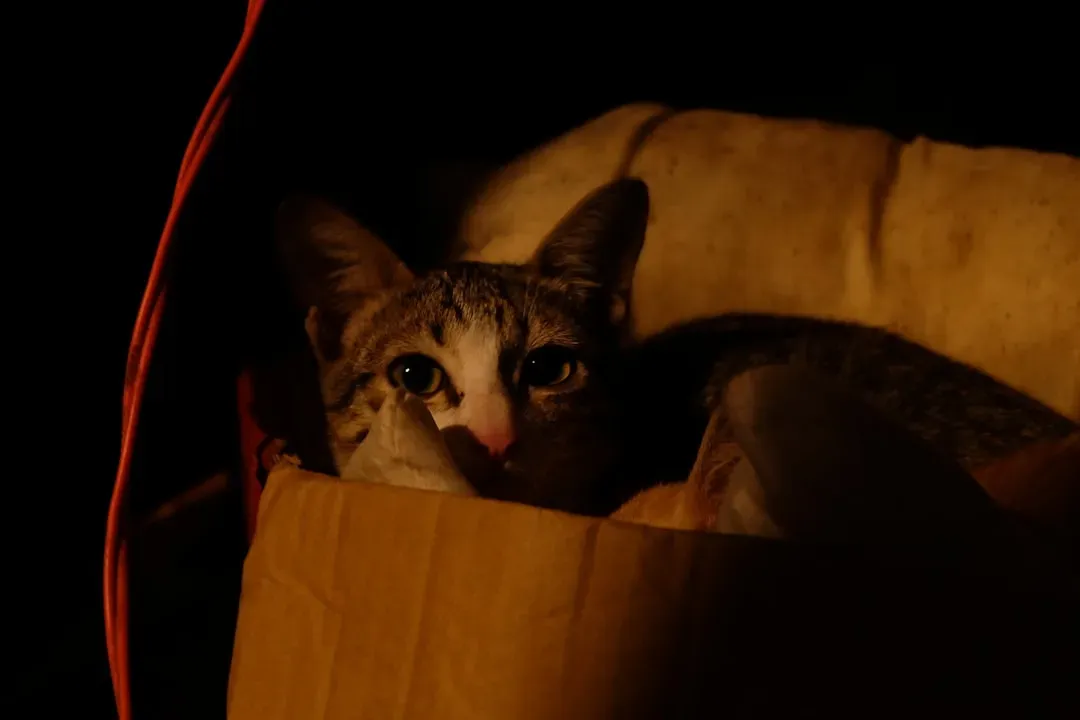
While humans appreciate open spaces, cats find comfort in very different environmental features. Their natural instincts drive them to seek cozy, enclosed areas where they can rest while staying alert to their surroundings. What you might view as a cramped corner, your cat recognizes as a perfect observation post that delivers both security and comfort. Think of it like this: your cat does not want a wide open penthouse. Your cat wants a cozy little studio with good sightlines.
Cats love to have hiding spots where they can retreat when feeling stressed or seeking solitude. Providing cozy hiding spots like covered cat beds or empty cardboard boxes can give your feline friend a genuine sense of security and help reduce stress in their environment. You do not even need to spend a fortune. You can pull books towards the front of a shelf to create a hiding space behind them, place a basket on end on the bottom shelf of a table to create a little cave, or drape a blanket over a table to make a fort.
Tip 2: Go Vertical – Give Your Cat the High Ground
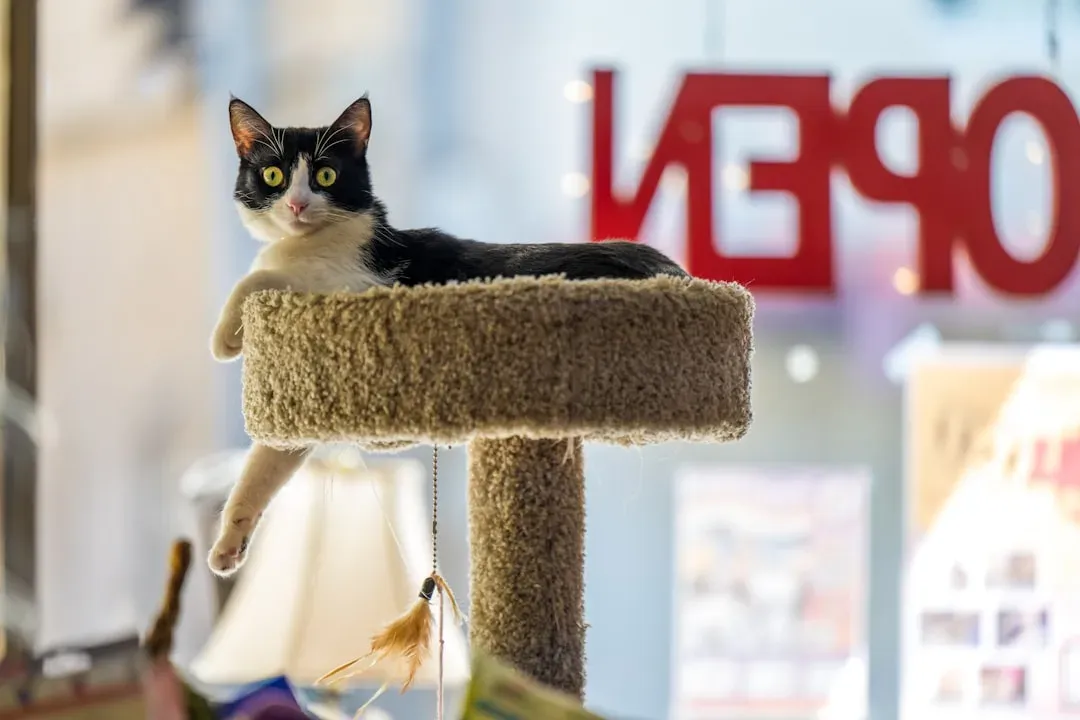
Cats are natural climbers and enjoy exploring their surroundings from above. Adding cat shelves, a scratching post, or a cat tree can give your feline friend a new playground. Not only does this satisfy their climbing instincts, but it also allows them to observe their environment from a safe vantage point. I think of it as your cat’s version of a rooftop terrace – prestigious, private, and completely on their terms.
Height plays a crucial role in feline security and comfort. Cats naturally seek elevated positions that allow them to observe their territory while feeling protected. Installing designated climbing spaces throughout your home creates natural pathways that satisfy this instinct. A “cat superhighway” of sturdy shelving near windows provides both physical and mental enrichment, combining elevation with entertainment. If you are short on floor space, wall-mounted shelves are a clever, stylish solution that your cat will absolutely love.
Tip 3: Bring the Outdoors In With Perfect Window Views
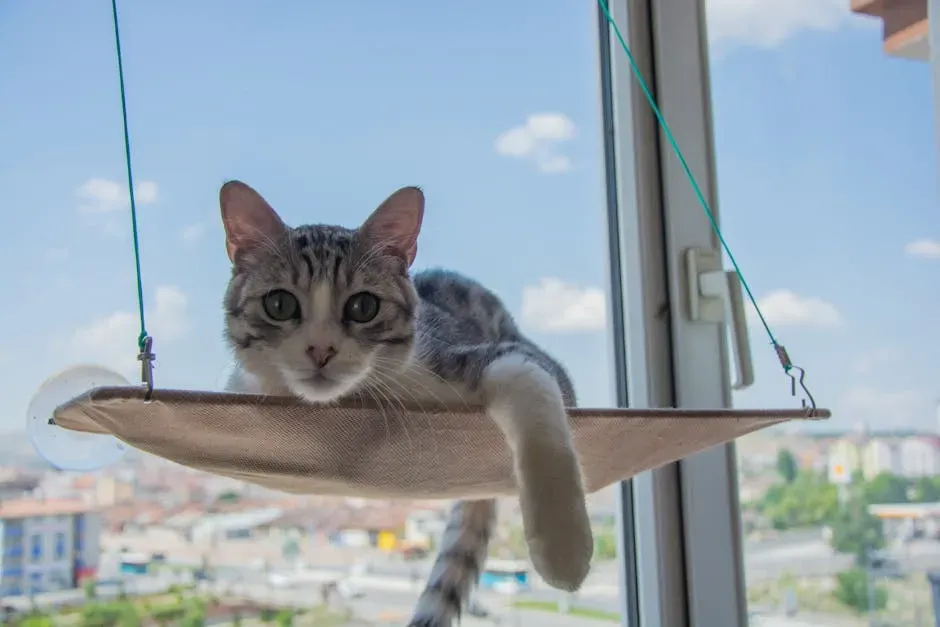
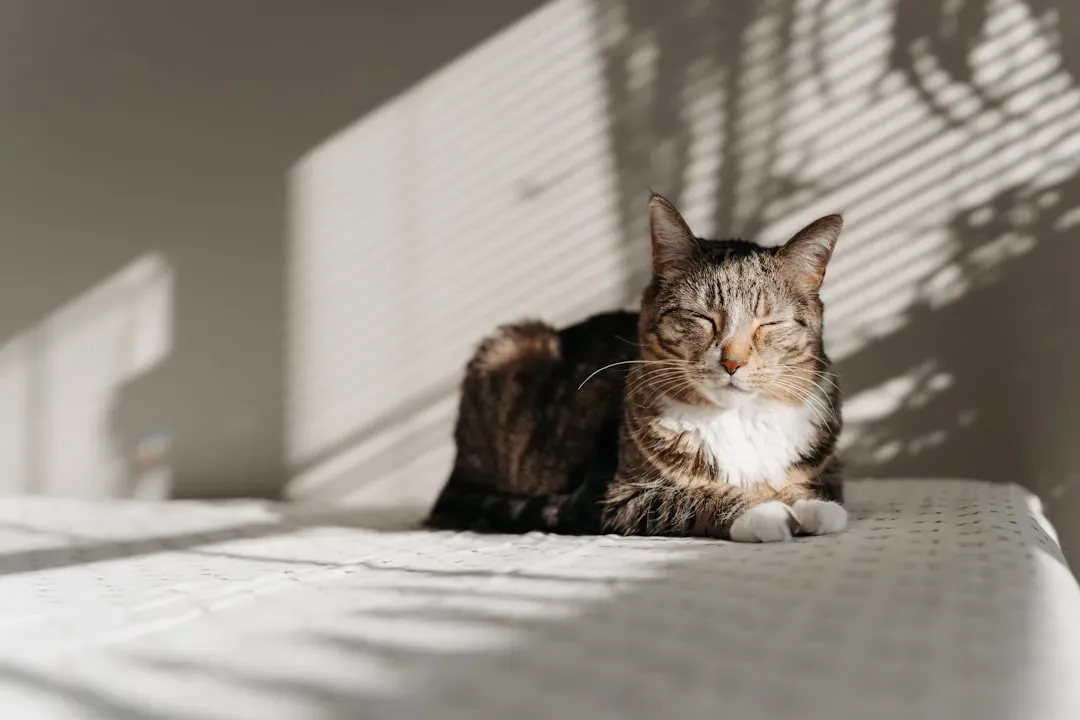
Cats adore basking in sunlight. Arranging comfortable spots near windows where your cat can enjoy sunbeams is a great idea. Consider window perches or create cozy nooks with soft cushions for their sunbathing pleasure. It sounds simple, but a strategically placed window seat can be genuinely transformative for an indoor cat’s quality of life. For cats, peering outside through a window can be like watching a riveting nature show on TV.
Beyond supervised outdoor activities like leash walking, it is important to provide your cat with a place to interact with their surroundings. This can be through a window or door, even a screen porch. It is healthy for cats to see and hear birds and other wildlife, as well as people and pets in the neighborhood, and to smell new scents. You also want to think about temperature. The WELL v2 thermal comfort standards recommend maintaining a temperature range of 20 to 26 degrees Celsius, which coincidentally suits the ideal microclimate that cats seek, particularly when combined with effective draft prevention and sunny spots.
Tip 4: Keep the Litter Box Setup Clean, Private, and Strategic
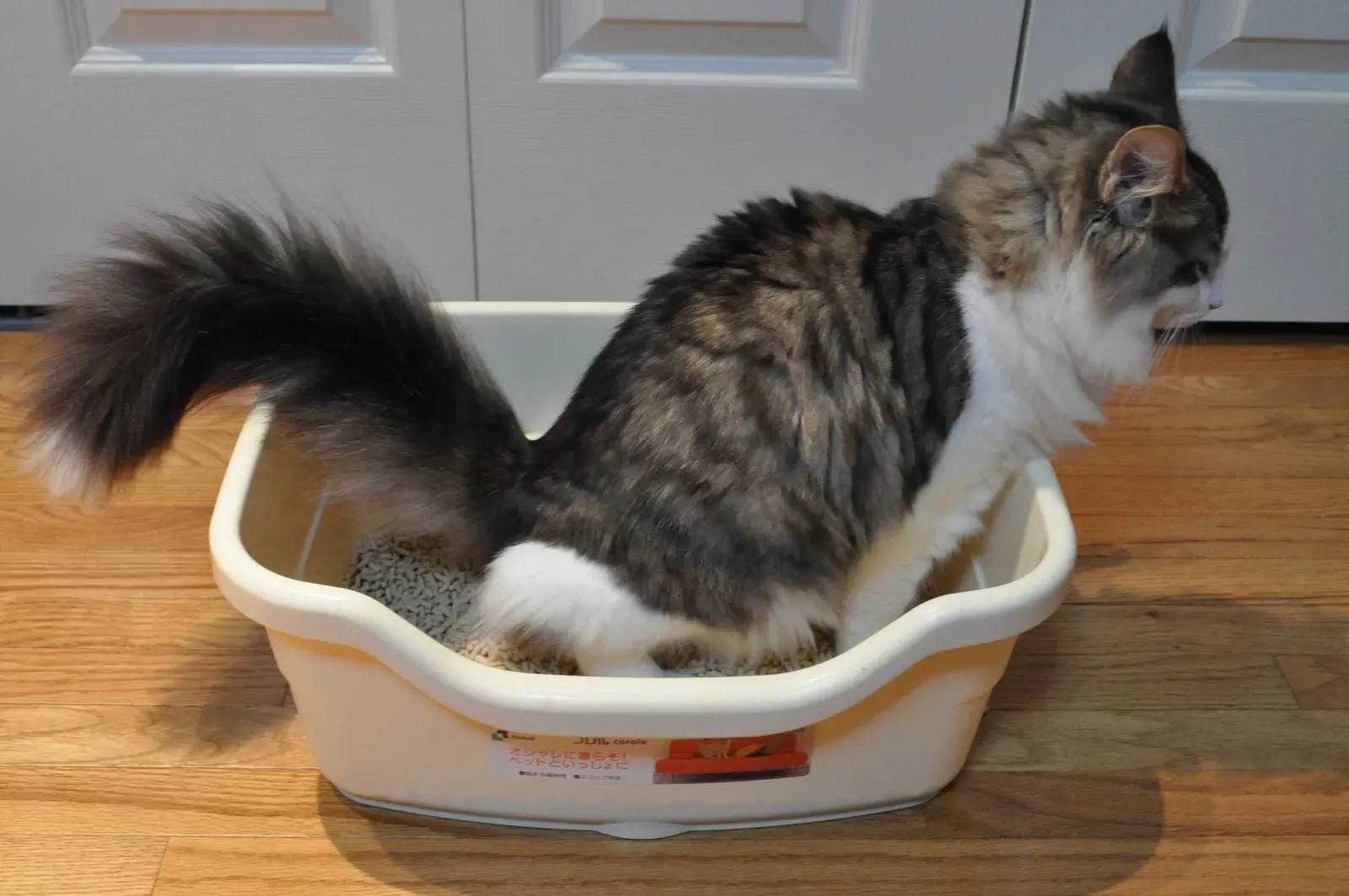
Maintaining a stress-free bathroom experience for your cat means providing multiple litter boxes placed in different areas of your home. Here is the thing – your cat will not use a litter box that is in a noisy, high-traffic zone. As a general rule of thumb, the number of litter boxes in your home should be one more than the number of cats in your household. Many cats prefer a larger litter box that is one and a half times the length of their body and at least one and a half inches deep.
Place the litter tray in a private location as far away from food and water as possible. This matters more than people think. These resources should be located in a low-traffic area, which is free of excess noise, and has at least two ways where your cat can enter or leave. This allows your cat to flee or escape if they feel threatened or stressed. A litter box tucked behind a plant, inside a cabinet, or in a quiet hallway can make a world of difference in your cat’s daily confidence and wellbeing.
Tip 5: Stimulate Their Mind With Enrichment and Play
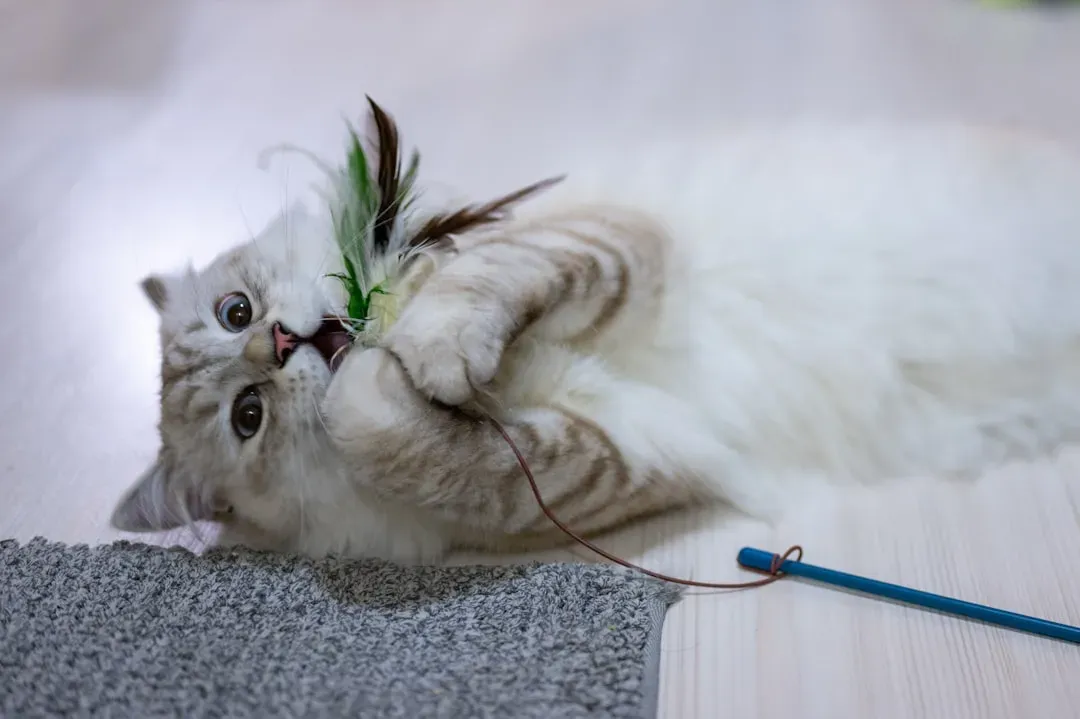
Stimulate your cat’s mind with interactive toys and puzzle feeders. These engage their hunting instincts, providing mental and physical enrichment. Rotate toys regularly to keep their interest piqued. Let’s be real, a bored cat is a destructive cat. As more cats live exclusively indoors, you need to provide an environment that simulates the mental and physical stimulation they would encounter outside. Cats that do not have outlets to express these instinctual behaviors can vent their frustration through unwanted behavior such as house soiling, or they can become overly stressed, which can lead to poor health outcomes.
To keep things fresh and exciting, rotate your cat’s toys and enrichment items regularly. By doing so, you can maintain their interest and prevent boredom. Storing away a few toys and swapping them out every few weeks is like getting new toys all over again. Think of this like a Netflix refresh for your cat. Introduce a range of toys to cater to different preferences, from string toys to laser pointers, ensuring mental stimulation and physical activity. The variety keeps your cat guessing, engaged, and genuinely happy.
Tip 6: Establish a Consistent Daily Routine
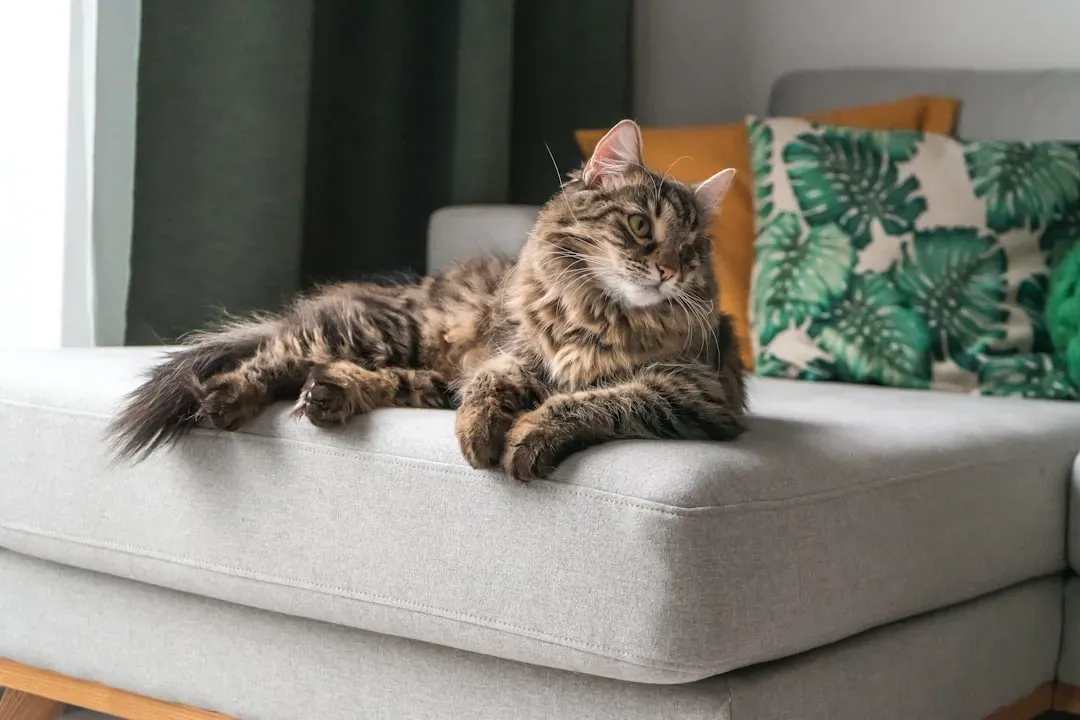
Predictability forms a cornerstone of cat comfort, as felines thrive on knowing what to expect throughout their day. Regular feeding times create a framework for daily activities, while consistent placement of resources like water and litter boxes contributes to their sense of security. When cats can anticipate their daily schedule, they develop a deeper sense of comfort in their environment. Routine is basically your cat’s love language, and I mean that sincerely.
As you figure out how to make your cat feel comfortable in your home, one important thing to know is that cats love routine. Sticking to a routine each day, which includes fixing a schedule for feeding, grooming, litter box maintenance, and playtime, makes a big difference. Having expected events each day reduces anxiety in cats, prevents boredom, and reinforces positive behaviors. Even something as small as feeding your cat at the exact same time every morning sends a powerful signal: this is a safe, predictable place. That signal is everything to a feline.
Tip 7: Respect Scent Territory and the Power of Familiar Smells
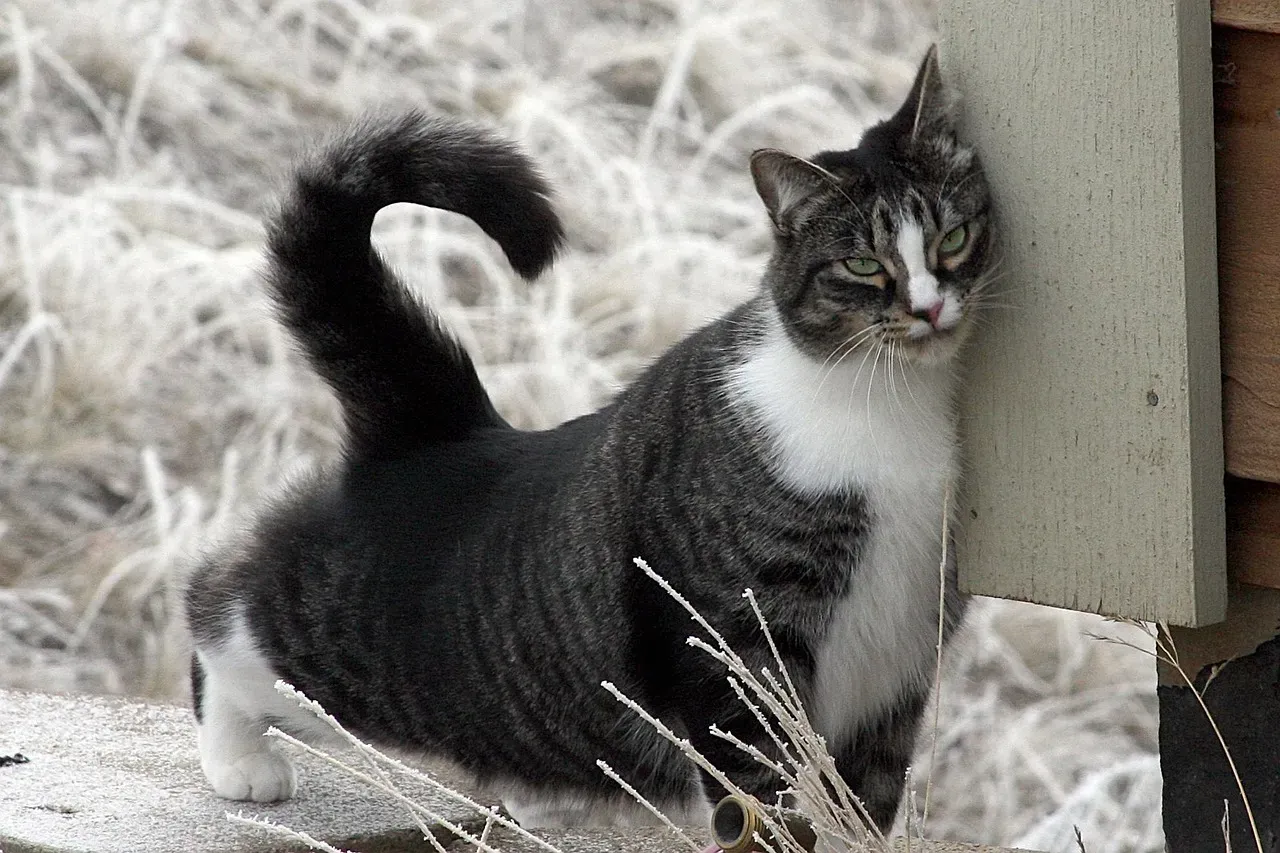
Unlike humans, cats use their sense of smell to evaluate their surroundings. Cats mark their scent by rubbing their face and body, which leaves natural pheromones to establish boundaries within which they feel safe and secure. You should avoid cleaning their scent off these areas. I know it sounds a little counterintuitive when you are a tidy person, but scrubbing away your cat’s scent markers can genuinely unsettle them. It is their way of saying “this is home.”
Providing an environment that respects the importance of your cat’s sense of smell is essential. Cats depend on their sense of smell to make sense of their environment and perceive threats. Disrupting normal scent cues can lead to unwanted behaviors. Steps you can take to address this need include avoiding scented cat litter, using synthetic pheromones to reduce anxiety, and avoiding cleaning areas facially marked by your cat. It is hard to say for sure which scent-based products will work best for every cat, but synthetic feline pheromone diffusers are widely regarded as a gentle and effective way to calm an anxious feline.
Conclusion: Your Cat’s Comfort Is Worth Every Effort
is not a one-time project. It is an ongoing, evolving relationship between you and a creature who experiences the world in a way that is deeply sensory, instinct-driven, and beautifully unique. Every small upgrade, every new perch, every rotated toy, and every consistent feeding time speaks a language your cat truly understands.
Remember that individual cats express and seek comfort differently. Take time to observe your pet’s preferences and adjust their environment accordingly. Small changes in your home setup can significantly impact your cat’s comfort and confidence levels. The best cat environment is the one that fits your specific cat’s personality, not just a checklist.
At the end of the day, a happy cat is not the result of expensive gadgets or elaborate setups. It is the result of paying attention. Your cat has been paying attention to you all along. Now it is your turn. What small change will you make today to give your feline the cozy life they deserve?