You think your cat acts like royalty? Well, there’s a reason for that attitude. Throughout history, some cat breeds weren’t just pampered pets – they were considered divine, mystical, even sacred. Ancient civilizations built temples around them, wrote poems about them, and believed they held the power to bless or curse.
Today, these regal felines still carry that legacy in their bloodlines. From the spotted hunters of the Nile to the bobtailed guardians of Japanese temples, certain breeds trace their ancestry directly to cultures that treated them like gods. Let’s be real – understanding where these cats came from makes living with them today a whole lot more interesting. So let’s dive in and discover which modern breeds were once worshipped, why they were so special, and how that ancient reverence shaped the cats curled up on sofas across the world right now.
The Egyptian Mau: Speed and Spots Blessed by the Pharaohs
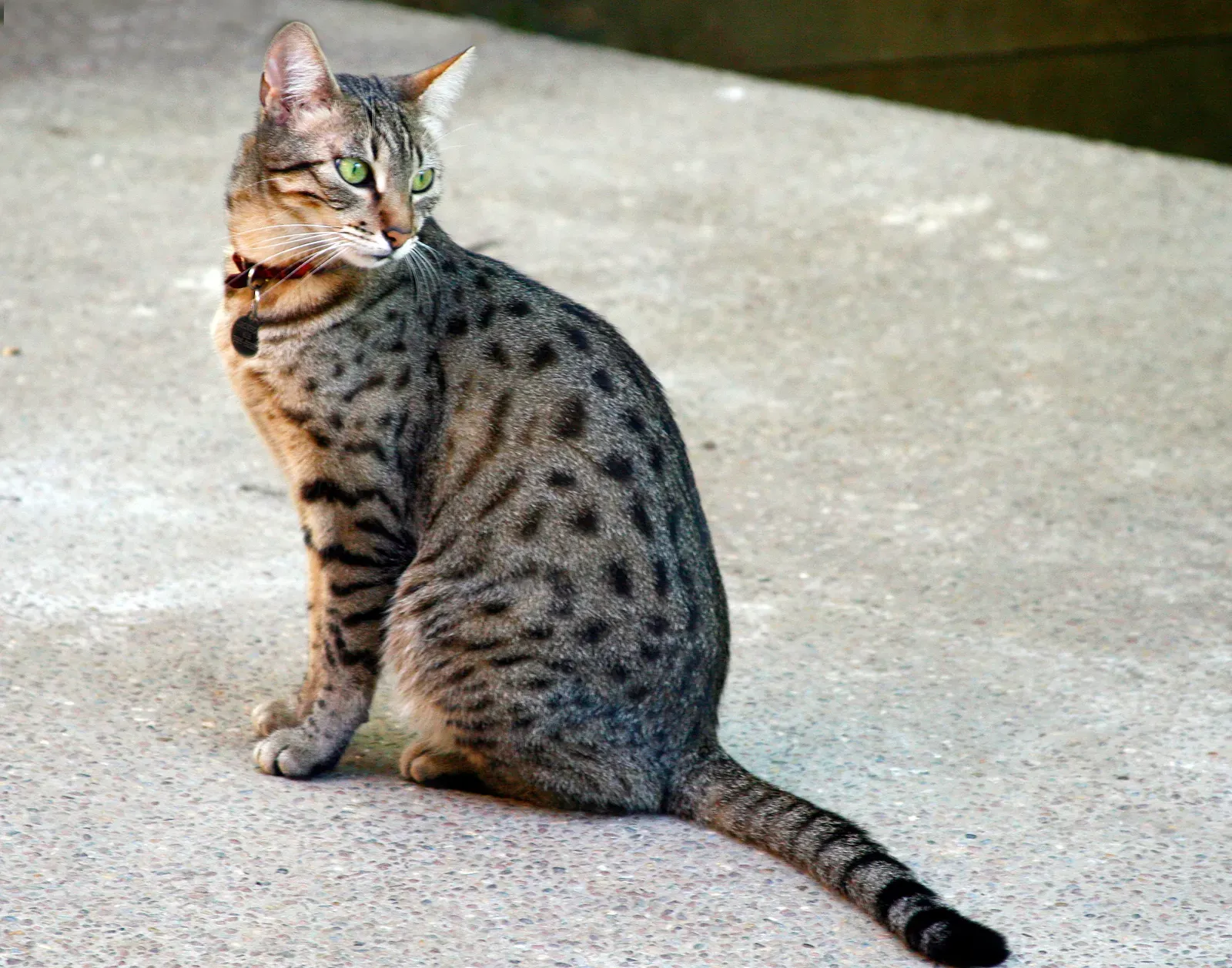
The Egyptian Mau is considered a direct descendant of the cats worshipped in ancient Egypt. This breed is the only naturally spotted domestic cat, which made it stand out among the felines prowling the Nile Valley thousands of years ago. Those spots weren’t just beautiful – they were symbolic.
Ancient Egyptians believed the sun god Ra could manifest himself in the form of a cat, with many paintings depicting Ra as a spotted cat slaying the snake demon Apophis. Bastet, the cat goddess, evolved from a lioness warrior to a domestic cat deity by the New Kingdom, embodying protection, home, and fertility. The Egyptian Mau may be the fastest domestic cat in the world, capable of speeds up to 30 miles per hour, thanks to a unique flap of skin extending from its ribcage to its hind leg. Imagine these agile hunters protecting grain stores from vermin while Egyptians looked on in awe, believing them to be earthly vessels of divine power.
Killing a cat in ancient Egypt was punishable by death, and a Roman soldier was reportedly lynched around 55 BC for accidentally killing one. Think about that next time your Mau knocks over your coffee mug.
The Turkish Angora: Grace and Mystery from Ottoman Palaces
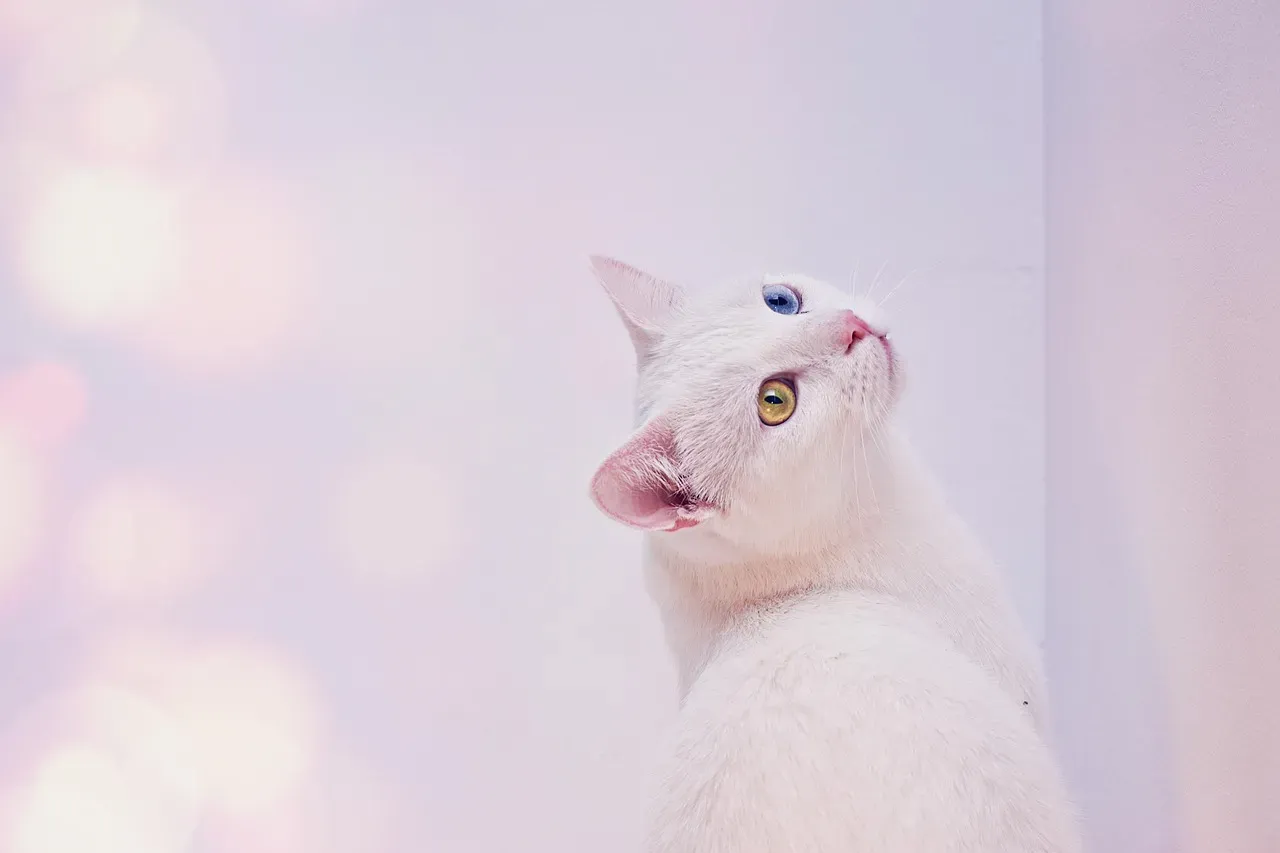
Here’s a breed that literally walked the halls of sultans. The Turkish Angora is believed to have originated in central Turkey, specifically the Ankara region, as far back as the 15th century. In Turkey, these cats are viewed as symbols of grace and healing, a tradition carried on for centuries, and locals see them as living legends and part of the nation’s history.
Legend has it that the Prophet Muhammad had a white cat called Muezza with one blue eye and one amber eye, and one day he cut off his sleeve rather than disturb the cat sleeping peacefully. Whether historically accurate or not, the story reflects how deeply cats were valued in Turkish and Islamic culture. The Turkish government began a meticulous breeding program in collaboration with the Ankara Zoo to protect and preserve the breed as a national treasure, and for a time exporting white Angoras was forbidden.
These cats weren’t just ornamental. Turkish Angoras are regarded as symbols of grace, beauty, and purity – a connection that shows how cat reverence transcended borders and cultures.
The Siamese: Royal Temple Guardians of Thailand
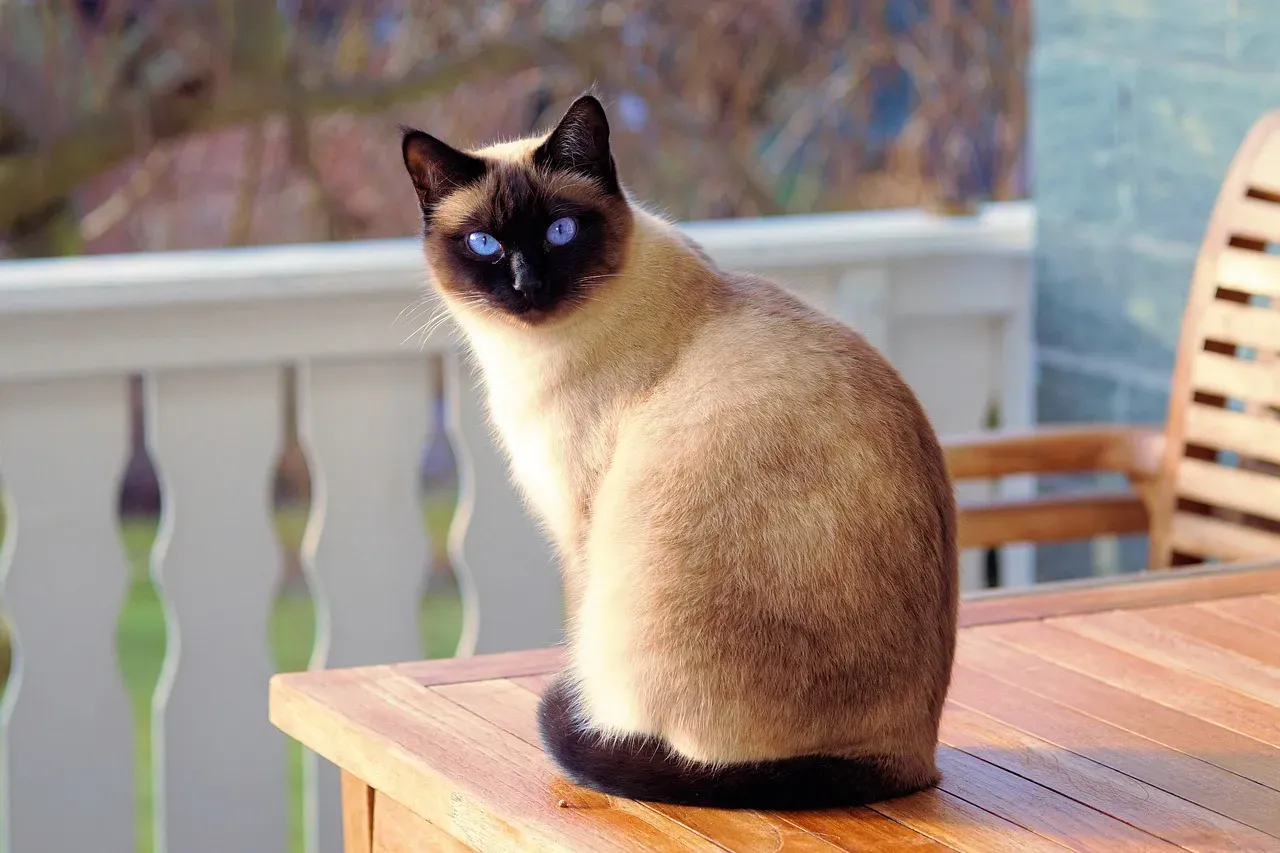
Siamese cats originated in the ancient kingdom of Siam, where they held an esteemed position in royal courts and Buddhist temples, considered sacred animals and guardians believed to bring good fortune. Only the elite could own them. The Royal Family of Siam owned Siamese cats and used them to guard ancient temples, with only royalty or noblemen allowed to own them as spirit guardians.
For more than 700 years, the Wichien Maat (the original Siamese) has been kept in royal Thai courts, featured in sacred ceremonies, and presented as diplomatic gifts. When someone important died, a cat from their household was chosen to receive and house their soul, spending the rest of its life in luxury cared for by temple priests, with the family paying for its upkeep to bring the deceased good luck in the afterlife.
The cats were sacred and used as guards of ancient temples, exclusive to the Royalty of Siam. Their striking blue eyes and pointed coloration made them unmistakable, and honestly, their dramatic personalities today suggest they remember exactly how important they once were.
The Japanese Bobtail: Lucky Charms Against Evil Spirits
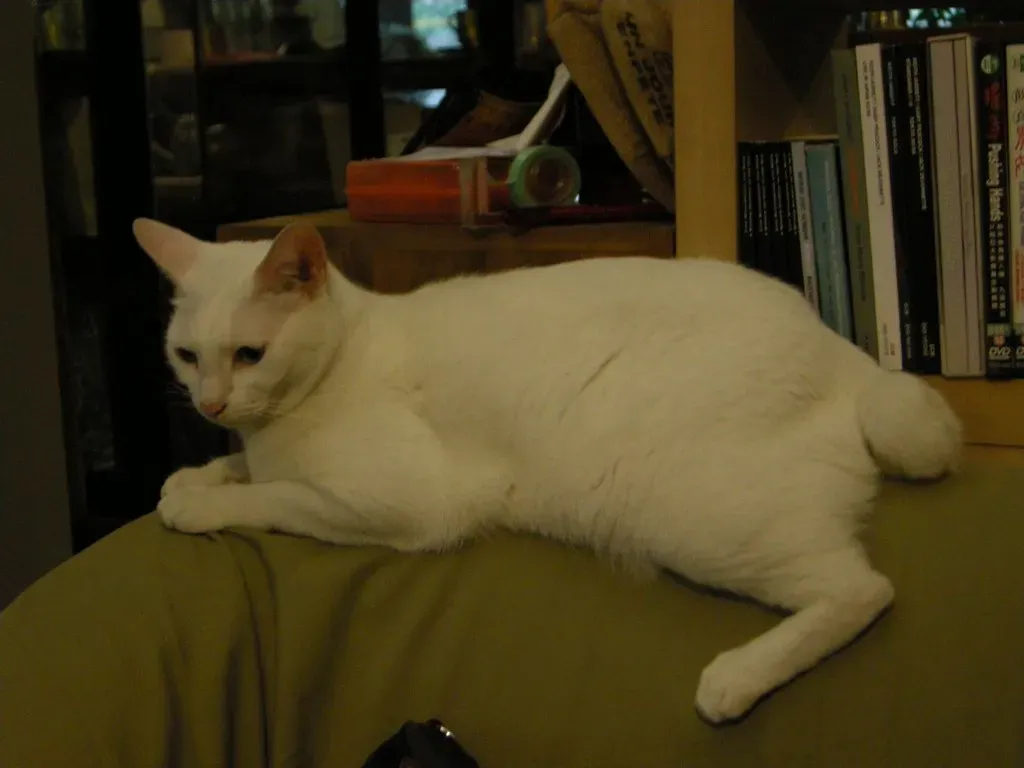
In Japanese folklore, the Japanese Bobtail is seen as auspicious while long-tailed cats may be suspected of being nekomata, a type of evil spirit, and the maneki-neko (beckoning cat) is considered a good-luck charm. The Japanese Bobtail is one of the oldest naturally occurring cat breeds, believed to have come to Japan from China or Korea when Buddhist monks arrived in 600-700 AD to keep rats out of temple scrolls.
Their bobbed tails weren’t just a quirk – they were a safeguard. Japanese folklore feared that long-tailed cats would turn into malefic demons (nekomata), favoring the naturally bobtailed Japanese Bobtail. In 1602, Japanese authorities decreed that all cats should be set free to help deal with rodents threatening the silkworm industry, and from then on, bobtailed cats lived on farms and streets.
Cats symbolize good fortune in Japan, especially the Japanese Bobtail, with black cats believed to bring unmarried women suitors and also thought to bring wealth, prosperity, and luck. Their presence in temples and homes served both practical and spiritual purposes, protecting food supplies while warding off supernatural threats.
The Abyssinian: Echoes of Sacred African Lineages
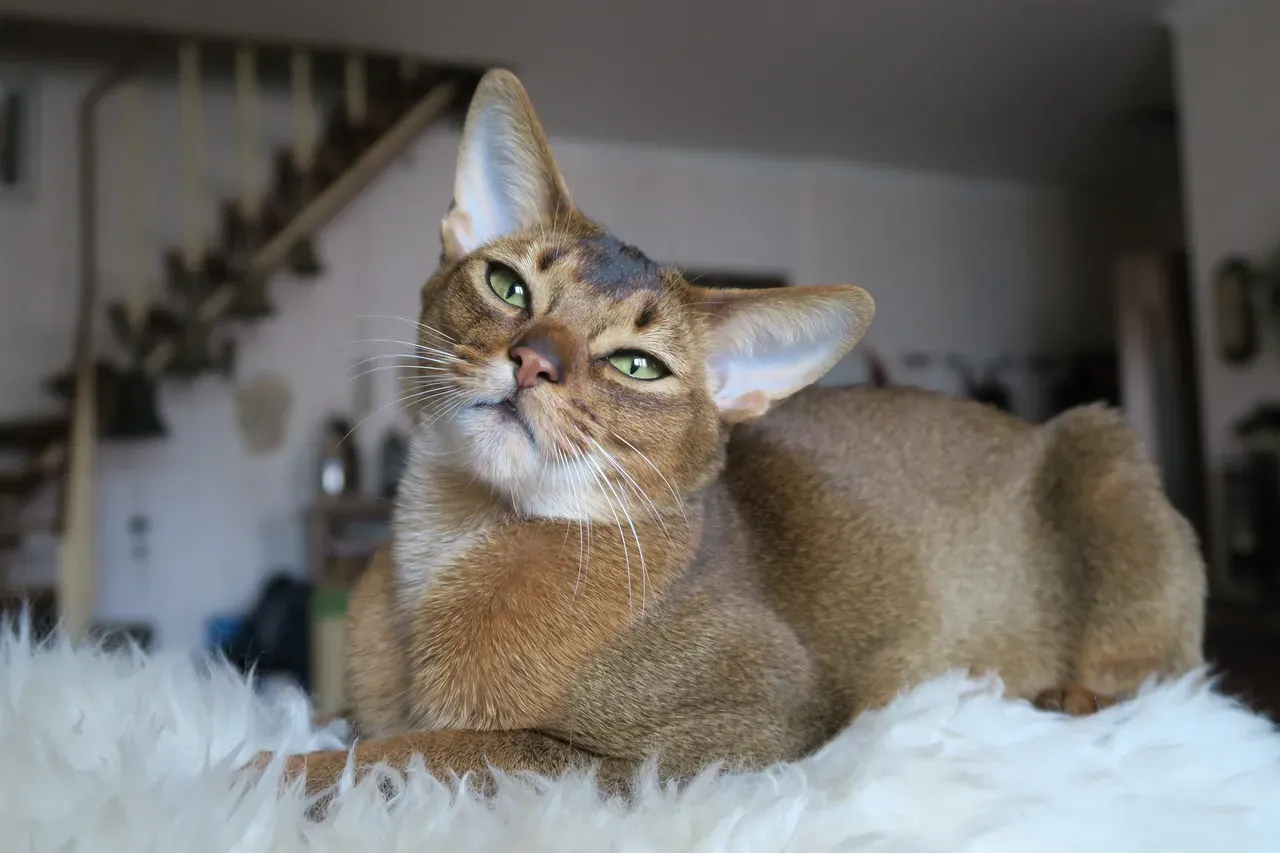
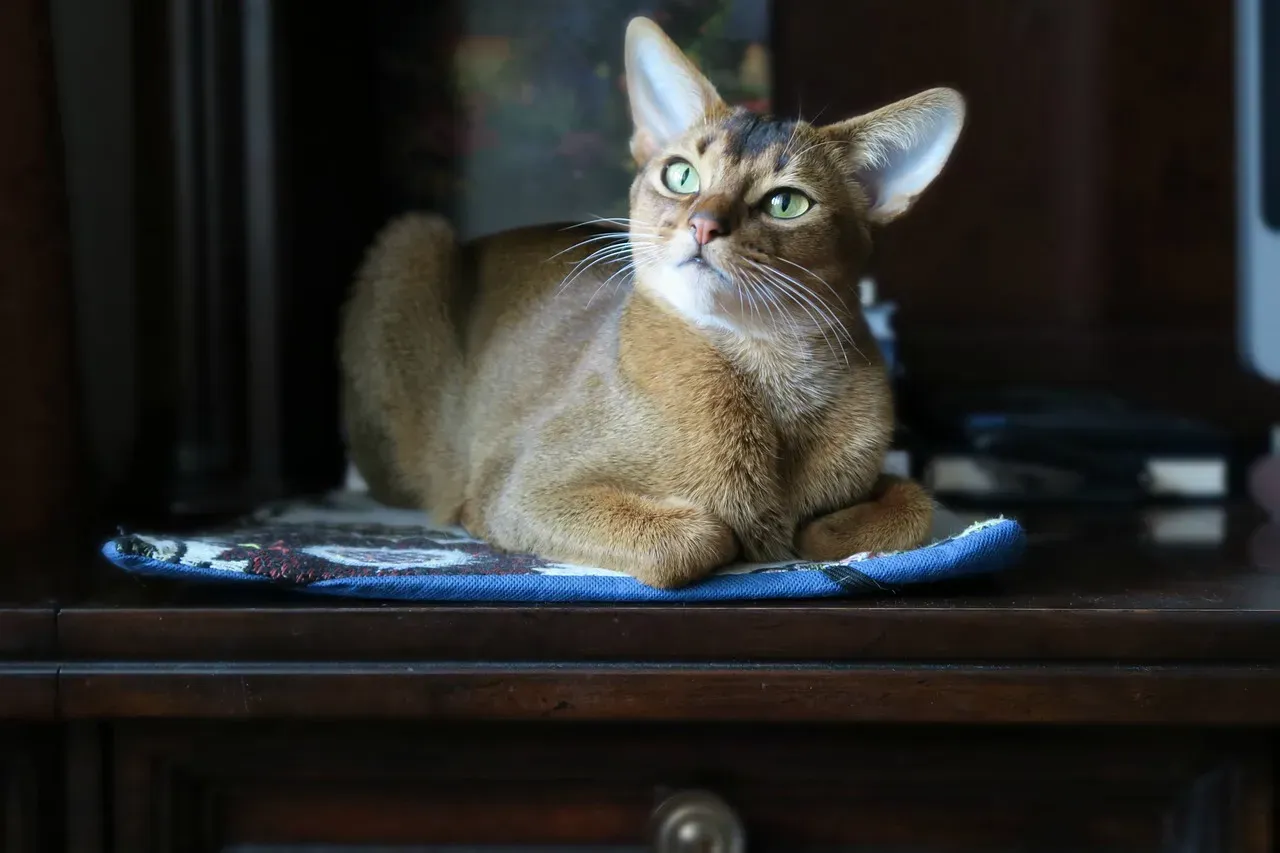
The Abyssinian’s origins remain somewhat mysterious, wrapped in speculation and ancient art. These cats are known for their sleek, ticked coats and expressive almond-shaped eyes, with the breed’s connection to ancient cultures depicted in various art forms across history. While definitive proof of worship is elusive, their resemblance to cats depicted in ancient artifacts and their name linking them to Abyssinia (modern-day Ethiopia) suggests a deep historical connection.
Cats in general held spiritual significance across many African cultures, often seen as protectors and symbols of mystery. The Abyssinian’s elegant appearance and active, intelligent nature hint at a lineage that may have been valued by ancient peoples for both practical rodent control and symbolic meaning. Though we can’t say with certainty they were worshipped like the Egyptian Mau, their regal bearing and ancient aesthetic certainly suggest they rubbed shoulders with the sacred cats of antiquity.
Their playful, curious personalities make them engaging companions today, and their exotic look continues to captivate cat lovers worldwide.
The Korat: Silver Blessings from Thai Tradition
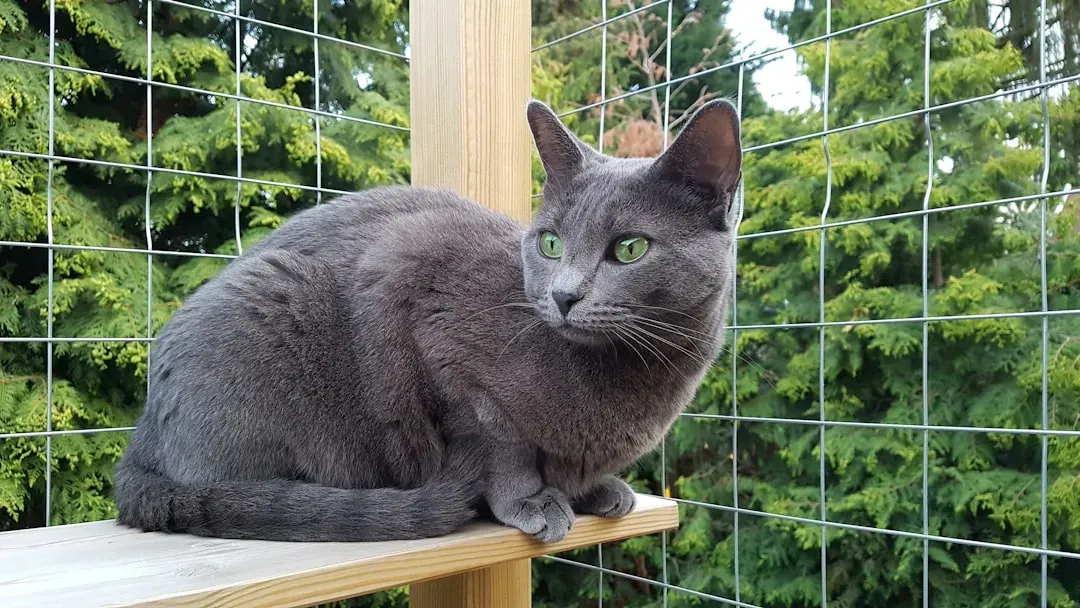
The Korat is a breed with ancient roots in Thailand, known for its silver-blue coat and heart-shaped face. Thailand has long seen mystical properties in its domestic cat breeds, with various breeds believed to grant fortune, prosperity, and stature. The Korat, called Si-Sawat in Thailand, was traditionally given as a gift to bring good luck, particularly to newlyweds or those starting new ventures.
These cats appear in the Tamra Maew, the ancient Thai manuscript depicting lucky and unlucky cats. Their shimmering silver coat was believed to represent clouds and rain, essential for a prosperous rice harvest in agrarian Thai society. Owning a Korat was a sign of blessing and prosperity, and they were treasured as living talismans.
Unlike some breeds that became commercialized, the Korat remained relatively pure and rare, carefully guarded by Thai culture. Even today, breeders work to preserve their distinctive features and temperament. Their quiet, affectionate nature combined with their striking appearance makes them a living link to centuries of Thai spiritual tradition.
The Birman: Mystical Companions of Burmese Priests
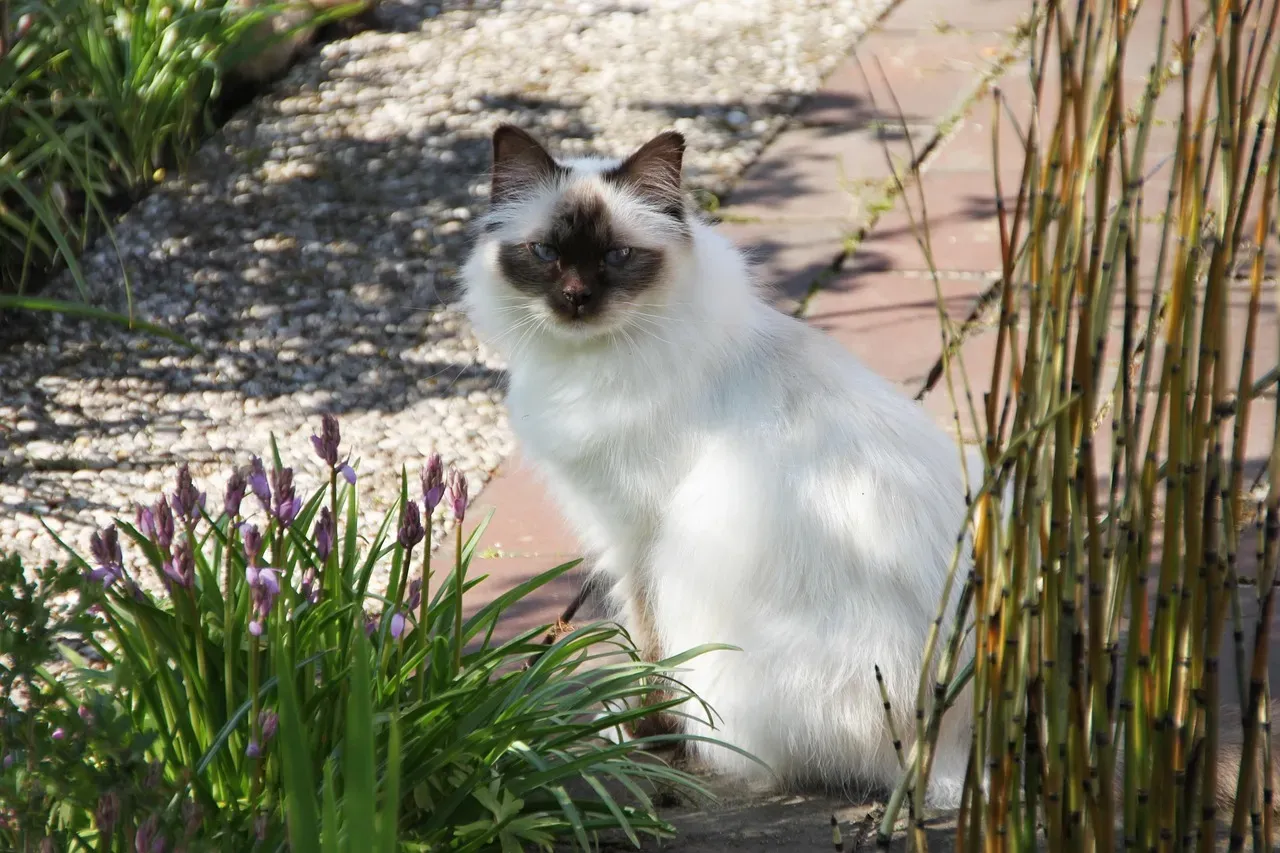
The Birman has a history steeped in ancient Burmese culture, cherished for its striking coat and expressive eyes, known for forming strong bonds with human companions and being social and people-oriented. The Birman, sometimes called the Sacred Cat of Burma, carries legends of temple life in Myanmar. According to folklore, these cats were companions to Kittah priests who guarded temples, and when a priest died, his soul would pass into his cat companion.
One legend tells of a white temple cat named Sinh whose eyes turned sapphire blue and coat became golden after staying beside his dying master, the head priest, in a moment of devotion. This transformation was seen as a divine blessing, and all the temple cats subsequently took on these sacred markings. Whether myth or metaphor, the story reflects how deeply intertwined these cats were with spiritual life.
The Birman’s striking color-point pattern, blue eyes, and gentle, affectionate temperament set them apart. They were bred to be companions, not hunters, and their calm demeanor suggests centuries of living alongside contemplative monks in sacred spaces. Their white-gloved paws are said to represent purity, another nod to their temple origins.
Conclusion: The Legacy Lives On in Your Living Room
Looking at your cat sprawled on the couch suddenly feels different when you realize it might carry the bloodline of temple guardians and divine vessels. These seven breeds – from the lightning-fast Egyptian Mau to the bob-tailed lucky charm of Japan – remind us that our relationship with cats goes far deeper than cute videos and internet memes.
Ancient cultures saw something in these creatures that transcended pest control. They saw mystery, grace, protection, and a connection to the divine. Our ancestors saw cats as either regal demi-gods to be worshipped and protected or fierce monsters to be wary of, and either way, ancient humans shaped their beliefs and behaviors around cats. Today we arrange our lives around them too – we just call it being a cat person instead of a worshipper.
Whether your feline friend has an ancient pedigree or not, they all share that same air of mystery and independence. Next time your cat ignores you, remember: they might just be channeling thousands of years of being treated like royalty. What’s your take on these sacred breeds? Does knowing their history change how you see your own cat?