Have you ever wondered how your cat manages to sprint through your dark hallway at 3 a.m. without bumping into a single piece of furniture? Or caught those glowing eyes staring back at you from across a dimly lit room and felt just a little spooked? Your feline friend possesses some truly remarkable visual abilities that allow them to navigate darkness far better than you ever could.
While you’re fumbling for the light switch, your cat is already halfway across the house, chasing shadows or hunting imaginary prey with astonishing precision. Their eyes have evolved over thousands of years to become sophisticated tools perfectly designed for twilight hunting and nighttime adventures. Let’s dive into the incredible science behind what makes your cat’s vision so extraordinary after the sun goes down.
Your Cat’s Pupils Are Massive Light Collectors
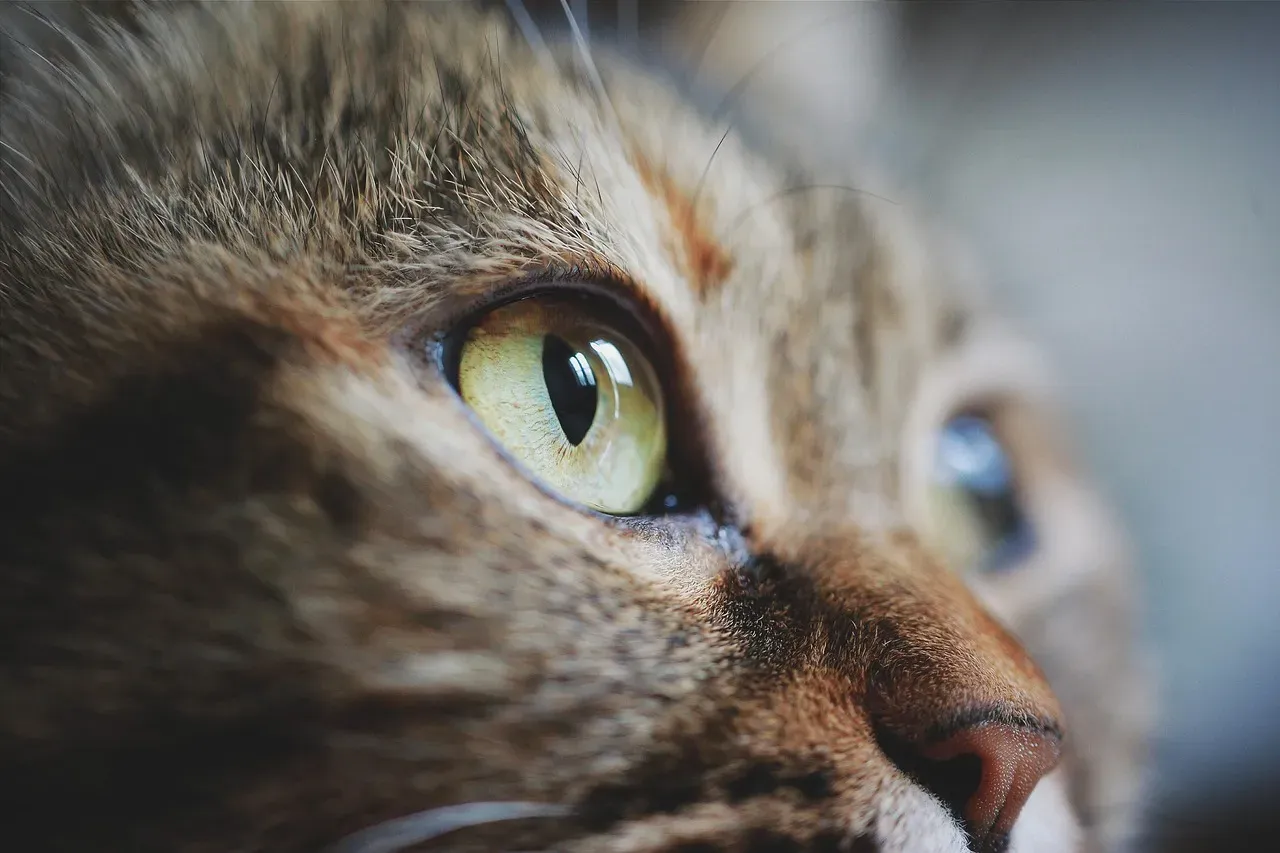
Your cat’s eyes contain pupils that are roughly fifty percent larger than yours. Think about that for a moment – that’s a huge difference in the amount of light that can flood into the eye at any given time. Cats’ large corneas and pupils, which are about 50% larger than humans’, allow more light into their eyes.
This isn’t just a minor advantage. Those oversized pupils work like camera apertures set to maximum opening, capturing every available photon of light in dim conditions. A cat’s pupils can expand up to 50% wider than human pupils, allowing significantly more light to enter the eye. When you watch your cat’s eyes in changing light, you’ll notice those distinctive vertical slits transform into enormous black circles, maximizing their light-gathering power when darkness falls.
They Have a Built-In Mirror Behind Their Eyes
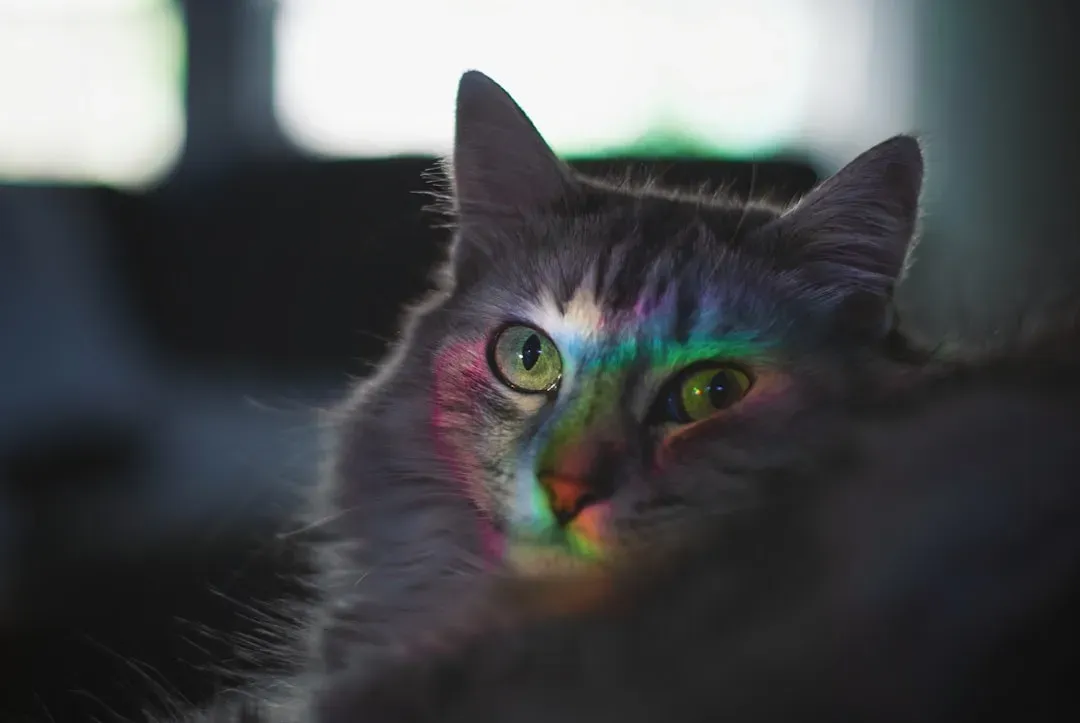
Here’s where things get really interesting. The tapetum lucidum is unique to cats and other animals adapted to see in low-light conditions, the tapetum lucidum is why cats’ eyes glow at night. It’s a reflective membrane situated just behind the retina. This incredible structure acts like a biological mirror, bouncing light back through the retina a second time.
Imagine if you could give every photon of light two chances to be detected by your eyes. That’s essentially what the tapetum lucidum does for your cat. The tapetum lucidum reflects visible light back through the retina, increasing the light available to the photoreceptors. This allows cats to see better in the dark than humans. The tapetum lucidum reflects light rays back to the retina, thus increasing the efficiency of light capture. That eerie glow you see when your cat’s eyes catch the light? That’s the tapetum lucidum at work, reflecting light back out of the eye.
Rod Cells Dominate Their Retinas
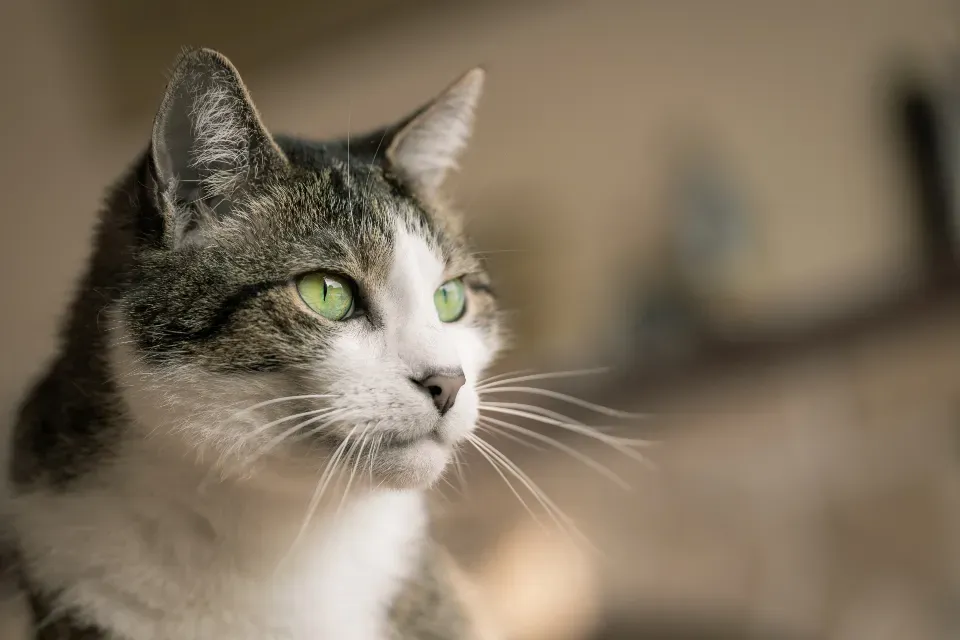
Your cat’s retina is packed with specialized photoreceptor cells called rods, and they have way more of them than you do. Cats have a much higher density of rod cells than humans. These rod cells are specifically designed to function in low-light conditions, detecting even the faintest glimmers of light that would be invisible to your eyes.
Rods are the night vision champions of the photoreceptor world. While cone cells handle color vision and fine detail in bright light, rods take over when the lights go down. Cats have a much higher concentration of rod cells compared to humans, which makes their vision more sensitive in low-light environments. This massive abundance of rods means your cat’s visual system is fundamentally optimized for seeing in conditions where you’d be practically blind. The trade-off? Their color vision isn’t as vibrant as yours, but honestly, who needs to see red clearly when you’re hunting in the dark?
They Actually Can’t See in Complete Darkness
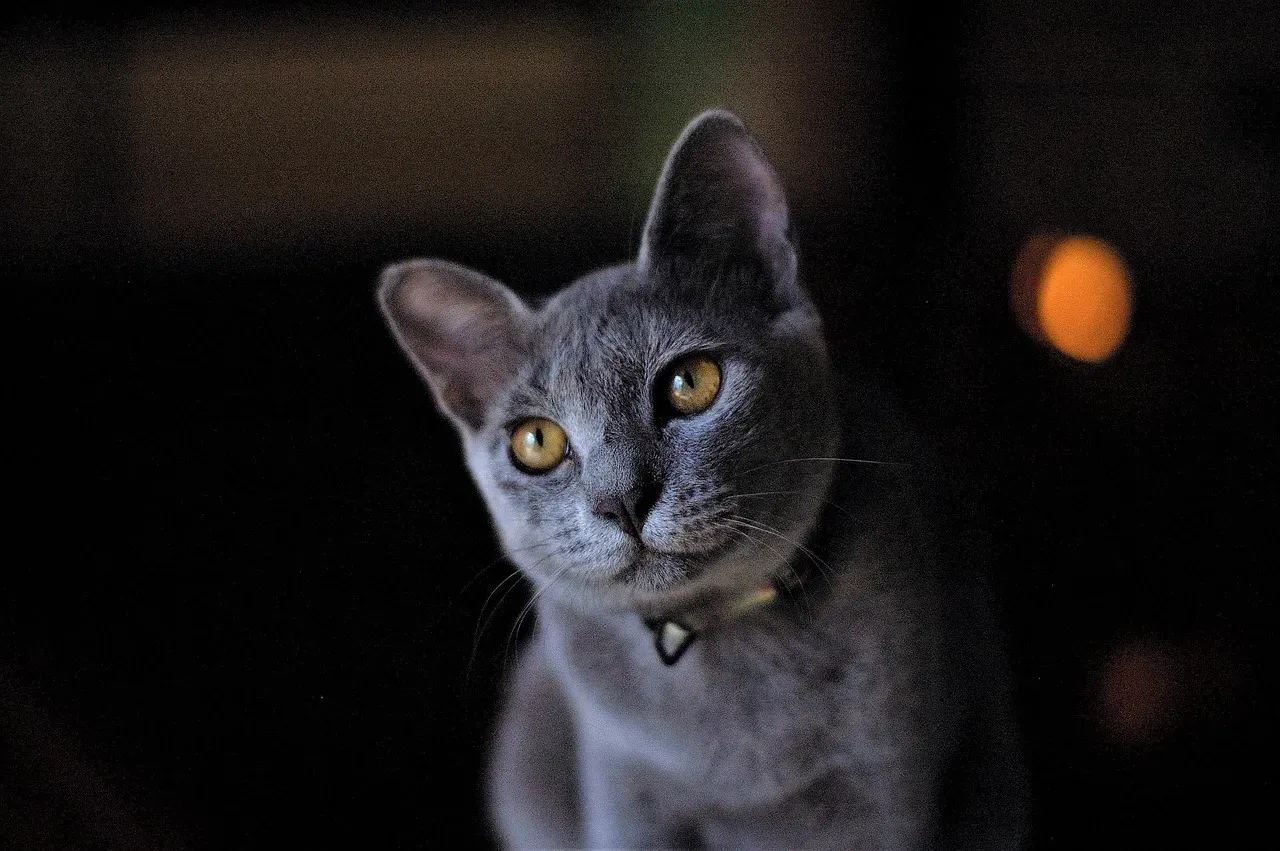
Let’s clear up a common misconception right now. Despite all their amazing adaptations, your cat cannot see in total, absolute darkness. They only need one-sixth of the amount of light that humans do and can see in very low light. However, they still need some light to function. Cats cannot see in total darkness. Contrary to popular belief, no animal, including cats, can see in absolute darkness. Vision requires at least some level of light to function, and if there is no light source at all, a cat’s eyes will not be able to process images.
Your home is rarely in complete darkness anyway. There’s usually some ambient light filtering in from streetlights, electronic devices, or moonlight through windows. They do have better vision than we do in low-light conditions, such as on a moonlit night. In fact, cats can see six to eight times better than we can in the dark. That’s still incredibly impressive, but it’s important to understand that your cat isn’t operating with magic night-vision goggles. They’re just remarkably efficient at using whatever tiny amount of light is available.
Vertical Pupils Give Them Precise Light Control
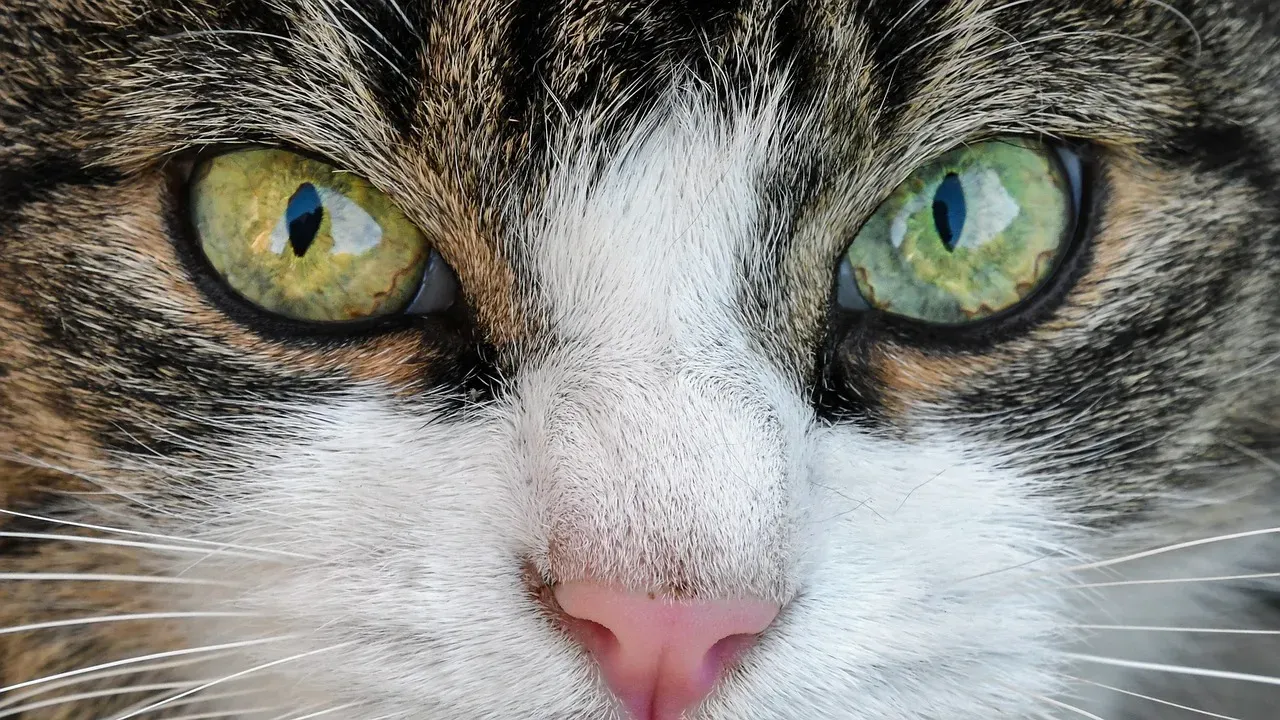
Those distinctive slit-shaped pupils aren’t just for looking mysterious and slightly intimidating. A cat has the capacity to alter the intensity of light falling on its retina 135-fold, compared to tenfold in a human, with a circular pupil. Your round pupils simply can’t compete with that level of control.
Think of it this way: your cat’s vertical slit pupils are like incredibly precise dimmer switches. When their pupils are vertical slits it allows them to focus, as varying amounts of light can enter the eye through different areas. When a cat’s pupils dilate to their adorable saucer-like state, more light is allowed to enter the eye. This extreme range of adjustment allows them to function effectively whether they’re basking in bright sunlight or prowling through near-darkness. It’s hard to say for sure, but I think this might be one of the coolest adaptations evolution has come up with for predator vision.
They’re Actually Crepuscular, Not Nocturnal
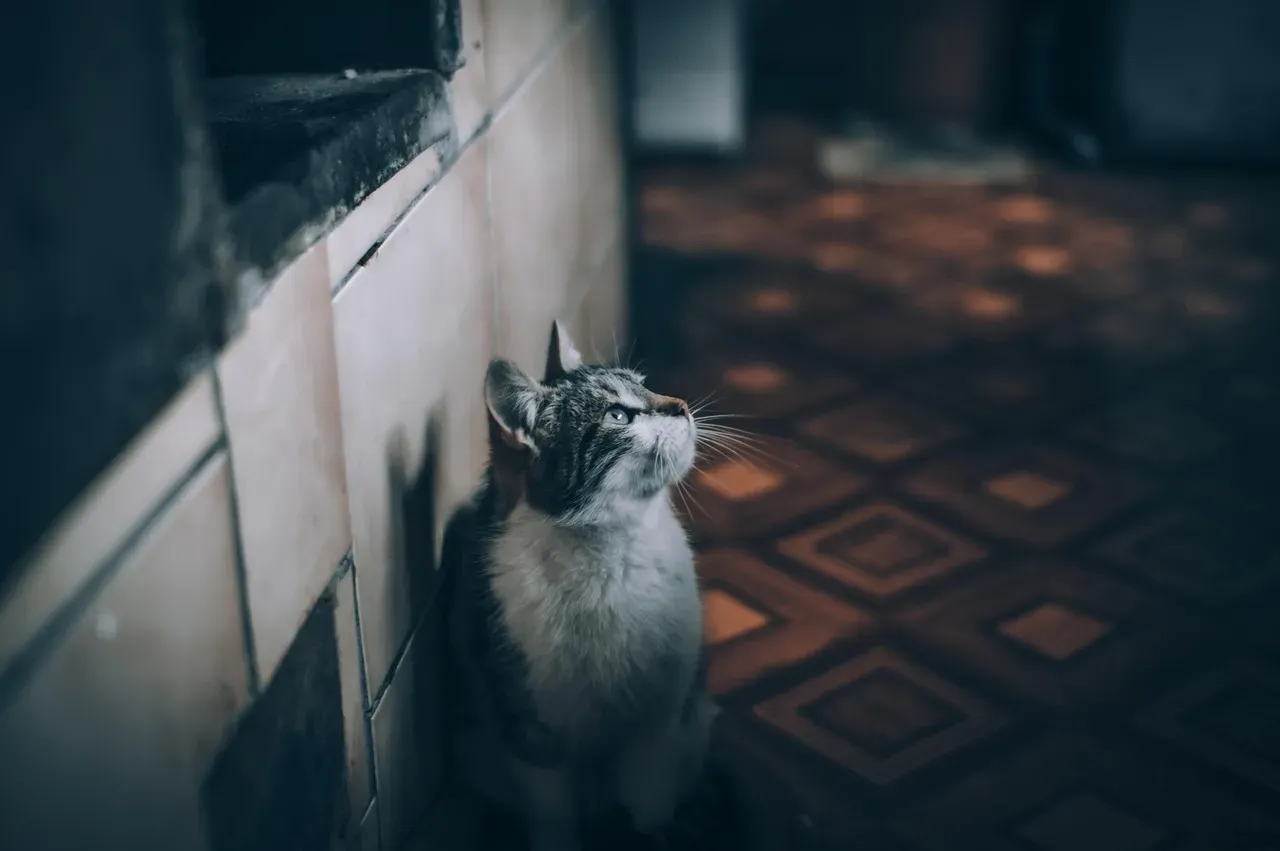
You might assume your cat is nocturnal because of all those midnight zoomies, but that’s not quite accurate. Cats are actually crepuscular. This means that generally they’re more active around dawn and dusk. This activity pattern makes perfect evolutionary sense when you consider their wild ancestors.
Dawn and dusk are prime hunting times because many prey animals are active during these twilight hours. Though it might seem like cats are nocturnal, they are actually crepuscular, which means they hunt at dawn and dusk. It’s at this time of day when many other animals (including their prey) become more active. Your indoor cat has retained these ancient instincts, which explains why they might wake you up at sunrise demanding breakfast or suddenly become hyperactive as the sun sets. Their exceptional low-light vision evolved specifically to help them succeed during these in-between times when lighting conditions are challenging.
Their Night Vision Comes With Trade-Offs
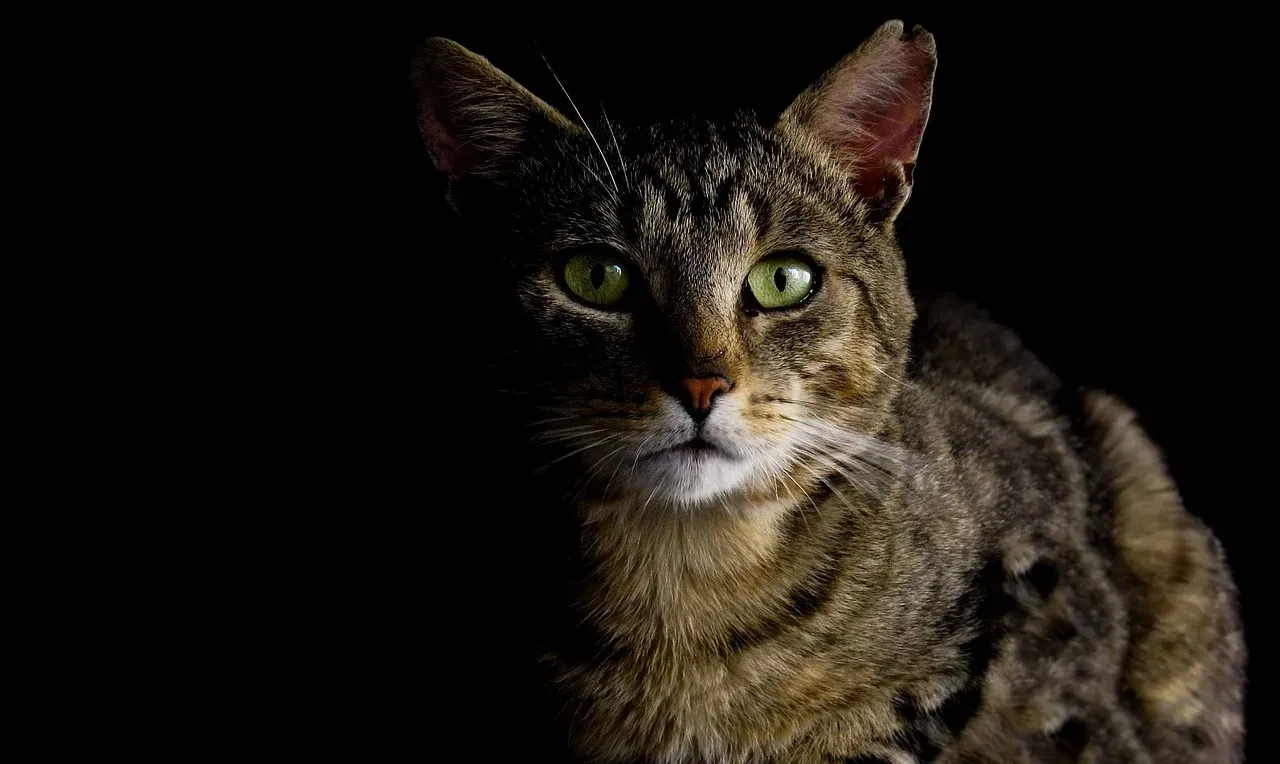
All those incredible low-light adaptations come at a cost. Humans have better visual acuity, or clearness of vision, than cats. Your cat’s world looks somewhat blurrier than yours, especially when trying to focus on objects up close or far away. Cats lack the muscles needed to change the shape of their eyes. This means they struggle to focus on objects that are close to them. If you place a toy right in front of your cat’s nose, they won’t be able to see it clearly.
Their color perception is also limited compared to yours. Cats can see a lot more in their peripheral vision, they seem to have limited color vision and see mostly in shades of blue and green, but red and pink appears to get confused. It’s a fascinating balance – what they gain in night vision sensitivity, they sacrifice in color richness and sharp detail. Their visual system has been fine-tuned over millennia to prioritize what matters most for their survival: detecting movement in low light and hunting successfully when the light is dim.
Conclusion
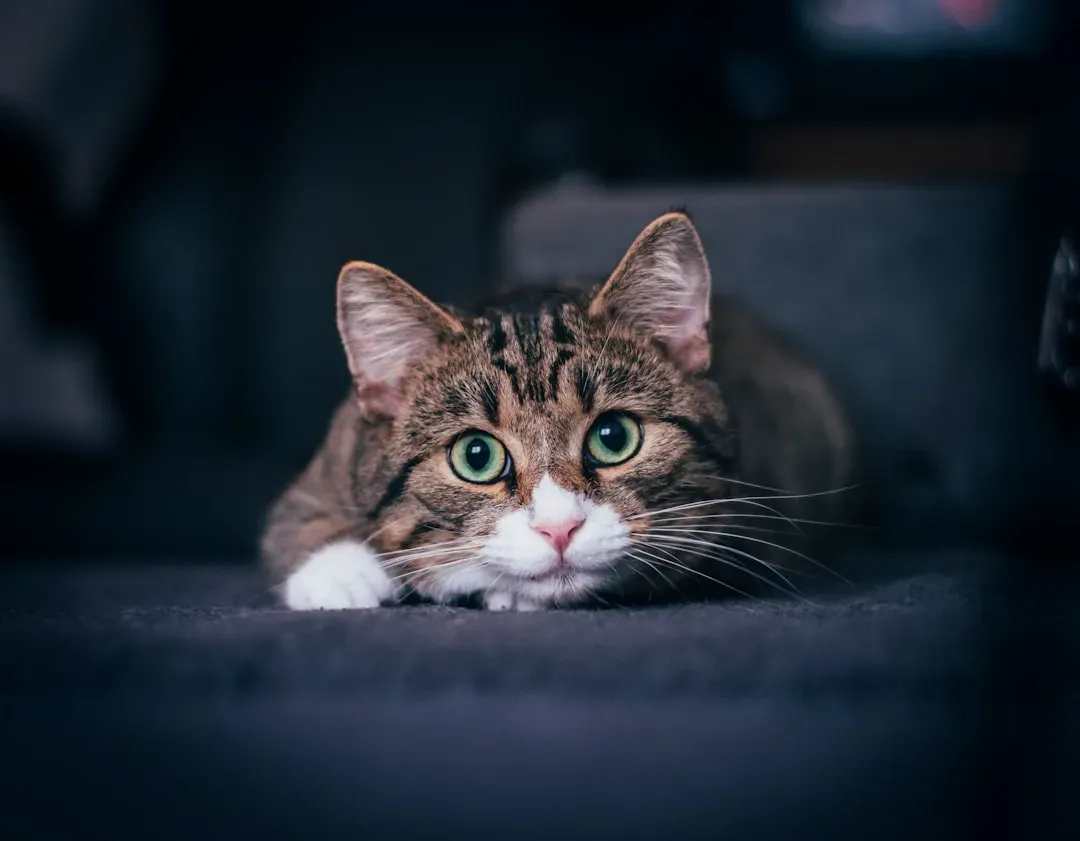
Your cat’s night vision is nothing short of remarkable, built on a foundation of specialized biological features that work together in perfect harmony. From those oversized pupils and reflective tapetum lucidum to the abundance of light-sensitive rod cells, every element serves a purpose in helping your feline friend navigate the shadows with grace and precision. While they can’t actually see in pitch-black darkness and their daytime vision isn’t as sharp or colorful as yours, their ability to function in low-light conditions is truly extraordinary. Next time you catch those glowing eyes staring at you from across a dark room, you’ll know exactly what’s going on behind them. Did you ever think your cat’s eyes were so incredibly complex? What do you think – does this change how you see your feline companion’s nighttime antics?