If you’ve ever watched your cat rearrange a blanket with its paws, claim the warmest corner of the sofa with alarming precision, or stare you down until you move so they can have your spot, you already know something extraordinary is happening. Cats are not passive little roommates. They are, honestly, some of the most clever environmental engineers in the animal world, and most of their genius goes completely unnoticed.
What makes this so fascinating is that it’s not random. Every scratch, every territorial deposit of scent, every carefully chosen perch – it all adds up to a deliberate, instinct-driven strategy for comfort and control. You might be living in your house, but your cat? Your cat is managing it. Let’s dive in.
Scent Marking to Define Their Own Safe Zones

Here’s the thing – your cat’s world is written in scent, not in what they can see. Cats use olfactory and pheromonal signals for communication with other cats, so smells give them information about the safety of their surroundings. When your cat rubs its cheek against the corner of a wall or the leg of your dining table, it’s not being affectionate with your furniture. It’s leaving a chemical message that essentially says: “This is mine. This is safe. I belong here.”
Cats use scent and pheromones to help organize their territory by marking prominent objects, and if these objects or scents are removed, it upsets the cat’s perception of its environment. Think about that for a second. When you deep-clean the house and wash everything with lemon-scented products, you’ve essentially erased your cat’s entire comfort map. That’s often the reason your cat appears unsettled after a thorough cleaning day. Cats use olfactory information to evaluate their surroundings and maximize their sense of security, so you should allow them to scent mark their environment through scratching posts and facial rubbing and avoid covering up their scent with strong cleaners, detergents, or scented litters.
Claiming High Ground to Control Their Surroundings
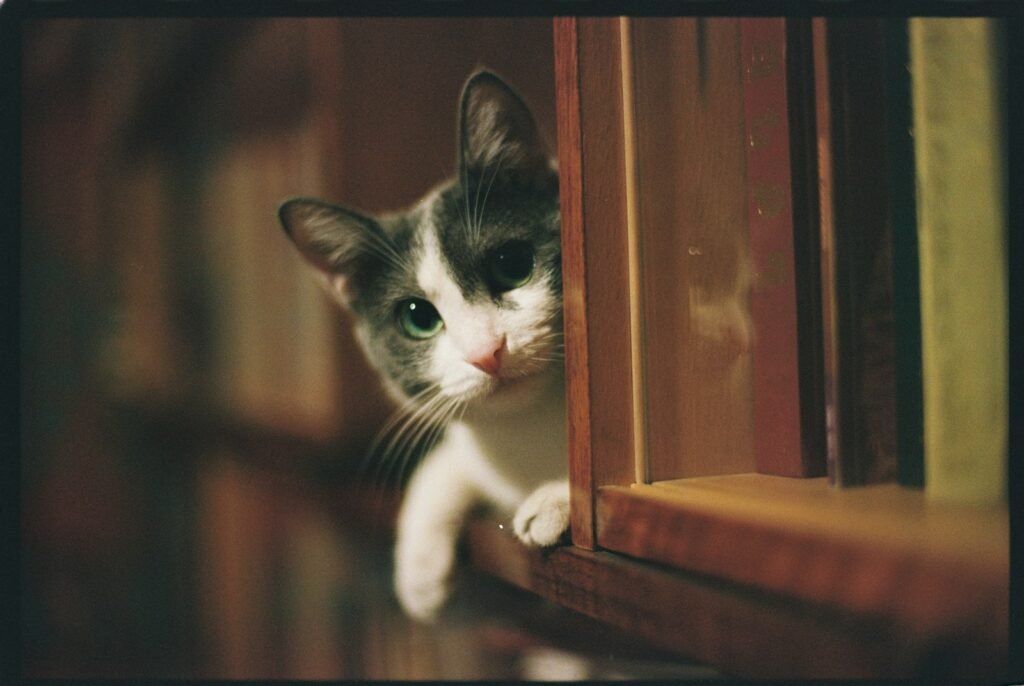
You’ve probably noticed that your cat doesn’t just sit anywhere. It chooses the highest available spot with an intensity that borders on strategic. Cats enjoy climbing and perching high above to survey their surroundings – just like a mountain lion perched on a cliff or a bobcat resting on a tree branch, your cat loves cat trees, shelves, and window perches that allow them to climb and observe their surroundings from a high vantage point. Height isn’t about showing off. It’s about control.
From up there, a cat can monitor the entire room without exposing itself to threats from behind. It’s a move straight out of the wild survival playbook, repurposed beautifully for your living room bookshelf. Cats need private and secure places to hide, often in a raised location, and you can provide plenty of options including perches, shelves, cat trees, cat hammocks, cave beds, and even their carrier. Honestly, a cat on a high shelf is the feline equivalent of having a penthouse office. They see everything. You see nothing they don’t want you to.
Kneading Surfaces to Create Their Ideal Sleep Spot
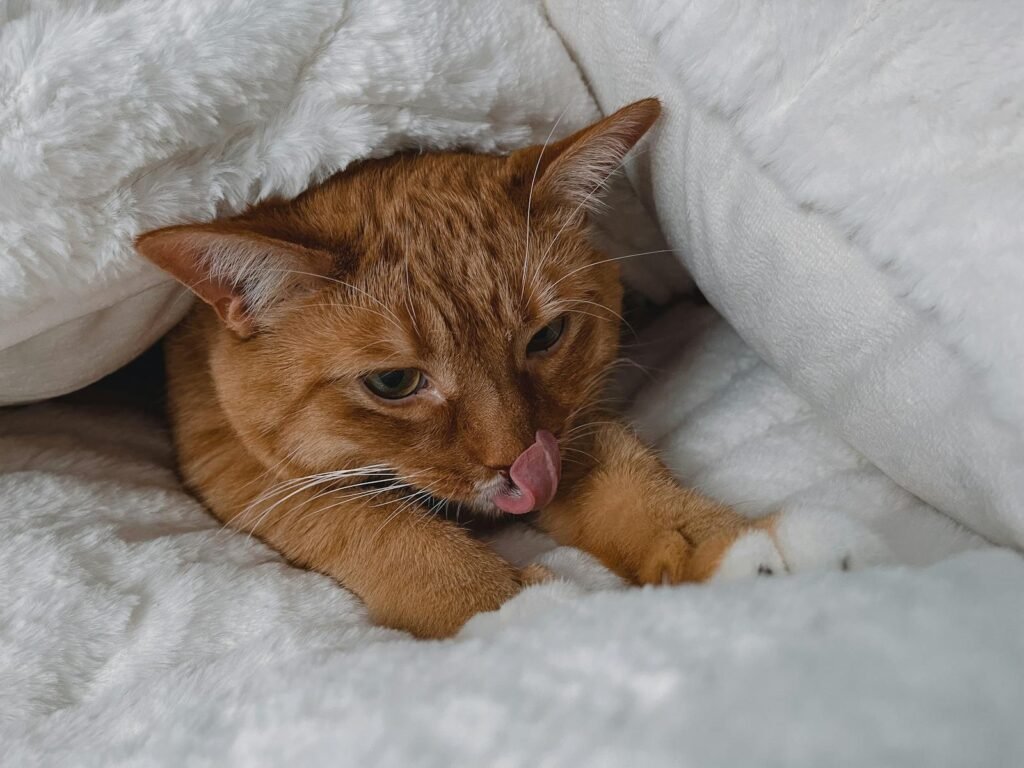
That rhythmic pawing motion cats do on soft blankets – sometimes called “making biscuits” – looks adorably silly. But it’s actually a sophisticated bit of environmental manipulation rooted deep in their instincts. Going back to wild cats, they would knead down tall grass in order to make a soft bed for sleeping or giving birth, and domestic cats will almost always knead on soft surfaces like blankets and sometimes purr while doing it. They are literally reshaping their environment to be more comfortable.
Kneading is often a precursor to sleeping, and many cats purr while kneading. What’s clever about this is that your cat isn’t waiting for the perfect sleeping surface to magically appear. It creates one. It physically transforms an ordinary blanket or pillow into its preferred nesting space through repetitive motion. If that’s not genius-level comfort engineering, I don’t know what is. It is a behavior that shows comfort to cats and isn’t something to be worried about.
Using Vocalizations to Train You Into Giving Them What They Want

Let’s be real – if you have a cat, there’s a solid chance your cat has trained you, not the other way around. Meowing is a learned, human-directed behavior, and many cats focus on the person who consistently responds to them. Some owners become the preferred listener simply because they’ve proven most reliable at acknowledging the sound, and over time the cat builds a pattern of seeking out the human who delivers the best results. Your cat has essentially run a behavioral experiment on you and figured out exactly which sounds unlock food, attention, or an open door.
Cats adjust their meows depending on context and how their owners respond. Some calls grow sharper when a cat wants food, while softer meows may appear during friendly or relaxed moments, and the variations aren’t rigid categories but flexible signals shaped by the human-cat relationship and how well each sound works. Think of it like a musician learning which chords make the audience respond. Your cat is performing a customized set, every single day, perfectly tuned to your reactions. Their behavior is driven by instinct, learning, and a desire to have their needs met, and rather than viewing their actions as manipulative, we should consider them sophisticated communication strategies.
Strategic Scratching to Control Their Territory

When your cat claws at the couch, it feels like destruction. What it actually is, though, is meticulous territorial management. Scratching sheds the dull layer of a cat’s claws and exposes a fresh, sharp claw, and it is also an exercise method and a way to mark their territory by putting their scent on whatever they are scratching. So every scratch is simultaneously a manicure, a workout, and a property deed all in one.
Scratching, urine spraying, and rubbing are methods of leaving their scent, communicating with other cats and even influencing human behaviour by marking territory. Your cat chooses specific, visible, prominent locations to scratch – door frames, the front of the sofa, the corners of walls. That placement is entirely deliberate. It’s a communication broadcast to any other animal in the home, saying with absolute confidence: “I run things here.” Providing scratching areas where a cat can mark its territory is therefore one of the most important comfort concessions you can make for them.
Seeking Out Warmth With Startling Precision

You’ve probably noticed that your cat tracks the sun across your house throughout the day like a tiny solar panel. It’s not laziness. It’s a finely tuned thermal intelligence. Cats are remarkably sensitive to temperature changes, often seeking out warm spots or reacting to cool breezes. This sensitivity helps them regulate their body temperature and find comfort in their environment, and they can detect slight temperature shifts that humans might overlook, using this information to choose the best spot to rest.
This is why your cat is always on your laptop, sitting on the cable box, or inexplicably draped over the router. These aren’t accidents. They’re deliberate heat-seeking decisions. This acute awareness of temperature changes ensures they remain comfortable and prepared for any environmental fluctuations. A cat in a sunbeam is not just napping. It’s executing a perfectly optimized thermoregulation strategy that would make any engineer quietly jealous. The warmest surface in the room? Your cat will find it before you even sit down.
Creating Predictable Routines to Engineer Mental Comfort
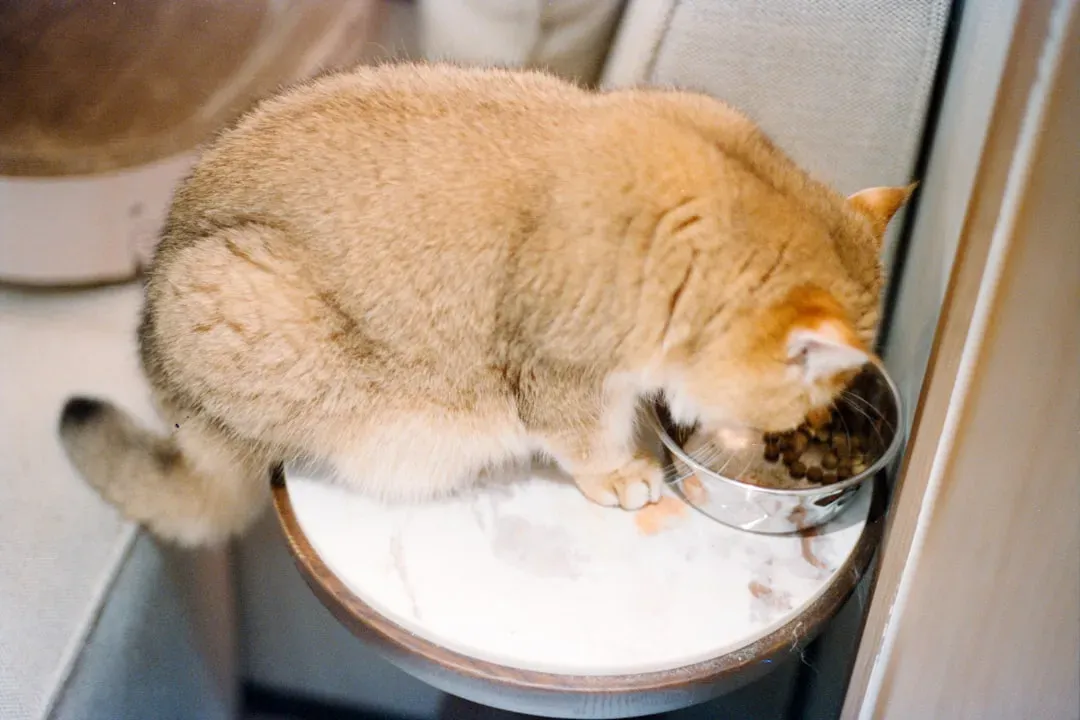
Cats don’t just manipulate their physical environment. They manipulate the rhythm of their days, too. Cats thrive on routine and can quickly detect changes in their habitual environment, and this awareness means they notice when something is out of place or when there’s a new addition to their territory – this keen observation allows them to stay informed and feel secure in their surroundings. When your cat wakes you up at exactly 6:03 AM every morning, it’s not random. They’ve engineered that moment into the daily calendar because it reliably produces the outcome they want: food, attention, or both.
Stable routines, environmental enrichment, and predictable human behavior all help a cat return to baseline faster. Cats essentially train the people around them to behave consistently, because a predictable environment is a comfortable environment. When a cat can’t predict what’s coming, her instincts tell her to control the situation to increase her chances of survival, and her body floods with adrenaline and cortisol – stress chemicals that keep her ready to move. The routine isn’t a quirk. It’s a survival strategy dressed up as a cute habit.
Conclusion
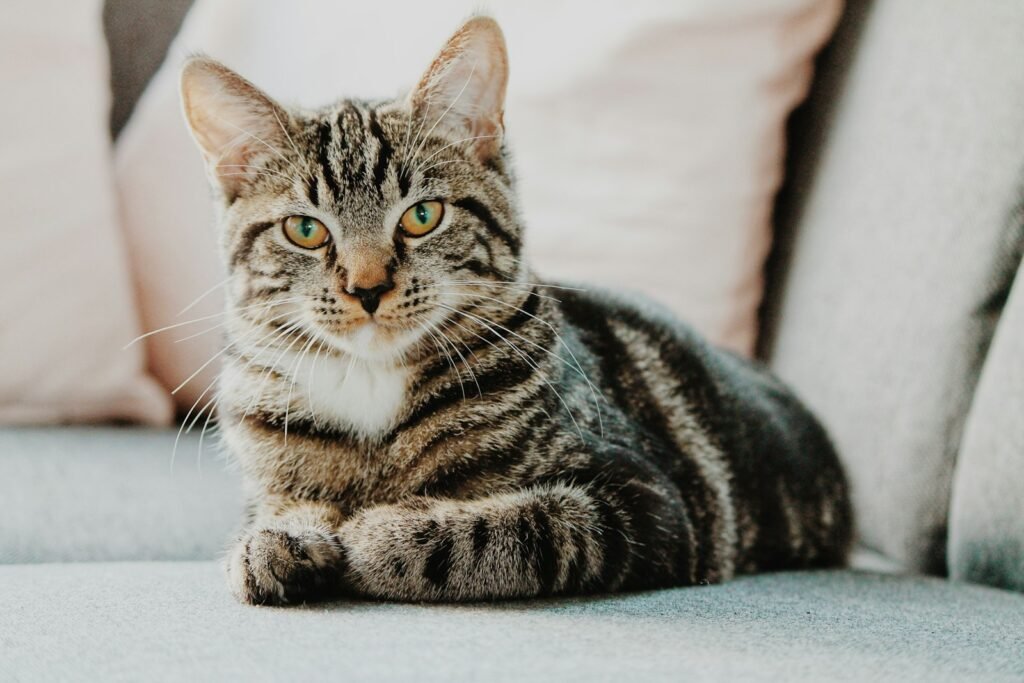
It’s easy to look at a cat sprawled across the sunniest cushion in your home and think you’re watching a creature that simply got lucky with its living arrangements. The truth is far more interesting. Your cat has been quietly, cleverly, and consistently reshaping its world – scent by scent, scratch by scratch, meow by carefully calibrated meow – to build the most comfortable existence possible.
What’s striking is how much of this behavior bridges ancient wild instinct and sophisticated modern adaptation. A cat’s comfort level with its environment is directly linked to physical and emotional health, and it is critical that we meet a cat’s environmental needs, making environmental enrichment a necessary step for feline wellbeing. Understanding these seven strategies doesn’t just make you a better cat owner. It makes you realize you’ve been sharing your home with a surprisingly brilliant roommate all along.
The real question is: now that you know just how intentional your cat’s behavior truly is, are you going to start looking at that couch scratch a little differently? What do you think – who’s really in charge in your home? Tell us in the comments!