Most people assume a cat is happy as long as it’s fed, has a warm spot to sleep, and isn’t visibly sick. Honestly, that’s a bit like saying a person is thriving simply because they aren’t in hospital. Cats are complex, emotionally rich creatures with deeply ingrained instincts, and their happiness goes far beyond the basics of food and shelter.
What truly separates a content, flourishing feline from one quietly struggling often comes down to daily habits. Small, consistent behaviors that you either allow, encourage, or overlook can make an enormous difference in your cat’s quality of life. Ready to find out what really keeps a cat purring with genuine joy? Let’s dive in.
Daily Interactive Play That Taps Into Their Inner Hunter
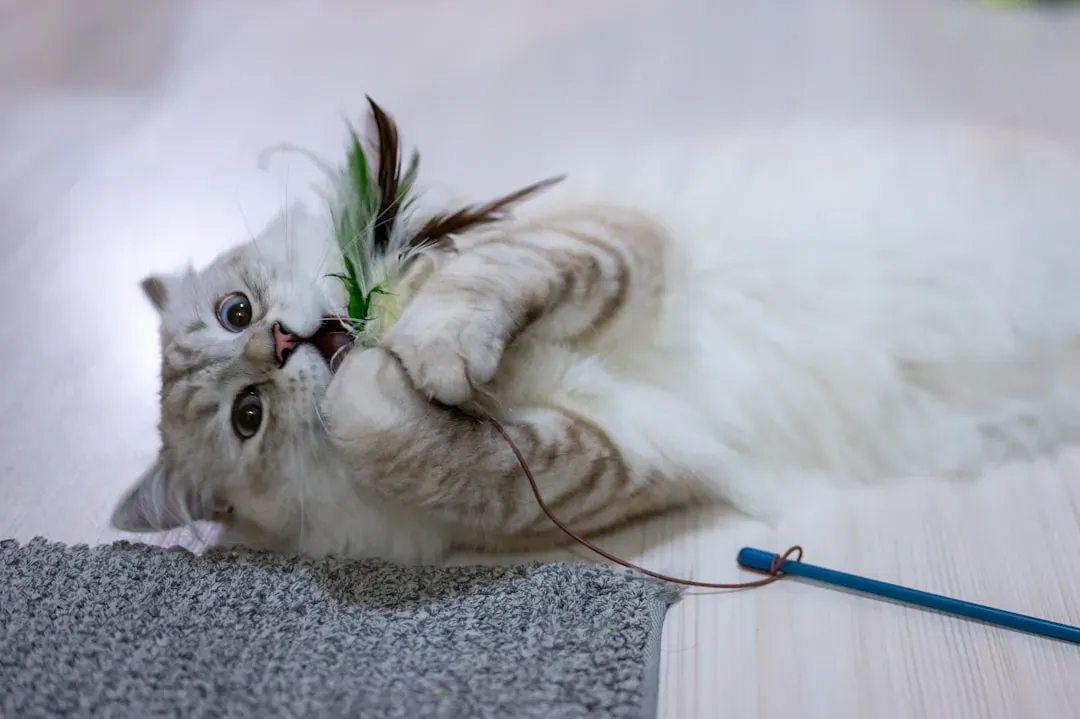
Here’s the thing most cat owners don’t fully appreciate: your cat is not a miniature couch ornament. Cats carry a wild heart even in the coziest living room, with roots tracing back to desert hunters who still instinctively chase, stalk, and pounce. When you dangle a feather wand in front of your cat, you’re not just playing. You’re feeding something ancient and necessary in them.
Cats are natural hunters by nature and need outlets to channel their predatory instincts, so engaging in play with interactive toys like wands, balls, and treat puzzles for at least 15 minutes a day makes a real difference. Regular interactive play sessions are vital for their physical and mental wellbeing, and using wand toys or feather teasers that mimic prey-like movements encourages jumping, pouncing, and chasing, letting your cat release energy and express their natural hunting instincts.
Think of it like this: a cat that never gets to hunt is like a runner who never gets to run. The energy builds up somewhere, and usually not anywhere convenient for you. Providing your cat with activity gives them an outlet to vent excess energy, helping with problem behaviors like aggression and litter box issues, since a bored cat can quickly become a destructive cat.
A Consistent Daily Routine That Reduces Anxiety
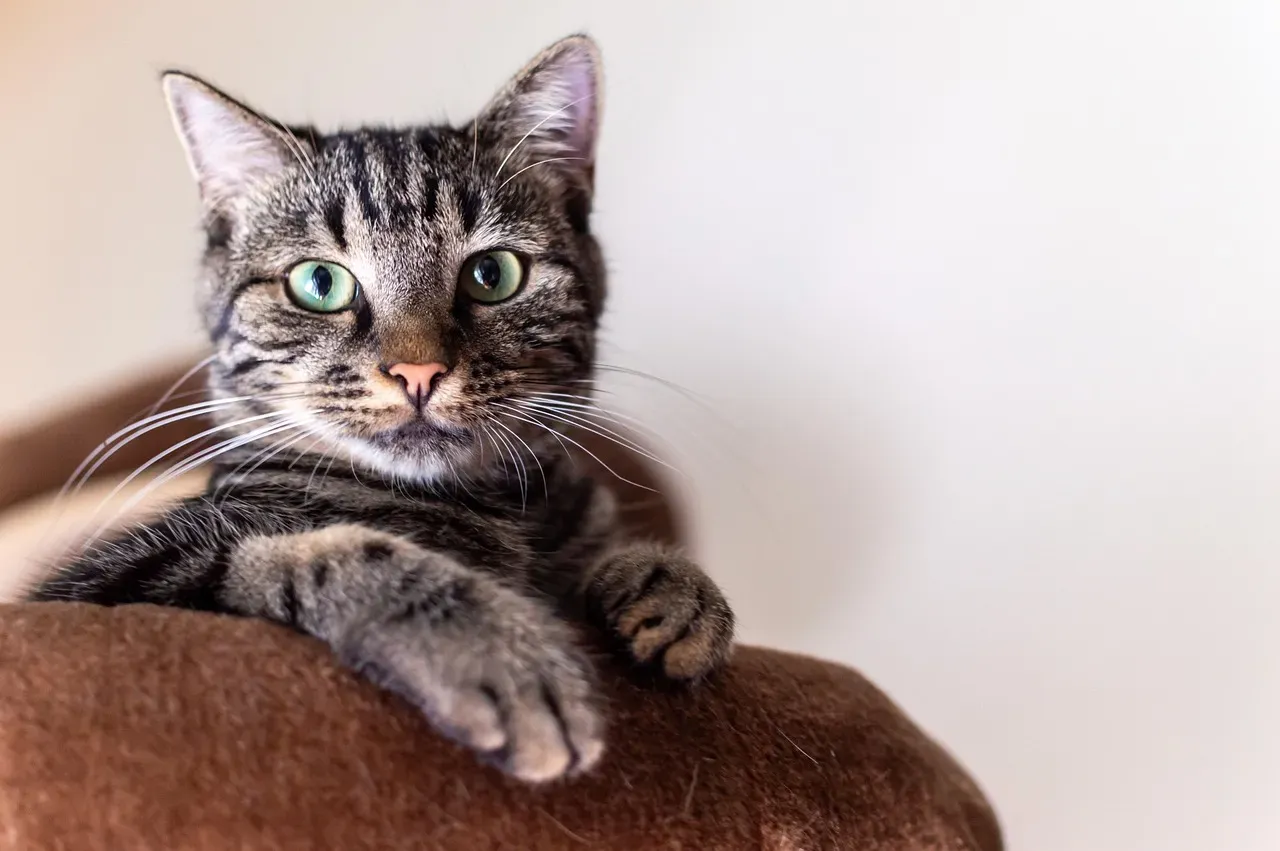
Cats thrive on knowing what to expect, when, and how it’s going to happen, because they are in large part creatures of habit who relish some amount of control by having an idea of what to expect and when. It sounds almost too simple, doesn’t it? Yet this single habit can transform a skittish, stressed cat into a calm, confident companion.
Reducing your cat’s anxiety is as straightforward as offering as regular a schedule as possible, especially for important events like mealtimes. Many cats simply like routine, and feeding them and playing with them at the same time every day may be all they need. Your cat isn’t being dramatic when they pace before dinner. They’re telling you that predictability matters deeply to their sense of security.
Mental Stimulation Through Enrichment and Puzzle Feeders
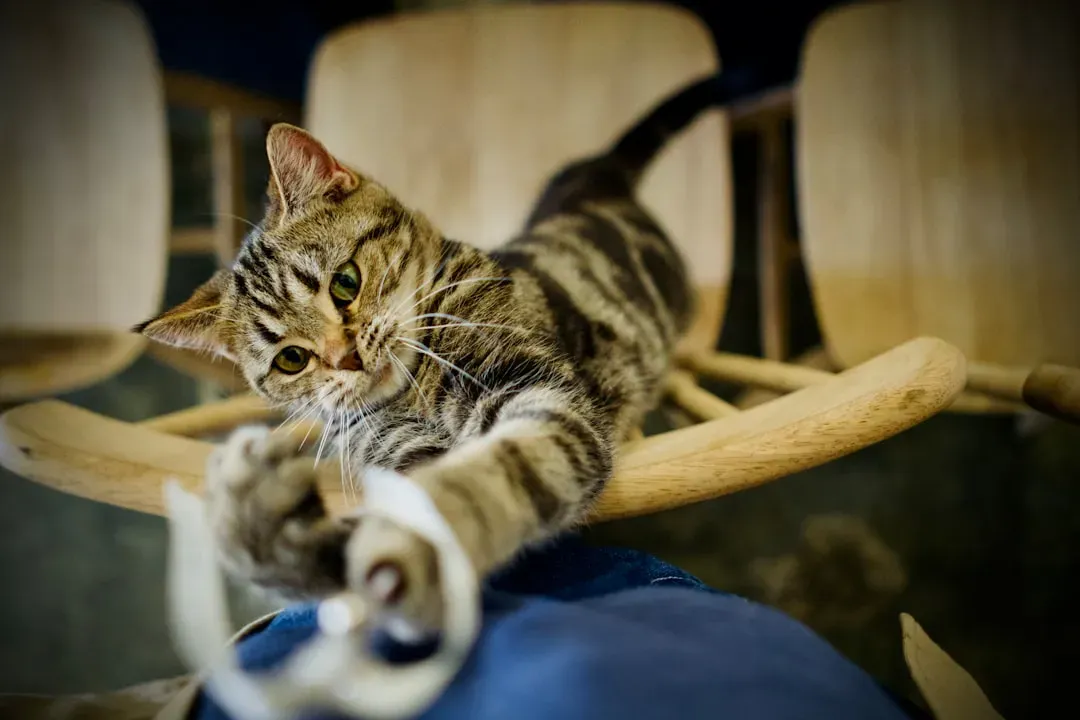
Cats may live indoors, but their instincts as hunters, climbers, and explorers never disappear, and without opportunities to express these natural behaviors, they can become stressed, bored, or even develop health and behavior problems, despite many people believing cats are low-maintenance pets who don’t need much interaction. I think this is one of the most underestimated aspects of cat ownership, full stop.
Puzzle feeders and interactive toys encourage mental stimulation by making your cat work for their food, with puzzle feeders dispensing small amounts of kibble when your cat interacts with them, stimulating their hunting instincts and providing a rewarding challenge. Without enough stimulation, indoor cats are prone to boredom, which can lead to emotional and mental strain, causing behavior changes like excessive grooming, hiding, vocalizing more than usual, or even becoming more aggressive, all signs that your cat is feeling frustrated by their lack of stimulation. Swapping your cat’s regular bowl for a puzzle feeder is one of the easiest upgrades you can make, and your cat will genuinely thank you for it.
Access to Vertical Spaces and Safe Climbing Opportunities
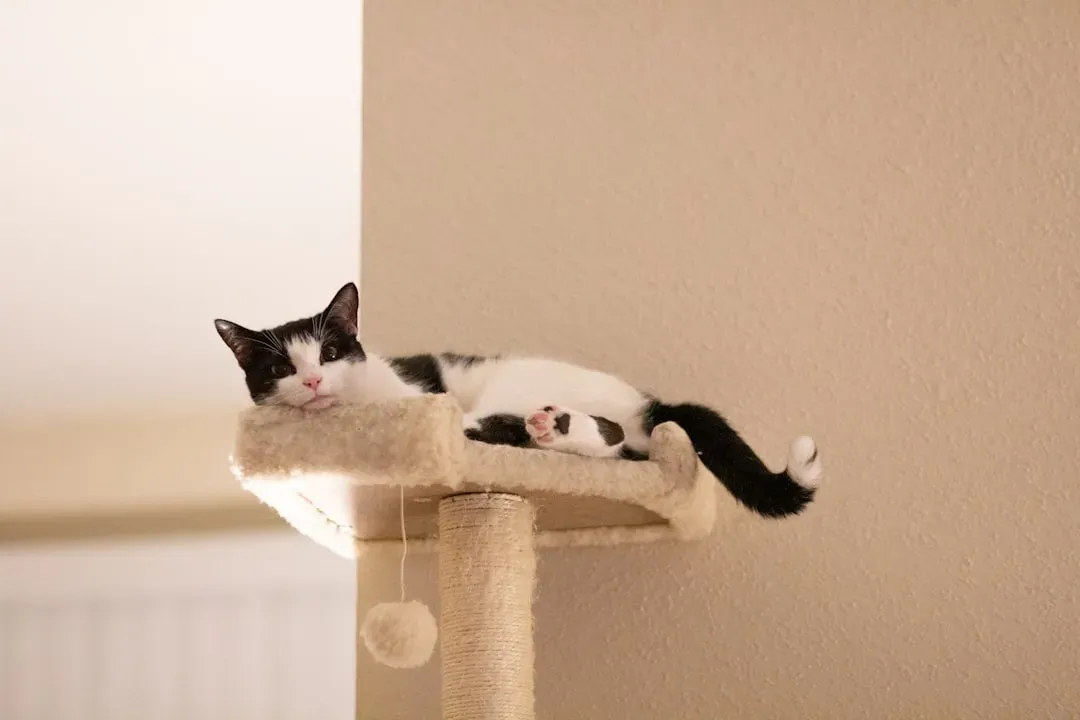
Cats love to climb and explore their surroundings from different perspectives, so creating vertical spaces in your home satisfies their climbing instincts, and installing cat trees, wall-mounted shelves, or sturdy carpeted perches not only offers exercise opportunities but also allows cats to observe their territory, providing mental stimulation and a sense of security. Think of vertical space as real estate. From your cat’s point of view, a home with no high perches is like a studio apartment with no windows.
Cats simply like to be up high, and providing access to elevated places makes them happy while increasing the overall space available to them, so giving your cat a carpeted tree or condo with hiding spots, perches, and shelves is a smart investment. Territory matters greatly to cats, and they mark spaces by rubbing their cheeks on furniture or scratching posts, claiming zones indoors or out where they feel safe. Vertical space is not a luxury for your cat. It is genuinely part of how they feel in control of their environment.
Regular Grooming Sessions That Double as Bonding Time
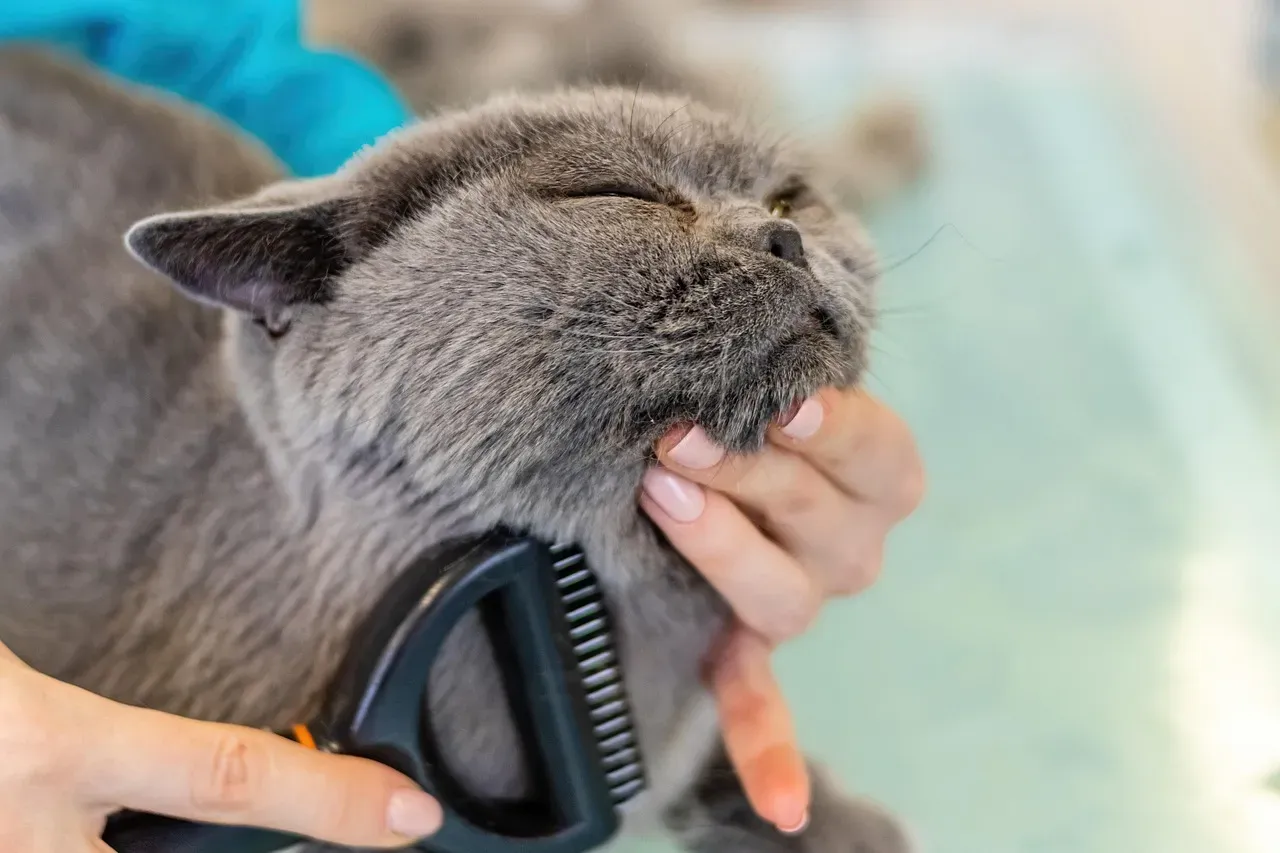
Grooming is a great way to keep your pet looking and feeling great, and it also helps you notice any changes to their skin and coat, since while brushing your pet you may spot lumps, lesions, discharges, injuries, or parasites, and if you’re concerned about anything, you should bring it to your vet’s attention. It’s one of those habits that gives you two wins at once: a happier cat and an early warning system for health issues.
Grooming is actually a sign of happiness in itself, since a cat that grooms itself or others is usually relaxed and happy. If you’re new to grooming your cat, starting with short and frequent sessions and gradually building up over time as your cat becomes more comfortable with the process is the recommended approach. Consistent positive interactions such as gentle grooming and interactive play help establish trust and security in the home. Over time, your cat will begin to associate those brushing sessions with safety and closeness, and that bond is genuinely irreplaceable.
Encouraging Proper Dental and Health Monitoring Habits
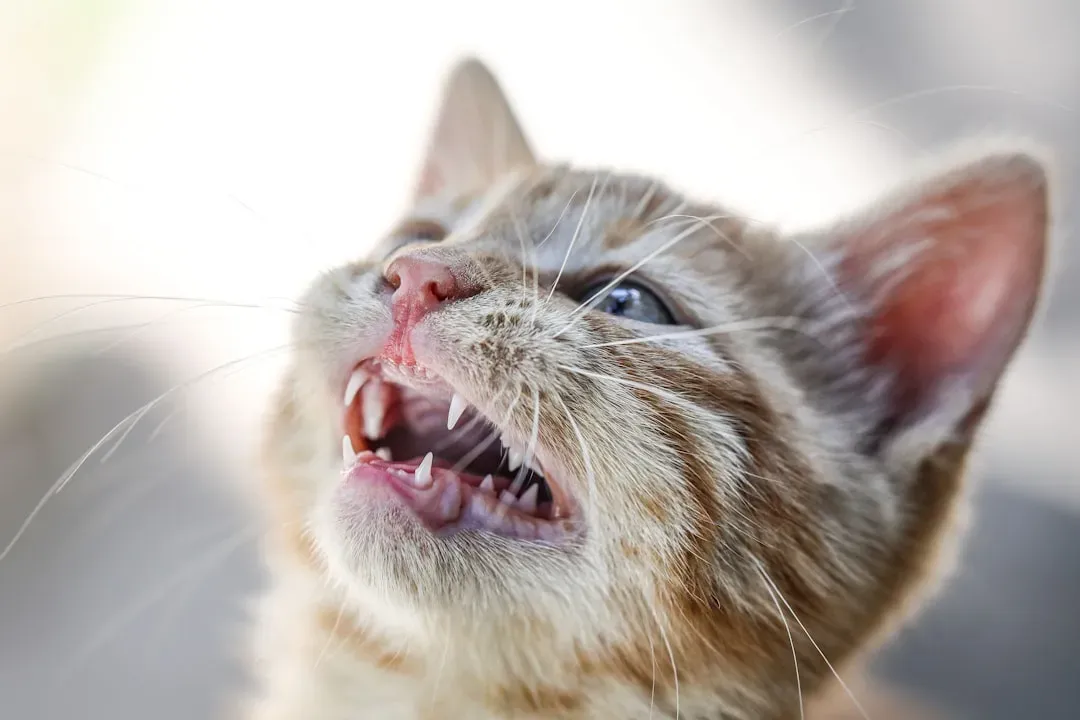
Let’s be real. Most cat owners almost never think about their cat’s teeth until there’s a visible problem. Dental care often gets overlooked, yet periodontal disease affects the vast majority of cats over age three. That’s a staggering number of animals quietly dealing with pain that their owners simply aren’t aware of.
Starting with finger brushing using pet-safe toothpaste and progressing to soft-bristled brushes makes a real difference, since even twice-weekly brushing significantly reduces tartar buildup and expensive dental procedures later. Beyond oral health, home health monitoring that experts teach includes weekly weight checks, monthly gum color assessment, and daily observation of elimination habits, with these simple practices helping to catch a significant portion of common feline health issues in their early stages. Think of it as being your cat’s own personal health advocate. Nobody else is going to notice the small changes before they become big problems.
Reading and Responding to Your Cat’s Body Language
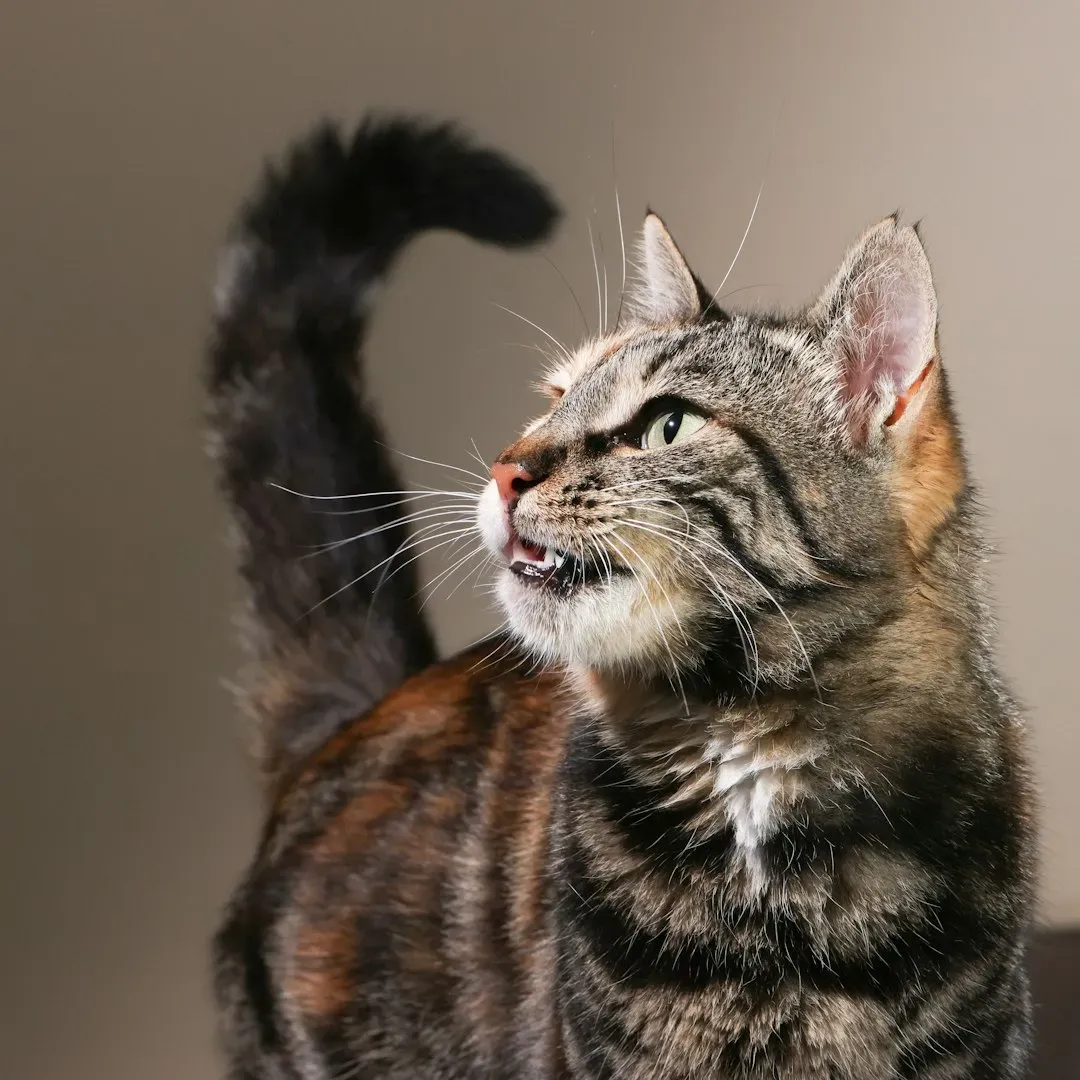
Most cat owners miss simple signs that show their pet’s true mood, and while you might think a purring cat is always happy, cat body language actually tells a much richer story. A cat that purrs while slightly tense or crouched, for example, may actually be signaling discomfort rather than bliss. It’s a subtle difference, but it matters enormously once you know what to look for.
Slow blinking shows that your cat trusts you, and you can try blinking back to reinforce that bond. Cats who are not happy will freeze, move away, flatten their ears, or hiss, and it is better to allow cats to approach you on their own terms rather than pushing for social interaction. Whiskers that are relaxed and spread outward suggest a calm and happy cat, and similarly, ears that are slightly forward indicate they feel safe and content, while when your cat blinks slowly at you, it is like a kitty kiss showing trust and affection. Learning this silent language is one of the most rewarding things you can do as a cat owner, because once you understand it, your whole relationship with your cat shifts.
Conclusion
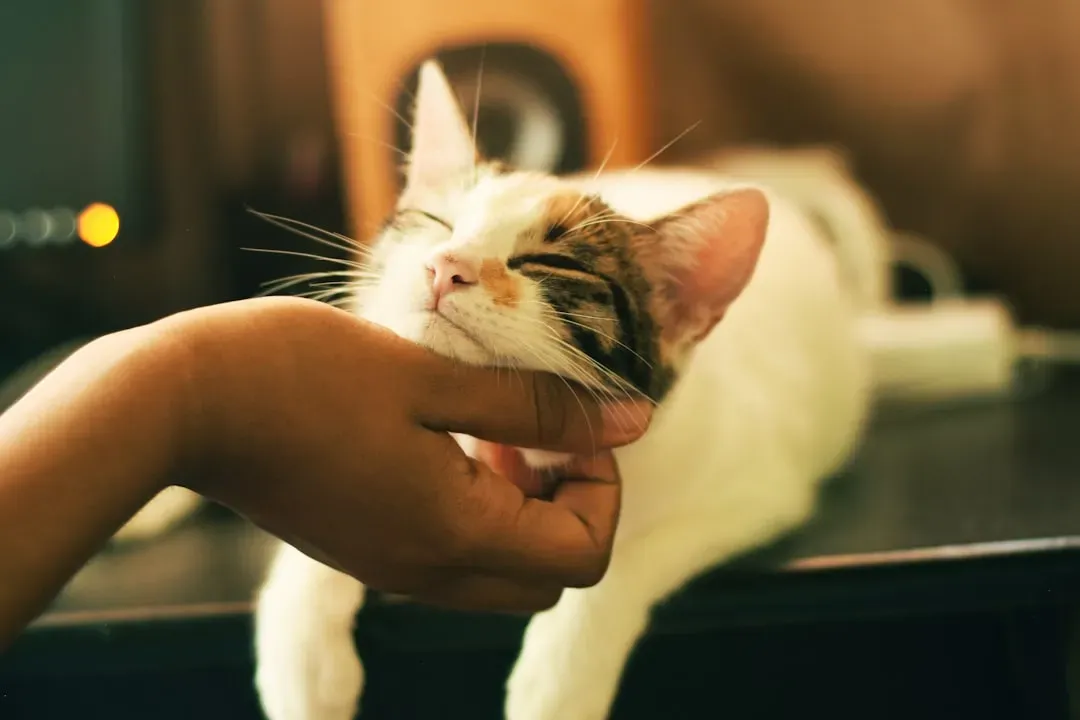
A truly happy cat doesn’t need expensive gadgets or a perfectly curated home. What cats genuinely need is an owner who pays attention, stays consistent, and respects the animal’s nature rather than trying to reshape it. Cats ask for little beyond food, play, and respect for their space, and they give back endless joy when you take the time to learn their ways.
Research shows that routine veterinary checkups, balanced diets, and mental enrichment can significantly improve your cat’s wellbeing. The seven habits explored here are not complicated. They are consistent, thoughtful, and grounded in how cats actually think and feel. Start with one, build from there, and watch the transformation unfold.
Your cat cannot tell you what they need in words. They show you, every single day, through their behavior, their body language, and their energy. The question is simply whether you’re paying close enough attention to notice. What small change will you make for your cat today?