Ever found yourself wondering what your cat is trying to tell you when they let out that distinctive meow? You’re not alone. While we’ve shared our homes with these mysterious creatures for thousands of years, their vocal language remains surprisingly complex and often misunderstood. Your feline friend isn’t just making random noise. Each meow, chirp, and vocalization carries specific meaning tailored just for you. The truth is, your cat has developed an entire communication system designed exclusively for human interaction. Let’s explore what those sounds really mean.
The Greeting Meow: Your Cat’s Personal Hello
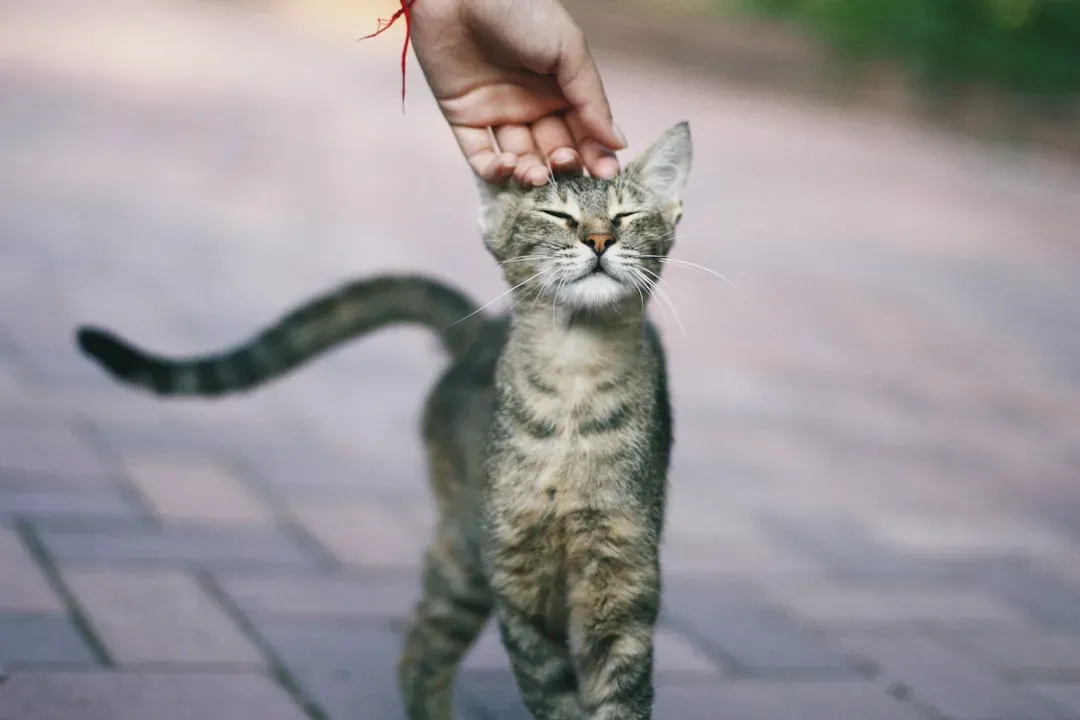
When your cat greets you with a brief, high-pitched meow, it functions as a universal hello. This friendly acknowledgment is your cat’s way of saying they recognize you and are happy you’re home.
Interestingly, cats meow far more vocally toward men than women when their humans first walk in, with male owners receiving an average of 4.3 vocalizations compared to 1.8 for female owners. The reason behind this is actually quite relatable. Because male caregivers tend to talk less to their cats and are generally less attentive, the cats adjust their communication to get their attention. Your cat is essentially working harder to be noticed, which honestly shows just how smart they really are.
The Demand Meow: When Your Cat Wants Something Now
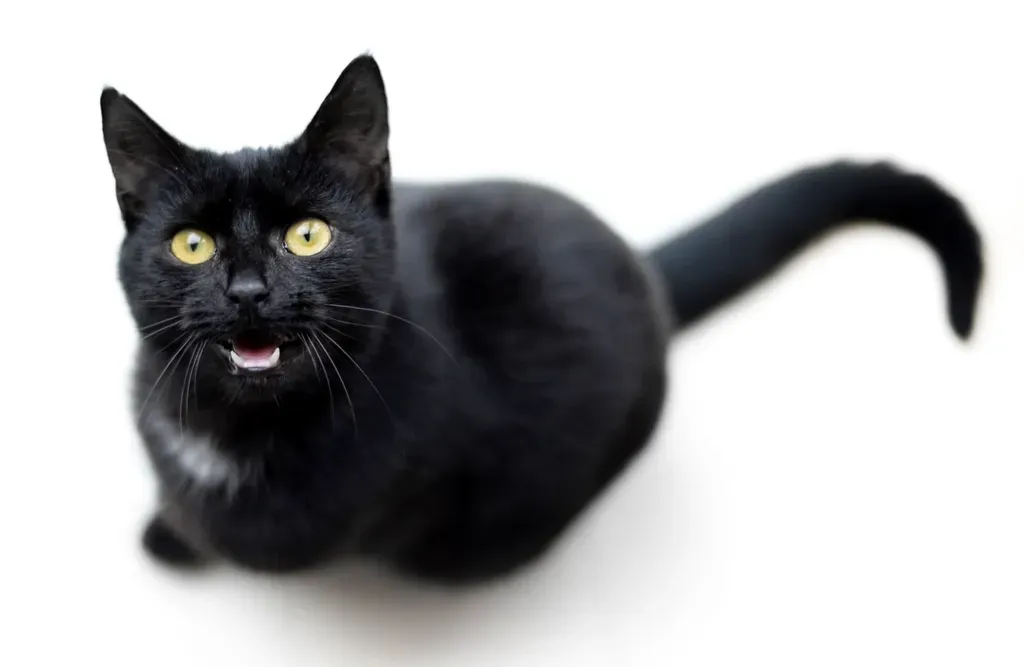
A prolonged meow is a plea for immediate attention, like a compelling open the door now conveyed through its tone. This is probably the meow you hear most often around dinnertime or when your cat stands by a closed door.
A typical cat meow demands something, starting out polite, short and sweet in a moderate tone, with common demands including fill my bowl, open the door, clean my litter, play with me and pet me now. Meows may become longer and more drawn out as your cat waits to be addressed, with pitch lowering as cats get more insistent and growing more strident when they feel ignored. Your cat has basically learned you’re trainable, which is both impressive and slightly embarrassing for us humans.
The Distress Call: Something’s Wrong
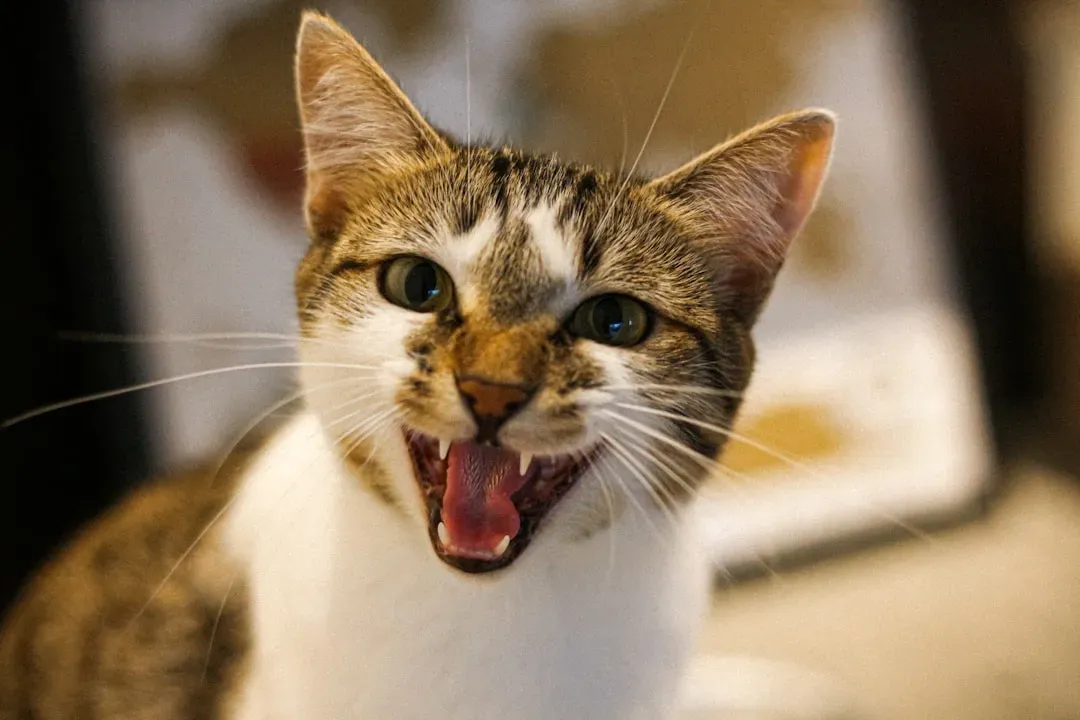
A frantic, high-pitched mew often signals distress. This sound is different from your cat’s normal vocalizations and should never be ignored.
A high-pitched meow while seemingly injured could be a sign of pain, and if the high-pitched meow is short and sharp, it can indicate distress or alarm. Let’s be real, this is the sound that makes every cat owner’s heart stop for a second. It’s important to consider the situation and your cat’s body language to fully understand their message. Your cat might be trapped somewhere, injured, or genuinely frightened by something in their environment.
The Chatty Meow: Your Cat Just Wants to Talk
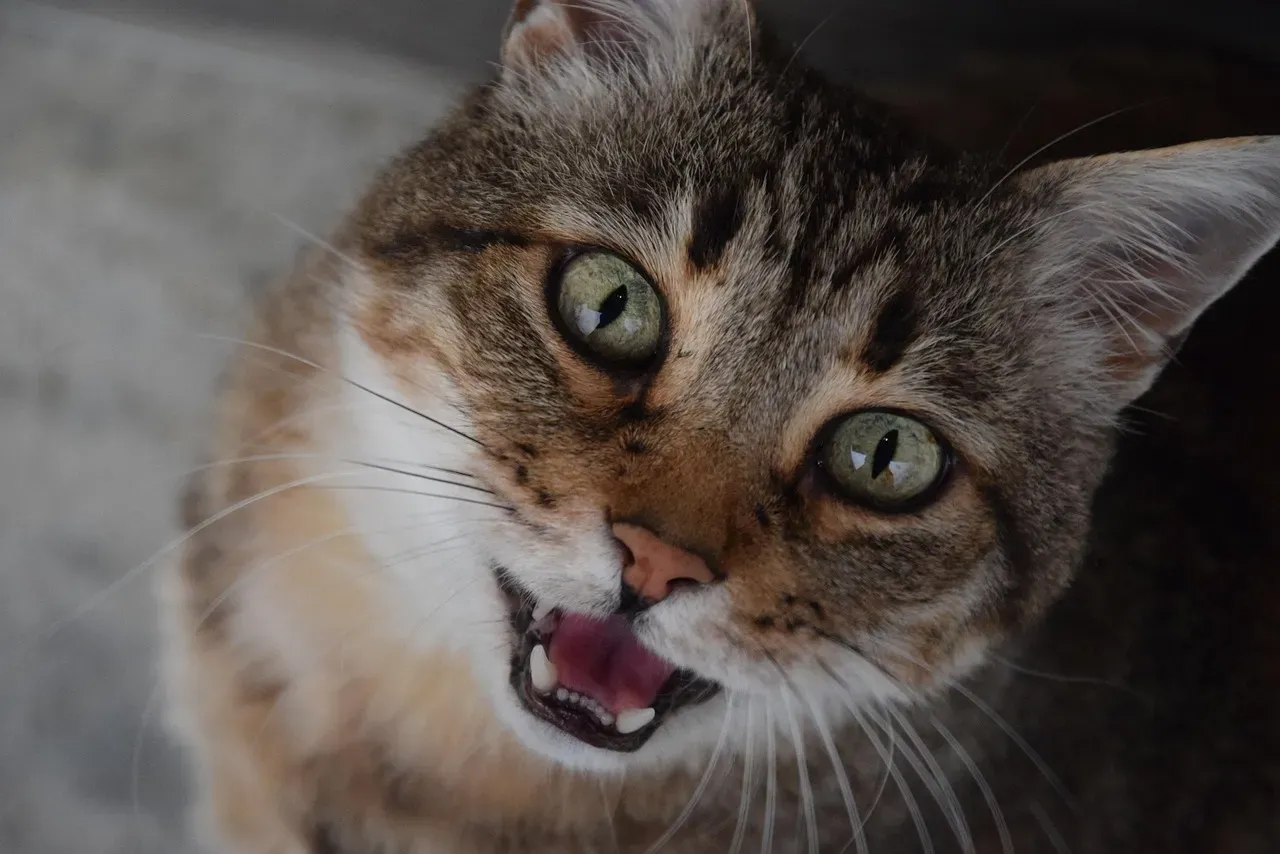
Some cats are natural conversationalists. Adult cats meow almost exclusively to communicate with humans, which means when your cat talks to you, it’s a deliberate choice to engage.
Meowing is all-purpose; your cat may use meow as a greeting, a command, an objection or an announcement. Certain breeds are particularly vocal. Maine Coons tend to be much quieter than talkative Siamese cats, so if you have a Siamese, prepare for constant commentary about literally everything happening in your home. Honestly, it’s kind of endearing once you get used to it.
The Silent Meow: The Most Manipulative Sound of All
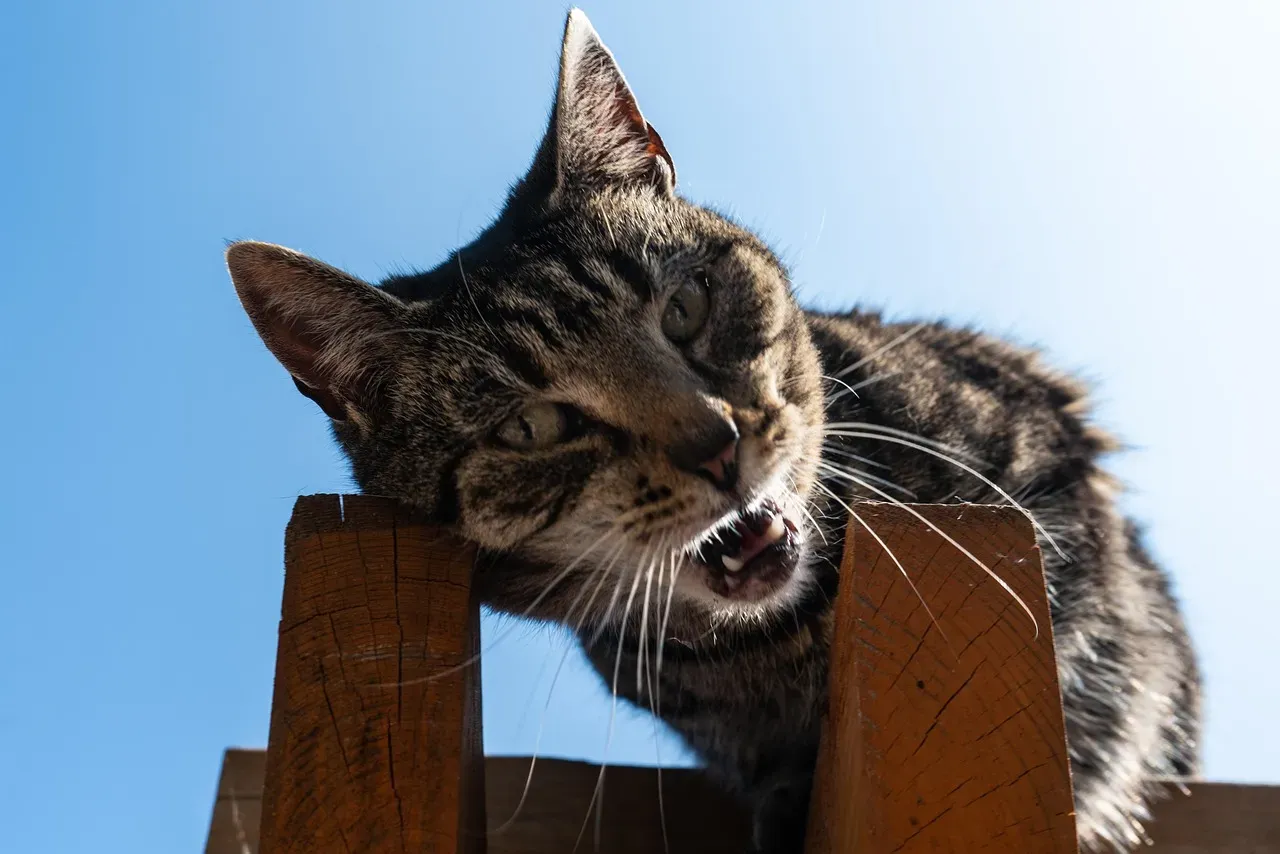
Here’s something fascinating that many people don’t realize exists. A cat can produce a silent meow, where the cat opens its mouth but does not produce any sound.
This isn’t your cat malfunctioning. It’s actually a highly sophisticated manipulation technique. The silent meow mimics the distress calls of kittens, which triggers our nurturing instincts even without sound. Your cat knows exactly what they’re doing when they pull this move, and it works almost every single time. It’s hard to say for sure, but this might be the ultimate proof that cats have been training us all along rather than the other way around.
The Anxious or Stressed Meow: Listen Carefully
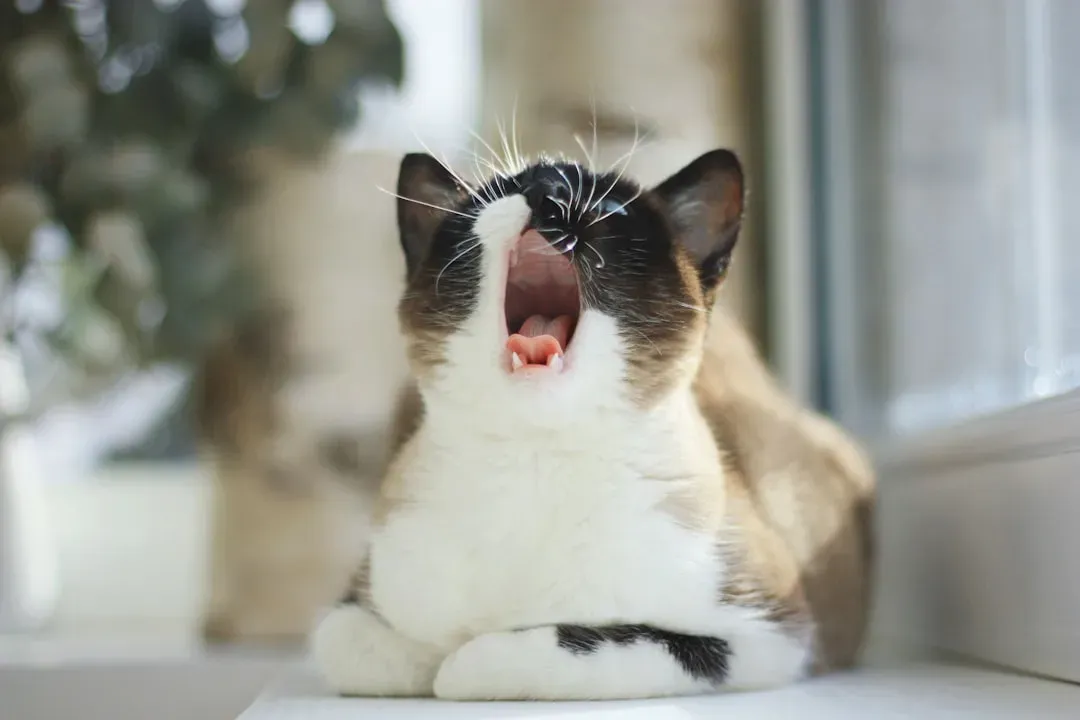
Sometimes a cat meow can indicate anxiety, boredom, frustration, or even illness, particularly if it’s lower-pitched and more drawn out compared to the short, high-pitched meow. This type of meow sounds different and feels different.
Stressed cats meow repeatedly, and any change to your usual routine like a different work schedule, moving or adding new pets to the home could cause your cat to meow more than usual. As cats age, they’re prone to developing an overactive thyroid and kidney disease, and either one may result in excessive meowing. If your cat’s meowing pattern suddenly changes, a vet visit is definitely in order.
The Evolved Meow: A Language Made Just for You
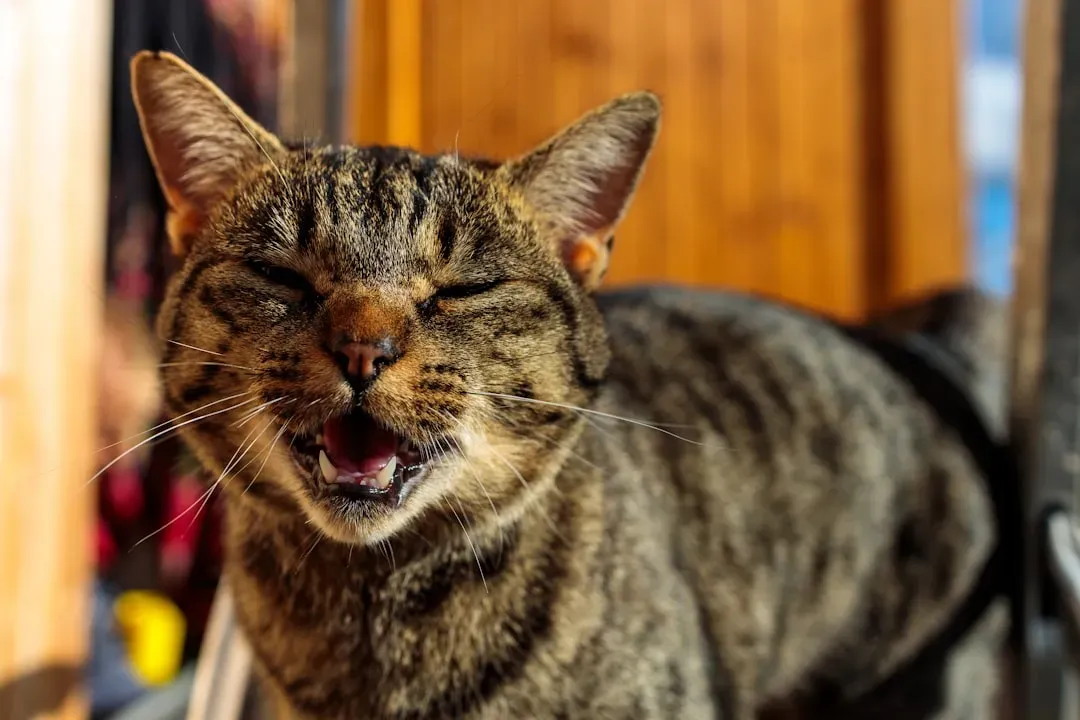
The vocalizations of the domestic cat have changed to become more pleasant to the human ear. Your cat’s ancestors didn’t sound like this at all.
Research suggests cats have refined their meows specifically to manipulate people and it works, as cats can learn to modify the characteristics of their meows, such as their tone or duration, to let people know what they want, particularly when it comes to food. Cats are domesticated animals that have learned what levers to push, what sounds to make to manage our emotions, and when we respond, we too are domesticated animals. Think about that for a moment. Your cat has literally evolved their communication over thousands of years specifically to get what they want from you.
Understanding transforms your relationship from guesswork into genuine communication. Each vocalization carries intention, emotion, and specific meaning that your cat has carefully crafted just for you. The next time your feline companion meows, take a moment to really listen. What do you think they’re trying to tell you?