You’ve probably experienced it more times than you can count. Your feline friend settles onto your lap, and within moments, that familiar rumbling sound fills the air. It’s cozy, it’s comforting, and you assume everything is perfect in your cat’s world. Yet here’s something that might surprise you: not every purr means your cat is floating on cloud nine. Sometimes that gentle vibration signals something completely different.
Cats are wonderfully mysterious creatures, masters at keeping their true feelings under wraps. While we’d love to believe that purring always equals pure bliss, the reality is far more complex. Your cat might be purring while feeling anxious, stressed, or even unwell. Learning to decode these subtle differences can transform how you understand and care for your feline companion. So let’s explore what those purrs really mean.
Body Language Tells the Real Story
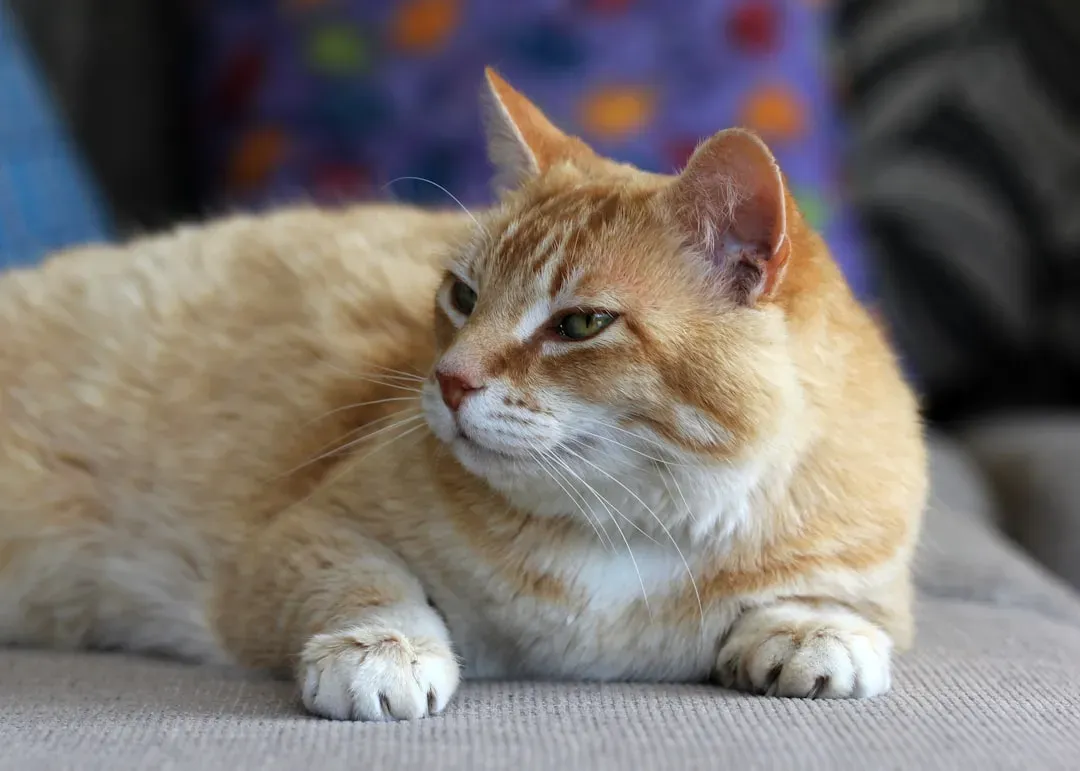
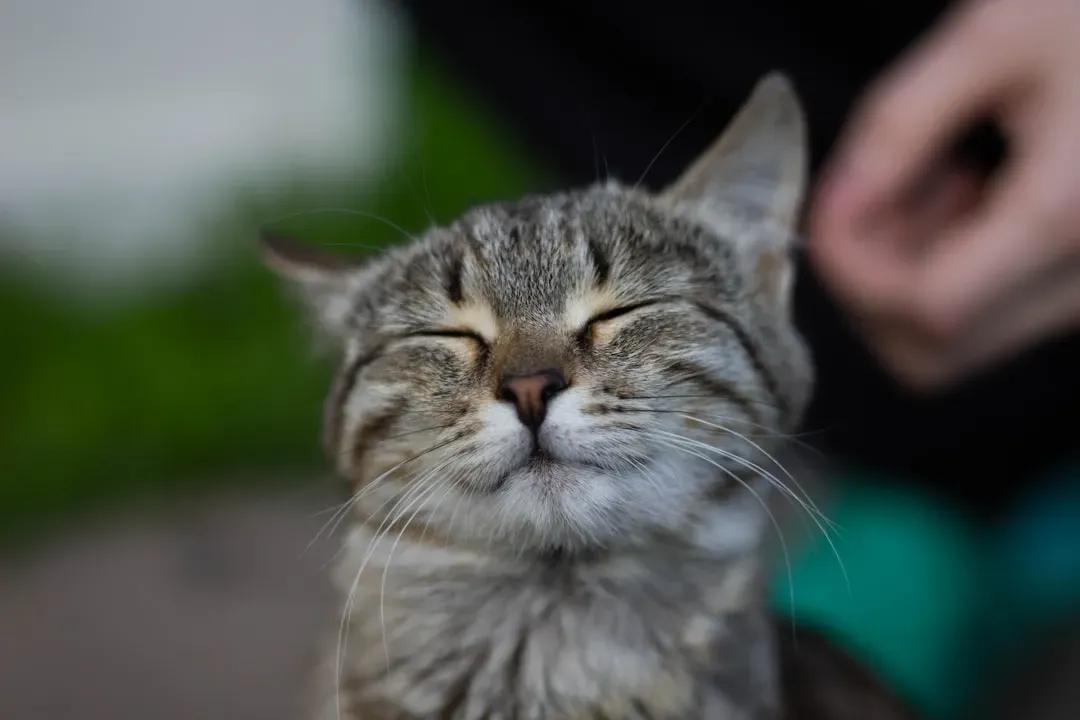
When your cat is purring with contentment, they have a relaxed facial expression and body language. Their entire posture screams relaxation. You’ll notice soft eyes, perhaps half-closed, with ears pointing forward in a natural position. Their whiskers rest comfortably, not pulled back or tense. The tail might be gently curled around their body or draped lazily over your arm.
Contrast this with a discomfort purr, where the body tells a drastically different story. Stress purring is often accompanied by tense body language, dilated pupils, and flattened ears. The cat’s muscles might appear rigid rather than loose. Their eyes could be wide open, vigilant, scanning the environment for potential threats. If the cat is crouched down with their ears pulled slightly to the side while purring, they may not be feeling well. It’s like watching someone smile while their fists are clenched, you know something doesn’t add up.
The Pitch and Tone Make All the Difference
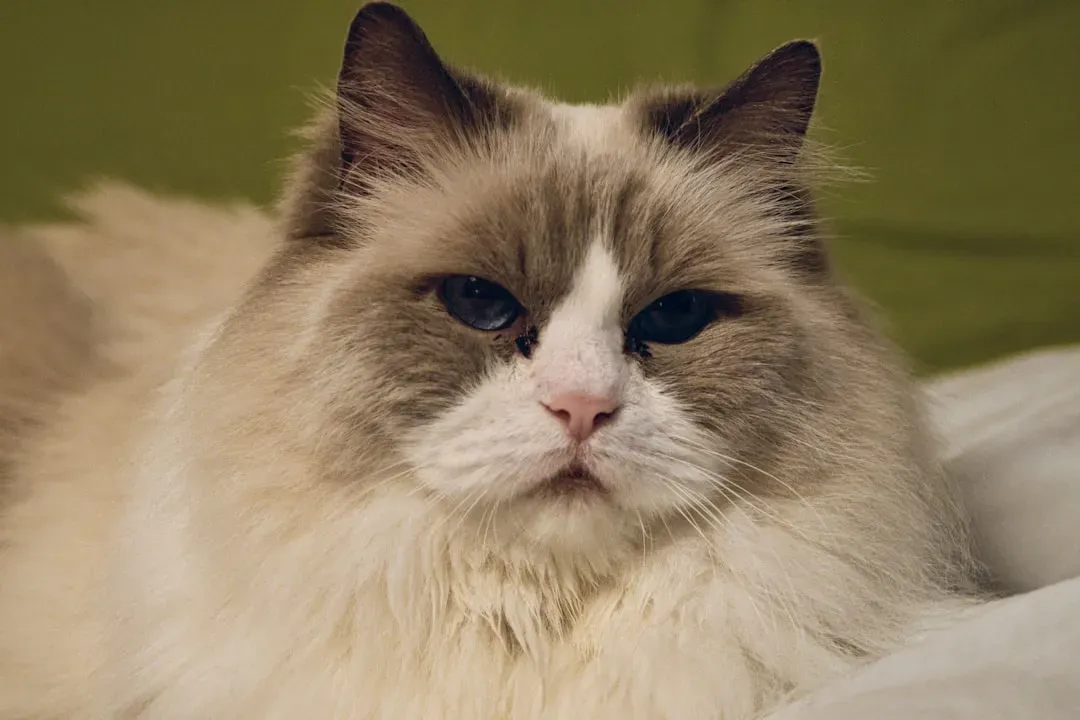
When cats are purring out of happiness, the purr tends to be lower pitched, while a stressed-out cat might have a higher-pitched purr. That deep, rumbling purr you hear when your cat stretches out in a sunny spot? That’s typically genuine contentment. It’s steady, rhythmic, almost hypnotic in its consistency.
The discomfort purr sounds noticeably different once you train your ear to catch it. A nervous or stressed purr might sound different from a contented purr, possibly louder or more urgent. There’s an intensity to it that feels off. Some cat parents describe it as more insistent, almost demanding. This type of purring might sound a bit different from their happy purr. It can be more insistent, with a slightly higher pitch or a quicker rhythm. Think of it as the difference between a relaxed hum and an anxious humming under your breath.
Context Provides Critical Clues
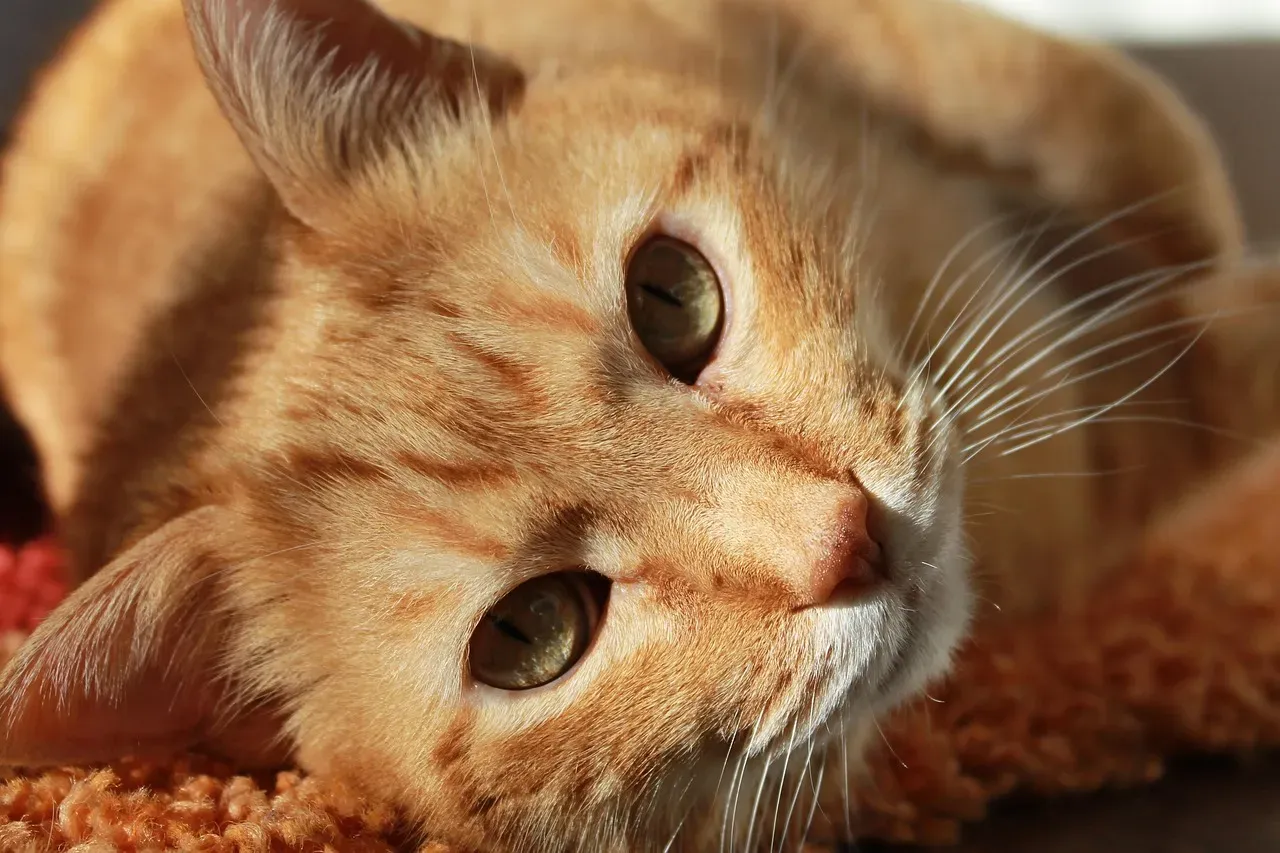
If your cat is having a cuddle with a familiar family member, twining around your legs as you make up their dinner, or grooming a companion cat, then the purr is likely a sign of contentment. Happy purring happens during pleasant moments: belly rubs, favorite treat time, cozy napping spots. The environment is familiar, safe, predictable.
If they’re shut in their carrier in the car, hiding under the bed from a visiting dog, or recovering from a veterinary operation, the purr is much more likely to be a form of self-soothing in a stressful situation. Location matters tremendously. If you’re at the groomer or vet clinic, the purr is likely because your cat is stressed, especially if it sounds higher pitched than normal. Honestly, if your cat starts purring in situations where they’d normally be anxious, that’s your signal to look closer at what’s really happening.
Duration and Frequency Patterns Shift
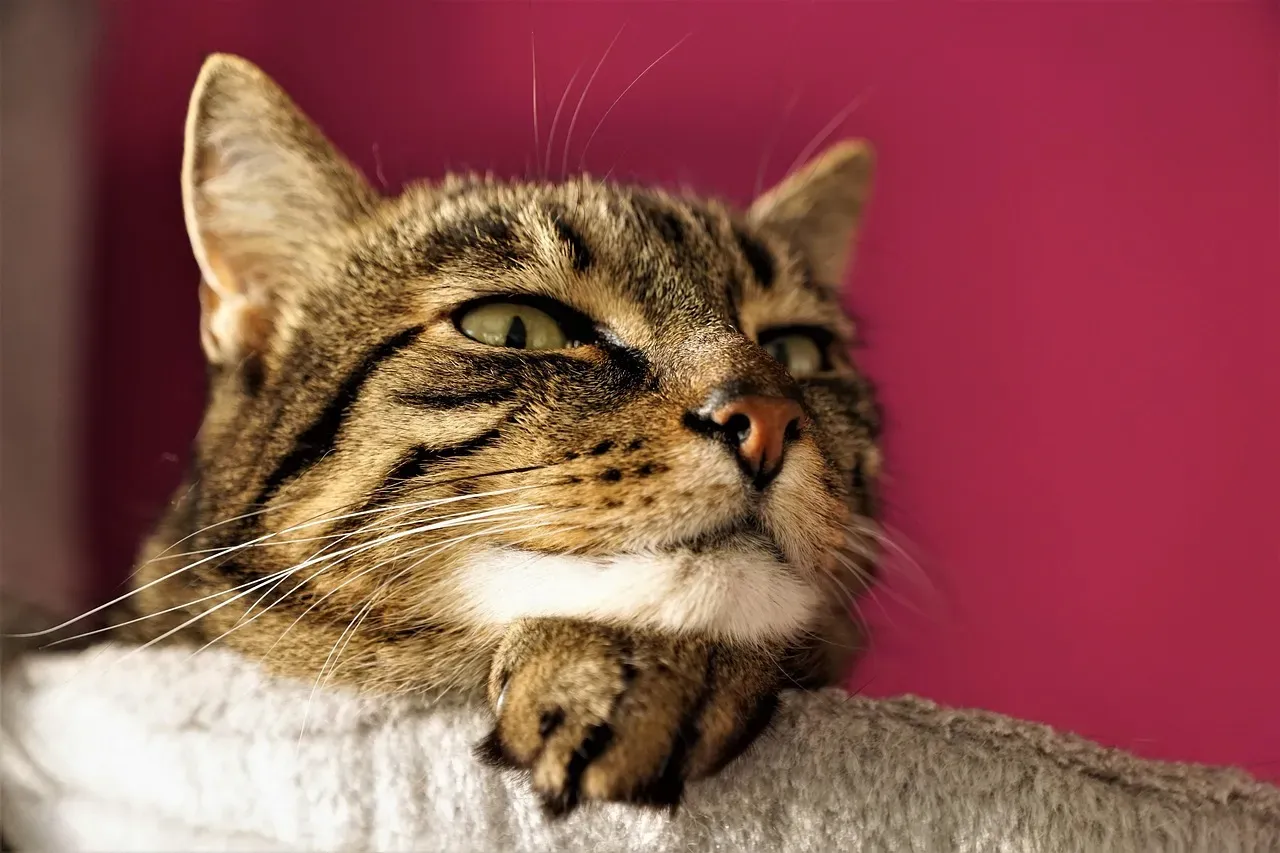
A happy cat might purr intermittently during a pleasant interaction, stopping to groom themselves, stretch, or reposition. It flows naturally with their movements and moods. There’s no urgency or compulsion to it. They might purr for a bit, pause to sniff your hand, then resume purring when you continue petting.
If they are purring a lot more than usual or in different situations than they normally would, this could be a sign that something is wrong. When cats are using purring to self-soothe through discomfort, the pattern becomes more continuous, almost relentless. Purring may actually increase in a cat experiencing pain. They might purr constantly for extended periods without the natural breaks you’d expect. It’s as if they’re clinging to the purr as a coping mechanism rather than expressing joy.
Accompanying Behaviors Reveal True Feelings
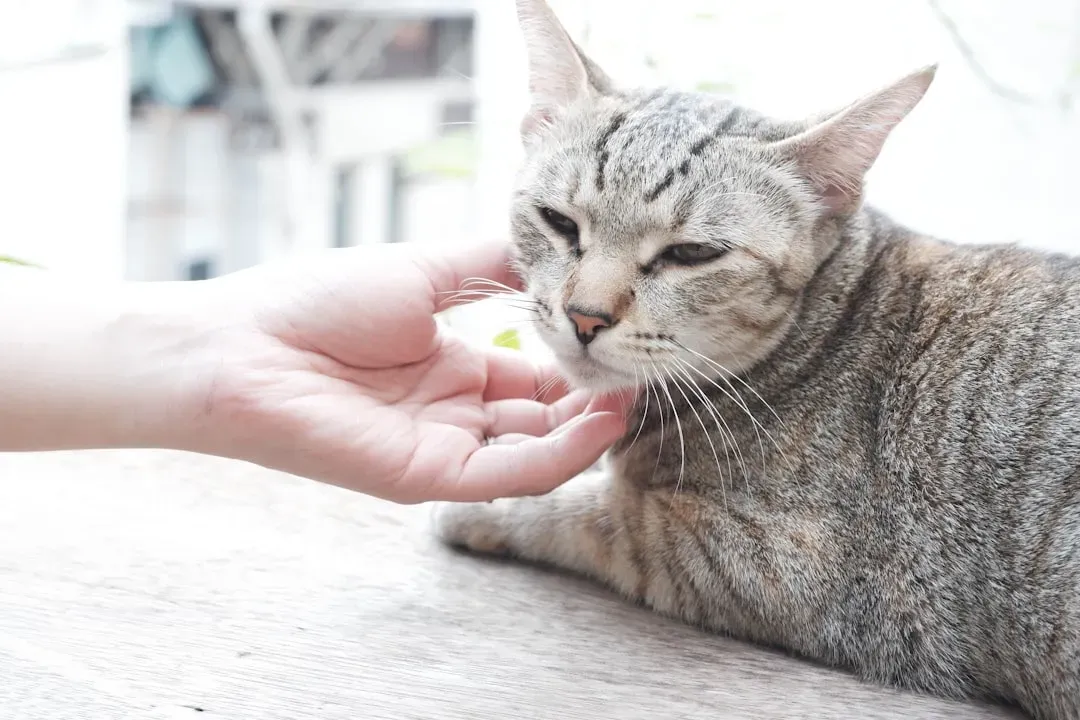
Contentment purring often comes bundled with other affectionate behaviors. Your cat might knead their paws rhythmically against you, a throwback to kittenhood nursing. This type of purring may be accompanied by kneading, drooling and licking too. They might nuzzle your face, give you slow blinks (the famous cat kiss), or rub their cheeks against you to mark you with their scent.
Discomfort purring looks entirely different when you examine the full picture. A cat that is purring but also showing signs of stress (such as hiding, excessive grooming, changes in eating habits) may be purring due to anxiety or discomfort. They may walk around the house alternating between purring and meowing. Your cat might be purring while simultaneously refusing food, avoiding interaction, or hiding in unusual places. When purring happens alongside withdrawal or aggressive behavior, something’s definitely amiss.
The Healing Purr During Pain or Illness
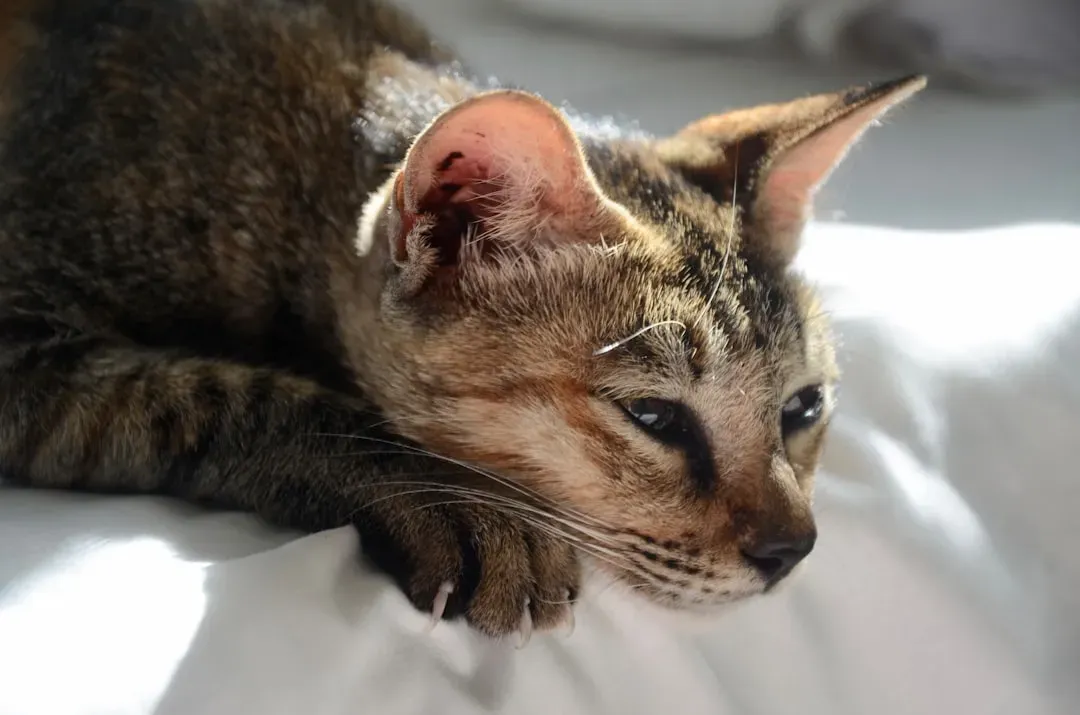
This is thought to be a self-soothing mechanism, as the vibrations from purring can help alleviate discomfort and stress. This is perhaps the most counterintuitive aspect of cat purring. The low frequency vibrations of a cat’s purr are suspected to promote bone and tissue growth and lessen pain and swelling. When your cat is injured or unwell, they might purr as a form of self-medication.
This type of purring is often seen when a cat is recovering from an injury, feeling stressed, or even during visits to the vet. If your cat is purring while they’re resting after an injury or during a stressful situation, it might be their way of comforting themselves. Let’s be real, this makes detecting pain in cats incredibly challenging. If your cat is purring but also showing signs of discomfort, like hiding, refusing to eat, or displaying unusual behavior, it could mean that something is wrong. Cats are masters at hiding their pain, so purring might be their way of coping with something more serious. You need to become a detective, looking beyond just the sound itself.
Reading the Tail and Overall Posture
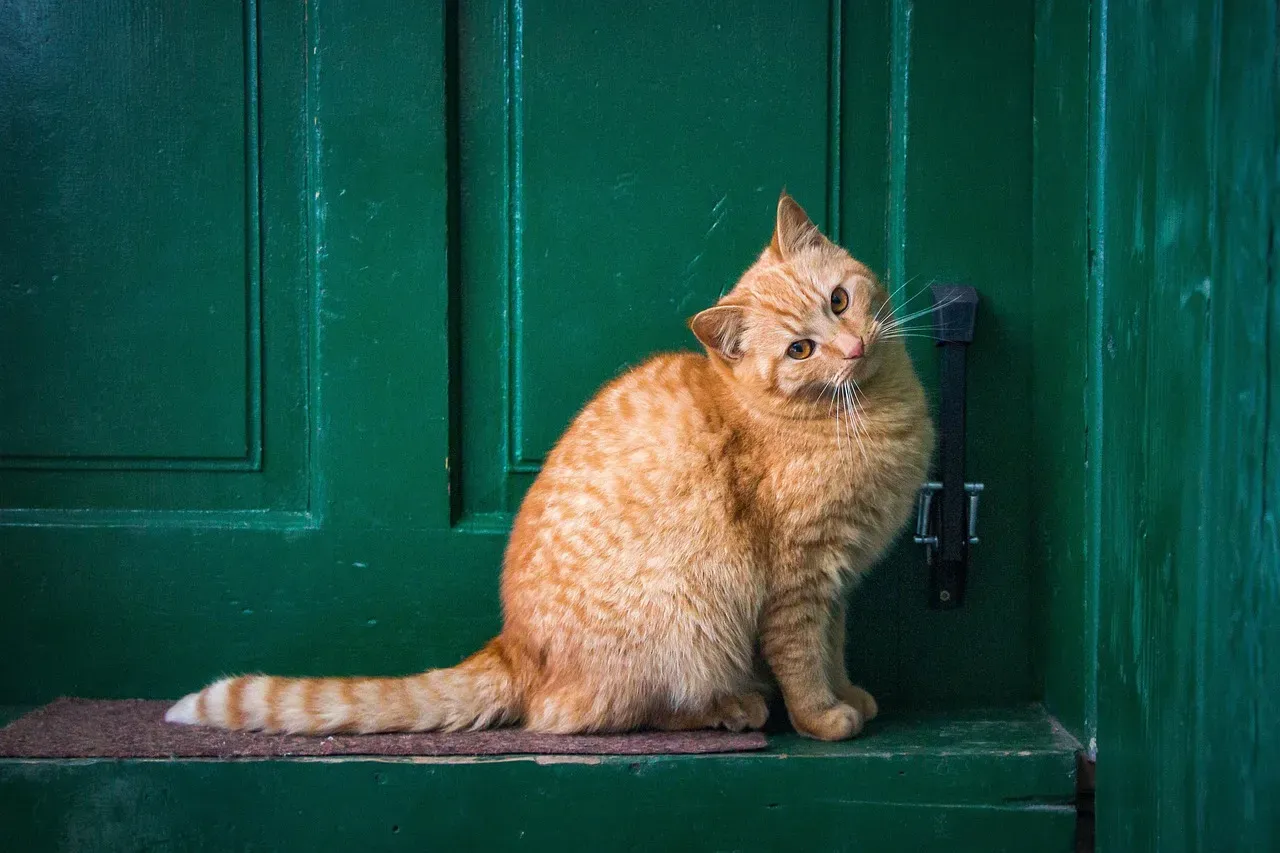
A purring cat that approaches you with their tail held up may be greeting you and soliciting attention. A happy purring cat typically displays an upright tail, sometimes with a slight curve at the tip like a question mark. Their posture is open and inviting. They might stretch languidly, showing their belly, a vulnerable position that signals trust and security.
The stressed or uncomfortable purring cat shows dramatically different posture signals. Their tail might be tucked between their legs, wrapped tightly around their body, or twitching nervously. A cat in pain may crouch with a tense body, tuck their limbs tightly, or avoid movement altogether. They might also become restless, frequently shifting positions in an attempt to get comfortable. A hunched posture, reluctance to jump, or sudden stiffness could indicate joint or muscle pain. The entire body language screams “something’s not right” even as that purr motor keeps running.
Conclusion
Understanding your cat’s purring requires more than just listening to the sound itself. It demands that you become fluent in the complete language of your feline friend, reading body language, context, behavioral patterns, and subtle shifts in their usual routine. The difference between a happy purr and a distress purr isn’t always obvious, which is precisely why cats are such fascinating companions.
Using your cat’s environment to determine why your cat is purring is the simplest way to determine how they’re feeling. Pay attention to the whole picture. When you notice your cat purring in unusual circumstances or with conflicting body language, trust your instincts and consider a veterinary visit. Your cat is communicating with you through their purr, sometimes saying “I’m happy” and other times saying “I need help.” The more you learn to distinguish between these messages, the stronger your bond becomes and the better care you can provide. Have you noticed different types of purrs in your own cat? What clues help you decode what they’re really saying?