If you’ve ever watched your cat stroll past you with breathtaking indifference right after you called its name, you’re probably nodding right now. Cats have earned a reputation as mysterious, uncooperative, and frankly untrainable little creatures. Most people accept that verdict without question. Honestly, I used to believe it too.
Here’s the thing, though. A lot of what we assume about cats and training isn’t rooted in reality. It’s rooted in old habits, lazy assumptions, and outdated comparisons to how we train dogs. The relationship between you and your cat could be so much richer if you stopped believing what most people take as gospel truth.
Ready to rethink everything? Let’s dive in.
Myth 1: Cats Simply Cannot Be Trained

This is probably the most widespread and damaging belief of all. One of the most persistent myths you’re likely to hear about cats is that they’re untrainable, possibly stemming from the impression that cats are more independent than dogs and less eager to please their humans. However, this is actually untrue, as cats can very much be trained. Think about it this way: every time your cat learned where the litter box was, figured out what the treat bag sounded like, or discovered which shelf you didn’t want them on, that was learning in action.
Cats are constantly learning from their environment and experiences, just like dogs. The key difference lies in understanding what motivates them and how they can best learn. Many people believe that cats are untrainable and lack the intelligence or motivation to learn commands and tricks. While cats have their own unique personalities and may require a different approach compared to dogs, they are indeed capable of learning and responding to positive reinforcement techniques, including sitting, coming when called, and using a litter box. You haven’t failed at training your cat. You just haven’t found the right key to the door yet.
Myth 2: You Have to Train Cats Exactly Like Dogs

A lot of people either try to run a military-style obedience session with their cat or give up because their cat doesn’t respond the way a golden retriever would. Both outcomes are predictable, really. People’s expectations of cats are influenced by pervasive myths that paint them as “low maintenance” animals, and cats are often compared unfavorably to dogs. People judge cats against the dog template and assess that cats are deficient, which is not fair. Cats are not oddly behaving little dogs.
Cats and dogs view their owners in very different ways. Dogs see their owners as surrogate parents, which makes them eager to please and respond to many types of training techniques. Cats, on the other hand, view their owners as equals. This is why, when training cats, you need to take a different approach to prevent and change unwanted behaviors. Cats are naturally more independent and solitary animals. Unlike dogs, which are pack animals, cats don’t have a social hierarchy in the same way, which can make them seem more aloof and less inclined to follow commands. That’s not a flaw. It’s just a different rulebook, and once you learn it, everything changes.
Myth 3: Only Kittens Can Learn New Behaviors
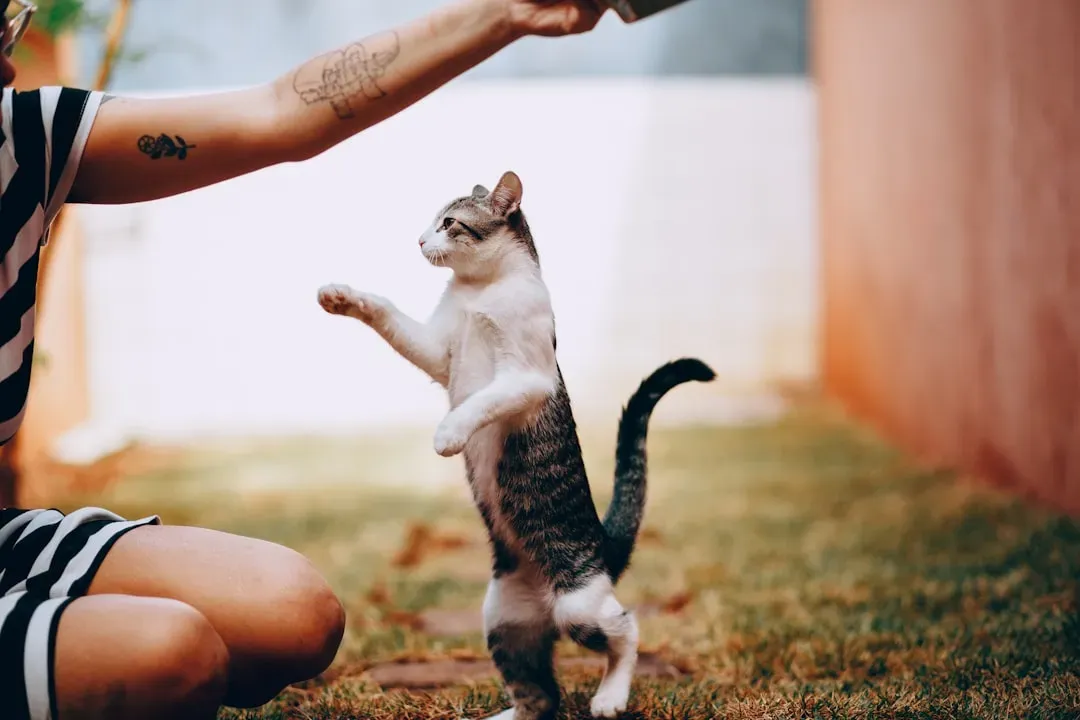
This one holds so many cat owners back. You adopt an adult cat, assume the window for training has already closed, and simply accept whatever behavioral quirks come with the package. But that assumption isn’t just wrong, it’s actually costing your cat some real mental stimulation. They say you can’t teach an old dog new tricks, but that’s definitely not the case with senior cats. It’s true that older cats often take longer to train because they have become set in their ways, but patient, consistent training generally pays dividends, and even a senior cat over ten years old can learn a few basic commands relatively quickly.
Many pet parents assume only kittens can learn new tricks, but adult and even senior cats are perfectly capable of learning with the right motivation and patience. Think of it like learning a new language as an adult. You won’t pick it up as fast as a child might, but you absolutely can learn. Cats can be trained to perform simple tricks such as coming to call, “sit,” “stay,” and “play dead.” Even older felines can learn more advanced skills like rolling over, jumping through hoops, and completing simple agility courses. Age is a consideration, not a barrier.
Myth 4: Punishing Bad Behavior Is an Effective Training Tool
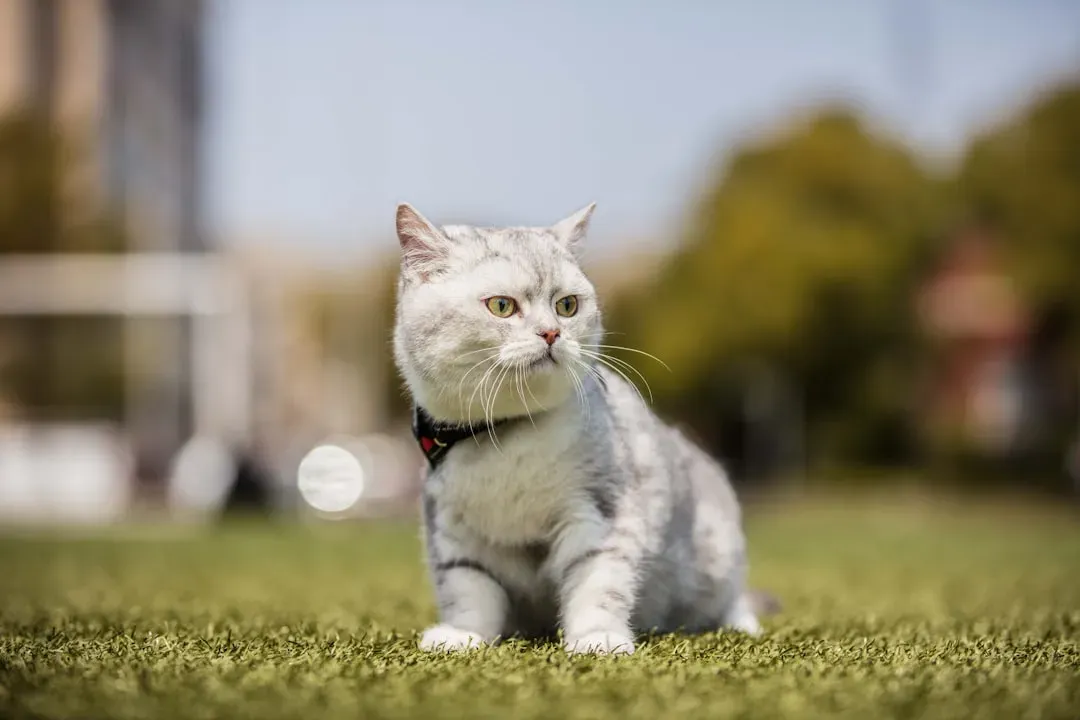
Let’s be real: this myth doesn’t just fail, it actively makes things worse. Swatting your cat’s paw, spraying water, or raising your voice when they scratch the sofa might feel like discipline, but to your cat, it feels like chaos from a creature they’re supposed to trust. Punishment, negative reinforcement, or aversives are only going to cause your cat to be fearful and stressed. These should never be part of pet training.
Punishing a cat for not performing a behavior won’t help them learn. Cats are more likely to become anxious or frustrated if they’re punished, which can make training more difficult and may even harm your bond together. Instead, focus on positive reinforcement and be patient if your cat isn’t picking up the training as quickly as you’d like. The key to successful training is finding out what motivates your cat and using both low-level and high-level rewards. Punishment, negative reinforcement, or aversives are only going to cause fear and stress, and if you make the effort to understand why your cat behaves in certain ways and reward them for behaviors you want, they will learn quickly. Redirection and reward, not fear and force. That’s the formula.
Myth 5: Treats Are the Only Way to Motivate a Cat During Training
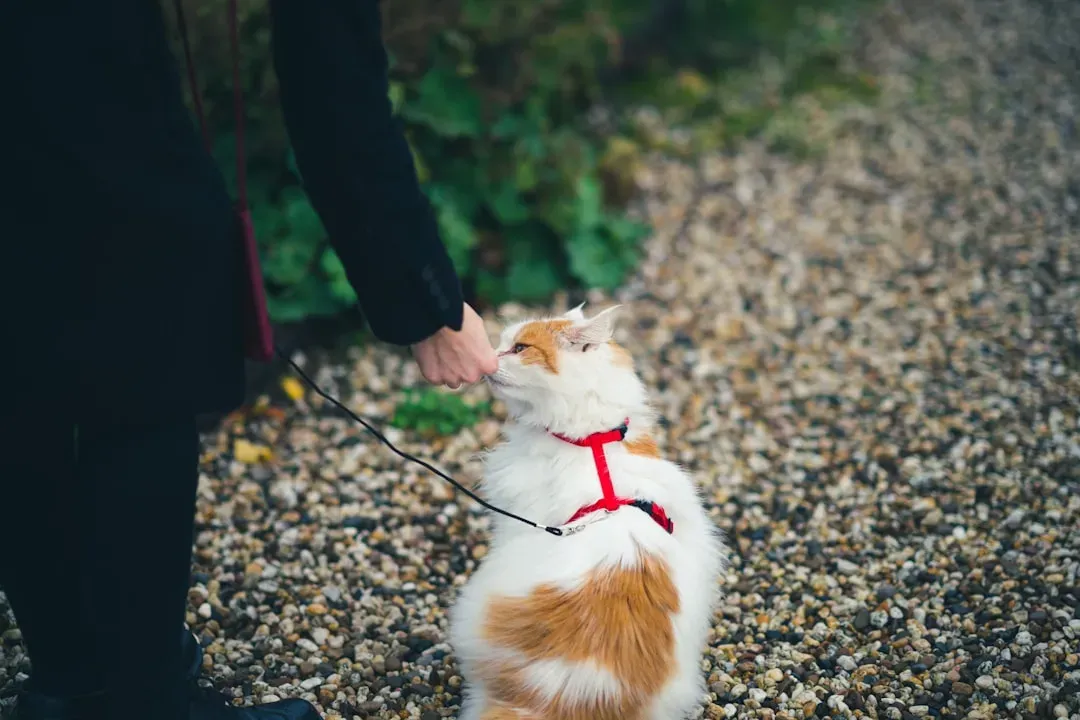
Here’s something that surprises a lot of people: not every cat is food-obsessed. Some cats will stare at a perfectly good piece of salmon like it personally offended them and walk away. If you’ve tried treat-based training and hit a wall, you haven’t failed, you’ve just been fishing with the wrong bait. Some cats just aren’t into treats, which leaves owners wondering what else they can use. Playtime, petting, or access to favorite spots can also work as rewards, depending on your cat’s preferences.
The truth is that cats are highly trainable. You just need to understand what motivates them and be clear about what you want to train them to do. In this respect, dog training and cat training are the same. Not all dogs are motivated by belly rubs, food, praise, or toys. The same holds true for cats. A good trainer learns to figure out what the motivators are and uses them to get the response they’re looking for. Your cat’s motivator might be a specific feather toy, access to a sunny windowsill, or five seconds of your undivided attention. Discover it, and you’ll suddenly have a very cooperative training partner.
Myth 6: Training Sessions Need to Be Long to Be Effective

If you’ve ever sat down to train your cat for twenty minutes and ended up staring at an empty room after minute three, you already know this myth is false. Cats don’t have the same focused attention spans that dogs are known for, and fighting that biological reality is a losing battle from the start. Unlike dogs, cats have shorter attention spans and need more breaks. Pet parents often wonder if they’re doing something wrong when, in fact, shorter, more frequent sessions are usually more effective.
There’s no shortcut when it comes to training a cat. The process takes time and things need to be repeated, so patience is a must. Keep each session short, around three to five minutes, and ensure they’re frequent while always using the same cues. It’s better to end your training sessions early than stretch them out to the point where your cat is no longer paying attention. End your session on a high note, even if it means the session is a little bit shorter than you’d wanted. It will help your cat learn to associate training with good feelings and positive reinforcement. Short, sweet, and consistent beats long and exhausting every single time.
Myth 7: A Cat That Misbehaves Is Just Stubborn and Defiant

This might be the most misunderstood myth on this entire list. When your previously well-behaved cat starts scratching furniture, eliminating outside the litter box, or acting aggressively, most owners chalk it up to personality or spite. Cats are stubborn, right? They do things out of revenge. I know it sounds like common sense, but it’s actually one of the most harmful assumptions you can make. You should never punish your cat for unwanted behaviors such as scratching furniture or relieving herself outside her litter box. First, you should determine why your cat displays unwanted behavior, especially if she has been well-behaved beforehand. Often, a formerly well-behaved cat who suddenly starts acting up or becomes aggressive has an underlying health condition causing discomfort or pain.
These myths about cats’ physical, psychological, and social needs can have life-or-death consequences. Cat behavioral problems, which are often rooted in anxiety, fear, and social stress, are regularly given as reasons for their abandonment, relinquishment, and euthanasia. There are many reasons a cat might be misbehaving. The cause of a behavior problem might be something as simple as excess energy, or it could be the cat’s environment, such as a new pet or person in the house. Cats are sensitive to many things. Before you label your cat as difficult, ask yourself what might be changing in their world. The answer is usually far more compassionate than simple stubbornness.
The Bond You Could Be Building
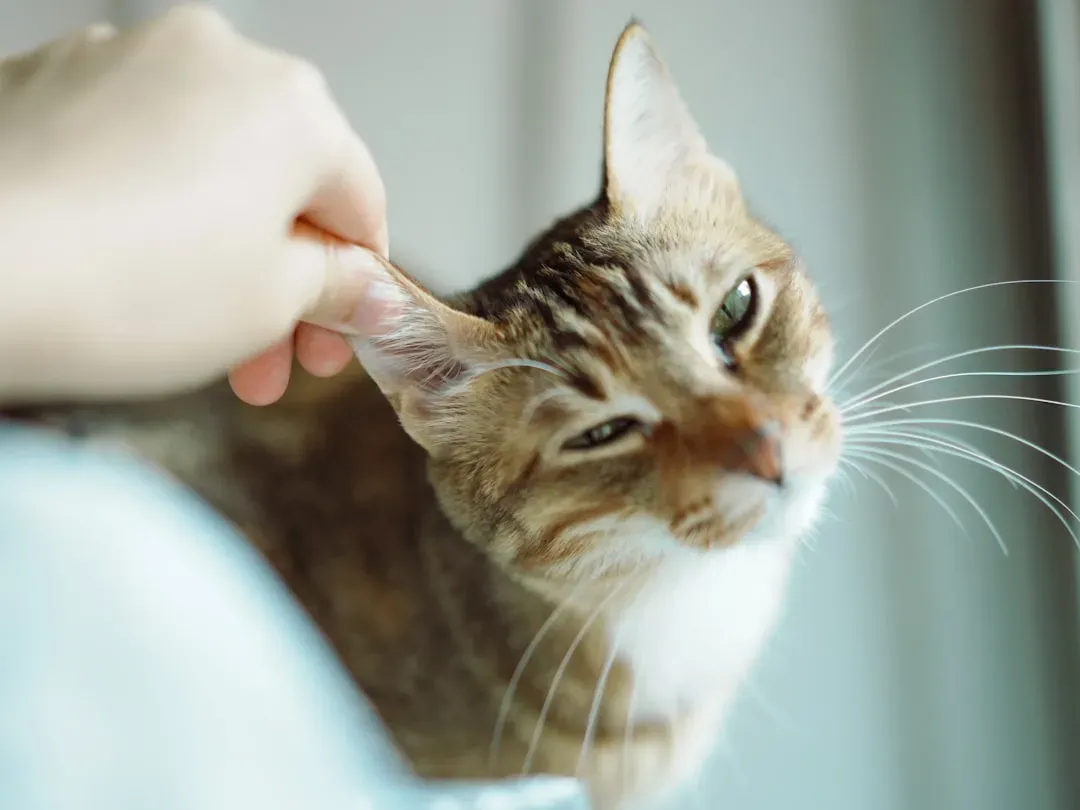
Every one of these myths, when left unchallenged, quietly chips away at what could be a genuinely remarkable relationship between you and your cat. Replacing these misconceptions with scientifically generated information could have a significant impact on the behavioral management of cats, positively influencing their physical health, mental stimulation, and well-being, and reducing stress for both cats and the people caring for them. That’s not a small thing. That’s the foundation of everything.
The potential to train your cat is limitless. With positive reinforcement, they can learn everything from using the litter box to fun tricks and obedience skills. Training can also address behavioral problems like scratching furniture, and it provides them with much-needed mental stimulation. Training enhances the bond between owner and cat while providing cognitive benefits for the feline. Your cat is not a puzzle to be solved or a problem to be managed. They’re a companion waiting to be properly understood. Ditch the myths, pick up a handful of treats, and start that conversation.
What myth surprised you the most? Drop your thoughts in the comments, we’d love to know which one you believed the longest.