Cats have fascinated humans for thousands of years. They’ve been worshipped, feared, misunderstood, and loved – sometimes all at once. Yet for all that history, one stubborn idea keeps bouncing around kitchens and living rooms worldwide: that cats are fiercely independent creatures who couldn’t care less about the people around them.
It sounds believable. Cats don’t greet you at the door like dogs do. They sleep eighteen hours a day. They stare at you with that faintly judgmental look that says, “I could take it or leave it.” But here’s the thing – science has been quietly pulling apart this myth piece by piece, and what researchers have discovered is genuinely surprising. If you think you know cats, prepare to think again. Let’s dive in.
Myth #1: Cats Are Solitary Animals Who Prefer to Be Alone
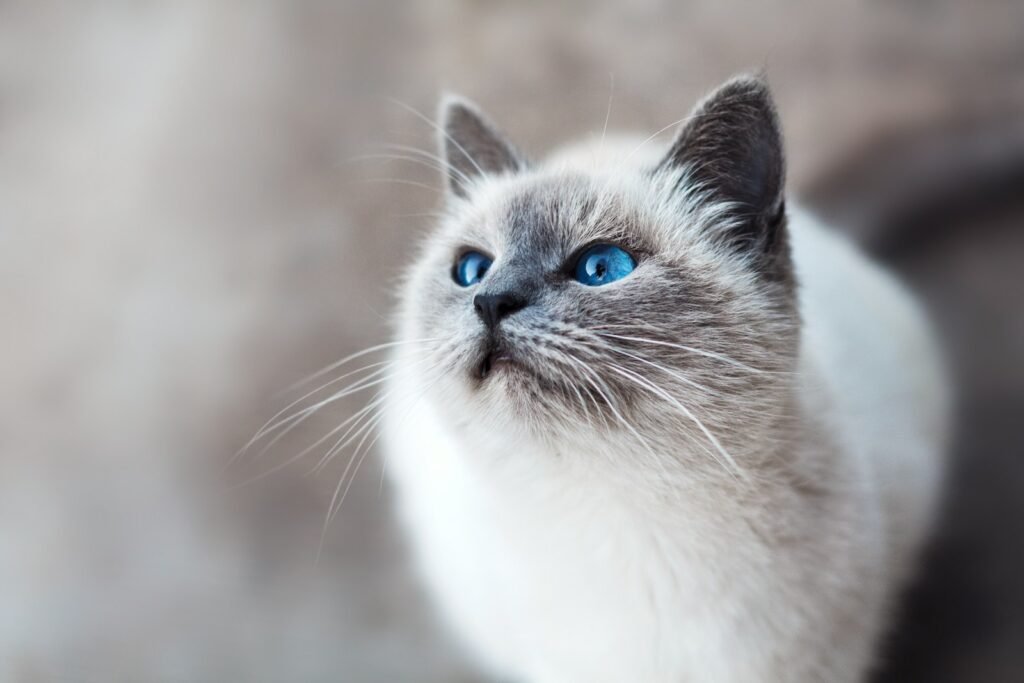
This might be the biggest and most widespread myth of them all. The idea that cats are lone wolves, preferring silence and solitude over social interaction, is deeply embedded in popular culture. Honestly, it’s understandable how the belief took root – cats are quieter about their social needs than dogs. But quiet doesn’t mean absent.
An increasing body of research has made it clear that, while cats can survive in the solitary state, social groups with an internal structure are formed whenever there are sufficient food resources to support them. Think of it like this: cats aren’t antisocial, they’re selective. There’s a big difference. Although cats are stereotypically thought to be aloof and unsocial, domestic cats display great flexibility in their social behavior, having the ability to live solitarily, to live in extremely gregarious colonies, and to live socially in homes with humans and various other species.
Myth #2: Cats Don’t Form Emotional Bonds With Their Owners
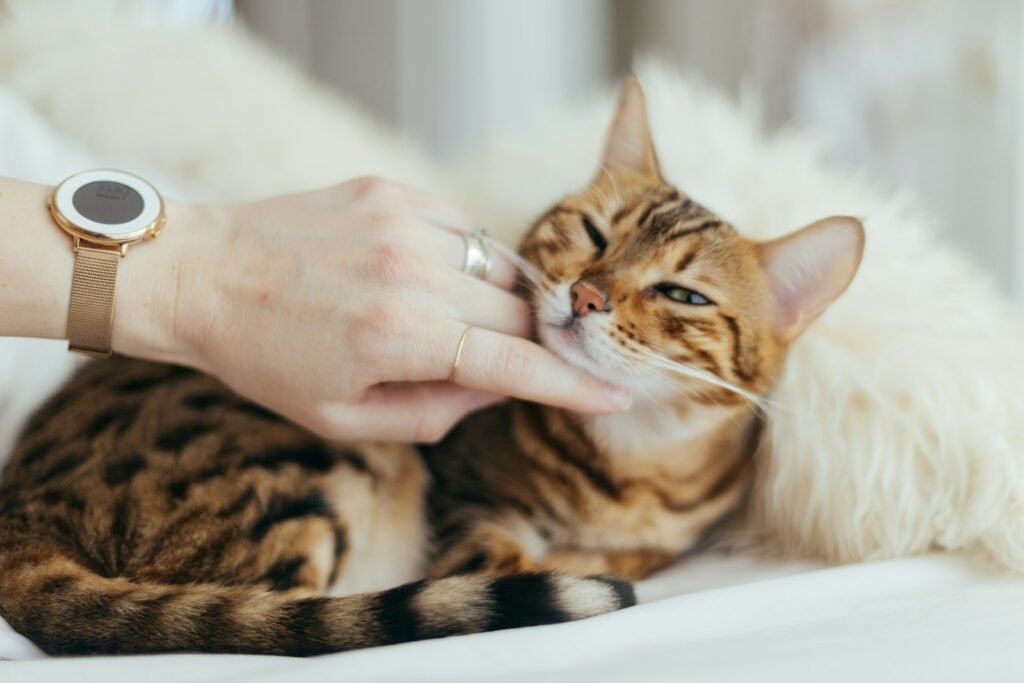
Let’s be real – this one stings a little if you’re a cat person who has ever been told “your cat doesn’t actually love you.” The good news? Science disagrees. Quite firmly, actually. An increasing number of studies demonstrate that cats not only have the capacity to form strong social bonds with humans, they also show great social sensitivity – for example, preferentially approaching attentive humans and following human points or gazes to a location containing concealed food.
Distinct attachment styles are evident in adult cats, with a distribution showing roughly two-thirds displaying secure attachment. That means the majority of cats studied behaved similarly to how human infants behave with their caregivers. Research has shown cats can form secure attachments to their owners like infants with caregivers, and they recognize human emotions, read tone and gesture, and exhibit behaviors linked to empathy and social awareness. Not exactly the cold, indifferent creature the myth describes.
Myth #3: Cats Only Come to You for Food – Nothing More
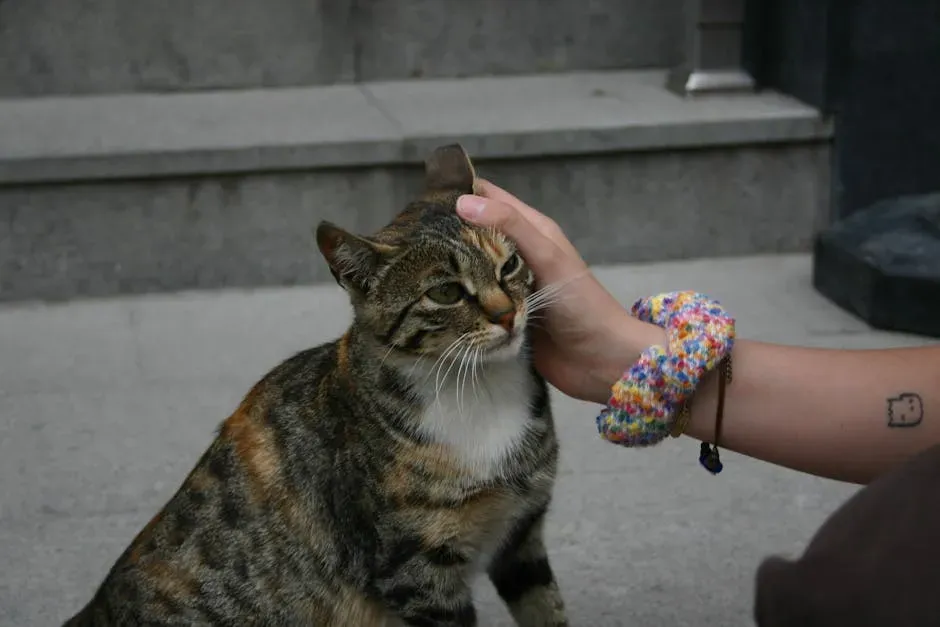
If you’ve ever felt a little used by your cat, you’re not alone. The “cats are just opportunists” narrative is a popular one. People joke that a cat only sits on your lap because you’re warm and serve dinner on time. It’s a funny idea. It’s also mostly wrong. Research found that when cats were presented with several categories of stimuli including human social interaction, food, toys, and scent, the majority – roughly half – of cats preferred interaction with humans, followed next by food.
Additionally, researchers found a large amount of individual variability for preference for these various stimuli, indicating that each cat may have its own preference profile for items it most enjoys. The role of individual variation in cat behavior is supported by other research and indicates that, as a facultatively social animal, cats have the ability to prefer solitude as well as social interaction. So yes, your cat may genuinely want you around – more than a bowl of kibble. That’s worth something.
Myth #4: Cats Can’t Be Trained Because They’re Too Independent

Ask anyone who has never owned a cat, and they’ll probably tell you training one is about as effective as trying to teach a houseplant. Dogs are trainable. Cats? They do what they want. Except – they don’t. This myth likely arises from cats’ independent nature, but science has shown that cats are indeed trainable. Positive reinforcement techniques, such as treats and praise, are effective in encouraging desired behaviors in cats, much like with dogs. Behavioral research has demonstrated that cats can learn tricks, use litter boxes, and even walk on leashes when trained consistently and patiently.
The real issue is often the trainer, not the cat. A study found that cats trained using positive reinforcement showed lower stress levels and increased confidence. This technique can teach simple commands or tricks, enhancing the relationship and the cat’s responsiveness to their owner. I think the persistence of this myth says more about human impatience than feline stubbornness. Cats learn on their own timeline – which, admittedly, is not always the same as yours.
Myth #5: A Cat’s Indifferent Behavior Means It’s Unhappy or Doesn’t Like You

Here’s something that genuinely surprises a lot of new cat owners. Cats simply communicate differently than dogs or humans. A dog wags its tail and jumps at you. A cat sits across the room and slowly blinks in your direction. Easy to misread as indifference – but researchers say that slow blink is actually the feline equivalent of a warm smile. In one study, a number of domestic cat owners appeared unable to interpret the behavior of their pets, particularly as it pertained to gauging their stress responses. For example, nearly one in five owners failed to recognize house-soiling as a sign of distress in their cats, and more than half did not view aggression as indicative of distress.
Lack of information and misinformation potentially jeopardize cat welfare. While comparing cat owners’ and veterinarians’ perceptions of cat behavior, researchers found that owners were inclined toward agreement that cats are independent and have less social needs than other animals. Beliefs such as these are not supported by the scientific data on cat social behavior and may result in failure to meet cats’ individual social or environmental needs. Misreading a cat’s signals can be costly – not just emotionally, but physically for the animal too.
Myth #6: Cats Are Perfectly Fine Being Left Alone for Long Periods
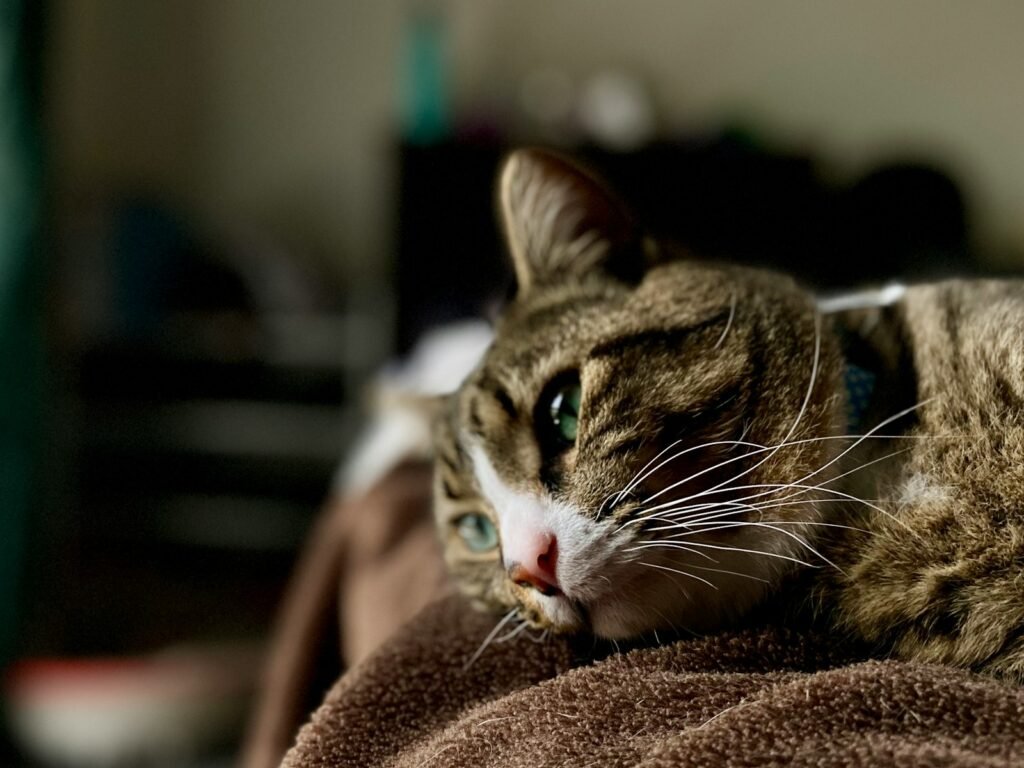
This myth is particularly convenient for busy people, and I understand why it persists. Cats sleep a lot, they seem self-sufficient, and they don’t howl at the door when you leave. So surely they’re fine alone for days at a time, right? Not exactly. While cats don’t require constant attention like some dogs, they still need social interaction, mental stimulation, and affection from their owners. Neglecting a cat’s need for companionship can lead to stress, anxiety, and behavioral issues.
Insufficient attention to the behavioral ecology and development of cat sociality, along with failure to account for their highly variable individual preferences and tolerance for social behaviors, can lead them to experience distress that undermines both their welfare and the human-animal bond. Think of it from the cat’s perspective. You’re their entire world indoors. All cats need environmental management to meet their behavioral needs, including a safe place, multiple and separated care environmental resources, opportunities for play and predatory behavior, positive and consistent human-cat social interactions, and an environment that supports the importance of the cat’s sense of smell. That’s a meaningful list of needs that don’t take care of themselves.
Myth #7: Cats Don’t Benefit Human Health the Way Dogs Do

Dogs get all the therapeutic credit. Service dogs, therapy dogs, emotional support dogs – the canine world has cornered the market on the idea of animals healing people. Cats, meanwhile, are supposed to be aloof and therefore less beneficial. Science tells a very different story. Many people find petting a purring cat is soothing, and research indicates it’s not just because of the soft fur. The act of petting and even the sound of purring can trigger oxytocin release in our brains. One study found that this oxytocin rush from gentle cat contact helps lower cortisol, which in turn can reduce blood pressure and even pain.
Interactions with cats may improve health and reduce physical responses to stress – for example, the presence of cats may moderately decrease blood pressure. Cat ownership may also improve psychological health by providing emotional support and dispelling feelings of depression, anxiety, and loneliness. Beyond that, some cats, called “therapy cats,” are trained to help ailing humans in a medically beneficial way, taking advantage of the human-animal interaction for purposes of relaxation and healing, with certain breeds being desirable due to their personality and temperament. Turns out, that purring creature curled on your lap is doing more for your health than you ever imagined.
Conclusion: It’s Time to See Cats for Who They Really Are
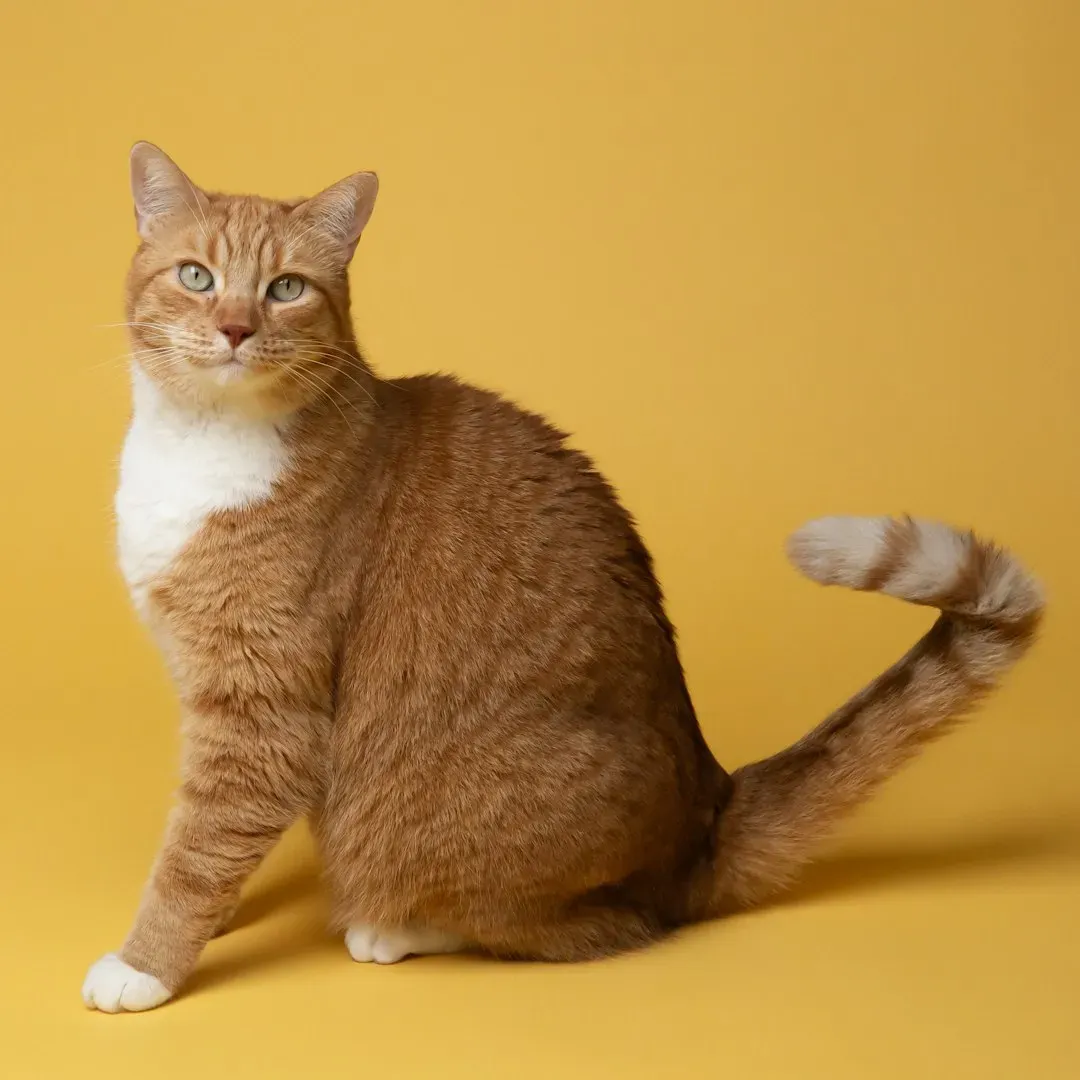
Cats have carried the burden of misunderstanding for centuries. From medieval superstitions to modern assumptions about their cold, self-serving nature, the myths have stacked up faster than a sleeping cat on a warm radiator. But science – patient, methodical, and wonderfully persistent – has been dismantling these myths one by one.
Despite the growing preference for cats as companion animals, beliefs and misperceptions about them are still common. Cultural and sociodemographic aspects can influence society’s attitudes towards cats, affecting the way they are kept and cared for and, consequently, their welfare. That last part is what truly matters here. Misconceptions aren’t just harmless folklore. They shape how millions of cats are cared for every single day.
Your cat is not indifferent. Your cat is not using you. Your cat is a complex, emotionally aware creature that forms real bonds, experiences real distress, and benefits enormously from your attention. The next time someone tells you that cats don’t need people, you can tell them science says otherwise – and it says so quite loudly. What surprised you most about these myths? Tell us in the comments below.