You’ve probably heard it a thousand times: cats are aloof, independent creatures who barely tolerate human presence. They don’t need you the way a dog does. They’re basically self-sufficient roommates who occasionally grace you with their attention.
Here’s the thing, though. Many of these beliefs lack empirical support. Modern research into feline behavior is revealing that much of what you’ve been told about cat independence is just plain wrong. The truth about your feline companion might surprise you, especially if you’ve been operating under decades-old assumptions. Let’s dig into the biggest misconceptions about cat independence and uncover what science actually tells us.
Cats Don’t Form Emotional Bonds with Their Owners
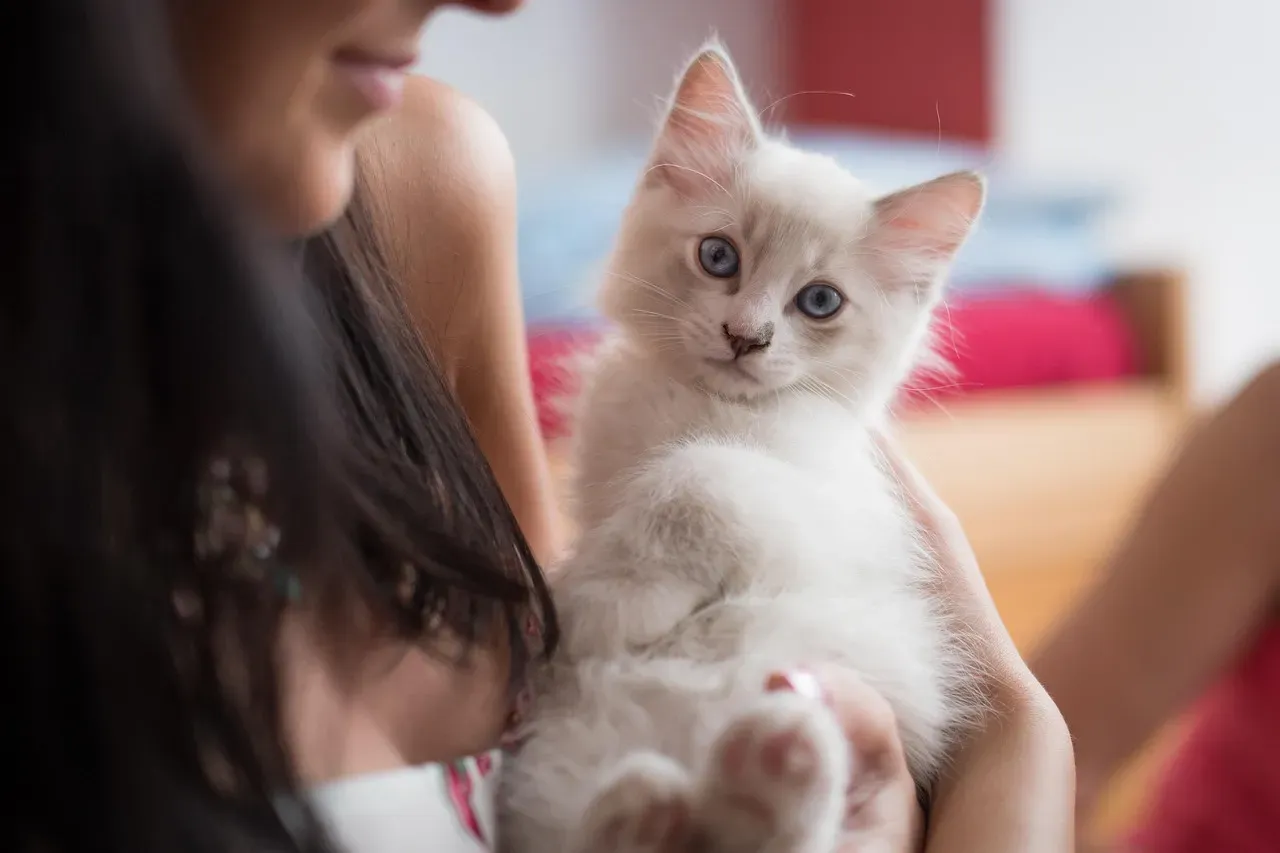
This might be the most damaging myth of all. Distinct attachment styles were evident in adult cats, with a distribution similar to the kitten population (65.8% secure, 34.2% insecure). Research using the same attachment tests developed for human infants shows that the majority of cats form secure emotional bonds with their caregivers.
When you leave the room and return, your securely bonded cat will greet you, then confidently explore their environment knowing you’re their safe base. When their person returned, most of the kittens sought them out for a rub and perhaps a kind word, then proceeded to explore. The animals were said to be securely attached: They depended on their caregiver for security. Think about that next time your cat follows you from room to room.
Cats Are Solitary Creatures Who Don’t Need Companionship
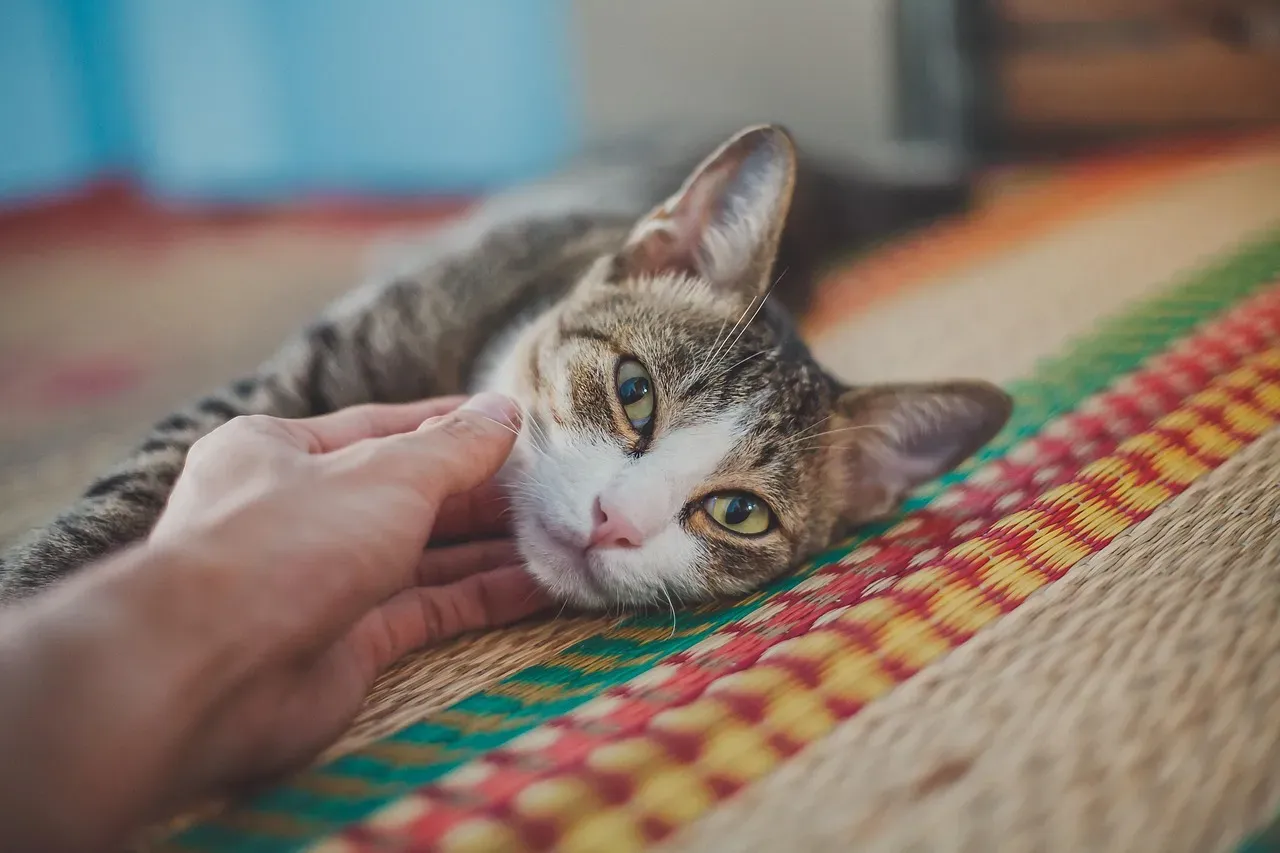
You might think cats prefer being alone, but that’s wildly inaccurate. They are solitary hunters but not solitary animals. There’s a massive difference between hunting alone and living alone.
Cats need your companionship and in fact, some will go through separation anxiety if left alone too often or for too long. Their social structure in the wild revolves around resource availability and safety, not isolation. When you provide a secure environment with adequate resources, your cat becomes free to engage socially with you and other household pets. The stereotype of the lone wolf cat just doesn’t hold up.
Cats Are Low-Maintenance Pets That Don’t Require Attention
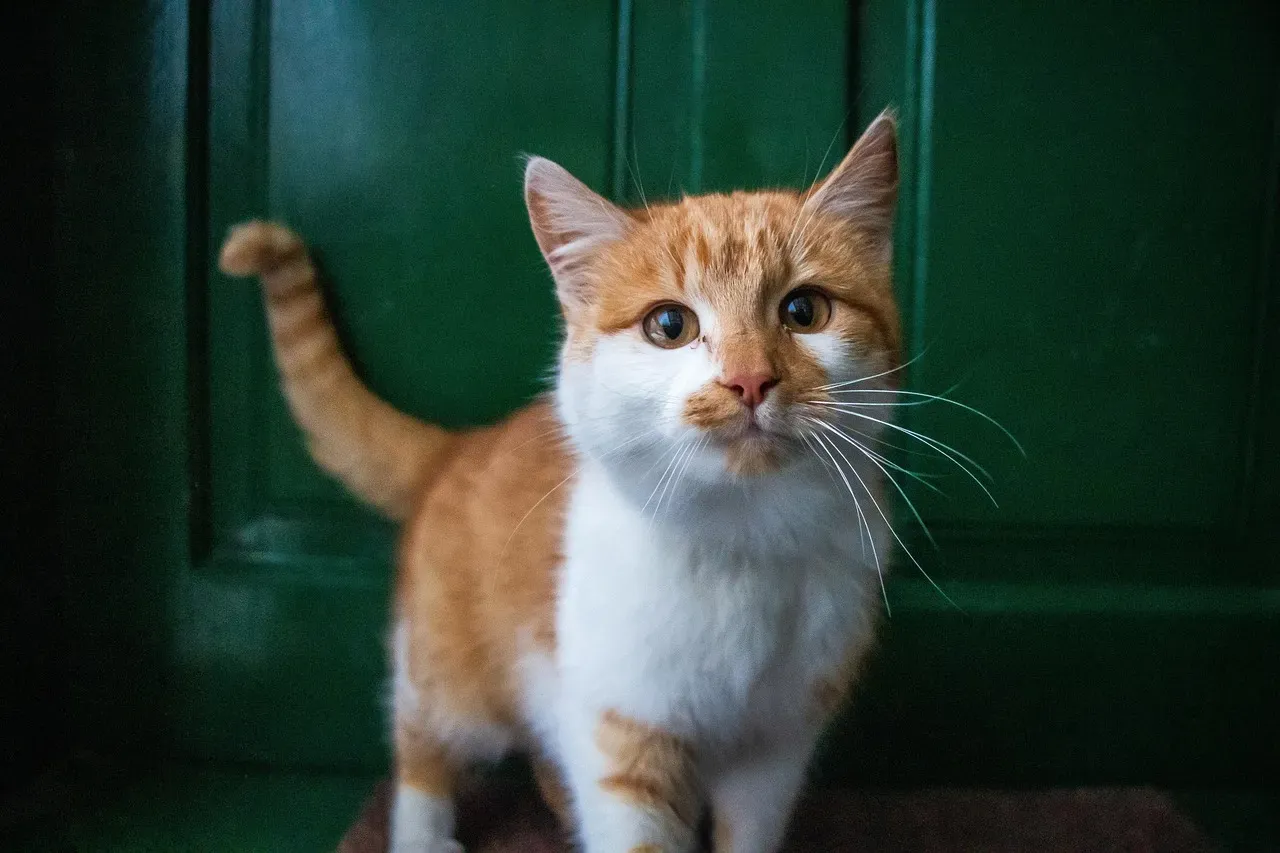
Let’s be real about this one. While it’s true that in general, cats can be kept home alone for longer periods than dogs, they are still dependent on us and are not low-maintenance companions. The misconception that cats are independent and require little or no care causes many of them to suffer needlessly both physically and emotionally.
Your cat needs interactive play, mental stimulation, grooming, veterinary care, and quality time with you. Brushing (23%), toy provision (21%), and nail trimming (37%) were also often neglected. Such practices may be overlooked because many people believe that cats, being independent, neither require nor enjoy human interaction. This belief directly harms feline welfare.
Cats Prefer Food Over Human Interaction
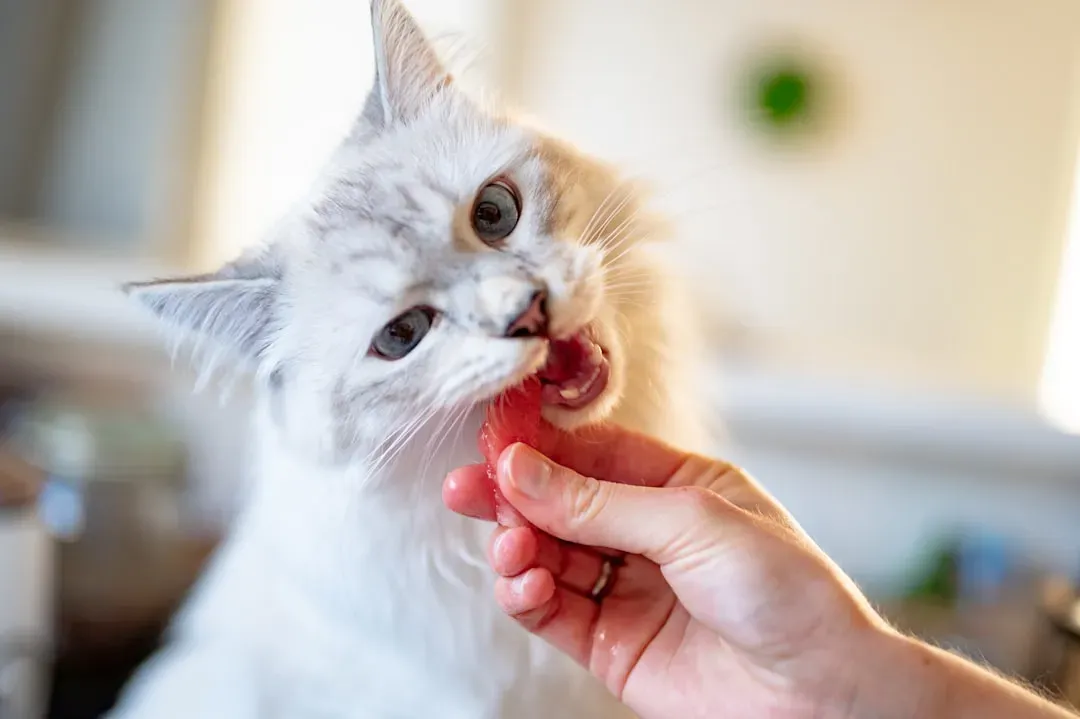
This stereotype paints cats as selfish creatures motivated purely by their stomachs. A new study carried out by scientists from Oregon State University has determined that felines actually prefer human social interaction to food, making them no less loving than their canine counterparts.
When given choices between their favorite food, toys, scents, and human interaction, many cats chose social contact with their person. Your cat isn’t just tolerating you until dinner time. They genuinely value your presence and companionship, sometimes even more than treats. That’s pretty remarkable when you think about it.
Cats Don’t Care Who Feeds Them or Provides Care
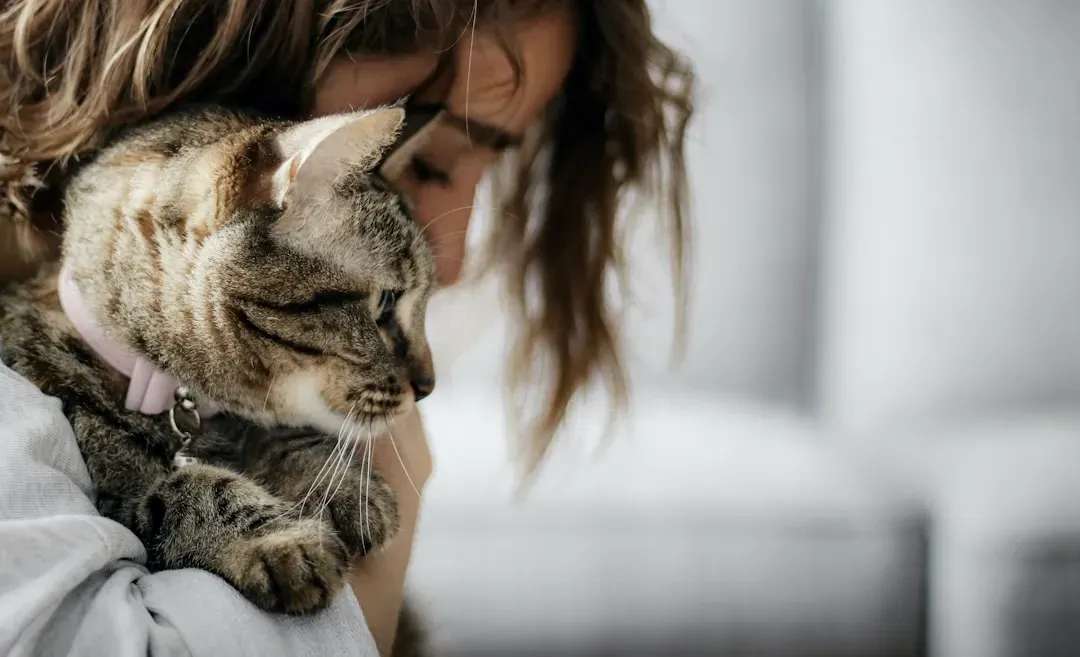
Some people believe any human will do for a cat, as long as food appears in the bowl. An increasing number of studies demonstrate that cats not only have the capacity to form strong social bonds with humans (e.g., Vitale et al., 2019 showed that 68% of cats studied were securely attached to their owners), they also show great social sensitivity.
The depressive owner initiates fewer interactions with the cat, but when the cat approaches that person, s/he accepts the intent of the cat to interact, which affects the human’s mood. The cat also changes its behavior in response to depressiveness of the human when close to the person. Your cat adjusts their behavior based on your emotional state. They’re reading you constantly, responding to subtle cues you might not even notice yourself.
Indoor Cats Are Bored and Frustrated Without Outdoor Access
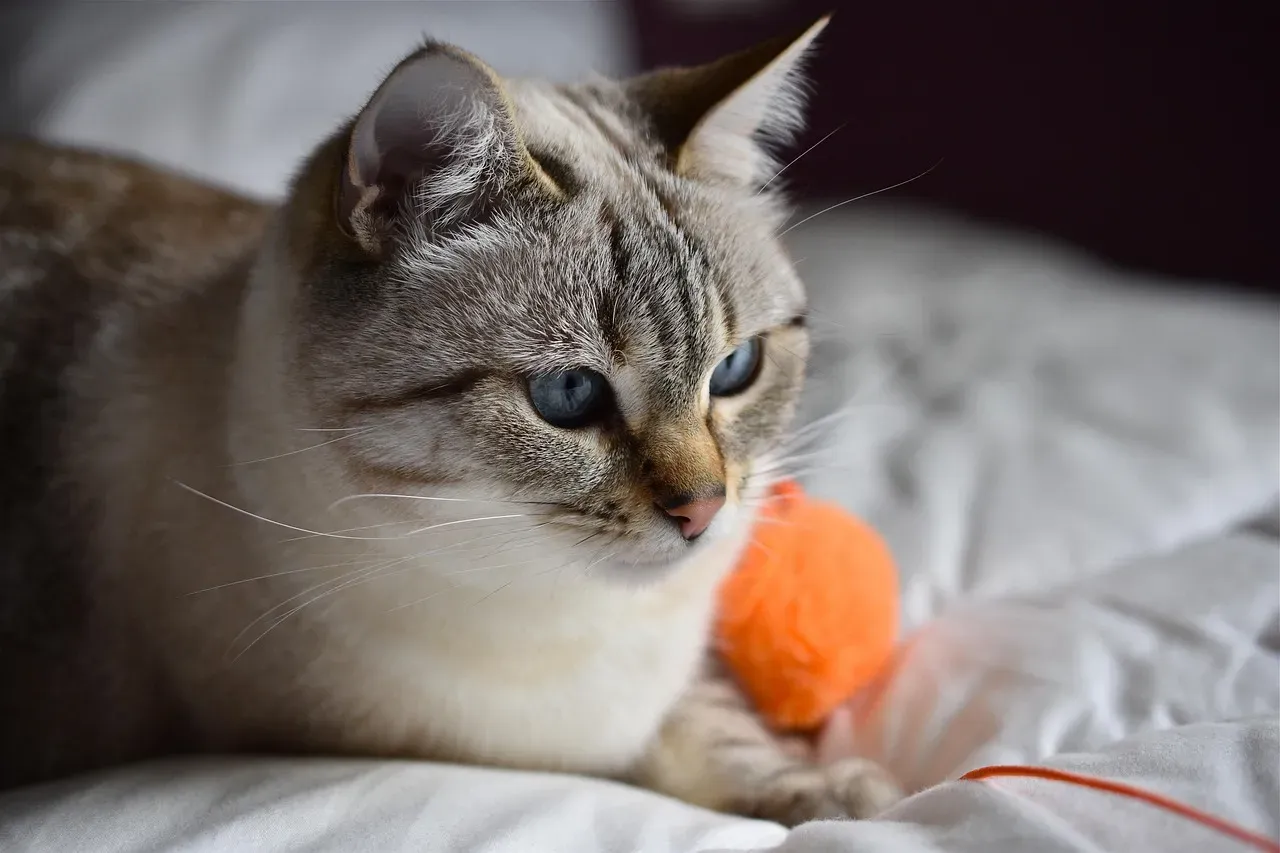
The belief persists that cats need outdoor freedom to be truly happy. “Advocates for outdoor access often justify their position based on the perception that cats are independent, with an intrinsic need to explore and travel long distances,” the authors wrote. “However, this belief may have cultural roots, and studies suggest that, in certain contexts, outdoor access may arguably bring more harm than benefits to cats’ welfare”.
Indoor cats thrive with proper environmental enrichment, interactive play, and human engagement. What they need isn’t necessarily outdoor access but rather stimulation, companionship, and opportunities to express natural behaviors safely inside. With the right setup, your indoor cat can live a rich, fulfilling life.
Cats Show Affection Differently Because They’re Not As Attached
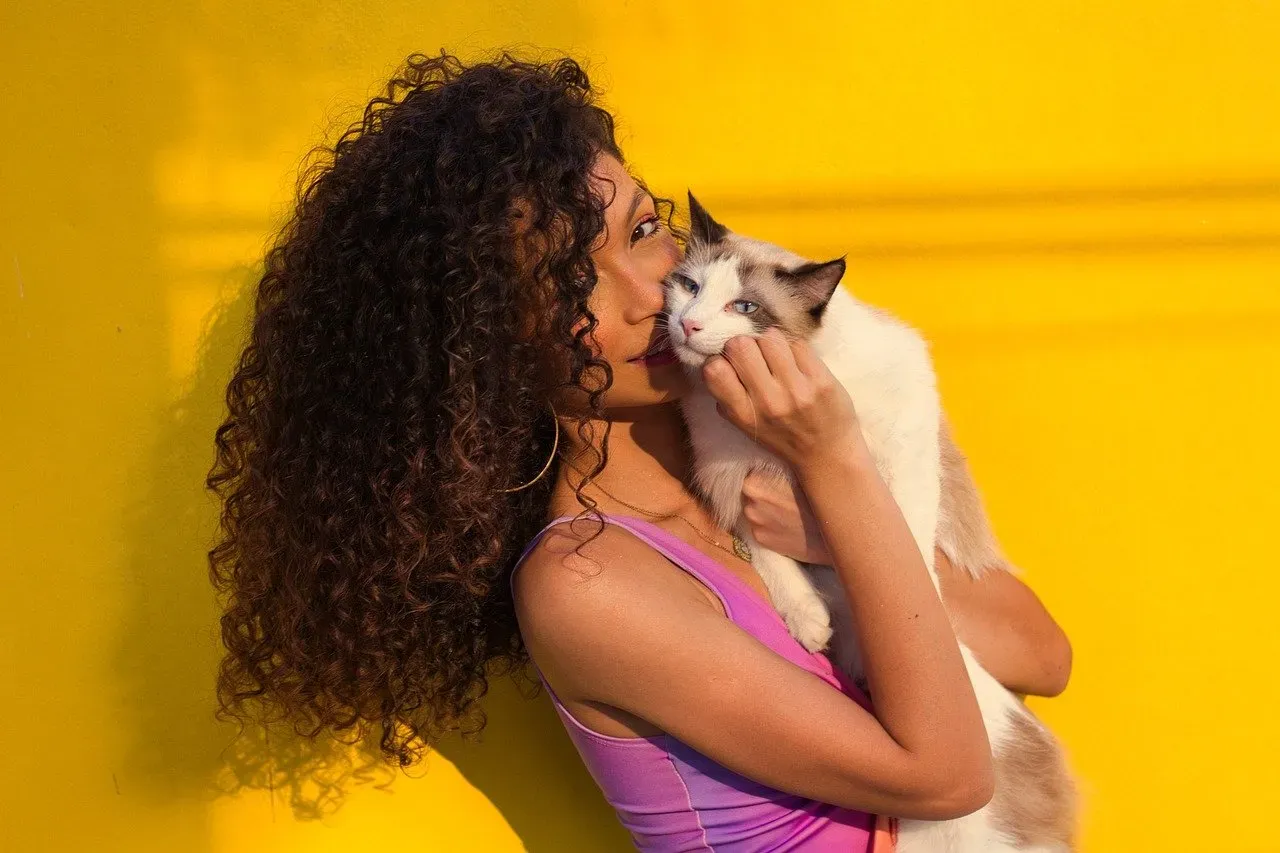
Many dogs may shower their owners with enthusiastic kisses and tail wags, so cats can seem reserved and subtle in comparison, but it’s unfair to say dogs love their owners more than cats do. With just a touch of attention and observation, it’s very obvious that cats are just as loving and affectionate as dogs are.
Your cat’s slow blink is their version of a kiss. Head bunting marks you as family. Following you between rooms shows they want to be near you. These behaviors are meaningful precisely because they come from a creature you’ve been told doesn’t care. Understanding your cat’s unique communication style deepens your bond immeasurably.
Conclusion
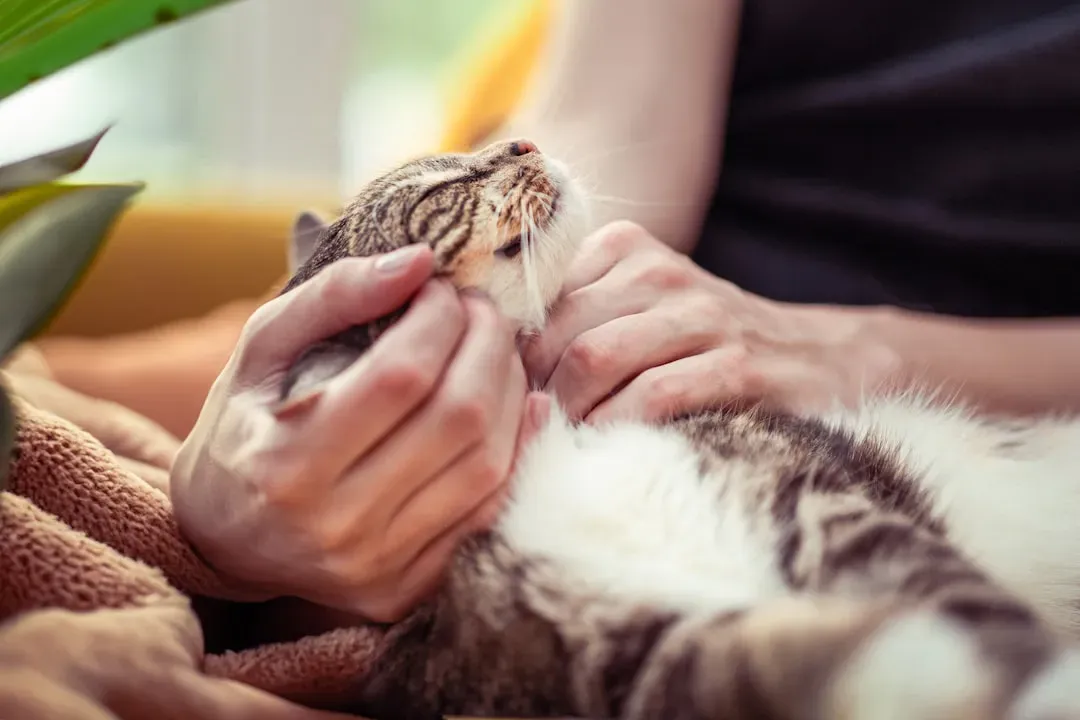
The myths surrounding feline independence have caused real harm, leading to neglect, misunderstanding, and countless cats surrendered to shelters for behavioral issues that stem from unmet social needs. Your cat isn’t a low-maintenance decoration. They’re a complex social being capable of deep attachment, emotional sensitivity, and genuine affection.
Identifying and fostering critical reflection on such beliefs can contribute to deconstructing them, improving the guardian–cat relationship and enhancing the welfare of both cats and humans. When you recognize these myths for what they are, you can build the relationship your cat has been trying to establish with you all along. Did your own cat surprise you once you started paying closer attention to their behavior?