Senior cats frequently develop arthritis that limits their movement, yet targeted natural remedies can restore comfort and vitality without relying solely on medications.
Identifying Arthritis Early in Older Cats
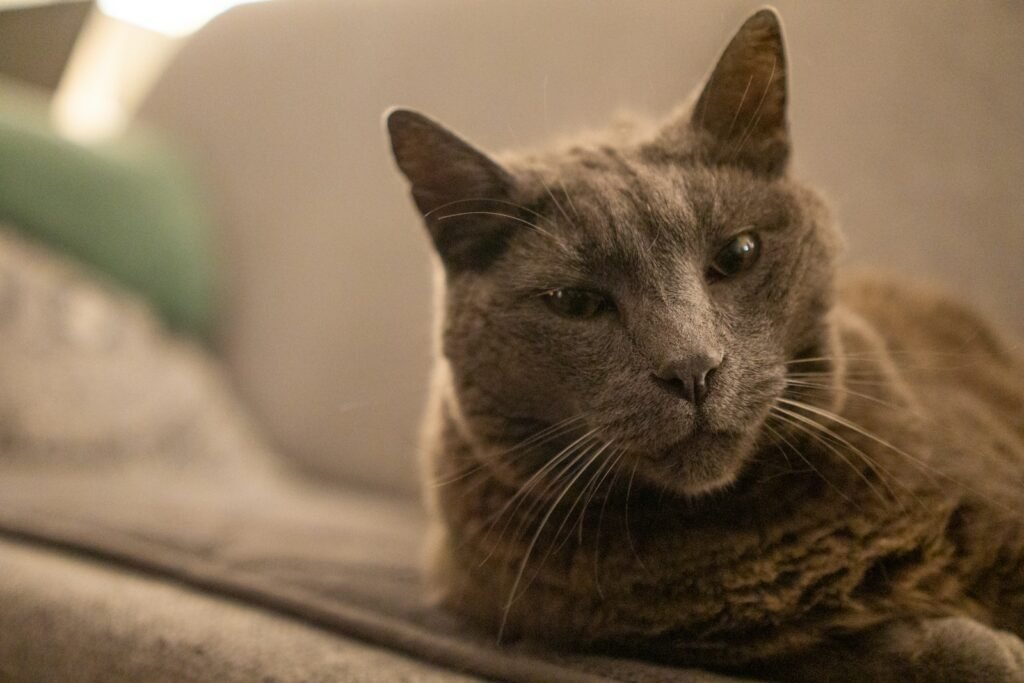
Owners notice gradual shifts in their cats’ behavior as joint pain sets in. Slower pacing around the home, hesitation before jumping onto favorite spots, and reluctance to engage in play signal potential issues. Difficulty entering the litter box or reduced grooming on the hindquarters also emerge as common indicators.
Stiffness after naps, occasional limping, increased sleeping, or hiding away further confirm the problem. These changes stem from worn cartilage, altered joint shapes, and low-level inflammation. Recording such patterns helps veterinarians diagnose accurately and rule out other conditions.
Essential Supplements for Joint Support
Supplements target inflammation and cartilage health directly. Omega-3 fatty acids from fish oil stand out for reducing swelling and enhancing mobility over several weeks. Pet-formulated products with specified EPA and DHA levels work best, as cats process plant sources inefficiently.
Glucosamine and chondroitin promote cartilage repair and lubrication, easing stiffness gradually. Turmeric’s curcumin, paired with absorption enhancers like piperine, offers anti-inflammatory benefits alongside herbs such as ginger and boswellia. Vitamins E and C act as antioxidants, while D, zinc, and manganese bolster connective tissues. Veterinary guidance ensures proper dosing and monitors for digestive upset.
Hands-On Therapies for Pain Relief
Gentle massage boosts circulation around stiff joints. Short sessions of light strokes along the spine and circular kneading near hips and shoulders last just minutes, ideally twice daily after calming pets. Heat therapy with wrapped warm pads for 10 to 15 minutes soothes soreness, while brief cold applications curb swelling post-activity.
Acupuncture from certified veterinary specialists reduces pain signals effectively. Owners track responses closely, stopping any technique if the cat shows discomfort like tensing or vocalizing. These methods complement supplements for holistic relief.
Lifestyle Adjustments to Prevent Strain
Moderate exercise keeps joints flexible without excess stress. Brief play with wand toys or lasers encourages stretching and walking for five to 10 minutes several times a day. Ramps and steps replace high jumps, while orthopedic memory foam beds cushion resting bodies.
Low-entry litter boxes and non-slip mats minimize awkward postures. Weight control lightens joint loads through portioned meals and puzzle feeders, aiming for gradual loss under veterinary oversight. Diets rich in quality proteins, added omega-3s, and joint nutrients support muscle tone and hydration via wet foods.
Key Takeaways
- Consult a veterinarian before any remedy to tailor doses and check interactions.
- Monitor mobility, appetite, and behavior over four to 12 weeks for subtle improvements.
- Combine multiple approaches like supplements, therapies, and home tweaks for best results.
These natural strategies empower senior cats to navigate their world with greater ease, preserving their independence longer. Consistent application alongside professional advice yields the most rewarding outcomes. What changes have you seen in your cat’s mobility? Share your experiences in the comments.