You’re hiking through a canyon at dusk when a shadow catches your eye. It’s gone before you can fully process it. That fleeting movement, that sense of being watched, might be one of North America’s most elusive predators: the mountain lion.
There are sixteen U.S. states with established mountain lion populations, with populations ranging from the hundreds to several thousand in some regions. These magnificent cats, also called cougars or pumas, have made a remarkable comeback in certain areas despite decades of persecution. Here’s the thing, though: spotting one requires patience, luck, and knowing exactly where to look. So let’s dive into the seven best places in America where your chances of glimpsing these stealthy hunters are highest.
Colorado’s Rocky Mountain Wilderness
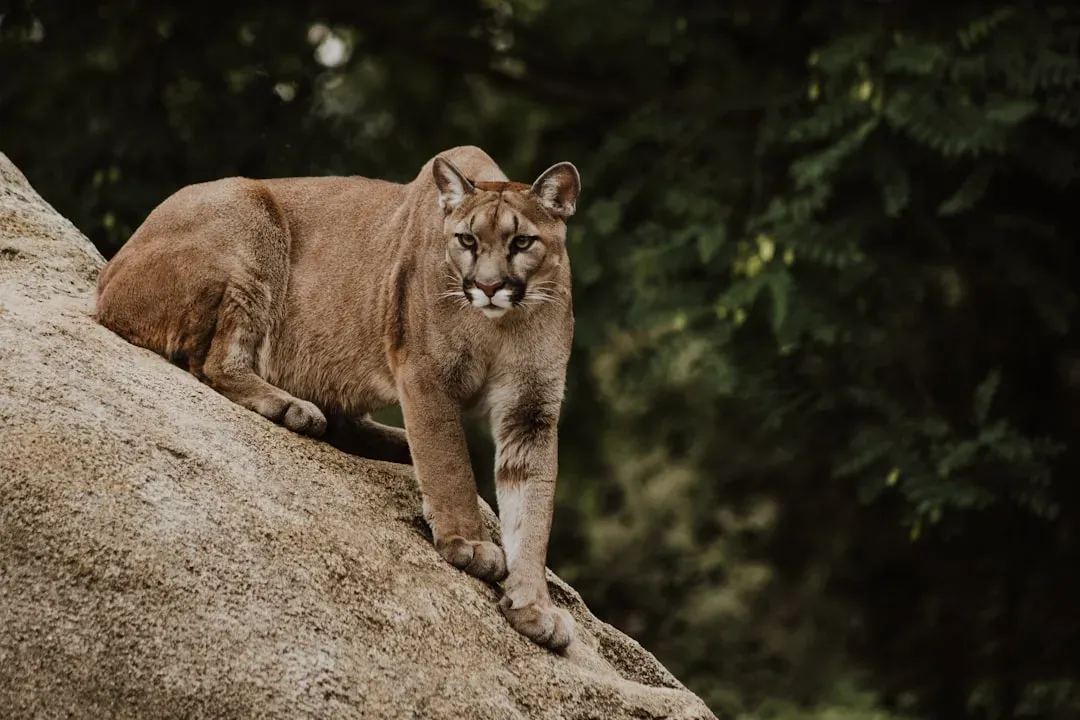
Colorado is well-known for its mountains, where mountain lions make their home, and it is the state with the highest known population of mountain lions, with about seven thousand scattered across the state. The sheer number of these cats roaming Colorado’s wilderness gives you the best odds anywhere in America. Rocky Mountain National Park and the surrounding areas offer vast stretches of rugged terrain where these predators thrive.
The trees in Colorado are home to some of the densest populations of elk, which serves as a primary food source for the lions. If you’re hiking the backcountry trails around dawn or dusk, particularly in areas with rocky outcrops and dense cover, you’re in prime mountain lion territory. Local wildlife officials regularly monitor these populations, confirming that Colorado’s conservation efforts have paid off remarkably well.
California’s Diverse Landscapes
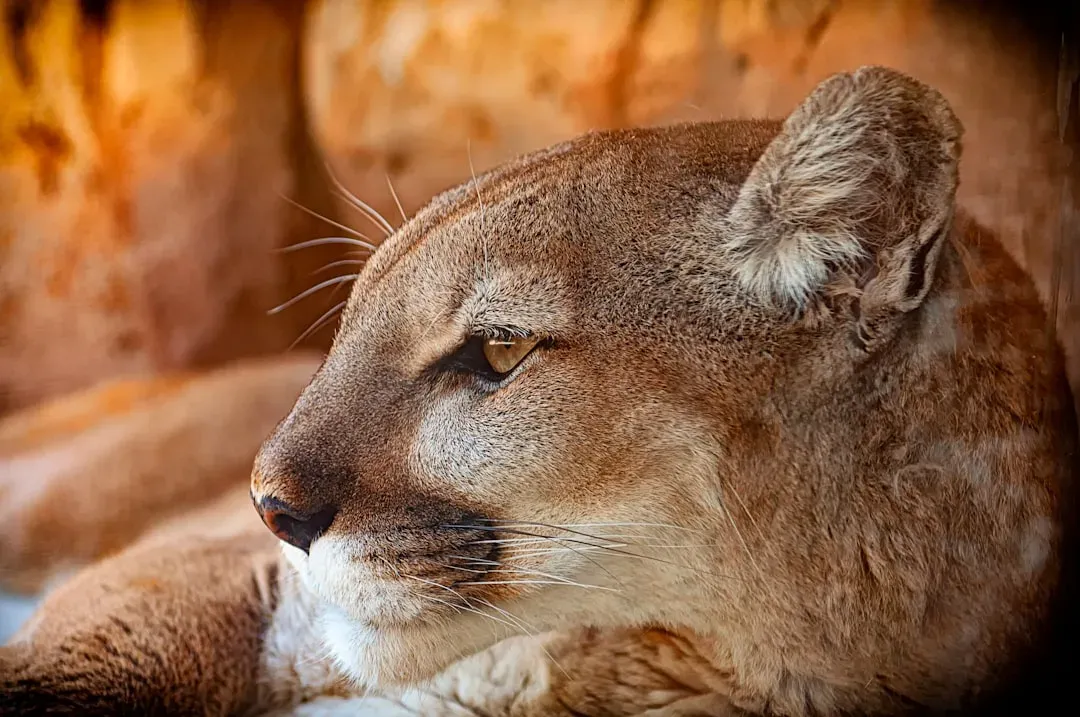
California has one of the largest mountain lion populations in the United States, with experts estimating between 4,000 to 6,000 mountain lions. From the coastal ranges to the Sierra Nevada foothills, these cats have adapted to an impressive variety of habitats across the Golden State. The state’s decision to ban sport hunting in 1990 has helped stabilize their numbers.
Southern California presents unique challenges, honestly. Habitat fragmentation due to highways and urban development has isolated some groups, creating genetic concerns. Still, areas like the Santa Monica Mountains and Angeles National Forest remain strongholds where dedicated hikers occasionally report sightings. Plumas National Forest in California offers large tracts of undeveloped land that give cats plenty of room to prowl.
Montana’s Expansive Wilderness
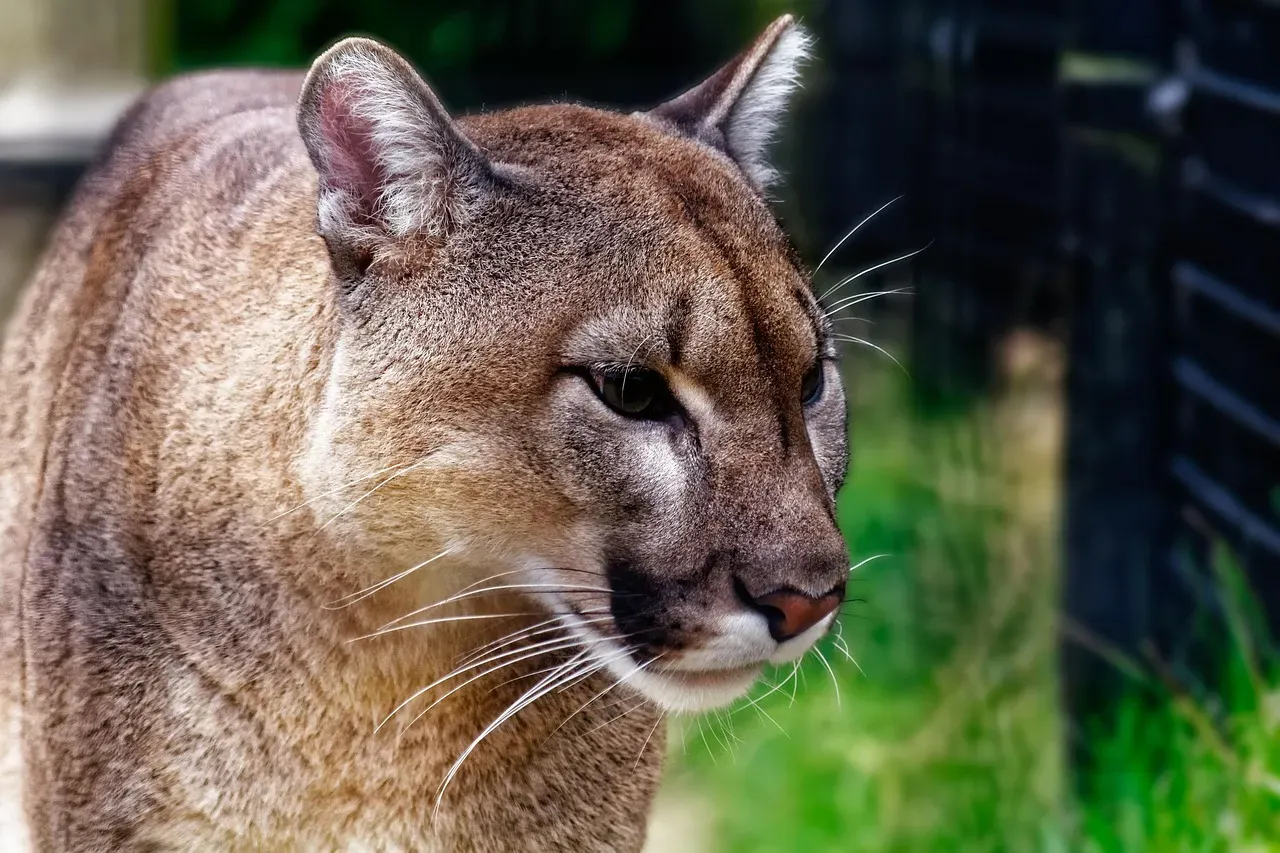
The mountain lion population in Montana is estimated at about 5,300 individuals, making it one of the most significant cougar habitats in the United States. What makes Montana particularly special is the sheer amount of pristine wilderness available. Nearly half the state provides ideal habitat for these solitary hunters.
Despite historic persecution, mountain lions are thriving once again in Montana, with lions having reoccupied their historic statewide range. The state’s wildlife management policies focus on maintaining sustainable populations while allowing limited hunting. If you’re exploring places like Glacier National Park or the vast forests of western Montana, keep your eyes peeled along forested ridgelines and rocky breaks where these cats prefer to hunt.
Texas Hill Country and Trans-Pecos Region
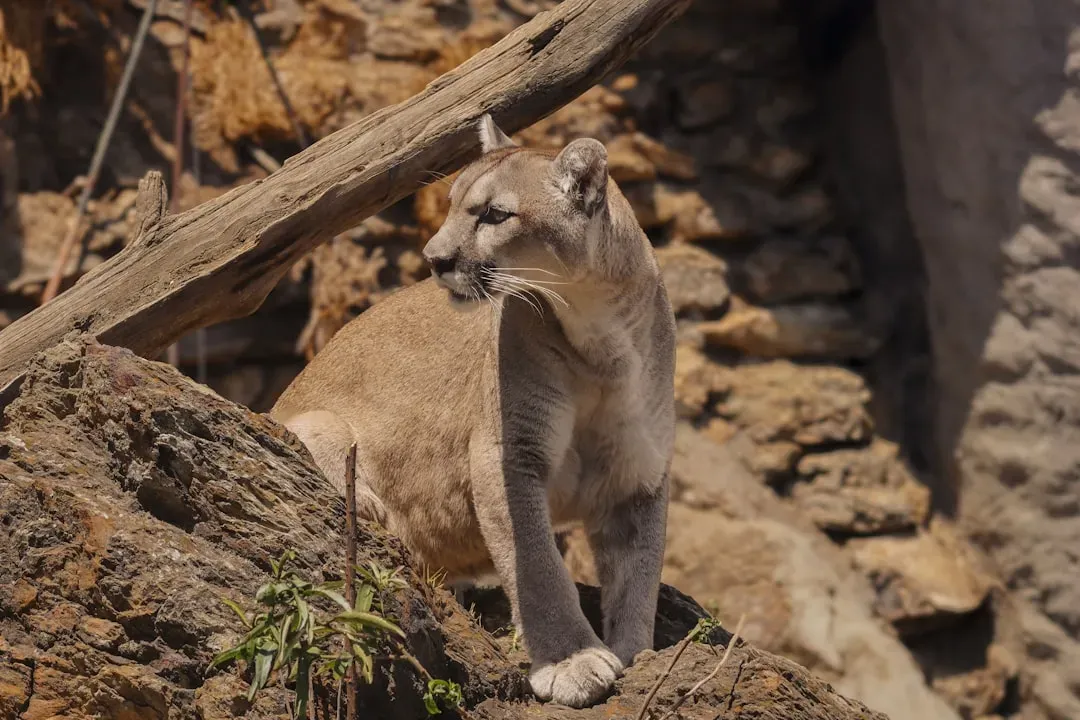
Texas is home to an estimated 5,600 mountain lions. The Trans-Pecos region in western Texas offers some of the most rugged, remote terrain in the state. The region offers vast areas of rugged, remote terrain suitable for mountain lions.
Texas takes a different approach to mountain lion management compared to other western states. The state classifies them differently, which means less protection than elsewhere. Despite this, healthy populations persist in the remote wilderness areas far from major cities. Big Bend National Park and the surrounding desert mountains provide ideal habitat where sightings, while rare, do occur.
Arizona’s Desert Mountains
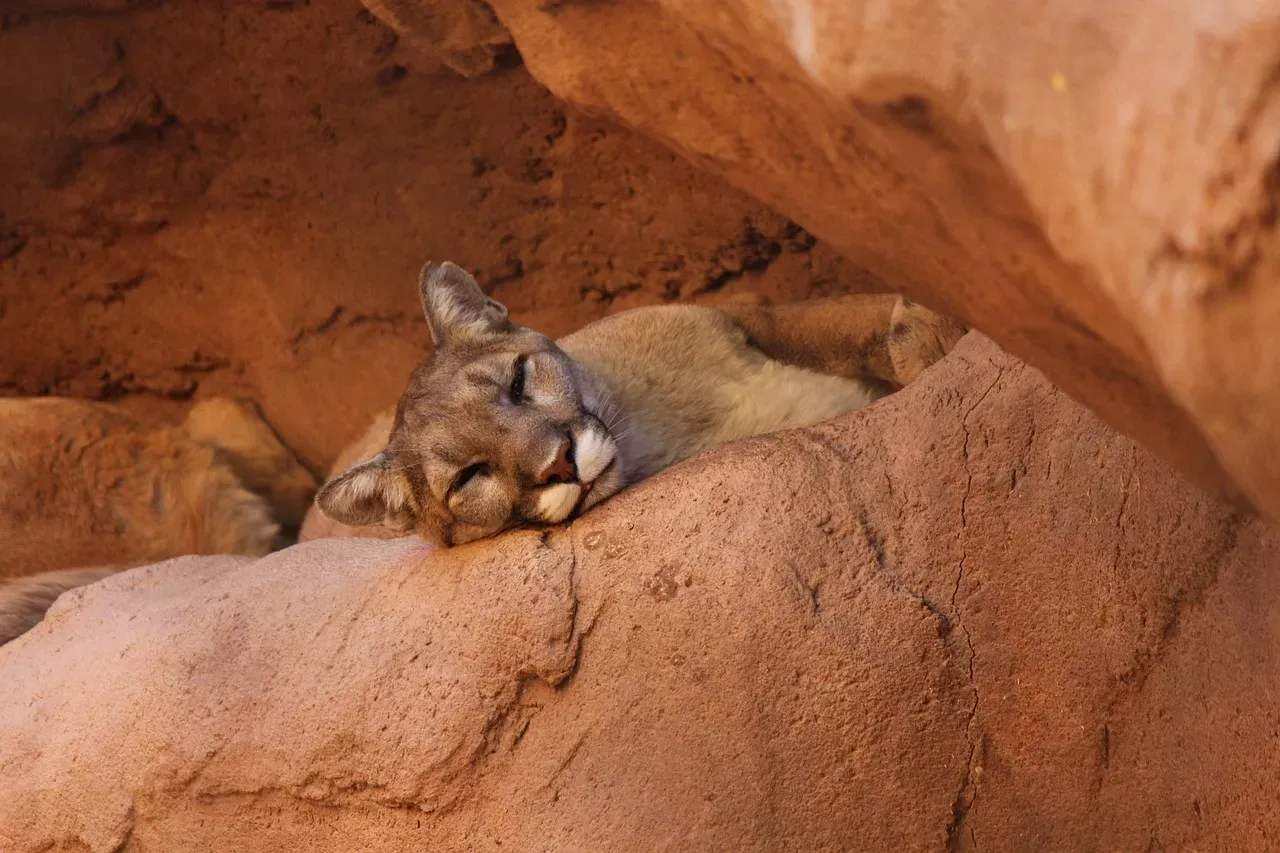
New Mexico and Arizona are largely similar in formation, with the population of mountain lions estimated to be about 1,300-2,700 in Arizona. The state’s unique landscape of rocky desert terrain dotted with mountain ranges creates perfect hunting grounds for these adaptable predators. These states are home to many tracts of untouched rocky landscape where bighorn sheep reside in large populations, and bighorn sheep are one of the best prey for mountain lions.
Arizona’s mountain lions have adapted remarkably well to the harsh desert environment. The Mogollon Rim, the Superstition Mountains, and areas around the Grand Canyon all support stable populations. Let’s be real, you probably won’t see one even if you’re hiking through their territory, since these cats are masters of staying hidden.
Oregon’s Forested Mountains
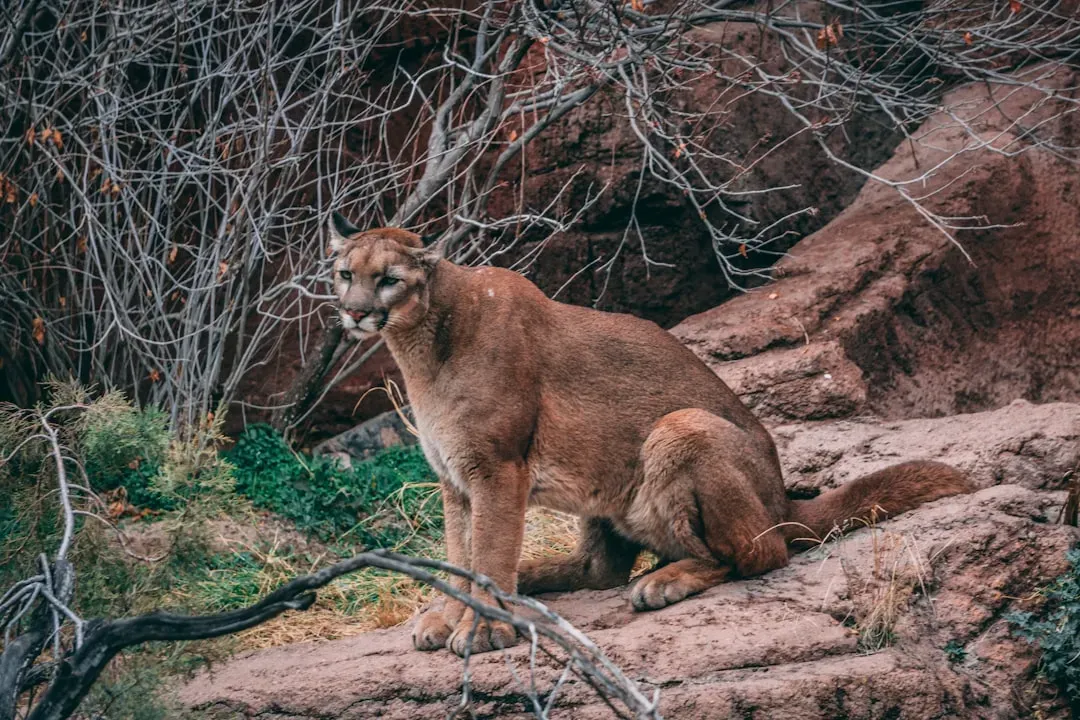
Oregon has some of the largest populations of mountain lions, with isolated forests and mountains plentiful within the state, and between 2,500 and 6,000 mountain lions estimated in the state. Most of Oregon’s human population tends to stick closer to its cities and metropolitan areas, so mountain lions are often left to their own devices and enjoy a human-free environment.
The Cascade Range running through the center of the state provides excellent habitat with abundant deer populations. Areas around Crater Lake and the Wallowa Mountains in northeastern Oregon offer particularly good territory. The state manages hunting through controlled seasons, maintaining what wildlife officials consider a healthy and sustainable population.
Florida’s Endangered Panthers
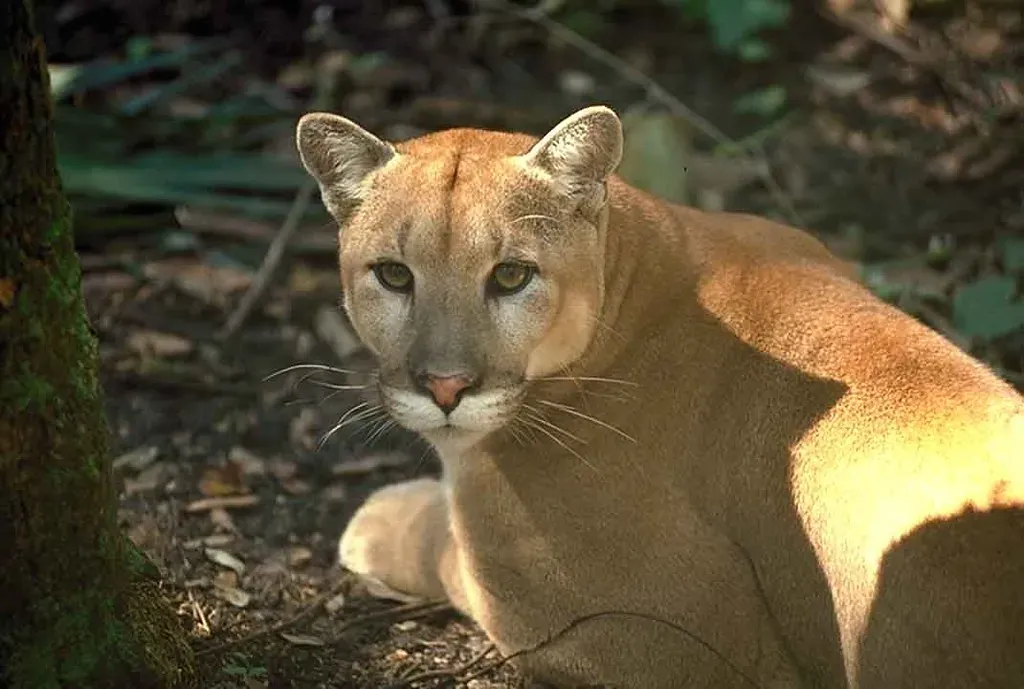
Florida is home to a unique subspecies of mountain lion known as the Florida panther, one of the most threatened feline populations in North America, with current estimates placing the population between 100-300 individuals. This represents the only breeding population of mountain lions in the eastern United States, making it incredibly special.
The Florida panther once roamed throughout the southeastern United States, but today their range is limited primarily to southwest Florida in areas like Big Cypress National Preserve and Everglades National Park. Unlike their western cousins, Florida panthers face constant threats from vehicle strikes and habitat loss. Conservation efforts have brought them back from the brink of extinction, though. Spotting one remains exceptionally rare, requiring both tremendous luck and respect for their protected status.
Conclusion
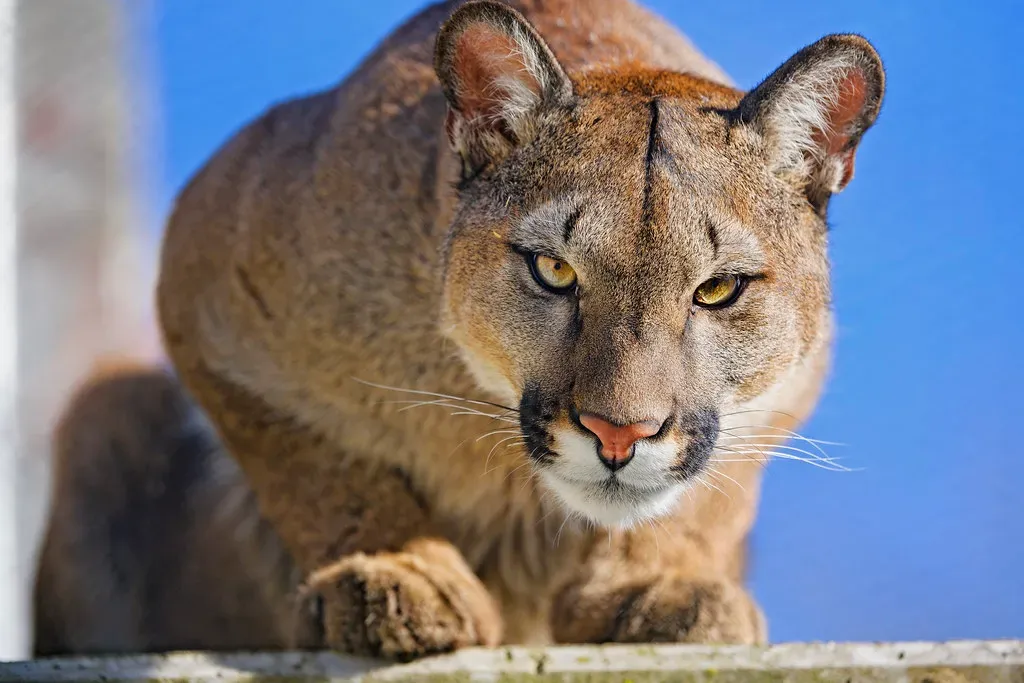
Mountain lions remain one of the most enigmatic creatures roaming American wilderness. Mountain lions are quiet, solitary and elusive, typically avoiding people, with attacks on humans extremely rare. Your best chance of spotting one comes from visiting areas with healthy prey populations, exploring during dawn or dusk, and positioning yourself on ridges where you can observe without disturbing them.
These seven locations represent your best opportunities, though even in prime habitat, actually seeing a mountain lion requires extraordinary patience and luck. The fact that these magnificent predators continue to thrive in pockets across America speaks to successful conservation efforts and the resilience of these remarkable cats. What do you think, would you venture into mountain lion country hoping for a glimpse of one of North America’s most powerful predators?