Choosing a cat is about more than just falling for a cute face. You’ve probably scrolled through adoption pages, mesmerized by big eyes and fluffy ears, feeling like any one of them could become your best friend. That part is easy. What’s not so obvious at first is how a mismatch between your life and your cat’s needs can lead to frustration for both of you.
Think of it this way. Bringing home a feline companion is kind of like starting a long-term relationship. You want someone whose energy, habits, and quirks align with yours. So before you sign those adoption papers, take a moment to ask yourself some honest questions. The answers might surprise you, leading you to a cat you hadn’t even considered. Let’s explore what really matters when you’re choosing your next whiskered companion.
What Does Your Daily Schedule Actually Look Like?
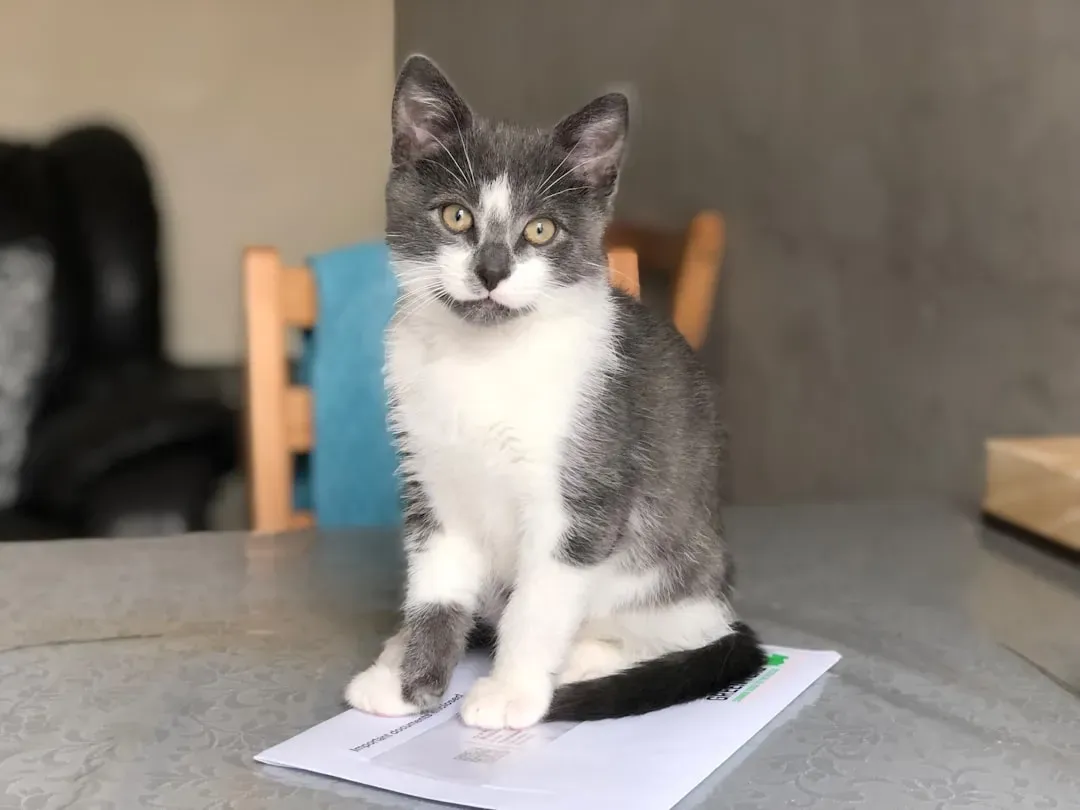
Let’s be real about your day. Are you home most of the time, or does your schedule keep you out for ten hours straight? Your daily routine and activity level significantly determine what kind of cat will best suit your lifestyle, as cats still need interaction, play, and mental stimulation despite their reputation for independence.
If you work long hours or travel frequently, consider adopting a more independent cat that doesn’t require constant attention, with older cats tending to be more self-sufficient. Think of the mature cat who’s content to lounge by the window while you’re away. On the flip side, if you’re working from home or have flexible hours, you might thrive with a more social, playful companion who craves attention throughout the day. A kitten or young adult cat could be perfect if you have time to invest in their physical and mental stimulation. Match your availability to their needs, not the other way around.
How Much Space Can You Really Offer?
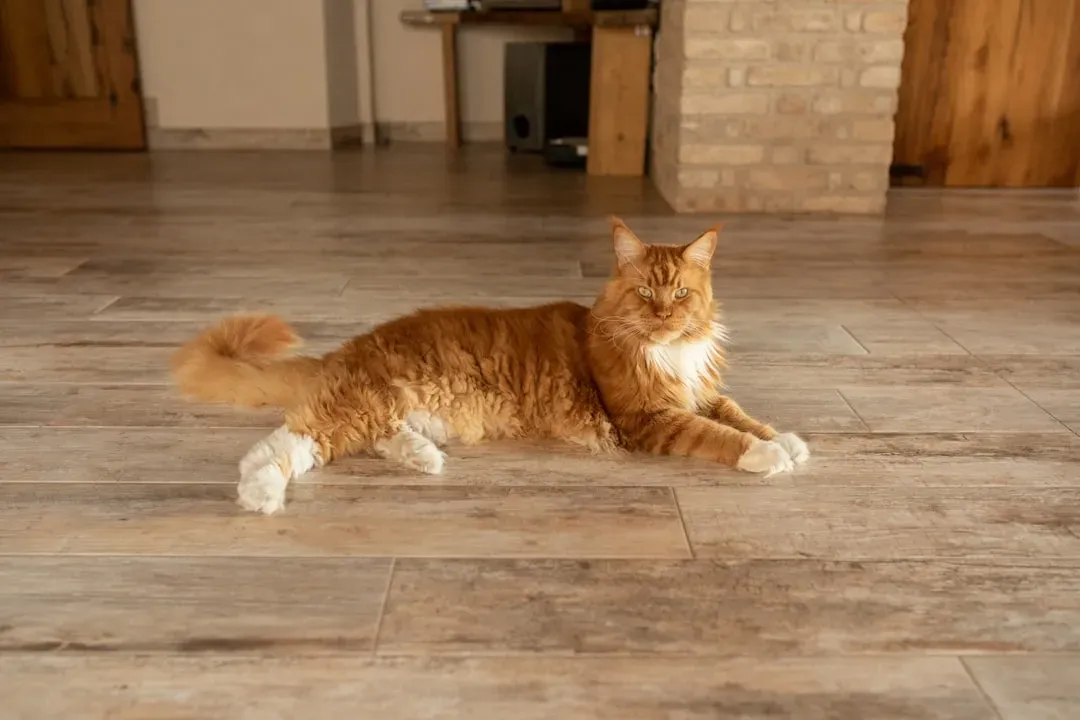
Your living space matters, as compact breeds like the Singapura thrive in small apartments, while larger breeds like the Maine Coon need more room to roam. It’s not just about square footage though. Consider vertical space too.
Cats are climbers by nature. A studio apartment with cat trees, shelves, and window perches can feel like a palace to a smaller, moderate-energy cat. However, an active, athletic breed might go stir-crazy in tight quarters without enough stimulation. If you’re in a spacious house with multiple rooms, you have flexibility. Still, don’t assume any cat will automatically adjust. Some prefer cozy, confined spaces where they feel secure, while others want to patrol every corner of their territory. Be honest about what your home can accommodate, and remember that cramped quarters can stress certain personalities.
What’s Your Tolerance for Grooming and Maintenance?
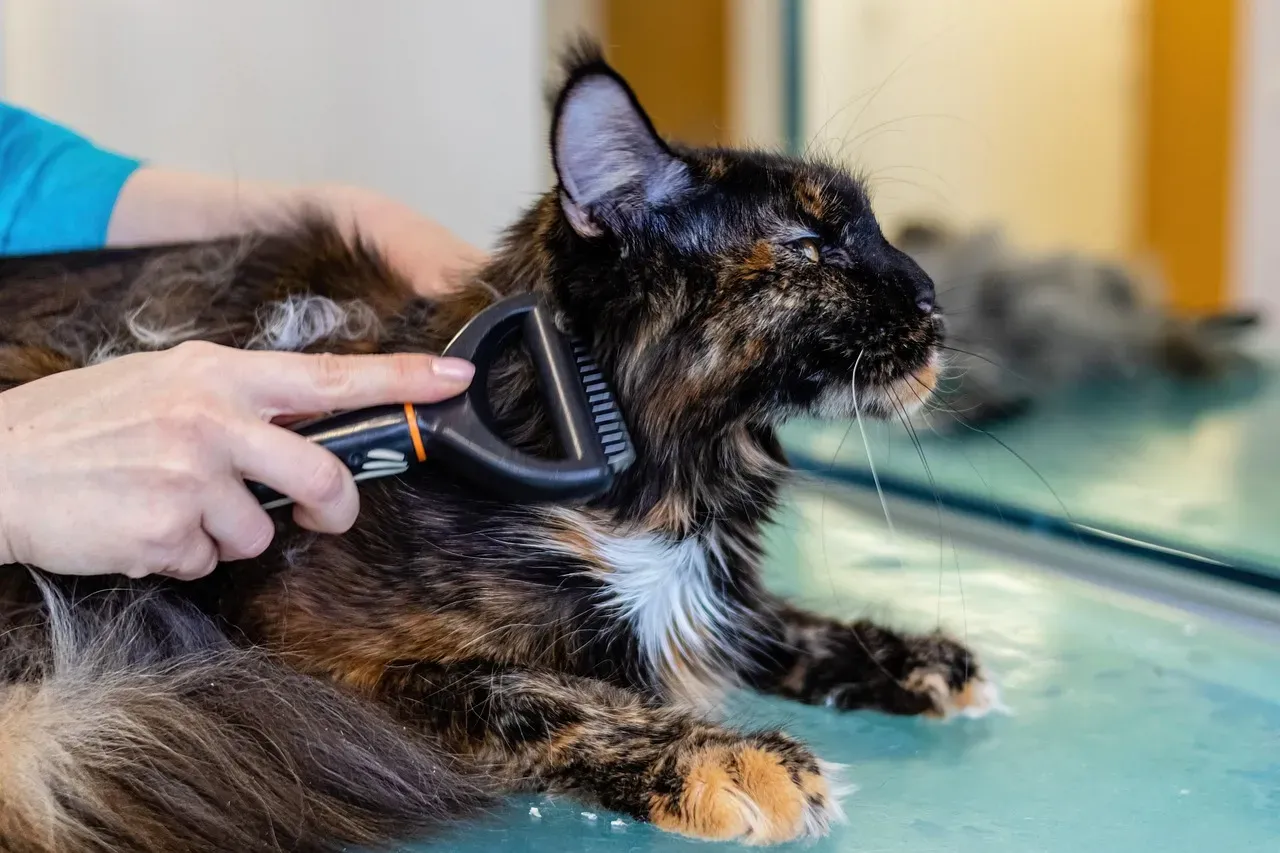
Here’s something people don’t always think about until they’re covered in cat hair. Long-haired breeds including Persians, Maine Coons, and Ragdolls need daily brushing to prevent matting and reduce shedding, while semi-long haired cats require grooming several times weekly, and short-haired breeds generally need minimal grooming. Grooming isn’t just about aesthetics either.
Matted fur can become painful and lead to skin issues. If you’re someone who barely has time for your own hair routine, a high-maintenance coat might not be your best match. On the other hand, daily brushing can become a lovely bonding ritual if you enjoy that kind of hands-on care. Some cats adore being brushed and will come running at the sight of the comb. Others? Not so much. Consider how much time and patience you realistically have for this ongoing commitment before falling for that fluffy Persian face.
Are You Prepared to Match Energy Levels?
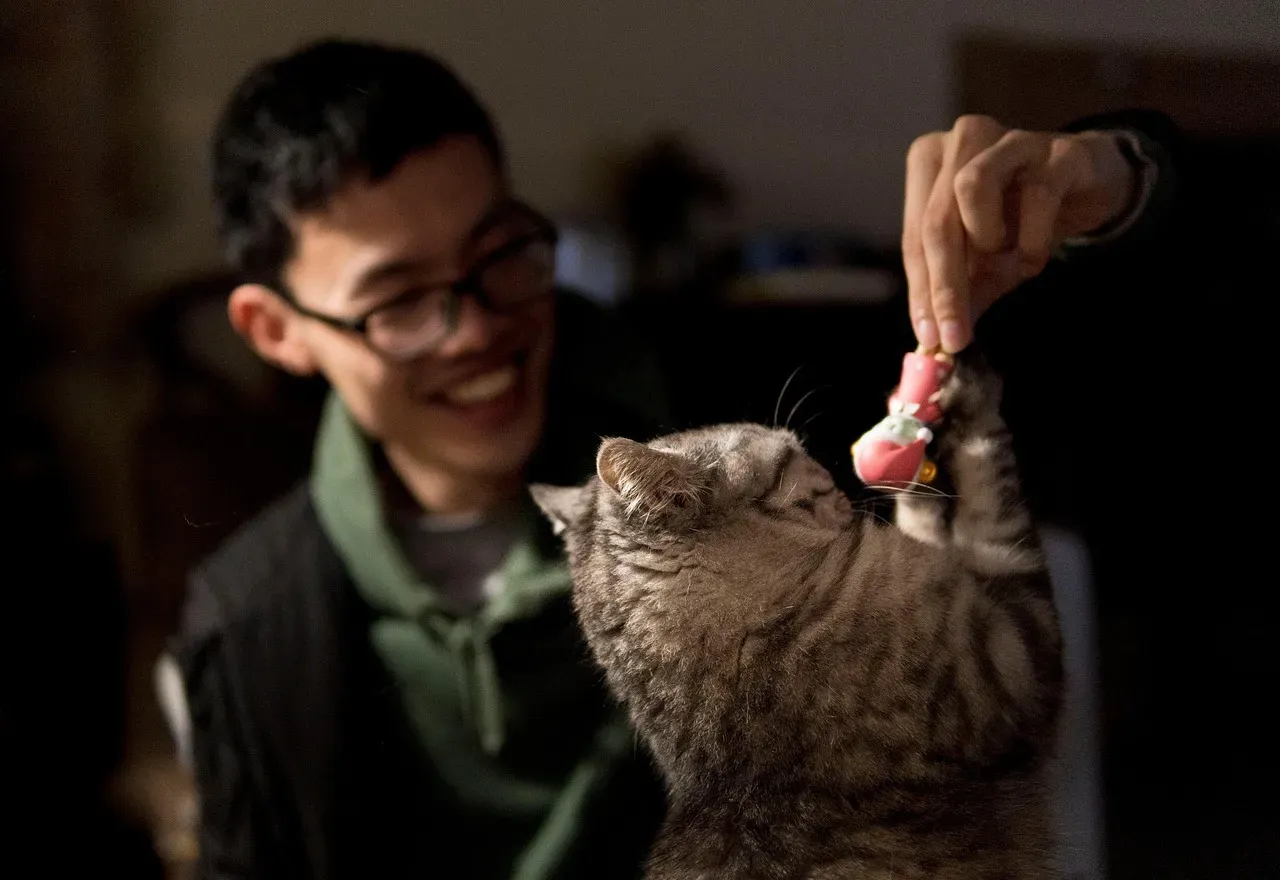
High-energy breeds like Abyssinians and Bengals require extensive daily interaction, puzzle toys, and climbing structures to prevent destructive behaviors, while moderate-energy cats such as American Shorthairs enjoy play but are content with shorter sessions, and low-energy breeds like Persians prefer gentle interaction and extended rest periods. Energy mismatch is one of the most common reasons people struggle with their cats.
Imagine you’re a quiet homebody who loves reading in the evenings, but you’ve adopted a hyperactive young Bengal who’s bouncing off the walls at midnight. That’s a recipe for stress on both sides. Conversely, if you’re looking for an interactive playmate but bring home a senior cat who just wants to nap, you might feel disappointed. Pay attention to activity levels when you visit shelters or foster homes. Watch how the cat moves, plays, and reacts to stimulation. A cat’s energy should complement yours, not clash with it.
Do You Have Other Pets to Consider?

If you already have pets, they should factor into your decision, as some cats prefer to be an only pet while others get along fine with other animals. Introducing a new cat into a home with existing pets isn’t always smooth sailing.
The most important thing is to match energy level, playfulness, and personality when adding a second cat. A dominant, territorial cat might not welcome a new feline roommate, leading to conflicts over resources and space. Similarly, if you have a dog with a strong prey drive, bringing home a timid kitten could spell disaster. Ask shelter staff about the cat’s history with other animals. Many rescues conduct temperament tests to gauge how a cat responds to dogs or other cats. Don’t skip this step. A peaceful multi-pet household depends on thoughtful matchmaking, not wishful thinking.
What Age Cat Aligns With Your Expectations?

Kittens are playful, energetic, and curious, requiring a lot of time, patience, and supervision as they grow and learn appropriate behavior. They’re adorable, but they’re also a handful. Kittens have sharp claws and teeth, boundless energy, and unpredictable adult temperaments.
Adult cats tend to be more settled with established personalities, may be a better option if you’re looking for a cat who is already litter-trained and may have fewer behavioral challenges, and many adult cats in shelters are in need of loving homes. If you want to know exactly what you’re getting, an adult cat is often the safer bet. Senior cats, meanwhile, offer calm companionship but may come with health issues that require extra care and veterinary costs. Consider where you are in life and what you can handle. Kittens are for people with time and energy to spare. Adults suit those seeking stability. Seniors reward patience with unwavering loyalty.
Can You Commit to Their Long-Term Needs?
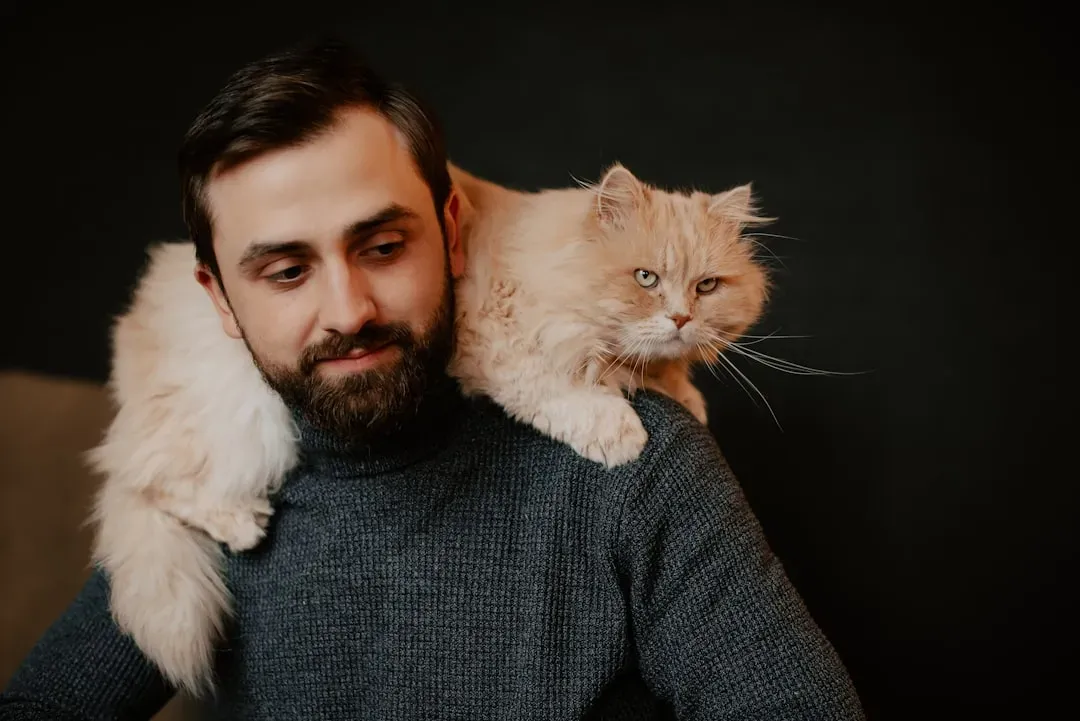
Cats live for fifteen years or more. That’s a long time. Are you prepared for the financial commitment of food, litter, vet bills, and unexpected emergencies? Some breeds are predisposed to specific health conditions that require monitoring and potential veterinary expenses, with Persian cats potentially developing respiratory issues due to their flat faces, while Maine Coons can be prone to heart conditions.
Honestly, it’s easy to romanticize the idea of cat ownership when you’re cuddling a purring furball at the shelter. The reality includes cleaning litter boxes, dealing with hairballs, and managing behavioral quirks. It also means being there through illness and old age. Think about your future plans too. Will you be moving? Starting a family? Changing careers? Your cat will need to fit into all of those scenarios. This isn’t meant to discourage you, just to encourage thoughtful planning. A cat is not a short-term commitment, and they deserve someone who’s in it for the long haul.
Conclusion
Choosing the right cat isn’t about finding perfection. It’s about finding compatibility. When you take the time to ask yourself these seven questions, you’re setting both you and your future feline friend up for a lifetime of happiness together. The cat that fits your lifestyle, energy, and household dynamics will become more than a pet. They’ll become family.
So take a breath, be honest with yourself, and trust the process. The right cat is out there waiting for you. What kind of feline companion do you think would suit your life best?