You might think your feline friend is one of those water-hating creatures who runs at the first sign of moisture. Yet here you are, watching them paw at the bathroom faucet for the third time today, or catching them sitting patiently by the kitchen sink like they’re waiting for something magical to happen. The truth is, many cats have a surprisingly complex relationship with H2O that goes far deeper than most pet owners realize.
Whether your kitty loves splashing in their water bowl or demands you turn on the tap every time they hear running water, there are fascinating reasons behind these behaviors. Some stem from ancient survival instincts, while others reveal just how incredibly sensitive and intelligent our furry companions really are. Let’s dive in and discover what might make your cat a secret water enthusiast.
Moving Water Triggers Their Primal Hunting Instincts
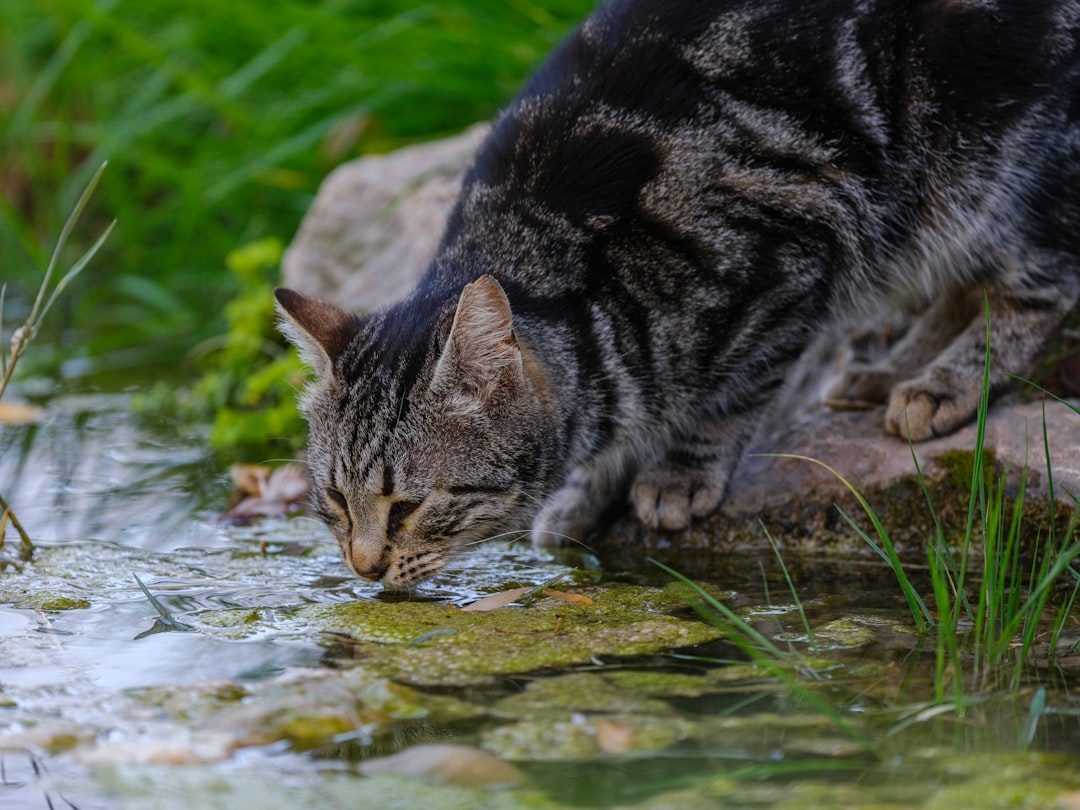
Here’s the thing about cats: they’re hardwired to notice anything that moves, and flowing water creates exactly the kind of motion that catches their predatory attention. They are also instinctively more inclined to chase something that moves. The shimmer and ripple of running water can activate the same neural pathways that make them pounce on feather toys or laser dots.
It’s honestly fascinating when you think about it. This is because cats are intrigued by the noise and reflection that moving water makes, which activates their prey drive, according to Reader’s Digest. Your cat isn’t just drinking; they’re engaging with what their brain interprets as potential prey, making the whole experience far more stimulating than lapping from a still bowl.
Their Survival Instincts Scream “Fresh Water Only”
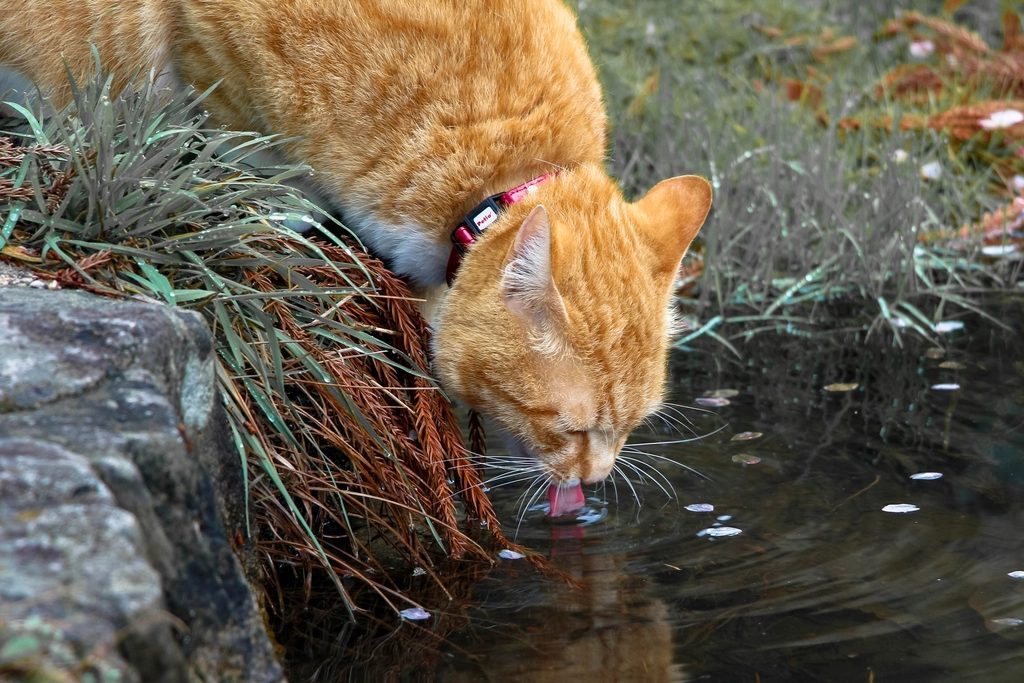
They naturally look for fresh, flowing streams to drink from. Running water is generally cleaner and safer than stagnant pools, which could be contaminated or harbour disease. This preference isn’t just pickiness; it’s an evolutionary advantage that kept their wild ancestors alive in harsh environments where contaminated water meant death.
Think about it from your cat’s perspective. In the wild, cats look for running water because they know that while motionless water might look “safe,” it usually isn’t. Motionless water can carry germs, bacteria, and diseases that can make a cat very ill. Even though your house cat has never seen a contaminated pond, those ancient warning systems are still firing away in their brain every time they approach their water bowl.
The Sound of Running Water Is Like a Dinner Bell
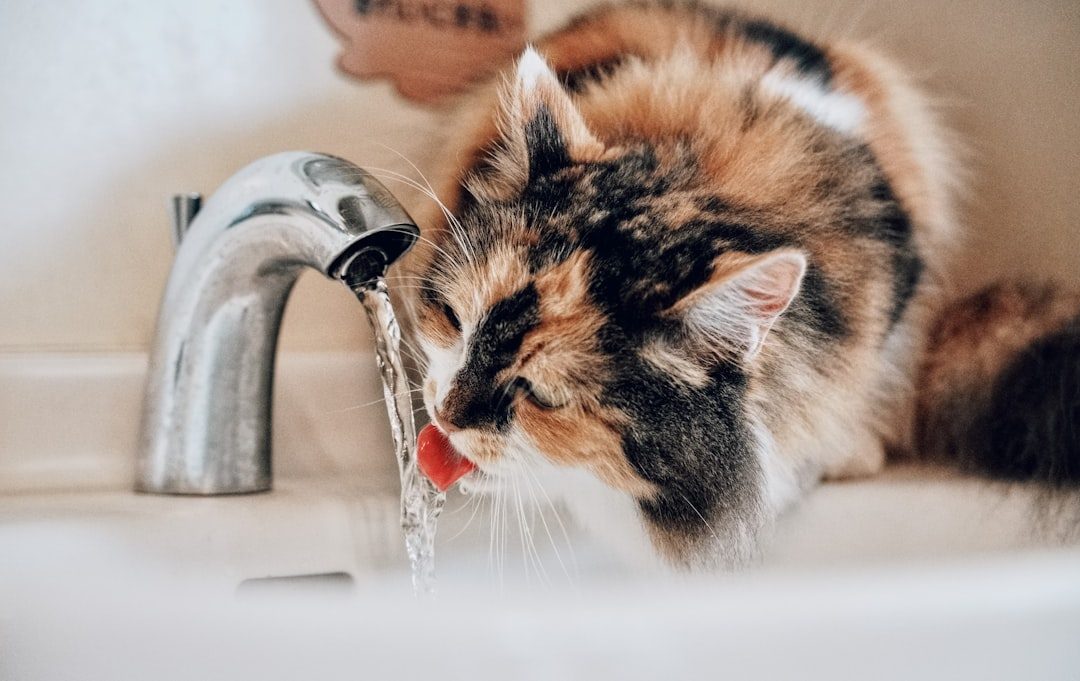
Cats don’t just see movement in water; they hear it too, and that sound triggers something deep in their programming. In fact, cats will instinctively go toward the sound of running water because they know it’s a fresh, clean source. It’s like nature’s own advertisement system, broadcasting “safe drinking water available here” in a language cats understand perfectly.
It also creates a specific sound that cats (and humans) know very well. Cats can hear the water, sense its movement, and even paw at it for some stimulation. I know it sounds crazy, but your cat might actually be more sophisticated than you thought, using multiple senses to evaluate their hydration options before making a decision.
Whisker Sensitivity Makes Bowls Uncomfortable
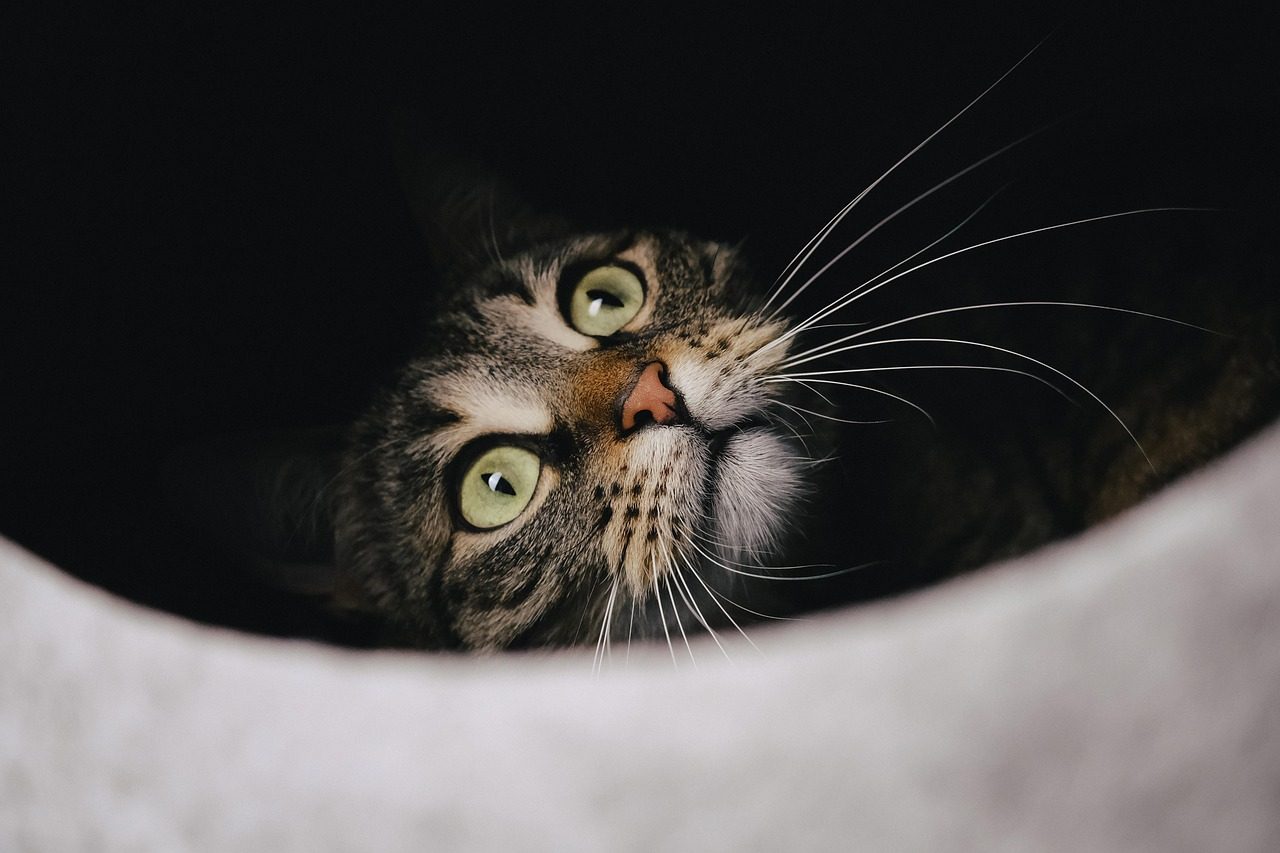
Let’s be real about something most people don’t consider: your cat’s whiskers are incredibly sensitive sensory organs, not just cute facial accessories. The Cat Hospital of Tucson explains that cats’ whiskers are intricate touch receptors connected to their nervous system. When your cat goes to drink water out of her bowl, her whiskers may touch the bowl and the water itself; this can stress or overstimulate kitty and lead to what is known as “whisker fatigue.”
Running water from a faucet eliminates this problem completely. The bowl could be too small, and when they try to get a drink, it pushes or otherwise presses on their whiskers, which your cat might not appreciate. When taking a sip from running water, there’s no bowl to get in the way and give their whiskers any problems. Suddenly, their faucet obsession makes perfect sense, doesn’t it?
Water Entertainment Value Is Higher Than You Think
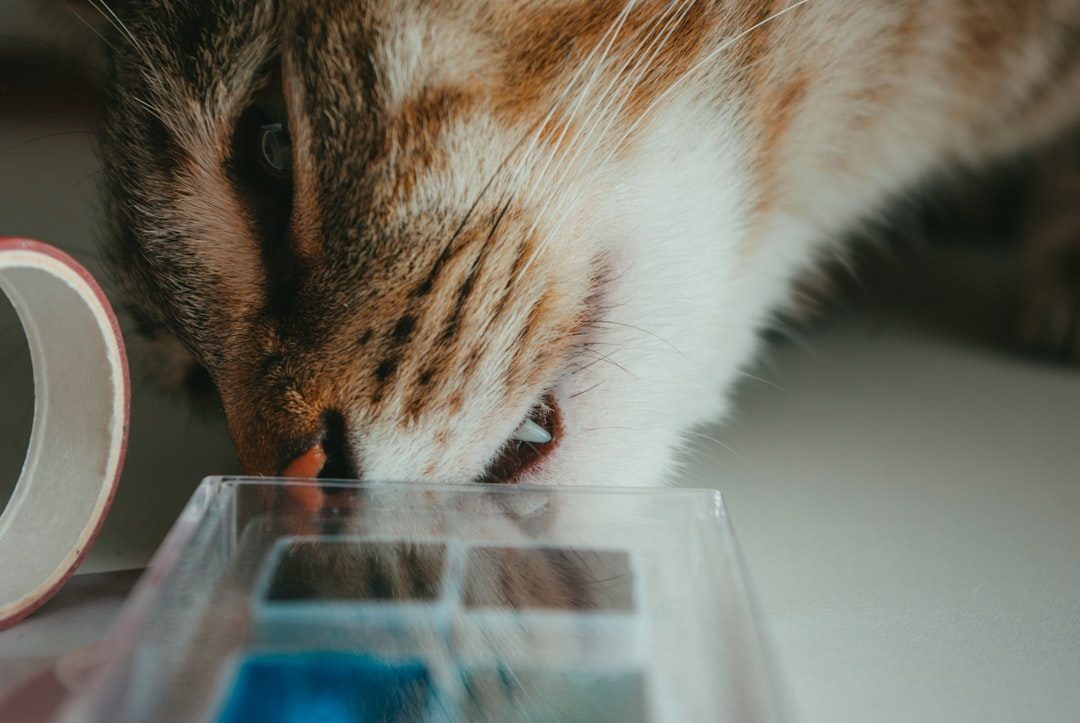
Cats are natural entertainers of themselves, and moving water provides a surprisingly engaging show. Your cat might enjoy batting at running water from the faucet because it’s shiny and reflective, and because it moves quickly, much like their favorite toys do. And though they probably don’t enjoy being submerged in water, the feeling of running water against their paw might be surprising and interesting, prompting them to do it again and again.
The movement, sound and light reflections are stimulating and interesting to them. For some cats, running water is both a hydration source and a form of entertainment. Honestly, when you watch your cat mesmerized by a dripping faucet, you’re witnessing their version of binge-watching Netflix, complete with interactive features they can bat at with their paws.
Temperature Preferences Drive Their Water Choices
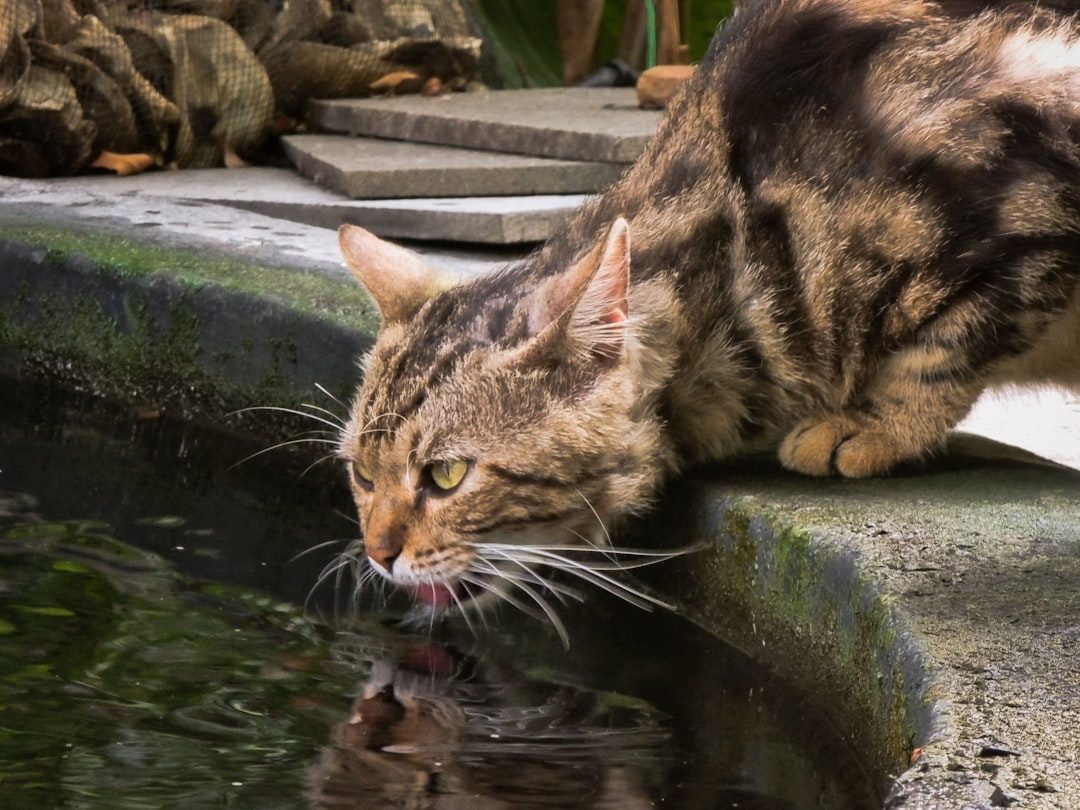
Most cats love cool or cold water, so they might not go near warm water. Even if water goes into a recirculating fountain cold, it will warm up to room temperature, and your cat might not want anything to do with it at that point. Running water from the tap maintains that refreshing coolness that cats crave, especially during warmer months.
It’s hard to say for sure, but many cats seem to have temperature standards that would make a sommelier proud. Running water often maintains a consistent cool temperature. Especially in warmer conditions, this water might be cooler than that in a stationary bow. Your cat might simply be a connoisseur who knows exactly what they want and won’t settle for anything less.
Some Cat Breeds Are Genetically Predisposed to Love Water
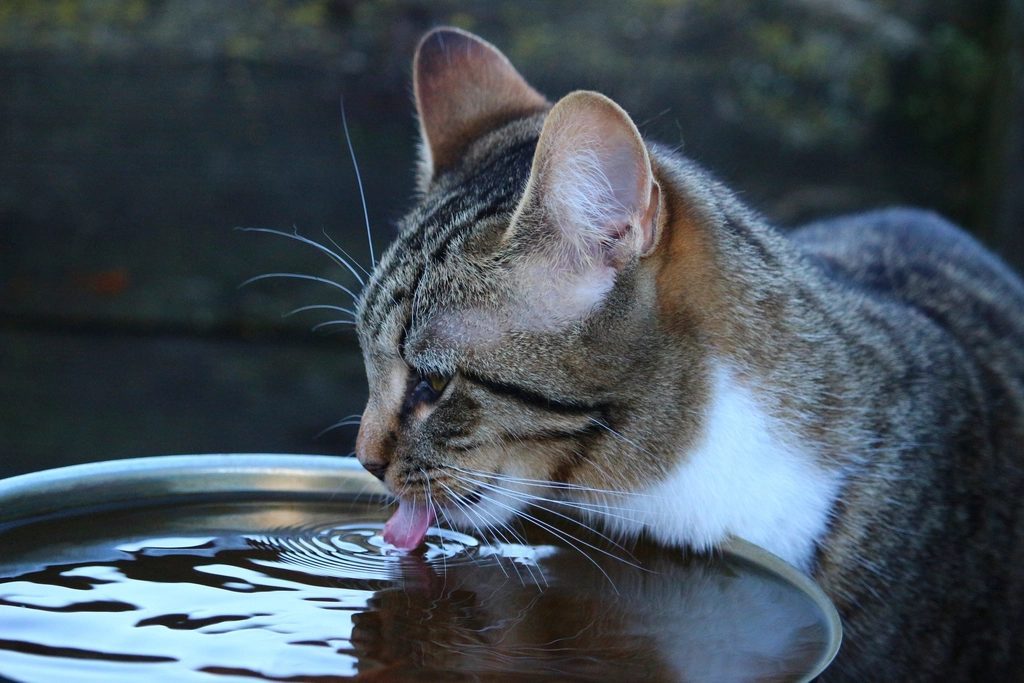
Not all cats are created equal when it comes to water preferences, and genetics play a bigger role than most people realize. These cats are fond of the water due to a variety of factors such as having water-resistant coats, ancestors who were known swimmers living near bodies of water, or just overall familiarity in their feline lineage with water. Certain breeds like Maine Coons, Bengals, and Turkish Vans have ancestral connections to water-rich environments.
So if you’re wondering what cats like water, then look no further than domesticated breeds like the Turkish Van, Turkish Angora, Norwegian Forest Cat, and Maine Coon, which are well-documented for their water affinity. You’ll also find that exotic hybrid cats like the Savannah and the Bengal are fans of splashing around in puddles of water too. If your cat belongs to one of these breeds, their water obsession might literally be in their DNA.
Conclusion
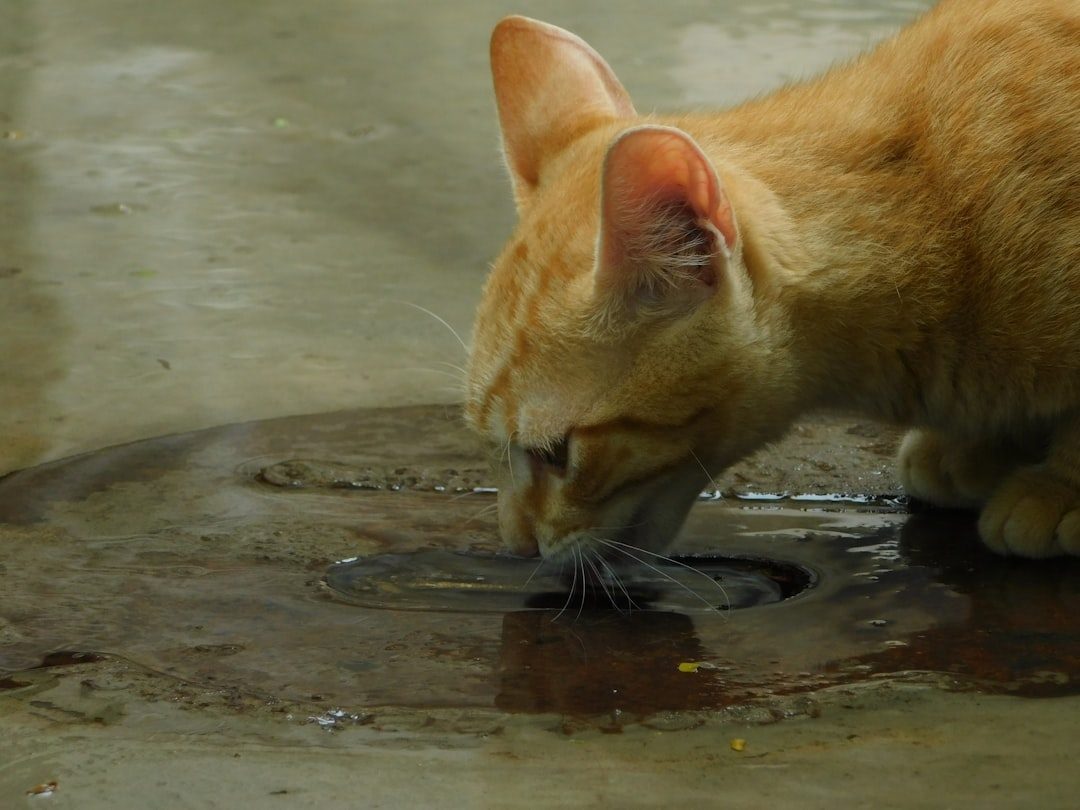
Your cat’s relationship with water is far more nuanced than the old stereotype of water-hating felines suggests. From evolutionary survival instincts to sensory sensitivities, there are legitimate reasons why your furry friend might prefer the kitchen faucet over their perfectly good water bowl. Whether they’re responding to ancient programming that associates moving water with safety, seeking entertainment from splashing droplets, or simply avoiding the discomfort of whisker fatigue, their behavior makes perfect sense once you understand the science behind it.
The next time you catch your cat staring intently at running water or demanding you turn on the tap, remember that you’re witnessing thousands of years of feline evolution in action. What do you think about your cat’s water habits now? Tell us in the comments!