Most people assume they are the ones doing all the teaching in a household. You set the rules, you stock the pantry, you decide what goes on the living room couch. But if you share your home with a cat, here’s a secret that science has been quietly confirming for years: your cat is studying you. Every single day.
It might not stare back at you with the wide-eyed devotion of a golden retriever, but that cool, half-lidded gaze means something. Your cat is cataloguing your habits, mirroring your moods, and picking up on cues you did not even know you were sending. The relationship between a cat and its person is far more layered and intelligent than most of us give it credit for. Curious to find out just how much your cat has learned from you? Let’s dive in.
1. Your Daily Routine Becomes Their Daily Routine
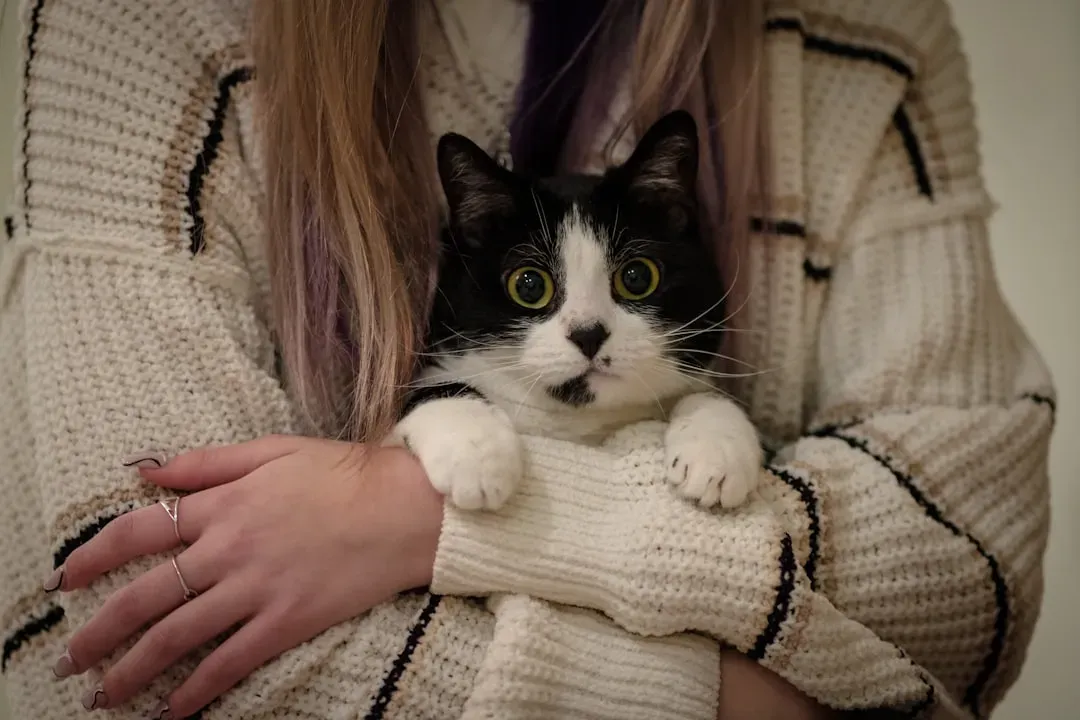
There is something almost uncanny about a cat that already sits by the food bowl before you have even thought about feeding time. It is not magic. It is memory, observation, and a little bit of genius. Over time, cats mirror the lives of their owners, with their eating, activity, and sleeping patterns growing remarkably similar to yours. Think of your cat as a furry shadow that has memorized your entire weekly schedule better than you have.
Cats can pick up on routines and habits, and if you consistently go to bed at a specific time, it will not be long before your cat starts to anticipate bedtime as well. This is not coincidence. They watch and learn from us, noting the patterns of our actions, including knowing where their food is kept and what time to expect to be fed. Your cat has essentially built its own internal clock around your movements, and that is honestly impressive.
2. How to Communicate – Especially With You
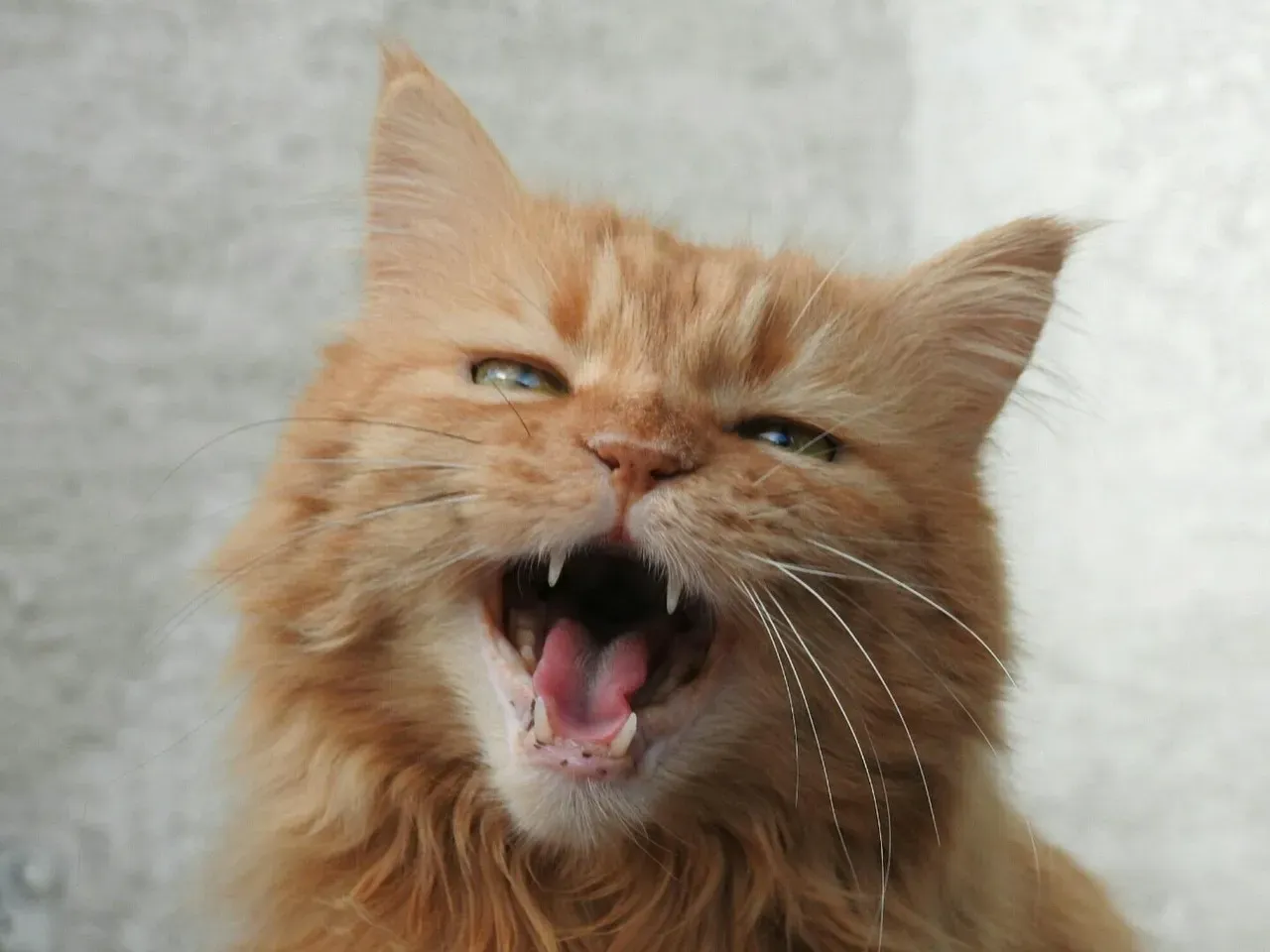
Here is something that genuinely surprised me when I first came across it: adult cats do not really meow at other cats. They mostly meow at us. Kittens use meows to communicate with their moms, but grown cats employ them solely to communicate with humans. This means your cat has essentially developed a personalized communication style shaped entirely by its relationship with you.
Cats learn specifically how their owners react when they make particular noises. So if a chirpy little meow at 6 a.m. reliably gets you out of bed to fill the food bowl, your cat has filed that information away permanently. They are much smarter than we give them credit for – they learn what works with what person, and they know if someone in the family is prone to get up at 4 a.m. and give them treats. Let’s be real: your cat has you figured out on a level that might be mildly humbling.
3. Your Emotional State Shapes Their Behavior
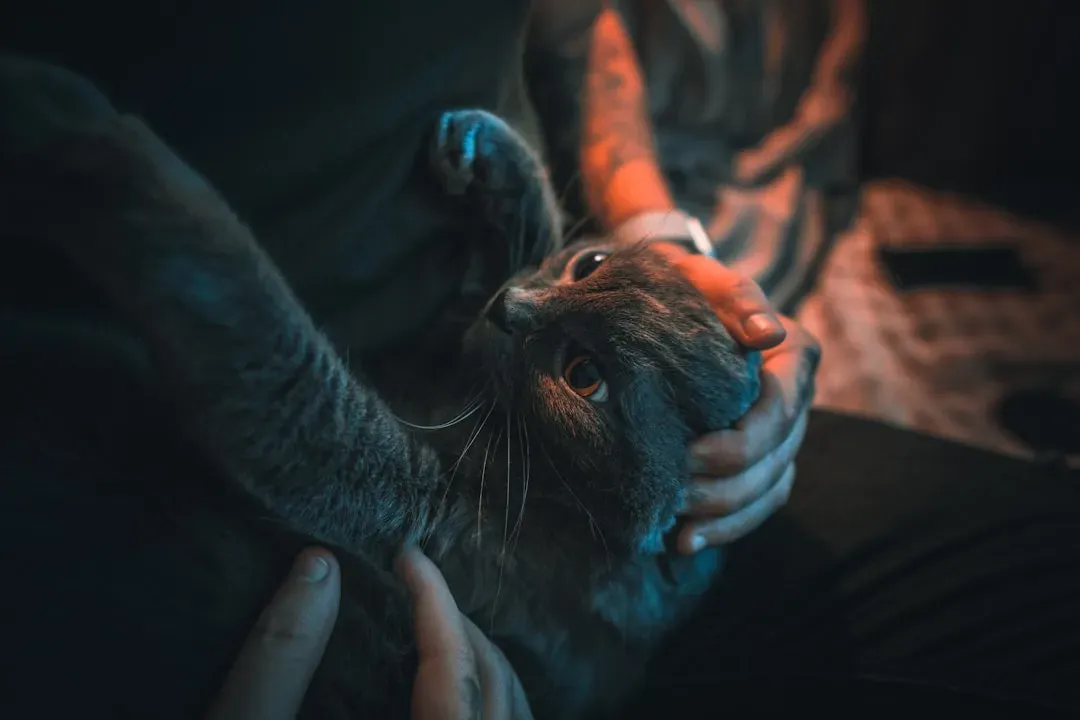
You might have noticed your cat gravitating toward you on your worst days. That is not random. Cats can detect and mirror their owners’ emotional states, becoming more affectionate when their owner is sad, more energetic when their owner is happy, or anxious when their owner is stressed. It is like living with a small, furry emotional barometer that never lies.
Research has shown a significant transmission of emotions between owners and cats – during experiments, cats not only repeatedly looked at their owners as if searching for guidance, but in the vast majority of cases they also mirrored the owner’s emotion. A published study in Animal Cognition confirmed that cats whose owners expressed positivity were more likely to move toward unfamiliar objects, while cats whose owners appeared frightened were less likely to approach and searched frantically for a way out. Your emotional energy is quite literally shaping how your cat experiences the world.
4. Personality Traits – The Ones You Never Intended to Teach

This one will make you pause. Research published in Applied Animal Behaviour Science indicated that many personality traits exhibited by cats, including arrogance, curiosity, excitability, timidness, and friendliness, often apply to the humans with whom they spend substantial amounts of time. In other words, your cat is not just learning your schedule. It is learning your personality.
Studies show that cats replicate traits like extroversion, openness, neuroticism, and emotional stability. That bold, fearless cat who investigates every grocery bag the moment it lands on the floor? It probably has a bold, curious owner. One study conducted in the UK revealed that cats and humans influence each other’s behaviors and may adopt certain personality traits – and the data revealed that cat owners who scored higher in neuroticism tended to own cats with behavioral problems. The resemblance between a cat and its owner runs deeper than most people ever imagine.
5. Reading Your Body Language and Facial Expressions
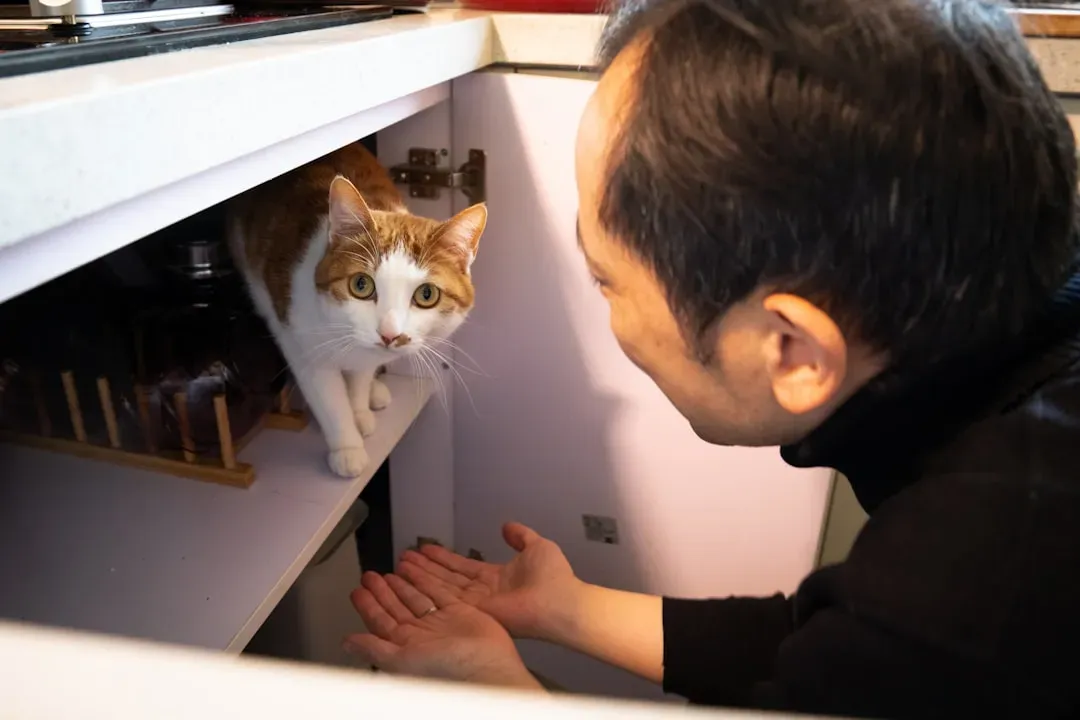
Your cat knows the difference between your “happy face” and your “frustrated face.” That is not anthropomorphism talking. Research demonstrates that cats integrate visual and auditory signals to recognize human and conspecific emotions, and they appear to modulate their behavior according to the valence of the emotion perceived. Essentially, your cat is reading you the way you might read a book – cover, tone, and all.
Cats respond more positively to their owners when they express facial and postural signals of happiness rather than anger, and they are more likely to engage in positive behaviors and spend a longer time in contact with their owners when those owners appear happy. There is also compelling research showing that cats can detect human emotions through scent, particularly fear, suggesting they may understand us more than we ever realized. Honestly, next time you think your cat is ignoring you, it might just be quietly reading the room.
6. Imitation – The Sincerest Form of Feline Flattery
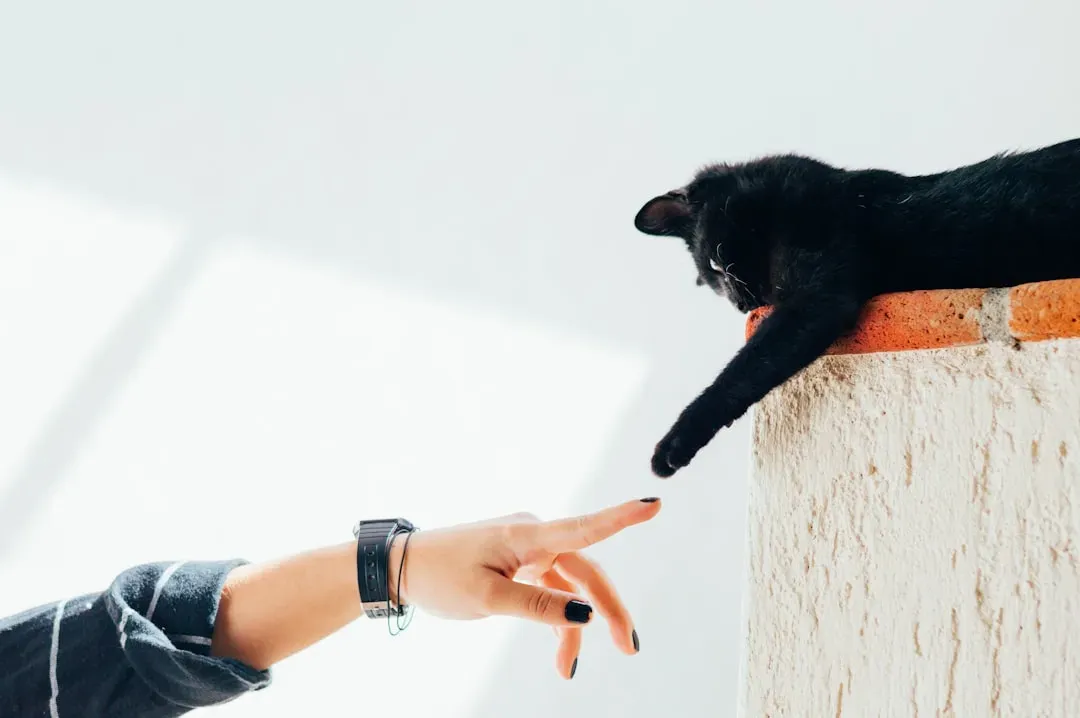
Researchers have actually documented a cat imitating human actions under controlled scientific conditions. A Japanese feline named Ebisu was shown to imitate her owner’s actions in a controlled scientific setting – an ability that had only been seen in a handful of creatures, and a finding that could suggest imitation arose relatively early in mammal evolution. This was groundbreaking. Before Ebisu, most scientists were skeptical that cats could imitate at all.
People tend to think of cats as solitary and antisocial, but this research reinforces the idea that they are watching us and learning from us. In addition to this, cats are adept at observational learning, meaning they can learn by watching the actions of other cats or humans – for example, a cat may learn how to open a cabinet door by observing its owner doing so on multiple occasions. So if your cat has suddenly mastered a skill you would rather it not have, you may have accidentally taught it yourself.
7. How to Seek and Give Comfort
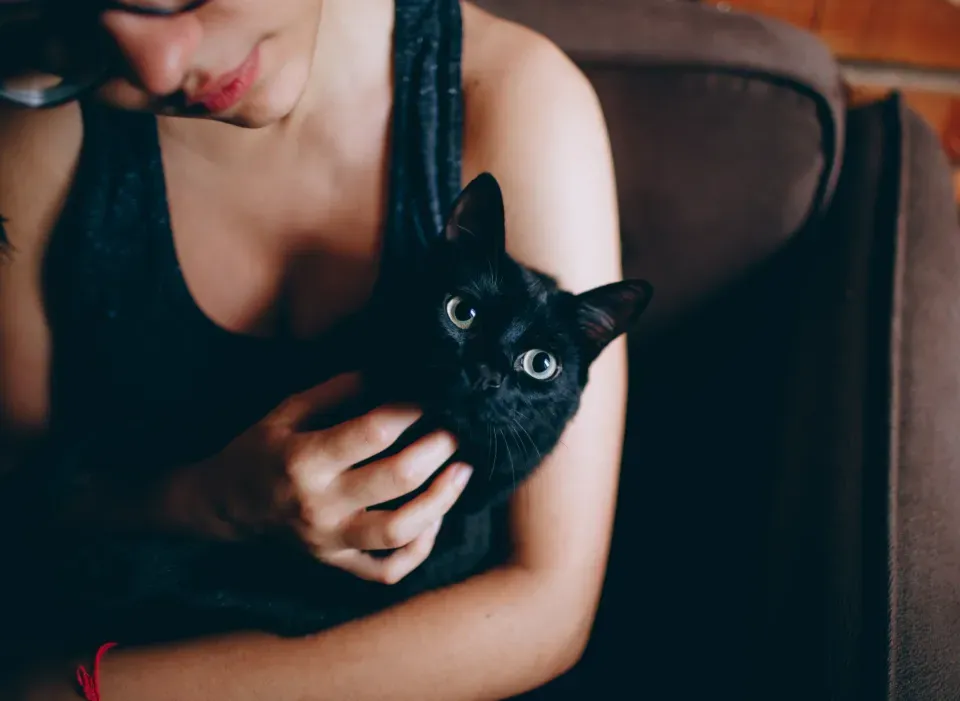
When researchers placed cats and their owners in an unfamiliar room and then had the owners briefly leave, cats with the strongest owner relationships – more than half of both groups tested – more easily overcame the initial stress of being alone, and once their favorite human returned, they needed only a few minutes to calm down and resume exploring. Your presence is, quite literally, your cat’s anchor. That is a kind of learned comfort that runs very deep.
Mirroring creates shared experiences and synchronized routines that foster emotional connection, and when cats mirror their owners’ behaviors, it demonstrates trust and social attachment, leading to stronger bonds and better communication. Imitating their owners is a sign they feel comfortable with their human – they see you as someone to keep them safe and protect them like a parent would, and by mimicking your traits and habits, they are showing they deeply care. There is something quietly beautiful about that, if you think about it.
Conclusion
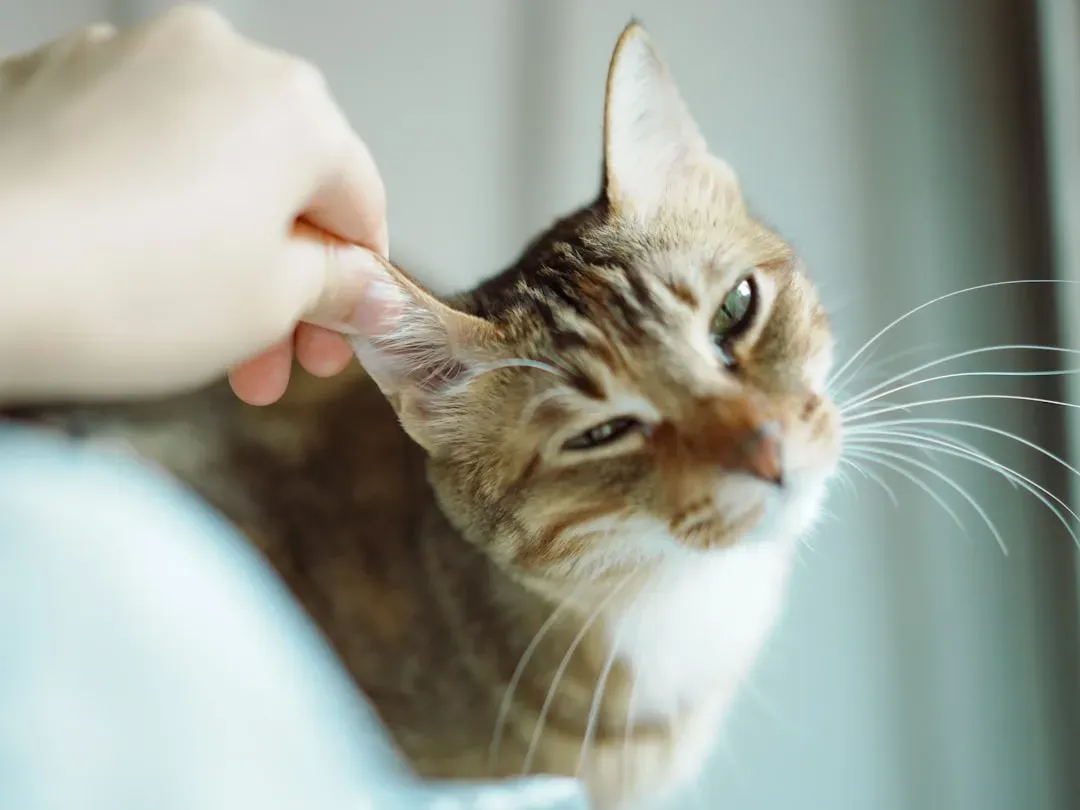
Your cat is not the detached, independent creature that popular culture loves to mock. It is a perceptive, emotionally intelligent animal that has spent every waking moment (and probably a few sleeping ones) absorbing who you are. Your schedule, your moods, your voice, your personality, and even your nervous habits have shaped the animal curled up on your couch right now. That is a remarkable kind of relationship.
The science is clear, and it keeps growing. These findings challenge the stereotype of cats as indifferent to human emotions – while they may not express their attachment in the same overt ways as dogs, cats are clearly tuned into the emotional states of their humans. So the next time your cat stares at you from across the room with that inscrutable look, just remember: it has been paying closer attention to you than almost anyone else in your life. What does your cat seem to have learned from you? Drop a comment below – we would genuinely love to know.