If you share your home with a cat, you already know there is something deeply deliberate about the way they move through the world. They are not spontaneous creatures. They do not do “winging it.” Your cat has a schedule, a preferred spot, a preferred route from the sofa to the food bowl, and frankly, they would appreciate it if you did not rearrange the furniture ever again. Thank you very much.
What many pet owners do not realize is how deeply rooted this love of home and habit actually is. It goes far beyond simple quirks or personality. There is genuine biology at work here. Wild cats, the ancestors of your domestic companion, survived through strictly regulated daily patterns of hunting, eating, and resting. This biological programming remains deeply ingrained in modern house cats, showing up as a strong preference for predictable daily schedules. So if your cat is a total homebody who panics when you move their water bowl two inches to the left, there are real reasons for that. Curious which signs to look for? Let’s dive in.
Your Cat Greets You at the Exact Same Time Every Day
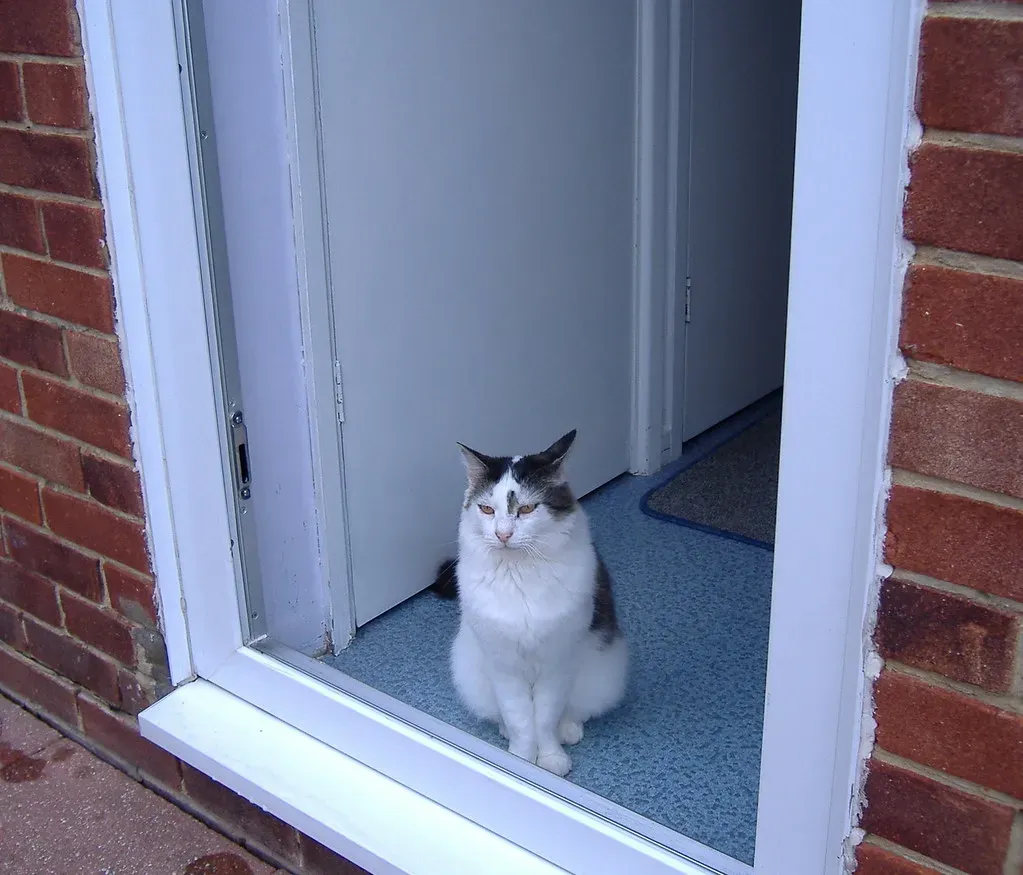
You walk through the door at 6:15 PM and your cat is already waiting. Not because they heard your car. Not because they got lucky. They genuinely tracked the time. Cats wake their owners at consistent times because they have learned to associate these actions with receiving food or attention, and their internal biological clock and ability to track routines make them remarkably good at this. It is honestly a little eerie how precise they can be.
Research shows that cats do not perceive time through clocks the way humans do, but rather through episodic memory and environmental cues. These cues help them anticipate and prepare for important daily events, such as feeding times or play sessions. So when your cat is sitting right there at the front door, tail up, staring at you with that “you are three minutes late” energy, they are using a whole internal system to make that happen. Impressive, honestly.
They Have a Dedicated Spot for Everything
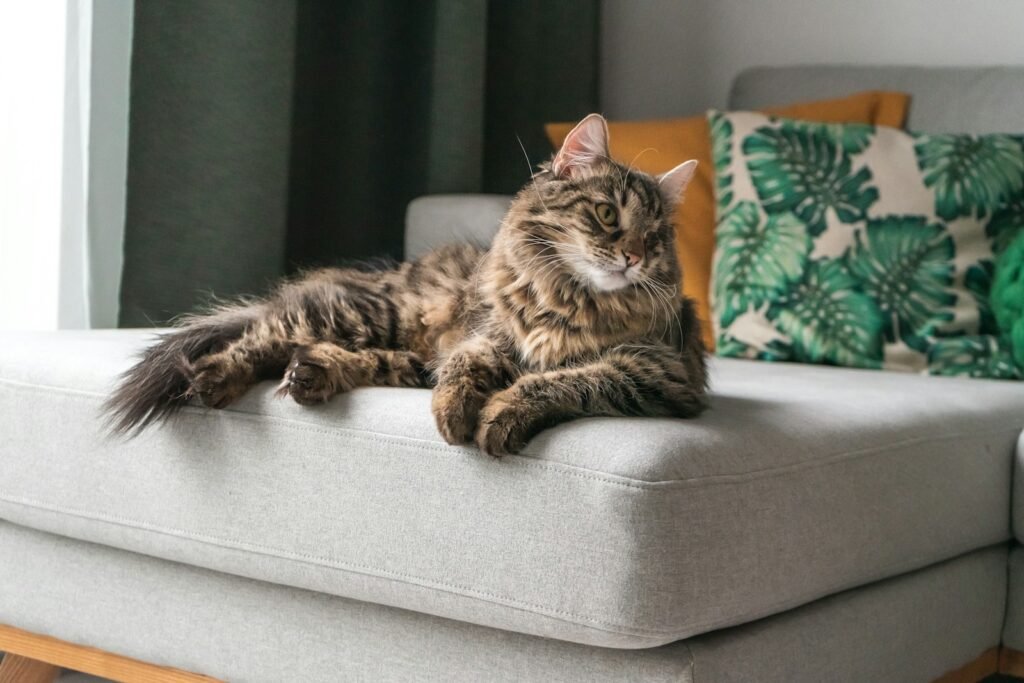
The sunny patch on the left side of the couch is for morning napping. The corner of the bedroom rug is for evening grooming. The exact same chair cushion is for watching you cook. Sound familiar? Cats thrive on routine and familiarity, and their world revolves around their territory, including the scent of their favourite blanket, the sunny spot on the windowsill, and the quiet corner where they curl up each evening. These are not random choices. They are deliberate, mapped-out decisions.
Long before they became our beloved household companions, cats were solitary predators with their days revolving around hunting and protecting their territory. Maintaining territory was of particular importance because having a well-defined space to roam essentially guaranteed plenty of meals. As such, a cat’s routine would involve daily territory marking and ensuring the environment was predictable and secure. Your cat claiming the same corner of the couch every single day is, in its own small way, an ancient survival instinct playing out in your living room. Pretty wild, right?
They Protest Loudly When Their Feeding Schedule Shifts Even Slightly

Let’s be real. If you have ever tried to sleep in on a Saturday while your cat expects breakfast at 7:00 AM sharp, you know exactly what this sign looks like. It usually involves something heavy being knocked off a nightstand. Cats want to be fed at regular hours. If you get up and immediately feed your cat each morning, she gets into a routine and starts to expect to be fed within minutes of your waking up. If you delay, you can have one really upset cat.
The feeding schedule is perhaps the most significant example of an important routine for cats. Evaluating feeding times will affect your cat’s energy levels, behavior, and sleep schedule. It is not just about hunger, either. For a true homebody cat, a disrupted mealtime sends a small alarm through their entire system. Their routine is off, and they think something is wrong. That is why they come to climb on your head or give you a scratch. You have been warned.
They Get Noticeably Stressed When You Rearrange Anything
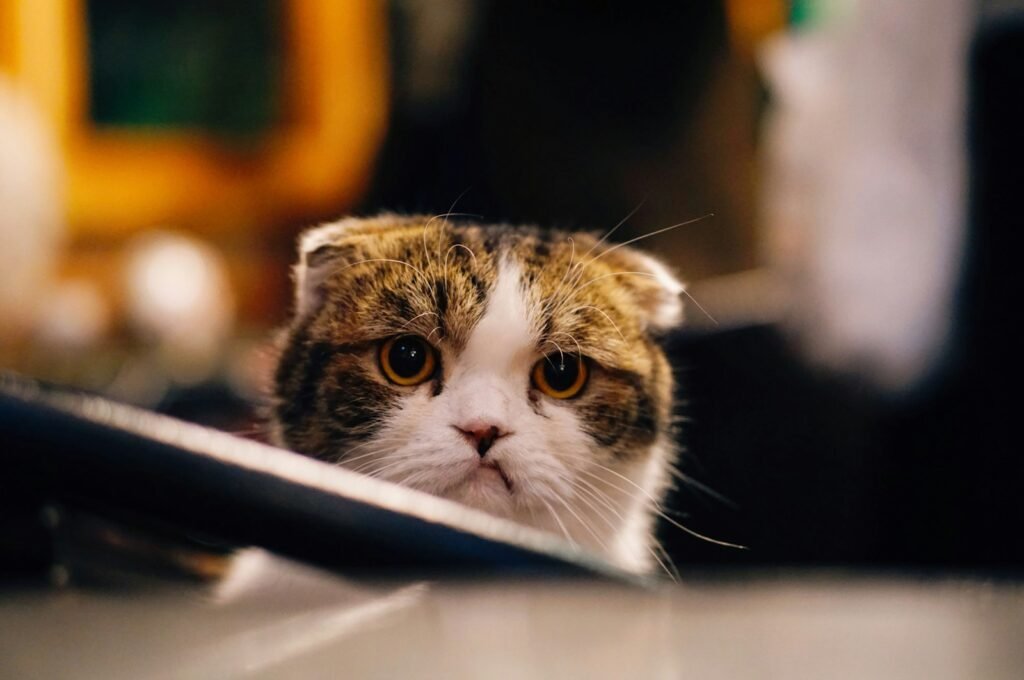
You moved the armchair. You switched the litter box to the other side of the bathroom. You bought a new rug. Your cat is now acting like you burned the house down. This is a textbook sign of a homebody who depends deeply on their environment staying predictable. In the wild, predictability was the difference between safety and danger. So domestic cats naturally seek out stability, structure, and signals they can trust. When a cat knows what to expect, they feel more relaxed and confident.
The domestic cats we live with today still possess much of the same habits as their wild ancestors. Routine instills a sense of safety and predictability, and without it, cats can often display signs of stress. This can manifest in ways including urine spraying, scratching furniture, or hiding. So next time your cat gives you the cold shoulder after you redecorate, understand that to them, you have essentially rewritten the rule book of the universe. A little dramatic, sure. Completely understandable, also yes.
Your Cat Has a Predictable Sleep Schedule They Follow Without Fail
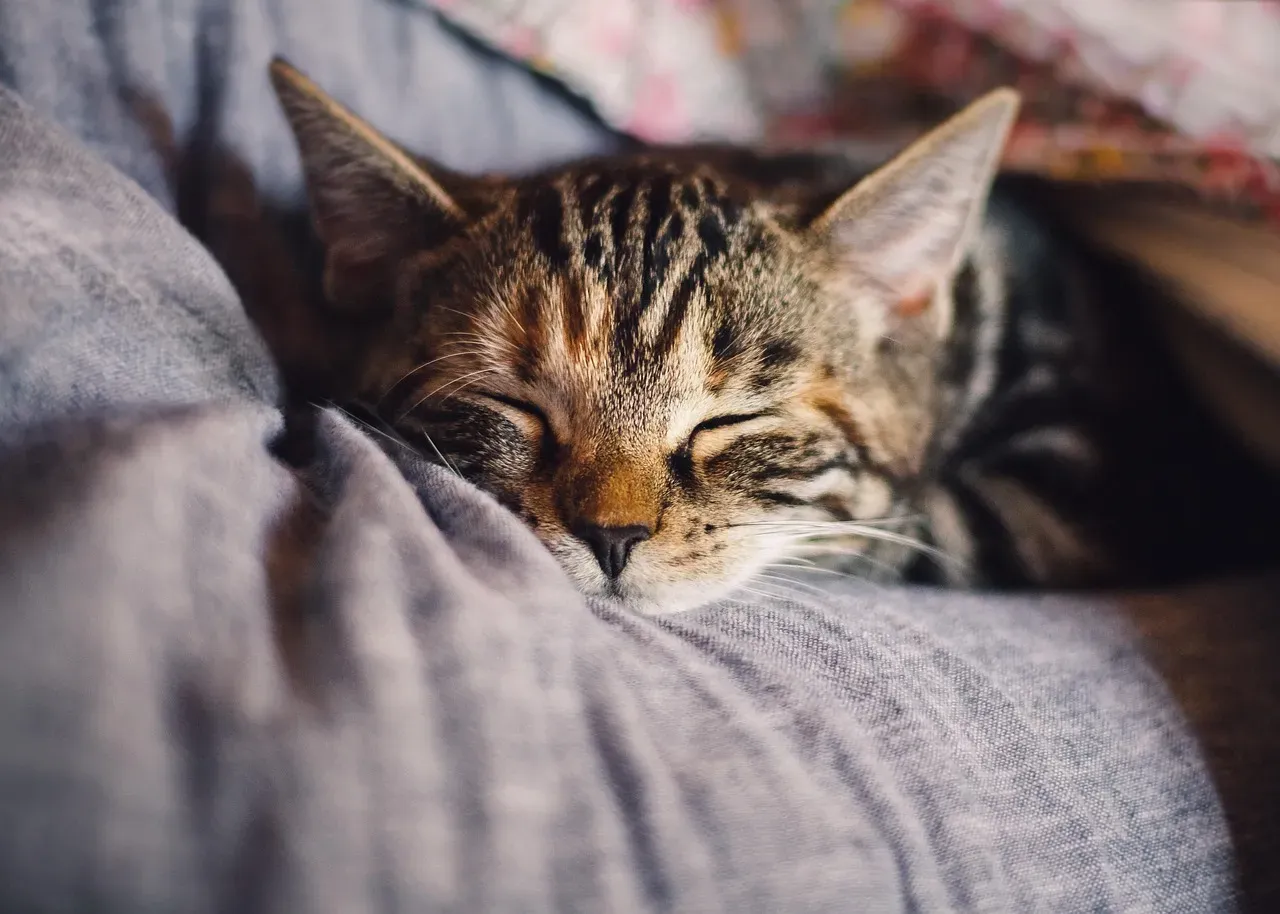
Morning nap from 9 to 11. Afternoon deep sleep from 2 to 4. Evening doze from 7 to whenever you turn the TV off. If your cat’s nap schedule is more reliable than your own work calendar, that is a true sign of a homebody in their element. Cats typically sleep between thirteen and nineteen hours per day, and they prefer to do so according to a consistent pattern. Respecting these rest periods helps prevent irritability and stress-related behaviors.
Going to bed at the same time every day is good for your cat and good for you too. Honestly, I think there is something we could all learn from that philosophy. A homebody cat who loves their routine will follow this sleep structure with remarkable consistency, and any disruption, like a house guest arriving or a loud party next door, will throw off their entire day. When cats can predict what happens next, they experience less stress and anxiety, leading to better overall health and behavior. Regular schedules for feeding, playing, and sleeping help maintain their biological rhythms and support proper digestion, sleep patterns, and emotional stability.
They Strongly Prefer Staying Home Over Going Anywhere
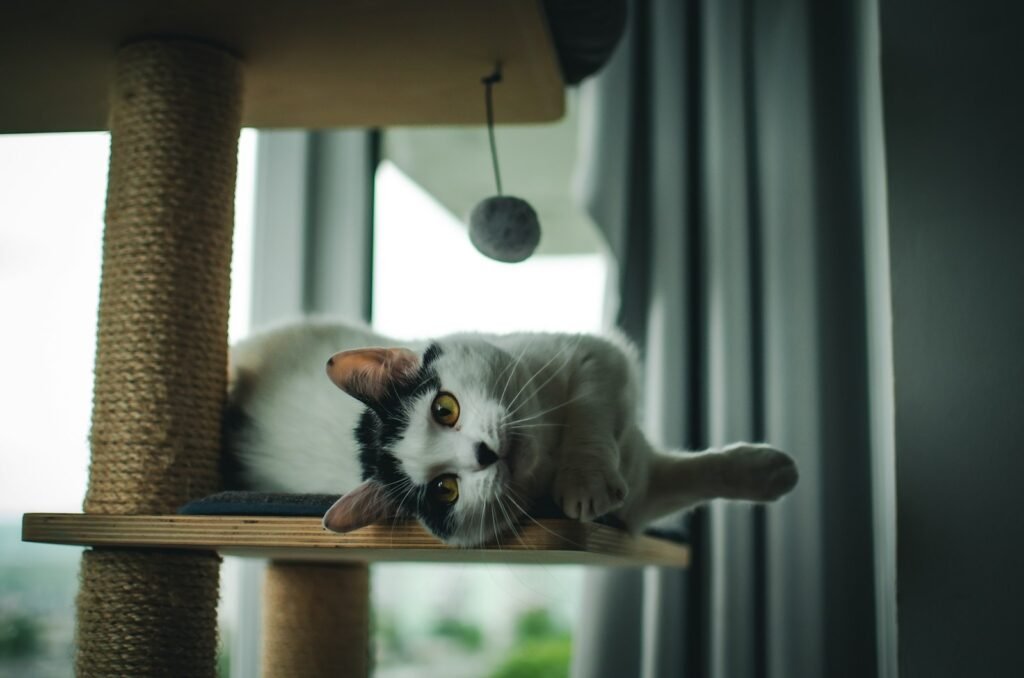
You have probably noticed that while some cats seem curious about the outside world, your cat looks at the open front door with the energy of someone who just wants to stay in and watch a movie. That is not laziness. That is deeply ingrained territorial loyalty. Because cats are such creatures of routine, they often prefer staying at home, as the smells and sounds in even the most relaxing boarding facilities can sometimes be stressful for cats.
Think of your cat’s home territory like a mental map they have memorized down to the tiniest detail. Every scent marker, every hiding spot, every sunbeam is accounted for. In the wild, cats even stay in the same geographical areas. That is why big changes at home can bother your cat so much, and why you should attempt to help them by maintaining a schedule so they can be happier and healthier. When you take a true homebody cat out of that carefully mapped environment, you are essentially erasing their entire cheat sheet. No wonder they resist it so strongly.
They React to Changes in Your Daily Routine Before You Even Leave the House
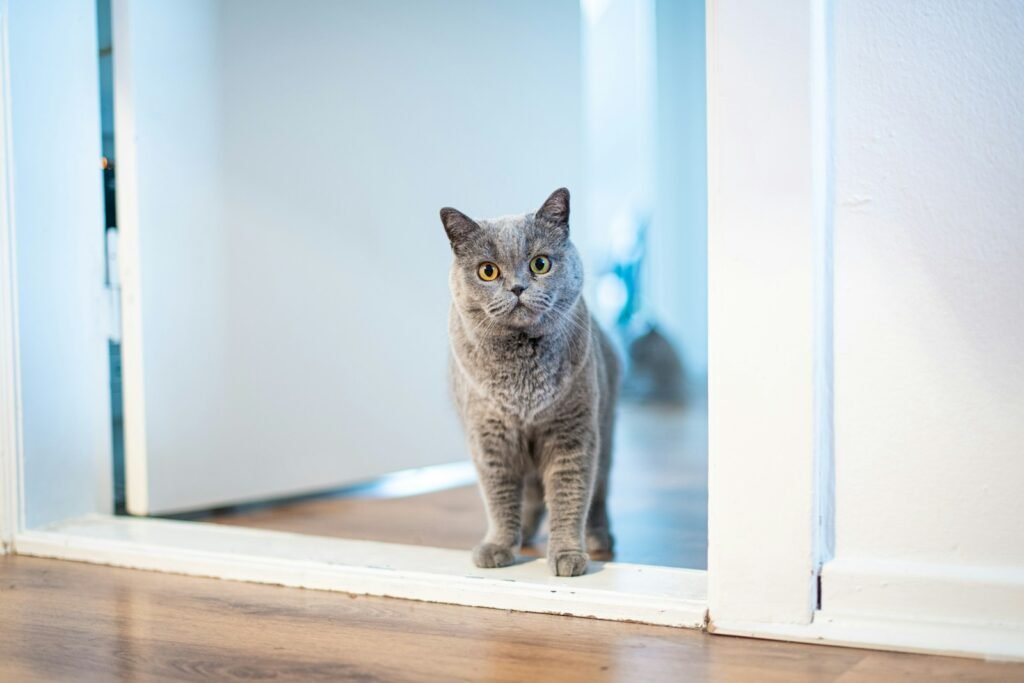
Here is the one that always surprises cat owners. Your cat knows you are going on a trip before you have even finished packing. They clock the suitcase coming out. They notice the shift in your morning energy. They read the room, and they are not happy about what they are reading. Cats see the routine you have of pulling out a suitcase and packing it. The act of preparing for travel is itself another routine, and they recognize it. It is almost unsettling how tuned in they are.
Some of the most important routines for your cat include how often and when you play and exercise together, the consistency of their diet, regular mealtimes, the normal noise and activity level in your household, and morning and evening rituals for your family and cat. A true homebody cat monitors all of this, quietly, from their perch. Regular routines are also an excellent way to stay aware of your cat’s health needs. When any part of the daily pattern shifts, your routine-loving cat will pick up on it immediately, often long before the actual change even happens. That is not just habit. That is devotion to the home they love.
Conclusion
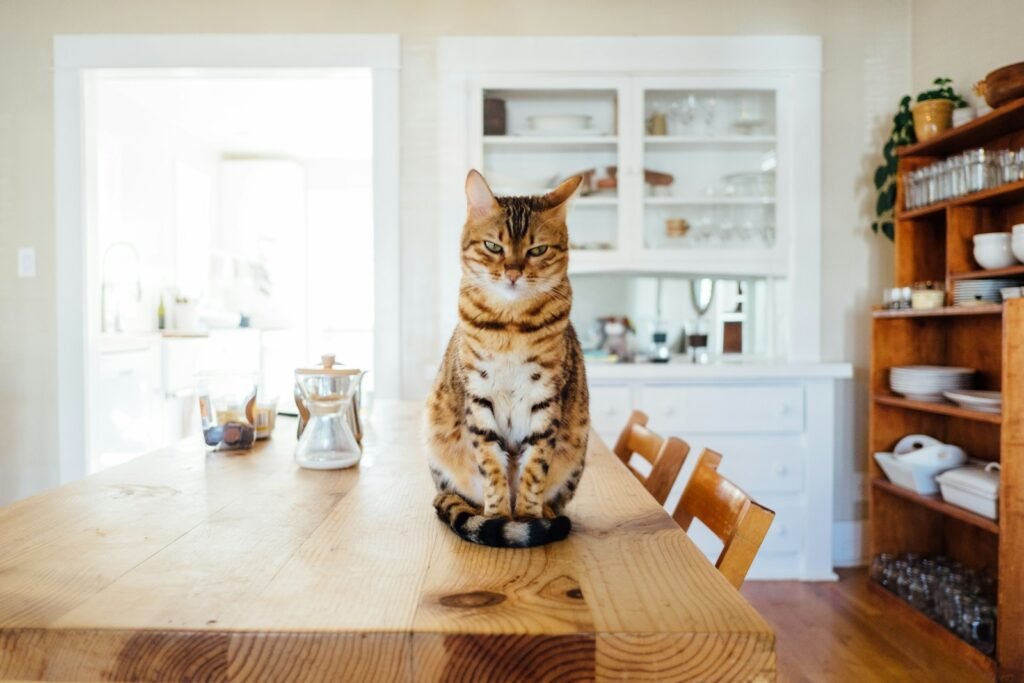
If you recognized your cat in most of these signs, congratulations. You are living with a full-on, committed, unapologetic homebody who has built their entire emotional world around the rhythms of your shared life. Far from being a boring trait, this love of routine is actually a sign of a deeply secure, well-adjusted cat. Regular routines just make life relaxed and comfortable for everyone in the household, including your cat.
The beautiful thing is that once you understand this about your cat, you can actually use it to deepen your bond. Keeping your cat in a routine is one of the best ways to establish a good relationship between you and keep them healthy. Cats do not like change. If you want to be a great pet parent, try to ensure their needs are met consistently each day. Your cat is not being difficult or dramatic when they react to disruption. They are simply asking for the one thing that makes them feel truly safe: a home that feels like home, every single day, without exception.
There is something quietly beautiful about an animal whose greatest wish is simply for tomorrow to look exactly like today. What do you think, does your cat run the tightest schedule in the household? Tell us in the comments!