Have you ever noticed your cat acting a little clingier when you return home after a trip? Maybe your furry friend suddenly won’t let you out of their sight or seems nervous every time you pick up your keys. Cats may seem cool and independent, but deep down, many of them fear being left alone—especially if you’ve been away before. The signs can be subtle or surprisingly dramatic. Let’s uncover the surprising ways your cat might be telling you, “Please don’t go again!”
Constant Following
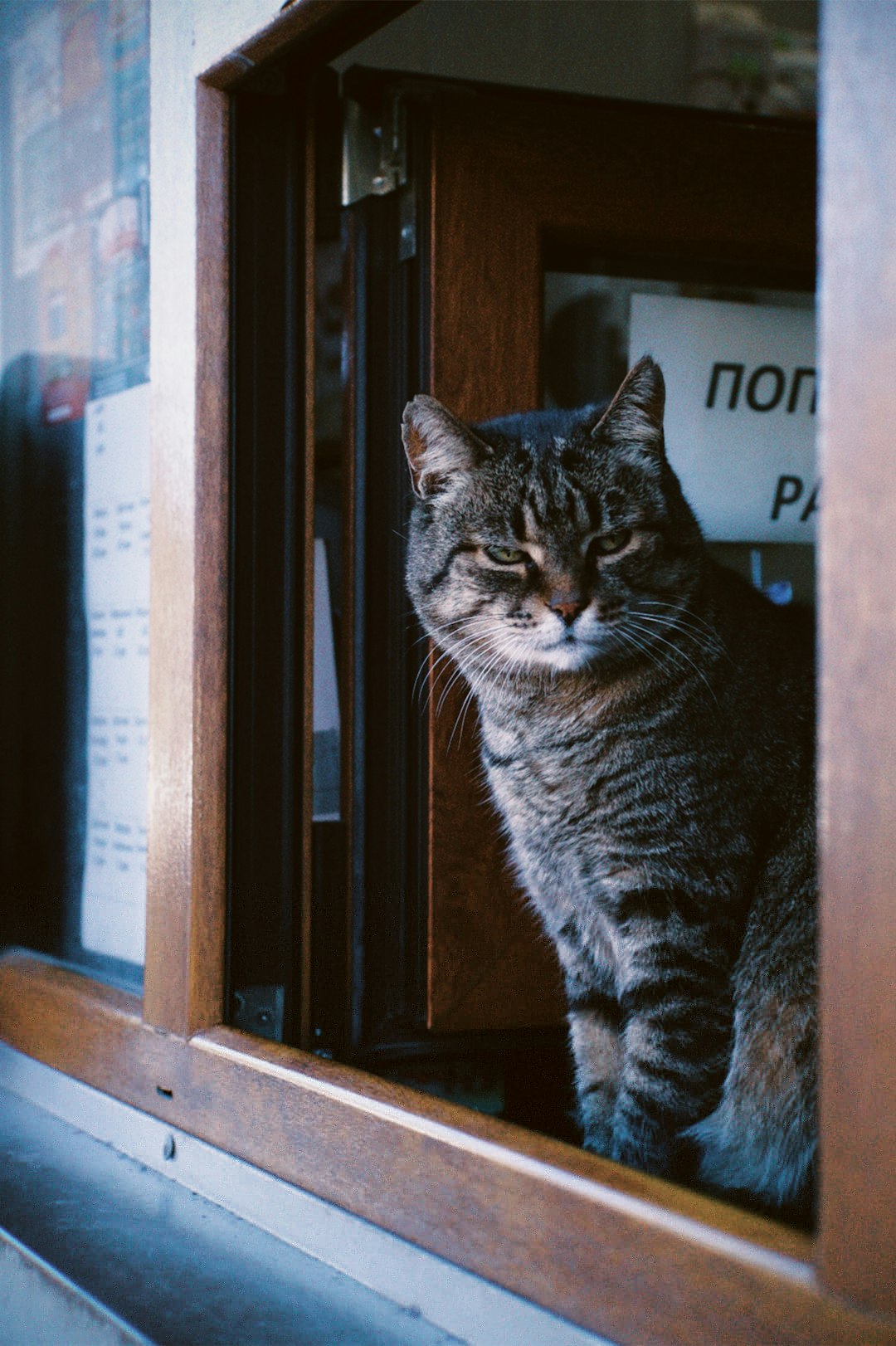
If you can’t walk from the kitchen to the living room without your cat trotting at your heels, it’s a strong sign they’re worried you’ll leave. This behavior often starts after you’ve been away, even for just a night or two. Your cat may even try to wedge themselves between you and the door, as if physically preventing your exit. Their eyes will track your every move, and you might find them waiting outside the bathroom or sitting on your suitcase. This isn’t just cute—your cat is trying to make sure you don’t disappear again. It’s almost as if they think, “If I stick close enough, maybe you won’t vanish!” For some cats, this shadowing behavior fades with reassurance, while for others, it can linger for days.
Excessive Meowing or Vocalization
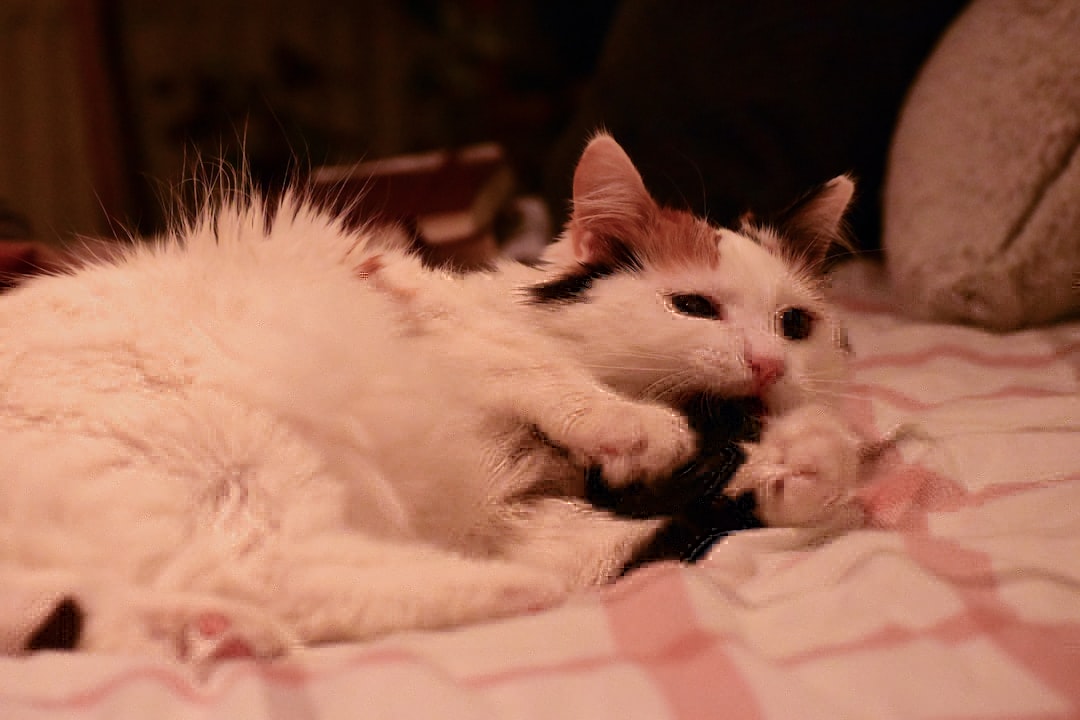
Cats are not always the silent, mysterious creatures we imagine. When anxious, some cats become loudly expressive. If your cat suddenly starts meowing, yowling, or chattering more than usual—especially when you’re about to leave or just return—it could be a plea for attention or a protest against your absence. These vocalizations can sound pitiful, urgent, or even demanding. Imagine coming home and being greeted by a parade of meows, as if your cat is reading you the riot act for daring to leave. This extra chatter is their way of communicating their worry and trying to keep you close. Some cats may even meow at night, adding to their owner’s guilt and concern.
Unusual Litter Box Habits
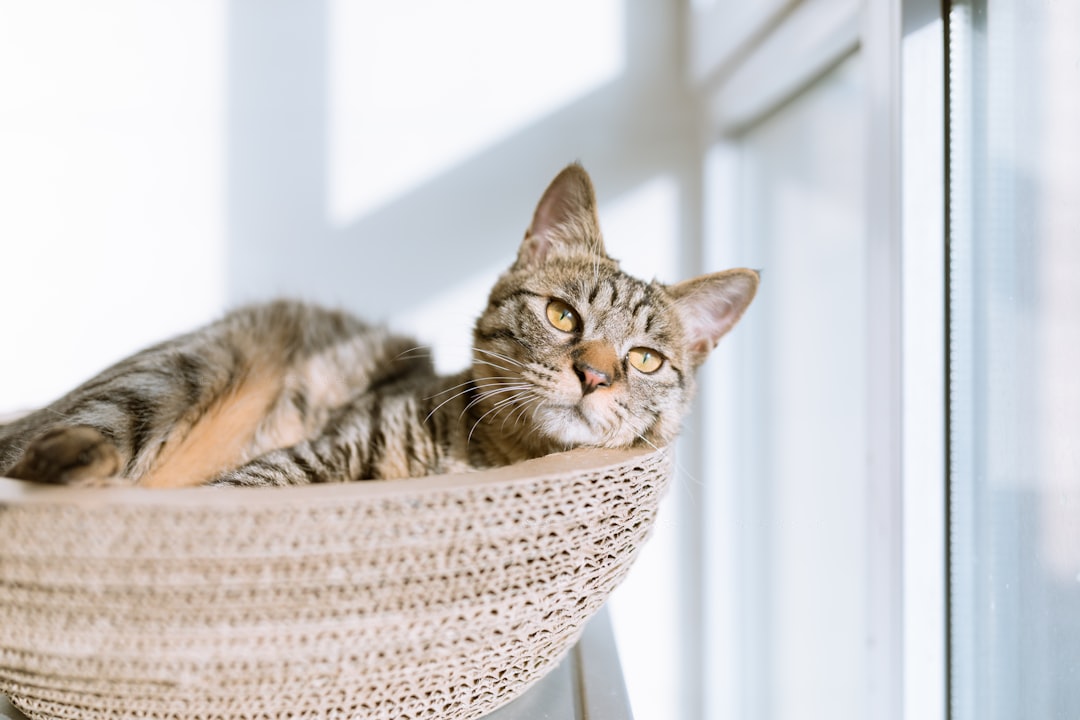
When cats feel anxious or fear abandonment, their routine can be thrown off—sometimes in unexpected and messy ways. If your cat starts missing the litter box or going in unusual places, it might be more than a simple accident. Stress can cause even the most well-behaved cats to act out, using their bathroom habits as a desperate signal. You might find a puddle near your suitcase or a surprise behind the couch. While frustrating, this behavior is a cat’s way of expressing distress or trying to get your attention. It’s their version of writing a message in bold letters: “I’m upset you left me!” Cleaning up may be a hassle, but understanding the emotion behind it is key.
Loss of Appetite or Eating Too Much
A sudden change in eating habits is a classic sign of emotional stress in cats. If your cat barely touches their food when you’re away—or gorges the moment you return—they may be coping with anxiety about your absence. Some cats lose their appetite when they feel insecure, skipping meals and acting uninterested in their favorite treats. Others might stress-eat, gobbling up food for comfort, almost as if eating will fill the void you left behind. Keep an eye on your cat’s food bowl; changes in eating patterns can be a subtle yet powerful sign they’re afraid you’ll leave again.
Destructive Behavior
Have you come home to shredded curtains or a toppled plant? Destructive actions can be a cat’s way of coping with overwhelming feelings of abandonment. Scratching furniture, knocking items off shelves, or tearing at rugs are all ways your cat might express their frustration and fear. It’s not that they want to be “bad”—they simply don’t know how else to process their emotions. This behavior can be especially pronounced in cats who have already experienced being left alone. Think of it as your cat’s emotional outburst, similar to a child throwing a tantrum. They want you to notice them and reassure them that you’re not going anywhere.
Over-Grooming or Self-Soothing
Cats are meticulous groomers, but excessive licking or biting at their fur can signal emotional distress. If you notice your cat grooming themselves until their fur is thin or bald in patches, it’s likely a sign of anxiety. Over-grooming is often a self-soothing technique, much like humans biting their nails when nervous. After a period of separation, your cat may ramp up this behavior, hoping to calm themselves. This can be heartbreaking to witness, as it’s a visible sign of your pet’s emotional turmoil. Gentle reassurance, extra playtime, and affection can help ease this tension for your feline friend.
Hiding More Than Usual
While some cats become clingy when they fear you’ll leave again, others retreat into hiding. If your cat is suddenly spending hours under the bed, in closets, or behind furniture, they may be overwhelmed by anxiety. Hiding is a natural feline response to stress, but when it intensifies after your absence, it’s a clear sign your cat is worried. You might notice they emerge only when you’re nearby, seeking comfort in your presence. This hiding behavior can be their way of protecting themselves from the pain of missing you. Patience and gentle encouragement can slowly coax them back into feeling safe and secure.
Suhail Ahmed is a passionate digital professional and nature enthusiast with over 8 years of experience in content strategy, SEO, web development, and digital operations. Alongside his freelance journey, Suhail actively contributes to nature and wildlife platforms like Feline Fam, where he channels his curiosity for the Feline into engaging, educational storytelling.
With a strong background in managing digital ecosystems — from ecommerce stores and WordPress websites to social media and automation — Suhail merges technical precision with creative insight. His content reflects a rare balance: SEO-friendly yet deeply human, data-informed yet emotionally resonant.
Driven by a love for discovery and storytelling, Suhail believes in using digital platforms to amplify causes that matter — especially those protecting Earth’s biodiversity and inspiring sustainable living. Whether he’s managing online projects or crafting wildlife content, his goal remains the same: to inform, inspire, and leave a positive digital footprint.