You’ve spent hours agonizing over throw pillow colors, rearranging furniture, and hunting for the perfect accent rug. You finally step back, cross your arms in satisfaction, and feel genuinely proud. Then your cat saunters in, stops dead in the middle of the room, slowly looks around, and gives you that look. You know the one.
Here’s the thing: cats are not passive occupants of your home. They are, in every sense, your co-inhabitants – and they have extremely strong opinions about how the place should feel, smell, look, and function. Most of us just laugh it off. Honestly, though, there’s a lot more going on behind those half-closed eyes than we give them credit for. Let’s dive in.
Sign #1: The Long, Slow, Withering Stare at Your New Furniture
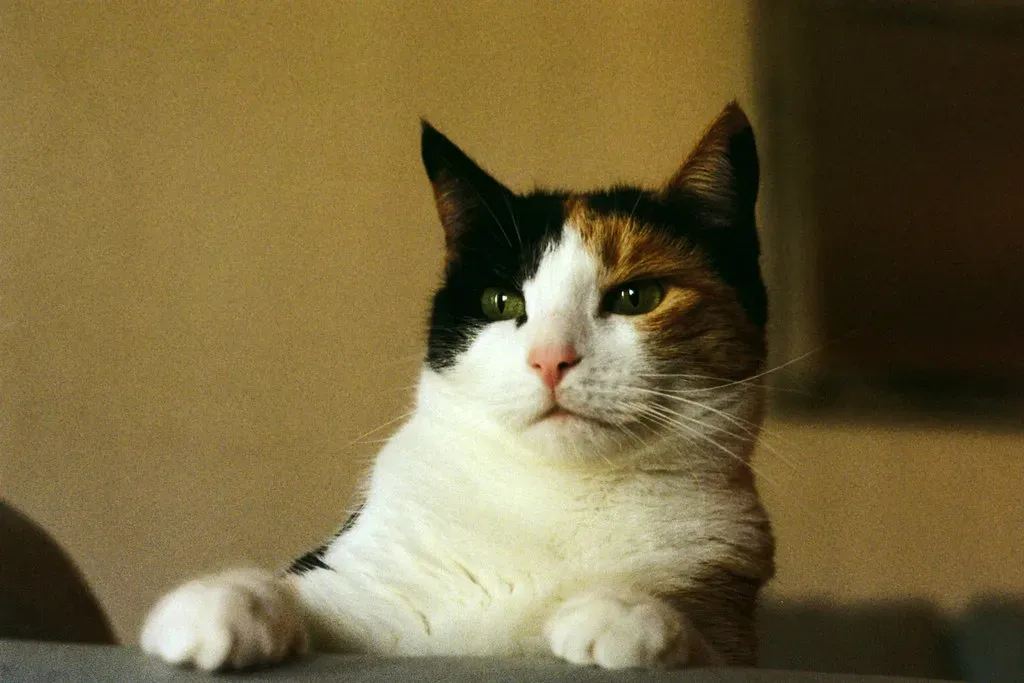
You bring home a gorgeous new couch. You’re proud of it. Your cat walks over, sits exactly two feet away from it, and stares at it with the focused intensity of a building inspector filing a violation notice. This is not accidental. Despite their aloof appearance, cats are incredibly perceptive, constantly observing their environment, and from everyday actions to the smallest details, they are always silently assessing their surroundings. Your new sofa is absolutely under review.
What your cat is really doing is scent-checking. Unlike humans, cats use their sense of smell to evaluate their surroundings, and they mark their scent by rubbing their face and body, which deposits natural pheromones to establish boundaries within which they feel safe and secure. That brand-new couch has zero of your cat’s scent on it, which essentially makes it a hostile foreign object in their living space. Don’t be surprised if they eventually drape themselves across it triumphantly – that’s not approval, that’s a takeover.
Sign #2: They Deliberately Avoid Sitting in the New “Feature” Room
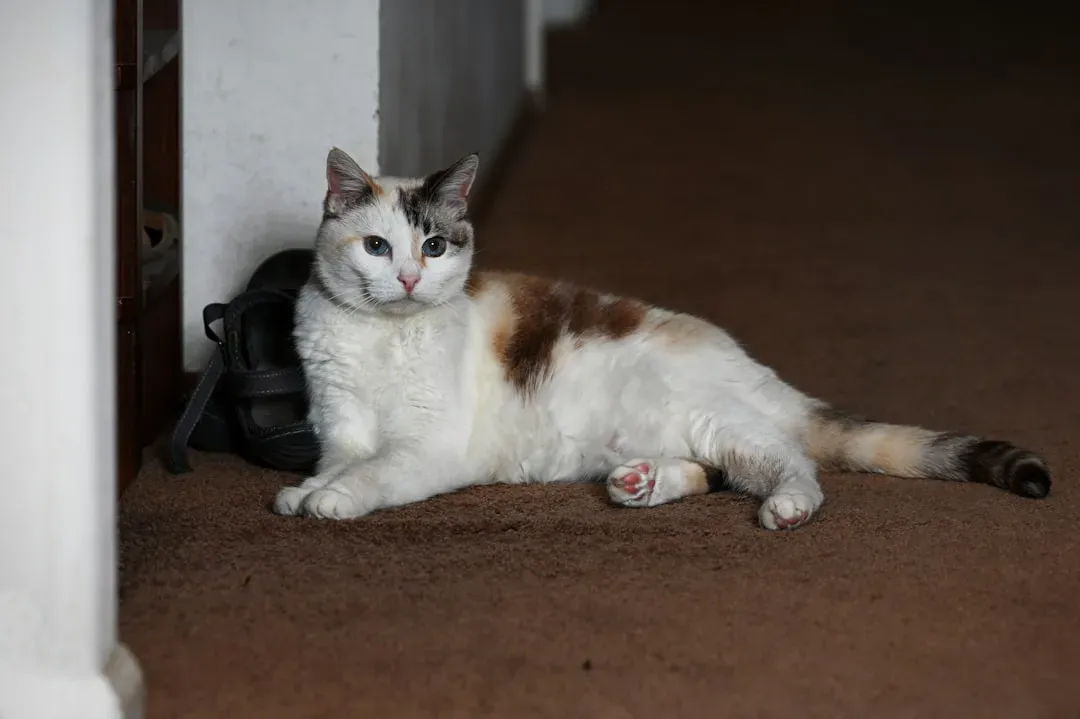
You finally finished redecorating the living room. New paint. New shelving. New rug. It looks incredible. Your cat now exclusively hangs out in the hallway. This is not a coincidence. Cats are creatures of habit and take great comfort in routine and predictability of their environment – this gives them security and a regular status quo, and consequently, for a cat to adapt to a new environment takes time. Redecorate too much, too fast, and you’ve basically just renovated their entire world without asking.
Think of it like this: imagine someone came into your office and rearranged everything without telling you. You’d be unsettled too. A physical environment that ensures a reasonable level of certainty, consistency, and predictability provides the foundation of enrichment for cats. When that predictability vanishes overnight, your cat’s deliberate boycott of the redesigned room isn’t stubbornness. It’s a protest, and honestly, a rather dignified one.
Sign #3: The Tail Tells All – Twitching Around Your Decor Choices
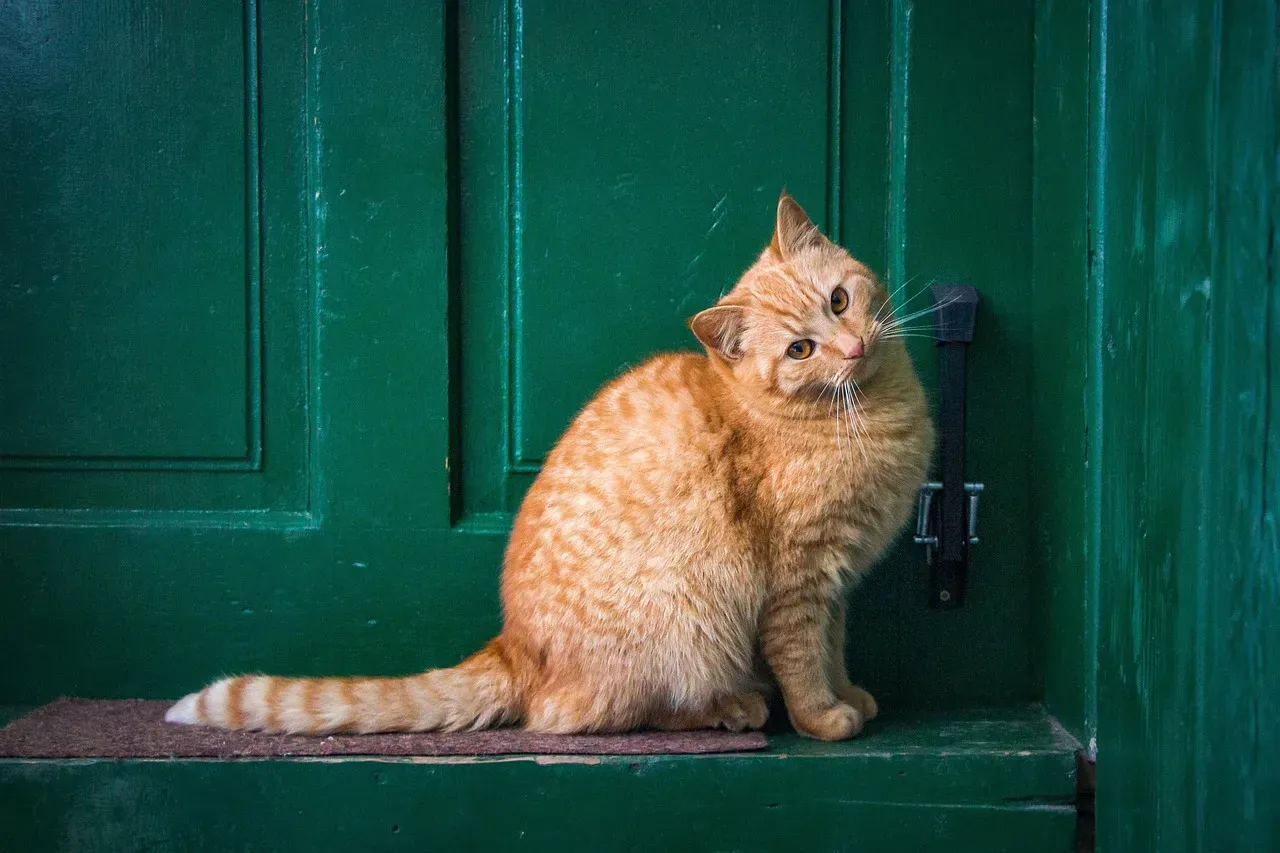
You’ve probably noticed your cat’s tail doing its own little performance while they pace around the room. A slow flick here, a sharp twitch there. It’s worth paying attention to, because that tail is a running commentary. A flicking, twitching tail is a sign of agitation – the cat is on high alert or is upset and is not receptive to interaction, and cats may also flick their tails in an oscillating, snake-like motion, or abruptly from side to side, often just before pouncing on an object or animal. That abstract sculpture you placed on the coffee table? Fully on trial.
The tail is one of the most reliable communicators a cat has. Cats rely strongly on body language to communicate, and much of a cat’s body language is through its tail, ears, head position, and back posture. When you see that tail snapping back and forth while your cat circles your new minimalist bookshelf, take it as a formal review. You may have scored a passing grade. Or you may not. The verdict will usually arrive in the form of something being knocked off the shelf.
Sign #4: They Scratch Everything Except the Scratching Post You Bought
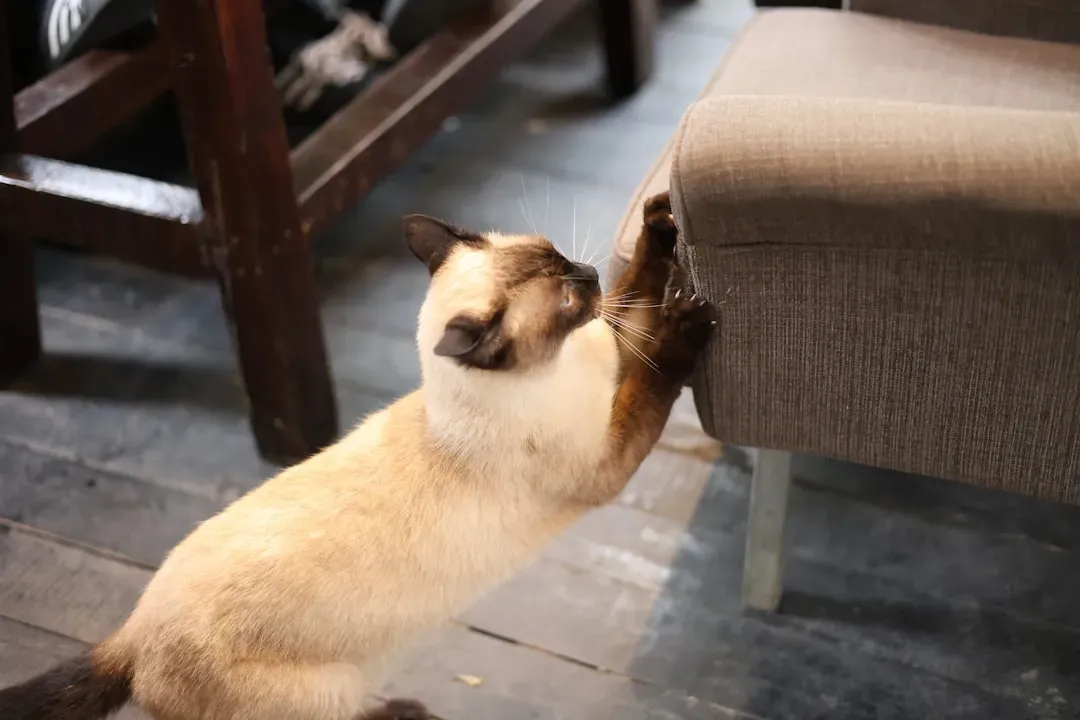
You did everything right. You researched scratching posts, bought a premium one with sisal rope, placed it in a lovely corner. Your cat walked past it, sniffed it once, and then went straight for the arm of your velvet armchair. Let’s be real – this is not random destruction. It’s a statement. One of your cat’s most basic feline needs is scratching, and scratching rough surfaces like rope, cardboard, or fabric serves a few purposes – it helps them shed the outer casing that builds up over their claws and allows them to leave scent markers in their space that mark their territory.
The reason your cat prefers the expensive velvet to the designated post often comes down to location and texture. Cats largely define their sense of belonging by finding things they can soak their scent into, and by definition, a signpost is something your cat has left a visual sign or scent on, thereby signifying territorial ownership. Your carefully decorated interior is, in your cat’s worldview, just a collection of potential signposts. Every scratch on your furniture is your cat declaring, with absolute confidence, that this place belongs to them.
Sign #5: The Disdainful Turn-Away from Your Color Choices

You repainted the bedroom in a rich, deep red. Looks stunning. Your cat seems completely unimpressed and increasingly restless in that room. Here’s something most people don’t know: your cat actually sees your decor in an entirely different palette than you do. Cats are not colorblind, but their vision is different from ours – while humans see a rainbow of colors thanks to three types of cone cells, cats have only two, meaning they see fewer colors, primarily shades of blue, green, and some yellows, and reds and oranges likely appear muted or as shades of gray.
This means the bold statement wall you’re so proud of registers to your cat as a somewhat dull gray smear. While cats may not see the full spectrum of colors we do, the hues and tones in your home can still have a subtle impact on their behavior and well-being. More interestingly, color isn’t the only visual factor that affects cats – lighting plays a significant role as well, and cats’ eyes are highly sensitive to light, so overly bright spaces can be overwhelming. That dramatically lit showroom-style living room? Your cat finds it stressful. The moody, dimly lit reading nook? That’s five-star accommodation in their world.
Sign #6: They Claim the One Spot You Didn’t Design for Them
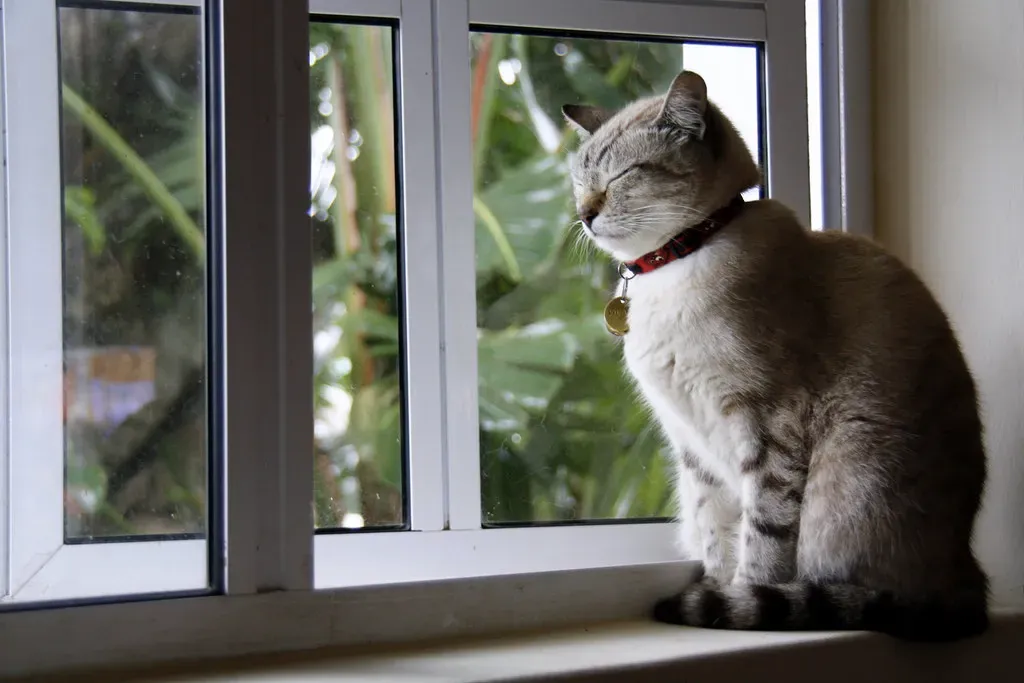
You spent a small fortune on a beautiful, cushioned cat bed. It sits in the corner, untouched. Meanwhile, your cat has claimed the top of the refrigerator, the one awkward windowsill behind the curtain, and – mysteriously – your freshly ironed laundry pile. This is one of the most consistent things cats do, and it has everything to do with the vertical world. Cats see territory in a three-dimensional way that other species, including humans, don’t – they walk into a room and take in every square inch from floor to ceiling, assessing possible rest spots and advantageous perches where they can survey the comings and goings of the household.
Your cat is not being difficult. They are being strategic. A dark, confined environment that a cat can’t easily escape from produces more stress than a wide open comfortable room where surroundings can be seen, which is why cats usually love relaxing on high open perches. The expensive cat bed you placed at ground level in the corner? It feels like a trap to them. The top of your bookshelf with a full view of the room? That’s a penthouse suite. Providing cats with vertical spaces can help them feel more secure and reduce stress. Your interior design, whether you like it or not, needs a vertical strategy.
Sign #7: The Ears-Back Reaction to Your Scented Candles and Diffusers

You light your favorite fig and cedarwood candle. Instant cozy ambiance. Your cat enters the room, flattens their ears to their skull, and exits with the energy of someone who has just been personally offended. This is, honestly, one of the most overlooked signs that your cat is judging your interior choices – and it goes beyond just the visual. Flattened or backward ears can be a sign of fear, aggression, or discomfort. Pair that with a swift exit, and your carefully curated scent story is being vetoed.
Cats experience your home through smell far more intensely than you realize. Some smells can be threatening to cats, such as the scent of unfamiliar animals or the use of scented products, cleaners, or detergents, and threatening smells along with the inability to rub their own scent can sometimes lead to problematic behaviors such as passing urine or stools outside the litter box, spraying, and scratching in undesirable areas. That essential oil diffuser you’ve placed right next to their food bowl is genuinely overwhelming for them. It’s hard to say for sure exactly which specific scents bother any individual cat, since every cat is different, but strong artificial fragrances are consistently reported as stressors. Your cat isn’t being dramatic. They’re working with a nose that is roughly fourteen times more powerful than yours.
Conclusion: Your Home Is Their Home Too
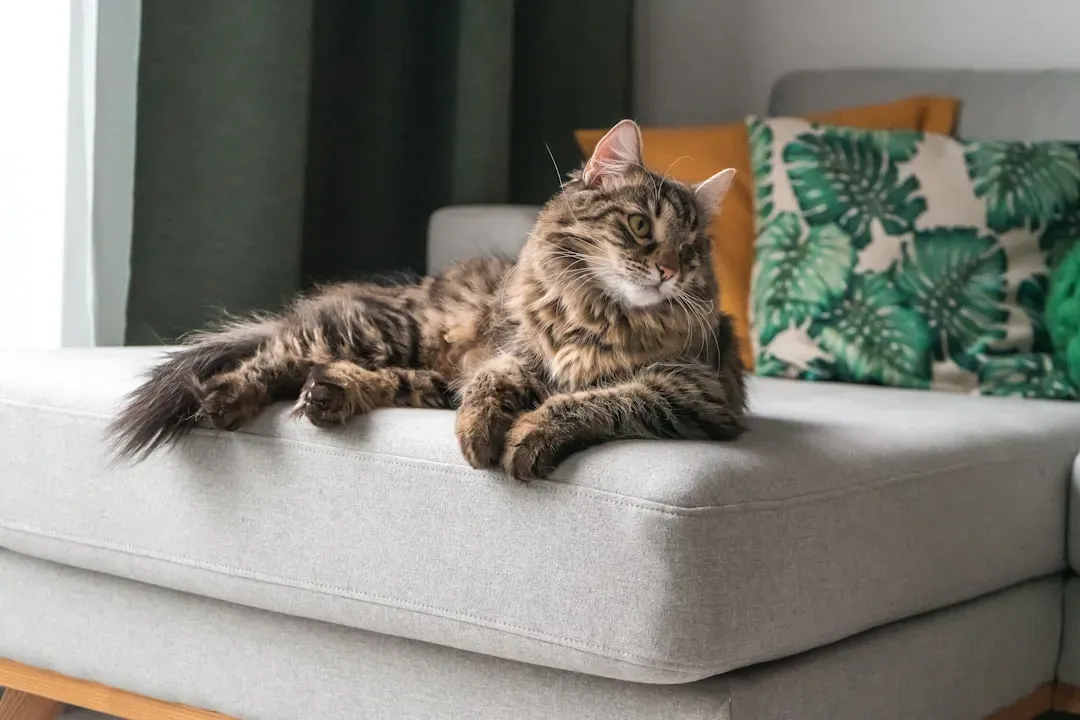
Here’s the delightful, humbling truth about sharing a home with a cat: no matter how much effort you put into creating a beautiful, curated space, your cat has an entirely separate vision for how things should be arranged, scented, lit, and inhabited. Catification is the art of creating an enriched home environment that is acceptable to both you and your cat, and it teaches us that every square inch of the home can be shared in a positive way. That’s not a compromise – that’s a creative challenge.
The signs are all there if you watch carefully enough. All felines use body language to share their emotions with us and other animals, and everything from their ears, eyes, and whiskers to their toes and the tips of their tails give us clues as to what our cats think of us and the world around them. So the next time your cat parks themselves in the middle of your freshly styled room, squints at the new wall art, and slowly looks away – don’t take it personally. Take it as design feedback. Did you honestly expect your cat to have no opinion? They absolutely do. And they’re not keeping it to themselves.
What do you think – has your cat ever clearly disapproved of something in your home? Tell us in the comments below!