Cats are, let’s be real, deeply misunderstood creatures. They’ve spent centuries collecting a reputation for being cold, indifferent, and just a little bit rude. If you compare them to dogs, who are practically falling over themselves to show you affection, it’s easy to see why so many people assume cats simply don’t care.
Here’s the thing, though. Your cat probably loves you more than you realize. They just express it in ways that are wildly different from what you’d expect. Some of those ways are surprising. Some are a little weird. A few might even seem downright offensive at first glance. So if you’ve ever watched your cat do something strange and wondered what on earth is going on in that fluffy little head, you’re about to find out. Let’s dive in.
The Slow Blink: Your Cat Is Literally Blowing You Kisses
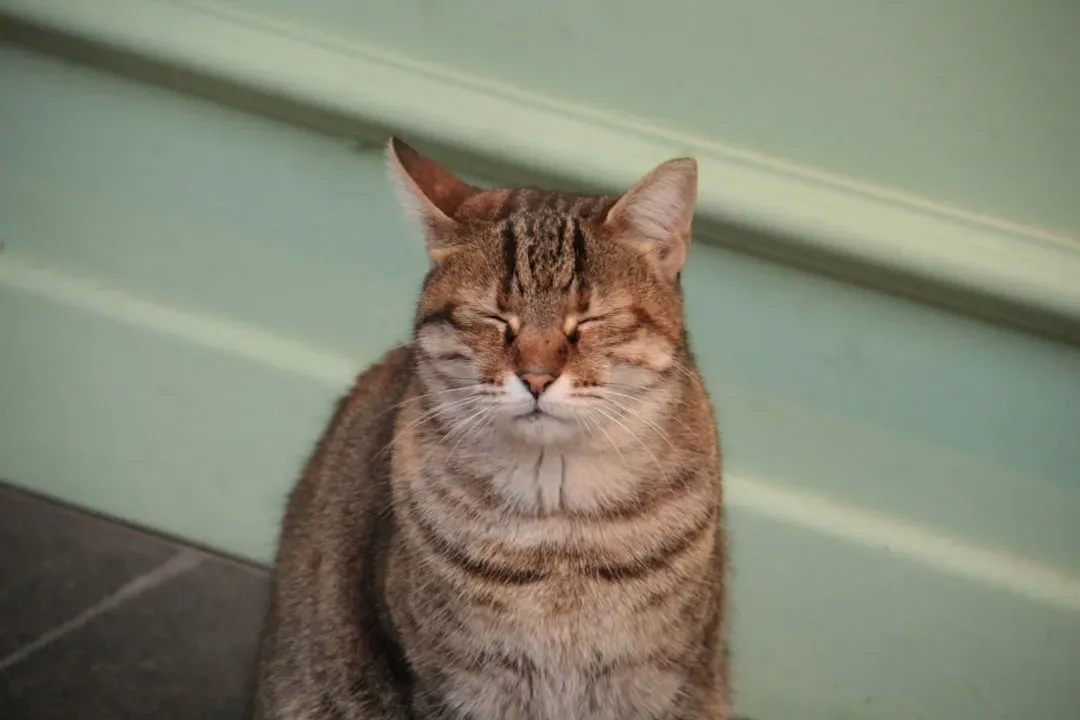
You know that moment when your cat is lounging across the room, staring at you with half-closed, lazy eyes, and then blinks at you slowly? Most people chalk it up to sleepiness. Honestly, it’s one of the most touching things a cat can do. Cat behavior experts call this the “kitty kiss,” and it’s basically a series of slow blinks that your cat shows around people whom they know and trust.
A slow blink is considered one of the most intimate ways a cat shows love – when your cat looks at you deliberately and softly closes and opens their eyes, they are communicating that they feel safe and at ease with you. Think of it like a feline smile, quiet, deliberate, and full of meaning. The beauty of this one is that you can actually speak the language right back. Research has found that if you initiate slow blinks or kitty kisses, your cat is more likely to approach you and seek out attention.
Kneading You Like Bread Dough: “Making Biscuits” Is a Love Language
If you’ve ever had a cat rhythmically pushing their paws into your stomach like a tiny baker at 2 AM, welcome to what cat people affectionately call “making biscuits.” It looks weird. It sometimes hurts, especially when those little claws come out. This action is known as kneading, and for cats, it is deeply ingrained in their behavior and tied to feelings of love and trust.
Kneading is an instinct that starts in kittenhood. When nursing, kittens knead their mother’s belly to stimulate milk production. This behavior is comforting to them and provides a sense of safety and nourishment. As they grow, the kneading behavior becomes associated with feelings of relaxation and affection. So when your cat kneads on you, they aren’t just being strange. They’re showing they associate you with security and warmth. That’s actually one of the highest compliments a cat can pay you.
The Headbutt That Could Knock Over a Small Lamp: This Is Bunting
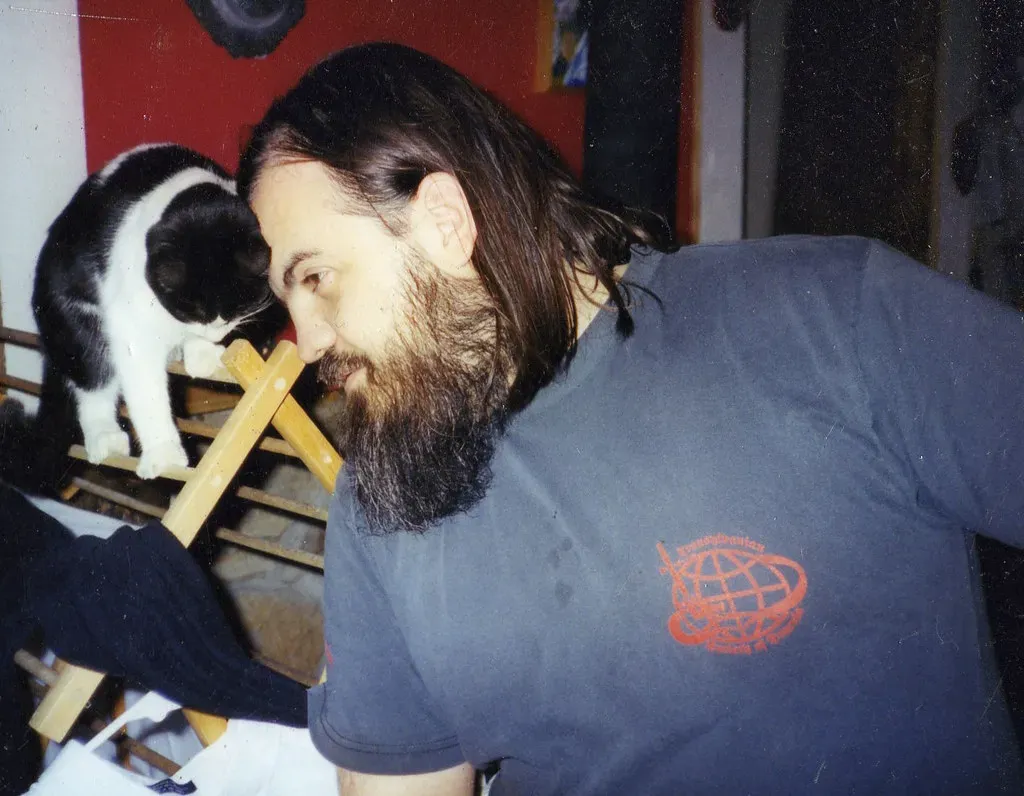
Your cat walks up to you, looks you right in the eyes, and then firmly bonks their forehead against your face. It’s bold. It’s slightly jarring. It is, without question, a declaration of love. Cat headbutting, also called bunting, is usually a friendly behavior where cats mark you with their scent to show bonding, comfort, and familiarity. It is the feline equivalent of a hug, delivered at skull-speed.
Cats have glands on their cheeks, forehead, and chin that contain pheromones – a substance produced by animals as a type of scent communication, similar to synthetic pheromones used in many cat calming products. When a cat headbutts you, they are rubbing those pheromones on you. You can’t smell it, but to your cat, you now smell like family. Cats don’t bunt just anyone. If your cat rubs its forehead on you, you’re in their inner circle. Honestly, that’s worth a small bruise.
Bringing You “Gifts”: The Dead Mouse Is a Love Letter
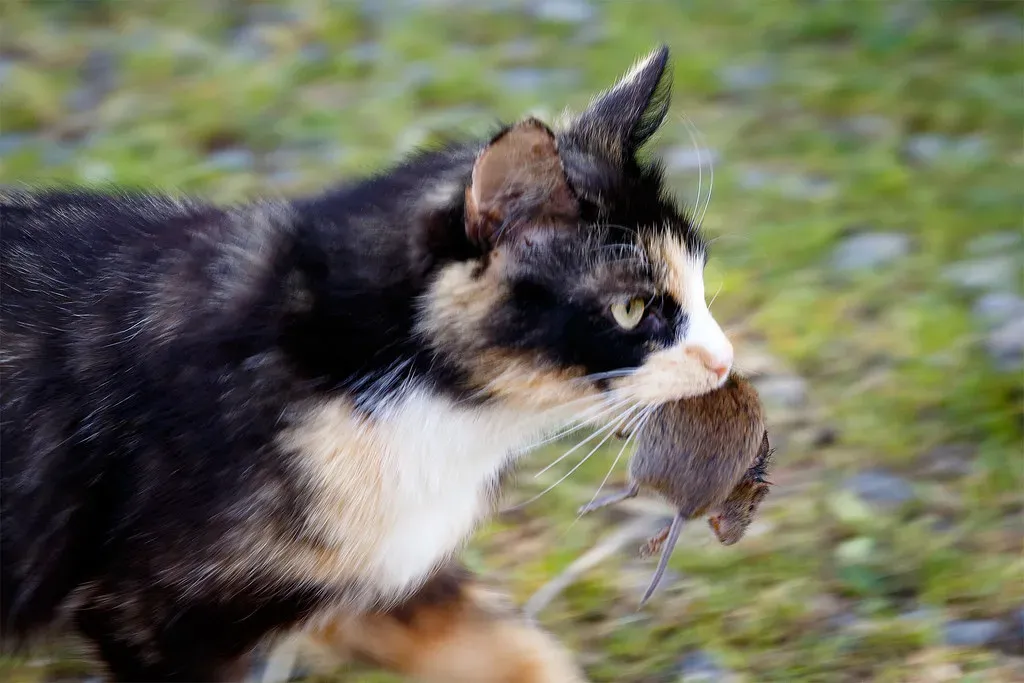
Nothing quite prepares you for that moment when you step out of bed at 6 AM and land squarely on a very dead bird your cat has lovingly arranged at your feet. Your first reaction is probably not gratitude. Your second reaction should be. Cats bring you gifts of toys or dead animals to signal affection, show off their catch, or as a way to educate their owners on how to hunt.
In the wild, mother cats bring prey to their kittens for sustenance and to show them how to hunt. This behavior is still ingrained in domesticated cats who may see you as part of their family. Think about what that means for a second. Your cat, who is perfectly capable of eating their catch all by themselves, decided to share it with you instead. One theory is that cats are practicing a skill their mother taught them before bringing food home to share with family members – and your cat recognizes you as a member of their family. Gross? Perhaps. Sweet? Absolutely.
Showing You Their Belly: The Ultimate Gesture of Vulnerability
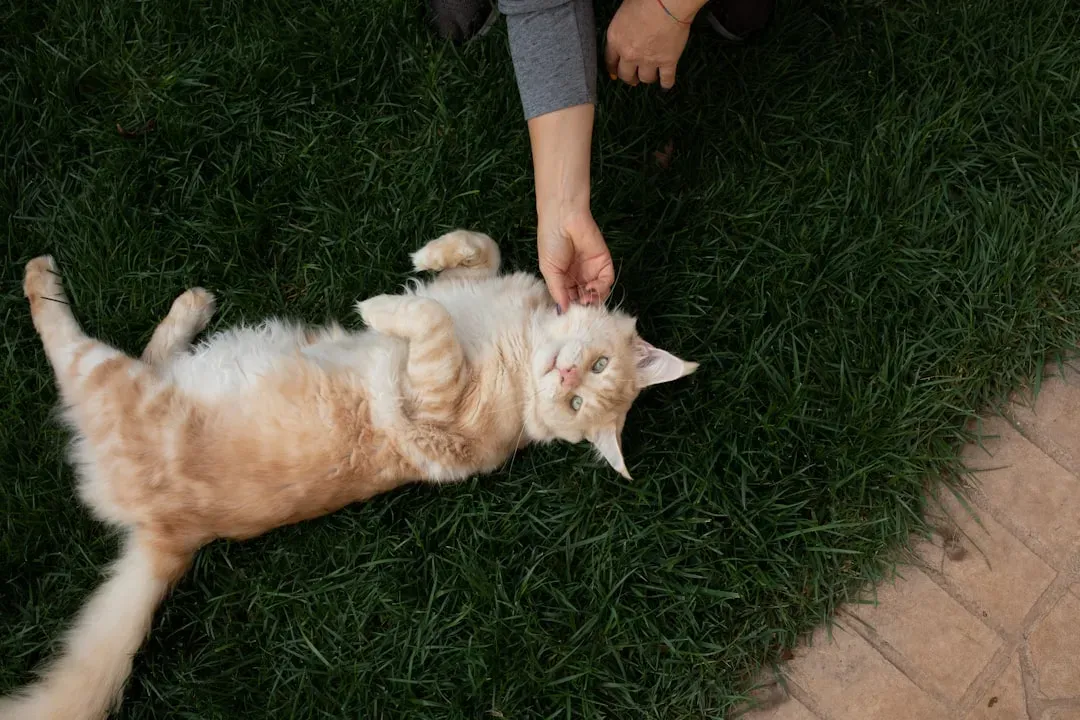
Here’s where a lot of well-meaning cat owners get into trouble. Your cat rolls over, exposes that soft, fluffy belly, and you reach down to rub it. Chaos ensues. But before you resent your cat for the scratch marks, understand what they were actually trying to tell you. A cat’s most vulnerable position is lying on their back and presenting their stomach to the world. In the wild, cats would never voluntarily expose this delicate part of their anatomy. If your cat rolls over and shows you their stomach, it’s a sure sign that they feel comfortable and, more importantly, safe around you.
Cats only expose their tummies to people that they trust, and while it doesn’t necessarily mean they want their bellies rubbed, if your cat shows you their belly, it shows they feel safe and loved in your company. It is, essentially, your cat saying “I trust you with my most vulnerable self.” That’s a profound thing coming from an animal that could disappear under the couch for three days and feel absolutely fine about it. The ultimate sign of a cat’s emotional attachment is when they openly display their vulnerability in your presence – such behavior is not easily given, as cats are inherently protective beings, and letting their guard down indicates strong affection.
Following You Everywhere, Including the Bathroom: You Have a Shadow
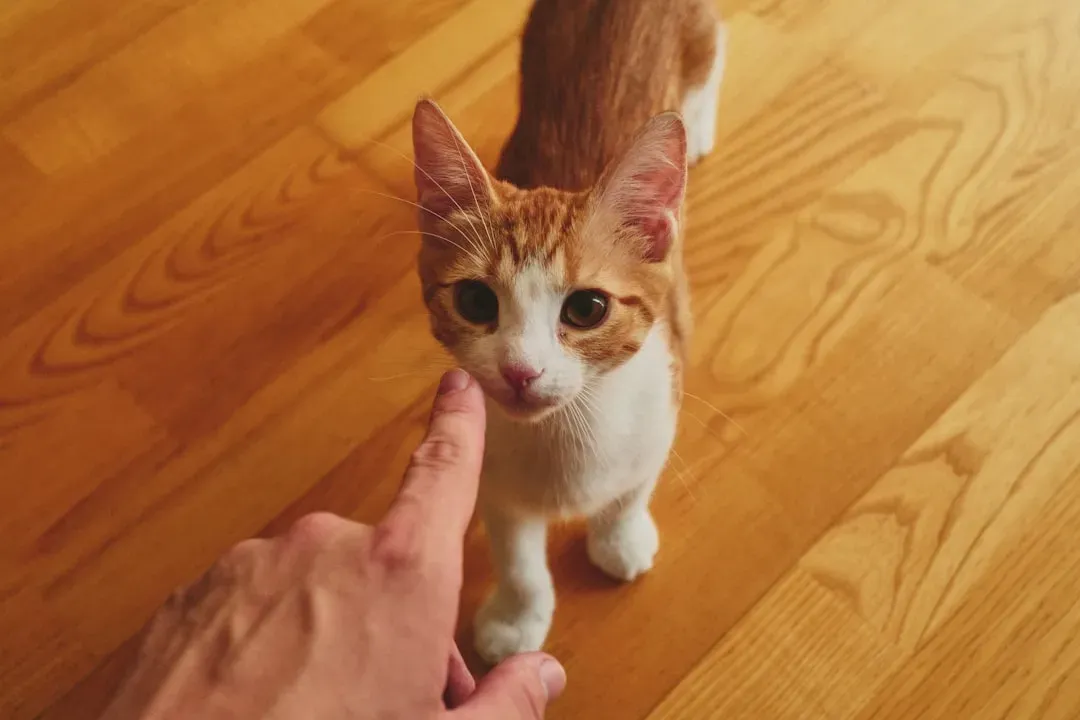
You want to know something I find genuinely amusing about cats? They have this enormous reputation for being independent, for not needing anyone. Yet somehow, the moment you try to use the bathroom in peace, there’s a small furry face staring at you under the door. Some cats don’t really enjoy physical contact but that doesn’t mean they don’t want your companionship. If your cat follows you from room to room – and it’s not feeding time – they want to be close to you.
Despite their reputation for independence, most cats are social animals who genuinely love being around their humans. If your cat seeks out your company, follows you from room to room, or curls up beside you on the couch, it’s a clear sign of affection. It’s a bit like having a tiny, opinionated roommate who refuses to let you out of their sight. If you were away for a while, your cat may exhibit even more affection toward you for the next several days after you’ve returned home, following you around and meowing to seek attention. They missed you. They just won’t say it with words.
Sleeping On or Near You: You Are Their Safe Place
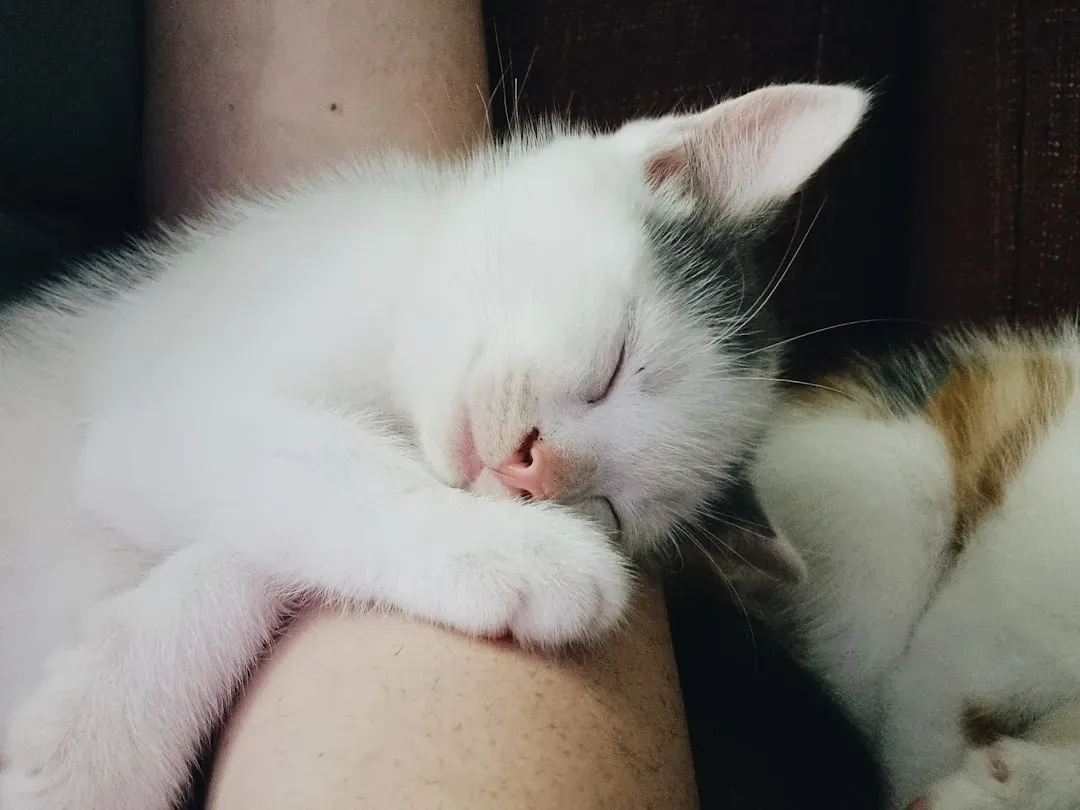
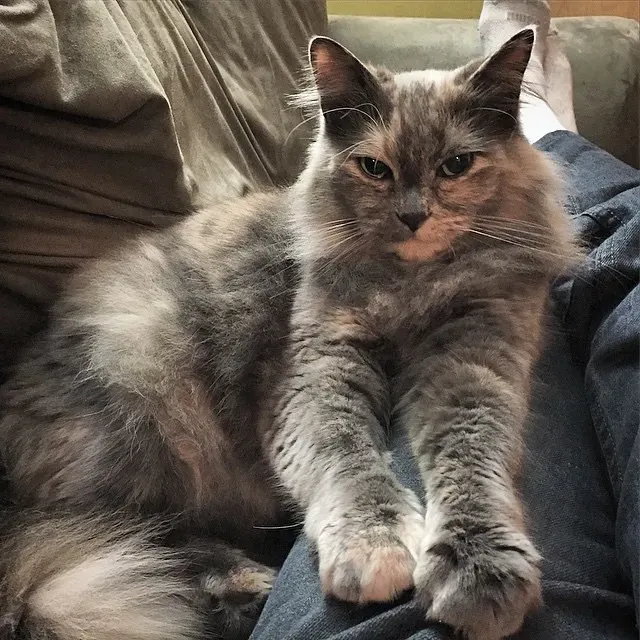
It’s hard to say for sure exactly how much thought a cat puts into where they sleep, but one thing is certain. They are extremely particular about it. A cat will map out every corner of your home and still choose you. That is not an accident. When your cat chooses to sleep with you, around you, or on you, know this is a sign they trust and love you. You’re like a big security blanket for them.
Cats are true champions of sleep, often curling up for hours in the coziest spots they can find. But when your cat chooses to sleep near you, or even on you, it’s a powerful sign of trust and affection. Sleeping in close proximity to their human signals that your cat feels safe, secure, and content in your presence. Consider the logic here. Your cat could sleep literally anywhere. They chose you. A cat trusts you if they sleep next to you – sleeping, cuddling, and following you around are signs that a cat has formed a deep bond with you. There’s no warmer compliment in the entire feline vocabulary.
Conclusion: Your Cat Speaks a Language Worth Learning
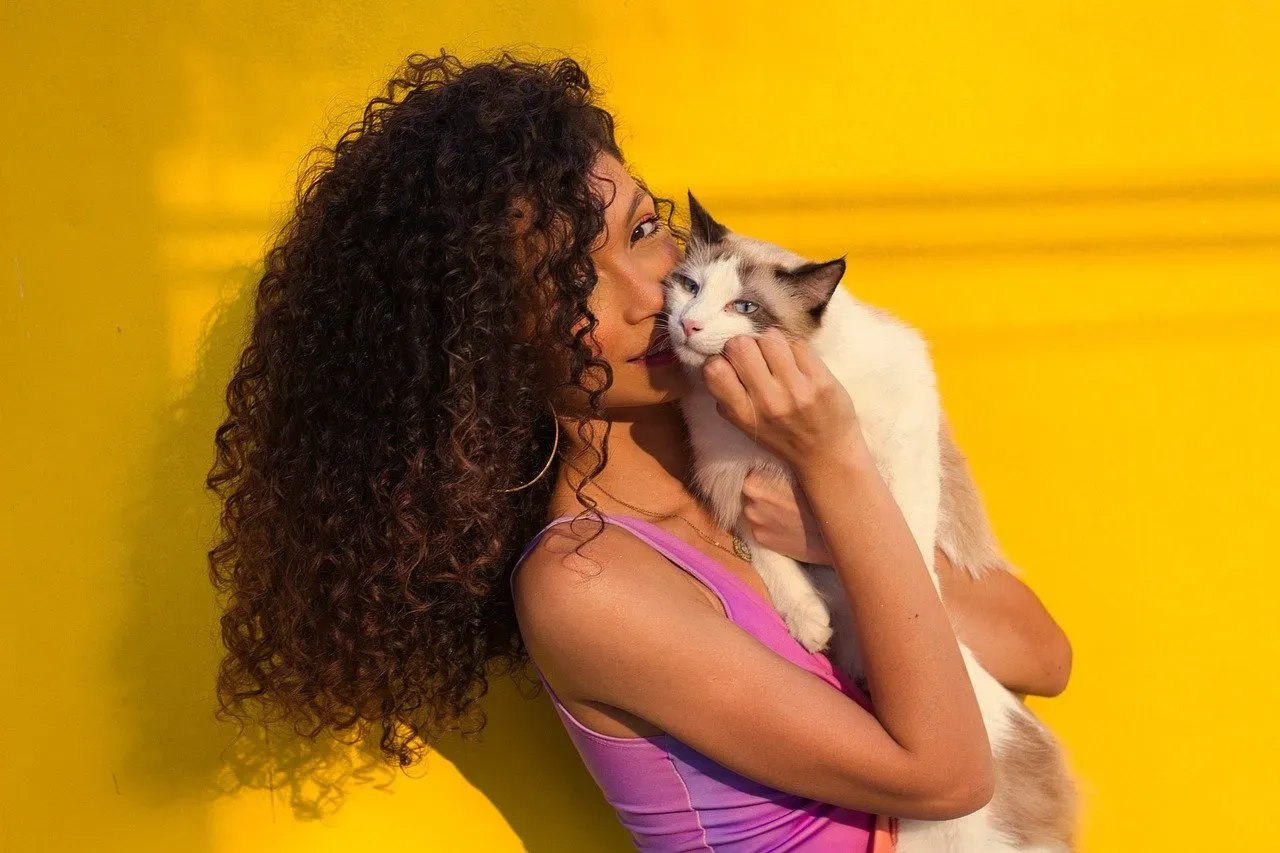
If there’s one thing to take away from all of this, it’s that your cat is not indifferent. They are not emotionally unavailable. They are simply speaking a language that takes a little patience and a lot of observation to understand. What looks like aloof behavior in cats is often a sign of love – cats don’t always show their affection in the way we expect.
Many of these behaviors are interpreted by us as love or affection, and while the scientific proof of calling these behaviors “love” is still somewhat evolving, it is nonetheless very much possible to tell when your cat is content, comfortable, and appreciative of your presence. So the next time your cat headbutts you at an inconvenient moment, kneads your stomach at midnight, or delivers a slightly alarming gift to your doorstep, pause before you react. They’re saying something important. Cat love is often subtle, so the key is to observe and learn what your cat is really telling you.
The real question is, how many of these signs have you been misreading all along? Tell us in the comments which behavior surprised you the most!