You might think you know your cat inside and out. After all, you’ve memorized every quirk, every favorite nap spot, every peculiar habit. Still, cats are surprisingly gifted at masking discomfort and illness. It’s a survival instinct hardwired into their DNA from their wild ancestors who learned never to show weakness. This means your seemingly healthy feline could be silently suffering, and the only clues are tiny behavioral shifts that are easy to overlook or dismiss as mere quirks.
By the time obvious symptoms show up, a condition may already be advanced. That’s exactly why recognizing these subtle changes early can be the difference between a simple treatment and a serious health crisis. Let’s dive into seven behavioral changes that should absolutely prompt a call to your veterinarian.
Suddenly Hiding More Than Usual
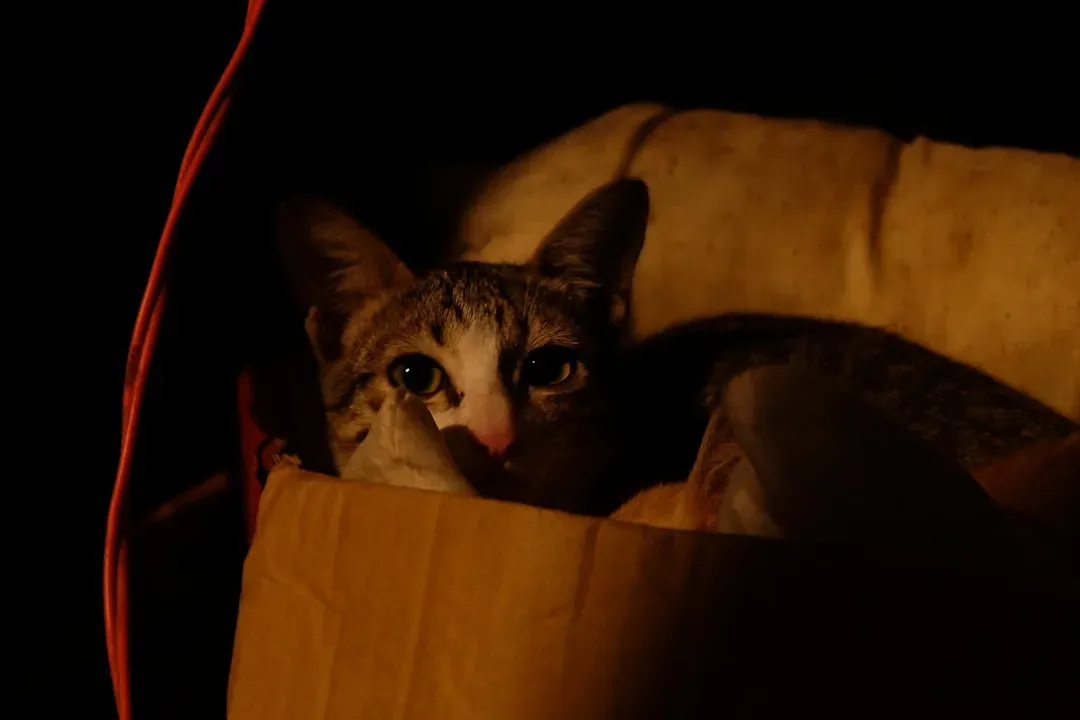
If your cat is suddenly hiding more often than usual, it could be a sign of pain or discomfort. While cats do enjoy their alone time and a cozy hideaway, there’s a meaningful difference between your cat’s normal preference for solitude and an abrupt retreat from the world. If your once social companion now spends hours under the bed, in closets, or behind furniture, something’s likely wrong.
A sudden increase in hiding can be one of the more overlooked early symptoms of cat diseases, as your feline friend may be in pain or not feeling well. This withdrawal is especially concerning when paired with other symptoms like decreased grooming or lethargy. Your cat isn’t just being moody; she could be trying to cope with internal discomfort that you can’t see.
Changes in Eating or Drinking Habits
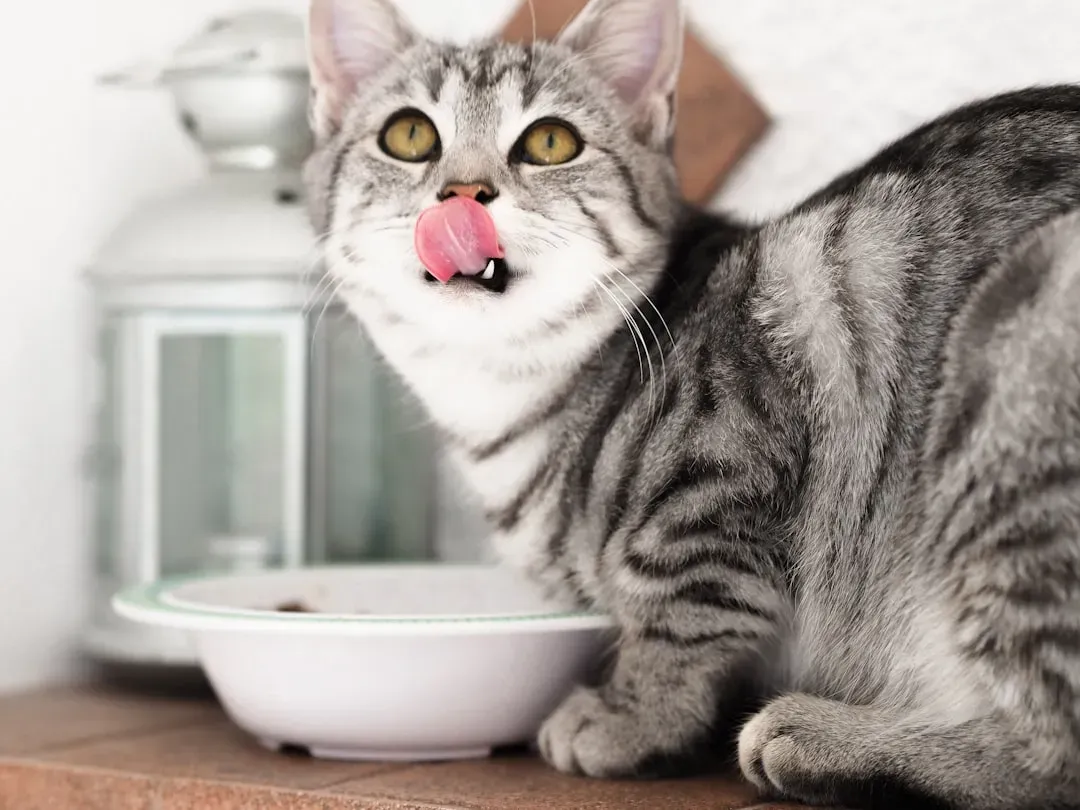
A sudden increase or decrease in food intake, or rapid weight gain/loss, should never be brushed off. Maybe your cat who used to demolish every meal now picks at her food, or perhaps she’s suddenly ravenous all the time. Both extremes matter. A significant reduction in caloric intake can result in a serious condition called Hepatic Lipidosis, which can be life threatening if not addressed quickly.
Excessive thirst could indicate a problem with your cat’s liver or kidneys, while a cat refusing water might be too weak or in too much pain to reach the bowl. Honestly, tracking your cat’s water and food consumption might sound tedious, but it’s one of the most straightforward ways to catch health issues before they spiral. If you haven’t changed your cat’s diet recently and notice these shifts, don’t wait to call your vet.
Litter Box Avoidance or Changes in Elimination
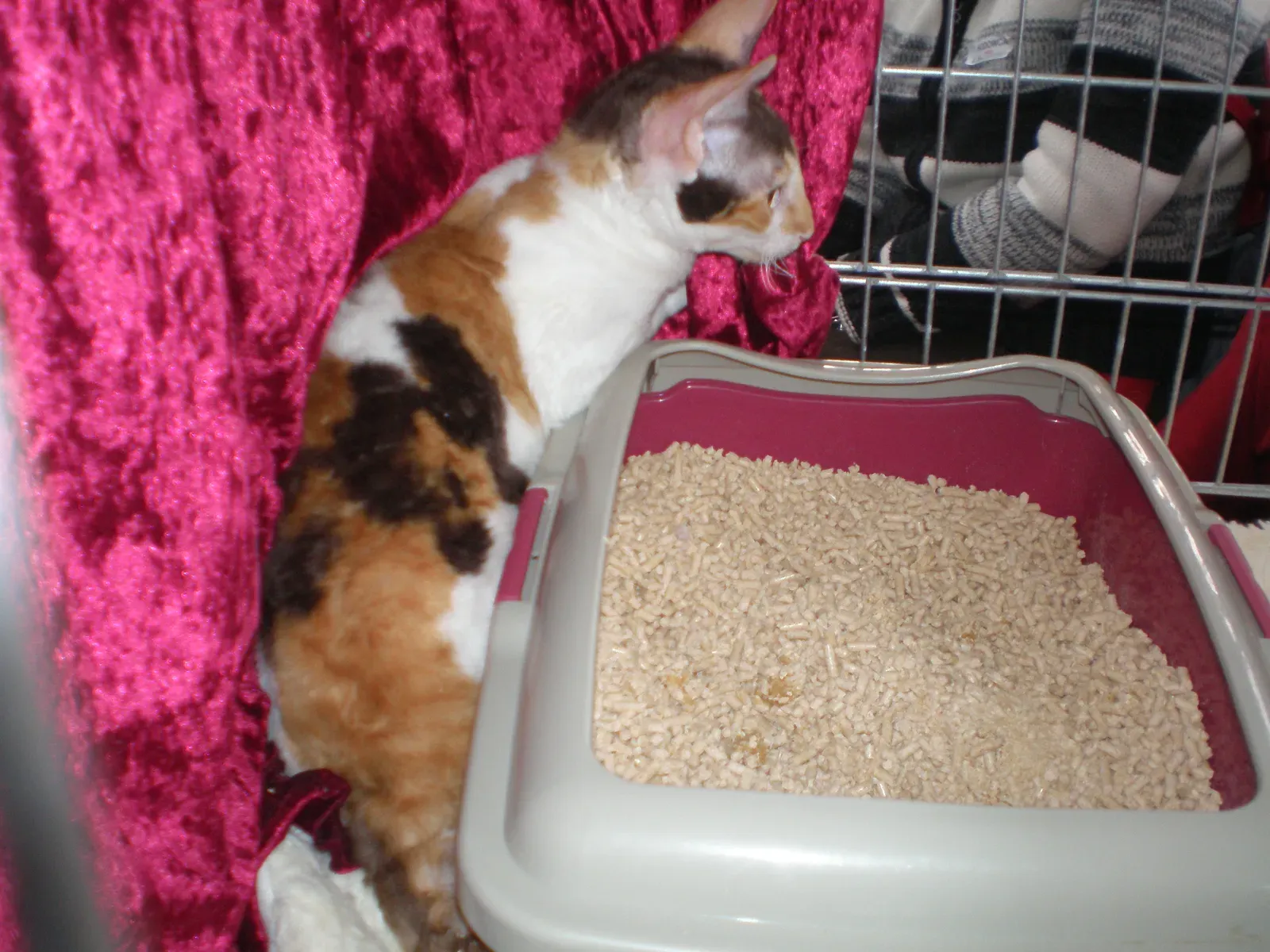
Avoiding the litter box, urinating outside the box, straining, or frequent trips with little result are red flags that demand immediate attention. Your fastidious feline isn’t suddenly forgetting her training or being spiteful. A cat in medical distress often starts eliminating outside of its litter box, which could be a sign of arthritis, with your cat deciding it’s too painful to navigate to its litter box.
Urinary issues are particularly urgent, especially in male cats. Straining to urinate or producing only small amounts of urine can indicate a blockage, which is a true emergency. If you notice your cat making repeated trips to the litter box with little to show for it, get to the vet immediately. This isn’t something that can wait until Monday morning.
Excessive Vocalization or Unusual Sounds
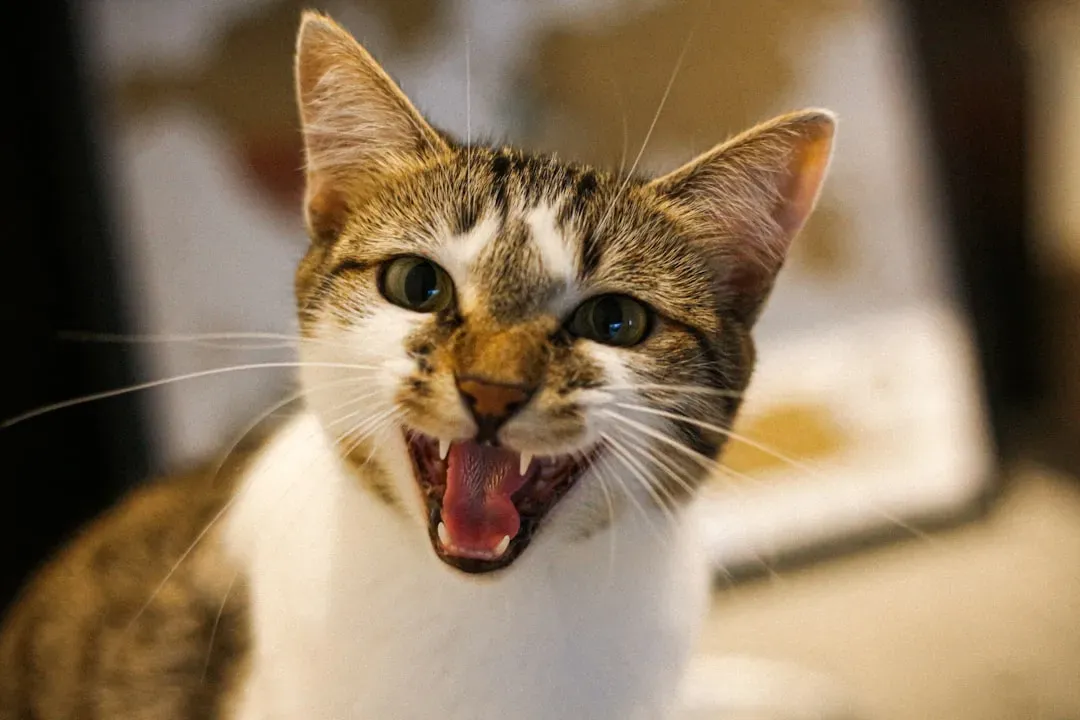
Meowing more than usual, especially at night, can signal pain, confusion, or anxiety. If your typically quiet cat suddenly becomes a chatterbox, or if your vocal kitty’s meows take on a different quality – more urgent, plaintive, or distressed – pay attention. Cats don’t randomly decide to become opera singers overnight.
This behavior can indicate anything from cognitive decline in senior cats to physical pain or even hyperthyroidism. I think we often underestimate how much cats communicate through vocalizations. They’re not just being dramatic; they’re telling you something’s wrong in the only way they know how.
Grooming Changes – Too Much or Too Little
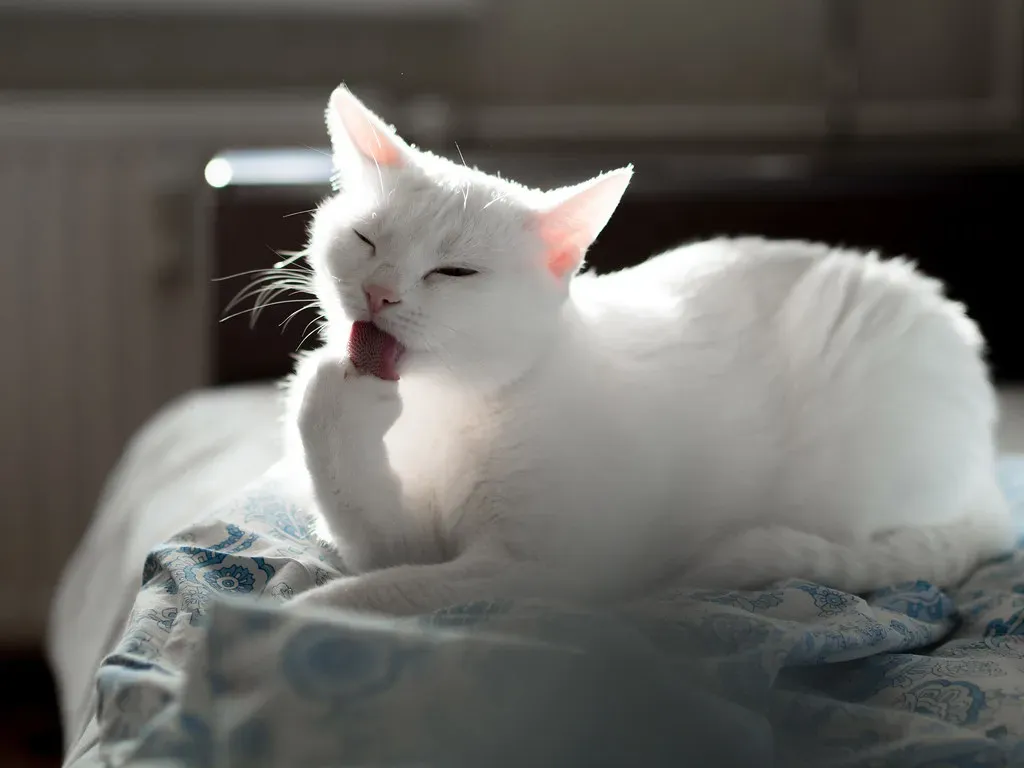
A greasy, matted, or unkempt coat can indicate that your cat isn’t feeling well enough to care for herself, while overgrooming or obsessive licking may suggest skin irritation, pain, or stress. Cats are famously meticulous about their appearance, so when grooming habits shift dramatically, take notice.
Your cat might have stopped grooming itself because it was causing pain, perhaps due to dental issues, arthritis, or skin infections. On the flip side, excessive grooming to the point of creating bald patches could signal stress, allergies, or parasites like fleas. Either extreme deserves a veterinary evaluation to get to the root cause.
Increased Aggression or Mood Changes

Hissing, biting, or swatting without clear reason in a previously gentle cat is a serious warning sign. Cats don’t suddenly become aggressive for entertainment. Increased aggression, excessive meowing, lethargy, hiding, or decreased social interaction can be indicative of pain, stress, or illness.
Your sweet, affectionate cat who now growls when you approach her favorite spot might be experiencing localized pain. Similarly, a normally independent cat becoming excessively clingy could indicate anxiety related to feeling unwell. These personality shifts are your cat’s way of communicating distress, even if she can’t articulate what hurts.
Decreased Activity or Lethargy
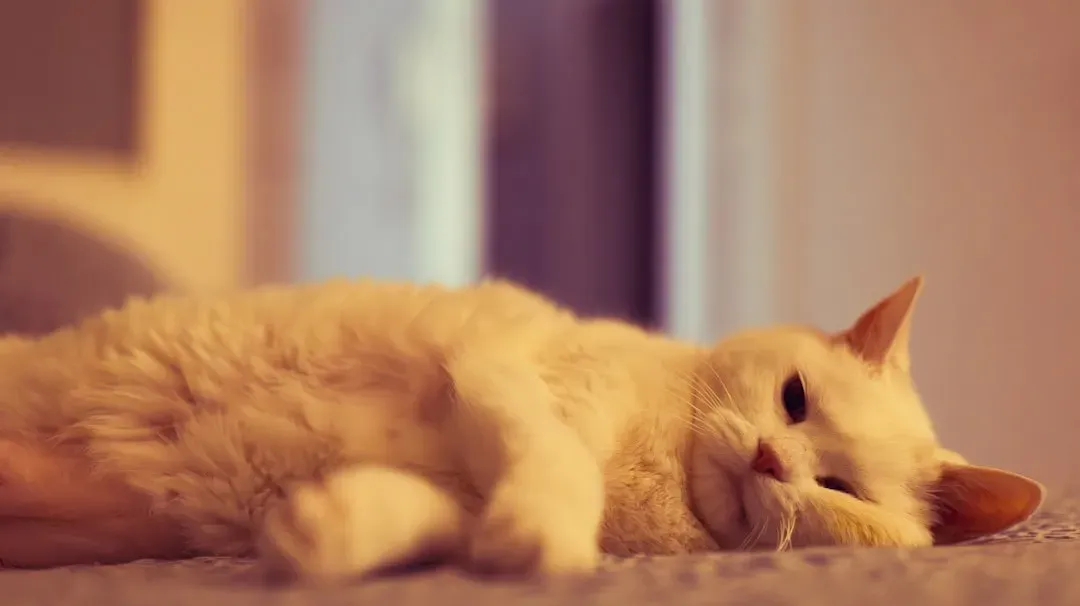
Cats might sit in a hunched position, might not move as gracefully as before, might not lift their head properly, might have a head tilt, or might carry their tail differently. Maybe your athletic jumper no longer leaps to her favorite perch, or your playful hunter shows zero interest in her toys. While it’s tempting to chalk this up to aging, especially in older cats, lethargy often signals underlying health problems.
Senior pets often display slower movement, weight changes, or increased sleep, which should always be evaluated. Decreased activity can indicate anything from arthritis and dental disease to more serious conditions like kidney disease, diabetes, or heart problems. Let’s be real: if your cat’s energy level has noticeably dropped, it’s worth investigating rather than assuming she’s just slowing down with age.
Conclusion
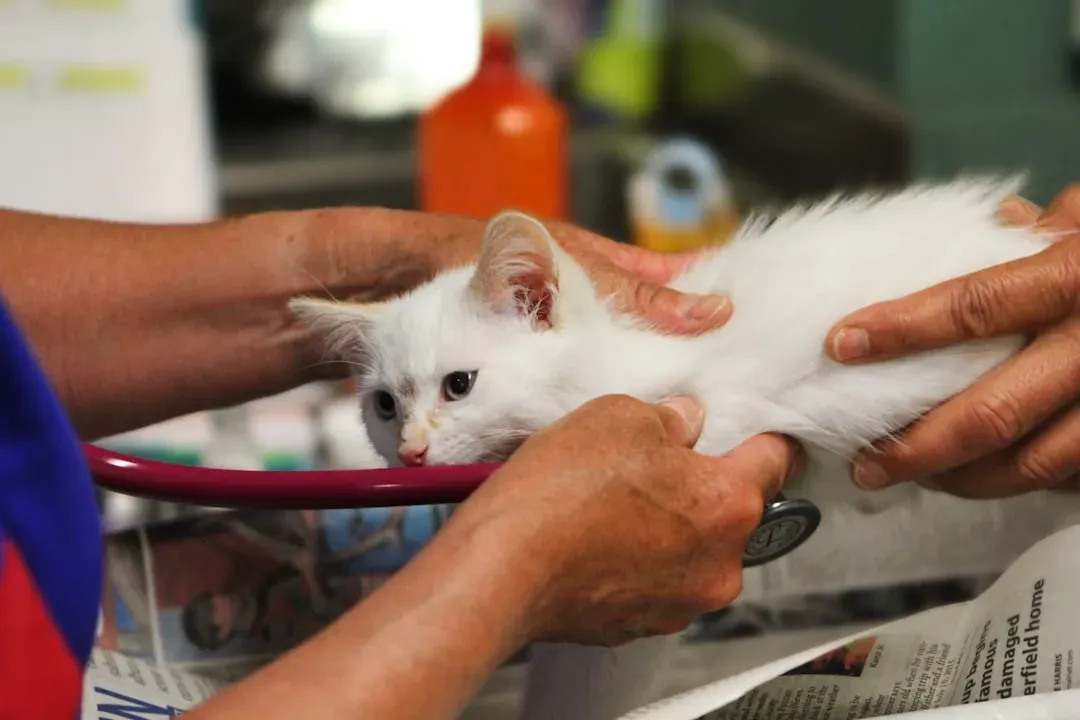
Your cat depends entirely on you to recognize when something’s wrong, precisely because she’s so adept at hiding illness. Even domesticated cats hide discomfort instinctively, which means by the time they do show symptoms, the problem may already be serious. These seven subtle behavioral changes aren’t just quirks to monitor casually; they’re your cat’s distress signals that deserve prompt veterinary attention.
Early intervention can mean the difference between a manageable condition and a life-threatening emergency. If something feels off about your cat – even if you can’t quite put your finger on what – trust your instincts and reach out to your veterinarian. It’s always better to err on the side of caution when it comes to your feline companion’s health. What changes have you noticed in your cat’s behavior? Did they turn out to be significant?