Cats often express their emotions through quiet gestures rather than overt displays, revealing a profound connection with their owners in ways that might go unnoticed amid daily routines.
The Science Behind Cat-Human Connections
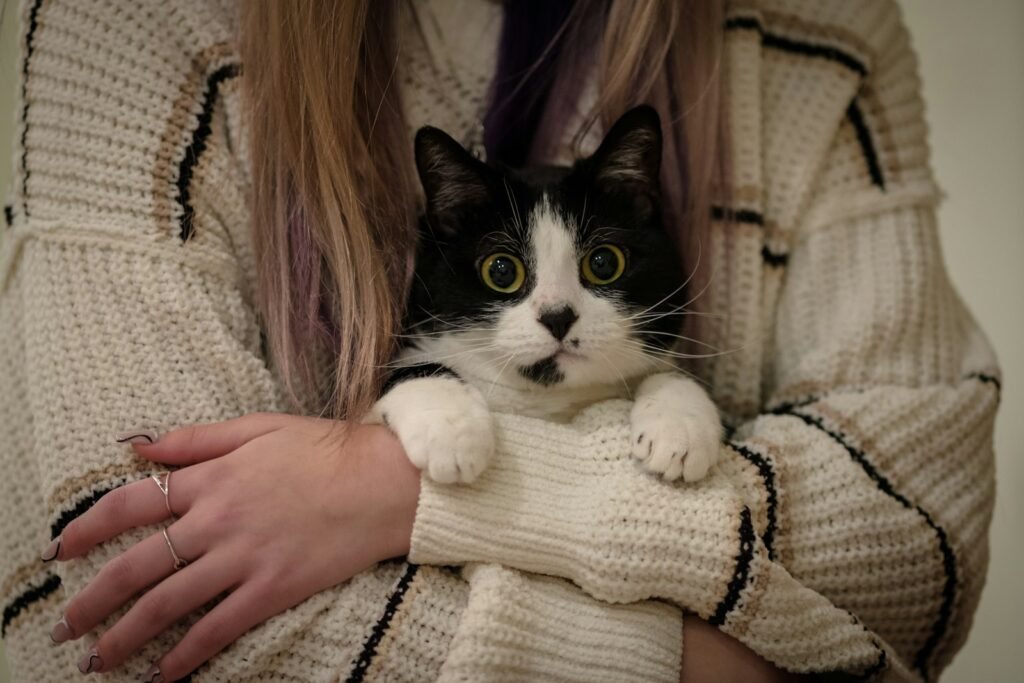
Veterinarians have long observed that cats form attachments similar to those in other social animals, though their expressions remain understated. Research supports this view, showing that domestic cats recognize their owners as primary caregivers and respond with behaviors rooted in trust and security. These bonds develop over time through consistent interaction, much like in wild feline social structures.
Experts emphasize that a bonded cat views its human as part of its core family unit. This perspective shifts how owners interpret seemingly aloof actions, turning everyday moments into indicators of deep affection. While dogs might wag tails enthusiastically, cats rely on subtlety to communicate loyalty.
Eye Contact and Blinking Rituals
One of the most telling signs occurs during quiet moments when your cat holds your gaze and slowly blinks. Vets describe this as a “cat kiss,” a deliberate signal of trust and contentment that mirrors how felines greet trusted companions. Owners who reciprocate with slow blinks often notice their cats responding in kind, strengthening the emotional link.
This behavior stems from a cat’s instinct to show vulnerability, as direct stares can signal threat in the wild. When directed at you without tension, it confirms a sense of safety. Veterinarians note that cats rarely offer this to strangers, making it a private affirmation of your special status.
Physical Touches That Speak Volumes
Head bunting or rubbing against your legs ranks high among bonding cues, according to veterinary insights. Cats possess scent glands on their faces and use this contact to mark you as part of their territory, blending affection with ownership. Such actions happen most frequently upon your return home or during relaxed evenings.
Beyond rubbing, grooming behaviors like licking your hand or hair indicate profound trust. Vets explain that this mirrors how mother cats care for kittens, positioning you in a familial role. These touches, though brief, carry significant weight in feline communication.
Vocalizations and Proximity Habits
A soft trill or chirp when you enter a room serves as a welcoming call, distinct from the demanding meow for food. Veterinarians point out that bonded cats reserve these gentle sounds for favored humans, using them to express joy and anticipation. Listen for variations in tone that convey familiarity rather than need.
Additionally, a cat that consistently positions itself near you – whether on the couch or at your feet – demonstrates comfort in your presence. This proximity seeking avoids clinginess but shows reliance on you for security. Vets observe that such habits intensify in multi-pet households, where the cat chooses you over others.
Playful and Protective Instincts
Engaging in interactive play, such as chasing a toy you dangle, reveals a cat’s investment in your shared time. Experts highlight how this mimics hunting partnerships, fostering mutual stimulation and joy. Bonded cats initiate these sessions more often, turning play into a ritual of connection.
Protective gestures, like positioning between you and a perceived threat or alerting you to unusual sounds, further underscore loyalty. Though subtle, these actions reflect a cat’s awareness of your well-being. Veterinarians stress that such instincts evolve from early socialization, deepening over years of companionship.
- Slow blinking during eye contact to convey trust.
- Head bunting or cheek rubbing for scent marking.
- Gentle licking as a grooming invitation.
- Soft trills or purrs in your presence.
- Consistent proximity without demand.
- Initiating play or following you room to room.
- Alerting to changes in the environment on your behalf.
Key Takeaways
- Recognize subtle cues like slow blinks to better understand your cat’s emotions.
- Respond to bonding signals with gentle interaction to reinforce the relationship.
- Consult a vet if behaviors change suddenly, as they may indicate health issues.
These hidden signs remind us that cats communicate love on their own terms, building enduring bonds through patience and observation. As veterinarians continue to study feline behavior, owners gain clearer windows into their pets’ inner worlds. What subtle gesture has your cat shared lately? Share your stories in the comments below.