Have you ever caught your cat staring at you with those unblinking eyes and wondered what’s actually going on in that fuzzy little head? One moment they’re solving the puzzle of how to open the treat cabinet, and the next they’re pretending they’ve never seen a litter box in their entire lives. Here’s the thing though, the line between feline brilliance and calculated manipulation is thinner than you might think.
Your cat might be a genius, or they might just be playing you like a fiddle. Maybe they’re both. The truth is, cats have spent thousands of years perfecting the art of living alongside humans, and in that time they’ve developed some seriously impressive cognitive skills. Yet they’ve also become masters at getting exactly what they want from us without lifting more than a whisker. So let’s dive into the fascinating world of cat intelligence and manipulation, where every purr might be a sign of affection or a strategic move in their grand plan to rule your household.
They Solve Problems You Didn’t Know You Had
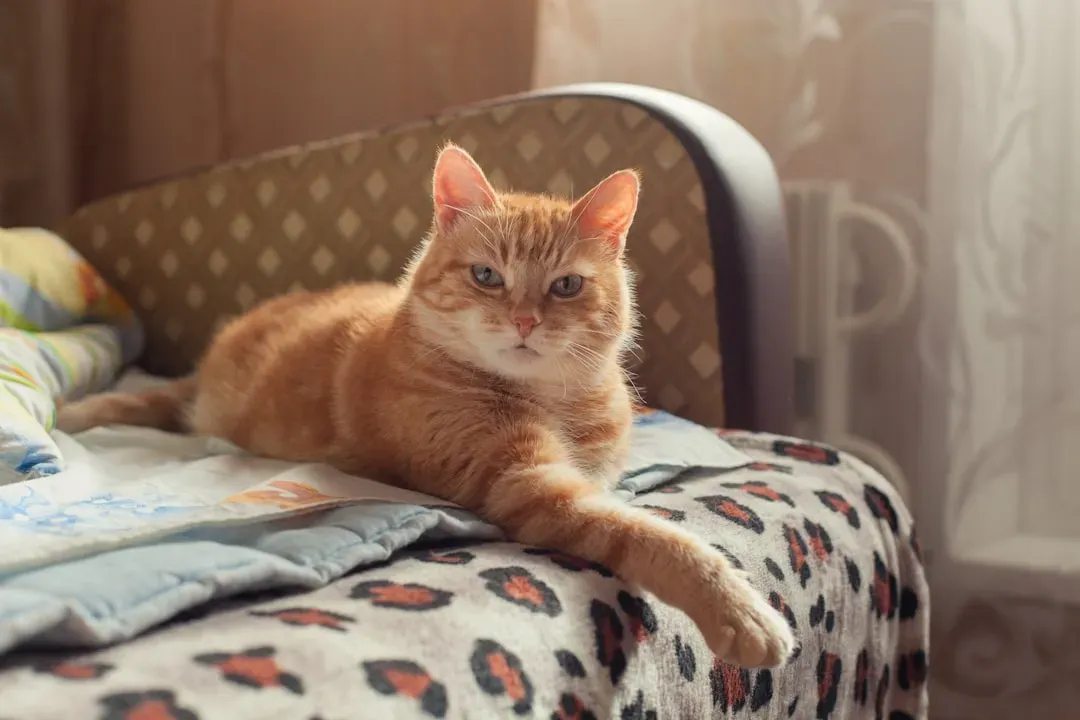
Cats excel at learning new information and can mesh that data with things they’ve learned previously, recall it when needed, and apply it to the current situation. When your cat figures out how to open a cabinet door, then applies that knowledge to every other cabinet in your house, you’re witnessing genuine problem solving in action. This isn’t just random pawing at things until something happens.
According to several feline behaviorists and child psychologists, an adult cat’s intelligence is comparable to that of a two- to three-year-old child, since both species learn through imitating, observing, and experimenting. Simply by watching their owners, and mirroring their actions, cats are capable of learning human-like behaviors like opening doors and turning off lights. When your feline friend watches you operate a door handle a few times and then starts jumping up to try it themselves, that’s observational learning at work. Some cats even develop their own unique solutions to problems, showing creativity that goes beyond simple trial and error.
Their Purr Has a Hidden Agenda
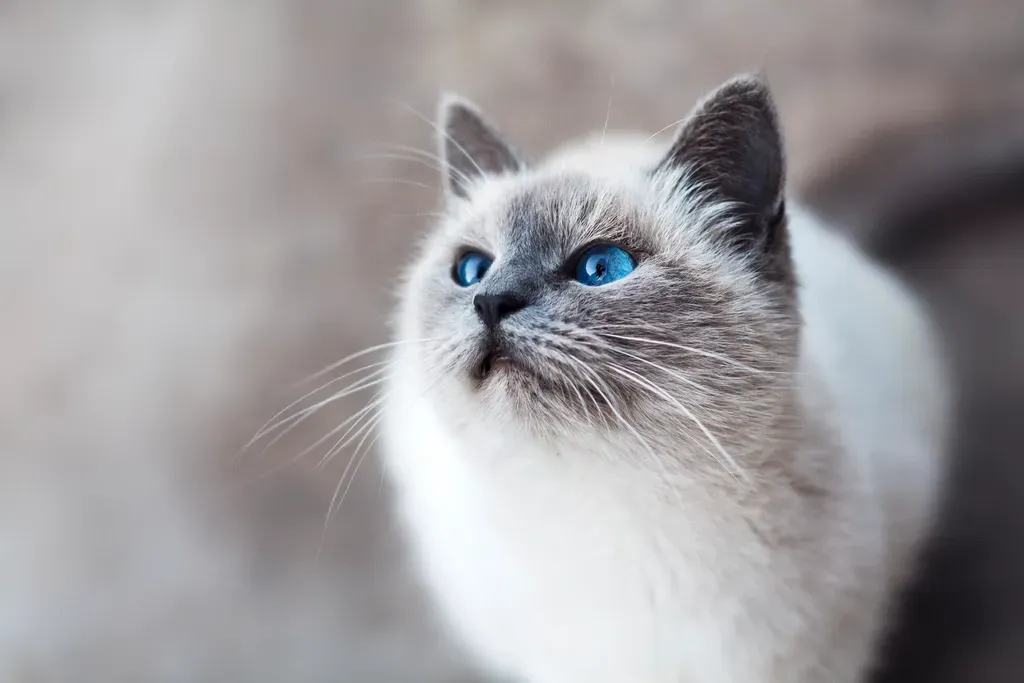
Let’s be real, that adorable purring isn’t always what it seems. Solicitation purrs are based on the same low-pitched sounds that contented moggies make, but embedded within them is a high-pitched signal that sounds like a cry or a meow. Scientists discovered this sneaky tactic when they analyzed the acoustic structure of different purrs and found something unsettling.
This extra sound stood out from the typical low frequencies of a purr, and is more like a cry or a meow. The frequency is actually very similar to that of a crying infant, so small wonder that it tugs on the human heartstrings. Your cat has literally evolved to hijack your parental instincts when they want breakfast at five in the morning. That’s not genius, that’s manipulation of the highest order. Cats learn to dramatically exaggerate it when it proves effective in generating a response from humans.
They Remember Things for Years
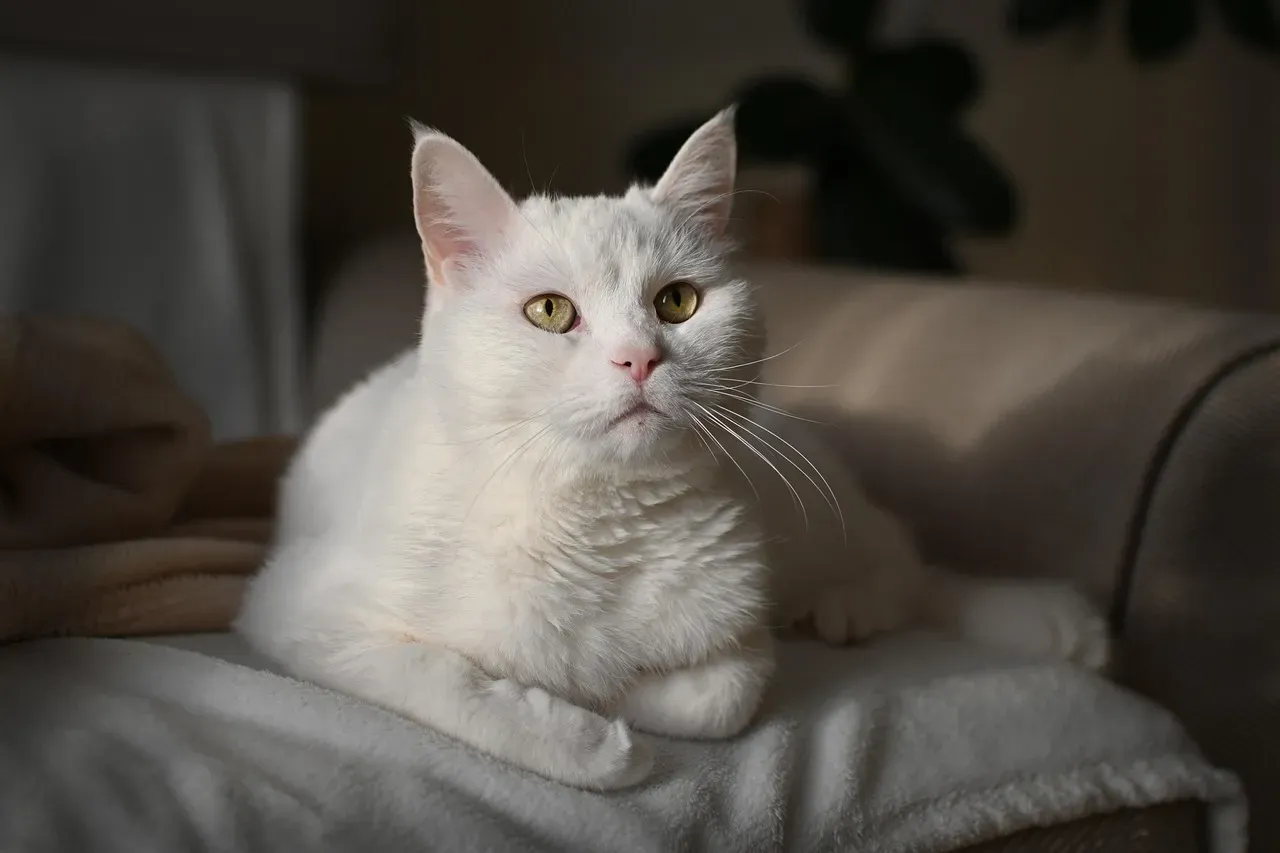
Here’s something that might surprise you about your seemingly aloof companion. Cats have well-developed memory retaining information for a decade or longer. These memories are often intertwined with emotions, allowing cats to recall both positive and negative experiences associated with specific places. This explains why your cat still avoids that corner where the vacuum cleaner attacked them three years ago.
Their working memory span of about 30 seconds proves sufficient for hunting and problem solving tasks, while their long-term memory can retain information for years. Their procedural memory for learned tasks can last up to a decade or more, especially when associated with positive experiences or rewards. This isn’t just remembering where you keep the treats. It’s genuine long-term memory storage that rivals many other mammals. The ability to recall and apply past experiences to new situations is a hallmark of true intelligence, not just instinct.
They Train You Better Than You Train Them
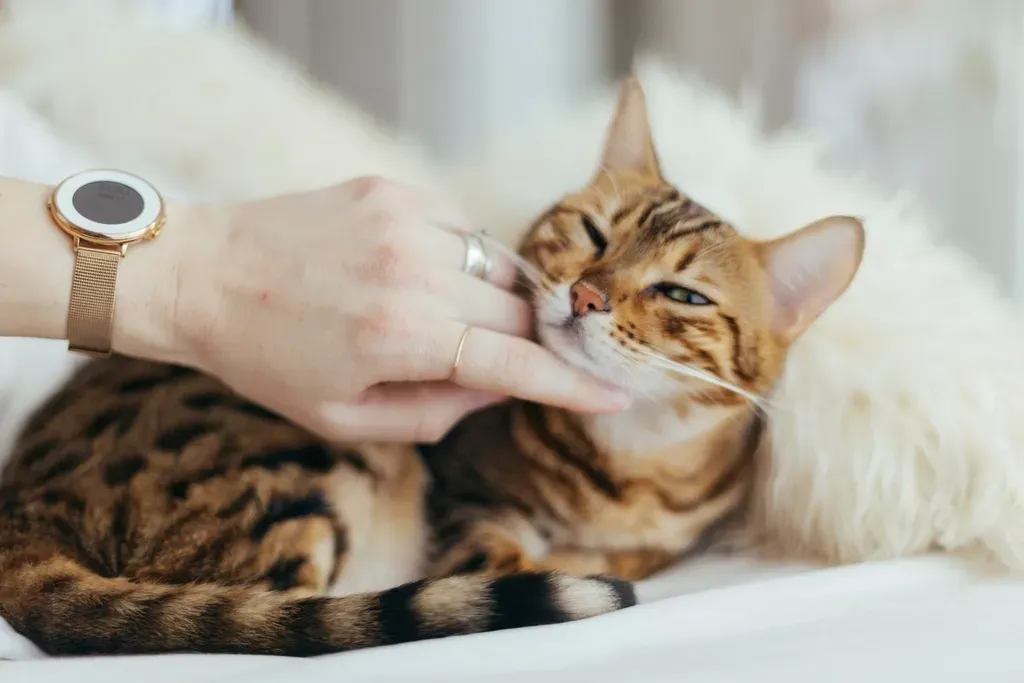
Think you’re in charge because you control the food supply? Think again. Cats are smart enough to put human behavior into context, they can train themselves to behave in ways that trigger those behaviors. Every time your cat meows and you respond, they’re taking notes on what works.
Cats adjust their meows depending on context and how their owners respond. The variations aren’t rigid categories, but flexible signals shaped by the human–cat relationship and how well each sound works. They’re literally conducting behavioral experiments on you. If a particular meow gets them fed faster, they’ll use it more often. If rubbing against your legs at exactly six o’clock results in dinner, suddenly that becomes their new routine. You think you’re caring for your pet, but really, they’ve been systematically conditioning you to respond to their cues. Honestly, it’s kind of impressive when you think about it.
They Understand Object Permanence
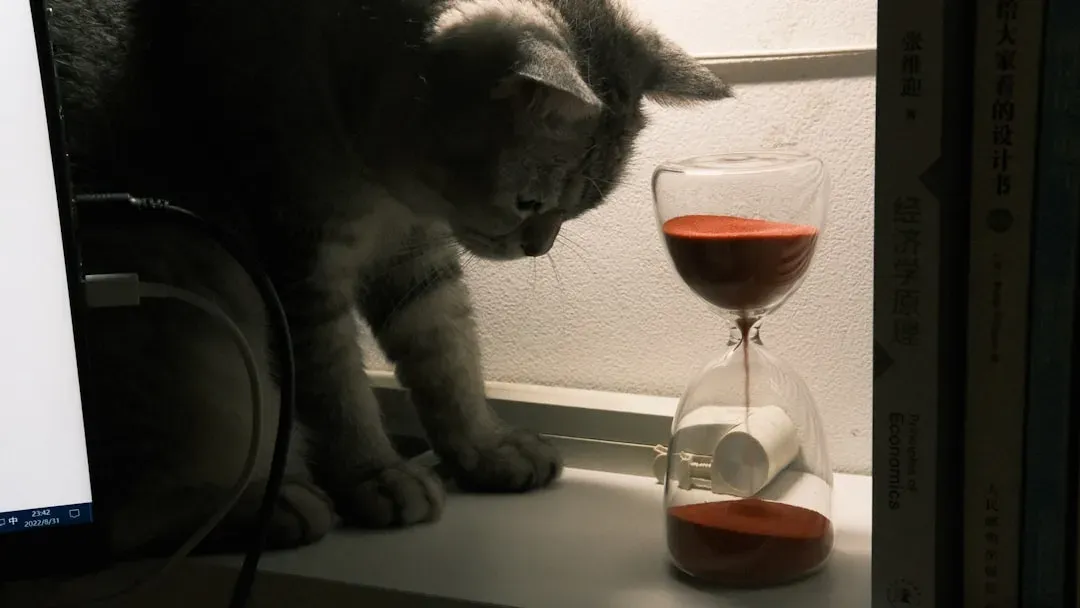
Cats are aware of objects that aren’t directly visible to them. They understand that something out of sight isn’t necessarily gone forever. This might seem basic, but object permanence is actually a sophisticated cognitive skill that human babies don’t develop until around eight to twelve months of age.
When you hide a toy behind a box and your cat immediately goes searching for it, they’re demonstrating an understanding that objects continue to exist even when hidden. When the container rattled the cats expected it to have something inside, meaning they understood a causal-logical connection between a sound and the appearance of an object they couldn’t see. This is abstract thinking, plain and simple. It requires mental representation of things that aren’t physically present, which is a sign of genuine intelligence rather than reactive behavior.
They Block Your Screen for Maximum Attention
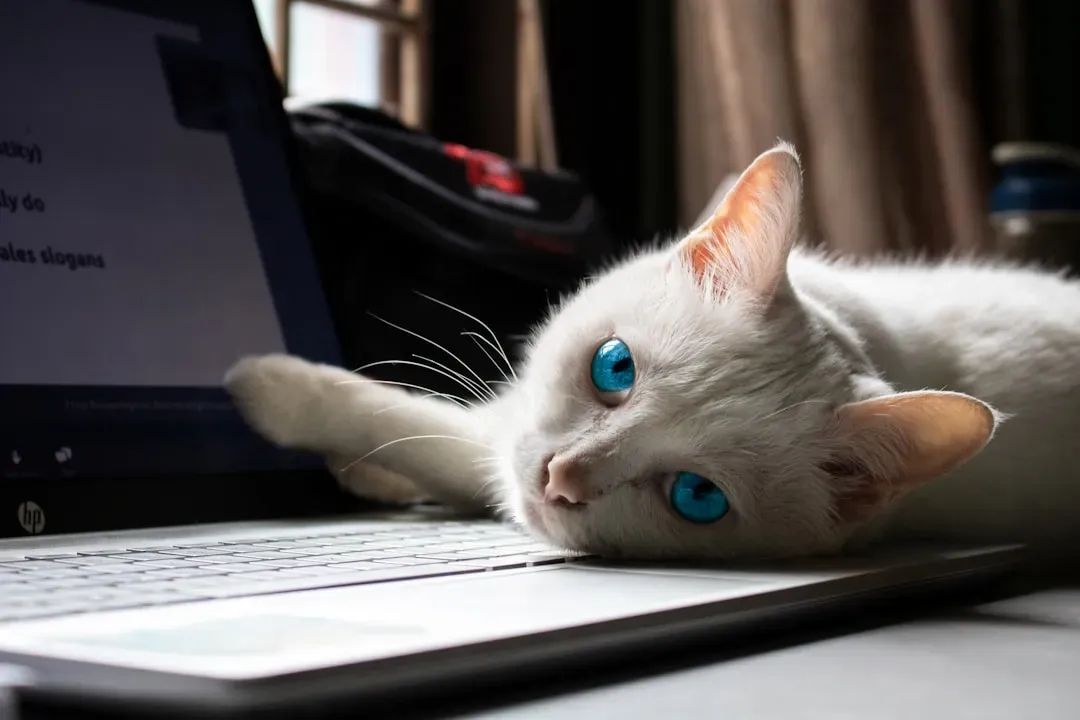
Ever noticed how your cat has an uncanny ability to position themselves directly between you and whatever you’re looking at? That’s not random. When a cat strolls across a keyboard or settles on a book, it’s usually because it has noticed how intensely their human focuses on the object. The device becomes a high-value spot simply due to your attention, warmth, and predictable reactions. By placing themselves in that space, cats redirect your focus back toward them.
They’ve figured out that the glowing rectangle commands your attention, so they insert themselves into the equation. It’s strategic, calculated, and it works every single time. Your cat isn’t sitting on your laptop because it’s warm, though that’s a nice bonus. They’re sitting there because they’ve learned that’s the fastest way to make you look at them instead of your email. That’s manipulation dressed up in fur and whiskers.
They Can Follow Human Pointing and Gaze
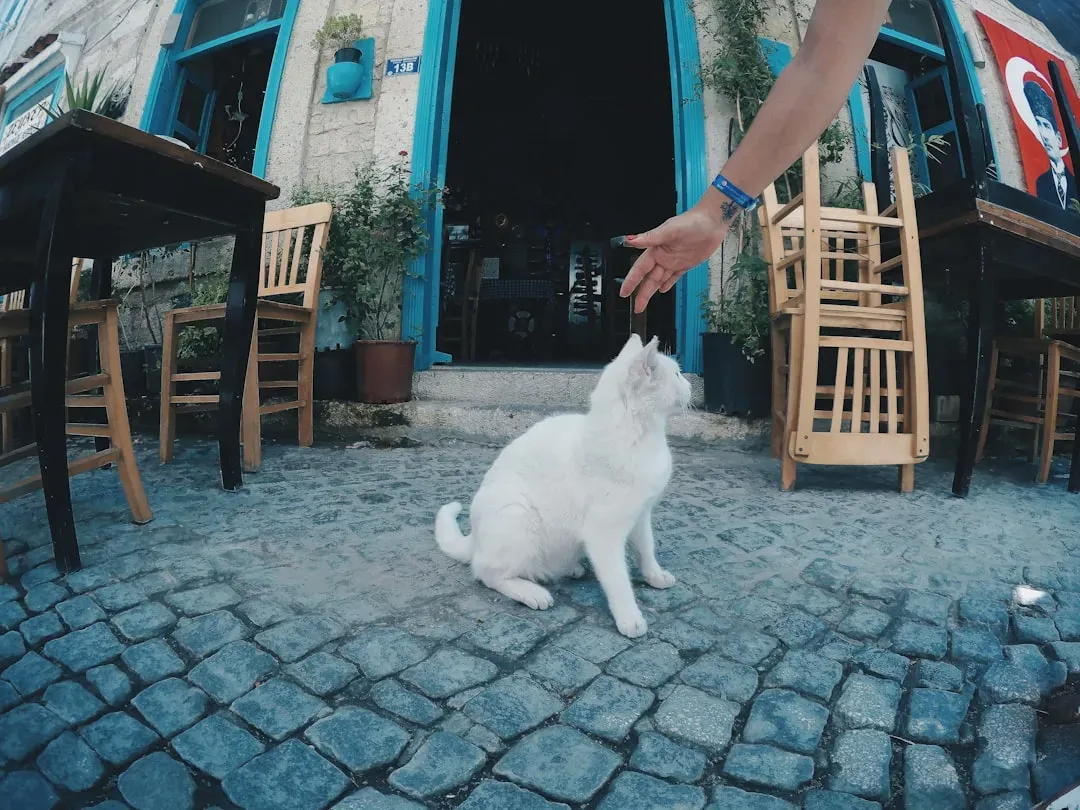
To see cats use gaze the way people do – to share information – is really surprising. The findings provide stronger proof that cats have evolved to be capable of complex communication with humans. Most animals don’t naturally follow human pointing gestures, but cats do, and they do it well.
The performance rates of cats really surprised researchers. We haven’t seen that with farm animals. When you point at something and your cat actually looks where you’re pointing, they’re demonstrating social intelligence that was previously thought to be unique to dogs and a few other highly social species. This ability shows that cats understand humans are intentional beings with knowledge worth paying attention to. It’s collaborative communication, and it suggests cats view us as partners rather than just food dispensers.
Their Meowing Is Exclusively for You
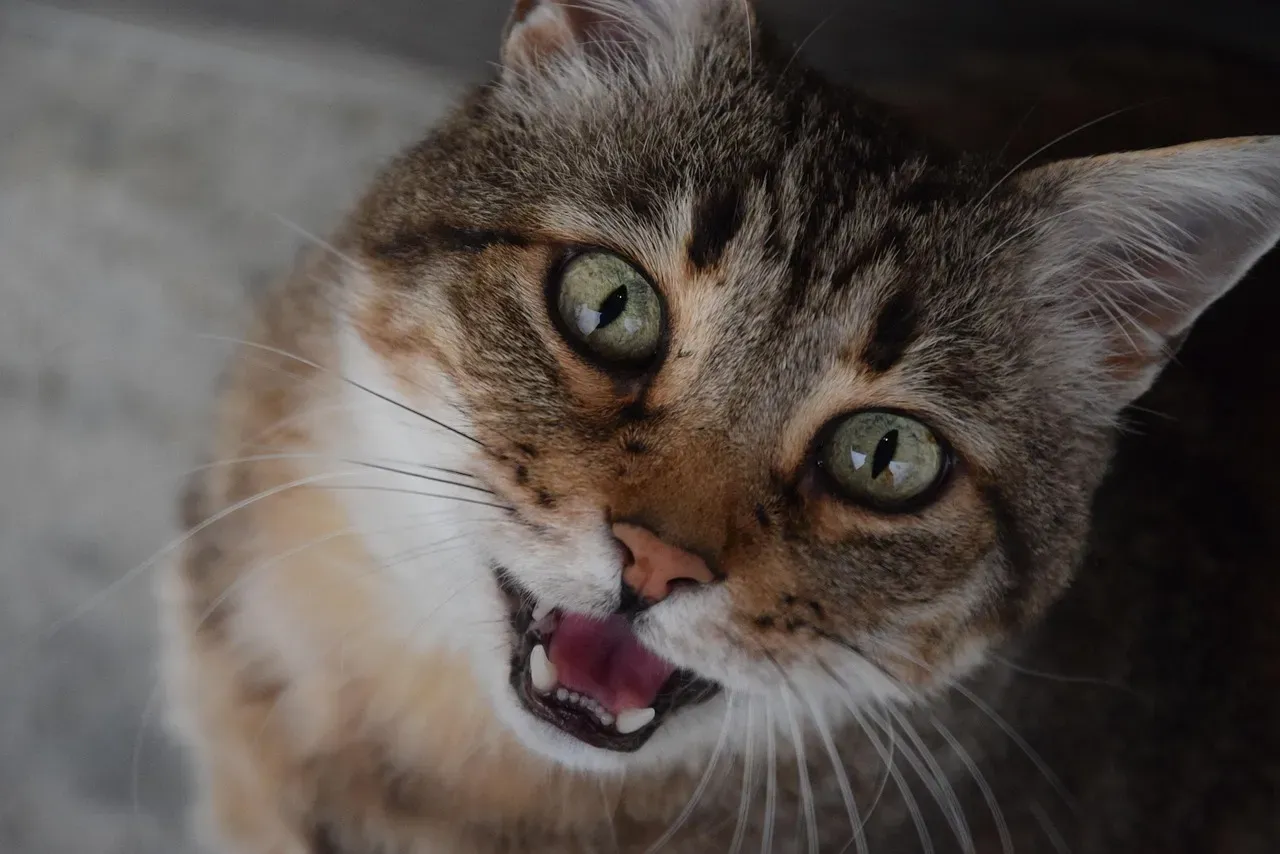
Here’s something fascinating: Household cats are quite vocal to their human companions, using different meows to communicate different messages. Adult cats rarely meow at each other in the wild. They save their vocal repertoire specifically for humans because they’ve learned it gets results.
Cats don’t understand the meaning of their meows, but they do know which meows elicit which human behaviors. Cats are good at manipulating their owners. They’ve essentially created a language just to communicate with us, tailoring their vocalizations based on what gets the best response. Some cats even develop different meows for different family members. That’s not instinct, that’s learned behavior designed specifically to manipulate human responses. Your cat is basically conducting ongoing psychology experiments to see which sounds make you jump fastest.
They’ve Mastered the Art of Scent Marking Disguised as Affection

When your cat rubs their head against you, it feels like pure love, doesn’t it? Well, it might be, but there’s a manipulative element too. A soft nudge to the face or chin leaves scent markers. People usually respond by petting, holding, or staying nearby. The move builds a routine where proximity becomes expected, and the cat ends up directing where everyone settles.
Your cat is literally marking you as their property while simultaneously training you to give them attention. It’s a two-for-one manipulation special. They get the satisfaction of claiming you, the warmth of your body, and your undivided attention, all while you think you’re just having a sweet bonding moment. The genius part is that it genuinely strengthens your bond while still being strategically advantageous for them.
They Show Remarkable Adaptability
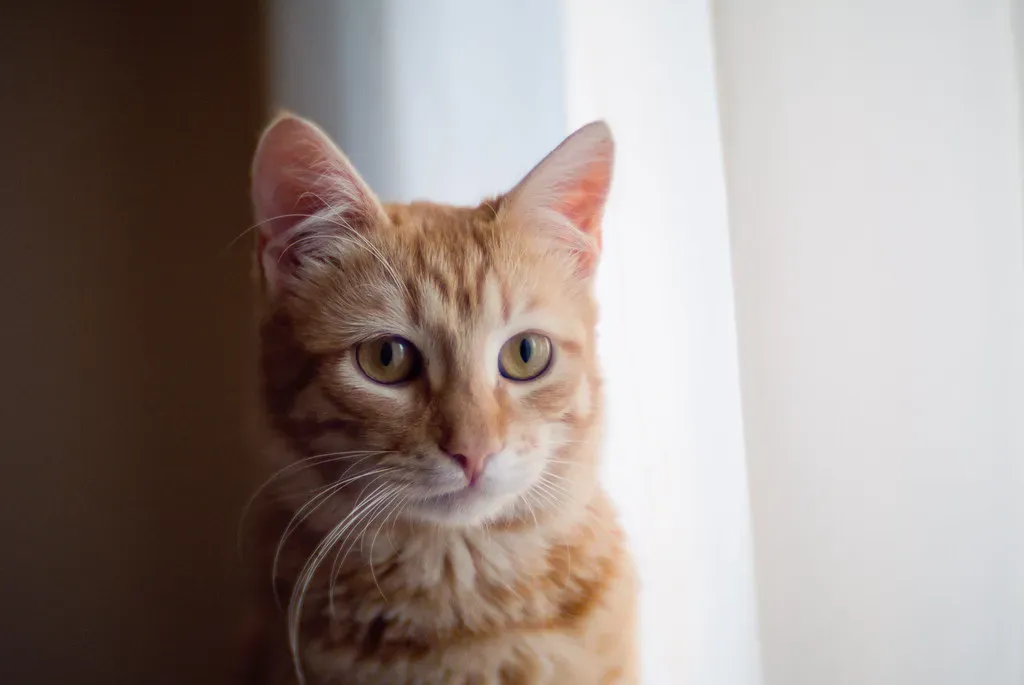
Living in urban environments has exposed cats to challenges that require adaptive behaviors, contributing to cognitive development. Selective breeding and genetic changes have further influenced their intelligence. Kittens learn essential survival skills by observing their mothers, while adult cats refine their abilities through trial and error. The ability to adapt to completely different environments is a sign of flexible intelligence.
Cats descend from antisocial ancestors, and humans have spent far less time aggressively molding them into companions. So researchers thought cats couldn’t possibly share our brain waves the way dogs do. Yet, cats defied these expectations. They’ve adapted from solitary hunters to social companions without losing their independence. That takes serious cognitive flexibility. Unlike dogs, who were selectively bred for thousands of years to work alongside humans, cats essentially domesticated themselves and figured out how to thrive in human environments on their own terms.
They Time Their Demands with Precision
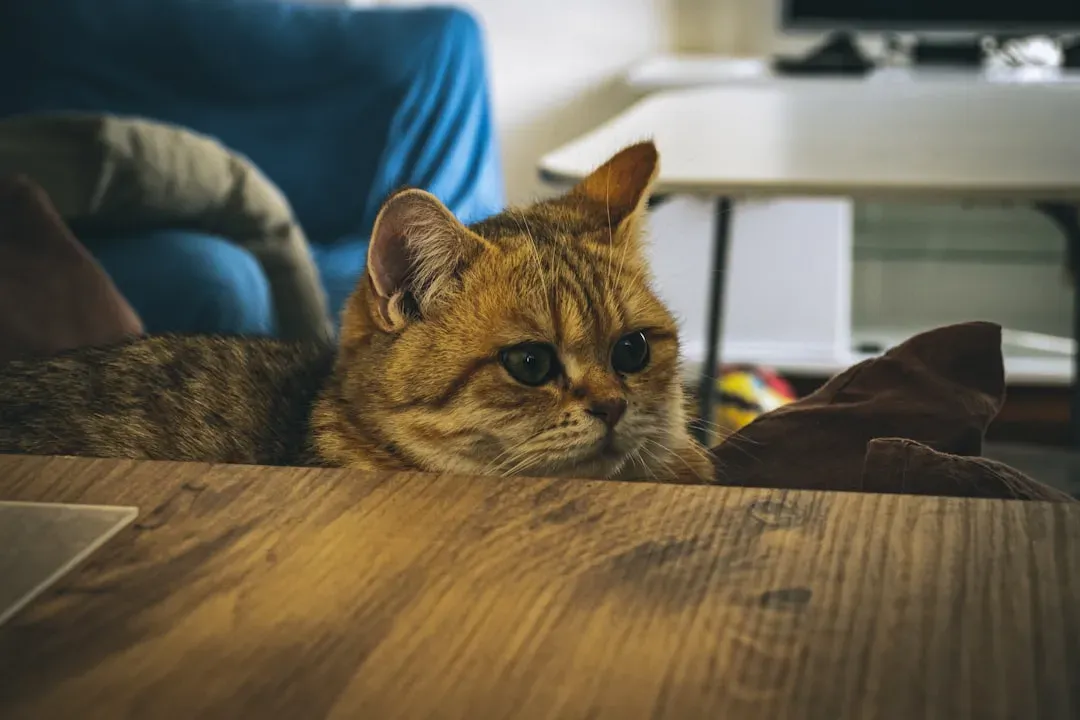
Cats are perfect alarm clocks and always stick to their schedule because they live for routine. If your cat wakes you up at the same time every morning, if they demand to be fed at the same time every day, they expect you to dedicate your free time after you come back from work. This isn’t just about hunger or biological clocks.
Your cat has learned your schedule better than you know it yourself, and they’re using that knowledge to their advantage. They know exactly when you usually wake up, when you typically eat, and when you’re most likely to be available for play. This is called associative learning. They’ve connected specific times and events with desirable outcomes, and they’re not shy about reminding you when you’re off schedule. That’s strategic time management wrapped in fur.
They Learn Through Observation but Add Their Own Twist
The cat figures out their own way to solve the problem, often through trial and error, without perfectly copying the animal it’s watching. They benefit from the model but are not specifically copying exact movements. This shows creative problem solving rather than simple mimicry.
Cats don’t just copy what they see, they adapt it. If one cat watches another open a door with their paw, they might try using their head or jumping at the handle instead. Cats can learn through both observation and experience. They watch their human companions and other animals to acquire new skills, such as opening doors or manipulating objects. This ability to innovate and personalize solutions is a hallmark of genuine intelligence. They’re not just following a script, they’re improvising and improving on what they observe.
They Demand Attention While You’re Busy
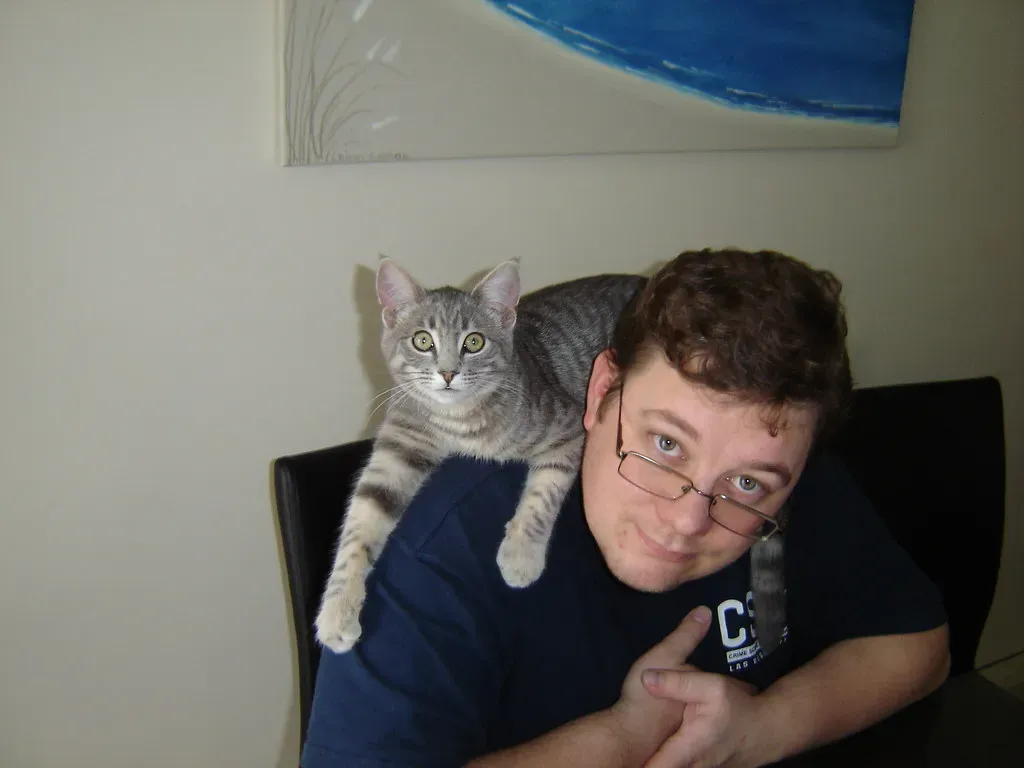
If your cat demands attention constantly and insists on being the center of your world, it may be using manipulative behavior to get what it wants. This can include rubbing against your legs, meowing loudly, or getting in your personal space. The timing is never accidental.
Cats have an almost supernatural ability to know when you’re on an important phone call, trying to concentrate on work, or reading something crucial. That’s when they decide it’s the perfect moment for attention. They’ve learned that interrupting focused activities gets faster results than asking for attention when you’re already free. Cats often use affection as a way to manipulate their owners, purring loudly, and rubbing against them in hopes of getting a pet or a treat. While not all affectionate behaviors are manipulative, it’s essential to recognize when your cat may be using these tactics to get what it wants.
The Final Verdict on Your Feline Friend
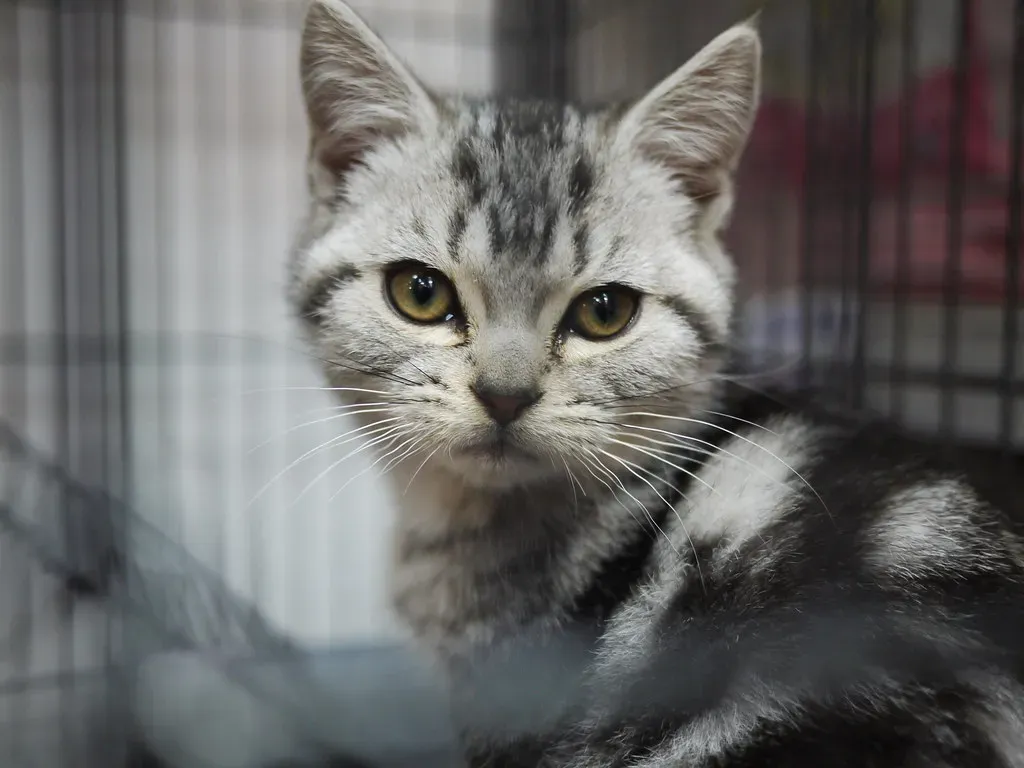
So what’s the truth about your cat? Are they a genius or a manipulator? The answer is probably both, and that’s what makes them such fascinating companions. Cats have around 250 million neurons in their cerebral cortex, more than many other mammals. That’s genuine processing power they’re working with, and they’re not afraid to use it for their own benefit.
The reality is that intelligence and manipulation aren’t mutually exclusive. In fact, you kind of need to be smart to be a good manipulator. Your cat has spent generations perfecting the art of living alongside humans while maintaining their independence. They’ve figured out how to get what they need from us while still being themselves. Whether your cat is solving complex puzzles, hijacking your parental instincts with carefully calibrated purrs, or both, one thing is certain: they’re far more complex than we give them credit for. What do you think? Is your cat outsmarting you, or are they just really good at making you think they are? Tell us in the comments.