Have you ever wondered why your cat seems to know exactly when you need comfort? That gentle paw on your arm during a tough day or the way they curl up beside you when you’re feeling low isn’t just coincidence. Research has shown cats can form secure attachments to their owners, like infants with caregivers and they recognize human emotions, read tone and gesture, and exhibit behaviors linked to empathy and social awareness. Not only can our cats sense emotions such as anxiety and depression, but they can also change their behavior to act accordingly, determined by our mood.
These furry companions aren’t just passive observers of our emotional states. Cats’ autonomous behaviors and reactions positively influenced the participants in recent studies examining human-cat interactions. Your cat might actually be your most intuitive therapist, offering subtle healing gestures that you’ve never fully appreciated. Let’s explore the fascinating ways your feline friend is quietly working to mend your heart and soul.
The Therapeutic Power of Purring
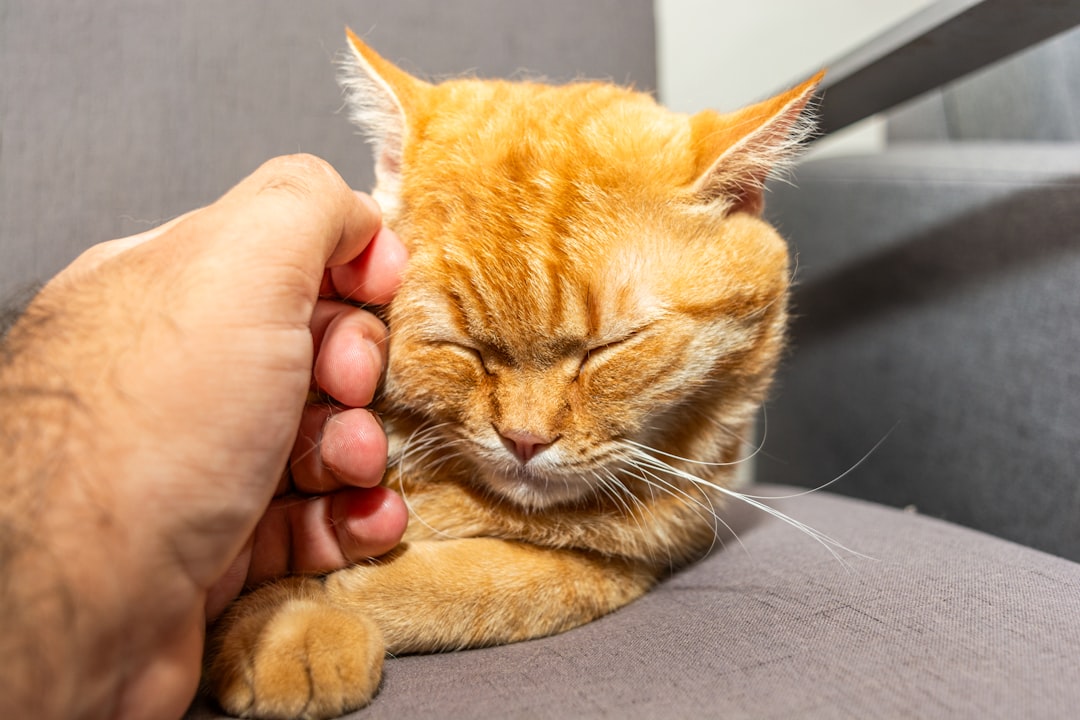
The gentle vibration of your cat’s purr is far more than a simple expression of contentment. The frequency of cat purring has been shown to fall between 25 and 140 Hz. The same frequency has been shown to aid in the healing of broken bones, joint and tendon repair, and wound healing. The low-frequency vibrations of a cat’s purring are often used in sound therapy, a form of vibrational healing that applies specific frequencies to the body. These vibrations can help reduce inflammation, improve circulation and stimulate the healing of damaged tissues.
When your cat purrs beside you during emotional distress, they’re essentially providing natural therapy. Petting a cat or listening to their purring triggers the release of oxytocin, a hormone that promotes happiness and reduces stress. This calming effect lowers cortisol levels – the stress hormone associated with high blood pressure – and can help alleviate pain, easing chronic discomfort. Some people even report that there are many stories of people with migraines whose headaches are eased or extinguished when they lie with their heads close to purring cats.
Instinctive Kneading for Comfort
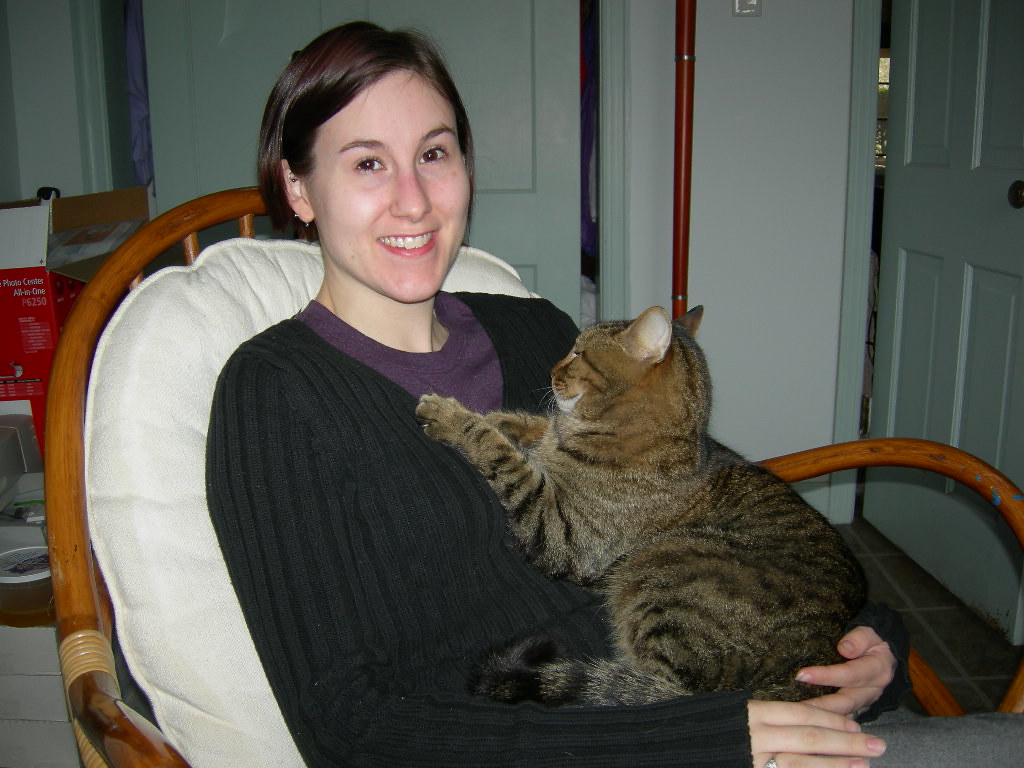
That rhythmic pressing motion your cat makes with their paws, often called “making biscuits,” carries profound emotional significance. Kneading is a behavior kittens exhibit while nursing from their mother. The action stimulates milk flow from the mother’s mammary glands, ensuring the kitten receives adequate nourishment. The rhythmic pressure on the mother’s belly becomes associated with comfort and security, creating a lasting impression on the cat’s behavior.
When your adult cat kneads on you, they’re offering the ultimate form of emotional comfort. When your cat kneads you, it can also be a sign of affection, since kneading is a behavior that he performed as a kitten with his mother. Kneading can thus convey a sense of comfort and security with you. The behavior becomes particularly pronounced during stressful situations. A stressed cat often turns to this rhythmic action as a coping mechanism. Kneading helps release endorphins, providing the feline with a soothing effect.
Seeking Physical Closeness During Your Vulnerable Moments
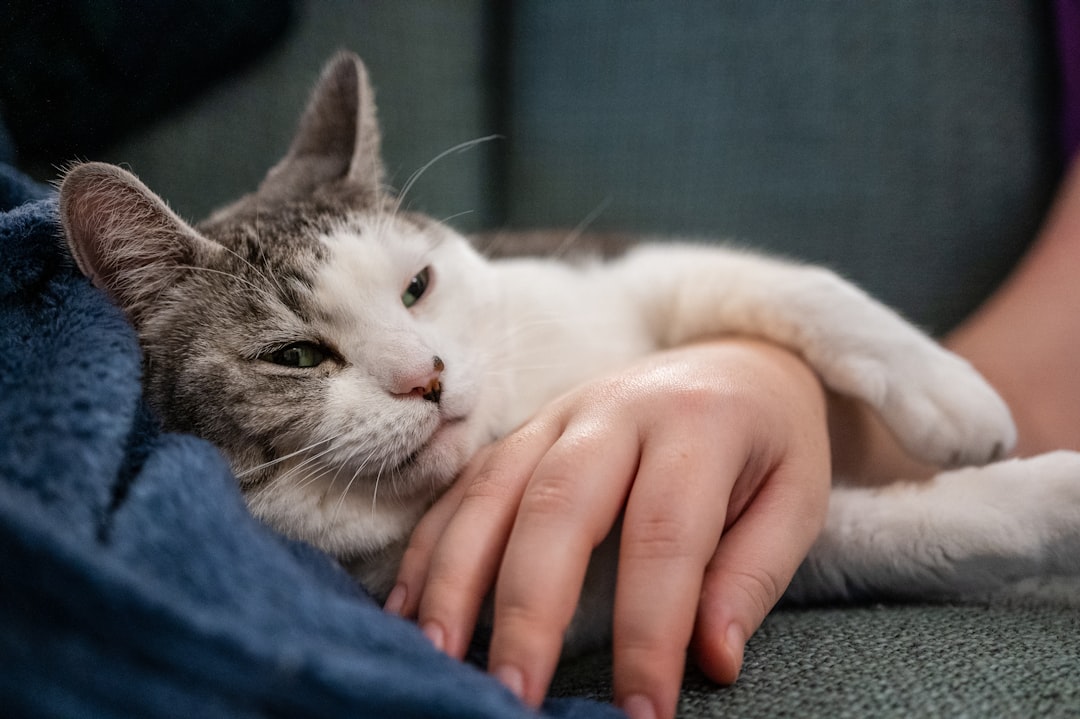
Your cat’s mysterious ability to appear at your side during difficult times isn’t accidental. Felines can recognize emotions via visual and auditory observations. So, if you’re depressed and are feeling low-energy, you might address your cat in a listless voice, which they pick up on. Or if you’re frowning or crying, your pet will definitely notice. And if you haven’t had the urge to leave bed for a few days, other than to feed your cats and yourself, you can be assured your cat has noticed that something is off.
This heightened sensitivity leads to deliberate proximity seeking. Cats will often position themselves closer to their human during times of emotional distress. Their physical presence serves as a form of emotional anchoring, providing stability when you need it most. The warmth of their body and the steady rhythm of their breathing can have measurably calming effects on your nervous system.
Strategic Positioning on Your Body
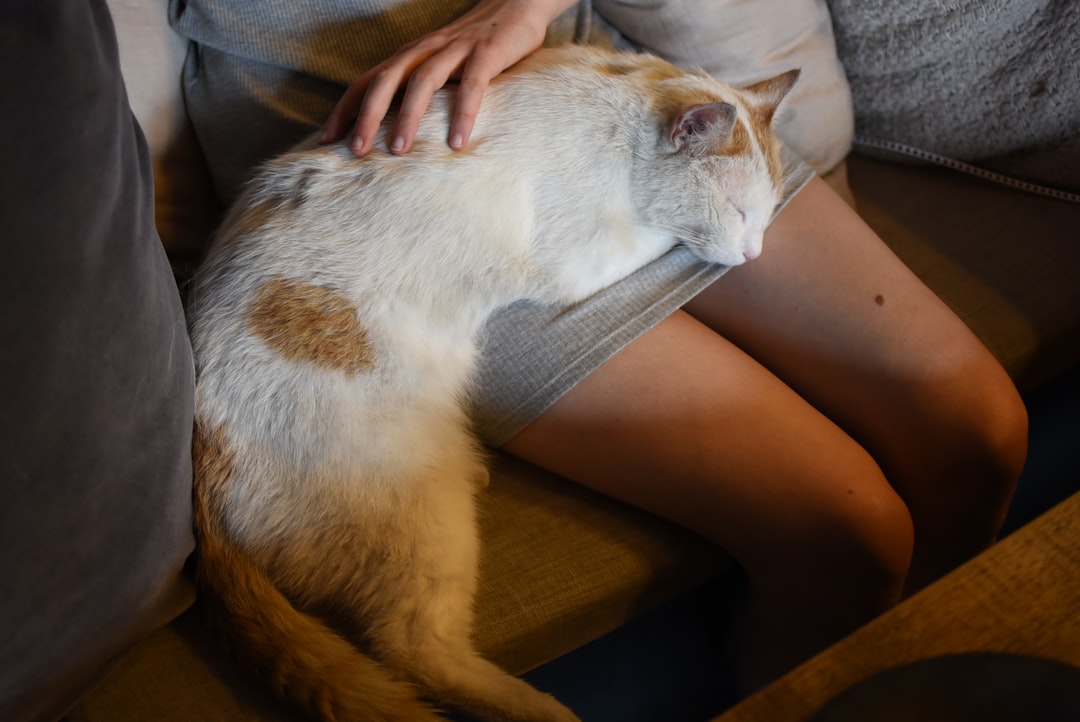
Have you noticed how your cat seems drawn to specific areas of your body when you’re unwell or emotionally drained? This isn’t random behavior. Many cat owners report their pets gravitating toward areas that need healing or comfort. One of my cats positioned himself right on my hip replacement. I was aware of the healing frequencies and appreciated it. Another person shared: As soon as I got home from my hip replacement, she began sitting for hours on my lap-positioned over the new right hip! It amazes me not only about the healing capabilities but of the cat’s instinct to know what needs healing.
Cats may choose to lie on your chest when you’re anxious, helping to regulate your breathing and heart rate. They might curl up against your back when you’re experiencing stress, providing both physical warmth and emotional reassurance. This behavior suggests an intuitive understanding of where their healing presence is most needed.
Gentle Head Butts and Facial Rubbing
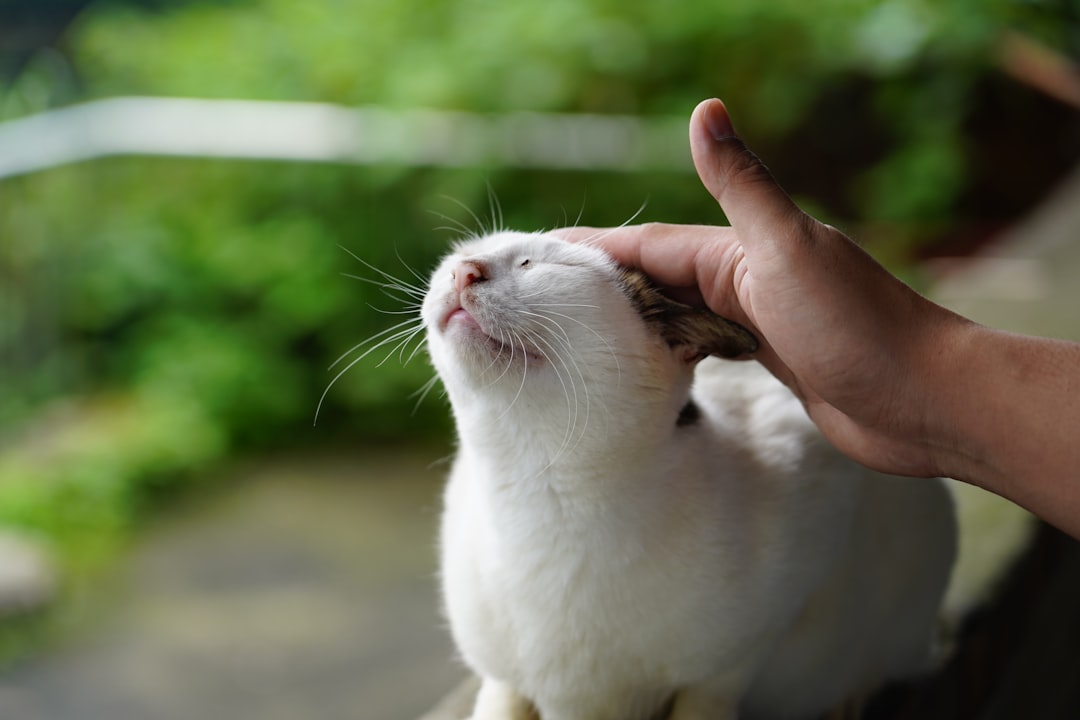
Those affectionate head bumps and cheek rubs your cat gives you serve a deeper purpose than simple greeting. The act of bunting may provide emotional comfort to cats, especially in unfamiliar or stressful environments. By depositing their scent, they create a familiar, reassuring atmosphere. When directed toward you during emotional difficulty, these gestures become acts of emotional healing.
When directed toward humans, kneading and bunting signify trust, love, and the desire to strengthen the human-cat bond. Through facial rubbing, cats are essentially claiming you as their own while simultaneously offering comfort through familiar scents. This behavior intensifies during times when you need emotional support, as if your cat recognizes the need to reinforce your bond.
Mirroring Your Energy Levels
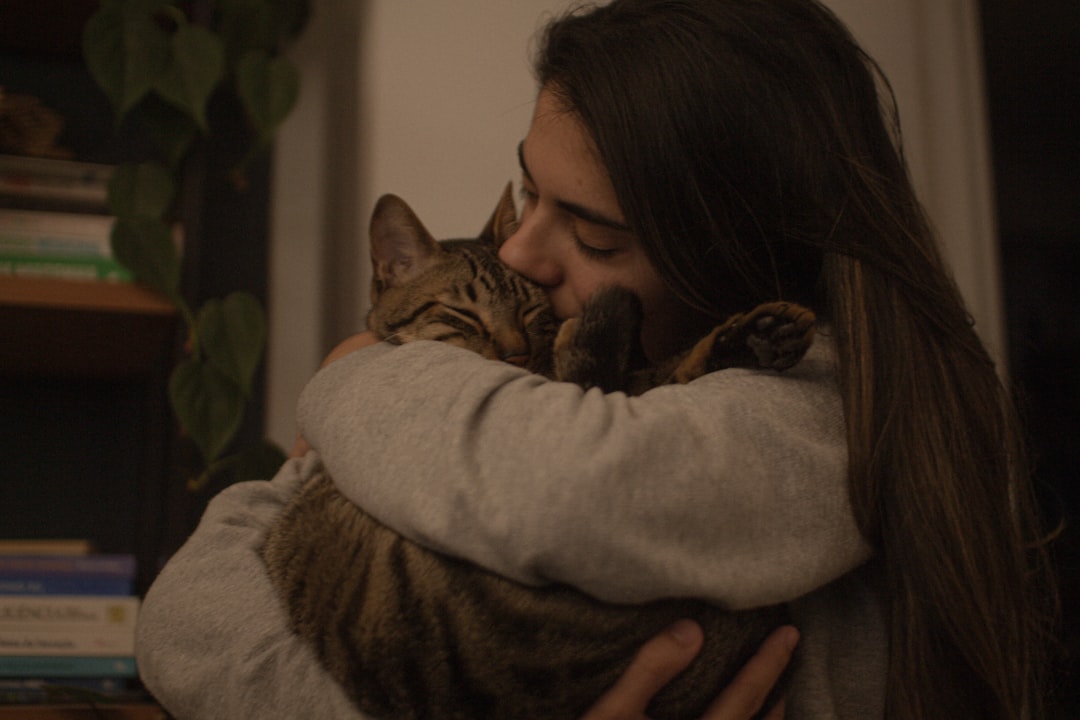
One of the most subtle signs of feline emotional healing is how cats adjust their energy to match yours. Cats integrate visual and auditory signals to recognize human and conspecific emotions and they appear to modulate their behavior according to the valence of the emotion perceived. When you’re feeling low-energy or depressed, your cat may become more subdued and gentle in their approach.
Conversely, when you’re anxious or agitated, cats may display calming behaviors to help regulate your emotional state. When it comes to cats sensing anxiety, they’re still looking at you to determine how you feel, but they’re doing it a bit differently from how they sense depression. With anxiety, your pet is doing what’s known as social referencing. This adaptive behavior suggests your cat is actively working to provide the type of energy you need for emotional balance.
Increased Grooming and Self-Care Behaviors in Your Presence
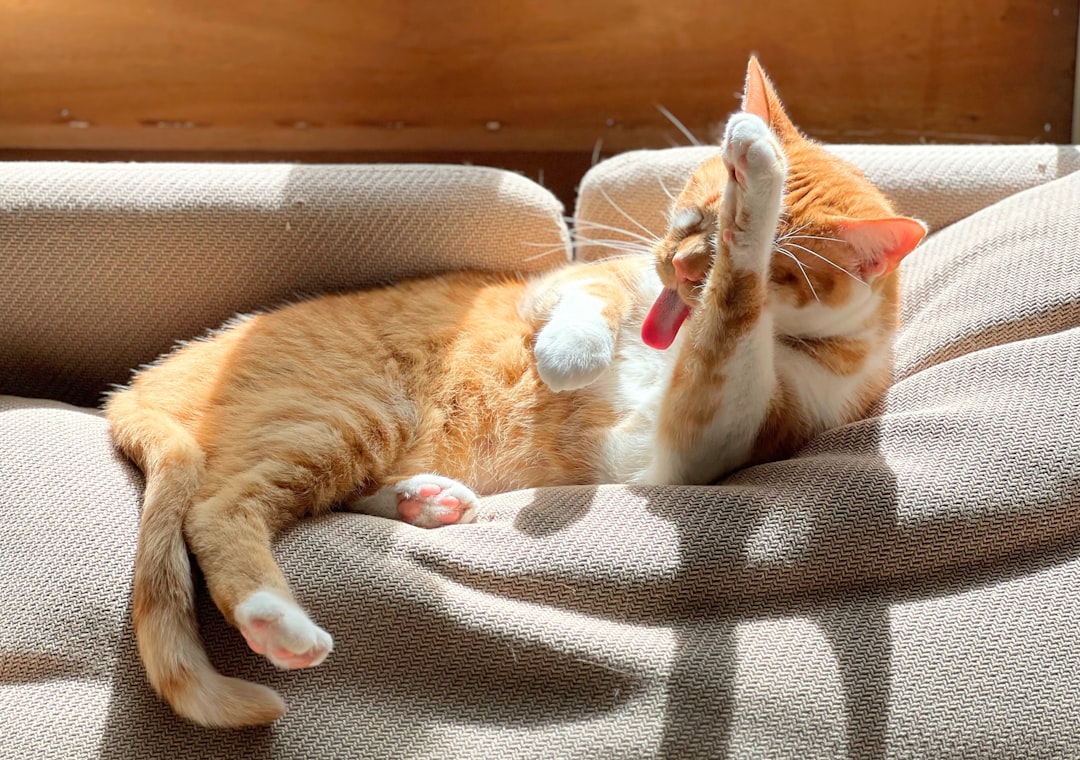
When cats begin grooming themselves more frequently in your presence during difficult times, they’re demonstrating another form of healing behavior. This self-grooming serves as a calming mechanism not just for them, but creates a soothing atmosphere for you as well. The rhythmic sound and visual of grooming can be meditative and stress-reducing.
Sometimes cats will even attempt to groom you directly, licking your hands or hair when you’re upset. This behavior stems from their natural caregiving instincts and represents their attempt to provide the same comfort they would offer to other cats in their social group. The gentle roughness of their tongue and the focused attention can be surprisingly therapeutic during emotional turbulence.
Your cat’s healing presence extends far beyond simple companionship. Whether through their soothing purr, calming presence or affectionate companionship, cats offer more than just a comforting presence in your home. For those dealing with stress, anxiety or physical discomfort, the healing power of a cat’s purring can provide much-needed relief. These remarkable creatures have evolved alongside humans for thousands of years, developing an almost supernatural ability to sense and respond to our emotional needs.
The next time your cat displays these subtle behaviors, recognize them for what they truly are: acts of love, healing, and emotional support. Your feline friend might not be able to solve your problems, but they’re certainly doing their part to help you feel better. Have you noticed your cat displaying any of these healing behaviors? Share your experiences in the comments below.