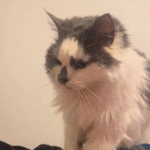
You wake up at two in the morning, disoriented, with something warm and furry pressed firmly against your skull. Your pillow is half-occupied. Your cat looks utterly unbothered. Sound familiar? If you share your bed with a feline, chances are you’ve experienced the puzzling phenomenon of your cat choosing your head, out of all possible spots in the entire house, as the preferred sleeping location.
It’s quirky, sometimes inconvenient, and honestly a little hilarious. Yet there are real, fascinating reasons behind this behavior. Reasons rooted in biology, instinct, and some surprisingly deep emotional territory. Let’s dive in.
Your Head Is Essentially a Space Heater
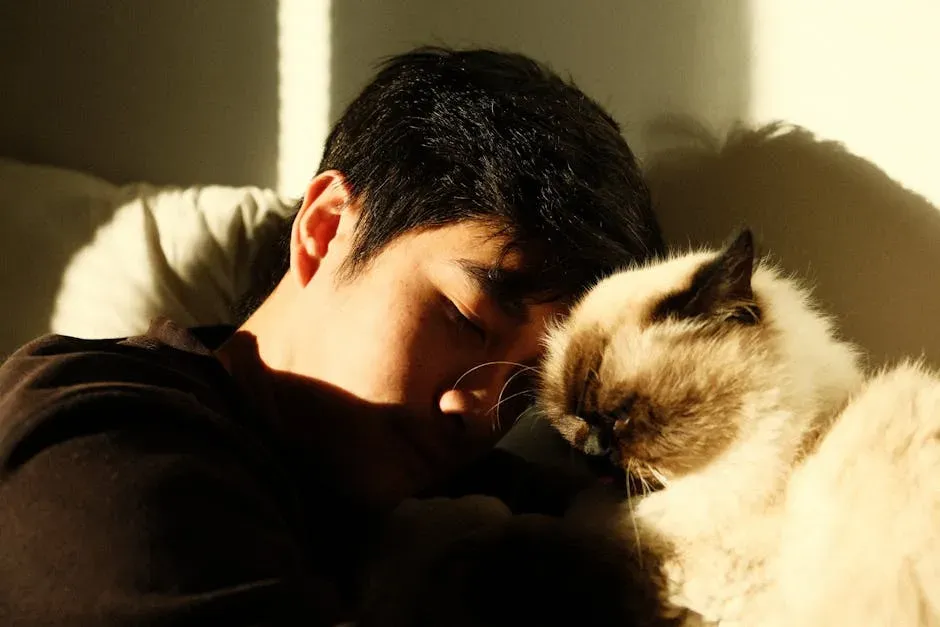
Here’s something you might not have thought about at midnight: your head is usually the part of your body not covered by a sheet or blanket when you sleep. That makes it the single most exposed, warmth-radiating surface in the entire bed. For a cat, that’s not a detail – that’s a destination.
A cat’s normal body temperature is around 102 degrees Fahrenheit, considerably higher than the human average. Cats also have fewer heat receptors than humans, which is why they actively take advantage of external heat sources to maintain their warmth. Think of your head as a living radiator your cat found before you even knew you were offering one.
Your Scent Is Strongest Right There
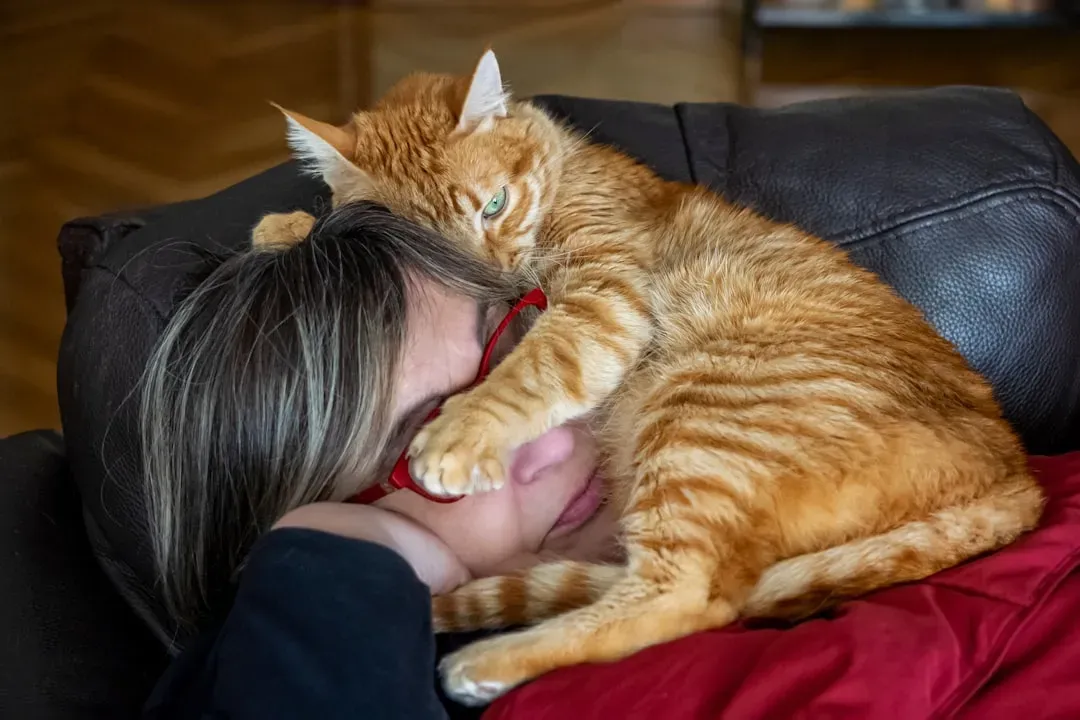
Human heads contain sweat and oil glands that carry a unique personal scent, and your cat may prefer to be closest to the part of you with the strongest concentration of it. That might sound a little odd at first, but for cats, scent is basically the language of safety. It’s how they know where they are, who you are, and whether or not everything is okay.
When your cat rubs against your head, your scent transfers to them, which may make them feel safe, secure, and give them a sense of belonging. Bonded cats that live together will often rub against each other to exchange scents and form a shared “family scent.” By curling up next to your face, your cat is essentially saying, “You smell like home.”
It’s a Profound Display of Trust
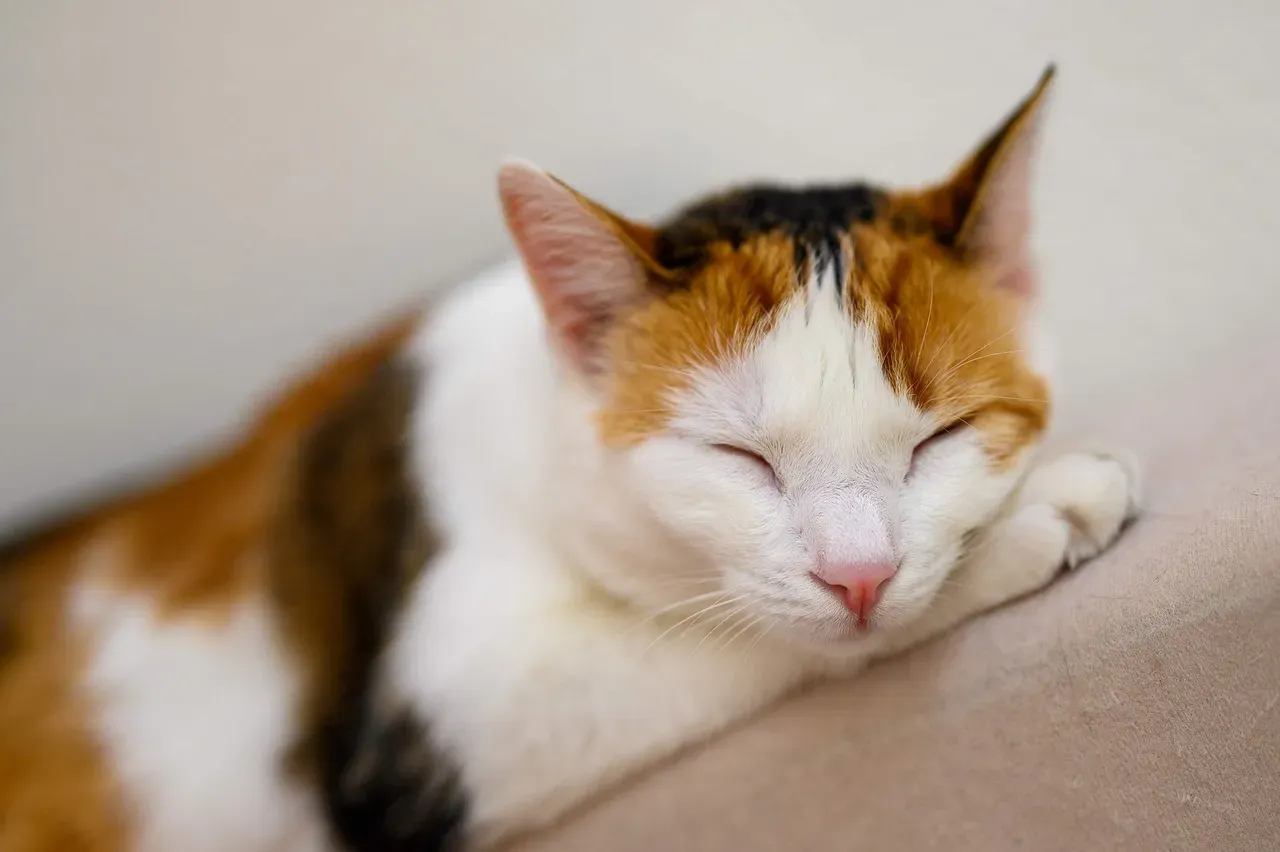
When your cat chooses to sleep by your head, they’re demonstrating a profound level of trust. In the wild, cats are most vulnerable while sleeping, and choosing to rest near your face shows they consider you a safe and reliable presence in their life. That’s not a small thing. In cat terms, vulnerability during sleep is about as exposed as it gets.
Sleeping is the most vulnerable state for a cat. By placing their most vital organs next to yours, they are signaling a level of trust equivalent to that between a kitten and its mother. It is the ultimate feline compliment. Honestly, once you understand this, the 3am fur-on-face situation feels a lot more touching.
Your Head Barely Moves During Sleep
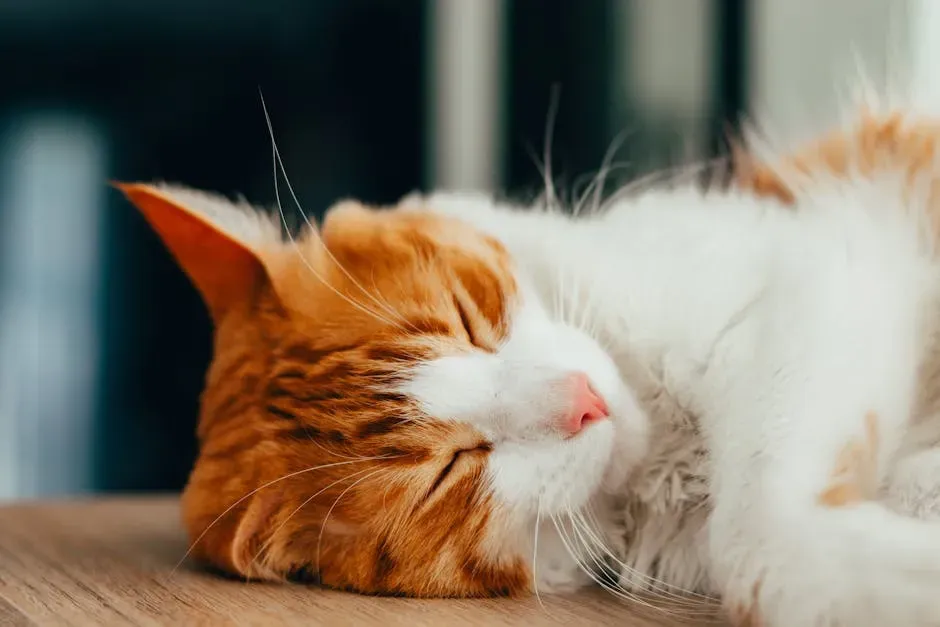
Let’s be real – if you were a small animal trying to nap, you’d want the most stable platform available. Your head is less likely to move around compared to arms or legs. Cats value stability while they rest, so this spot feels more predictable and they are less likely to have their precious slumber disturbed. Your restless legs? A disaster zone. Your tossing torso? Absolutely not. Your head? Prime real estate.
Your head also tends to move less than other body parts, making it an ideal spot for uninterrupted rest. The top of your head is relatively stable compared to other parts of your body, and since cats are sensitive to movement during rest, it provides a secure platform that’s less likely to disrupt their slumber. Your cat has essentially done a structural assessment of your body and come to a perfectly logical conclusion.
It’s Rooted in Wild Instinct
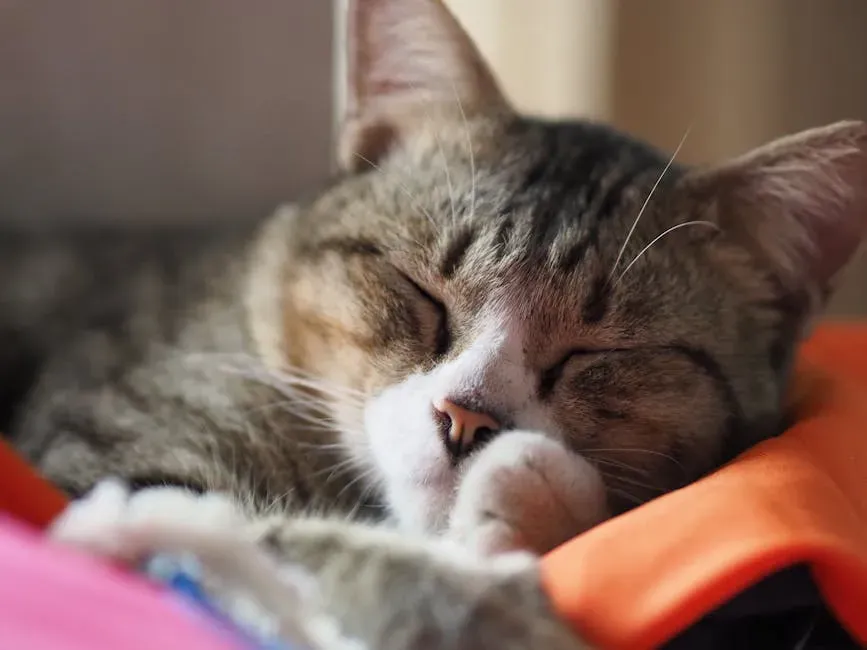
In the wild, cats often sleep in places that let them remain alert while still getting rest. A cat sleeping on your head is likely choosing that spot for warmth and security. Even your perfectly safe indoor cat still carries those ancient instincts. The need to sleep somewhere elevated, strategic, and secure never fully leaves them, no matter how many years of indoor living follow.
In the wild, cats often sleep in elevated or strategic positions to stay safe, and choosing their owner’s head as a high, secure area may reflect this natural instinct. Even though cats are domesticated, they still carry instincts from their time as wild animals, and proximity to their human offers them protection and security. Your head, perched above the rest of the bed, ticks every box on that ancient mental checklist.
Your Cat Is Quietly Keeping Tabs on You
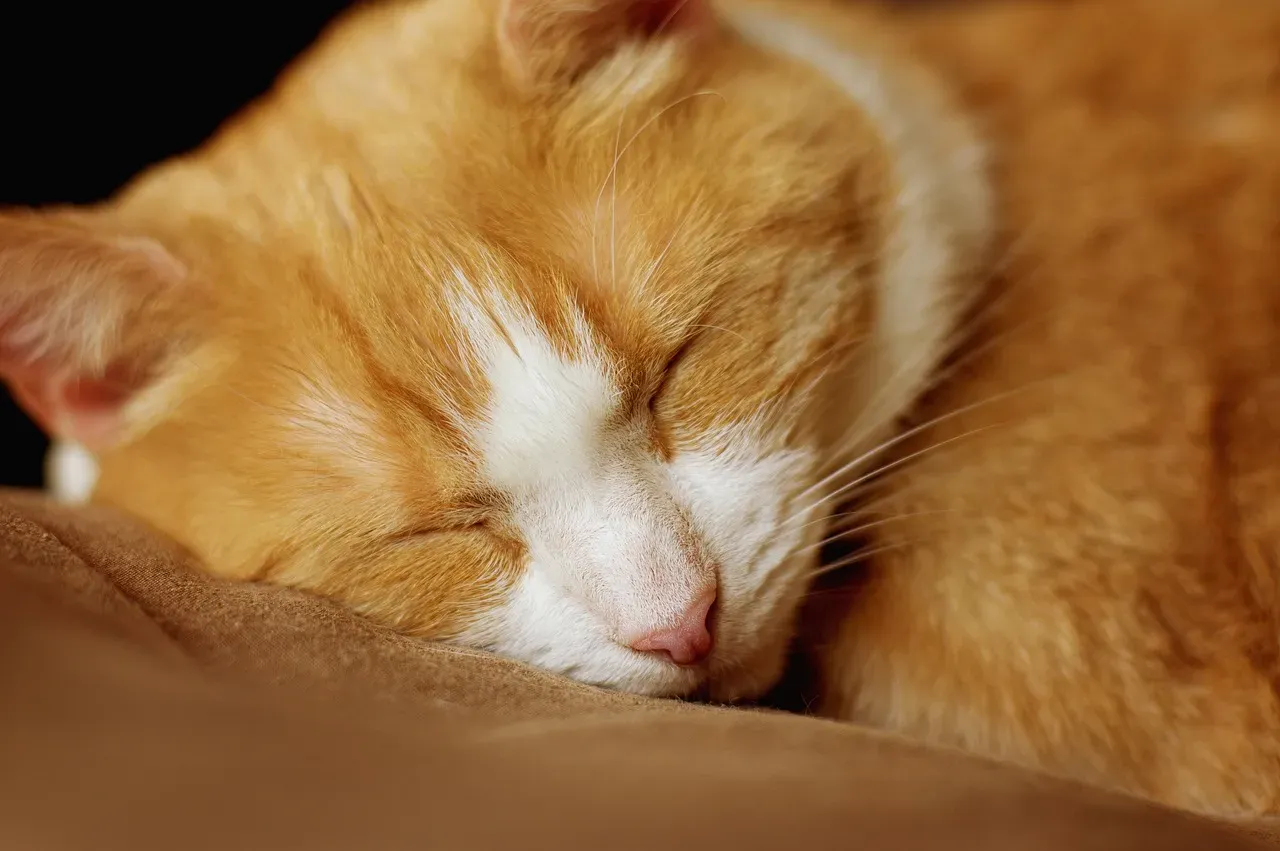
Here’s the thing – your cat is not just sleeping. In case you get up in the middle of the night, your cat will feel the motion and your absence so they can follow you. Positioning at your head also ensures the cat can easily wake you up by touching your face with a paw or by licking you. This isn’t clinginess, exactly. It’s more like a monitoring system with fur and purring.
Sleeping near your face allows cats to monitor your breathing and wake up the moment you move. Sleeping by your head enables your cat to keep an eye on you while still resting comfortably. It’s a bit like having a very small, very dedicated security guard assigned specifically to your pillow. Whether you asked for one or not.
It’s a Deep Expression of Social Bonding
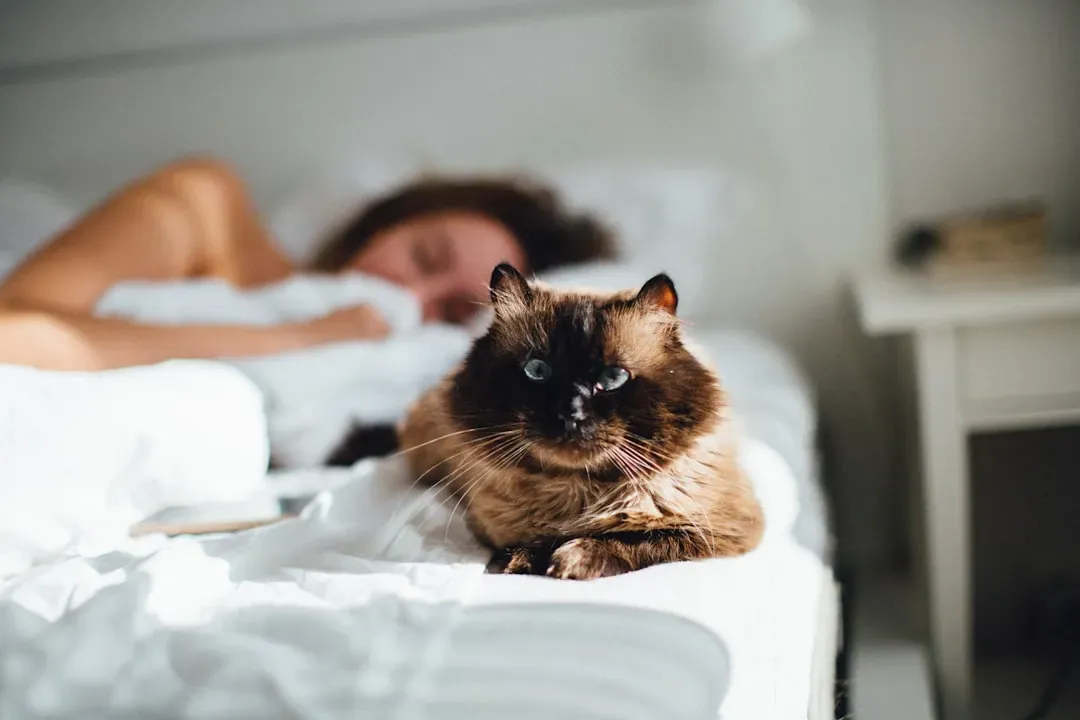
In feline behavior, physical closeness during sleep is an expression of deep social bonding. Those who let their cat lie on their head are considered part of the cat’s own group. This is the part that genuinely surprised me when I first learned it. Your cat isn’t just tolerating you. You’ve been formally inducted into their social circle, and nighttime proximity is the ritual that confirms it.
Cats that share strong bonds with their owners often display other attachment behaviors such as kneading, purring, grooming your hair or face, or following you from room to room. These actions are part of their natural bonding instincts, similar to how they behave with other cats they trust in a colony. The factor of habit should not be underestimated – cats are creatures of routine, and once they find a place particularly pleasant, they usually stick to it. So if your cat started this weeks ago and hasn’t stopped, consider that a long-term commitment.
Conclusion: That Furry Hat Means More Than You Think
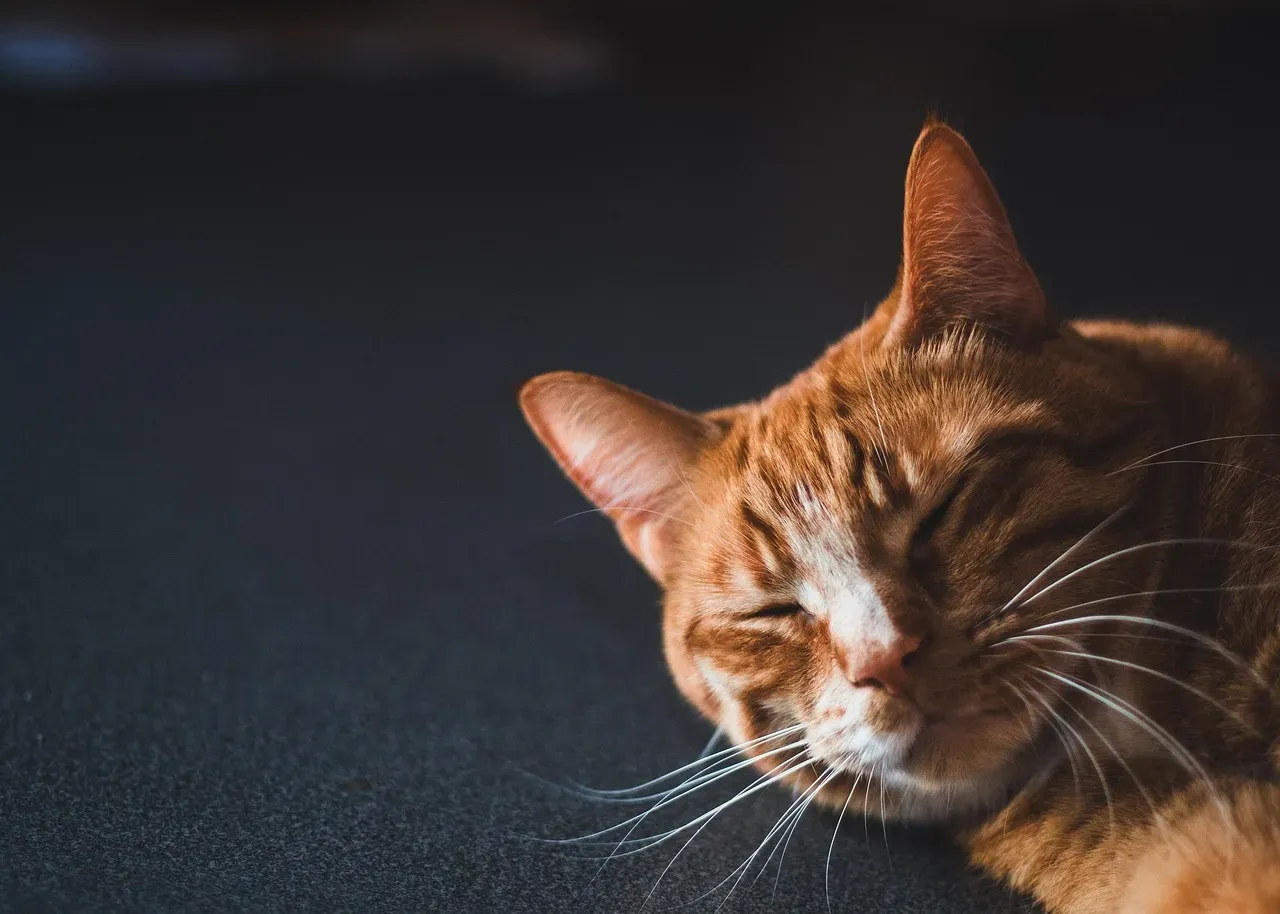
So the next time you wake up at an unreasonable hour with a warm, purring weight resting on your hair, resist the urge to grumble. What you’re experiencing is a cocktail of instinct, warmth-seeking, scent familiarity, deep trust, and genuine social bonding all happening quietly while you sleep. Cats are intentional about where they sleep, and choosing your head usually reflects comfort, bonding, and instinctive behavior.
Your cat’s choice to sleep by your head is a beautiful expression of trust, comfort, and affection. This behavior showcases the special bond you share and their instinctual need for security and warmth. Your cat picked you. Out of every corner, cushion, and windowsill in the house, they chose your head. That’s kind of remarkable when you think about it.
The real question is: now that you know all of this, will you feel differently when it happens tonight? Drop your thoughts in the comments – especially if your cat has their own unique bedtime ritual.