You spent good money on that plush, memory-foam, designer cat bed. You placed it in the perfect sunlit corner, added a little blanket, maybe even a toy. Your cat walked past it, sniffed it once, and climbed directly into the empty Amazon box sitting on the floor. Sound familiar? You are absolutely not alone in this experience, and honestly, there is a lot more going on inside that cardboard square than you might think.
The truth is, your cat’s obsession with boxes is not stubbornness or some feline personality quirk designed to humiliate you. It is ancient, hardwired, and deeply tied to how cats understand safety, warmth, and survival. There are real scientific reasons behind this behavior, and once you understand them, you may never look at a cardboard box the same way again. Let’s dive in.
1. Their Wild Instincts Are Still Very Much Alive
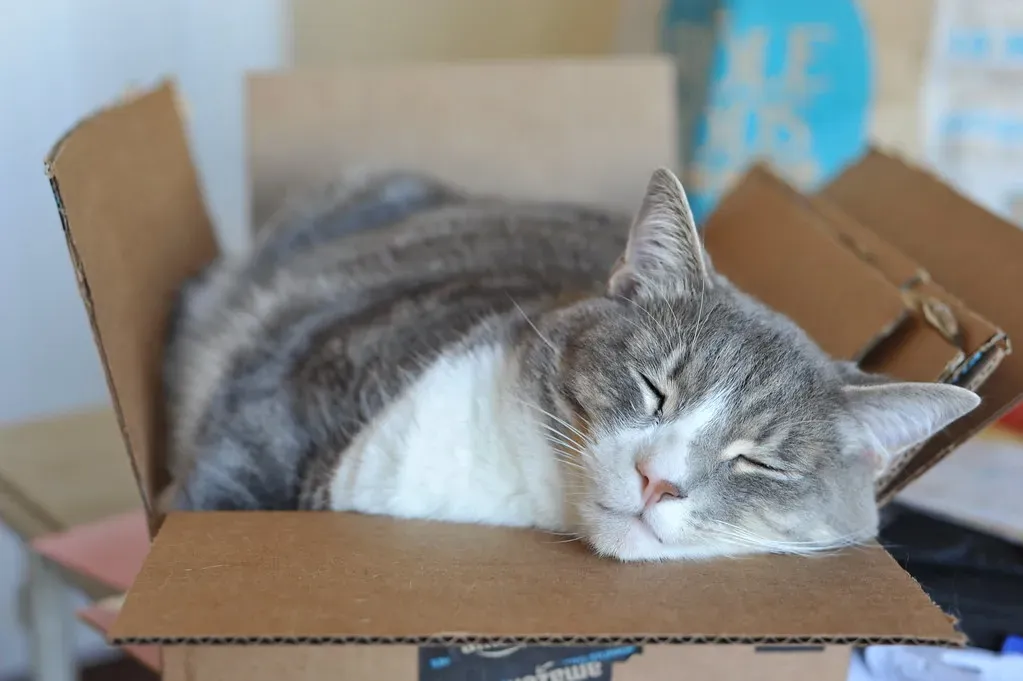
Here’s the thing about your adorable, domesticated house cat: deep down, they still think they are a wild predator. Cats are ambush predators, and finding confined places where they can hide, hunt prey, and feel safe and warm is an instinctive behavior. That behavior did not disappear just because you started serving them salmon pate twice a day.
To truly understand your cat’s love for boxes, you need to look at their evolutionary history. Wild cats used natural shelters like burrows and tree trunks to hide from predators and hunt in safety. Modern cats have inherited this instinct, seeking out boxes as substitutes for these natural hideaways. Your cat, in their mind, is not sitting in a cardboard box. They are crouched in the hollow of an ancient tree, watching the savanna.
One crucial benefit relates to their hunting instincts. Cats that roam free outside occupy a delicate midpoint in the neighborhood food chain, where they are both predator and prey. That dual role shapes everything about how they choose to rest. A fancy open bed, no matter how soft, simply cannot compete with the psychological safety of four enclosed walls.
2. Boxes Reduce Stress in Ways a Bed Simply Cannot
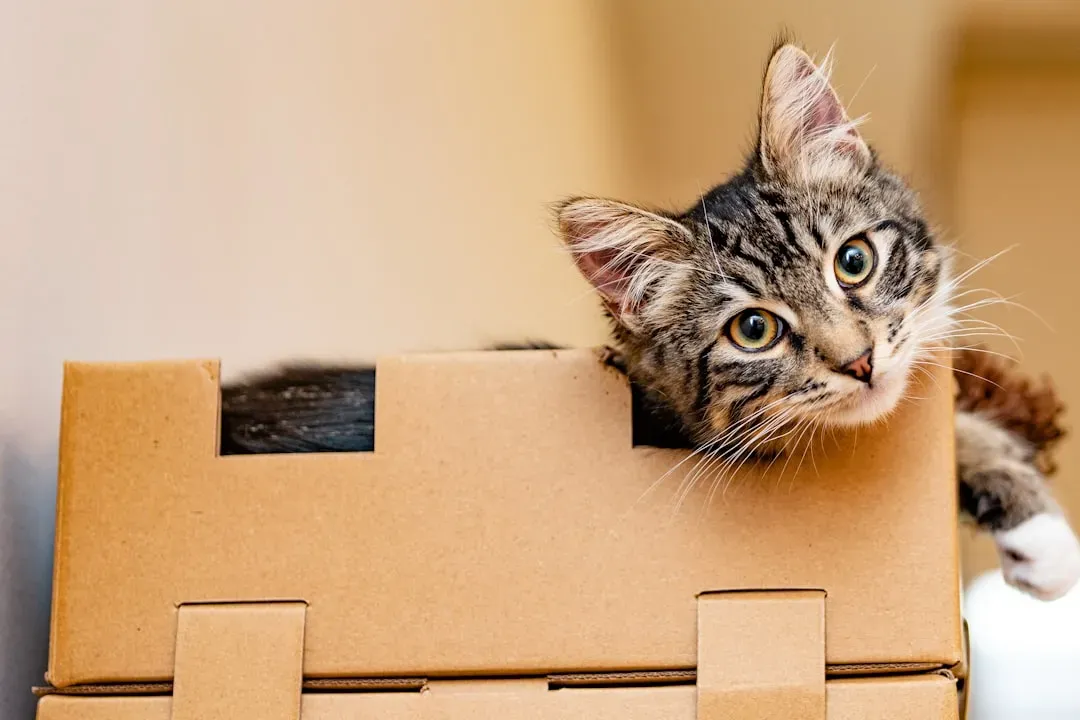
Honestly, this one surprised me when I first came across it. It is not just comfort that boxes provide. They are actual stress-reduction tools. A study from the University of Utrecht in the Netherlands showed that newly arrived shelter cats who had access to boxes recovered faster and adapted quicker to their new environment compared to cats who did not have access to boxes. That is remarkable for something that costs you nothing.
Research from the University of Utrecht studied shelter cats and found something remarkable: cats given boxes adapted to their new environment significantly faster than cats without boxes. The boxed cats showed lower stress levels within just three days. Three days. A simple cardboard box outperformed expensive environmental interventions in that short a period of time.
When cats feel overwhelmed, their instinct is to hide rather than confront the problem. Cats lack sophisticated conflict resolution skills, so they prefer avoidance. Boxes offer instant stress relief. So when your cat retreats to their box after a loud party or a visit from your well-meaning but boisterous relatives, they are genuinely self-medicating. Respect it.
3. Cardboard Is a Natural Insulator That Keeps Them Warm
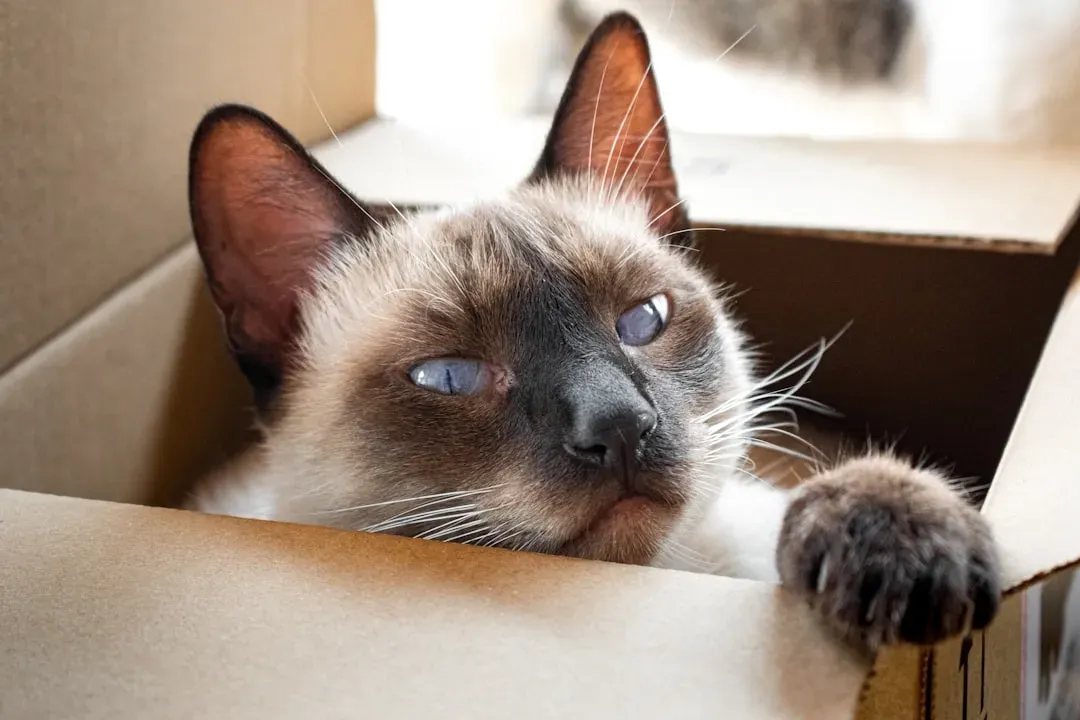
Your cat is not cold-blooded, but they might as well be, given how obsessively they chase warmth. A study found that cats are most comfortable in temperatures between 86 and 97 degrees Fahrenheit, but most homes are kept at around 72 degrees. Boxes act as insulators and trap body heat so cats can enjoy tropical temperatures without an expensive heating bill. Think of it as your cat’s personal climate control system.
Most homes have temperatures of about 72 to 76 degrees Fahrenheit, meaning most homes need to be warmer for cats. A cardboard box provides insulation for a chilly kitty, and the small space helps retain body heat. Your expensive cat bed, especially if it sits open on a cold tile floor, is often no match for the natural thermal engineering of corrugated cardboard.
Cardboard acts as a natural insulator, keeping cats warm in colder weather and cool during hot days. The microclimate created inside a box helps retain the cat’s body heat while allowing air to circulate, maintaining a comfortable temperature. Many cats adjust their position within the box to keep themselves at the perfect temperature. It is basically a self-regulating nest. Pretty clever for a species that also knocks cups off tables for fun.
4. It Satisfies Their Deep Need for Security and Observation
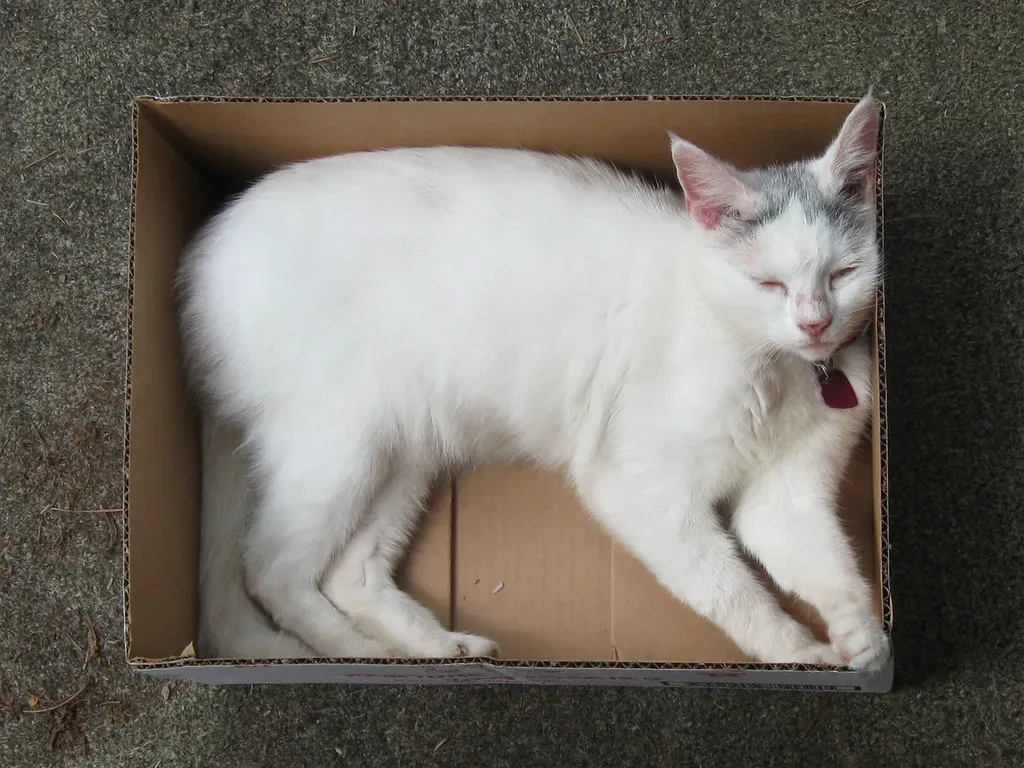
When cats gravitate toward boxes, they are actually seeking confined enclosed spaces that offer protection from all angles. A cardboard box provides the ultimate safe space where your cat can observe the world without being seen. Think about how powerful that is. Your cat can watch everything that is happening in a room while remaining completely concealed. That is not just comfortable, it is strategically brilliant.
Their preference for enclosed spaces can be traced back to their wild ancestors who relied on hidden spots for security and rest. A box offers a safe hiding place where a cat can observe without being seen. This instinctual behavior provides psychological comfort. An open pet bed, no matter how luxuriously padded, exposes your cat from every direction. For a creature wired to never let their guard down, that is genuinely stressful.
Pet beds, despite their softness and aesthetic appeal, might not provide the same benefits. Beds are often open with no sides, offering little protection or privacy. The materials may lack the insulation that cardboard provides and can even carry unfamiliar or artificial smells that cats dislike. So your cat is not being ungrateful. They are being sensible. There is a difference.
5. The Cardboard Texture Is a Full Sensory Experience
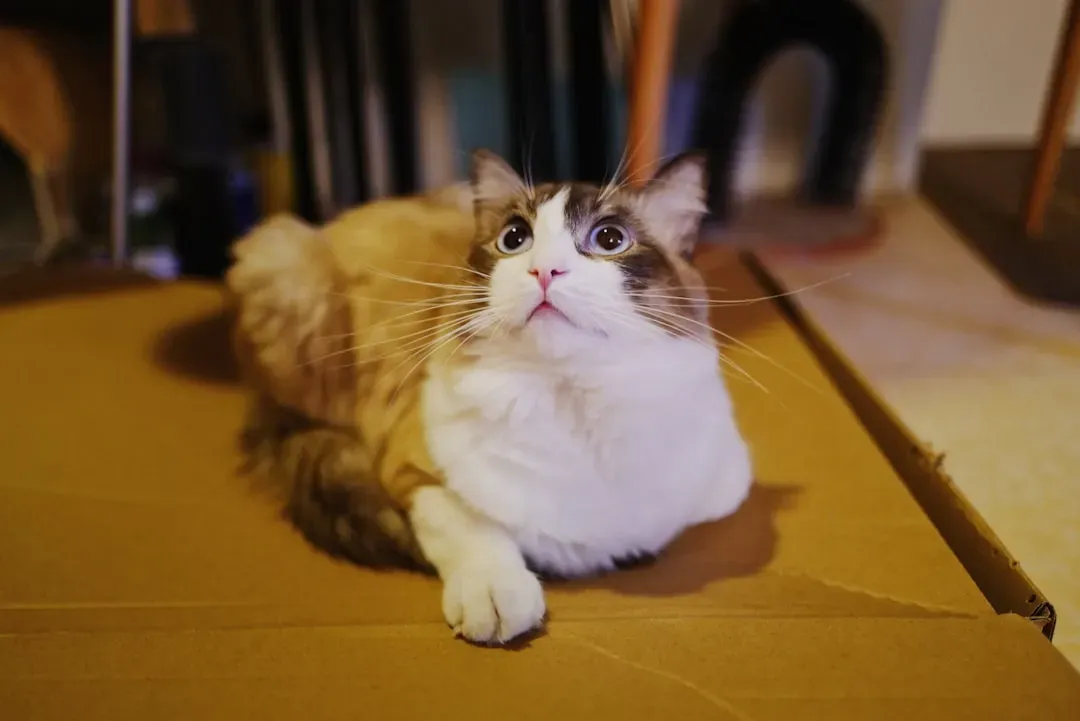
Let’s be real: your cat is a sensory creature. Everything they interact with is evaluated through touch, smell, and sound. Cats have an acute sense of smell, and cardboard boxes are porous materials that can retain scents. When cats enter a box, they are enveloped by a medley of intriguing smells. This olfactory experience can be comforting and captivating, especially when they are exploring a box brought from the outside world, teeming with unfamiliar scents.
The texture of cardboard is also appealing to cats. It provides an interesting tactile experience, which is particularly relevant as cats have sensitive paw pads. Scratching and kneading the cardboard can be both enjoyable and soothing for them. You probably notice your cat clawing at box edges or kneading the bottom. That is not destructive behavior. That is pleasure, plain and simple.
The scent glands on cats’ toe pads leave a unique signature on the box, which marks their territory. So every time your cat scratches or kneads the cardboard, they are not just enjoying the texture. They are claiming ownership. That box is not just a box anymore. It is home. Meanwhile, that untouched designer bed smells like a factory and says nothing personal to them at all.
6. Boxes Tap Into Their Predatory Play Instincts
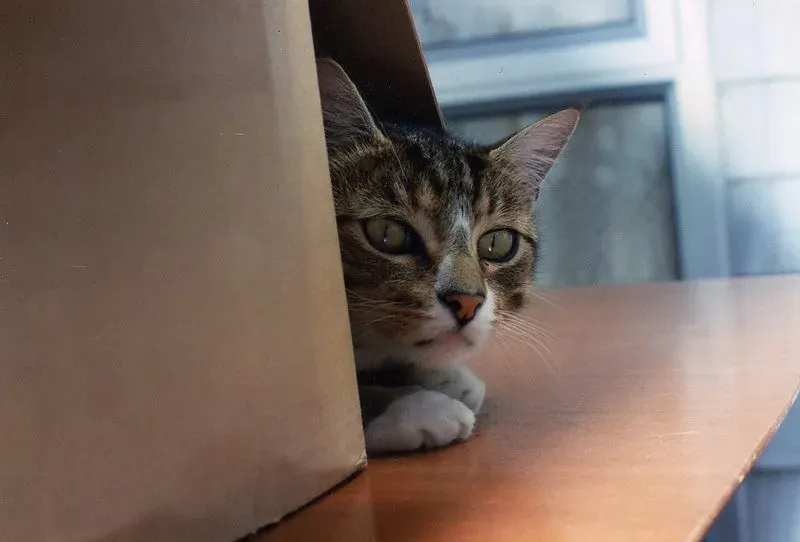
Cats are natural hunters, and boxes serve as perfect ambush spots. The confined space allows cats to hide and then pounce on their prey, whether it is a toy or an unsuspecting family member walking by. This type of play mimics hunting behaviors in the wild, providing both physical exercise and mental engagement. Honestly, if you have ever had your ankles attacked the moment you walked past a cardboard box, you already know this firsthand.
A cardboard box recreates the hunting experience perfectly. Your cat can crouch inside, perfectly concealed, watching for prey to pass by. That prey might be a toy mouse, a laser pointer dot, or your unsuspecting feet. Storage boxes, gift boxes, and even small shipping boxes provide ideal hunting blinds where cats can practice their stalking skills. It is interactive, stimulating, and deeply satisfying for them on an instinctual level.
Boxes offer more than just a place to rest. They also provide endless opportunities for play and exploration. A box can transform into a fortress, a hideout, or a hunting ground for a cat’s imagination. This playful interaction keeps cats physically active and mentally stimulated, preventing boredom and encouraging natural behaviors like stalking and pouncing. Your fancy cat bed cannot do any of that.
7. Novelty and Curiosity Make Every New Box an Adventure
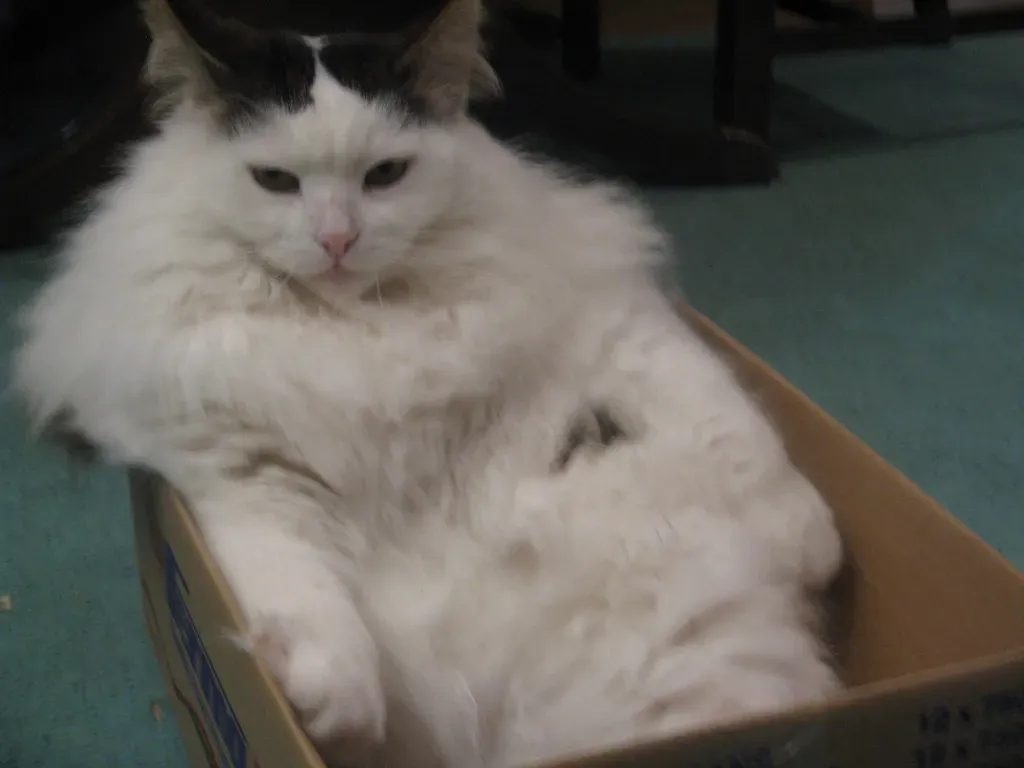
There is something your cat absolutely cannot resist: something new. Cats love exploring novel items, so when the cardboard box containing the new bed is tossed on the ground, the cat may jump into the box before actually trying the bed. Other cats might not like the texture, smell, or shape of the bed, turning up their nose in favor of the box it came in. It is almost poetic, honestly.
Cats are famously curious creatures. A new box represents an exciting mystery to solve. Every new delivery that arrives at your home is, from your cat’s perspective, a puzzle wrapped in cardboard. Your cat’s powerful sense of smell, which is 14 times stronger than yours, means every box tells a story. Where has it been? What was inside? Who touched it? Your cat needs to know all of it.
The novelty of new objects can be incredibly stimulating for cats. Each new box presents a fresh challenge and a new opportunity for discovery. Changing the size, shape, or location of boxes can keep the environment engaging and exciting, preventing boredom and promoting mental agility. So next time a package arrives, resist the urge to break it down immediately. Let your cat have it for a day or two. It costs you nothing, and to them, it is basically a theme park.
Conclusion: Maybe Your Cat Is Smarter Than You Think
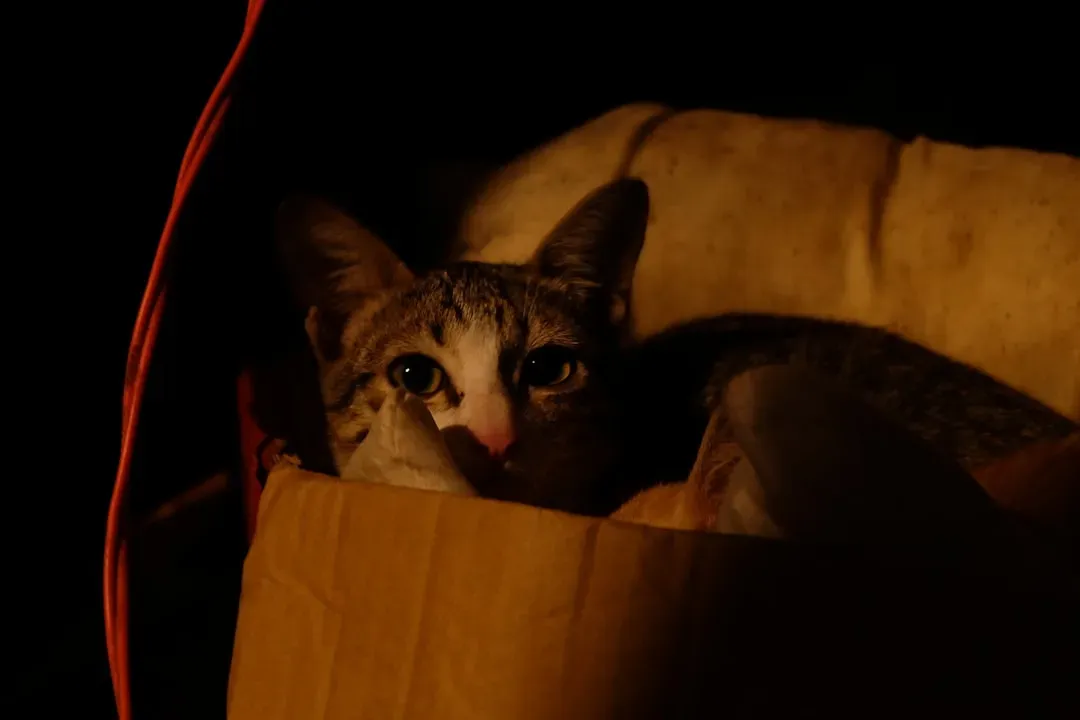
The next time your cat bypasses that plush, overpriced bed to curl up in a flimsy Amazon box, try not to take it personally. Understanding your cat’s preference isn’t just about indulging their quirks. It is about creating an environment where they feel safe and comfortable. When your feline ignores their plush bed in favor of a cardboard box, they are not being fickle. They are listening to millions of years of evolution.
The cardboard box wins because it speaks directly to everything your cat was built to need: warmth, security, stealth, play, scent, and a sense of personal territory. No fancy bed designed by a human can easily replicate that combination. Boxes are not just boxes to your cat. They are fortresses, hunting grounds, temperature regulators, stress relievers, and entertainment centers all rolled into one recyclable package.
So perhaps the real lesson here is a humbling one. Your cat does not need more expensive things. They need the right things. And sometimes, the right thing costs absolutely nothing. Have you ever stopped to wonder what else your cat understands about comfort that you might be completely missing? What do you think about it? Tell us in the comments.